

School of Climate, Environment, and Society
-
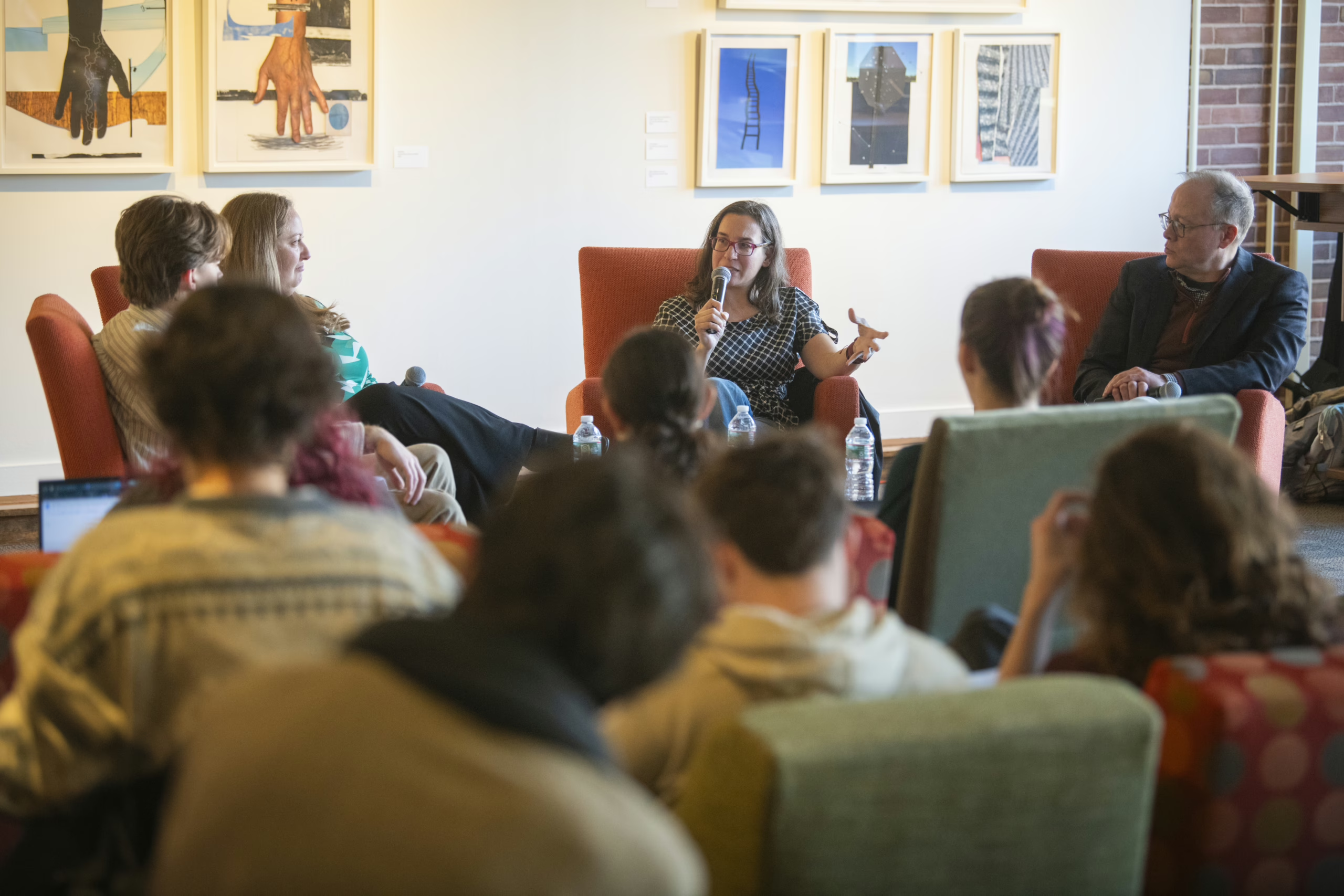
‘We have to continue to bend the curve’
Clark faculty who attended COP30 shared their impressions of progress and challenges that were illuminated during the U.N.’s two-week climate conference.
-
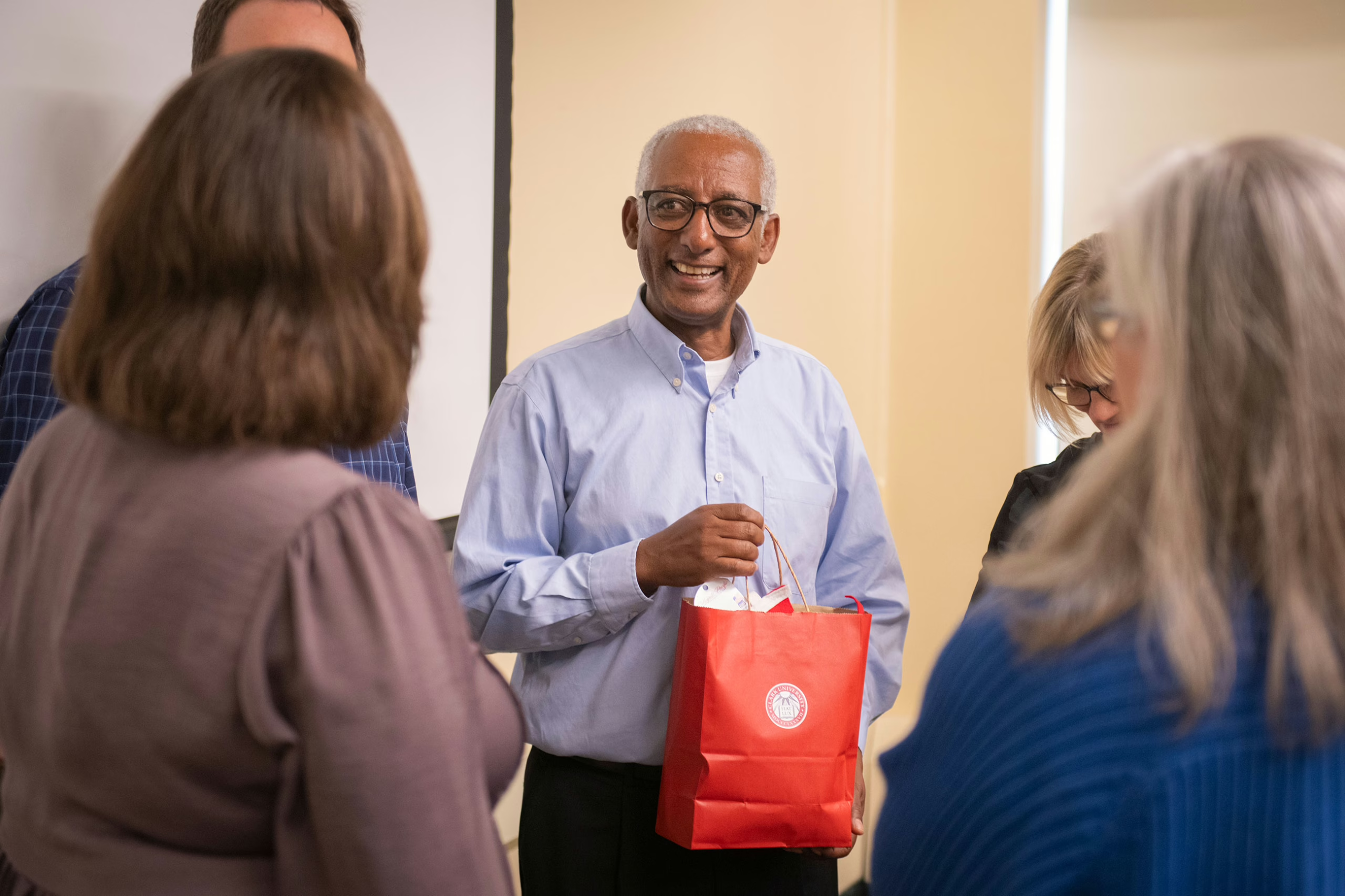
Clark strengthens academic partnership with Ethiopia’s Wollo University
A new partnership with Wollo University was was announced at a Clark lecture by Dr. Teferi Abate, a senior research anthropologist at Yale.
-
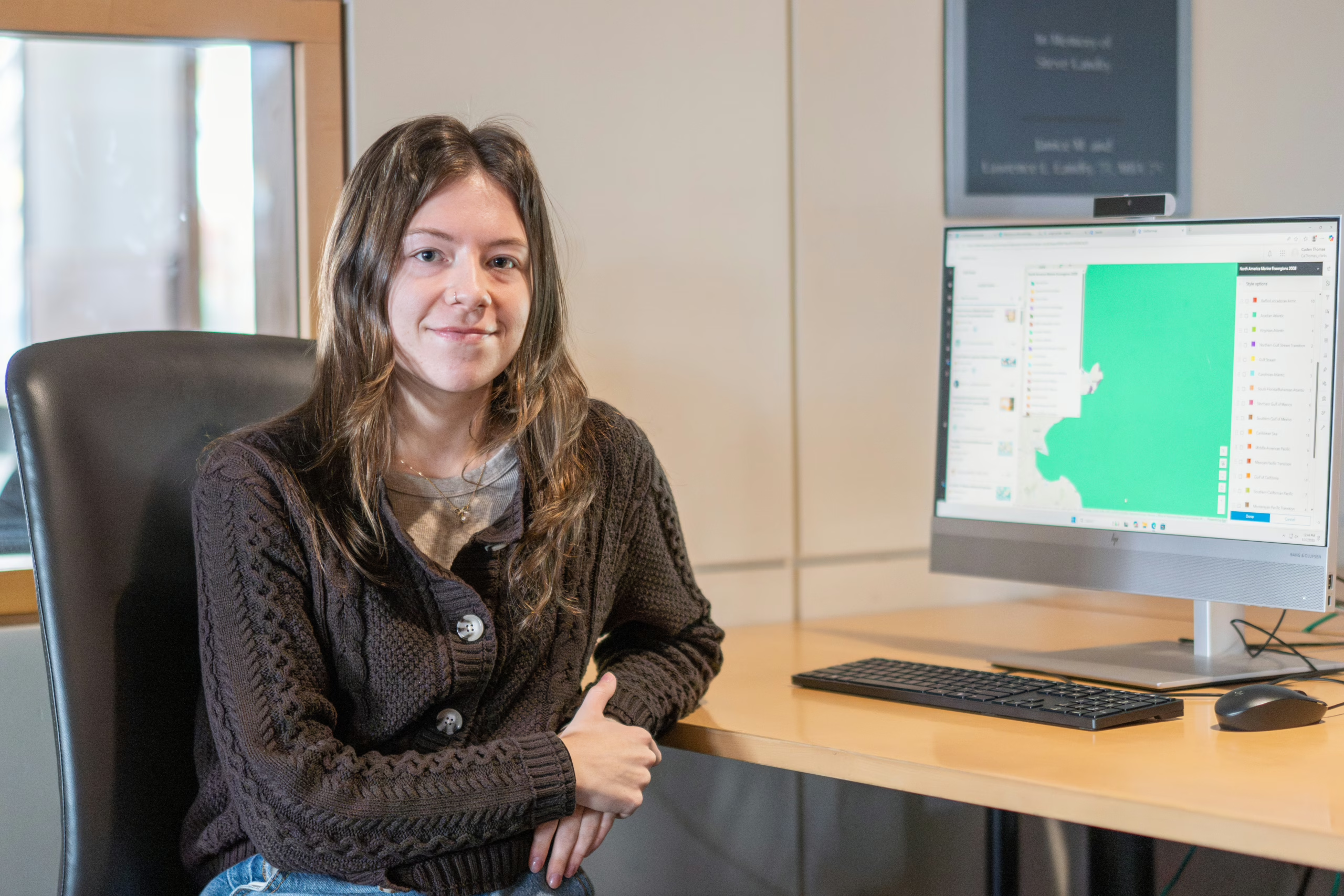
From crab blood to carbon hoarding
Caden Thomas ’27 gets down in the mud for marine research.
-
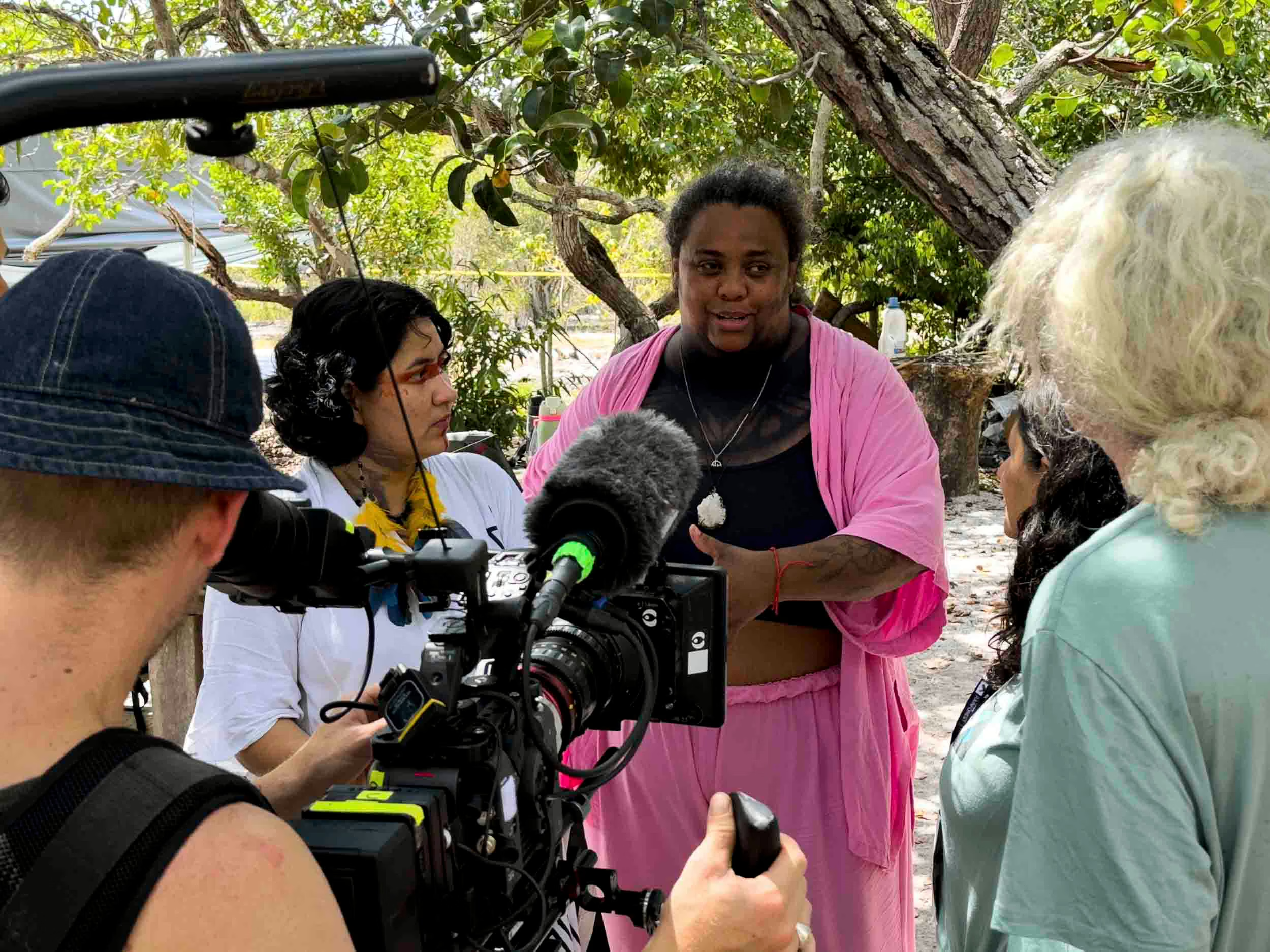
‘We hear them, see them, and are with them’
At COP30, Clark supports Indigenous peoples’ fight to be heard
-

ETH BiodivX team launches groundbreaking Indigenous-led conservation fund at COP 30 in Belém
Revolutionary endowment model puts Indigenous communities in control of conservation funding decisions, transforming biodiversity finance from the ground up
-

Building a clean-energy future, brick by brick
Chemistry Professor Julio D’Arcy leads a student research team to develop state-of-the-art technology aimed at improving human lives.
-
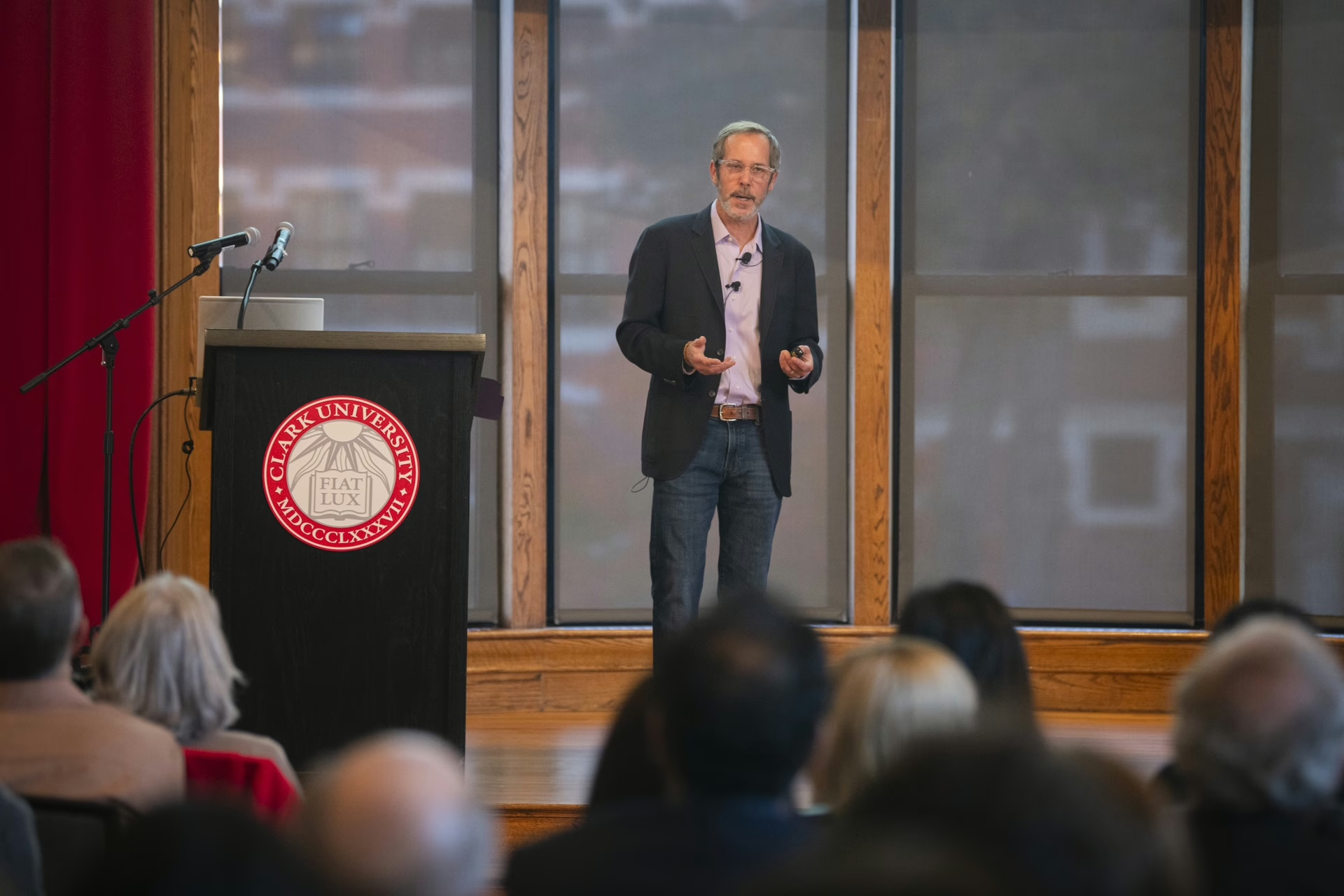
‘We’re getting exactly what we designed for’
Strategist Ken Coulson applies systems thinking to sustainability challenges
-
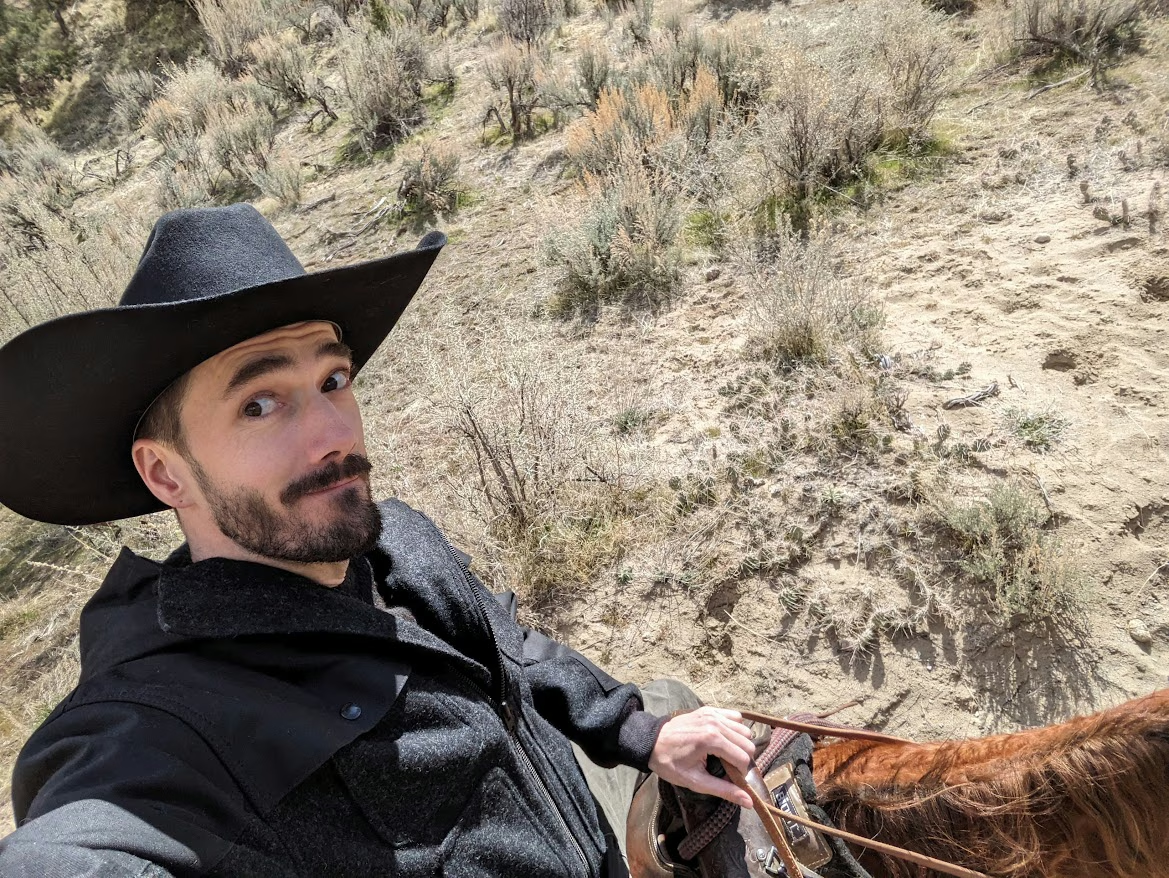
Sheep, sustainability, and success
Ben Carver, M.A. ’19, returns to Clark to talk about his passion for the responsible production of wool
-
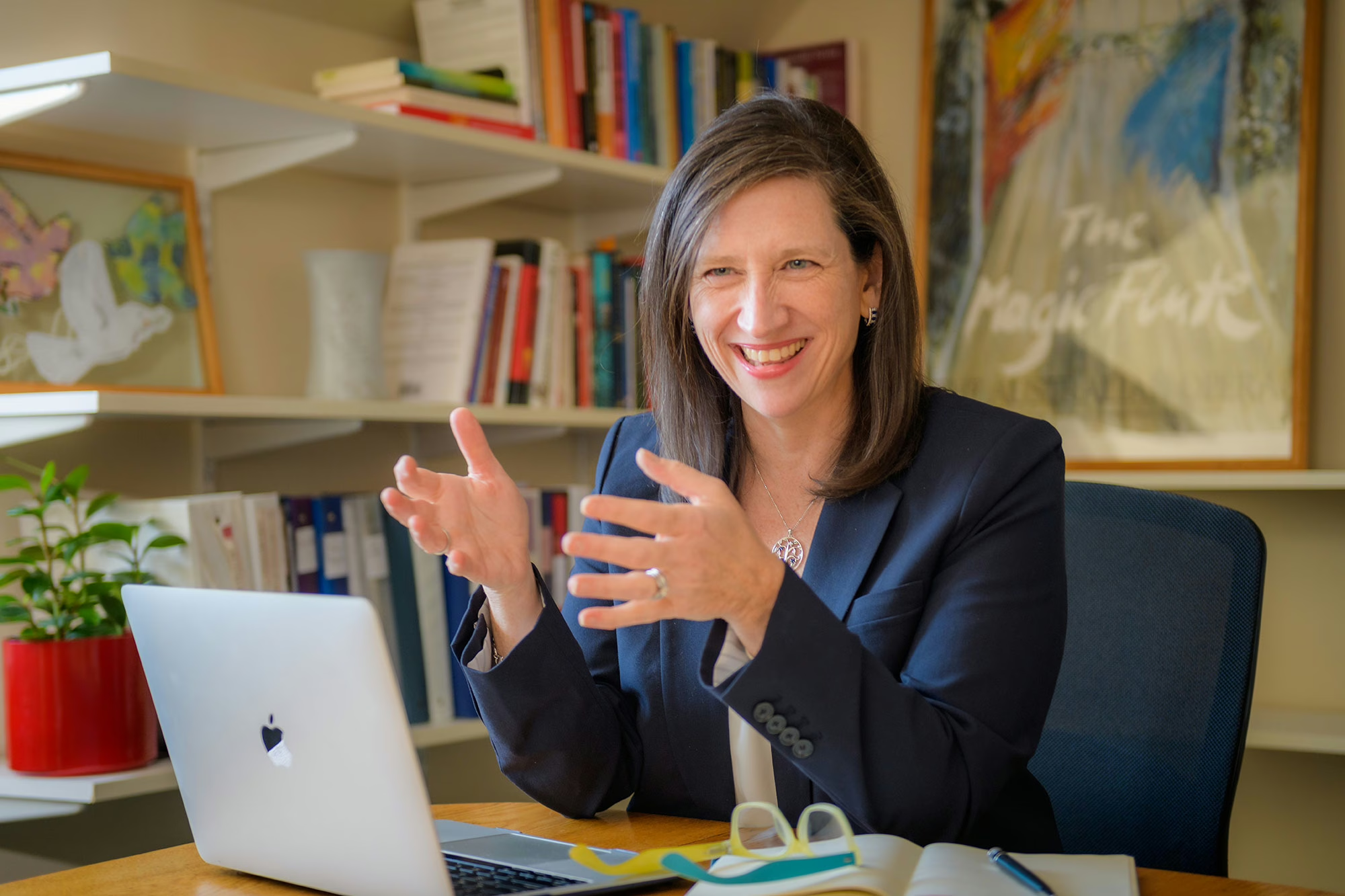
‘The more people come together, the more change can happen’
In a time of threats against human rights, democracy, and the rule of law, a Clark University professor has teamed up with colleagues to launch Community Organizing Journal, featuring peer-reviewed articles and reflective essays by academics and practitioners from around the world.
-
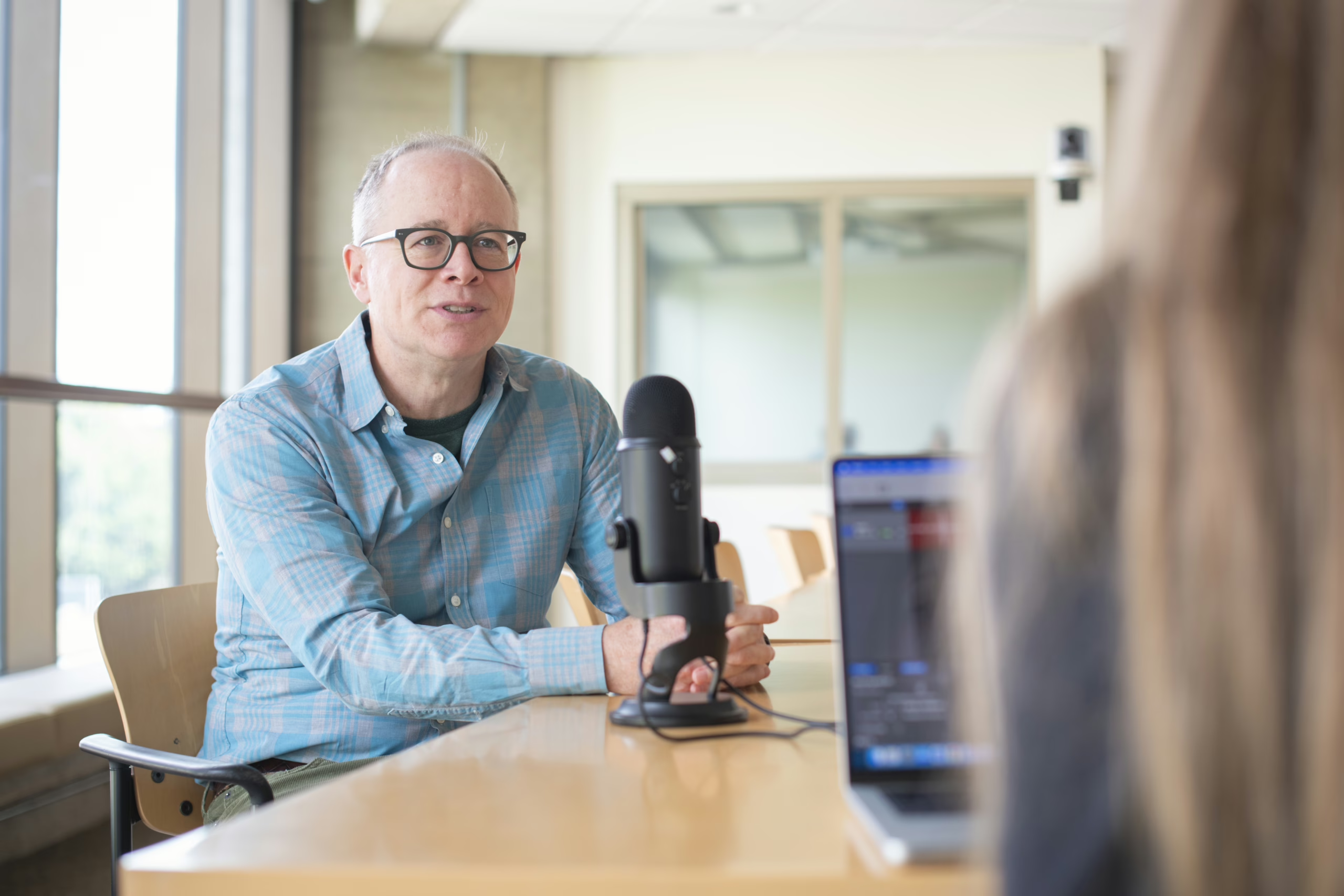
Addressing the globe’s polycrisis
The mission of Clark University’s School of Climate, Environment, and Society can be summarized in one word, according to Lou Leonard, the school’s D.J.A. Spencer Dean, and that word is impact.