Geography
-
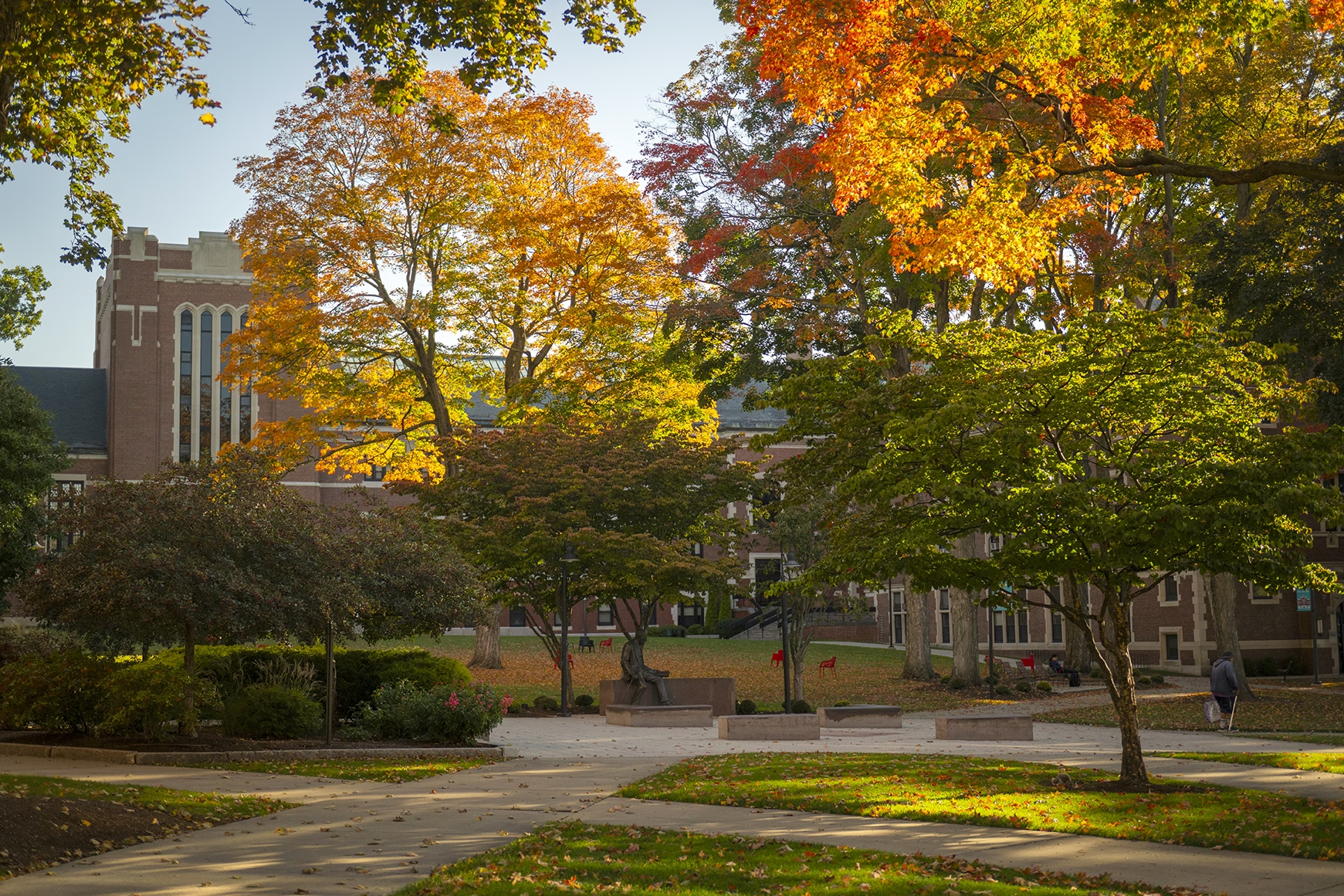
Oct. 8 lectures address behavioral health, U.S. Constitution, and marine exploration
Three lectures on Oct. 8 will explore topics related to our children’s mental health, our Constitution, and our planet.
-
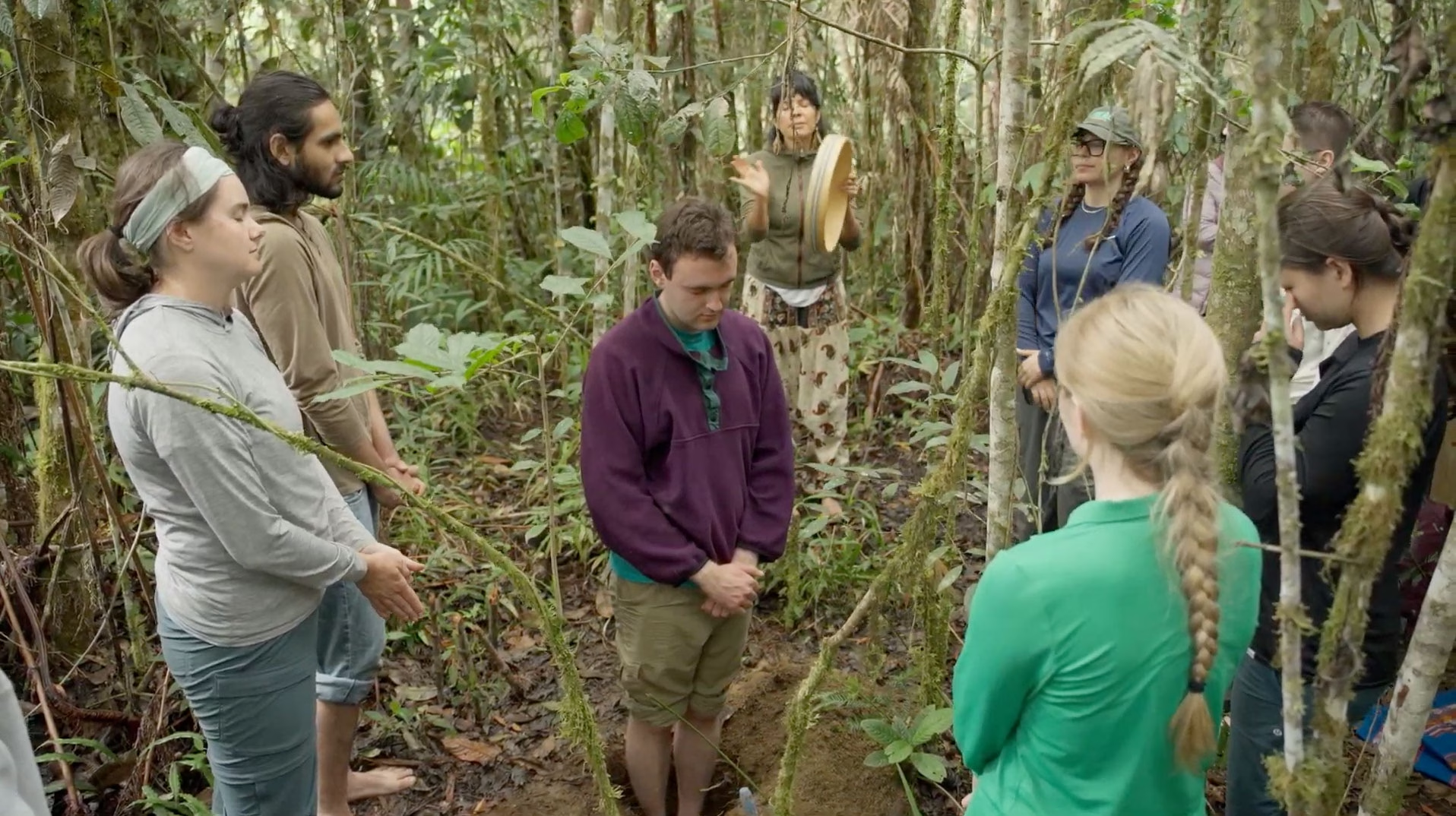
Students visit UNESCO-designated biosphere reserve in Peru to learn from Clark’s research partners
Eight Clark students and recent graduates traveled to Oxapampa, Peru, for a field-based experience this summer.
-
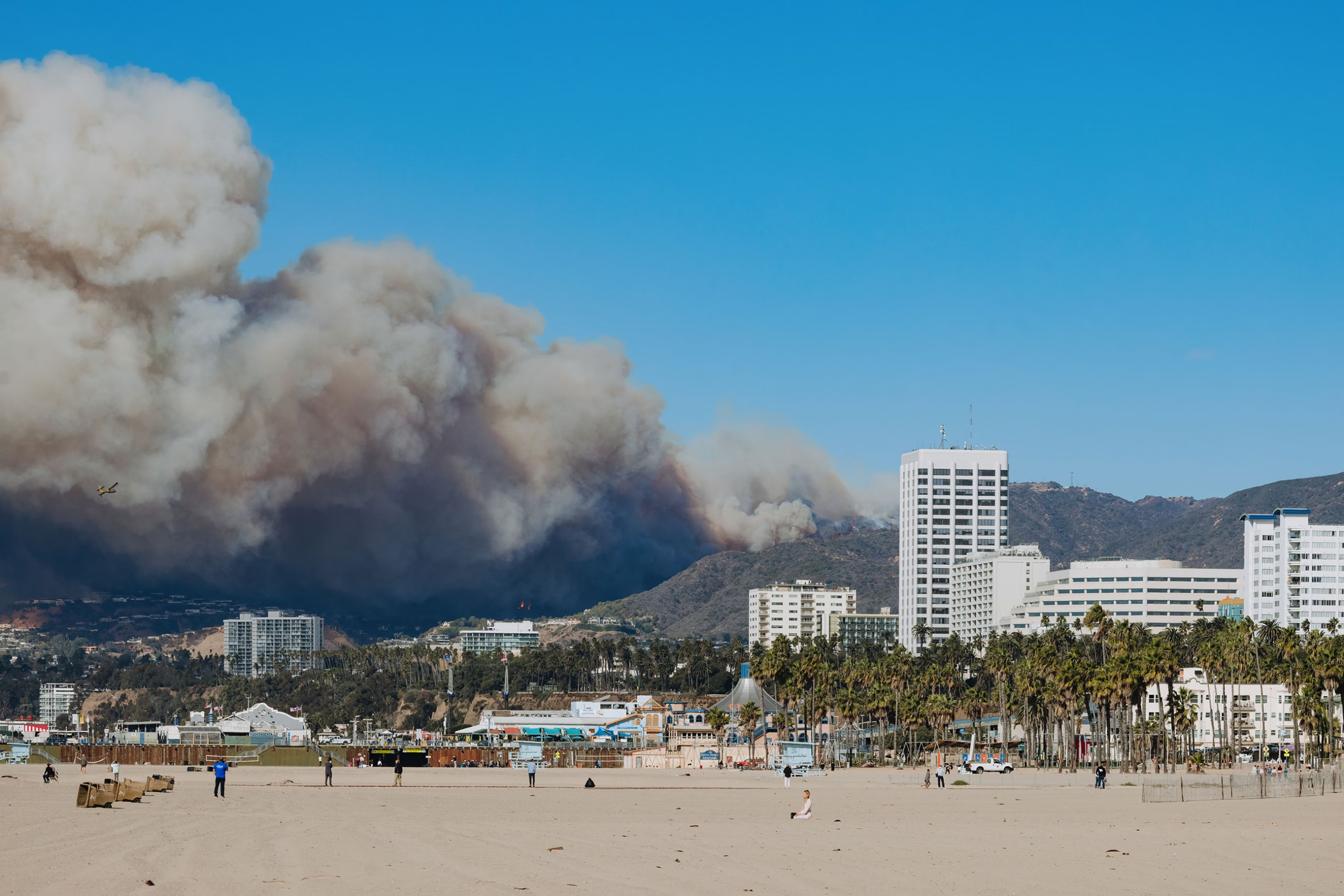
With federal aid dwindling, how can cities embed climate resilience in their budgets?
Organized by the School of Climate, Environment, and Society, a national panel discussion addresses how cities are grappling with the challenges of extreme weather.
-
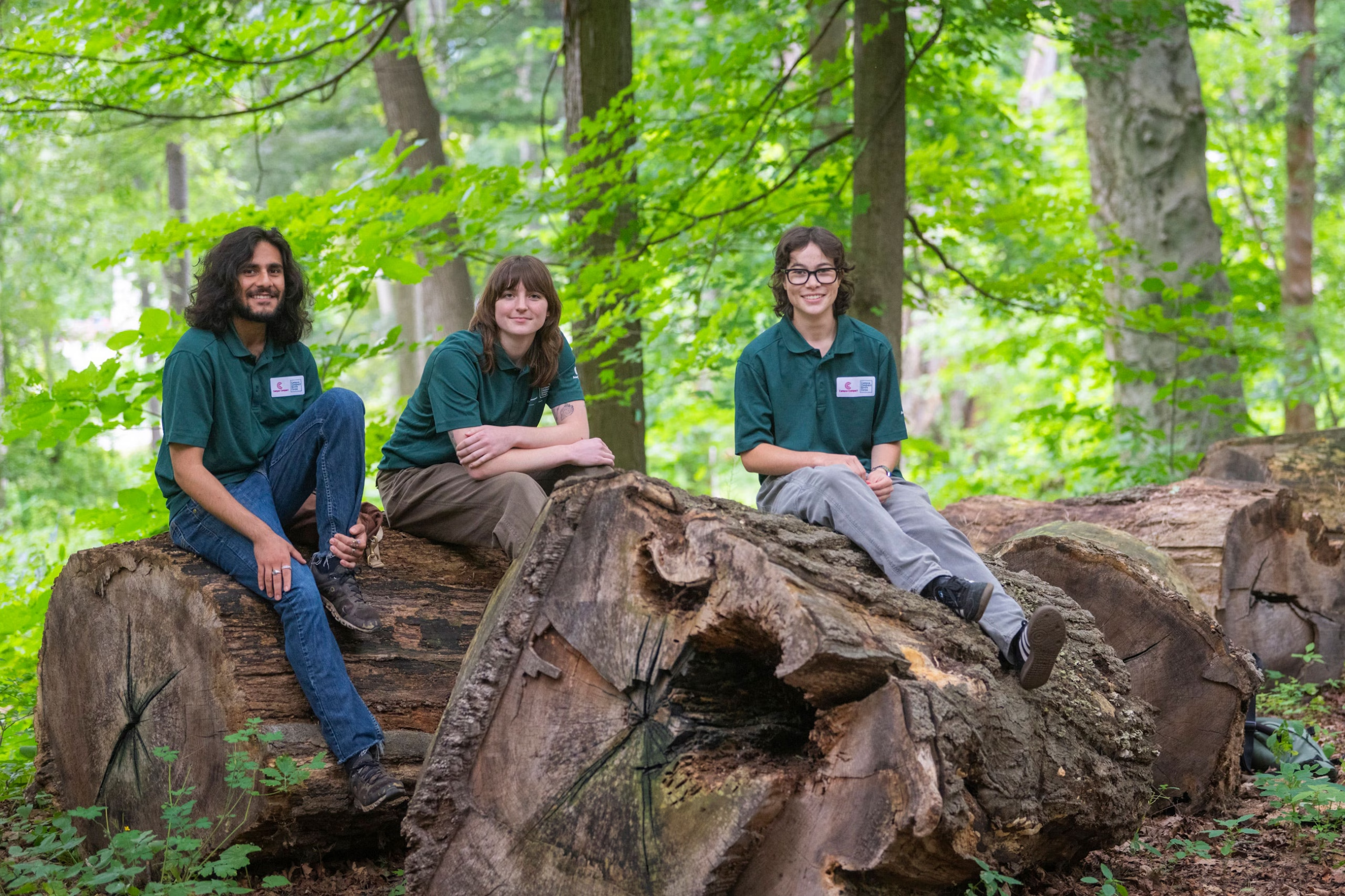
It’s easy being green: AmeriCorps-funded students improve Worcester, Attleboro community forests
Three students from Clark’s School of Climate, Environment, and Society emerged from their months-long AmeriCorps/Campus Compact EnviroCorps experience with hands-on skills, job experience, and a new appreciation for community-based environmental work.
-
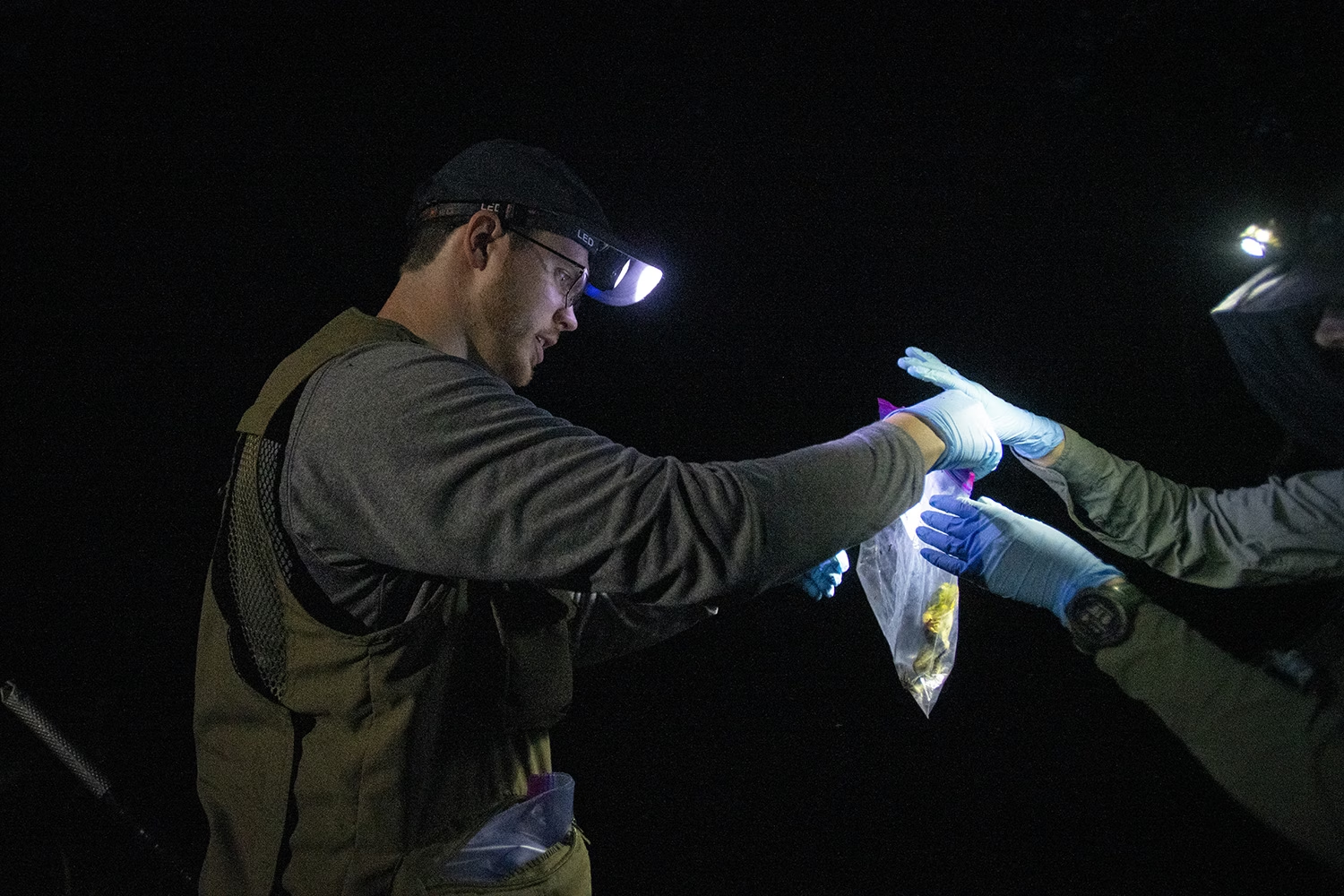
New grants support dissertation research, expand opportunities for Ph.D. students
With topics ranging from amphibian fungi and waterfront climate adaptation to ethnic-racial identity, seven Clark doctoral students have been named the first recipients of Clark University Dissertation Improvement Grants.
-
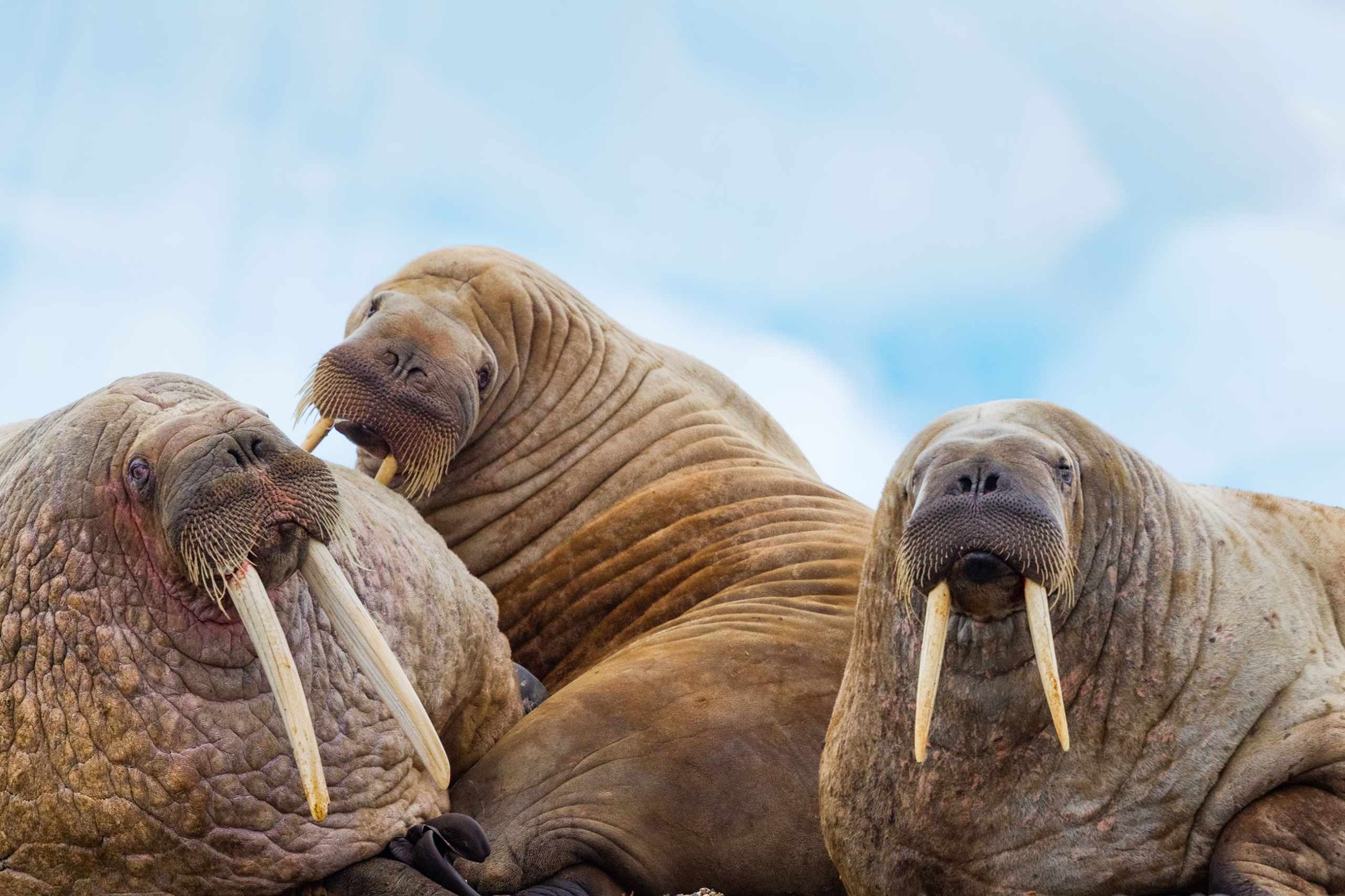
How will climate change affect marine life in the Arctic?
Over 14 years, polar scientist Karen Frey and her students have studied the effects of melting sea ice in the Arctic, funded by the NSF’s Office of Polar Programs.
-

Century-old Economic Geography sees jump in citation rankings
Clark’s century-old, internationally recognized scholarly journal Economic Geography achieved a nearly 24 percent increase in citation rankings for 2025, confirming its reputation as the leading publication the field.
-
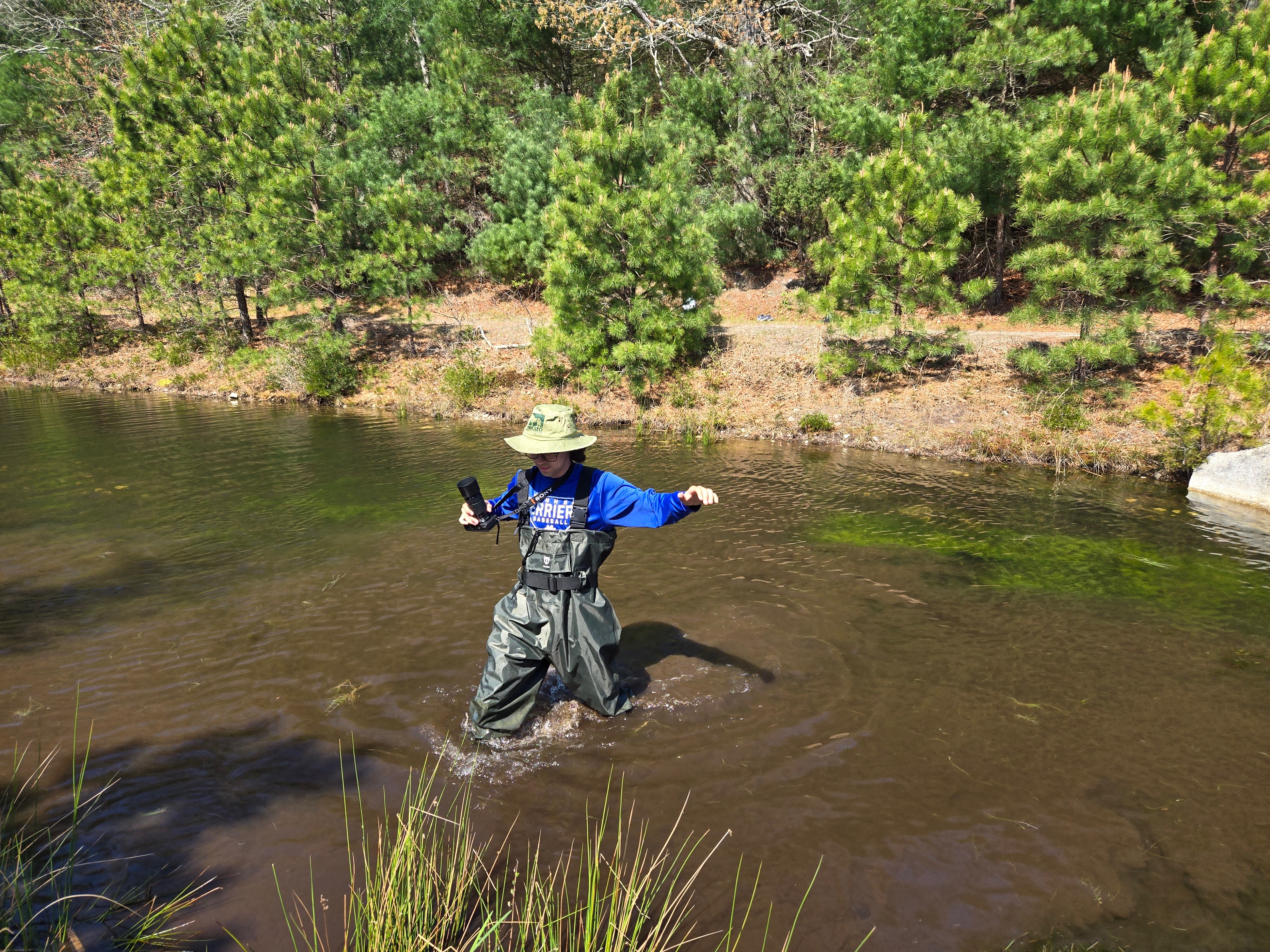
Leo Kerz ’26 has tracked the echoes in ecosystems
Leo Kerz ’26 collects 63,000 nature recordings to track ecosystem health
-
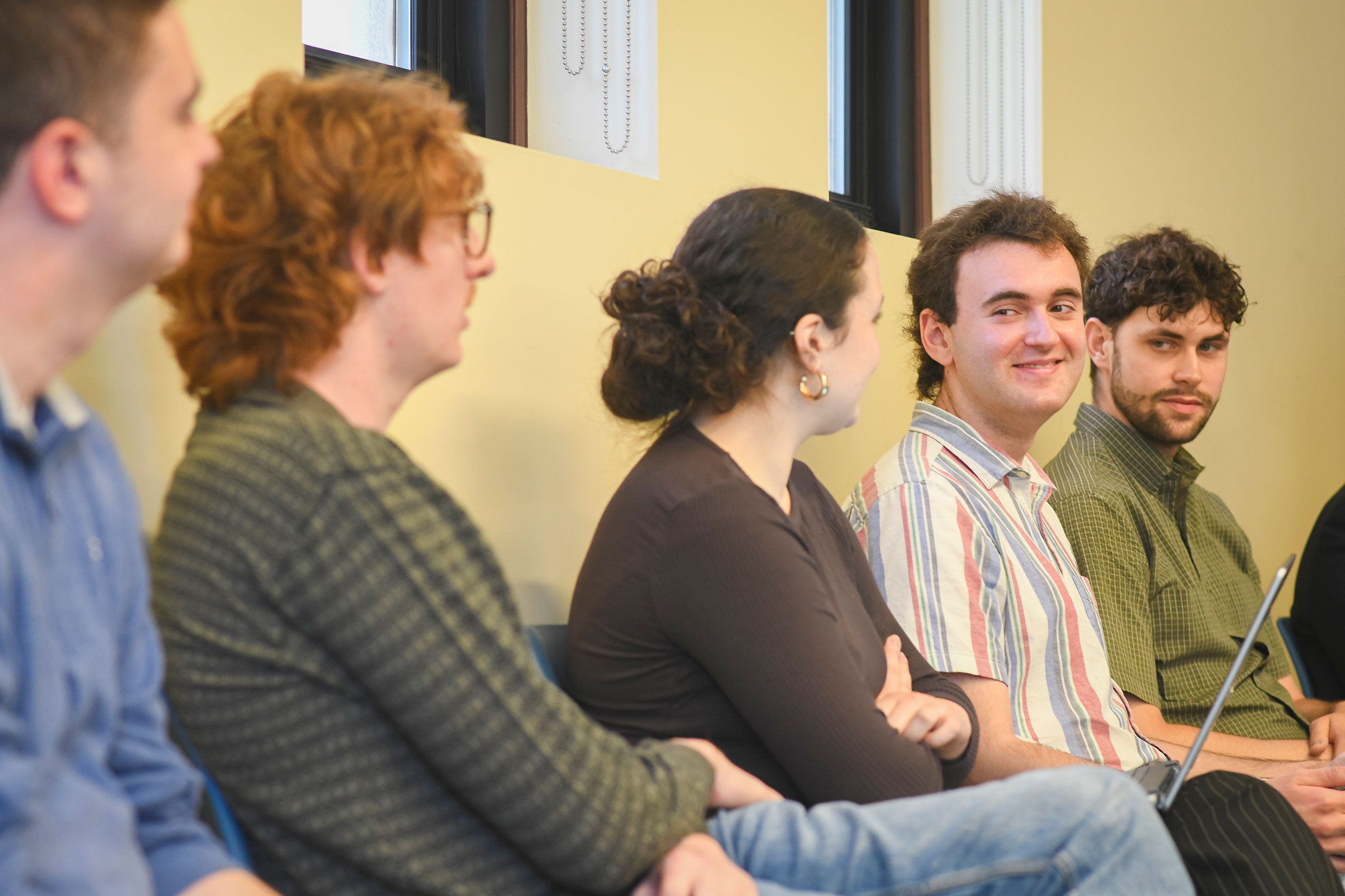
Student-run Clark Consulting GIS team delivers for Wildlife Conservation Society
A cohort of Clarkies served as GIS consultants for the Wildlife Conservation Society this spring, building on the 2025 work of students who created a dashboard that WCS staff use to analyze environmental trends and conservation impacts.
-
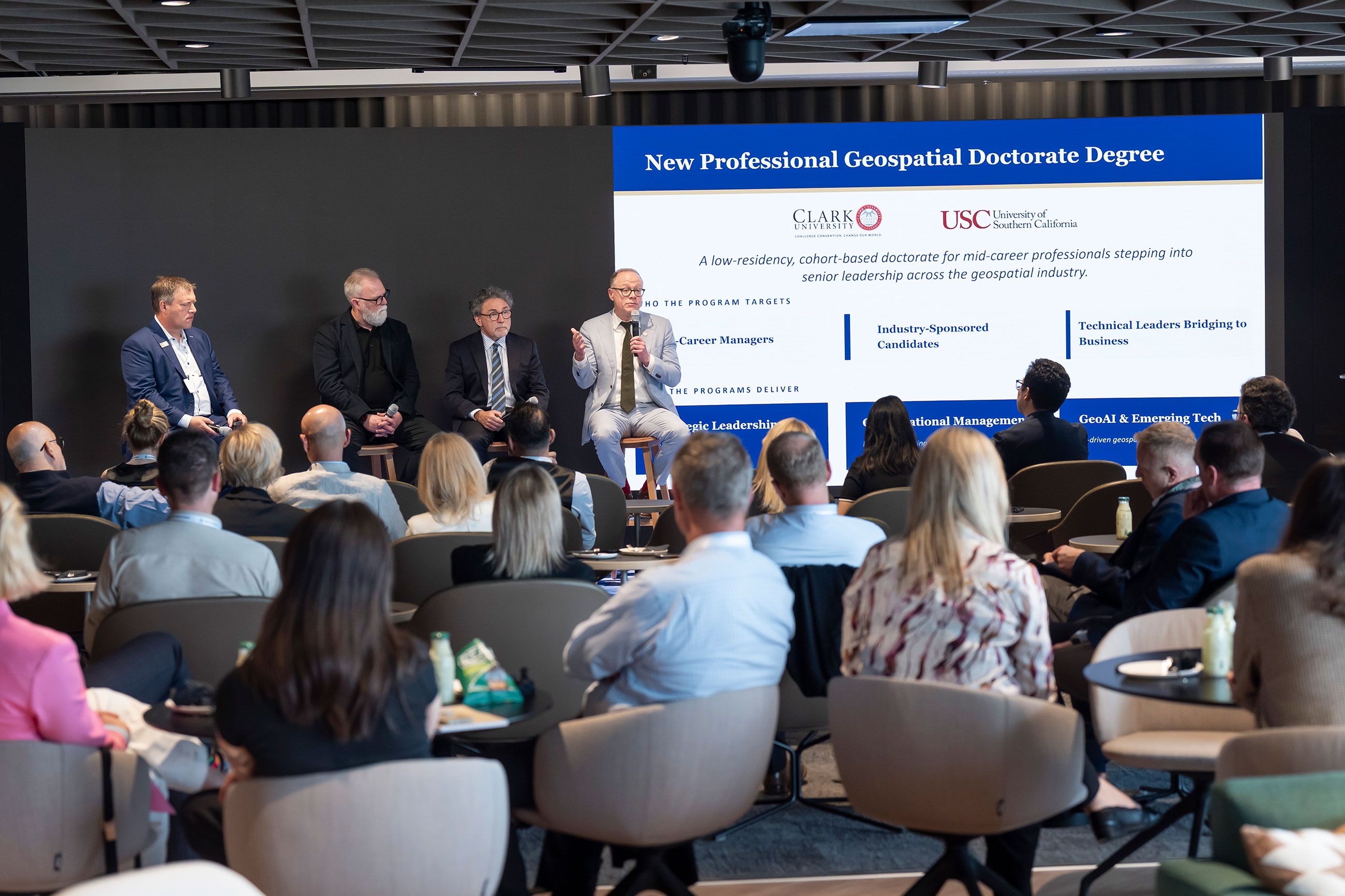
Clark launches world’s first, industry-approved professional geospatial leadership doctorate
The two-year, low-residency degree, designed for mid-career professionals seeking to advance in leadership roles, is set to begin in vsummer 2027.