

Faculty research
-
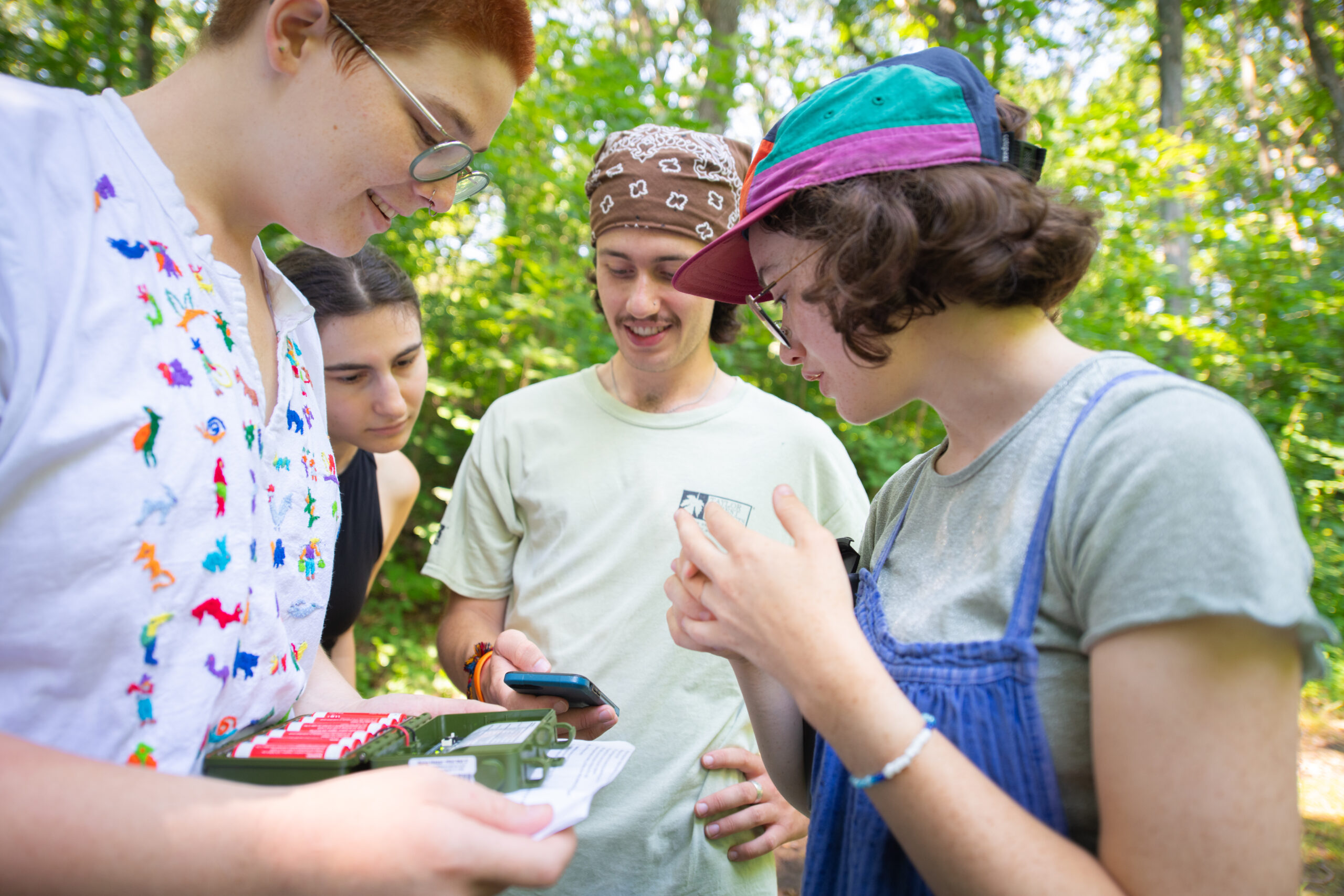
HERO still super after 25 years
Student fellows converge on Gateway Cities to survey tree health
-
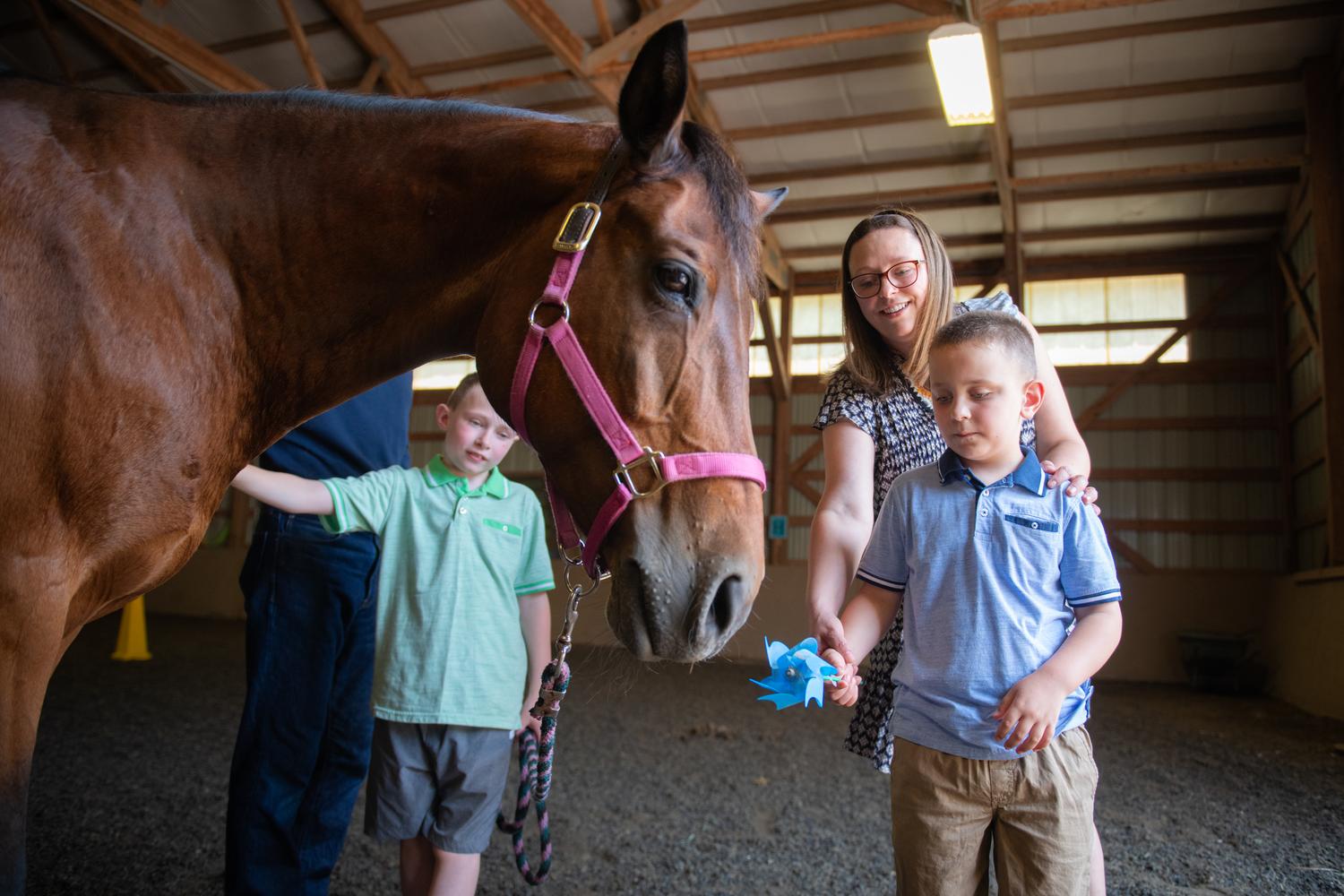
A farm story for all
Professor’s book finds an inclusive twist to reach more young readers
-
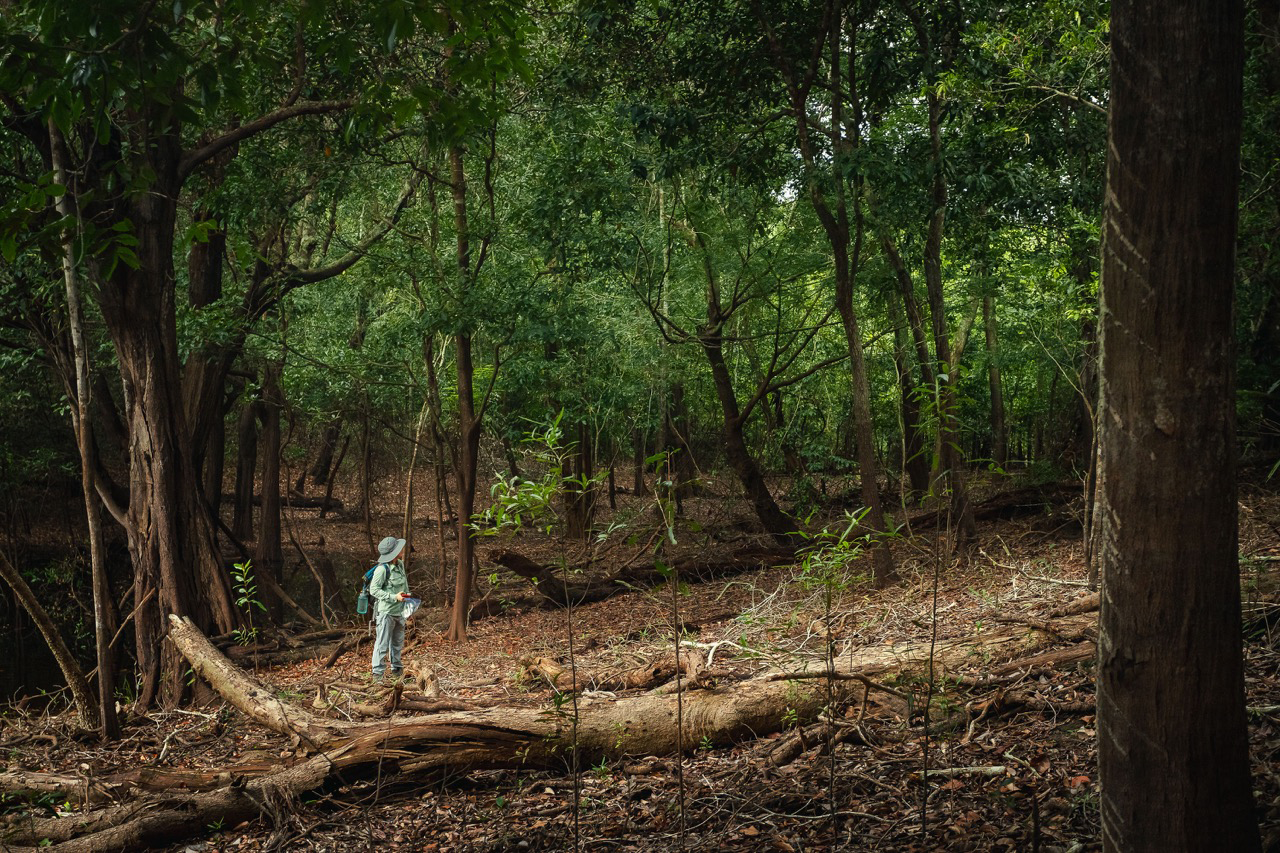
Clark geographer applies ecoacoustic research to assessment of the Amazon
Florencia Sangermano brings expertise to team collecting biodiversity data in three-day competition
-
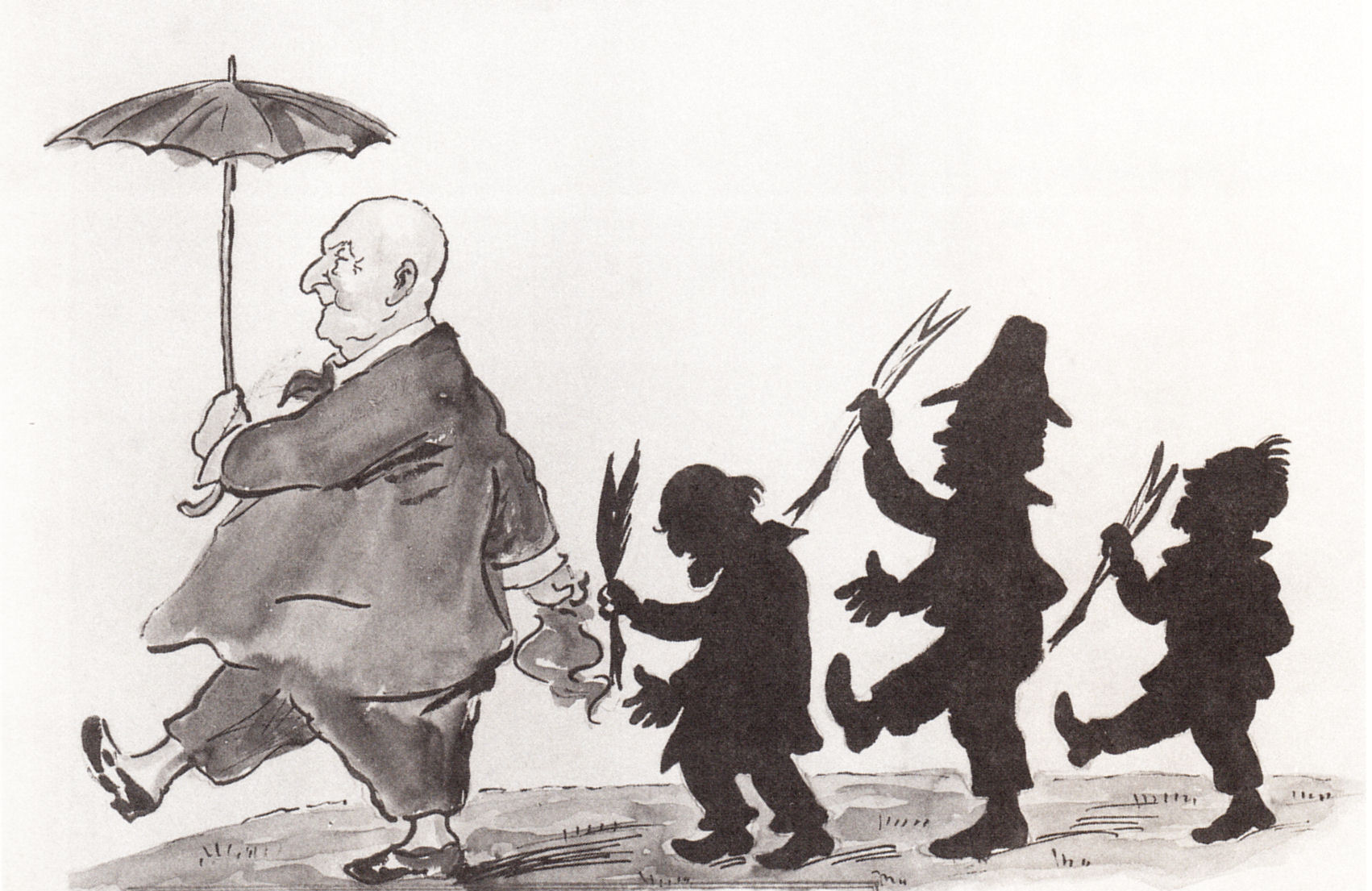
As Austria celebrates ‘Bruckner Year,’ Clark scholar reveals composer’s complex history
Appropriated by the Nazis after his death and later celebrated as an innovative symphonist, Anton Bruckner finally gets his due
-
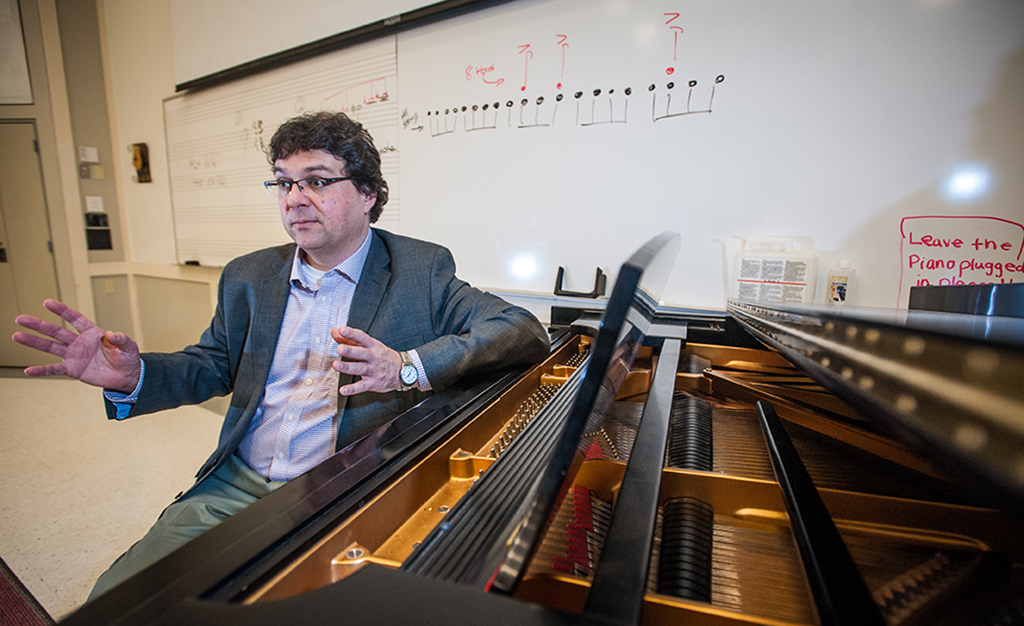
Benjamin Korstvedt’s ‘year of Bruckner’
Clark music professor is one of the world’s foremost authorities on the Austrian composer
-

Scrutinizing the sentence
Creative writers explore the mechanics of perfect prose
-
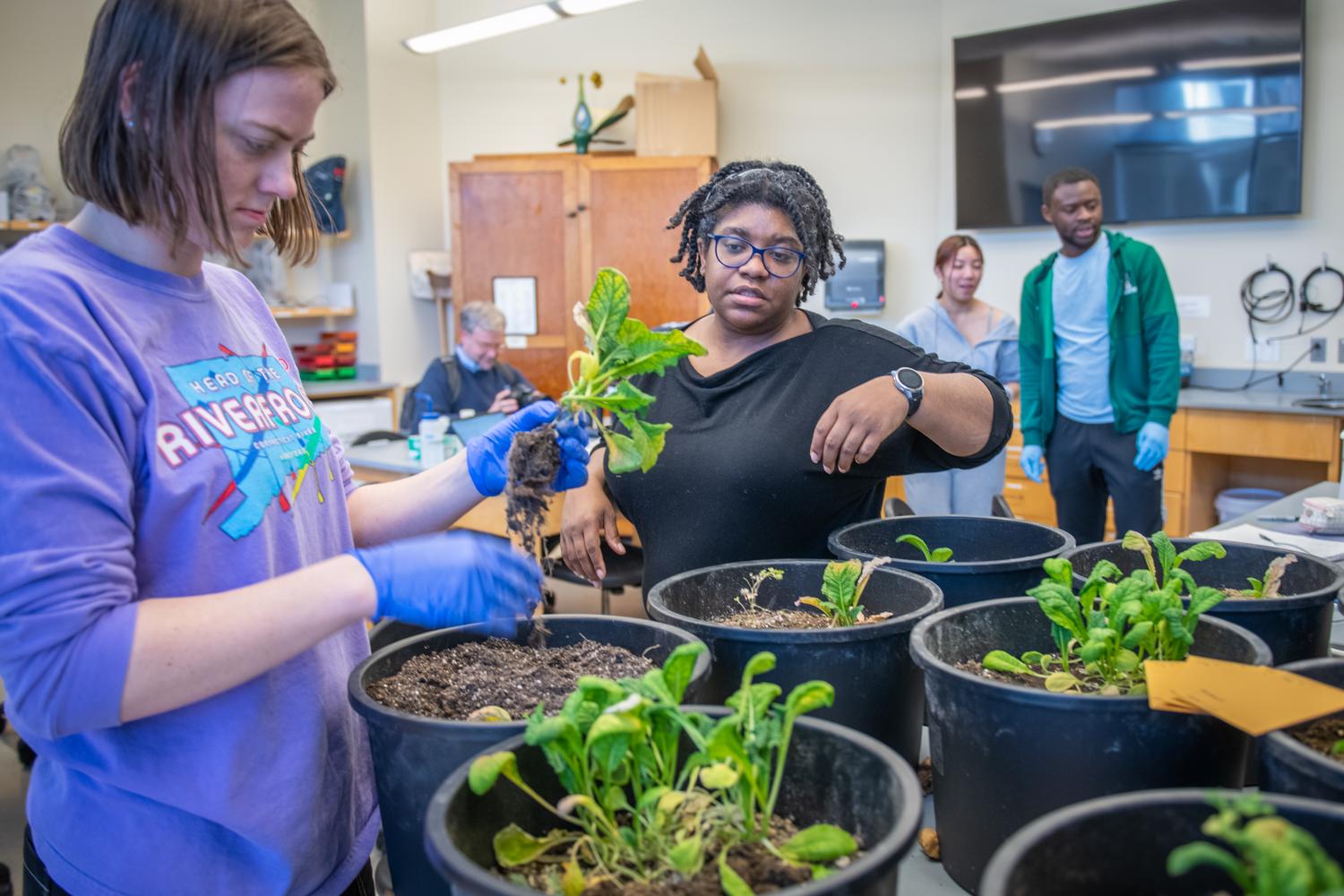
How can microbes help farmers grow more food to feed the world?
Below the surface of the soil, a diverse community of microbes — living organisms like bacteria, viruses, fungi, and protozoa — interact and play a significant role in breaking down organic matter and cycling nutrients. These microbial interactions can improve or, in some cases, impair the health and growth of plants. Although they cannot be…
-
Are we master of Siri, or vice versa?
Professor explores the deepening impact of AI on language and culture
-

A nudge in the right direction
Studying how tech tactics can motivate or entrap users
-
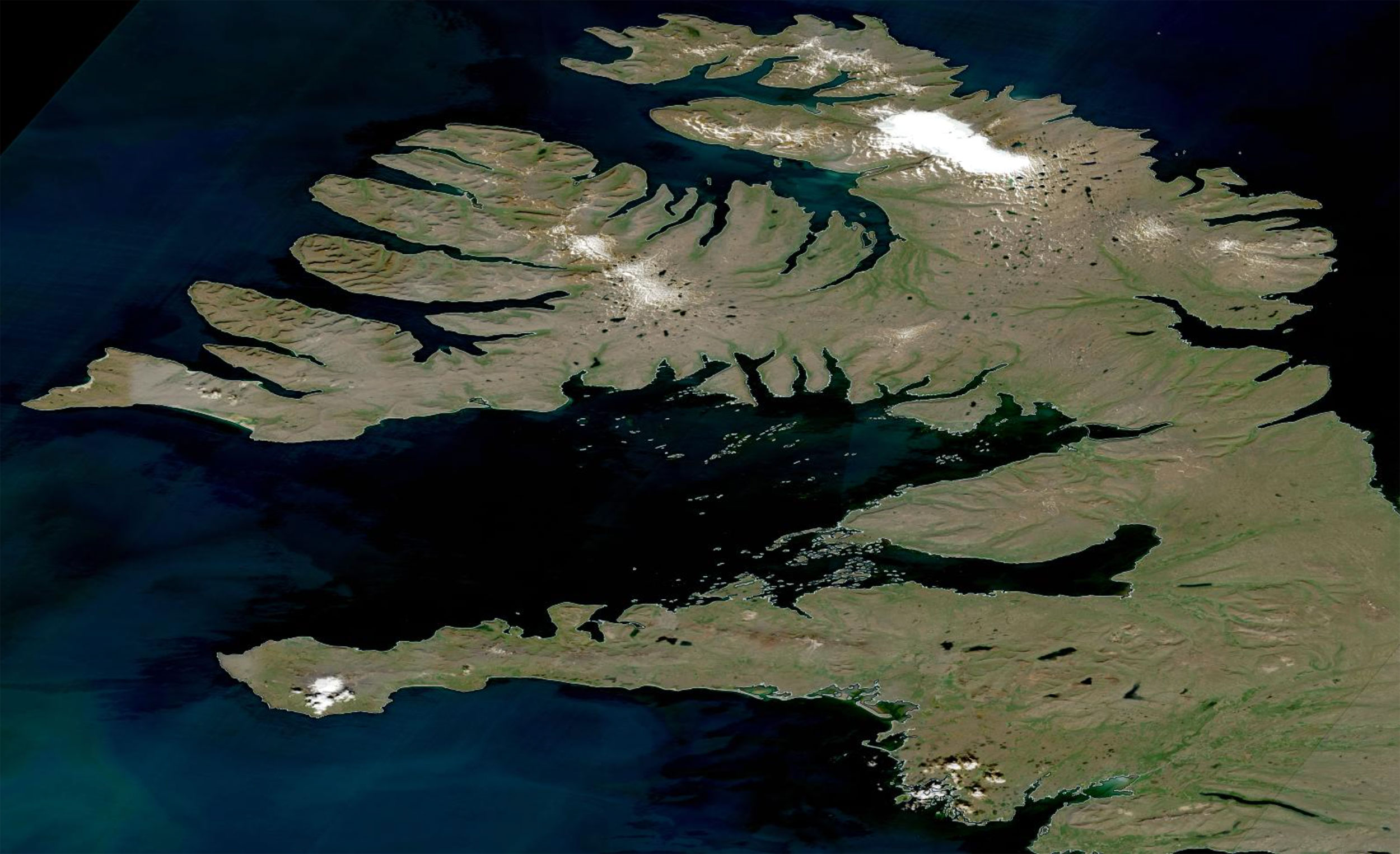
Clark embraces AI to advance geospatial analytics
Clark Center for Geospatial Analytics builds upon legacy of GIS research