Faculty research
-
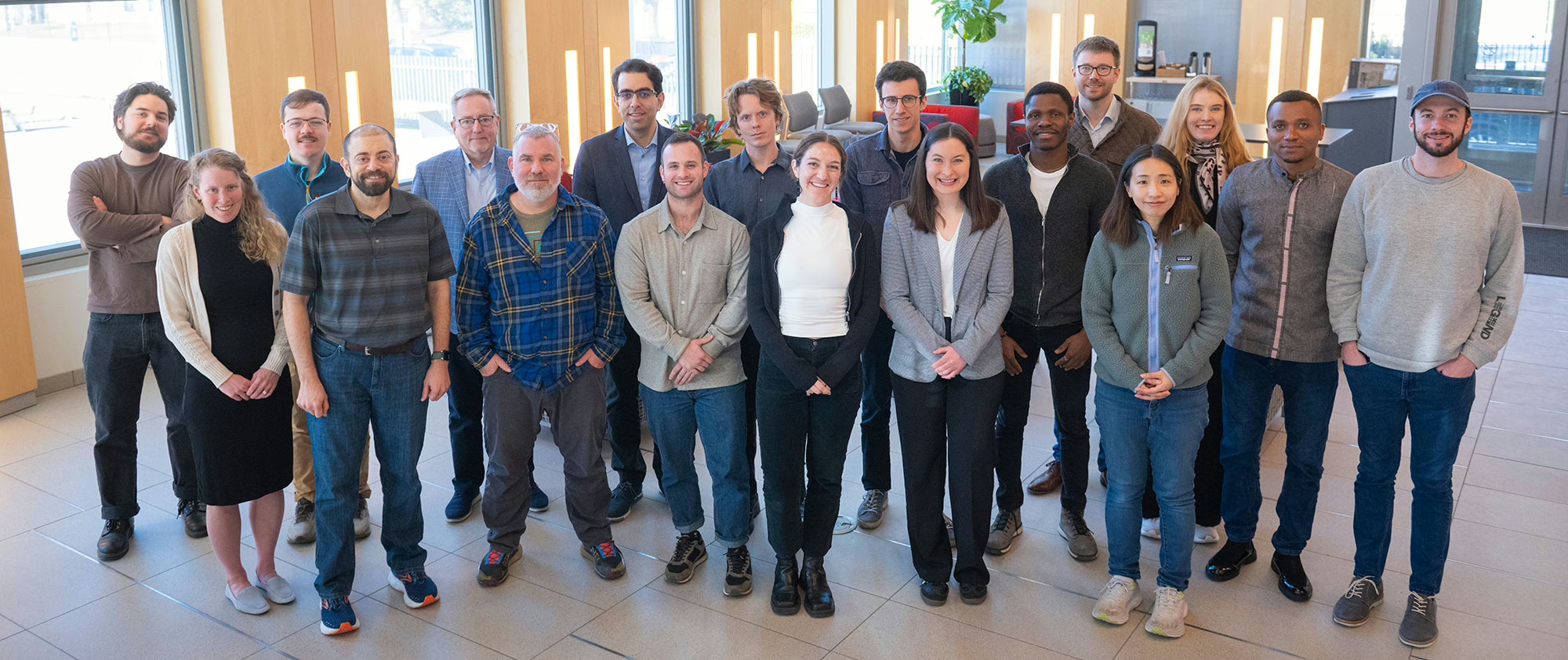
Sprinting to space: Goddard, NASA, and Clark’s pathbreaking work in geospatial analytics
Robert Goddard’s groundbreaking innovation, developed in his Clark laboratory, launched the Space Age, propelling NASA’s rockets and eventually leading to the satellites that collect Earth observation data used in GIS — a field that Clark helped pioneer.
-
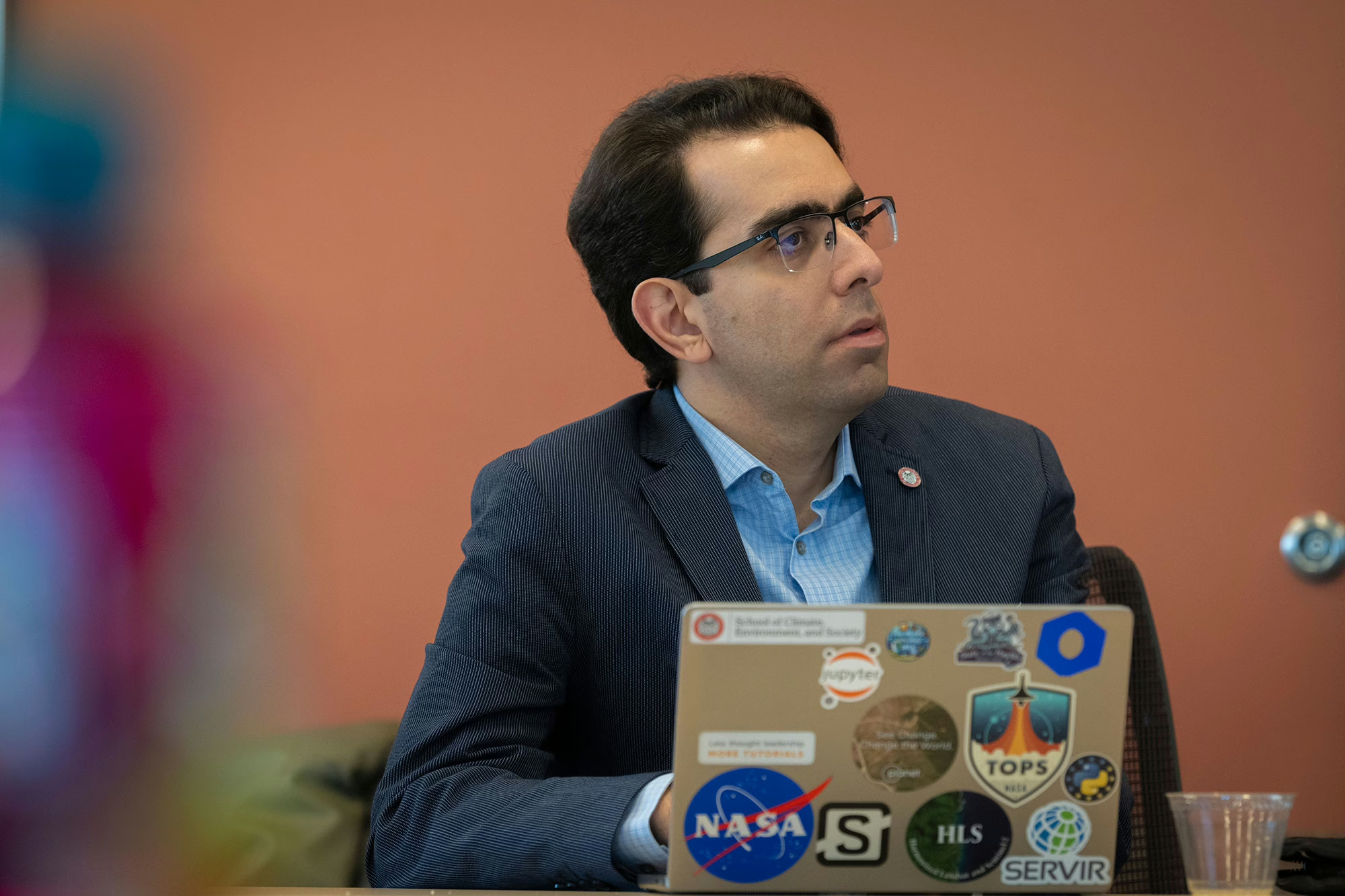
NASA recognizes Clark’s geospatial research via recent awards, years of grant funding
Robert Goddard’s spirit of innovation lives on through NASA-funded research in the School of Climate, Environment, and Sustainability and the affiliated Clark Center for Geospatial Analytics.
-
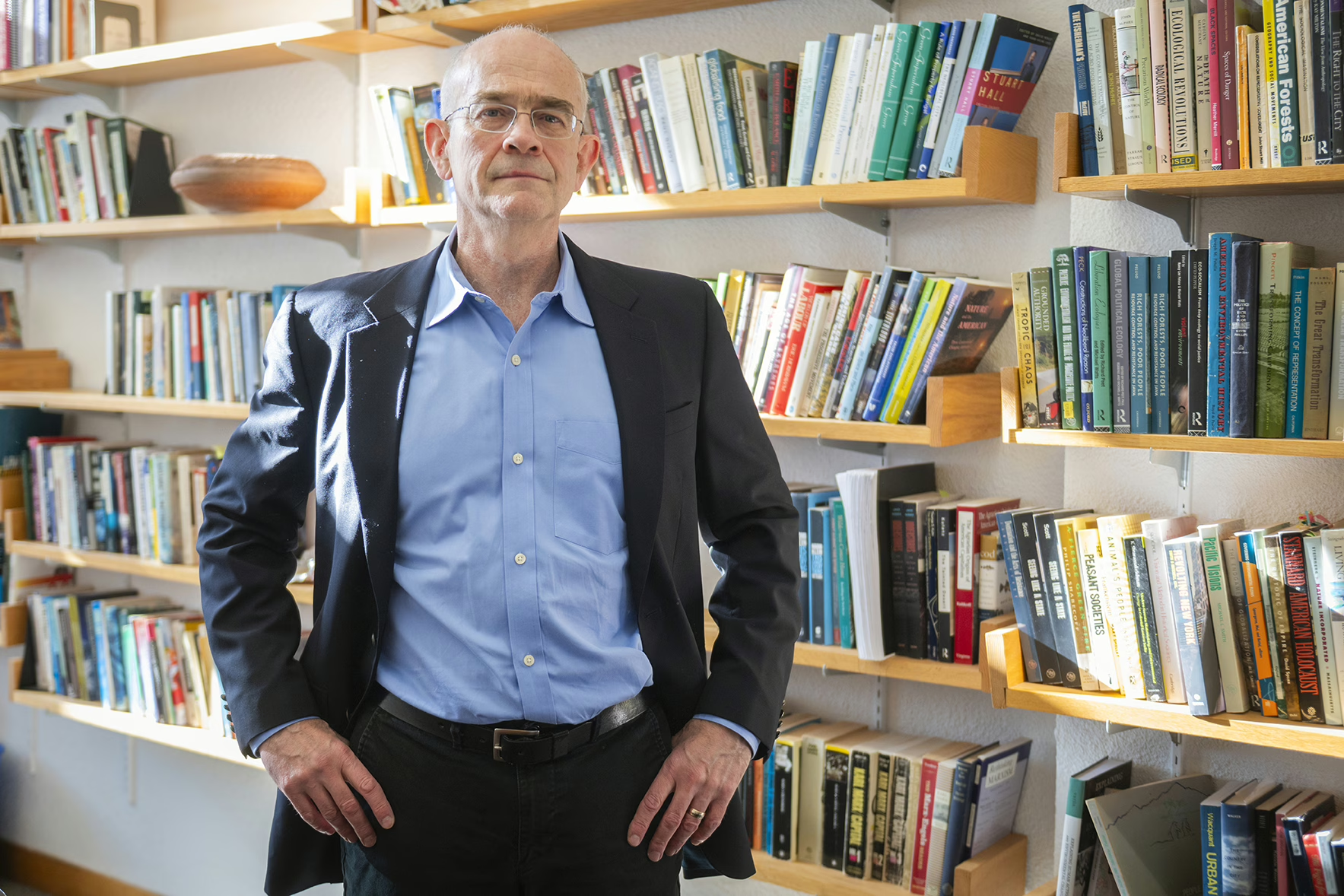
Geographer James McCarthy to be recognized with Career Award at AAG conference
Geography Professor James McCarthy will be honored with the Distinguished Career Award by the Cultural and Political Ecology (CAPE) specialty group within the American Association of Geographers.
-
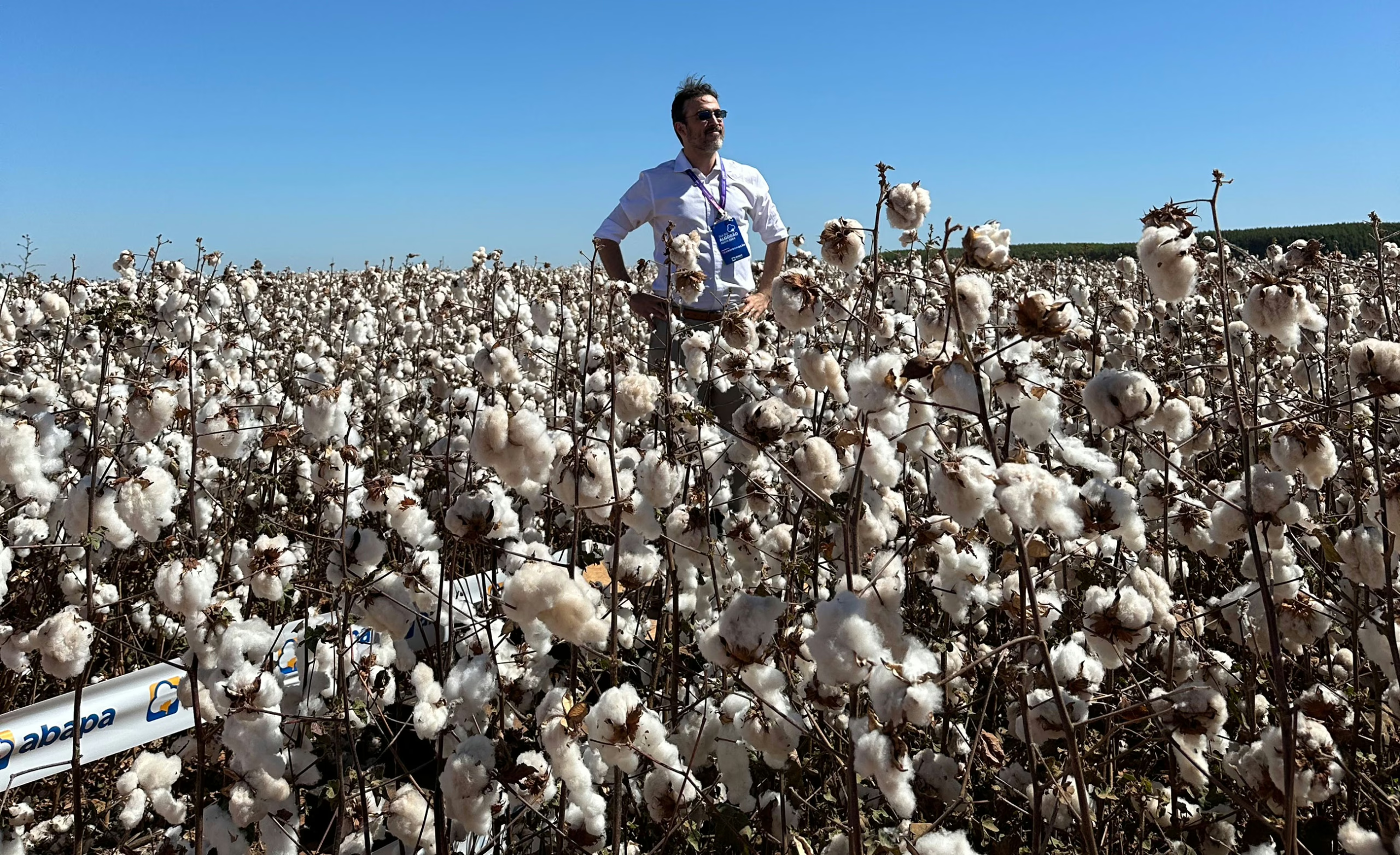
In Brazil’s Cerrado savanna, researchers study, model future climate change scenarios
As part of a $750,000 NASA-funded project, professors Gustavo Oliveira and Robert Gil Pontius Jr. of Clark’s School of Climate, Environment, and Society have been modeling future, competing scenarios of agricultural expansion, given climate change, in Brazil’s Cerrado, known as the region‘s ”Water Tank.”
-
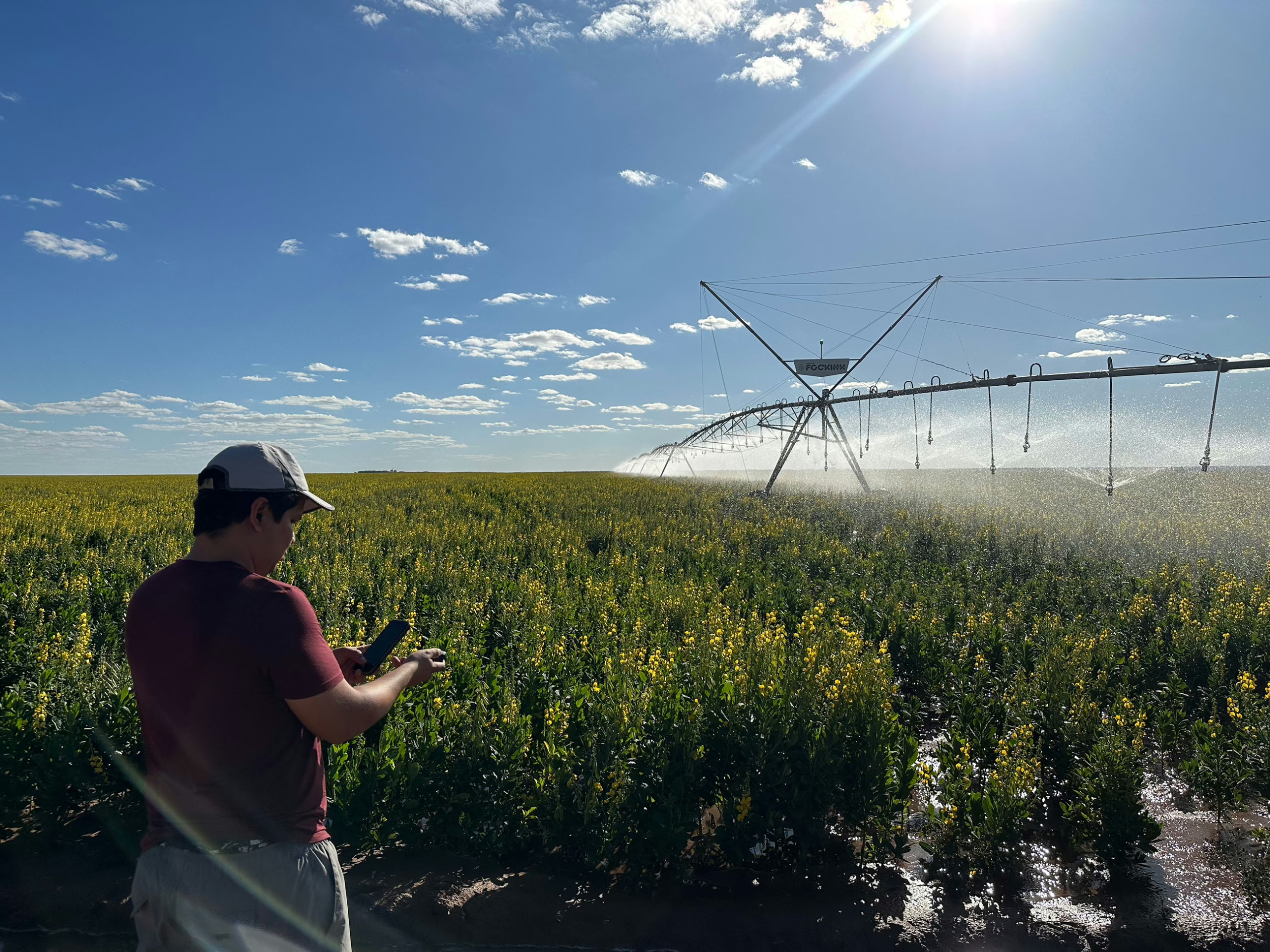
With AI’s assistance, researchers maximize Clark tool to reveal how our planet is changing
Working with Professor Pontius, Ph.D. student Antonio Fonseca aims to help scientists understand the ‘big picture’ in decades of land-cover data
-
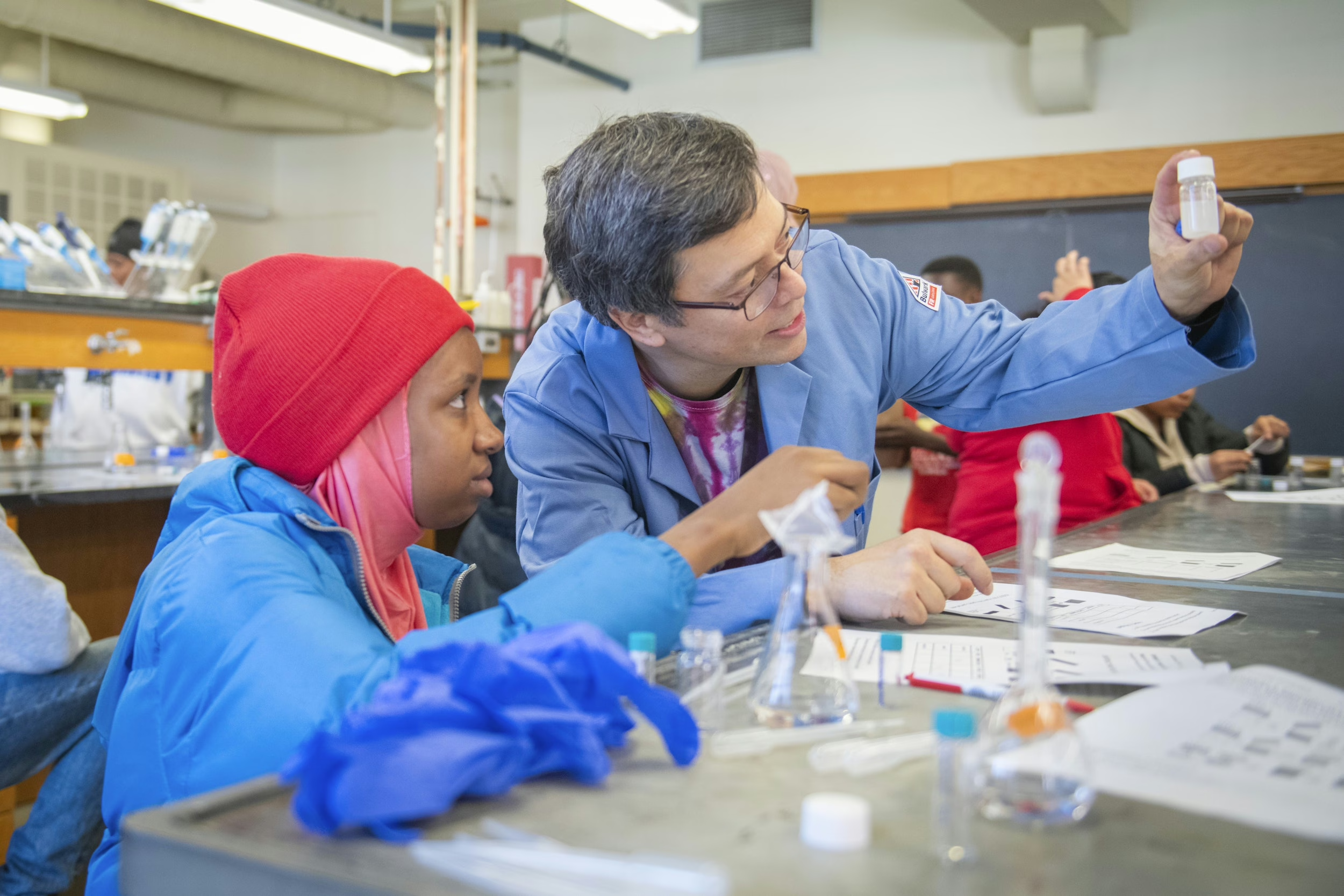
Worcester students learn the language of chemistry at Clark
Since coming to Clark in 2022, Professor Julio D’Arcy has welcomed Worcester middle and high schoolers and their teachers to Clark labs. His goal is to show students that chemistry is nothing to fear — that it’s just part of life.
-
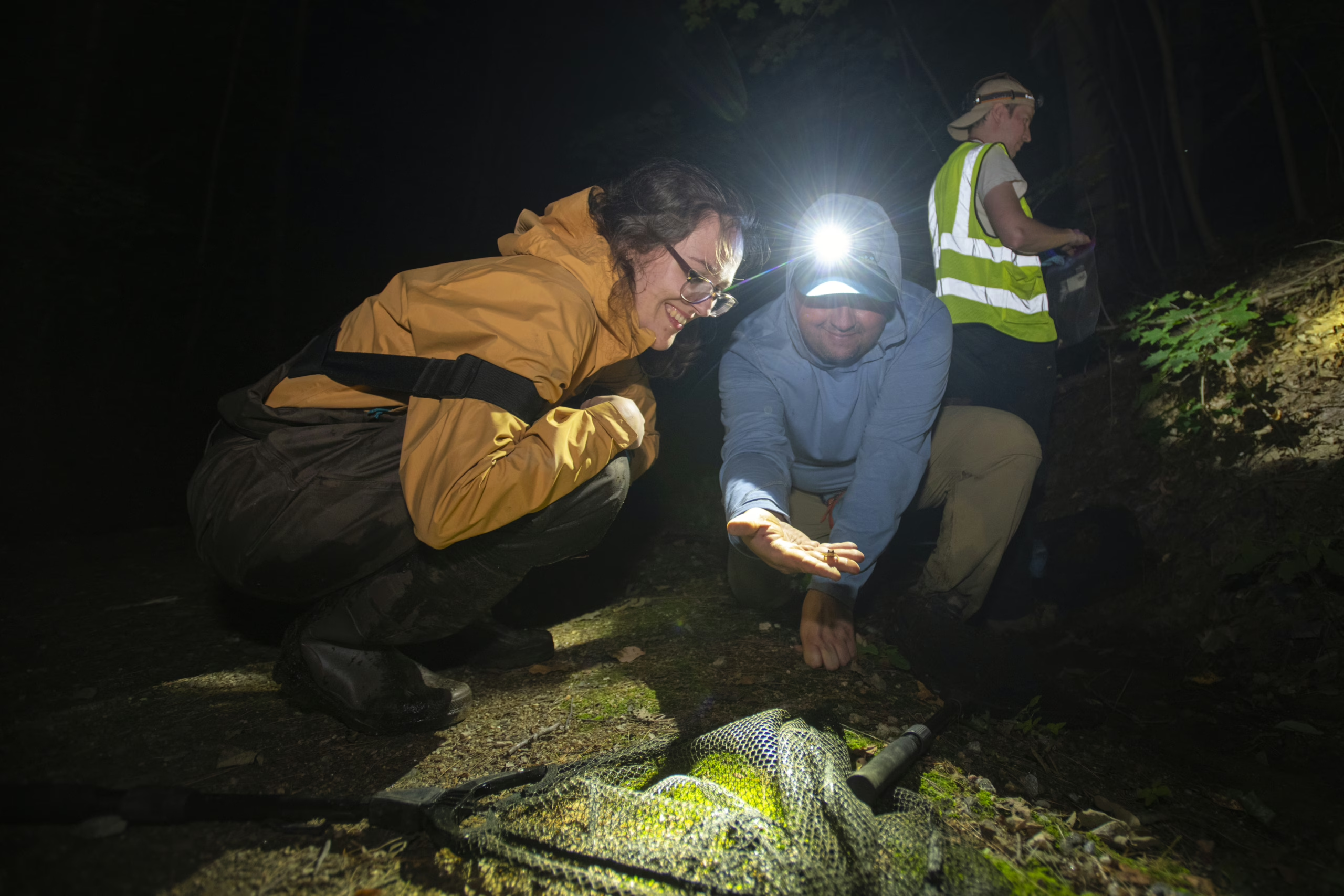
‘We depend on fungi for absolutely everything’
Tabima Lab expands research with $956K National Science Foundation grant
-
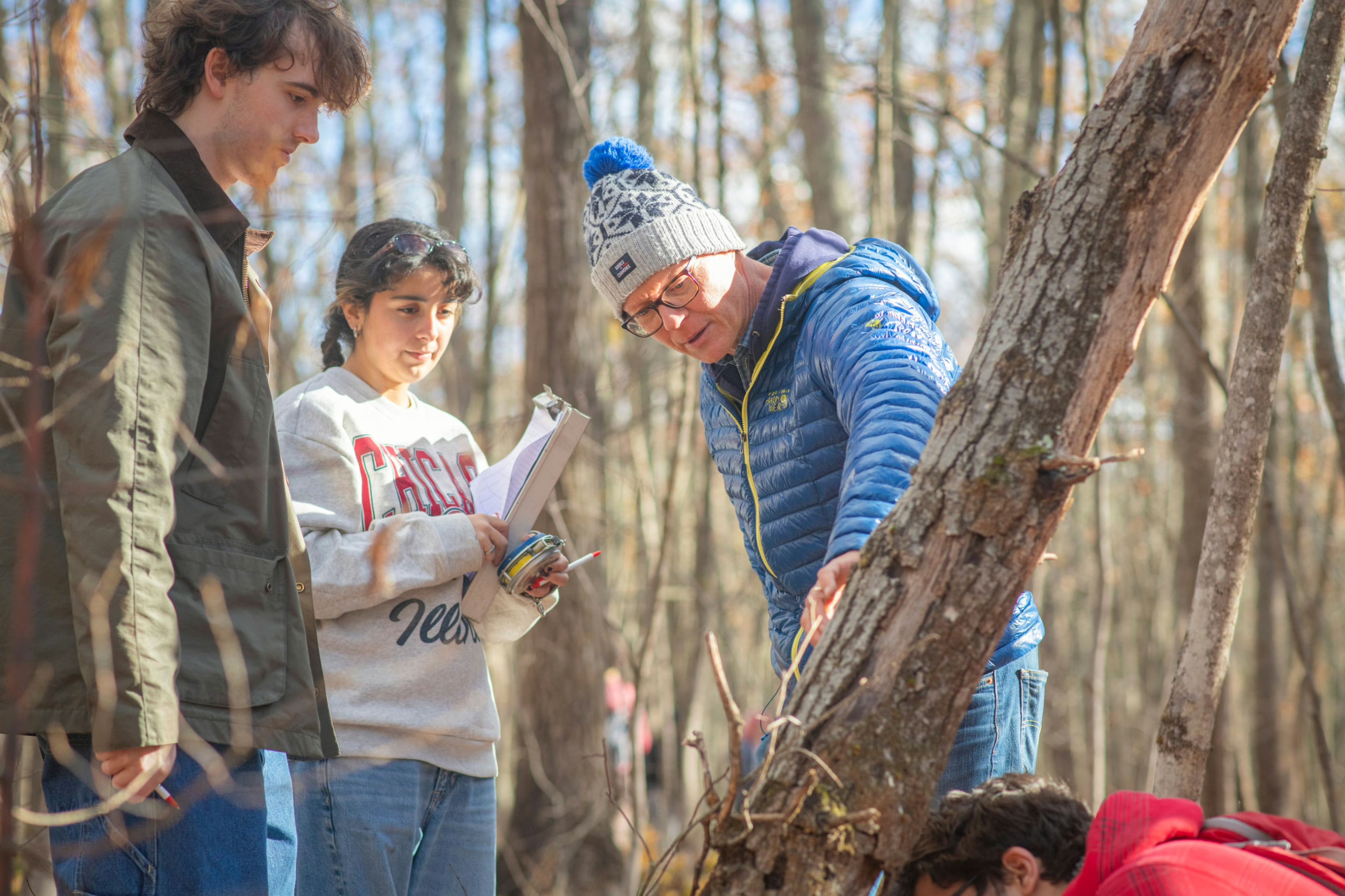
Afield in the forest, students learn how to ‘see the world as it is’
Geography course offers career-ready insights and strategies for environmental research
-
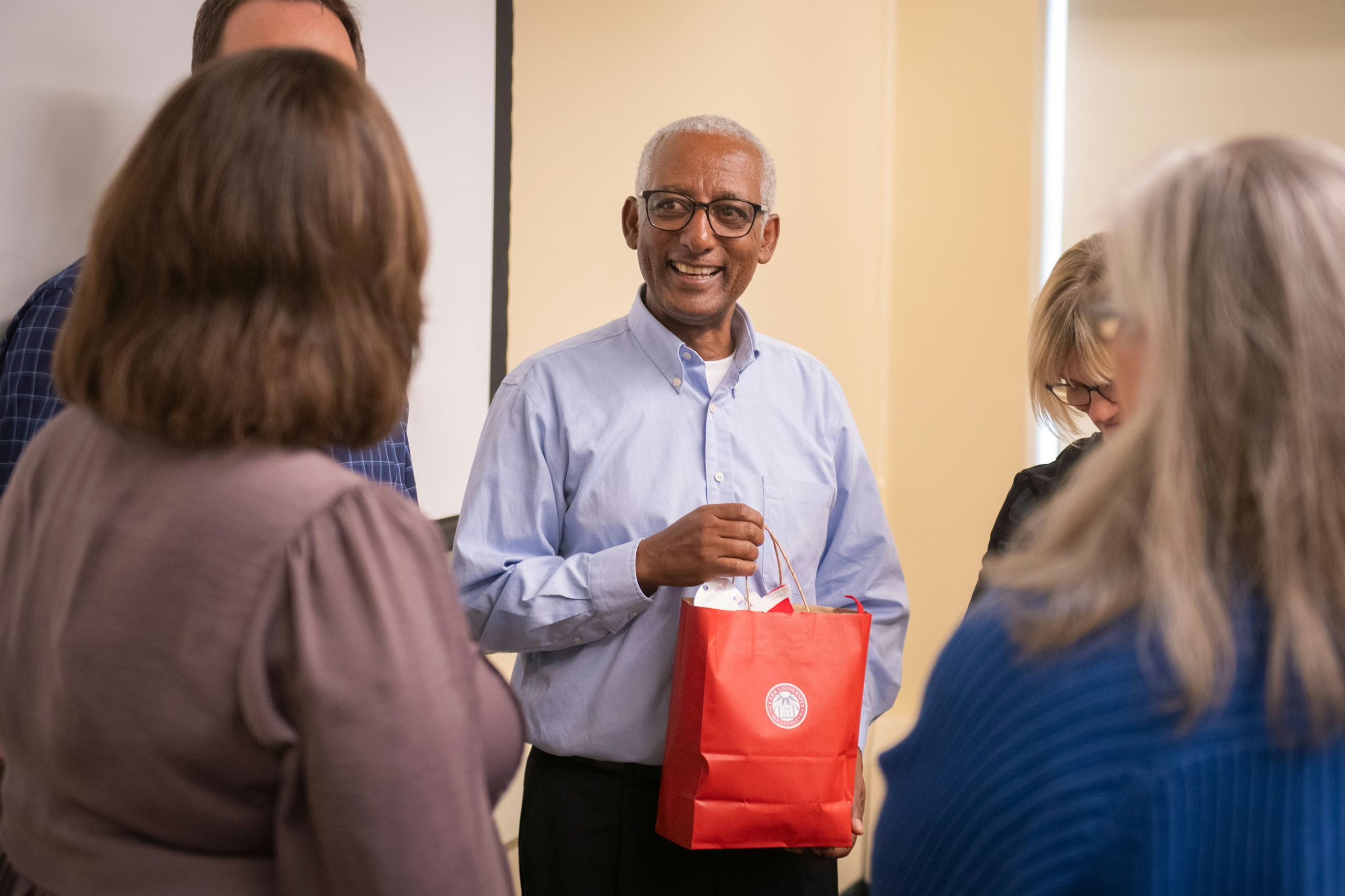
Clark strengthens academic partnership with Ethiopia’s Wollo University
A new partnership with Wollo University was was announced at a Clark lecture by Dr. Teferi Abate, a senior research anthropologist at Yale.
-

Does AI have a mind?
Exploring how AI impacts communication with Psychology Professor Michael Miller