
Climate Change
-
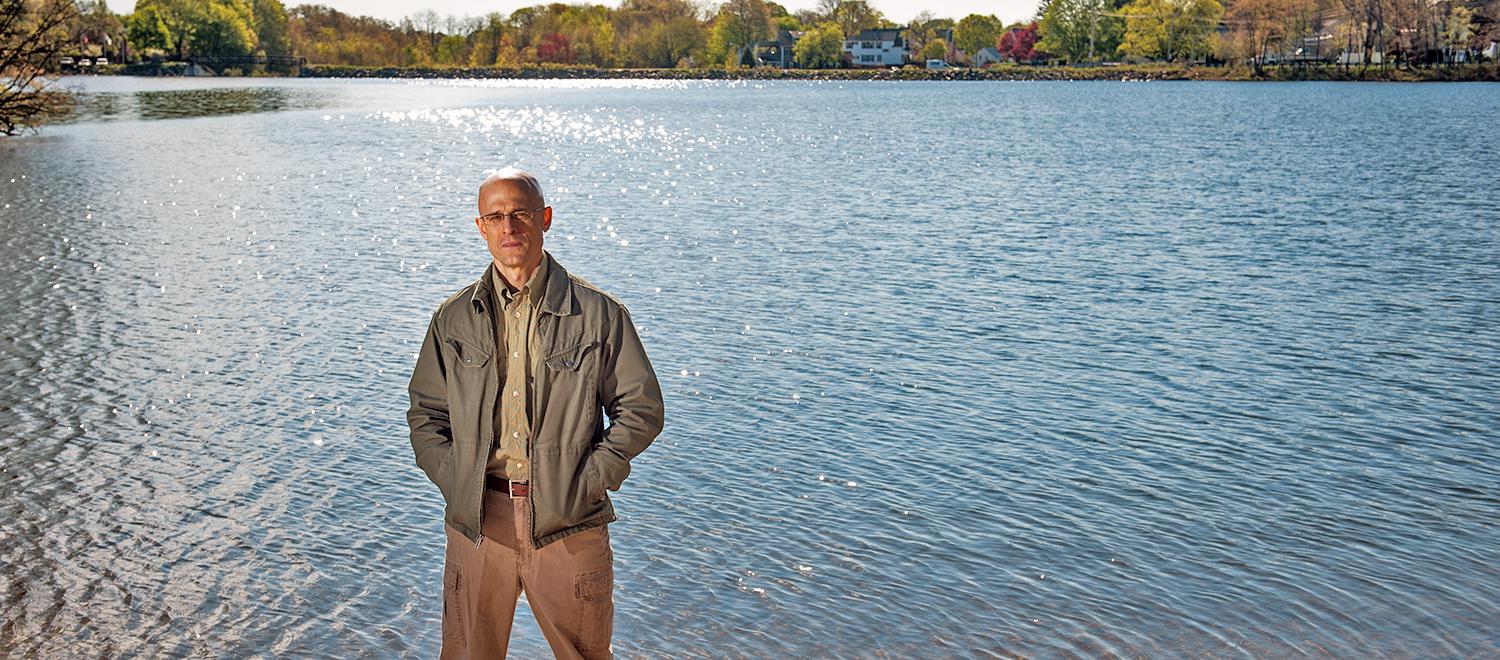
With $2M in grants, researcher uses economics to inform environmental sustainability
Flint, Michigan, officials decided to save $5 million by switching the city’s water source to a more risky alternative. That fateful decision not only exposed 8,000 children to lead poisoning, it also could cost taxpayers an estimated $395 million or more to address the long-term health, educational and social problems stemming from resulting health effects. For environmental…
-
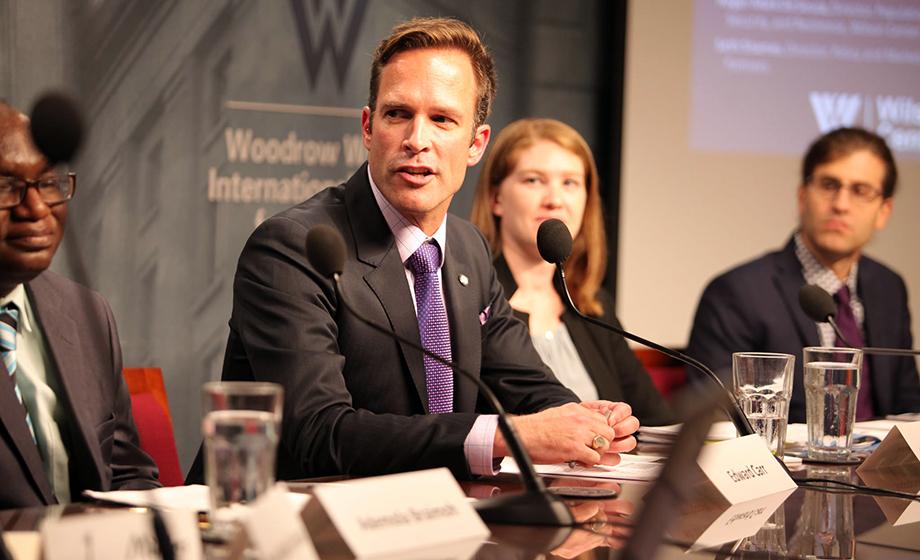
Professor presents findings on ‘climate-smart’ agriculture in sub-Saharan Africa
USDA awards Edward Carr for work on climate change, food security
-
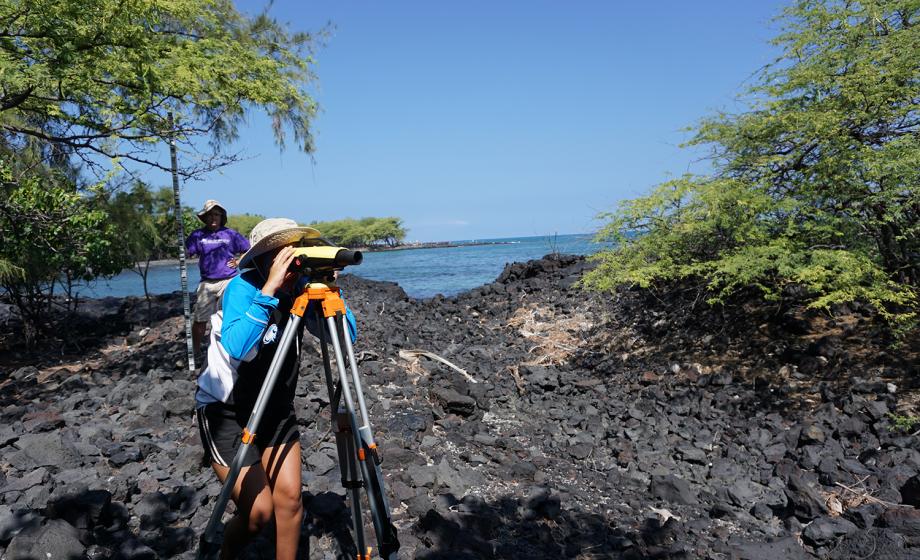
Student explores sea-level rise, coastal resources in Hawaii
Not every college student gets to enjoy a summer in Hawaii, but that’s where Isabel Miranda ’17 was over the past few months — although she didn’t spend her days relaxing on the beach or riding the waves. In May, Miranda was named a Marsh-Mosakowski NOAA Fellow, and soon found herself in the Aloha State,…
-
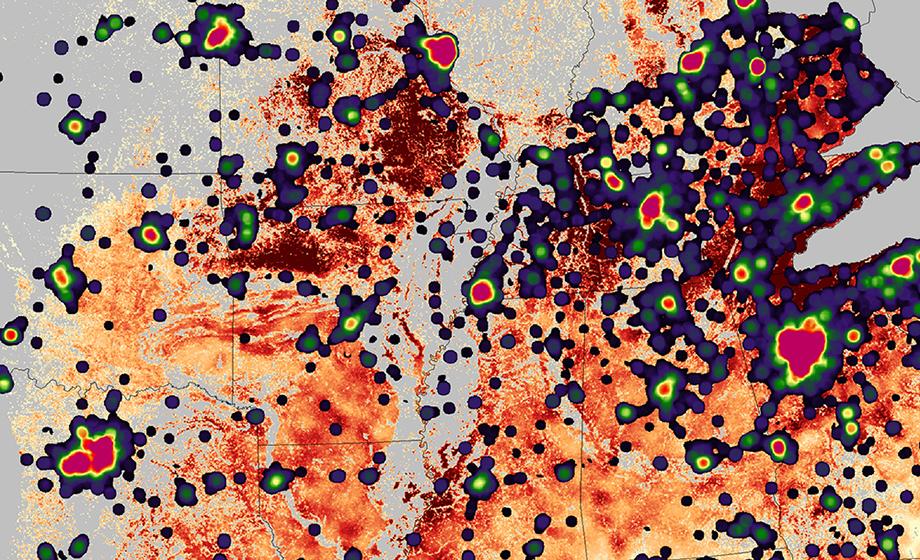
Envisioning a changed world
Professor Eastman’s exhibit depicts the troubling beauty of humans’ environmental impact
-
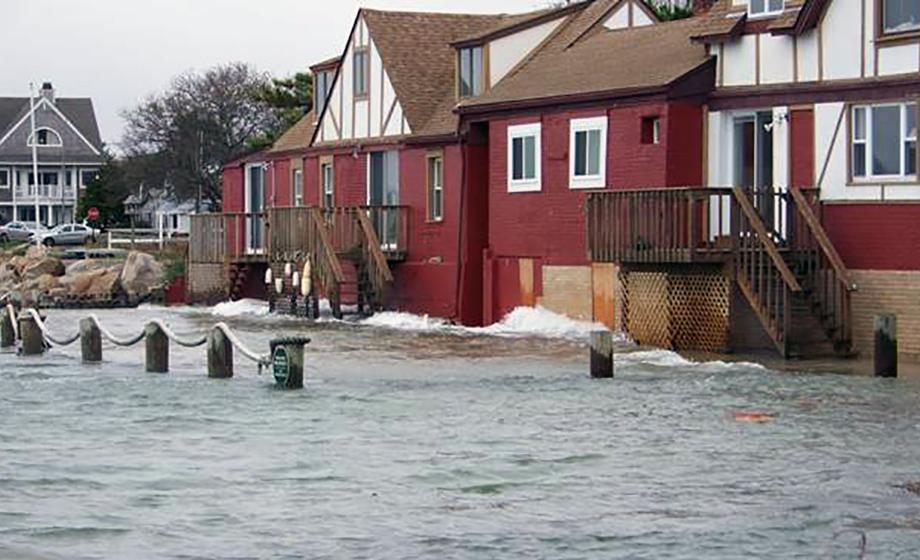
Coastal towns awash in hard choices
We see it on the news: video footage of waves crashing violently against seawalls, water flooding streets and making them impassable, beaches eroding and waterfront homes collapsing into the surf. As sea levels rise, officials and residents of coastal communities must make decisions about whether and how to address these problems. The solutions can be…
-
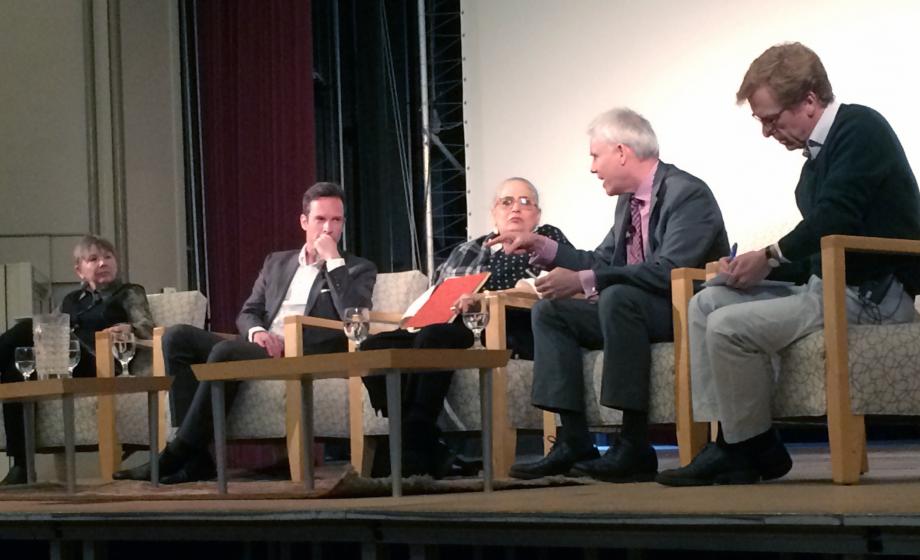
2016 Climate Change Teach-In asks crucial questions about issue
The stakes are high. The planet is changing profoundly. What does it mean, what is possible, and what is needed? Clark University’s second Climate Change Teach-In on March 23 brought the campus together for a deep consideration of the challenges to the planet’s health. The day featured a variety of teach-in sessions and a campus-wide…
-
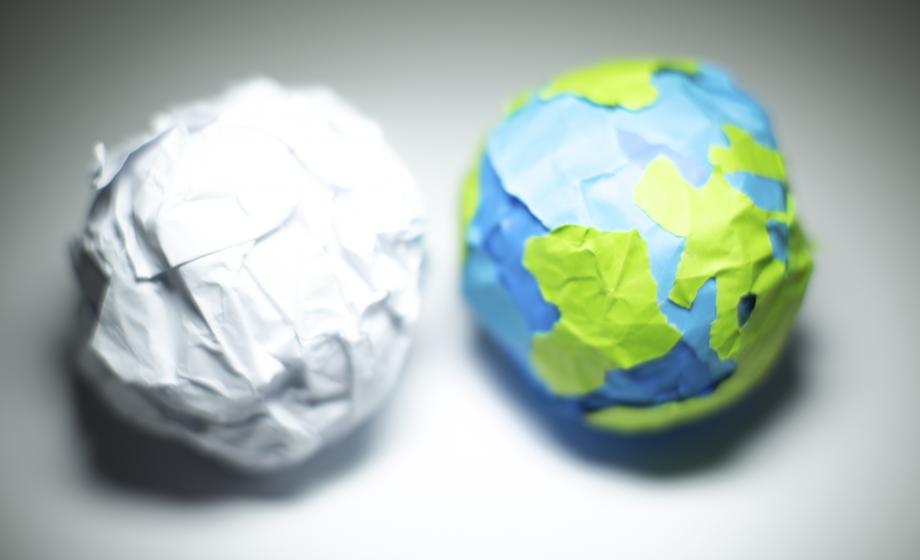
Perspectives on the throwaway culture
Audience members at the “Disposable Goods, Disposable People, Disposable Planet” panel at March 23 Climate Change Teach-In raised the question “What makes a good life?” in relation to cultural values. Amy Richter, associate professor of history and director of the Higgins School of Humanities; Halina Brown, professor of Environmental Science and Policy; and Anita Fabos, associate professor of International Development and Social Change, led…
-
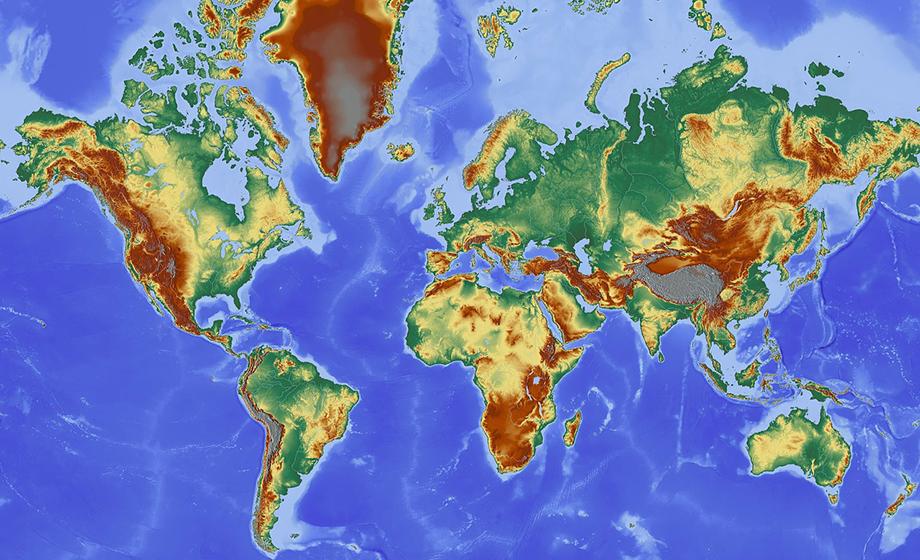
Unpacking the politics of climate change
Despite the best efforts of citizens, much of how we respond to climate change is dictated by governments. “Unless we, as a species, figure out a way to conquer the politics of climate change, we are unlikely to deal well with the science,” Jim Gomes, director of the Mosakowski Institute for Public Enterprise, told the audience at…
-
Panelists explore a very human problem
“What is it about humans?” The question rings true of just about anything people do, but it has special resonance when considered in the context of our planet’s fate. The March 23 Clark University Climate Change Teach-in panel “What is it about humans?” featured Hugh Manon, associate professor of screen studies, Stephen Levin, associate professor of English, and Usha Ilyer, assistant professor…