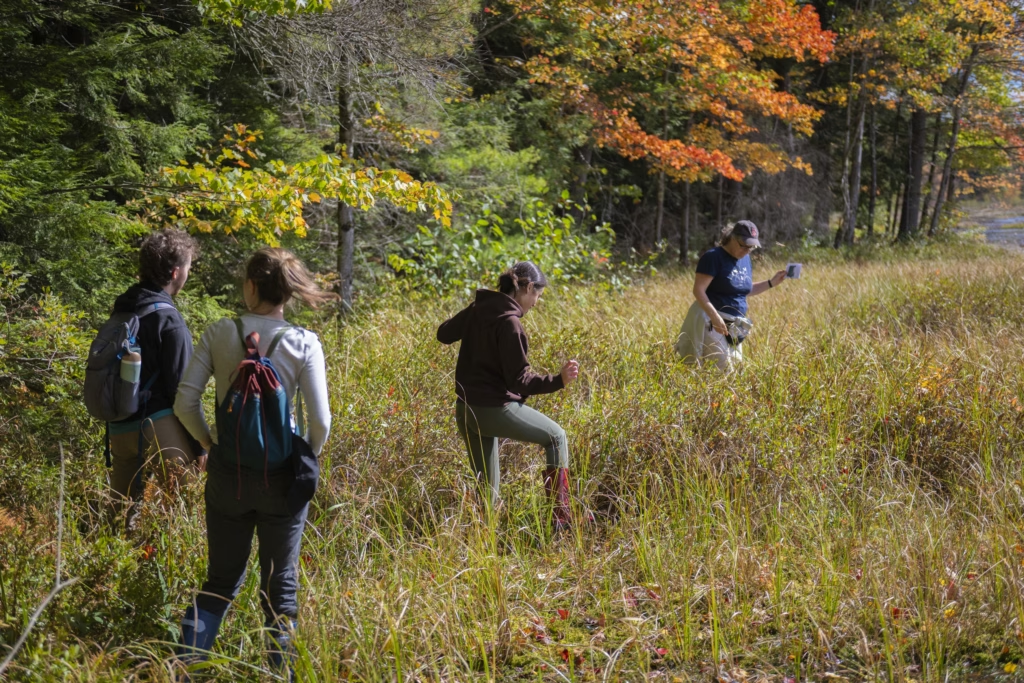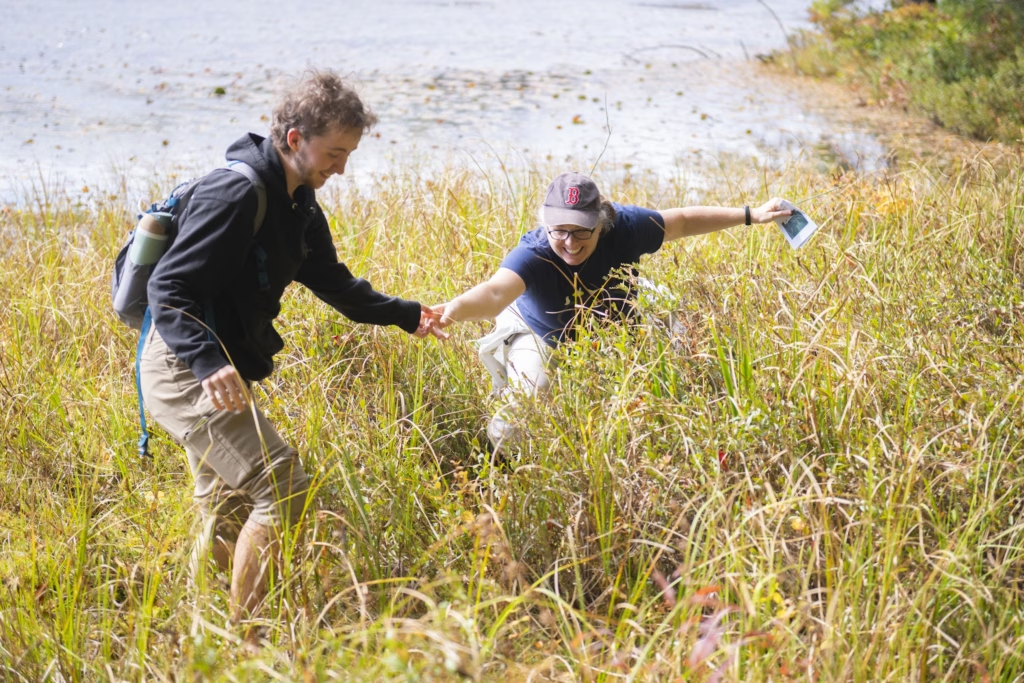
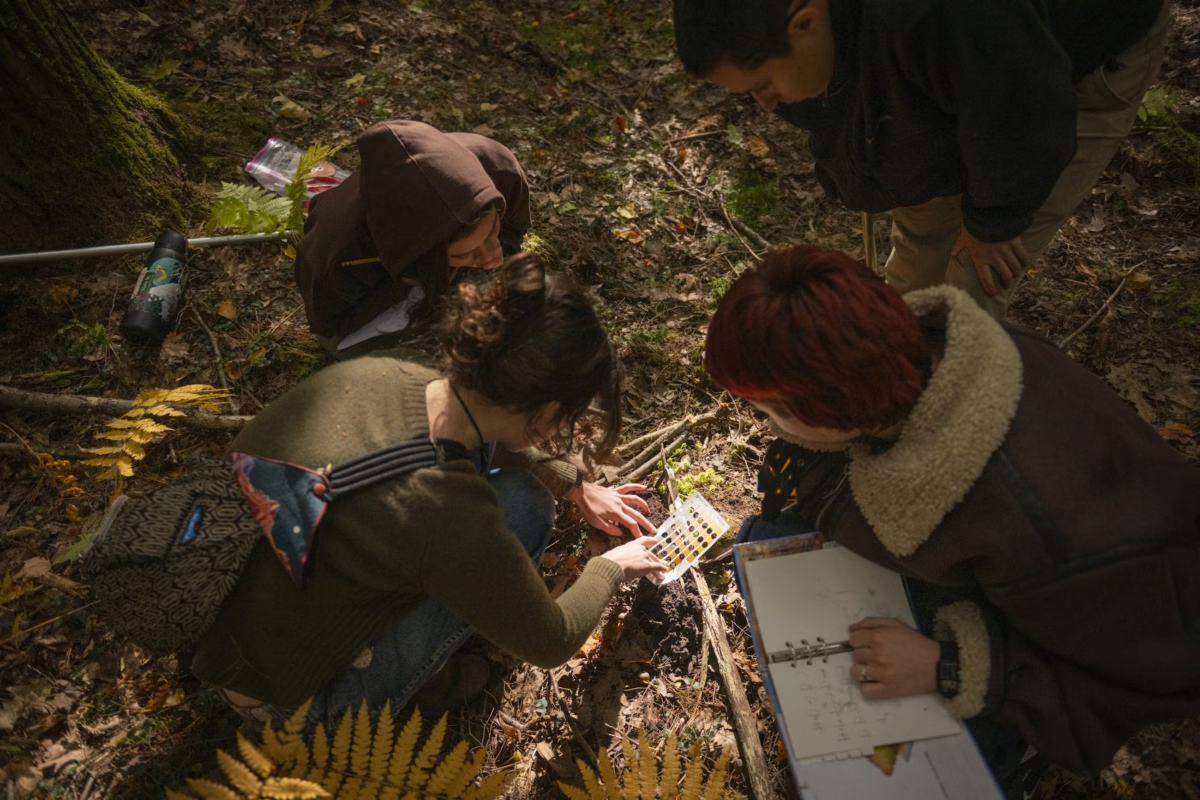
Students trek into the bogs for a day of exploration
Wetlands cover 12 percent, or around 590,000 acres, of the land in Massachusetts, according to federal and state statistics. And because they are home to a wide variety of wildlife, and vital for flood control, clean water, and climate mitigation, more than 300,000 acres of marshes, swamps, bogs, and fens are protected under state environmental laws.
But what makes a body of land a wetland? And where does a wetland begin and end?
In a class on Wetland Ecology and Delineation — offered this fall for the first time by Biology Professor Elizabeth Bone of Clark’s School of Climate, Environment, and Society — eight undergraduate and graduate students are answering these questions and others through their coursework, research, and field trips to wetlands in Worcester and the surrounding area.
“A day spent in a swamp or a bog is a day well spent.”
— professor elizabeth bone
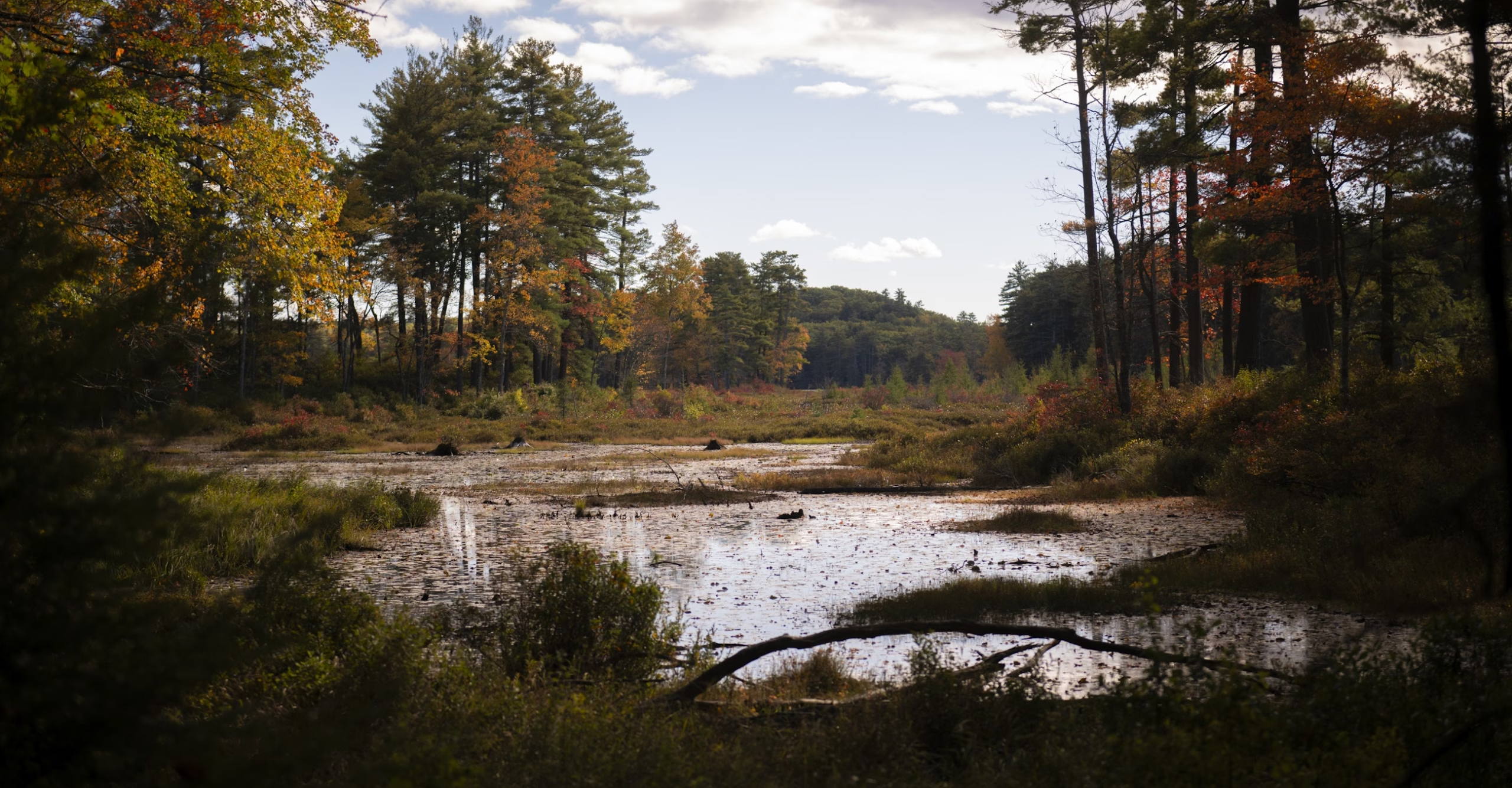
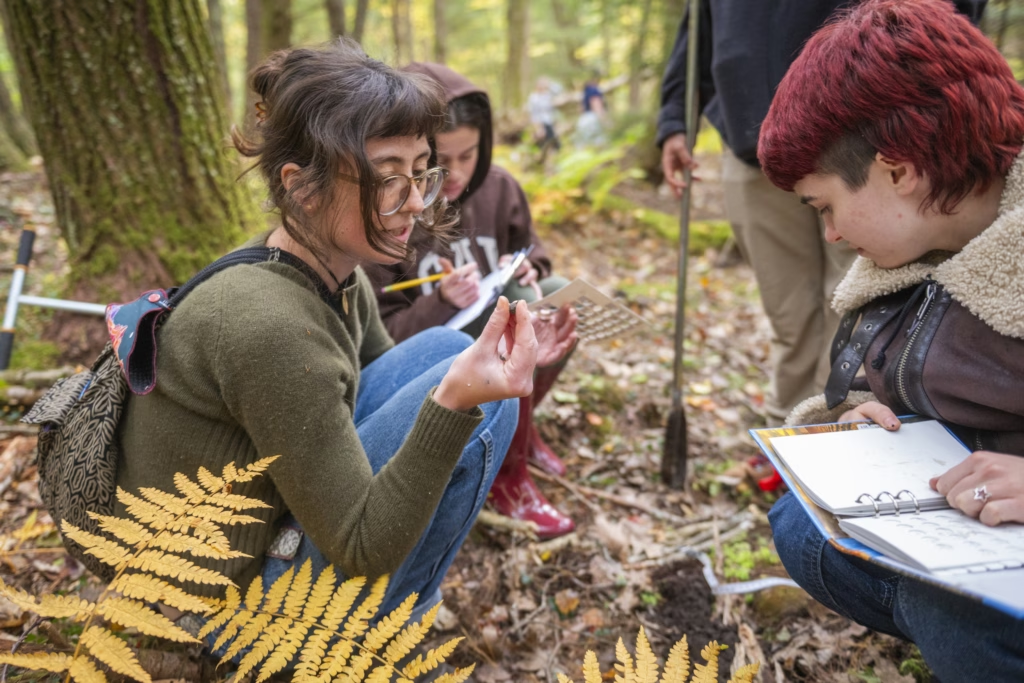
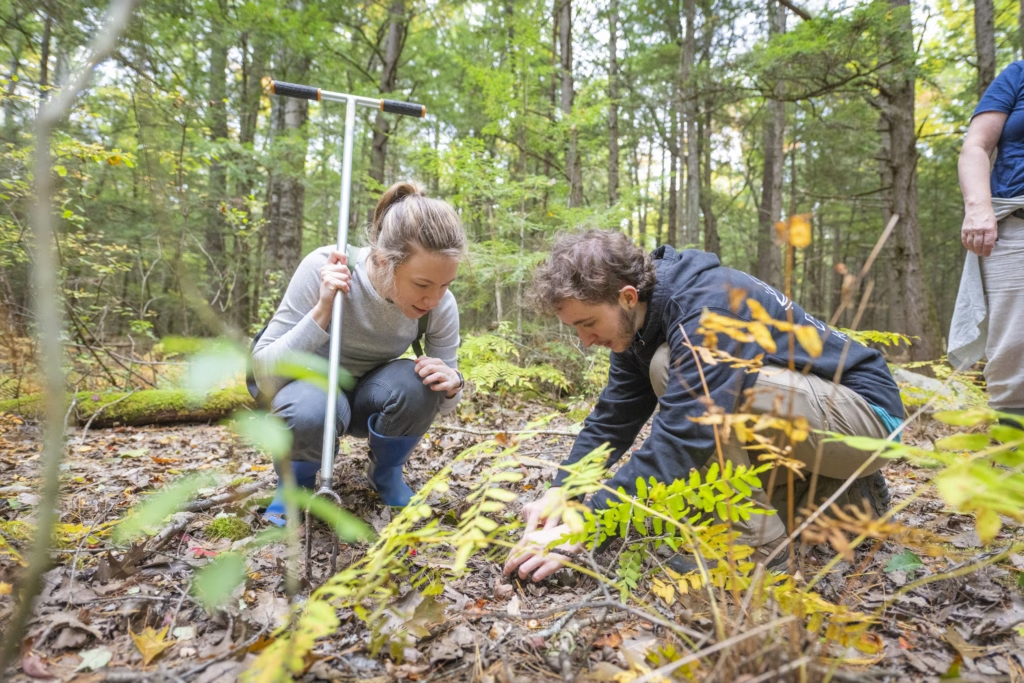
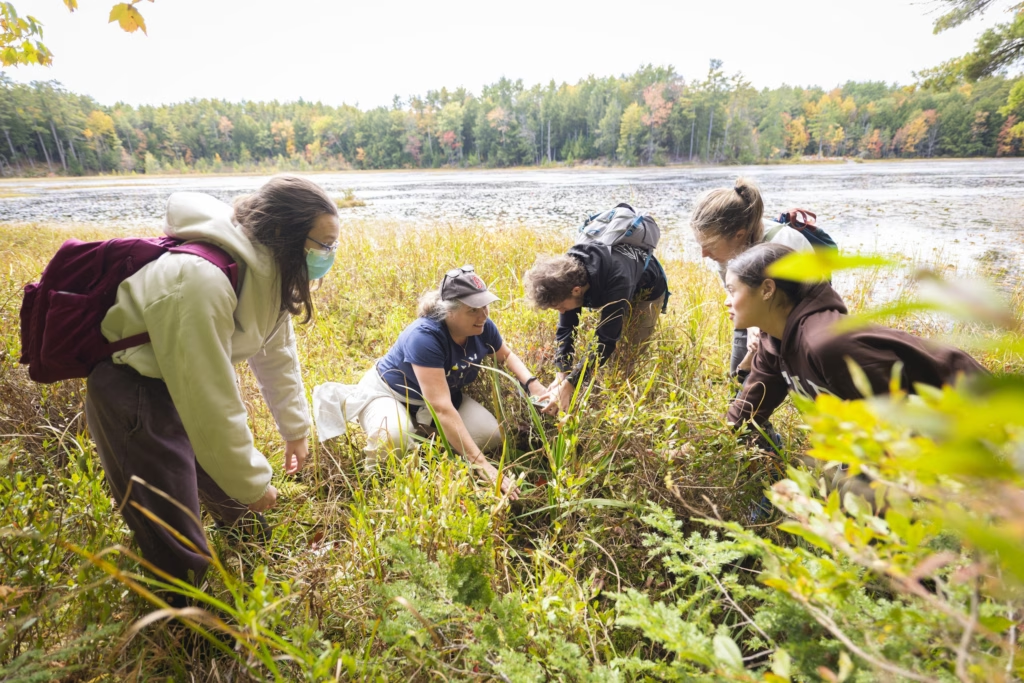
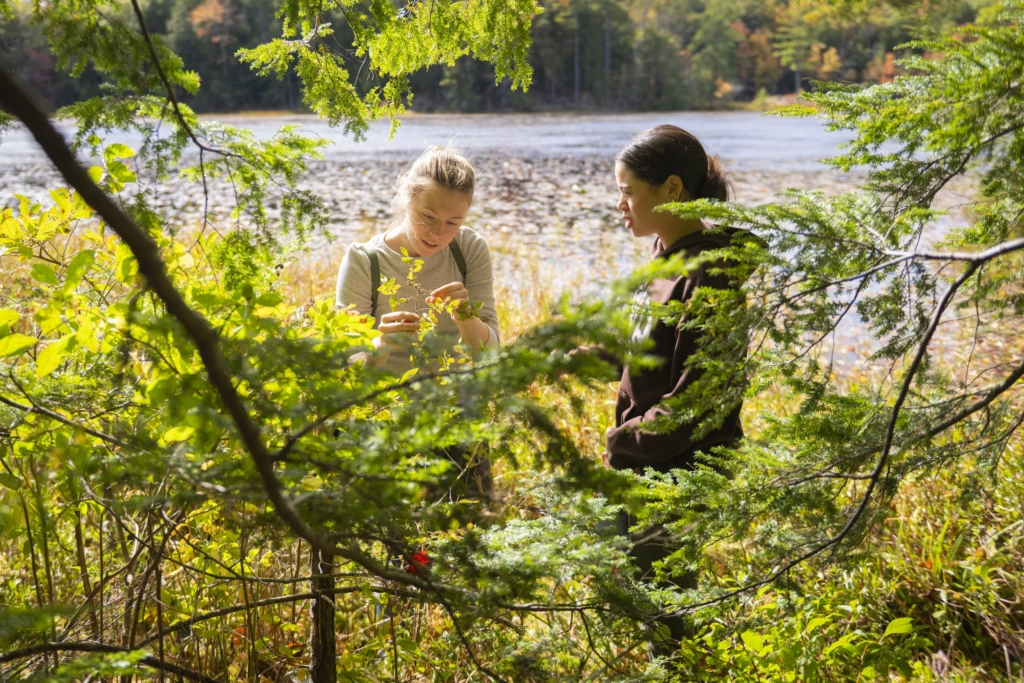
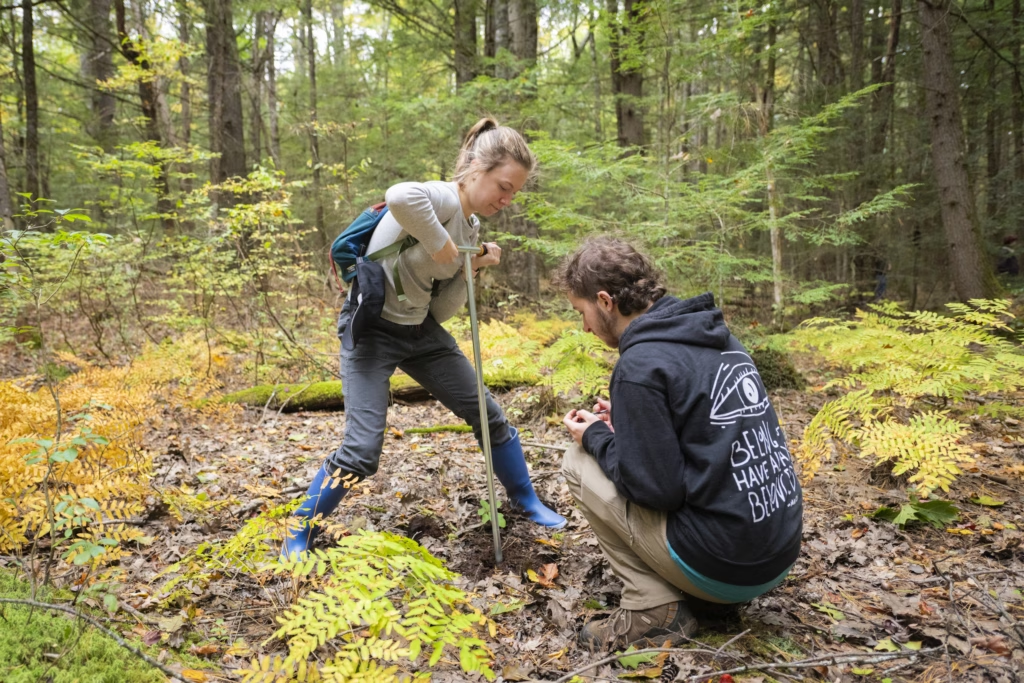
On a recent field trip to the 8,000-acre Harvard Forest in Petersham, Massachusetts, students conducted a “wetland delineation,” following U.S. Army Corps of Engineers guidelines as they assessed the vegetation, soil, and signs of wetland hydrology.
“The site was dry on the day of our visit,” Bone says. “An important fact about wetlands is that wetlands aren’t always wet. But we want to be able to determine if something is a wetland, and the extent of that wetland, even if it is dry at the moment.”
Previously, the students had taken two trips to Russell Park in Leicester “to try out their skills, and this Harvard Forest trip was the culminating delineation, just before the cold makes the plants difficult to identify,” Bone explains.

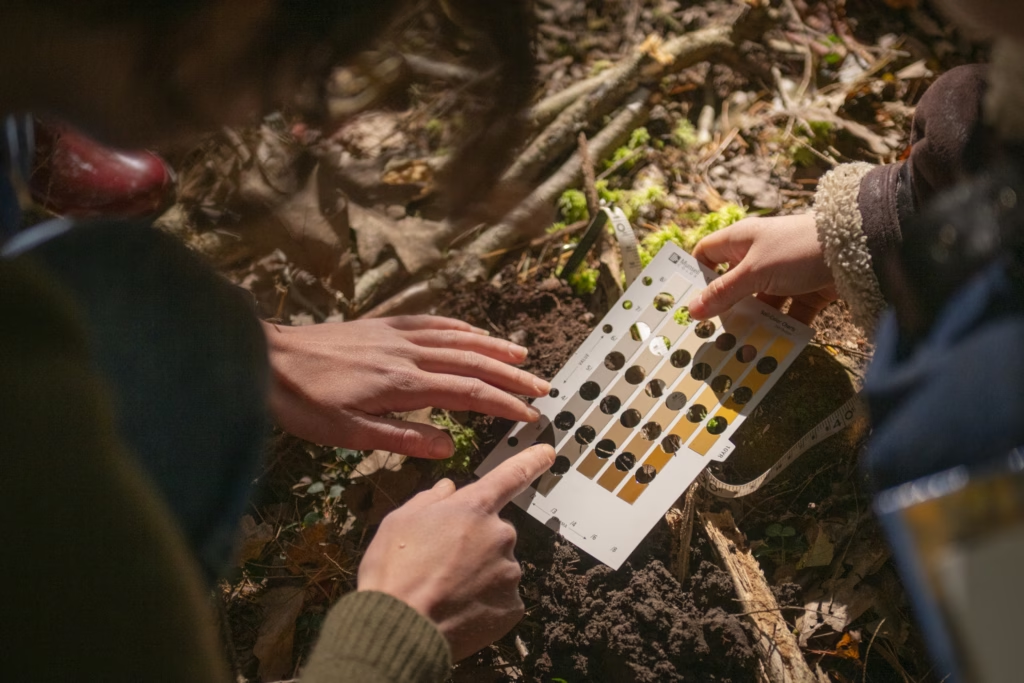
“You can’t determine hydrology without feeling the soil between your fingertips or checking for the smell of hydrogen sulfide.”
— Meridian Stiller ’26, ES&P ’27

The hands-on practice he received during the field trip was illuminating for Meridian Stiller ’26, ES&P ’27. He was surprised to learn that wetland delineation “is a full sensory experience. You can’t determine hydrology without feeling the soil between your fingertips or checking for the smell of hydrogen sulfide.”
“Monitoring this property is especially important because some of its wetlands connect to the Quabbin Reservoir, which supplies most of Boston’s water.”
— caden thomas ’27
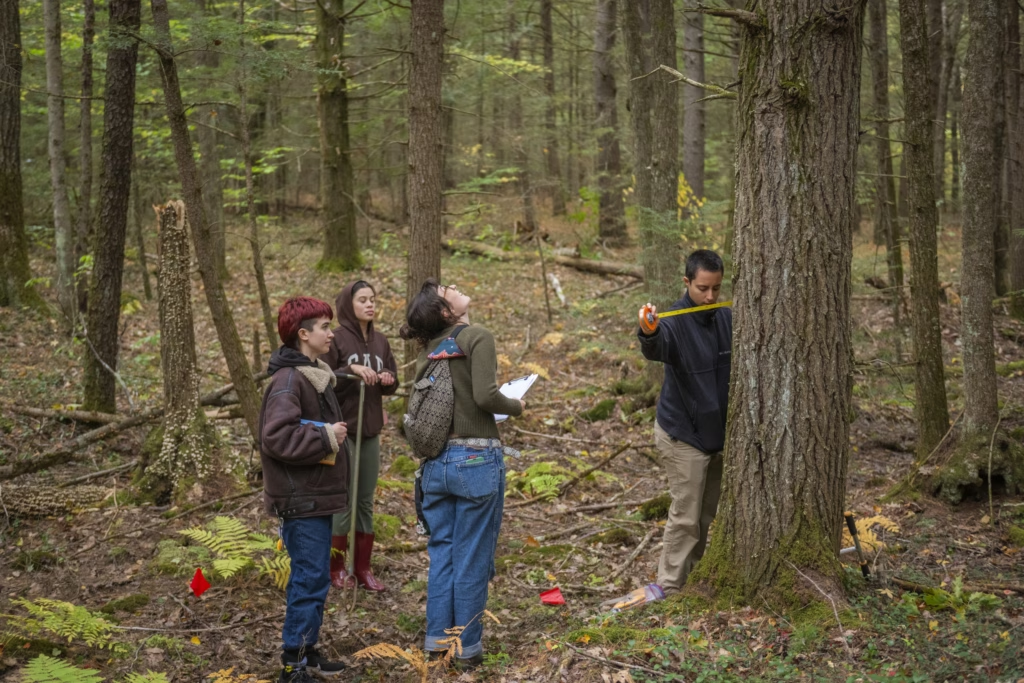
For Caden Thomas ’27, the outing to the Harvard Forest “has been my favorite in the class so far. We got to use all the field skills we’ve learned in the course to perform our own analysis. It was a great learning experience in the delineation process, which is best learned in the field.”
Thomas was happy to see that the public used “such a thoroughly monitored and researched landscape.”
“Monitoring this property is especially important because some of its wetlands connect to the Quabbin Reservoir, which supplies most of Boston’s water and is an important community resource in the surrounding towns for ecological research, education, and sport,” she adds.
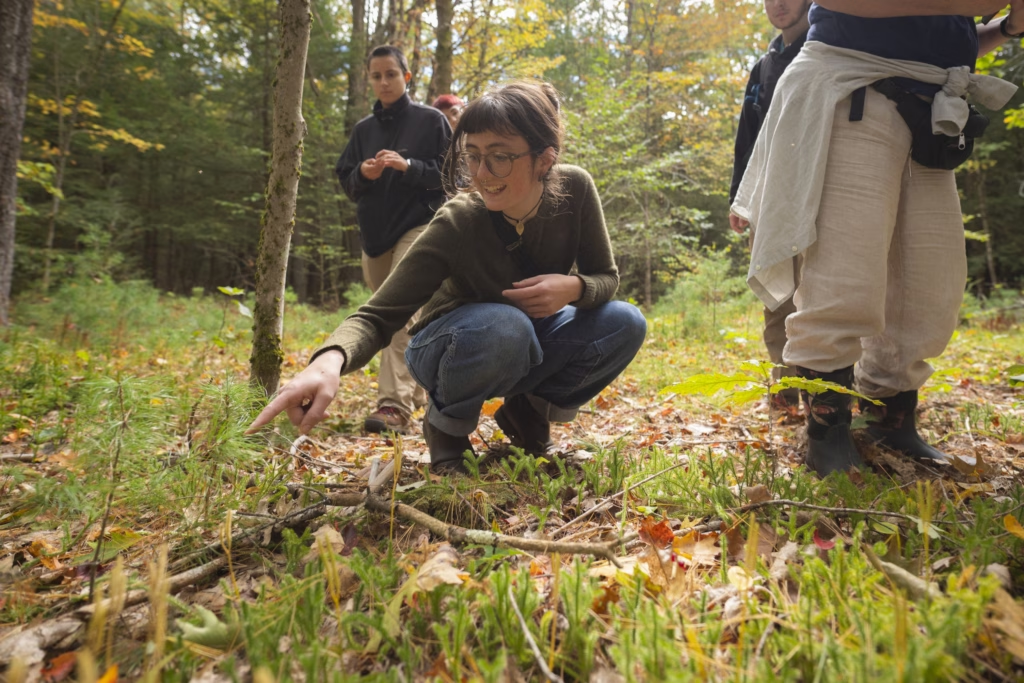
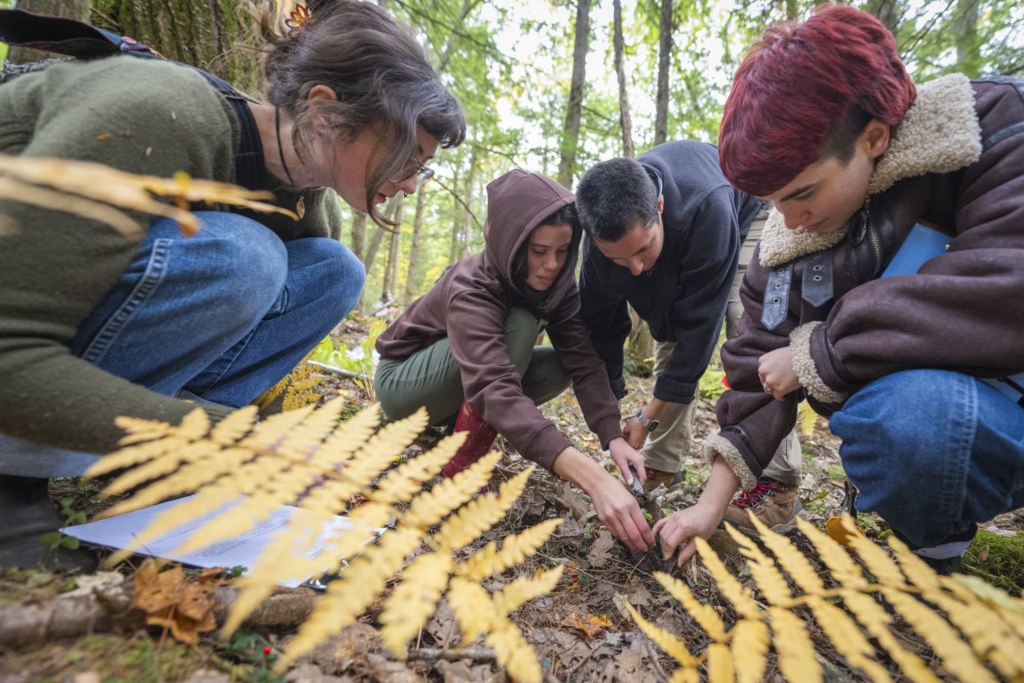
Bone builds the hands-on experiences into the course not just to get students out of the classroom and into the outdoors but to ensure they walk away with “employable skills like wetland delineation and plant identification,” she says.
Stiller, for one, has learned from interviews with employers that wetland delineation skills and experience are necessary for him to land a job.
“This class has given me the opportunity to practice wetland delineation in the field using industry-standard tools and procedures. Building my toolbox of specialized career skills is an educational priority for me,” says Stiller, who double-majored in geography and international development and social change as an undergraduate and now is pursuing an M.S. in environmental science and policy (ES&P) through Clark’s 4+1 Accelerated Master’s Degree Program.
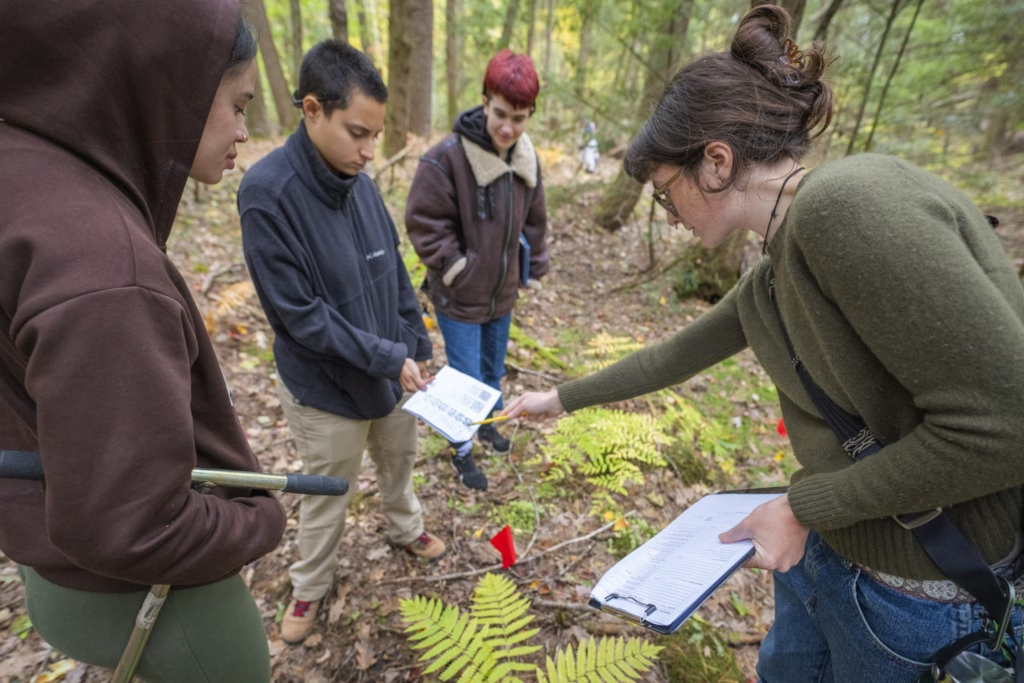
“The trip to Harvard Forest will give me a project example to talk about in job interviews,” he explains. “I have learned so much about wetland ecology, botany, and surveying procedures in this class, and I am excited to apply that knowledge in my career after I graduate.”
Thomas, a senior majoring in environmental science who plans to earn an M.S. in ES&P through Clark’s 4+1 Accelerated Master’s Degree program, says “the field methods and analytical skills we are using in this class are incredibly important in my desired field of policy analysis and consulting. I see this course as a head start in the field, since many people will learn delineation methods in post-graduation experiences.”
Next, the students will begin working on a grant proposal that Bone plans for a floating wetland to be installed in Coes Pond with the support of Worcester Lakes and Ponds. The students are “making the case for the project and deciding on design features, including species, based on their experience in the class,” Bone says.
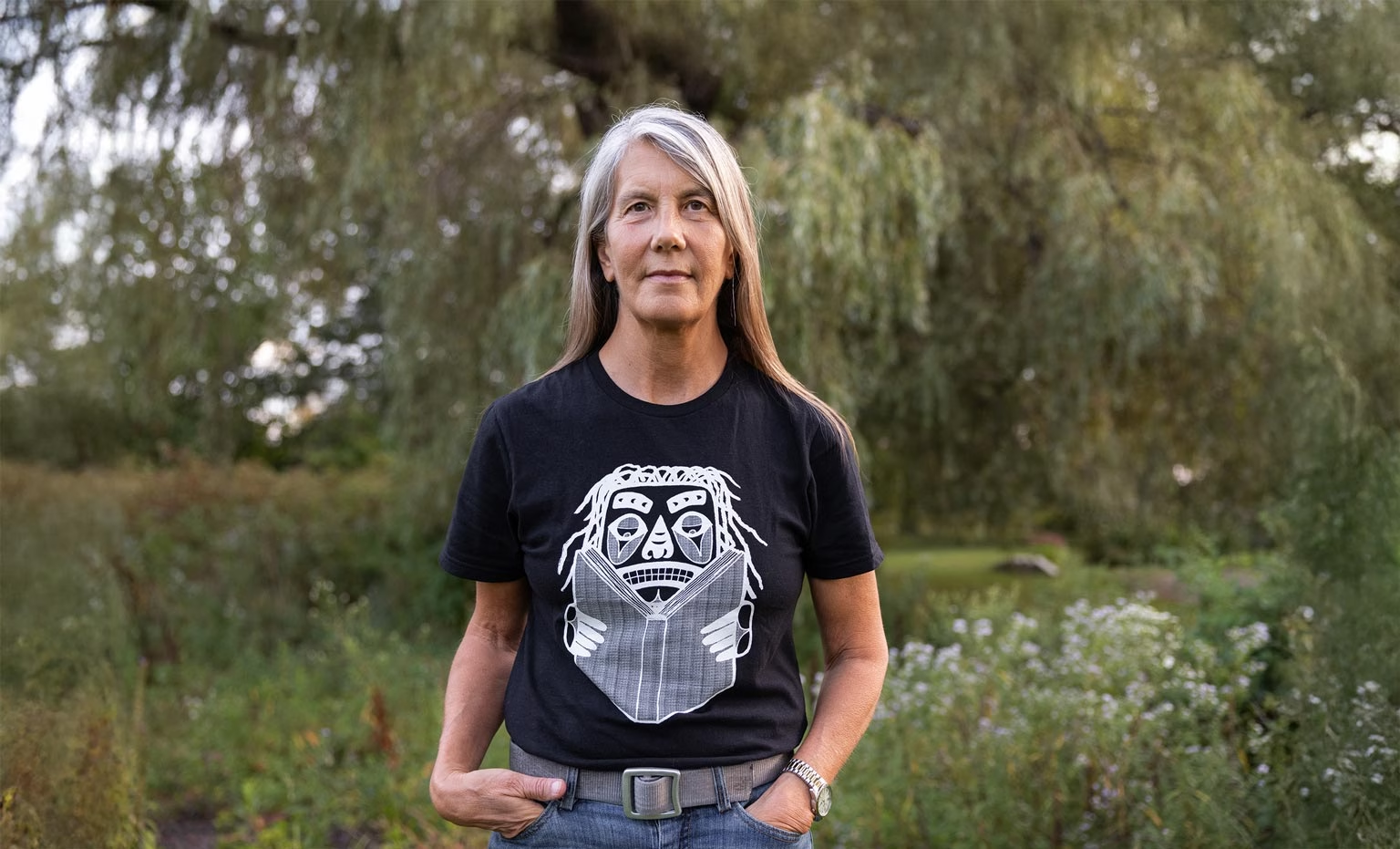
“I love wetlands, and I love to take students out into nature,” she says. “A day spent in a swamp or a bog is a day well spent.”