

Biology
-
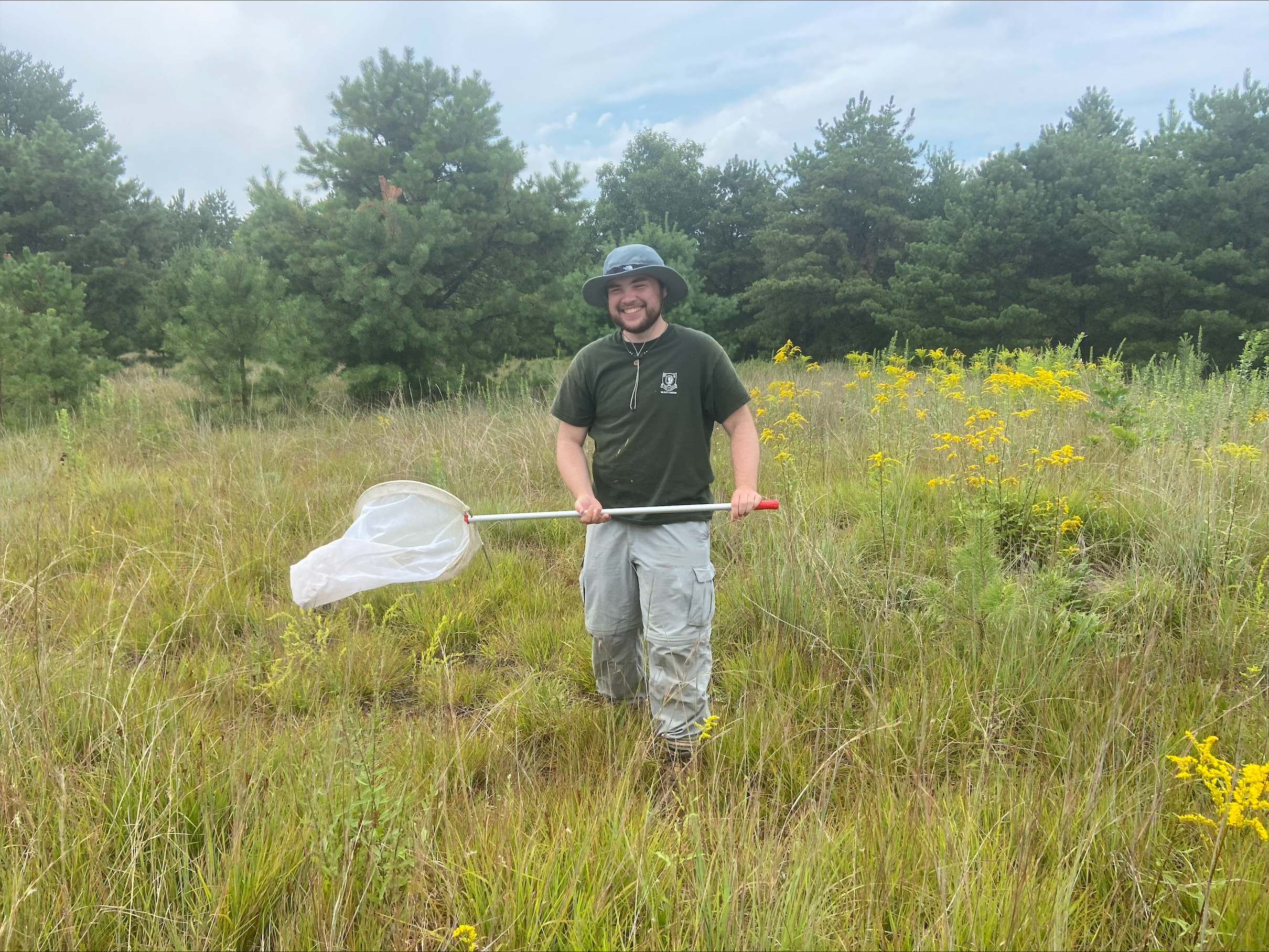
Clark senior’s research takes wing
Can the endangered frosted elfin butterfly be saved?
-

Amanda Dye ’24 finds common ground with Main South
Senior connects local families to healthy foods
-
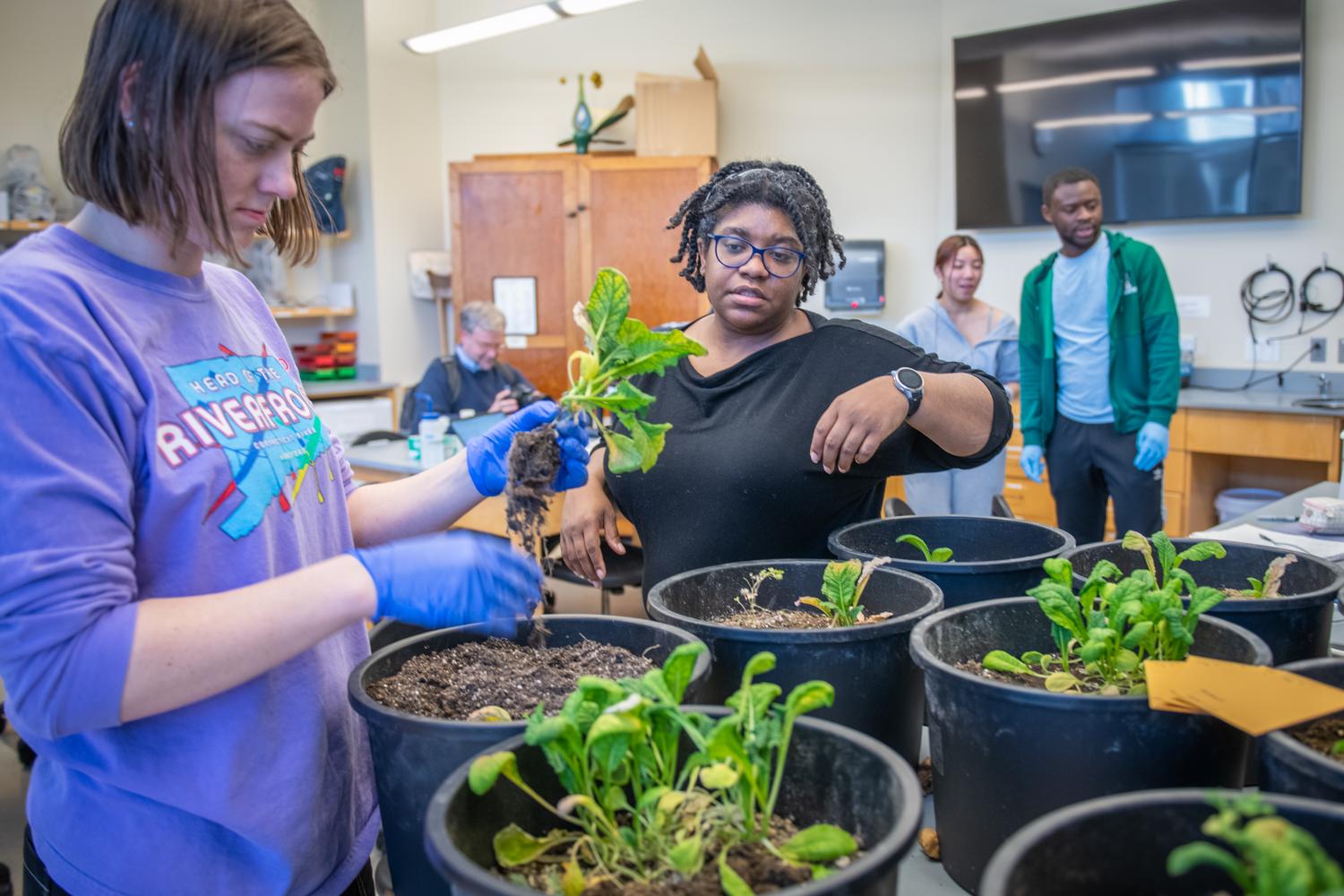
How can microbes help farmers grow more food to feed the world?
Below the surface of the soil, a diverse community of microbes — living organisms like bacteria, viruses, fungi, and protozoa — interact and play a significant role in breaking down organic matter and cycling nutrients. These microbial interactions can improve or, in some cases, impair the health and growth of plants. Although they cannot be…
-

Funded by $1.1 million in NSF grants, researchers dive into undersea war of the microbes
Cyanobacteria produce oxygen for life on earth. Why do viruses kill them?
-
Flashy tails and sharp horns in the name of love
How evolution impacts courtship in the animal kingdom
-
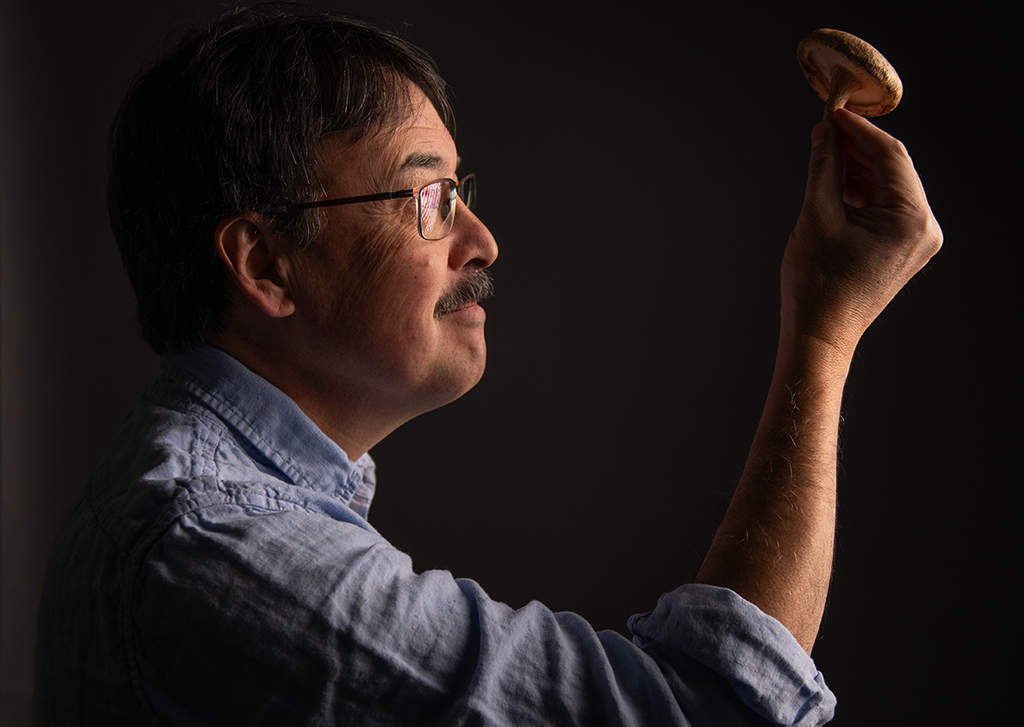
The Mushroom Moment
“Zombie-ant fungi do not reanimate ant corpses.” It’s the answer to a question that Professor David Hibbett likely thought he’d never be asked. But during the Q&A session hosted and filmed by WIRED magazine inside a Manhattan studio, the mycologist took it in stride, reassuring the world that the parasitic fungus that infects and kills…
-
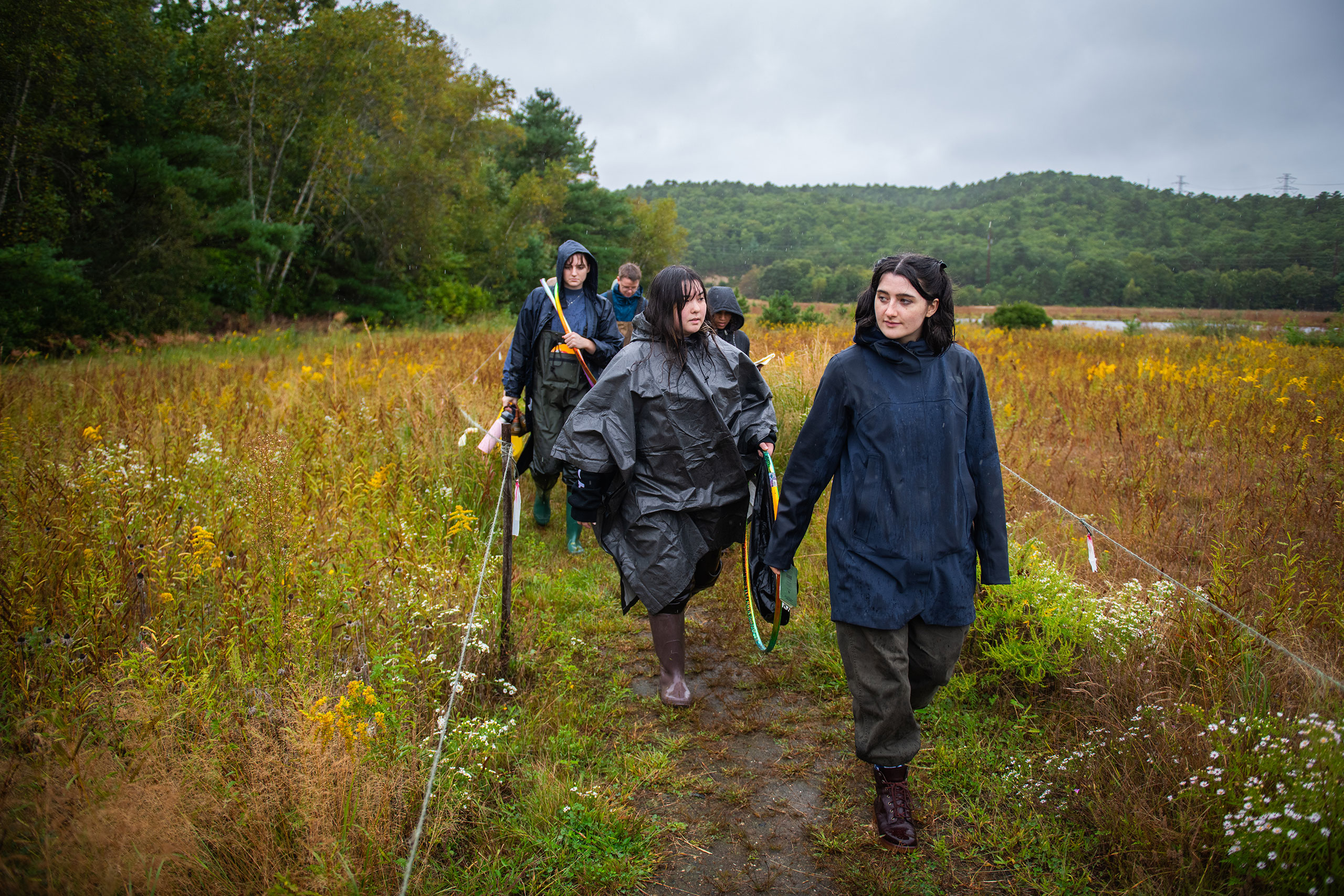
The grass is not always greener
Biology class studies restored wetlands, proposes climate-resilient habitats for Clark’s campus
-
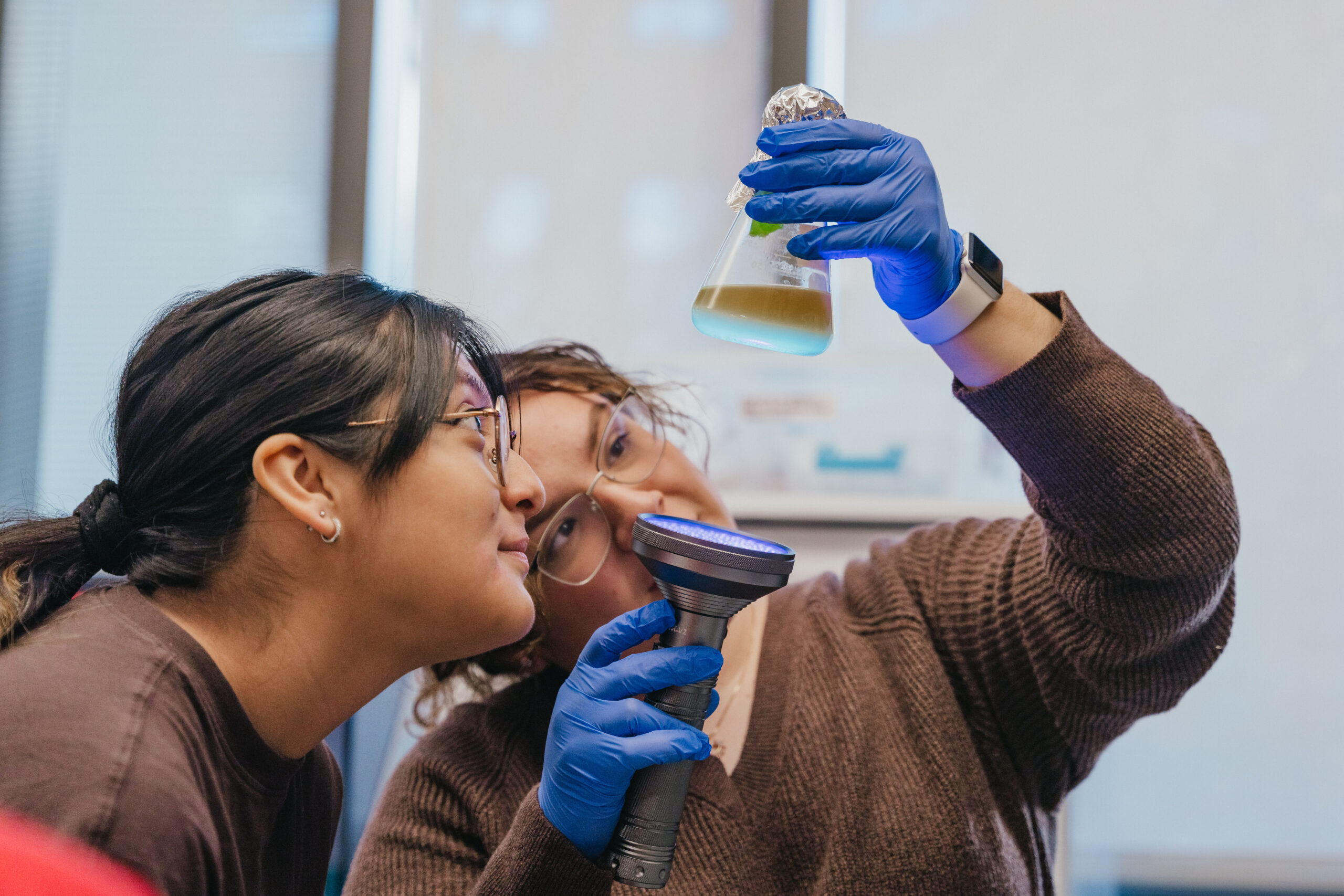
Shared science and shared experience
Latines in STEM club hopes to build community and inspire
-
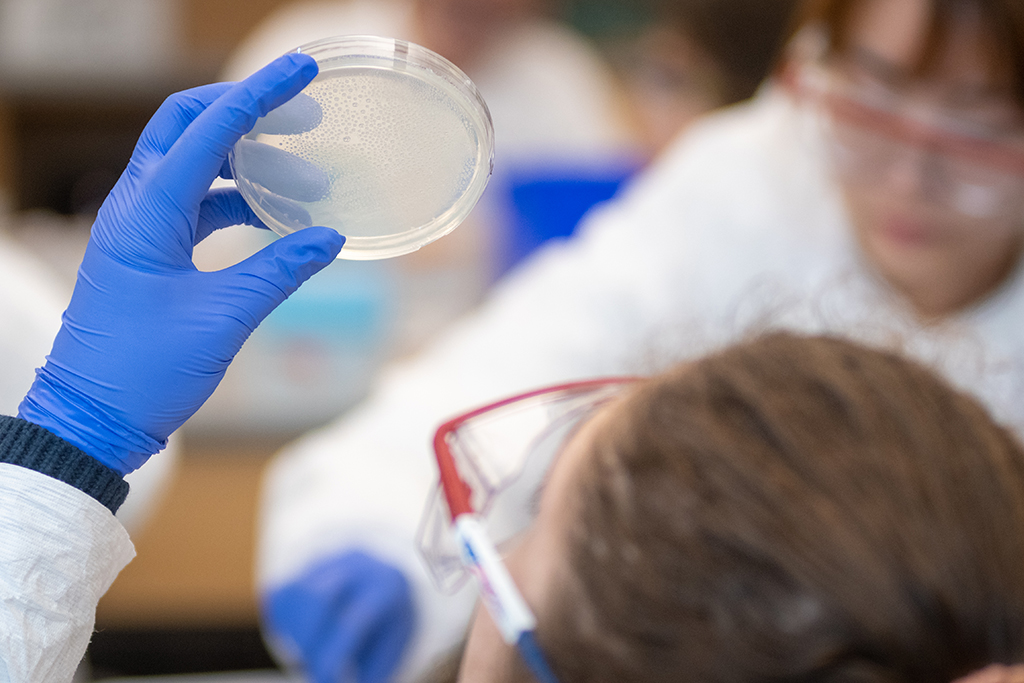
Innovation in Action speaker will discuss life sciences opportunities, education in Massachusetts
Clark University’s Innovation in Action Speaker Series will welcome Kenneth Turner, president and CEO of Mass Life Sciences, on Tuesday, Sept. 26, at noon in the Grace Conference Room on the first floor of the Higgins University Center. Turner will discuss the prevalence of life sciences education, careers, and opportunities in Massachusetts. The Massachusetts…
-
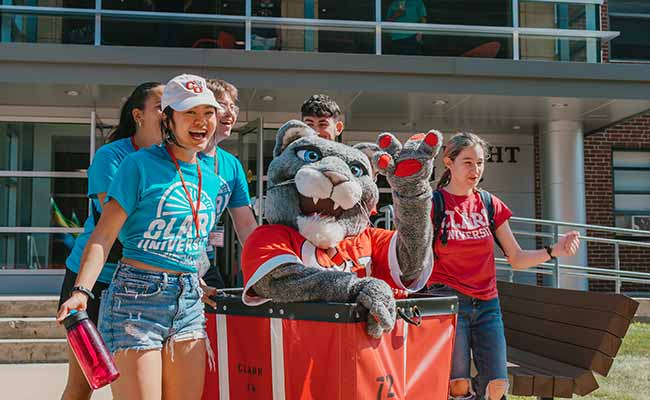
Move-In Day 2023 Photo Gallery
Welcome Clarkies!