Clark University
Clark University logo
Clark University
  • Academics
    • Degree programs
    • The Clark Experience
    • Undergraduate curriculum
    • Graduate Education
    • Advising
    • Honors Program
    • 4+1 Accelerated Master’s Degree
    • Schools and departments
    • More…
  • Admissions
    • Undergraduate admissions
    • Graduate admissions
    • Continuing education
    • International students
    • Tuition and fees
    • Financial aid
    • More…
  • Student Life
    • Housing and dining
    • Health and wellness
    • Athletics and recreation
    • Worcester
    • Involvement
    • Student Success
    • More…
  • Research
    • Highlights
    • Facilities and labs
    • Centers and institutes
    • Fellowships
    • More…
  • About
    • Facts
    • Mission
    • Campus
    • Leadership
    • Clark Inspired
    • Diversity and inclusion
    • More…

Bookmarks

  • Library
  • Academic calendar
  • Courses and schedules
  • ClarkYOU
  • People directory

Resources for:

  • Future students
  • Current students
  • Faculty
  • Staff
  • Families
  • Alumni
  • Visit
  • Apply
  • Request information
  • Ways to give

Apply

George Perkins Marsh Institute

  • About us
    • Director’s welcome
    • About George Perkins Marsh
  • People
    • Researchers
    • Steering committee
    • Administration
  • Research
    • Research projects
    • Jeanne X. Kasperson Research Library
  • Student opportunities
    • Geller Research Fellowships
    • Human-Environment Regional Observatory
  • News and events
    • Announcements
    • News stories
    • Seminar series
    • All events
  1. ClarkU
  2. George Perkins Marsh Institute
  • Clark geographer to lead key chapter of national climate assessment

    Clark geographer to lead key chapter of national climate assessment

  • Scientists identify forest carbon ‘hotspots’ across US with greatest potential to fight climate change

    Scientists identify forest carbon ‘hotspots’ across US with greatest potential to fight climate change

  • To Imagine a 39-Million-Year-Old Forest, Start Small—Very Small

    To Imagine a 39-Million-Year-Old Forest, Start Small—Very Small

    BEFORE IT WAS LOST, IT must have been a wild paradise: a lowland tropical forest near the sea and thick with tall palms and other slim, flowering trees. Woody vines snaked through the dense understory, shaded by relatives of today’s cashew and tropical chestnut trees, while stout hop-bushes clustered where sunlight pierced the canopy. Black mangroves…

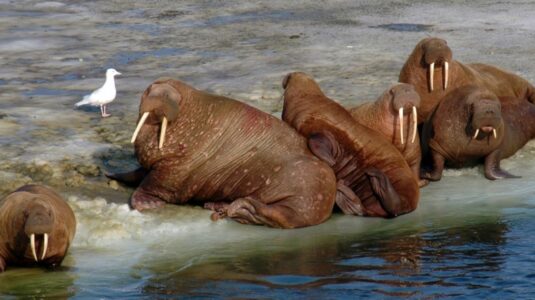
  • Female and Young Walruses Depend on Disappearing Arctic Sea Ice for Food Sources

    Female and Young Walruses Depend on Disappearing Arctic Sea Ice for Food Sources

    ECO magazine 8/23/2021 “A new study shows that disappearing sea ice is a significant element of the food web supporting female walruses and their dependent young in the Arctic’s Chukchi Sea… The work was carried out in coordination with a number of partners in Alaska and also included scientists from Clark University [Professor Karen Frey] and the…

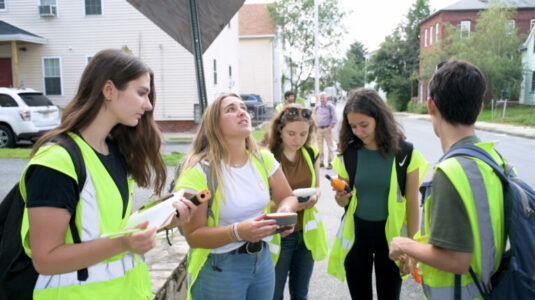
  • When the going gets hot, Clark’s HERO fellows get going

    When the going gets hot, Clark’s HERO fellows get going

  • Professor Edward Carr to address social justice, equity in US Transportation Dept. event

    Professor Edward Carr to address social justice, equity in US Transportation Dept. event

  • Geography students present research, earn awards at national conference

    Geography students present research, earn awards at national conference

    Three students won awards for research connected to grants funneled through the Marsh Institute, my NSF Plum Island Ecosystems grant and my Humanize Institute MapBiomas grant. See this link https://clarknow.clarku.edu/2021/05/04/geography-students-present-research-earn-awards-at-national-conference/

  • Geography research documents solar farms’ negative effects on landscape

    Geography research documents solar farms’ negative effects on landscape

  • Longtime professor Roger Kasperson has died

    Longtime professor Roger Kasperson has died

  • Clark geographer Christopher Williams: More trees do not always create a cooler planet

    Clark geographer Christopher Williams: More trees do not always create a cooler planet

Previous Page
1 … 5 6 7 8
Next Page
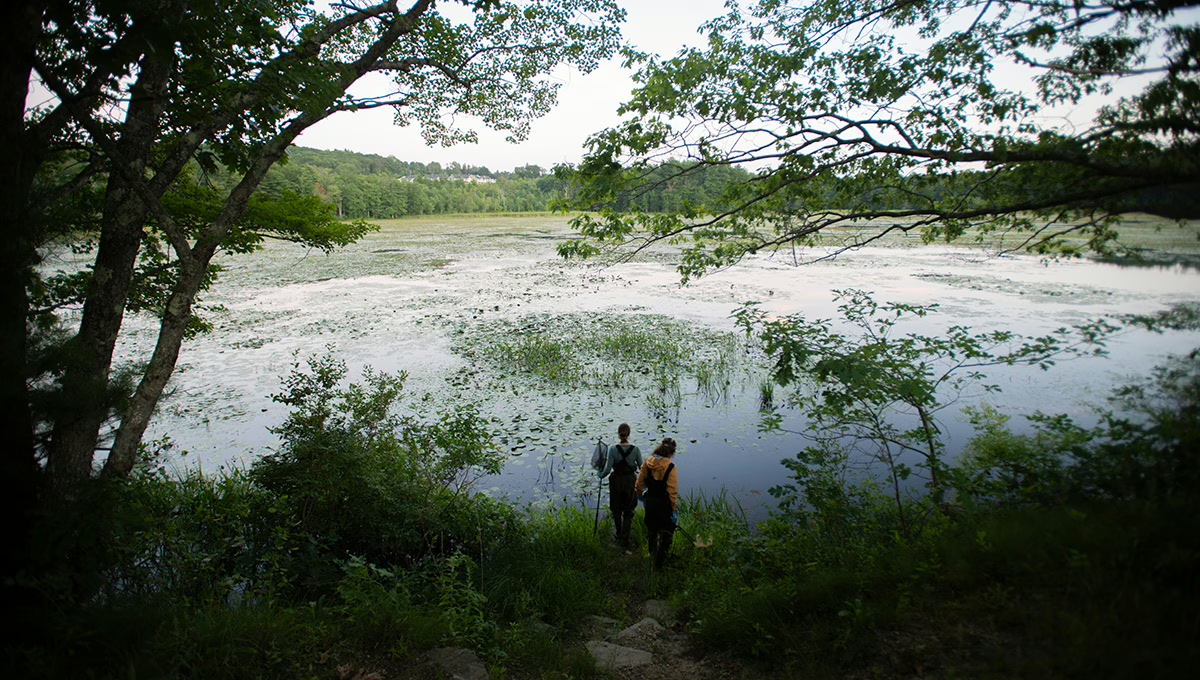
two students in marsh
Contact information

George Perkins Marsh Institute

Office location

Mailing Address:
950 Main Street
Worcester, MA 01610-1477

Visiting address:
Sackler Sciences Center
Rooms 342 – 350

1-508-751-4622

1-508-751-4600 FAX

Campus Map and Directions

Be a force for change.

Come study at a small research university with a strong liberal arts core.

  • Undergraduate
  • Graduate
Visit
Apply

Still curious? Request more information.

Inquire
Apply


Clark University logo

Invest in the next generation of Clarkies.

Ways to give

950 Main St, Worcester, MA, USA 01610 • 508-793-7711

  • Facebook
  • X
  • Instagram
  • TikTok
  • YouTube
  • LinkedIn
  • Threads

  • Report a concern
  • Careers
  • Privacy policy
  • Maps & directions
  • Campus safety
  • Office directory
  • Events
  • Website feedback

Website accessibility
Nondiscrimination policy

Copyright © 2025 Clark University