

Visual Arts, B.A.
Overview
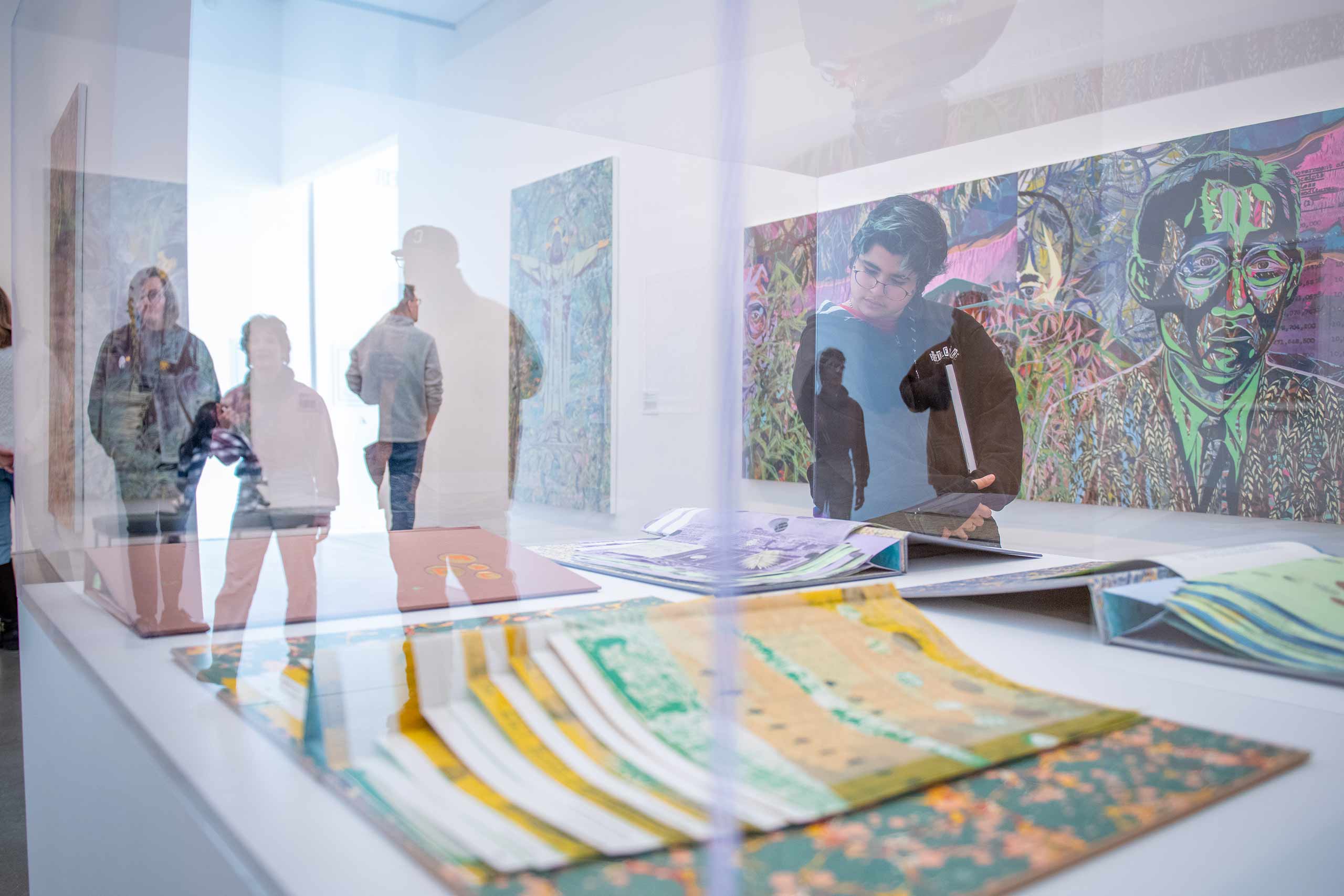
The Visual Arts major at Clark University prepares students to become adaptive, creative thinkers and makers in a rapidly changing visual world.
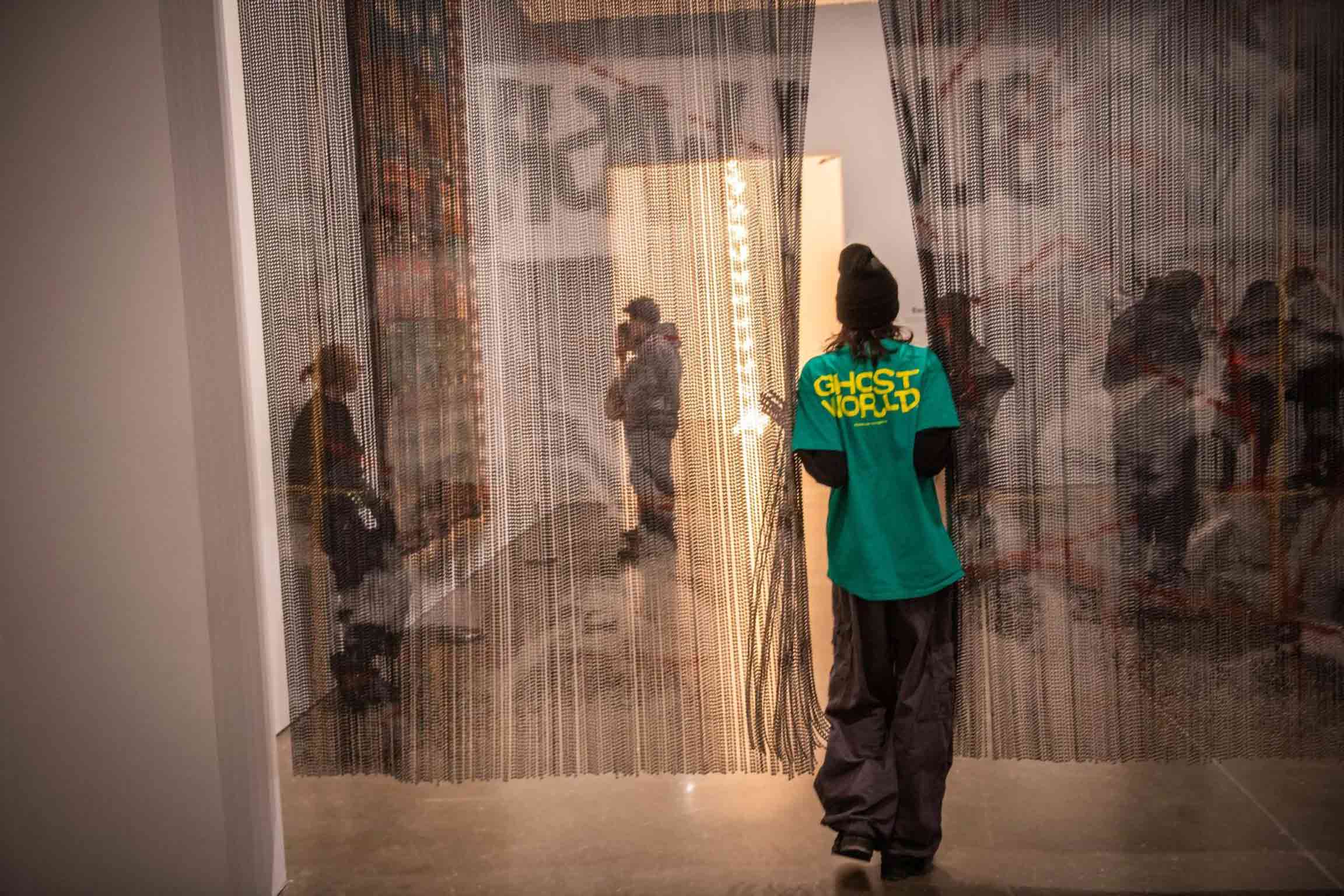
New technologies are transforming how images are made, shared, and experienced — and creative professionals are being asked to adapt faster than ever. Artists and designers are doing the consequential work of building empathy, reimagining storytelling across media, and engaging the complex social and cultural questions that define this moment. The boundary between fine art, design, and technology is dissolving. The most exciting creative work is happening at those intersections.
At Clark, you’ll develop technical skills across drawing, painting, photography, sculpture, printmaking, and digital media — working closely with faculty to apply creative problem-solving to the challenges that matter to you.
You’ll graduate with a professional portfolio, a distinct artistic voice, and the range to work across media. More than that, you’ll leave with the habits of mind that sustain a creative practice: curiosity, adaptability, and the confidence to bring your vision into the world.
In the heart of New England
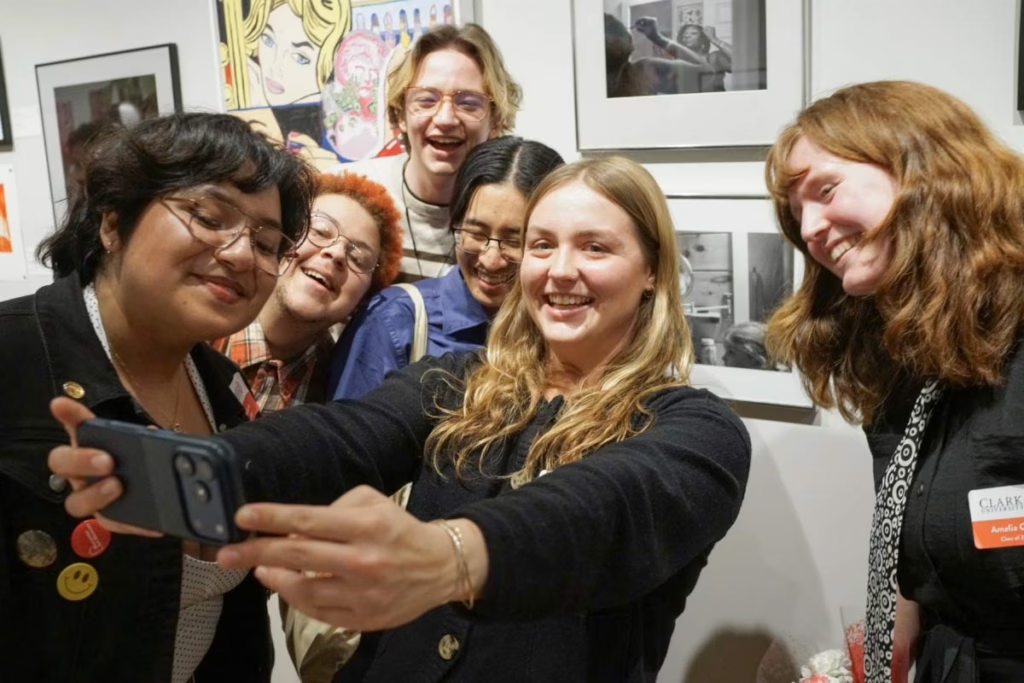
Clark students enjoy free admission to ArtsWorcester and the Worcester Art Museum, a world-class collection steps from campus. The Worcester arts community includes contemporary galleries, preservation initiatives, and active public art programs. Boston’s major institutions are also within reach.
Why study visual arts at Clark?
- Make art in a process-driven learning environment where you’ll be encouraged to take risks, revise, and explore new directions for your work.
- Collaborate with students from other majors including art history; media, culture, and the arts; music; screen studies; and theatre arts on a capstone experience.
- Gain inspiration — and/or intern — at museums such as the Worcester Art Museum; Boston’s world-renowned Museum of Fine Arts, Institute of Contemporary Art, and Isabella Stewart Gardner Museum; the DeCordova Sculpture Park and Museum in nearby Lincoln; and the Museum of Russian Icons in Clinton.
- Clark’s distinctive liberal arts curriculum allows students to combine studio art with interactive media and other fields and engage with contemporary social, cultural, and ecological issues.
Frequently asked questions
What is the difference between visual arts and studio art?
Clark’s visual arts major builds on the foundation of traditional studio art programs — drawing, painting, photography, printmaking, sculpture — and expands it. The major reflects how creative practice has changed: designers work alongside fine artists, digital tools sit next to analog ones, and the most compelling work often happens across disciplines. Visual arts prepares you to move fluently through that wider landscape, without abandoning the rigorous studio foundation that makes it possible.
What can I do with a visual arts degree?
The skills you develop — visual communication, creative problem-solving, the ability to translate ideas into compelling form — are in demand across industries. Graduates pursue careers as studio and exhibiting artists, graphic and visual designers, photographers, animators, creative content producers, art educators, gallery and museum assistants, and independent creative practitioners. Many also go on to MFA programs and other graduate study. And students who combine studio practice with game design, interactive media, computer science, or entrepreneurship are particularly well positioned for emerging creative industries.
What facilities are available to visual arts students?
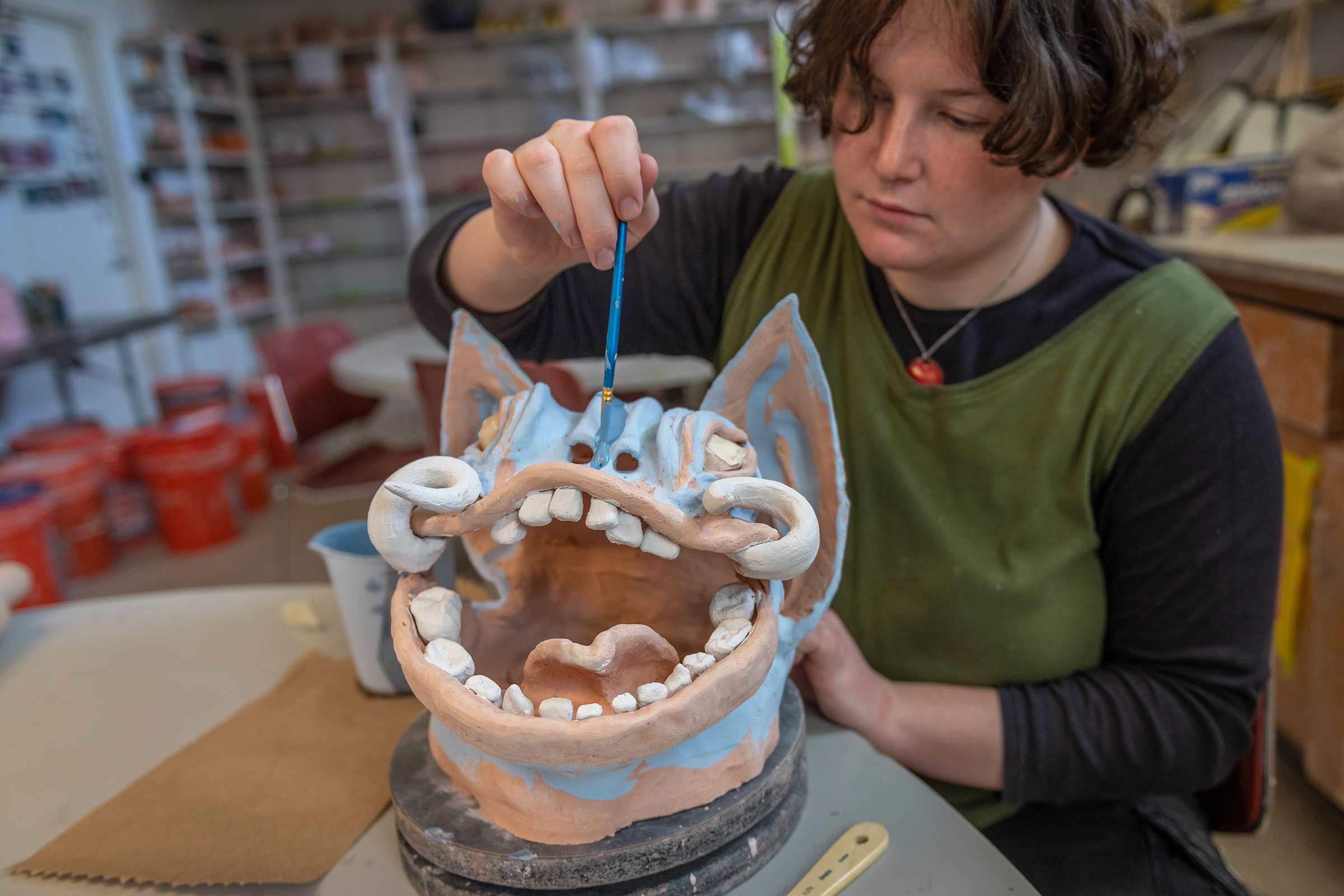
The program is based in the Traina Center for the Arts, a renovated 19th-century Romanesque Revival building with dedicated studios for painting, drawing, printmaking, and design. Photography students have access to analog darkrooms and a digital lab equipped with professional software and large-format fine-art printers. Additional making space — including ceramics — is available at the University Center’s Craft Studio. As part of the School of Media Arts, Computing, and Design, visual arts students also have access to resources across game design, interactive media, and computing.
What makes Clark’s visual arts program different from other schools?
A few things that are genuinely distinctive: the program’s integration of analog and digital practices throughout — not as separate tracks but as a unified creative vocabulary; meaningful interdisciplinary collaboration with computing, game design, and creative writing students; its location in Worcester, a city with a serious and accessible arts community; and a faculty of practicing artists who bring their own creative work into the classroom. Clark is a small research university with a strong social justice tradition — and that shapes what the program cares about and what it asks students to make.