

Screen Studies, B.A.
Overview
Moving-image media is a defining art form of our time. Film, television, documentary, experimental video, social media, streaming — screens shape how we understand history, politics, identity, and each other.
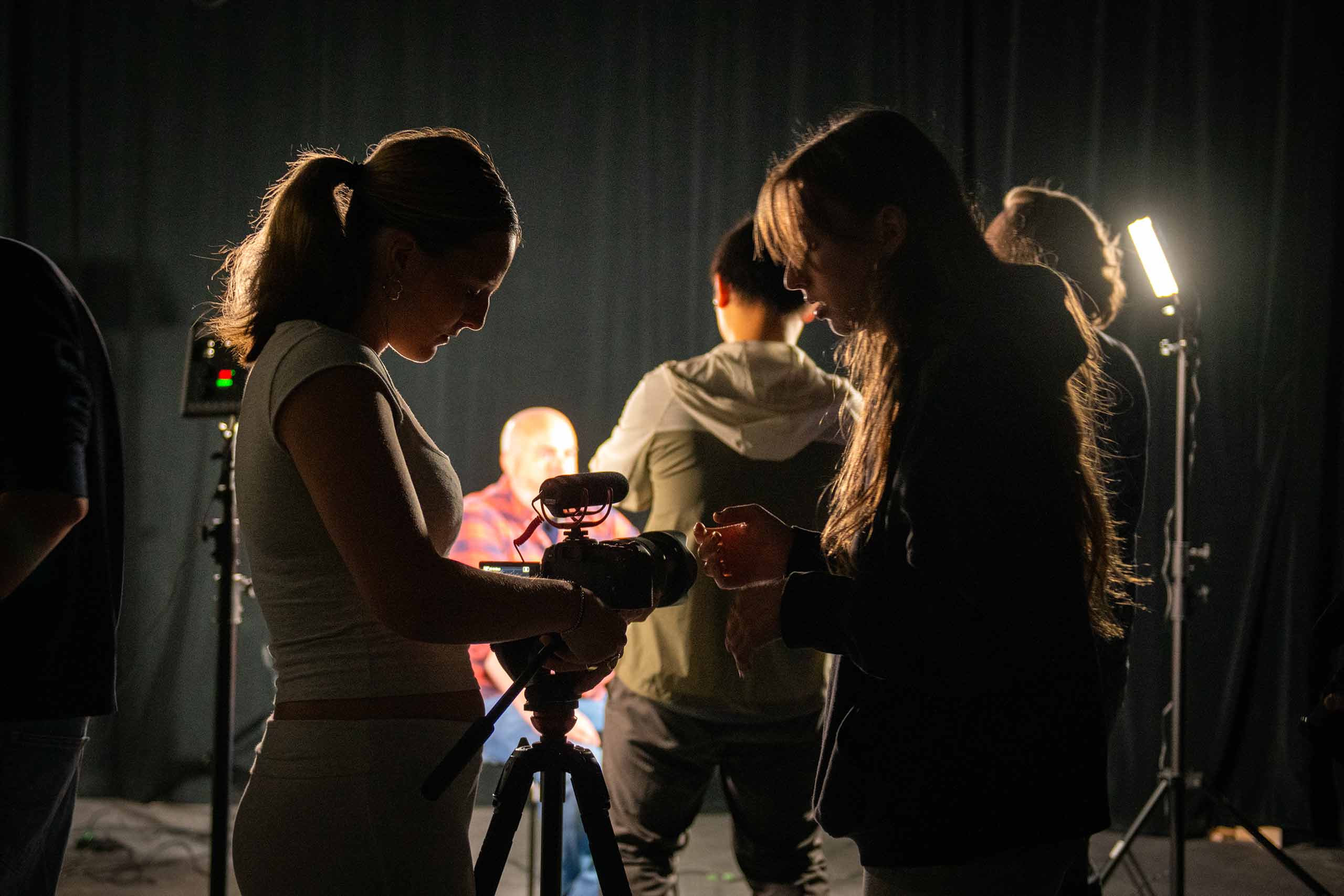
Clark’s screen studies program was one of the first in the nation to look beyond traditional film studies to encompass television, digital media, and the full range of moving-image forms. That broad perspective still defines the program today. Students study the history, theory, and aesthetics of screen media across traditions and time periods, and they make films of their own: narrative, documentary, experimental, and genre work developed through a rigorous production curriculum.
Historical and theoretical study sharpens your eye as a filmmaker. Making films deepens your understanding of what you’re analyzing. By the time you graduate, you’ll have both a portfolio of written scholarship and a portfolio of screen work — and the ability to move between critical thinking and creative practice in ways that the film and media industry increasingly demands.
Recent Screen Studies graduates have gone on to work for AMC Networks, Apple, Disney, HBO, Hulu, Peacock, Sony Pictures Entertainment, and Warner Bros. Discovery. Alumni have pursued graduate study at Columbia, NYU Tisch, UCLA, USC, the American Film Institute Conservatory, and the Selznick Graduate Program in Film and Media Preservation. And student films have been selected for competitive festivals across the United States and internationally.

“While nurturing my deep love of cinema, the program’s collaborative and interdisciplinary coursework gave me the critical thinking skills to analyze visual media in all its forms and introduced me to many of my favorite films. The faculty’s unwavering support inspired me to pursue a career in Hollywood where I’m currently working as a writer, producer, and creative executive.”
Aisling Lynch ’21
Creative Executive, Fourth Wall Management
Why study screen studies at Clark?
- Clark was among the first programs in the country to take moving-image media seriously as a field of study — including television, documentary, experimental film, and emerging digital forms alongside the canonical history of cinema. That breadth is built into the curriculum and reflected in the range of faculty expertise: South Asian cinema, feminist theory and gender studies, documentary production, genre studies, and experimental film.
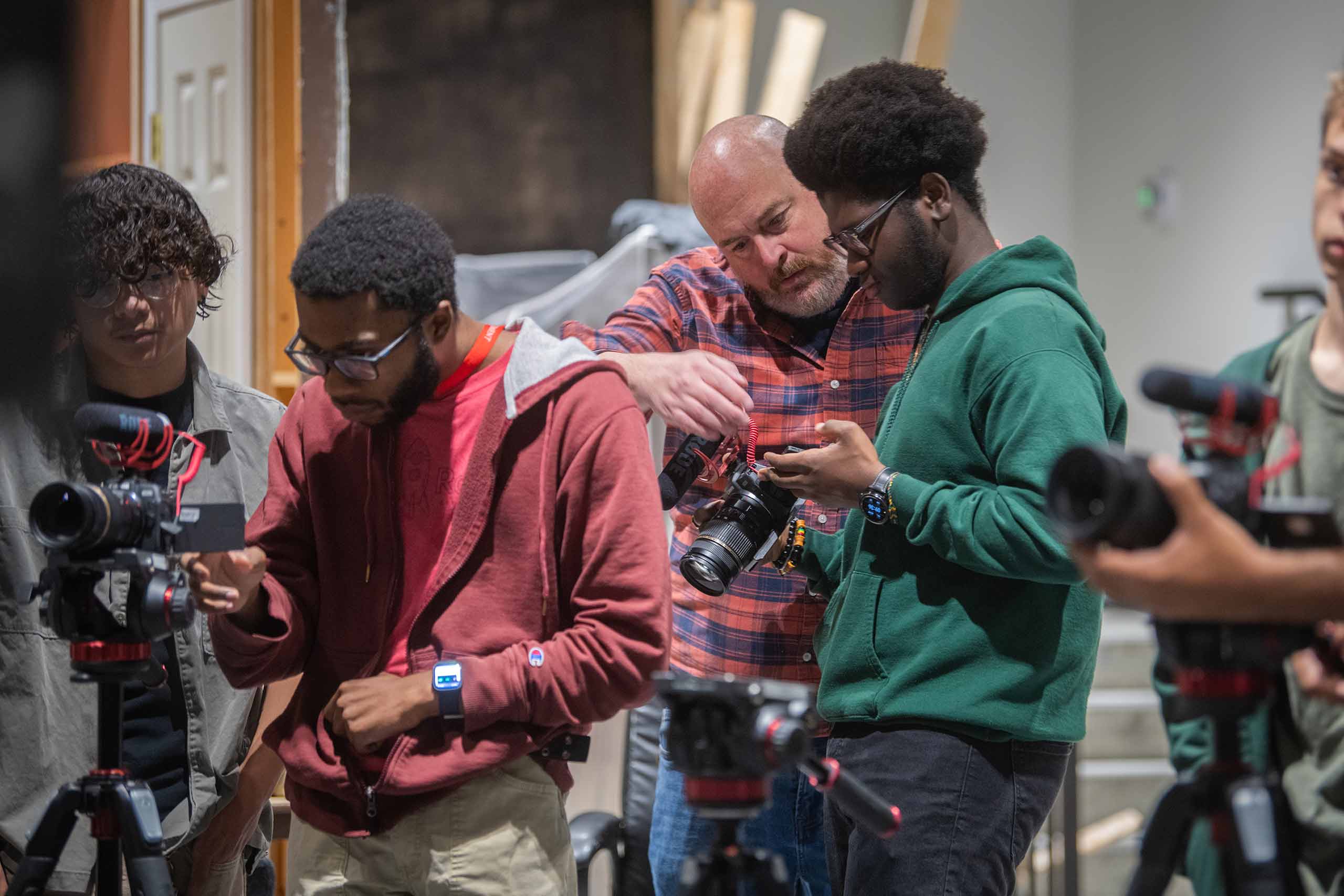
- Classes are small — typically 15 to 20 students — and students interact with faculty one-on-one regularly. This is a program where your professors know your work and your goals.
- Production courses are held in the Center for Media Arts, Computing, and Design, which gives students access to a professional-grade production studio, editing lab, screening room, mix stage, and gear vault. Screenings and events take place in Razzo Hall, a 200-seat theater with state-of-the-art projection and sound.
- Student films get seen. Recent graduates have had work selected for competitive festivals including the Boston International Film Festival, the Rhode Island International Film Festival, the National Film Festival for Talented Youth, among other national and international festivals.
Frequently asked questions
What is screen studies?
Screen Studies is the academic discipline devoted to the history, theory, aesthetics, and production of moving-image media — film, television, documentary, experimental video, and emerging digital forms. At Clark, the major combines rigorous historical and critical study with hands-on production work in narrative film, documentary, screenwriting, and experimental media. Students graduate with both a portfolio of written scholarship and a portfolio of screen work.
How is screen studies different from a film production program?
Production programs focus primarily on craft — making films. Screen studies at Clark does that too, but it also asks why films are made the way they are, what they mean, and how they function in culture and society. The critical and historical side of the curriculum makes you an intentional filmmaker, and the production experience makes your critical writing more grounded. Most graduates find that this combination is exactly what the industry, and graduate programs, are looking for.
Do I need filmmaking experience to declare screen studies?
No prior filmmaking experience is required. Introduction to Digital Filmmaking is a gateway course that teaches production skills from the beginning. What matters is genuine curiosity about moving-image media and a willingness to work hard in both critical and creative modes.