

Art History, B.A.
Overview
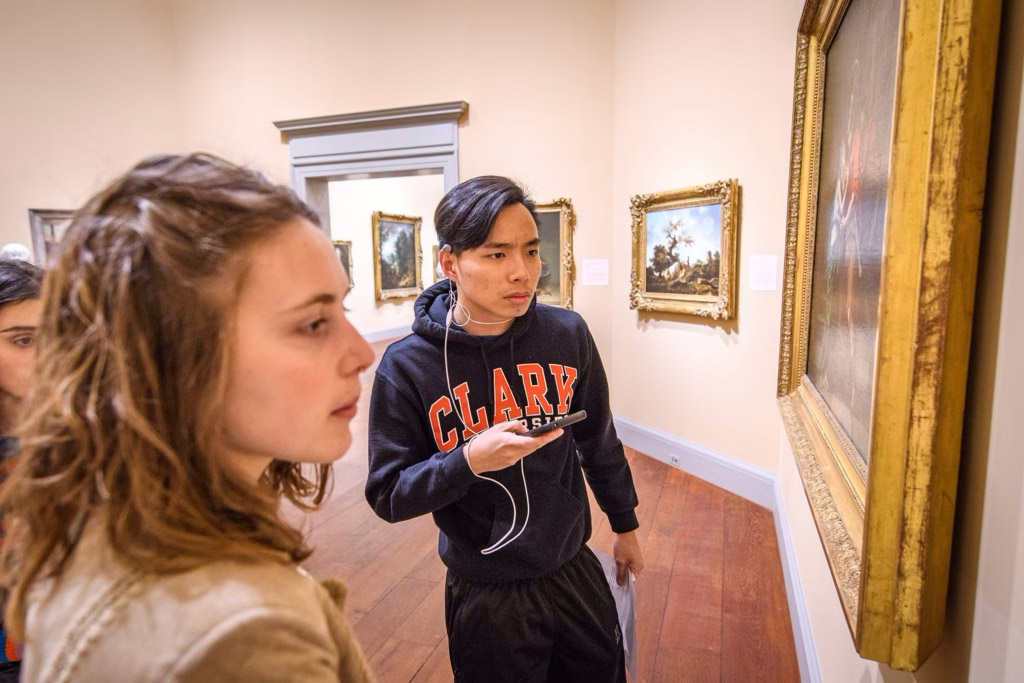

Why study art history at Clark?
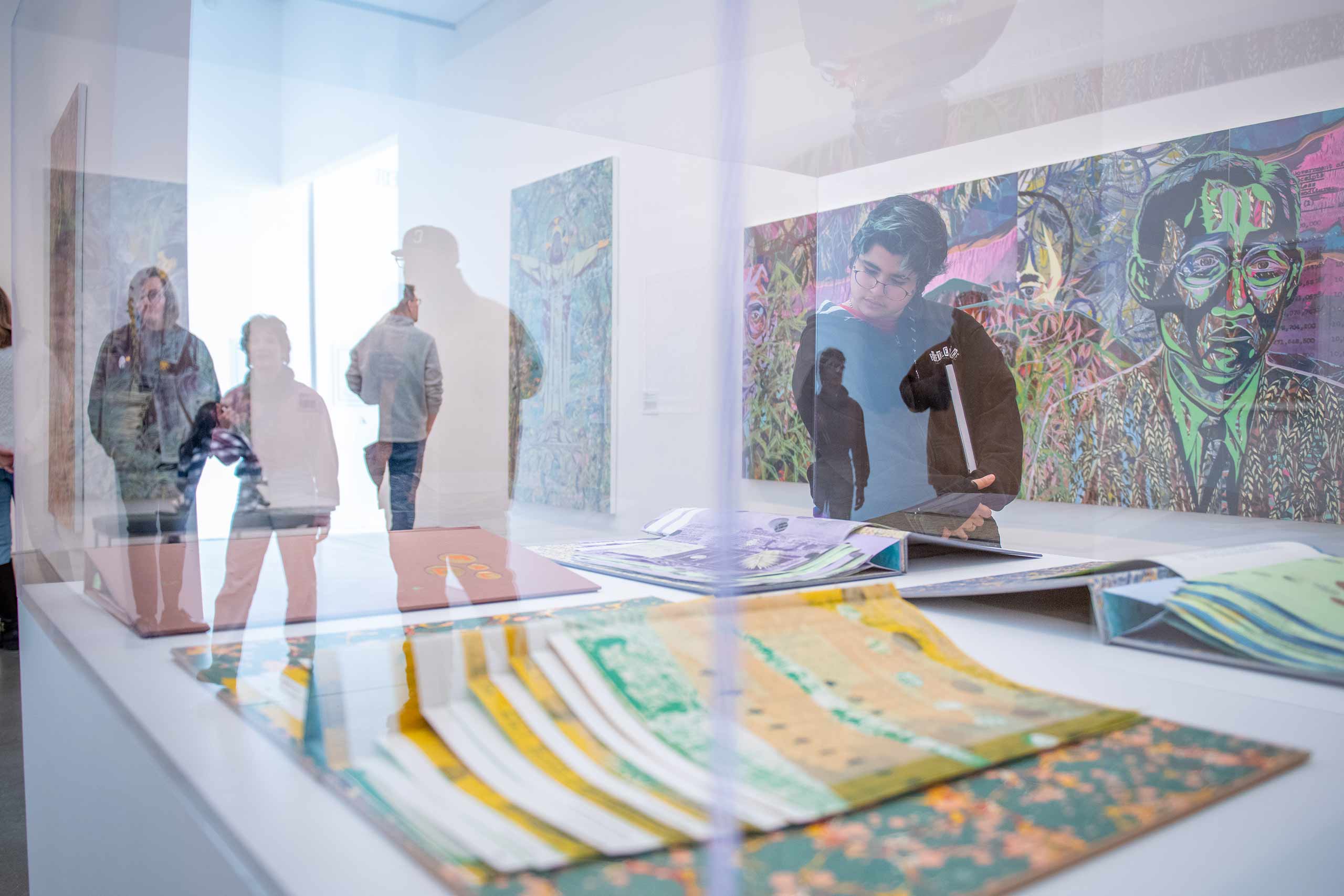
- Find inspiration and pursue internships in a state brimming with renowned arts institutions, including the Museum of Fine Arts and the Isabella Stewart Gardner Museum in Boston; the deCordova Sculpture Park and Museum in Lincoln; and the Massachusetts Museum of Contemporary Art in North Adams.
- Become active in Worcester’s own arts community, which includes the Worcester Art Museum; ArtsWorcester, supporting contemporary artists in the city; and Preservation Worcester, which advocates for Worcester’s architectural heritage.
- Apply and deepen your knowledge whether by serving as a gallery intern at Clark’s Schiltkamp Gallery, interviewing local artists, or exploring conservation techniques at Clark’s Archives and Special Collections.
- Create and collaborate across the Visual and Performing Arts Department, a tight-knit community that includes students majoring in art history; media, culture, and the arts; music; screen studies; visual art; and theatre arts.
Frequently asked questions
What can I do with a major in art history?
Art history trains you to analyze complex visual and cultural information, construct evidence-based arguments, and communicate clearly to diverse audiences. Those skills travel into museums, galleries, and auction houses, but also into law, publishing, education, nonprofit leadership, historic preservation, arts administration, and beyond.
Clark art history alumni have gone on to hold curatorial, registrarial, and education positions at the Museum of Modern Art, the New York Historical Society, and the Boston Public Library Foundation, among others. They’ve pursued graduate study at Harvard University, the School of the Art Institute of Chicago, and the Courtauld Institute of Art in London. And they’ve been awarded Fulbright fellowships to support research and teaching abroad.
Is art history a good major if I’m not sure I want to work in a museum?
Yes — and most art history majors don’t end up in museums. The analytical, writing, and research skills you build are valued across many fields. Employers increasingly recognize that people who can read images critically, synthesize information from multiple sources, and communicate complex ideas clearly are assets in almost any professional context. Art history is a rigorous liberal arts degree with valuable range.
What skills does an art history degree teach you?
- Visual analysis — how to read images, objects, and built environments with precision and depth
- Research — how to work with primary sources, archives, and scholarly literature
- Writing and argumentation — how to integrate visual evidence, historical documentation, and scholarly sources into a persuasive, coherent argument
- Public communication — how to write and speak for audiences outside the academy
- Critical judgment — how to form and defend qualitative assessments, a capacity that transfers across professional fields