

Climate Change
-
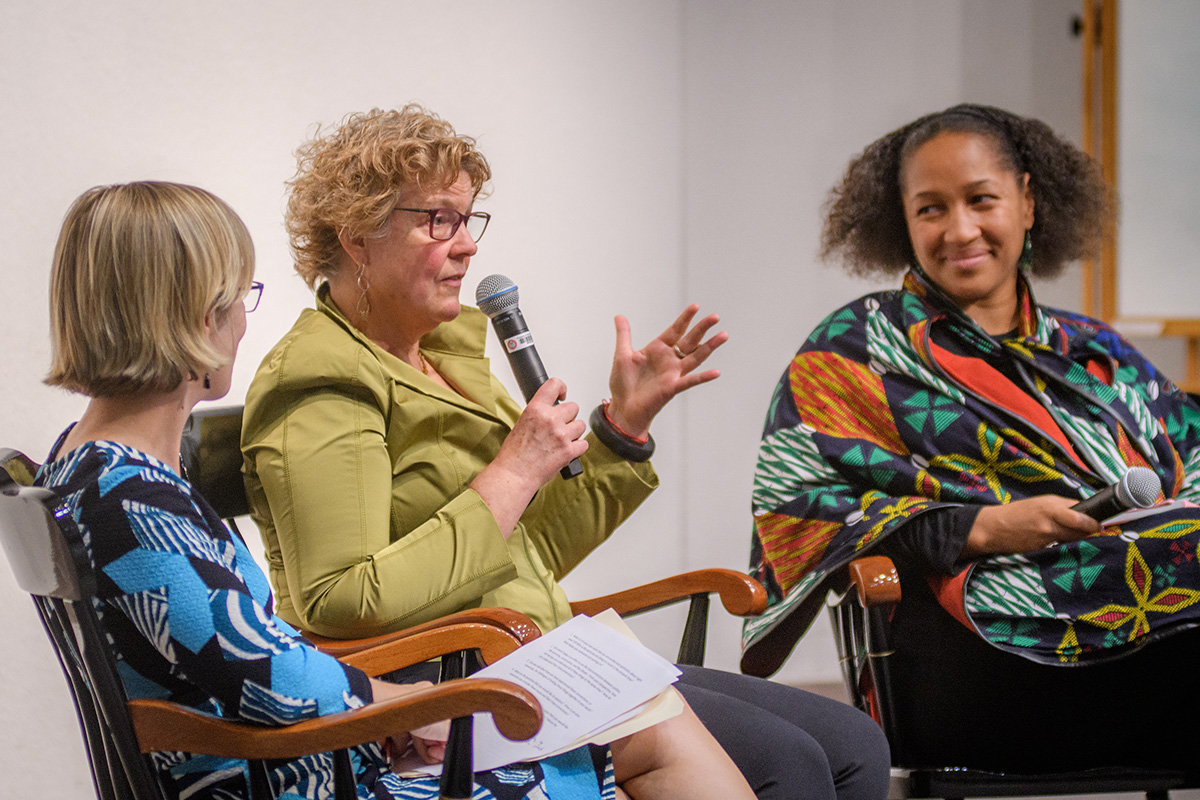
Climate change conversation heats up on campus
Event serves as call to arms to reimagine our future
-
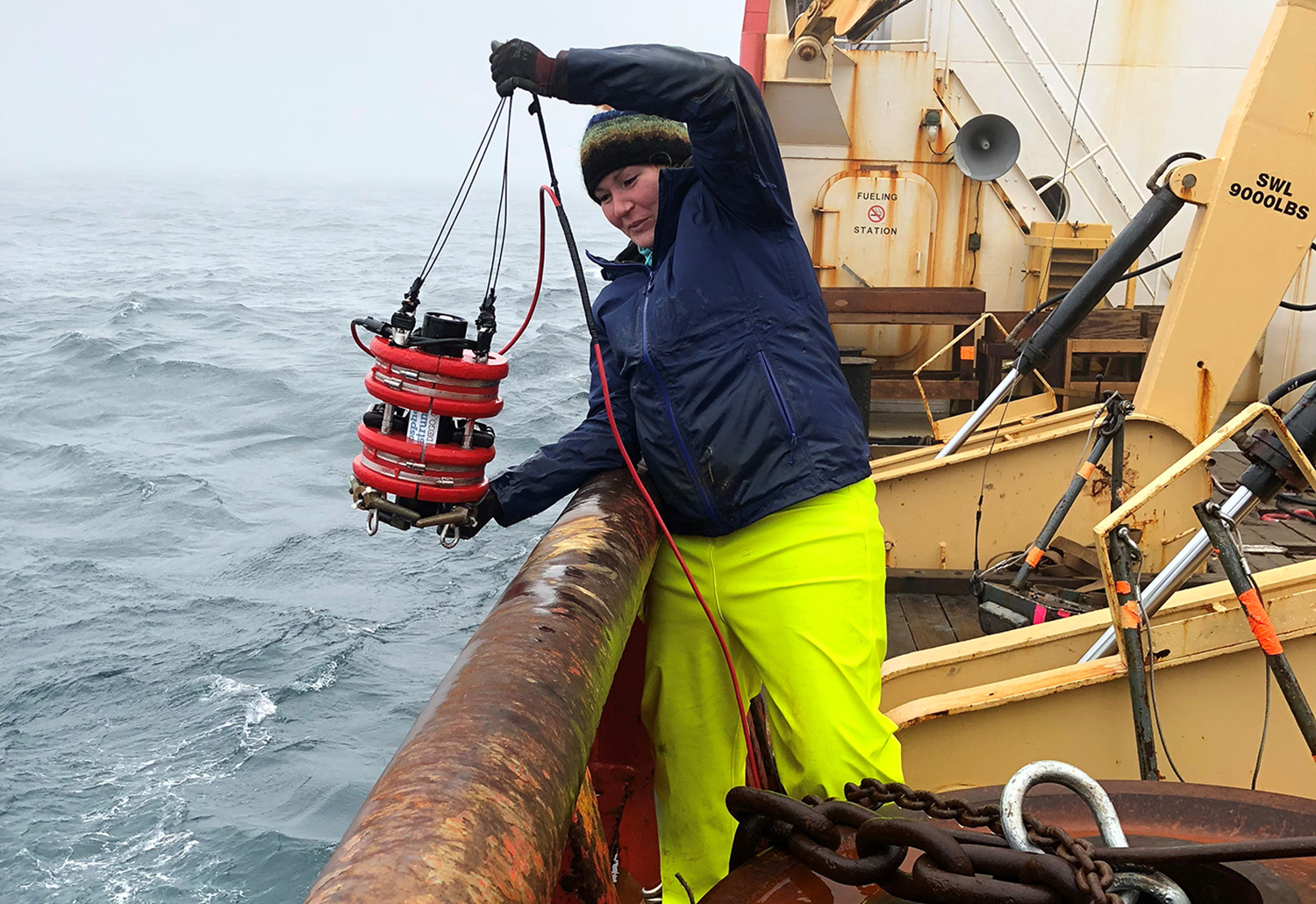
Study of Arctic algae ‘puts a microscope up to climate change’
Prof. Frey’s cover article highlights changes in Arctic’s food chain
-
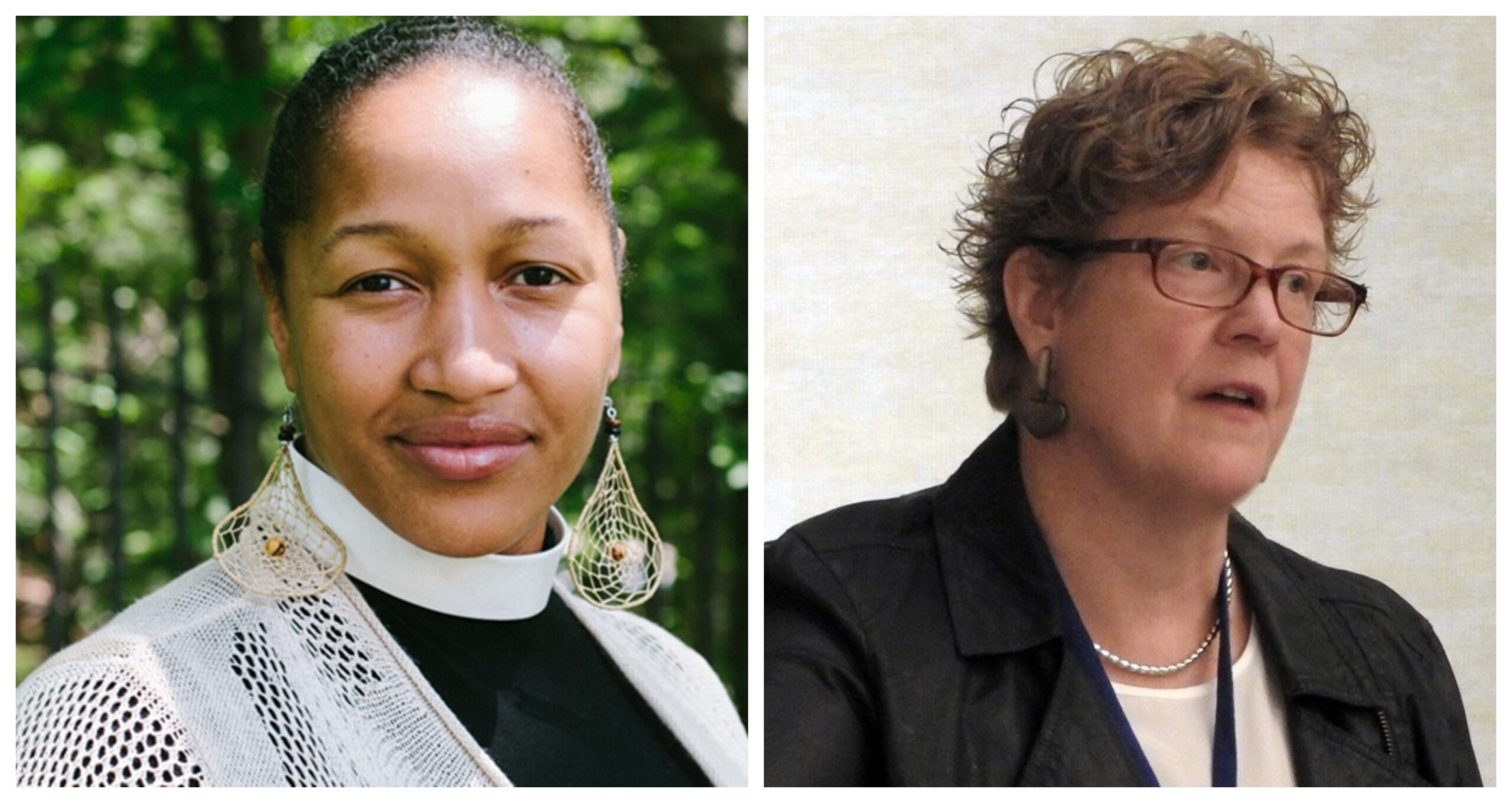
Clark community to host daylong climate conversation
‘All Together Now’ to address interdependent challenges of politics, economy, social justice, and climate
-
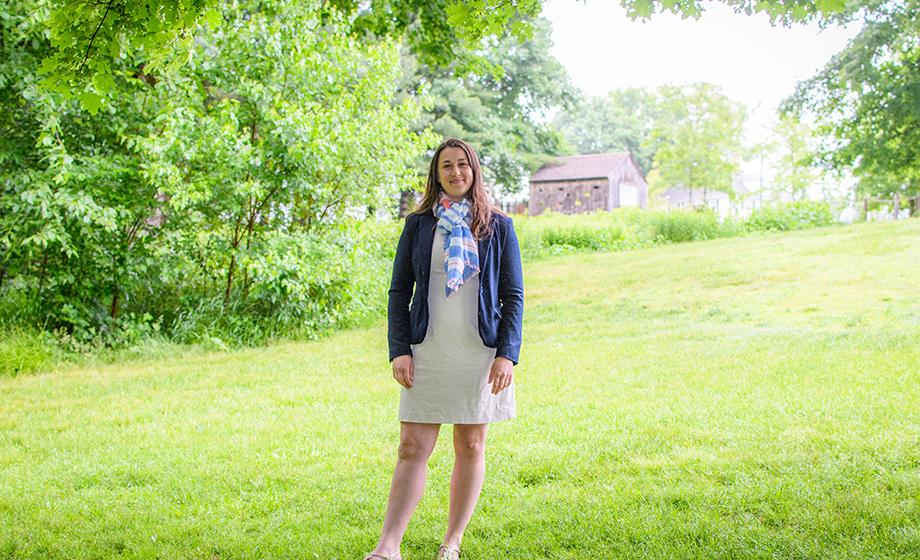
Stefanie Covino battles climate change one town at a time
Severe storms. Flooding. Drought. Erosion. Devastated communities struggling to rebuild. These doomsday headlines have become all too common, sweeping the news on a daily basis. In the face of climate change, communities are struggling with competing priorities and have difficulty focusing on climate resilience and conservation. The stakes are high. On the front lines of…
-
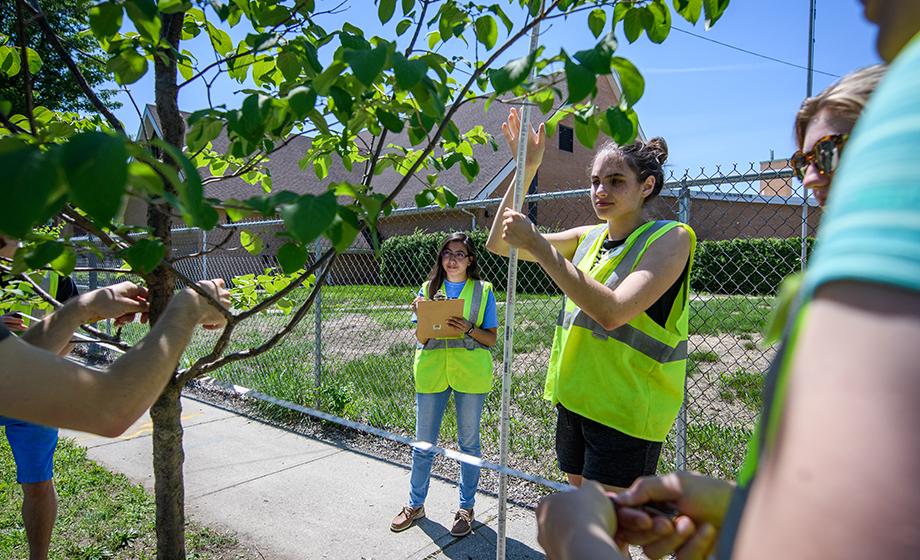
Clark HERO Fellows work to green Massachusetts’ Gateway Cities
Massachusetts’ Gateway Cities sport architectural reminders of their once-bustling industrial past: factories, warehouses, and ubiquitous triple-deckers, all built close to the street. What’s often missing from this picture? Trees. This summer, six Clark University undergraduate researchers have joined a multi-agency effort to increase the tree canopy to these 26 small- to mid-sized Gateway Cities, bringing cooling shade…
-

Clark experts to serve as lead authors on report by Intergovernmental Panel on Climate Change
Two experts from Clark University will serve as lead authors for the next major report by the United Nations’ Intergovernmental Panel on Climate Change. Edward Carr, professor and director of Clark’s Department of International Development, Community, and Environment, and Elisabeth Gilmore, associate professor, are among the 721 experts who will contribute to the Intergovernmental Panel on Climate Change (IPCC)’s Sixth Assessment Report,…
-
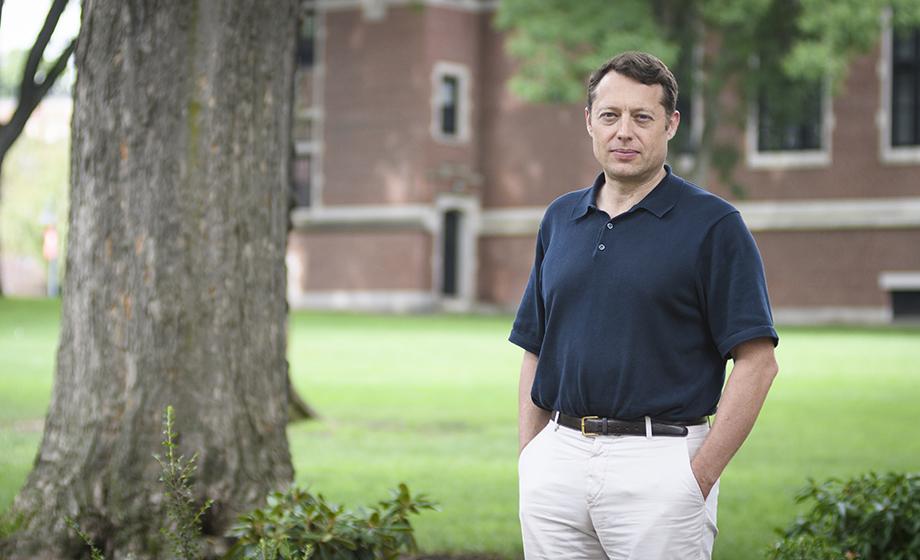
Geography professor’s Nature article examines ecologists’ methods, scales for collecting data
A study led by Clark University geographer Lyndon Estes and published this week in Nature Ecology and Evolution suggests how ecologists might employ better methods and scales for collecting data on ecological phenomena. Ecologists study ecosystems by comparing changes over time and between different areas of a region or the world; they collect data by making on-site…
-
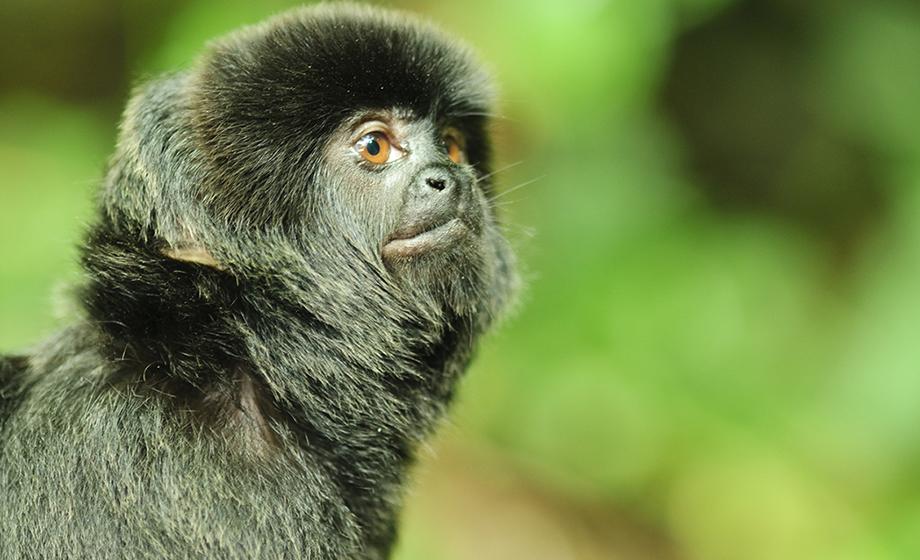
Researchers warn of wildlife at risk due to expansion of agriculture
Nature article: Animals in Amazon, Sub-Saharan Africa face pressures from increased growing of crops
-
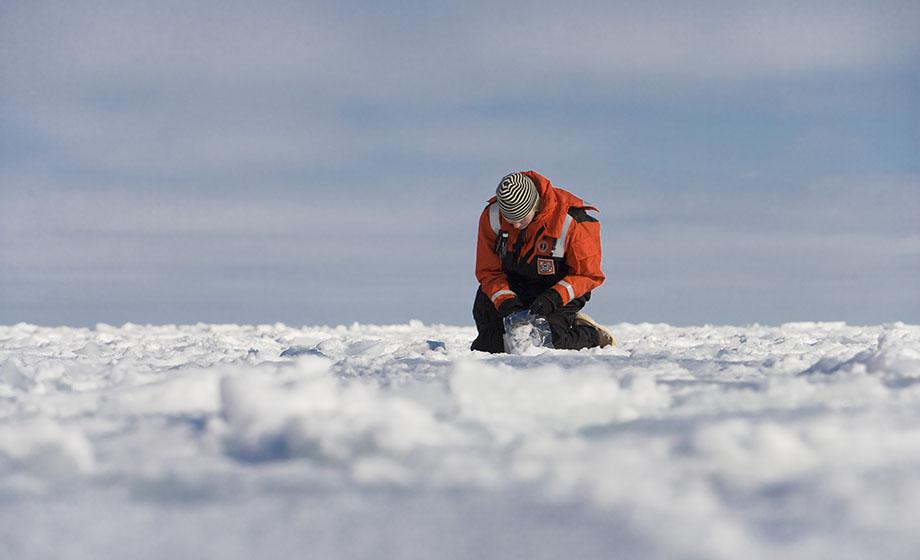
National Academy of Sciences appoints Clark geographer to international Arctic group
Karen E. Frey, associate professor in the Clark University Graduate School of Geography and research associate professor in the George Perkins Marsh Institute, has been appointed by the National Academy of Sciences to serve on the Marine Working Group of the International Arctic Science Committee (IASC). Only two U.S. scientists were appointed to this prestigious group; Frey will serve at least…
-
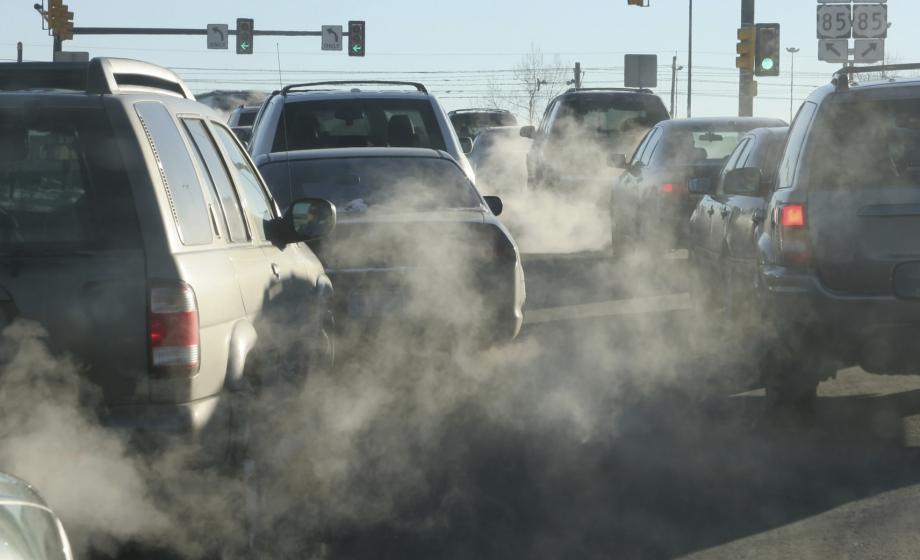
Alumnus’ system uncovered emissions test cheating by VW, other automakers
When Leo Breton ’85 was getting ready to apply to colleges, he already knew he was going to major in physics. His mother suggested he check out Clark University because of its links with Robert H. Goddard, “the father of modern rocketry.” Clark was the only university to receive Breton’s application. It’s fitting, because Breton…