

Research
-
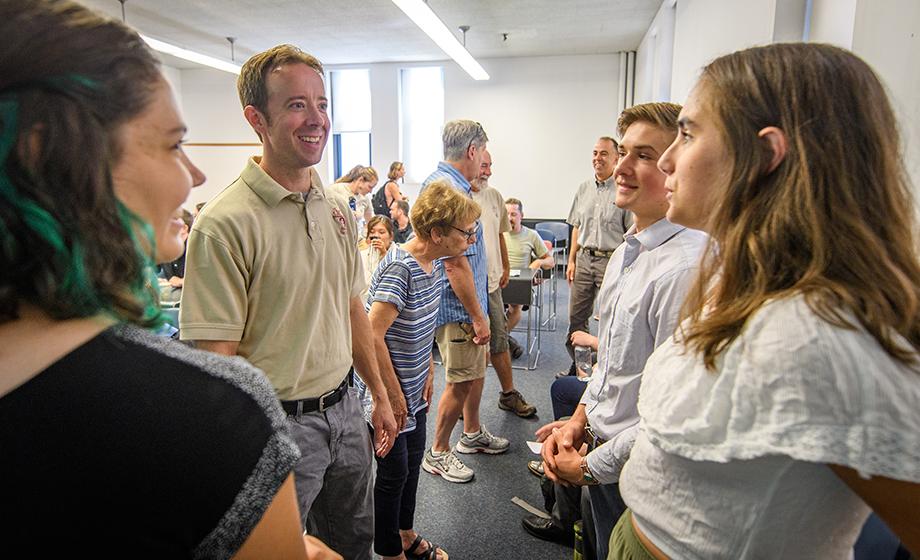
Stakeholders applaud students’ ‘valuable work’ on Greening the Gateway Cities
As a budding biologist in Wallingford, Pennsylvania, Elizabeth Lohr ’19 surveyed and mapped all the trees on her high school campus. Now an undergraduate at Clark University, she is pursuing her passion for trees on a much larger scale, through the Graduate School of Geography’s HERO (Human-Environment Regional Observatory) program. “This program was almost custom-made to…
-
Students receive Fulbright fellowships, other awards for postgraduate work and study
Three Clark University doctoral candidates and two recent graduates received prestigious fellowships from the Fulbright U.S. Student Program and other programs to fund their postgraduate research, teaching, and study abroad. “At Clark we have a long-standing success in receiving Fulbright fellowships and other competitive awards. It reflects our tremendous strengths in graduate and undergraduate education, and…
-
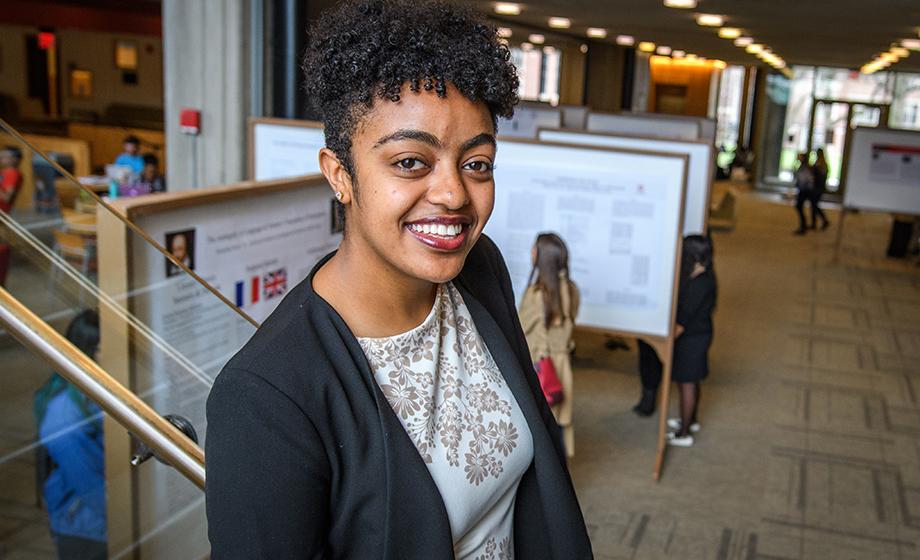
Mary Yohannes ’19 puts her heart into cardiology and STEM education
“My experience and success in any place depends on how fit that space is for me,” says Mary Teketel Yohannes ’19. She found her fit at Clark University. A native of Addis Ababa, Ethiopia, Yohannes is pursuing a degree in biology, concentrating in mathematical biology and bioinformatics, with plans for a career in medicine. “I…
-
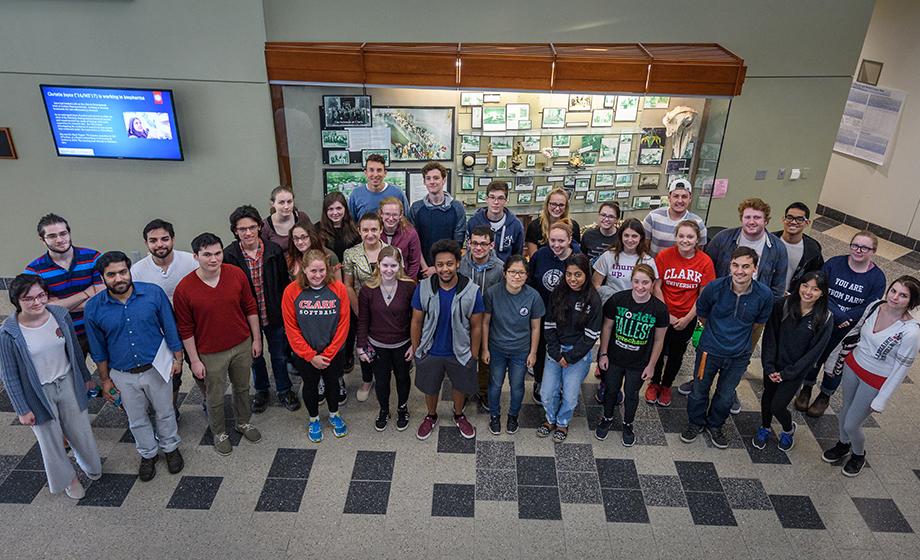
A summer of science at Clark
Nearly 50 undergraduates learning the ropes of research in faculty labs
-
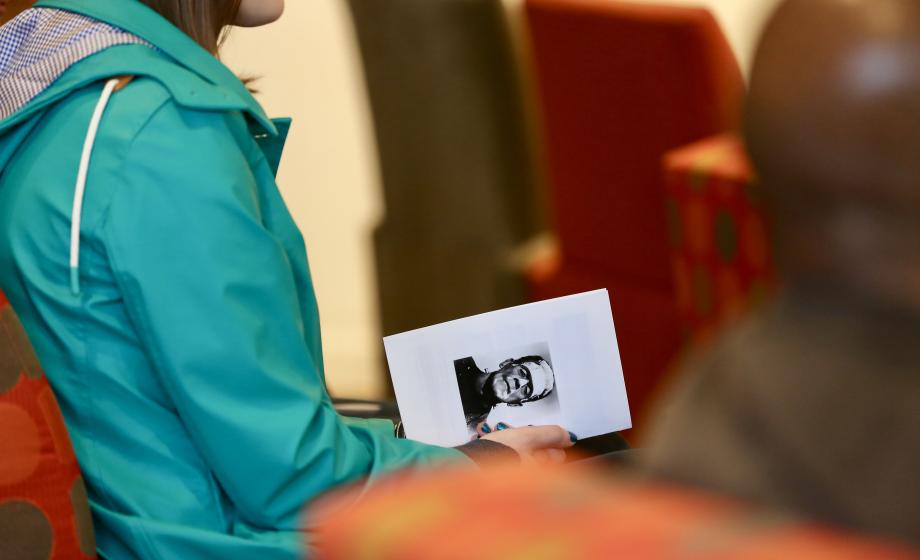
Clark symposium celebrates two centuries of ‘Frankenstein’
If a great book is one that resonates across cultures and generations, Mary Shelley’s novel “Frankenstein, or “The Modern Prometheus,” qualifies hands down. First published in London in 1818, the tale of Dr. Victor Frankenstein and the 8-foot-tall, semi-human creature that he fashioned elicits in its readers strong conflicting emotions — from pity and empathy to…
-
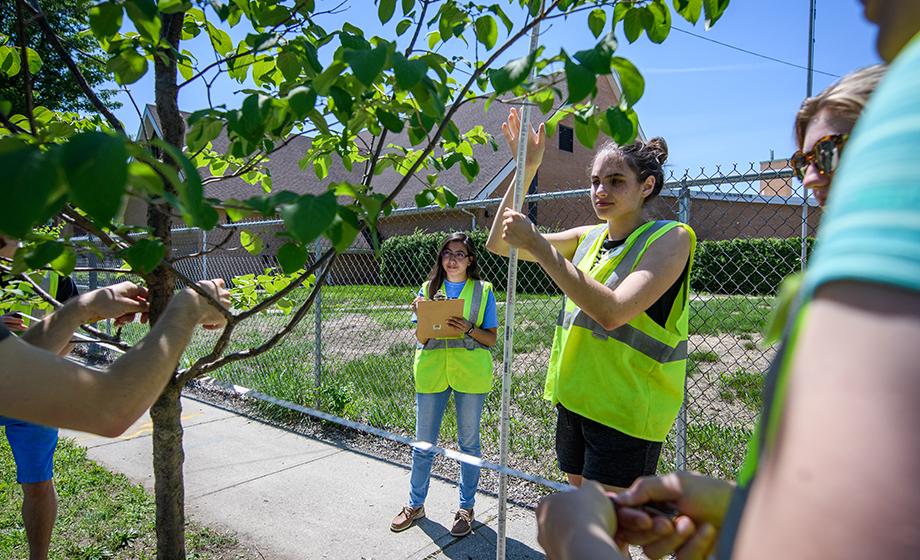
Clark HERO Fellows work to green Massachusetts’ Gateway Cities
Massachusetts’ Gateway Cities sport architectural reminders of their once-bustling industrial past: factories, warehouses, and ubiquitous triple-deckers, all built close to the street. What’s often missing from this picture? Trees. This summer, six Clark University undergraduate researchers have joined a multi-agency effort to increase the tree canopy to these 26 small- to mid-sized Gateway Cities, bringing cooling shade…
-
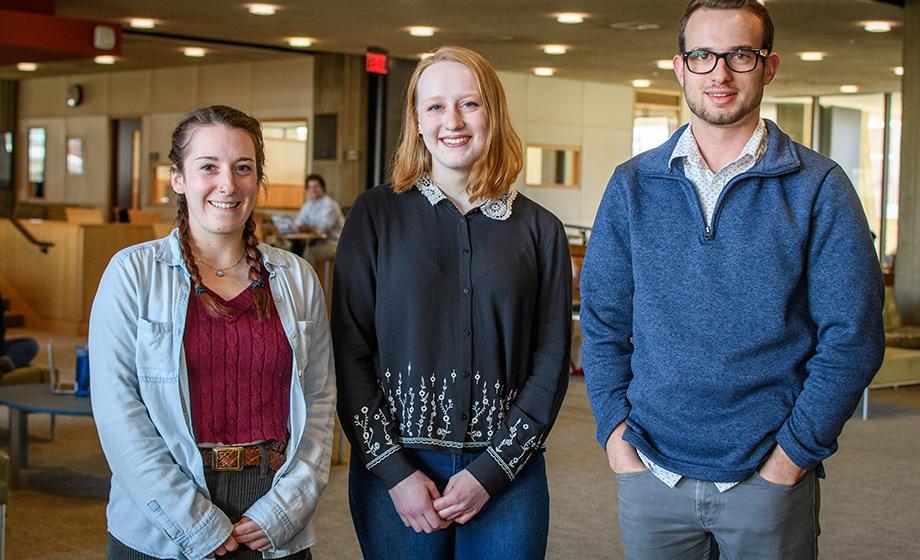
Clark students receive summer NOAA fellowships
This summer marks the seventh year Clark University students will put their education into practice through fellowships with the National Oceanic and Atmospheric Administration. Through a collaboration with the University’s Mosakowski Institute for Public Enterprise and George Perkins Marsh Institute, NOAA has invited three Clark undergraduates to conduct research at sites in Florida, Maryland, and Massachusetts. This year, for the…
-
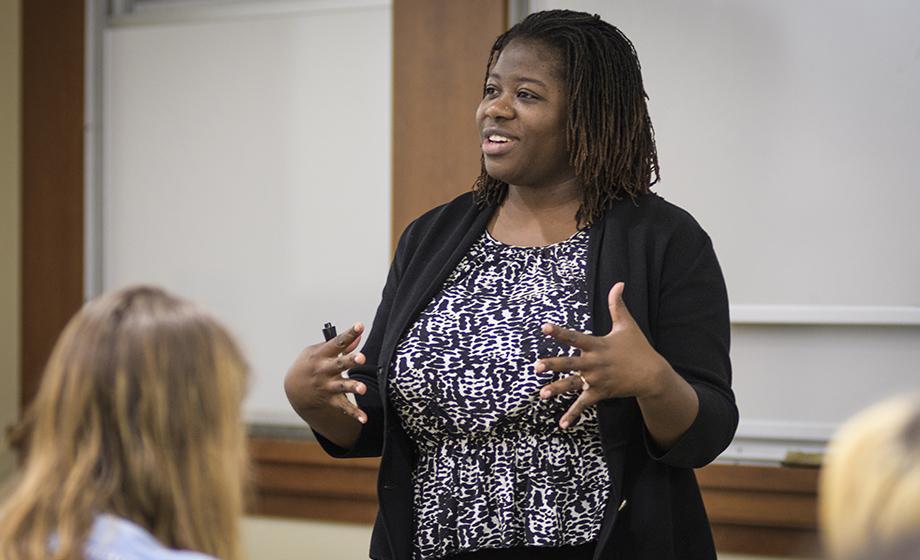
Psychology professor receives award to fund research on marginalized groups
Nicole Overstreet, assistant professor of psychology at Clark University, has been named a 2018 Nancy Weiss Malkiel Scholar by the Woodrow Wilson National Fellowship Foundation. The award, which is funded by The Andrew W. Mellon Foundation, supports junior faculty from underrepresented groups and others committed to eradicating disparities in their fields. Overstreet (pictured) joins nine other junior scholars from prestigious American universities, including Yale, Columbia, and…
-
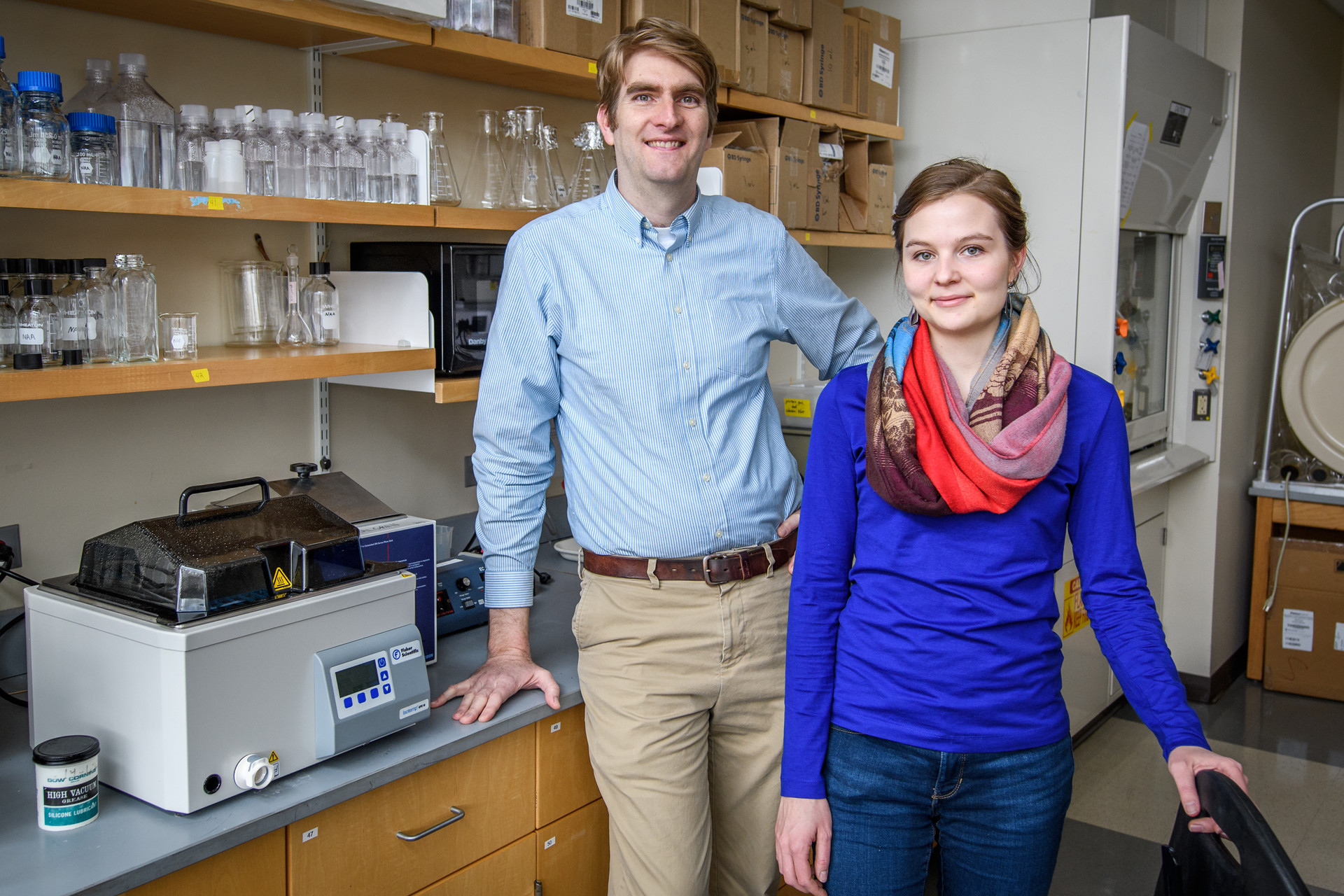
Biology doctoral student wins prestigious NSF fellowship
Emily Dart, a first-year doctoral student in biology at Clark University, has won a National Science Foundation (NSF) Graduate Research Fellowship, making her one of only 2,000 students, out of 12,000 who applied, to receive the prestigious award this year. The NSF Graduate Research Fellowship Program (GRFP) recognizes and supports outstanding graduate students in NSF-supported science, technology, engineering, and…
-
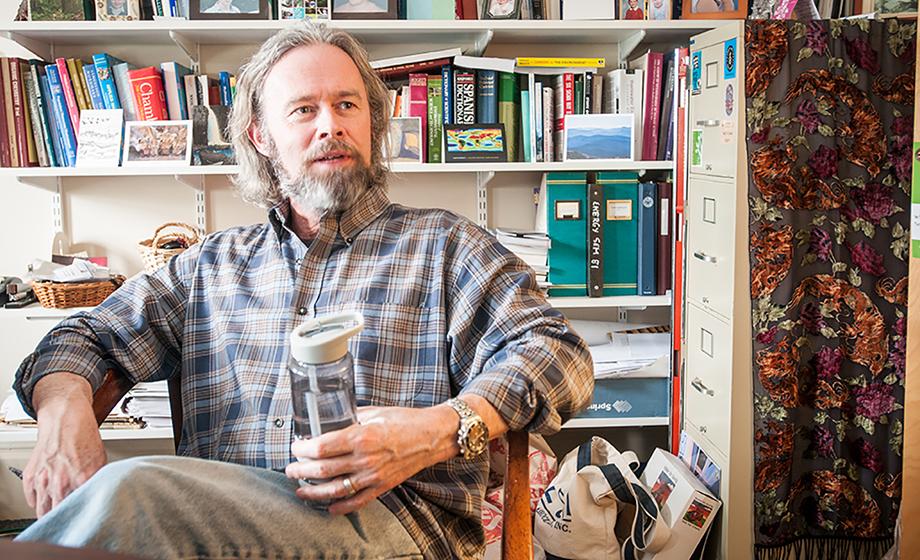
Study raises concerns about safety of drinking water drawn from aquifers
Findings in Holliston 'have national and global significance for aquifer protection and human health,' researchers say