

Faculty research
-
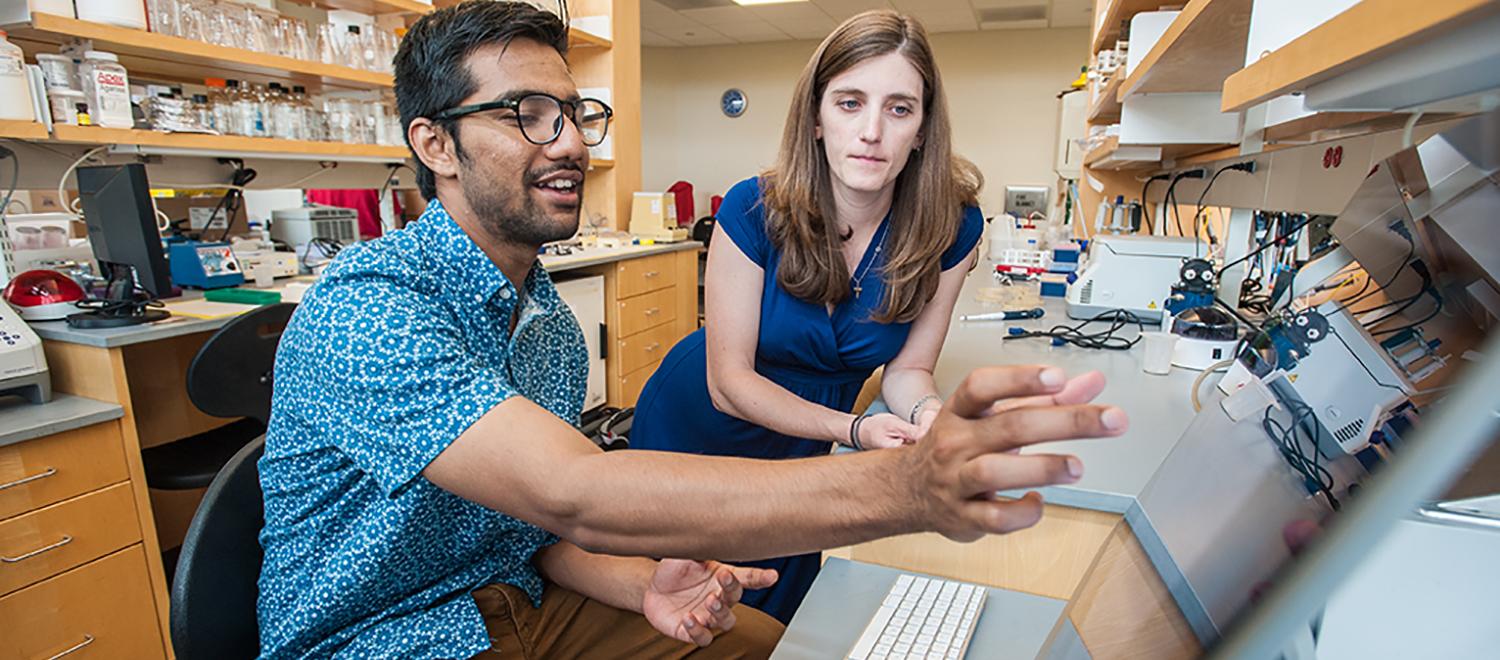
‘Grammar’ lessons: Faculty-student team decoding language of the genome
As a high school student in Milton, Massachusetts, Luke Nourie took a class in biotechnology and thought, “Wow, I love this. This is what I want to do.” He could see himself pursuing a college degree tied to the field, which drives the booming economy of the Bay State and provides over 63,000 jobs. After reading about…
-
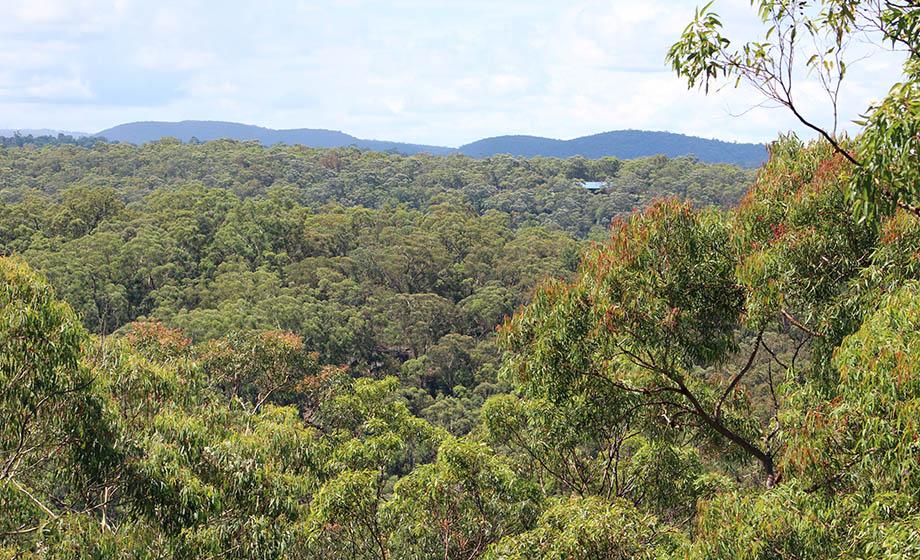
Study: Ecosystems slow the rate of rising CO2 concentration
Clark geography professor co-author of Nature Communications article
-
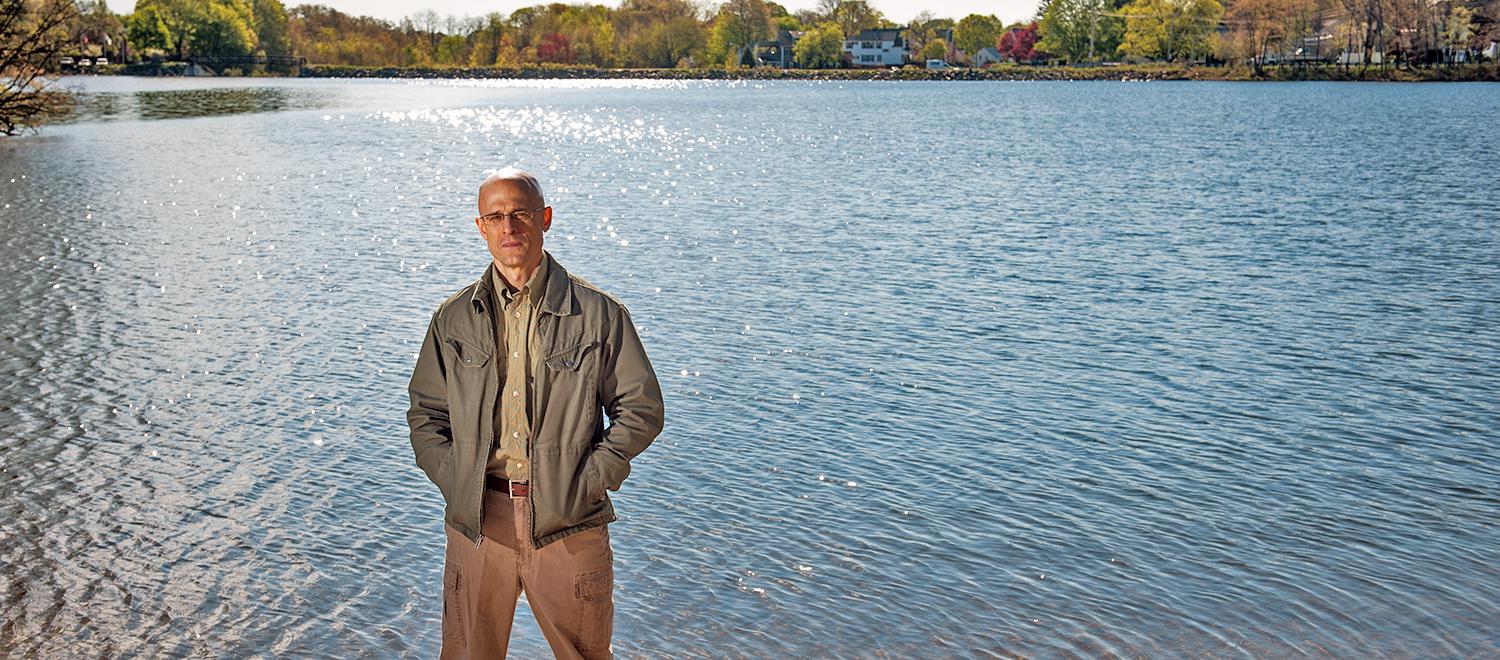
With $2M in grants, researcher uses economics to inform environmental sustainability
Flint, Michigan, officials decided to save $5 million by switching the city’s water source to a more risky alternative. That fateful decision not only exposed 8,000 children to lead poisoning, it also could cost taxpayers an estimated $395 million or more to address the long-term health, educational and social problems stemming from resulting health effects. For environmental…
-

Historian explores African-American exiles’ struggle against ‘King Cotton’
In a recent lecture at Clark University, Ousmane Power-Greene, professor of history, put words to the African-American struggle against “King Cotton” and the desire to find a homeland — and a place to build community. The Graduate School of Geography hosted Power-Greene on Sept. 14 as the first speaker in the school’s Fall 2016 Colloquium Speaker Series. His talk, titled…
-
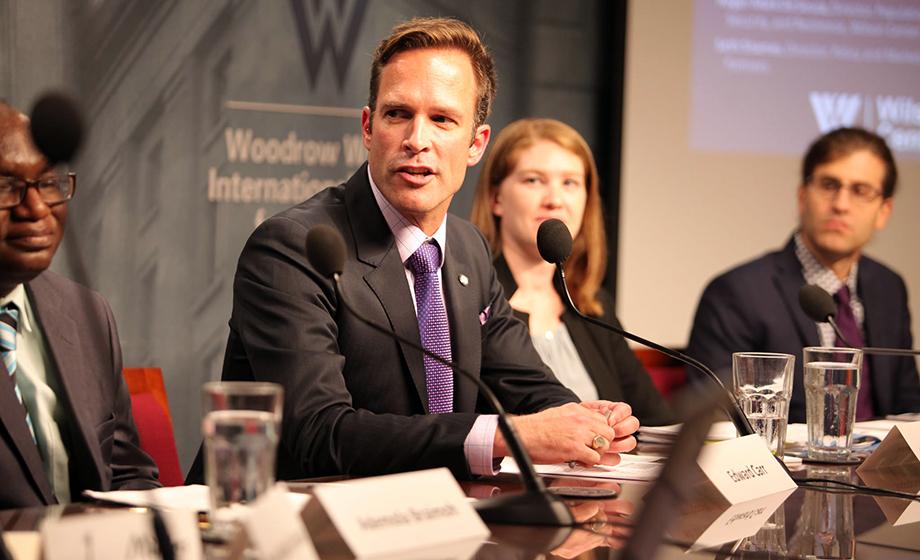
Professor presents findings on ‘climate-smart’ agriculture in sub-Saharan Africa
USDA awards Edward Carr for work on climate change, food security
-
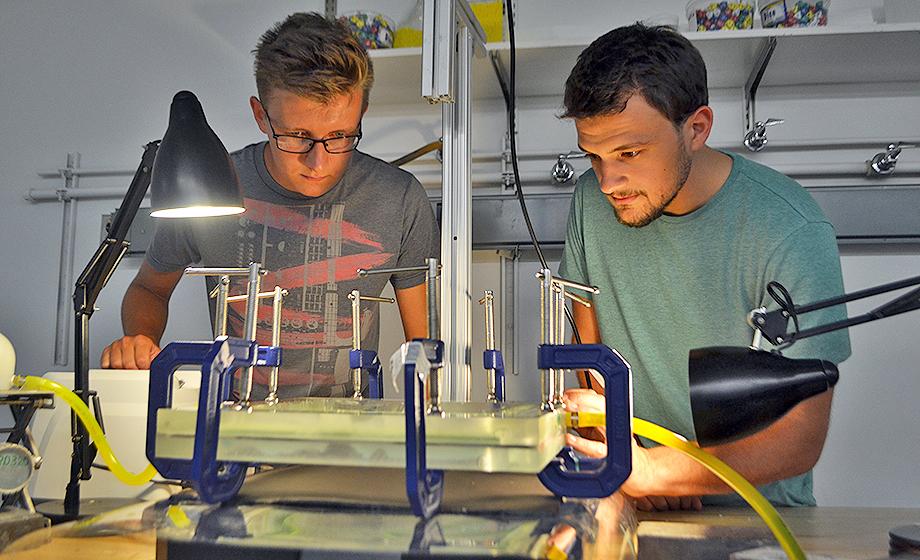
Undergrads’ physics research drills deep into fracking-induced quakes
Two undergraduates majoring in physics at Clark University are working with their professor, Arshad Kudrolli, to fine-tune a mathematical model that captures the development of erosion underground. Their research, part of a summer LEEP project, eventually could help scientists better understand the effects of hydraulic fracturing, or fracking, and other cases where fluids carve out channels and destabilize the…
-
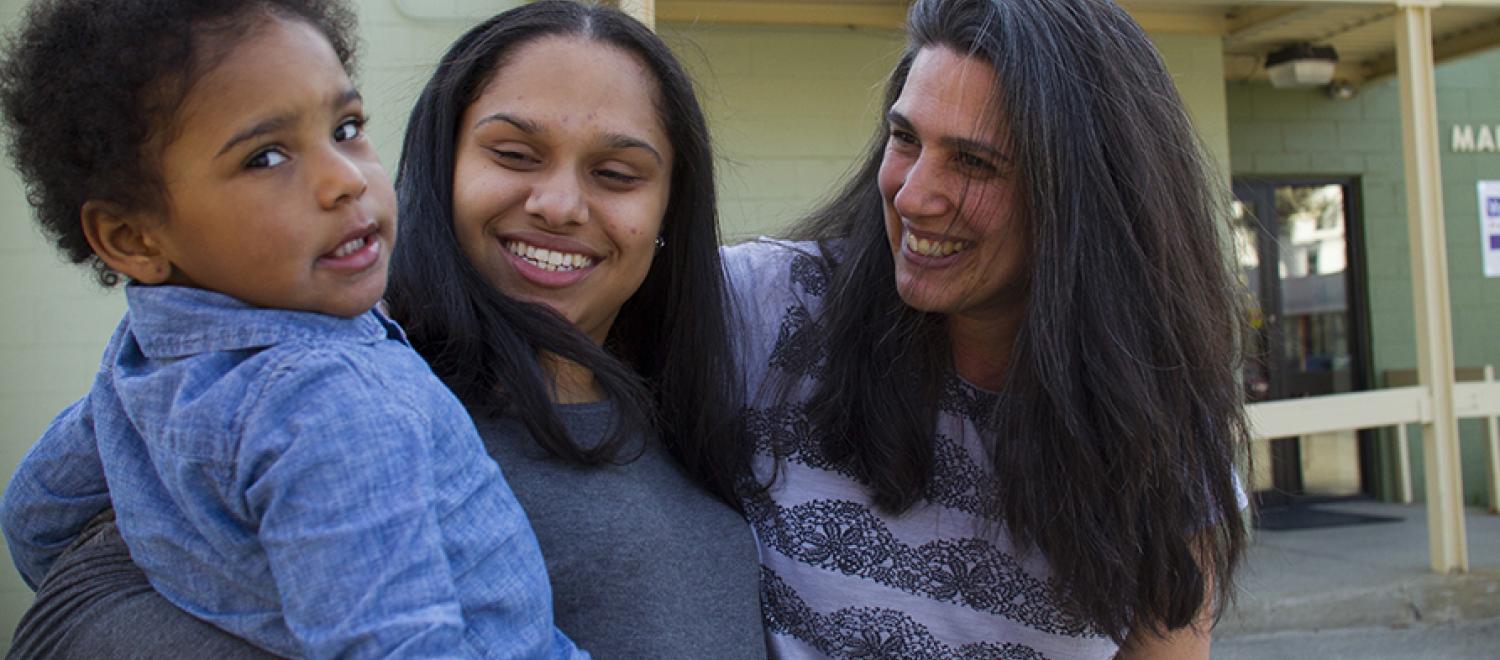
Clark’s CDP program partners with Worcester on families, food economy
The professors and students in Clark’s Community Development and Planning (CDP) program learn from and work alongside members of the very community they want to transform. Their research not only pursues solutions to problems besetting urban neighborhoods, but also helps governments and nonprofits aspire to a more socially just world. Food and the local economy Associate Professor Ramón…
-
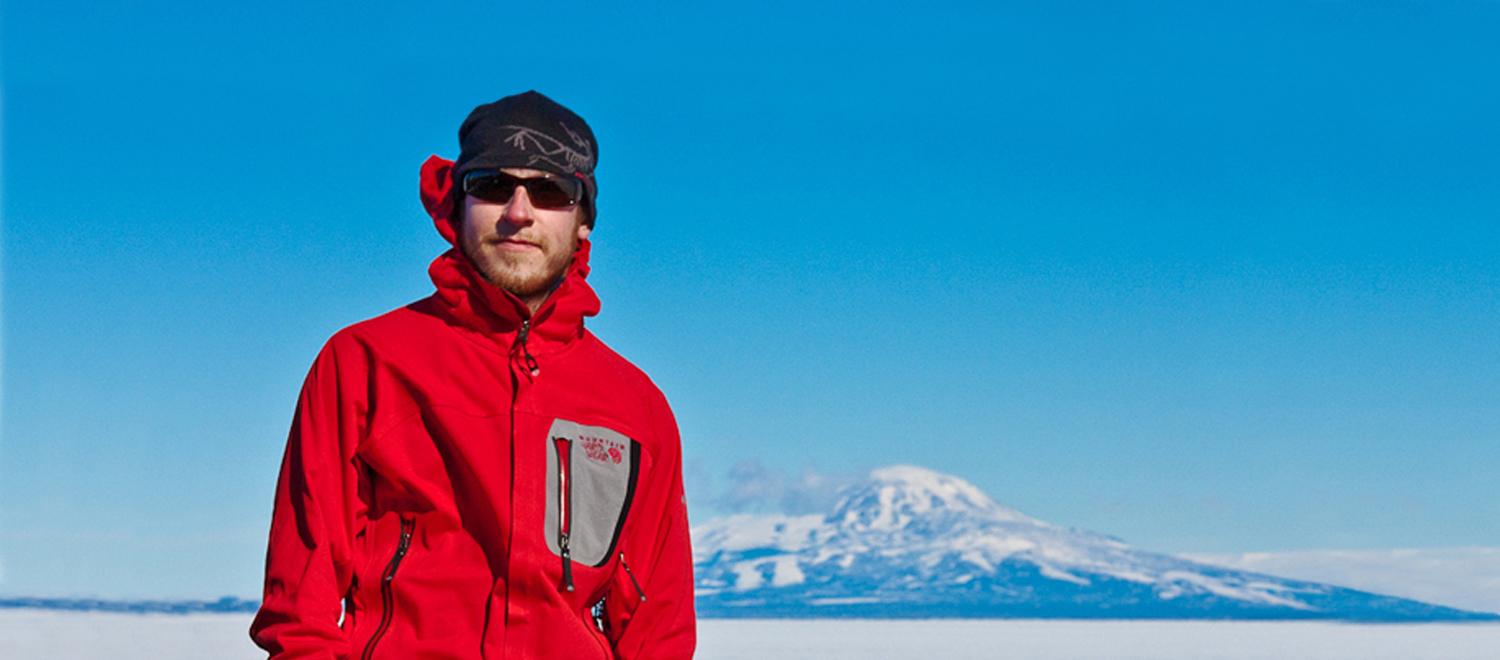
Antarctica or bust: Clark’s southernmost research
For almost a century, Clark scientists have traveled to the frozen continent to understand its impact
-
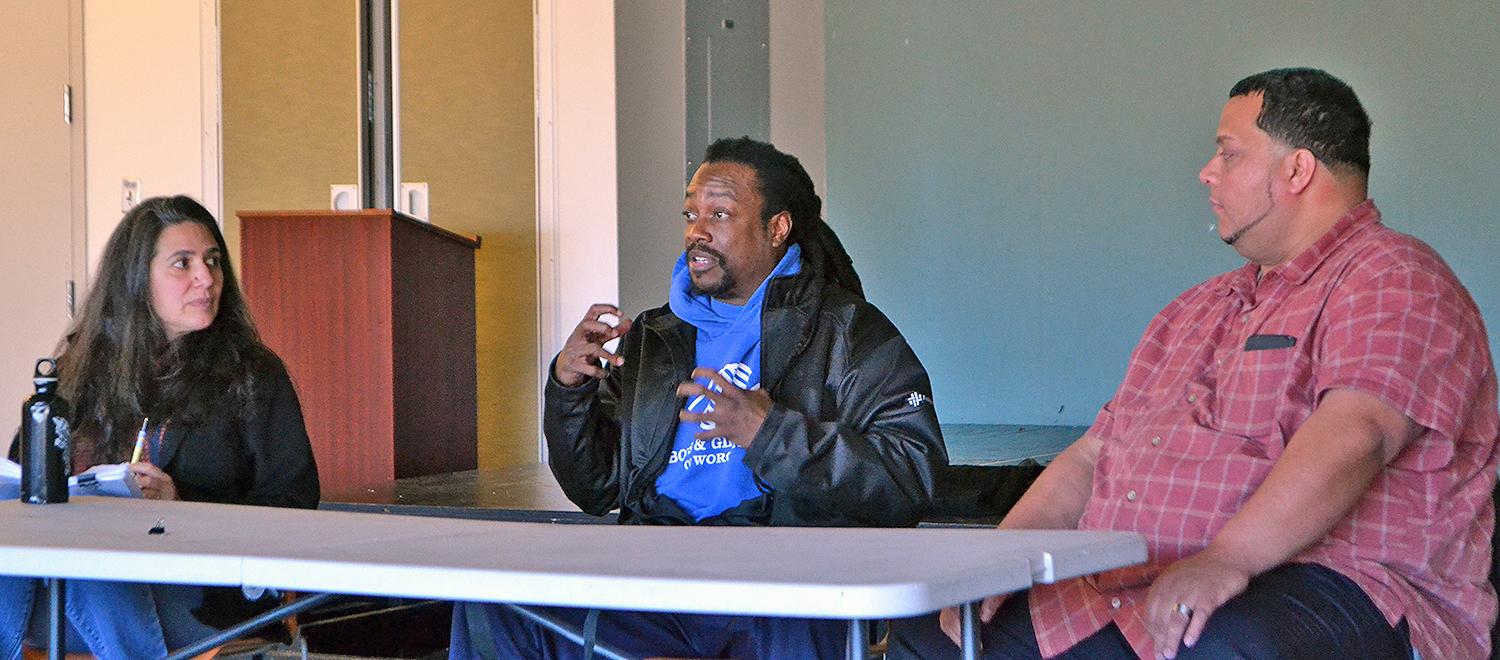
Ross’ work highlights experience, ‘sixth sense’ of youth workers
Worcester City Councilor Khrystian King knows teen violence firsthand. By the time he was in his 20s, he had lost three friends to gun violence and served as a pallbearer at two of their funerals. Since then, he has worked to better the lives of youth and families, as a mentor, social worker and the first black…
-
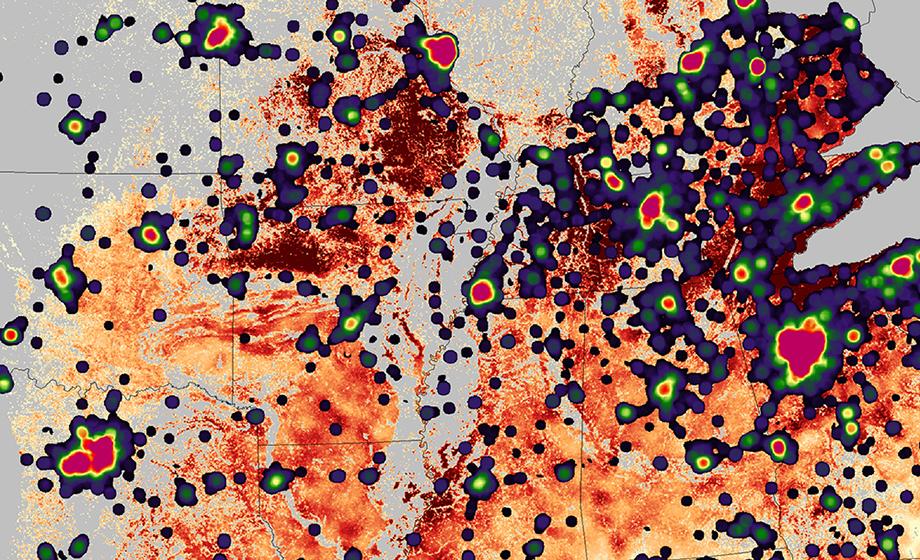
Envisioning a changed world
Professor Eastman’s exhibit depicts the troubling beauty of humans’ environmental impact