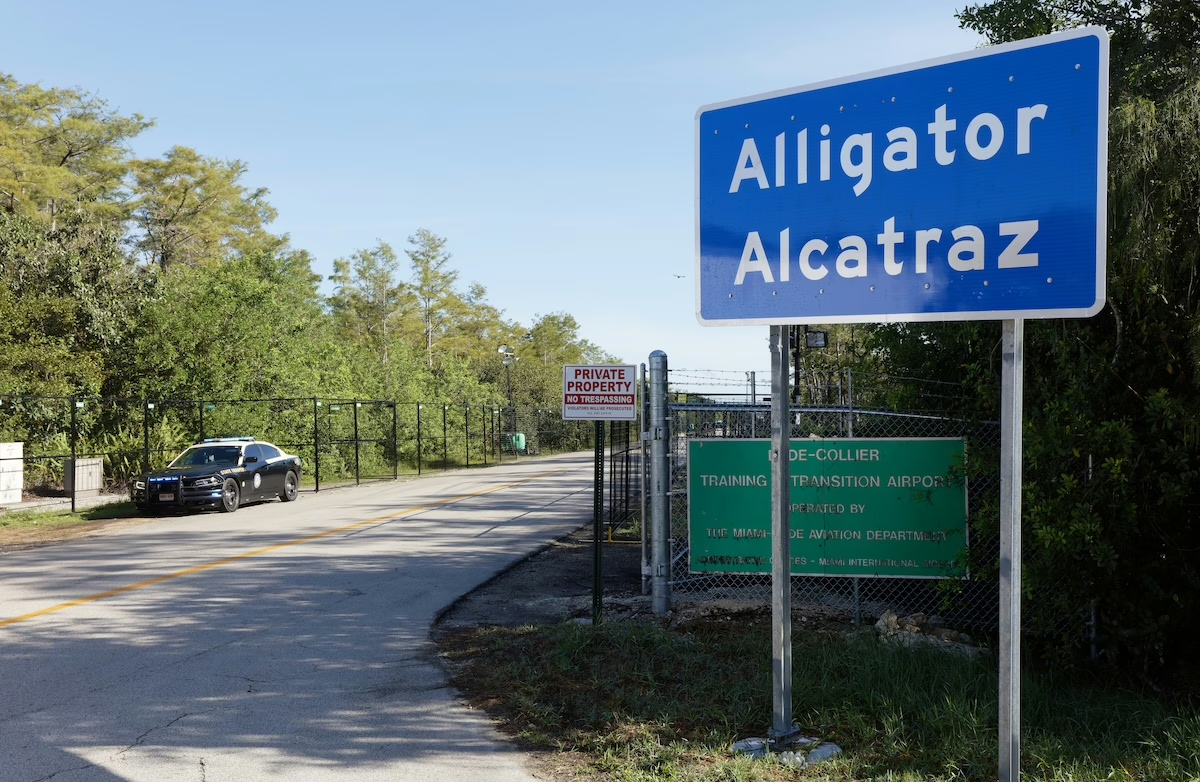
Above: The entrance to a detention center known as Alligator Alcatraz, inside Big Cypress National Preserve in Ochopee, Florida. Photo courtesy of wellesenterprises, iStock photo.
‘We have to become more imaginative in our solutions to problems’
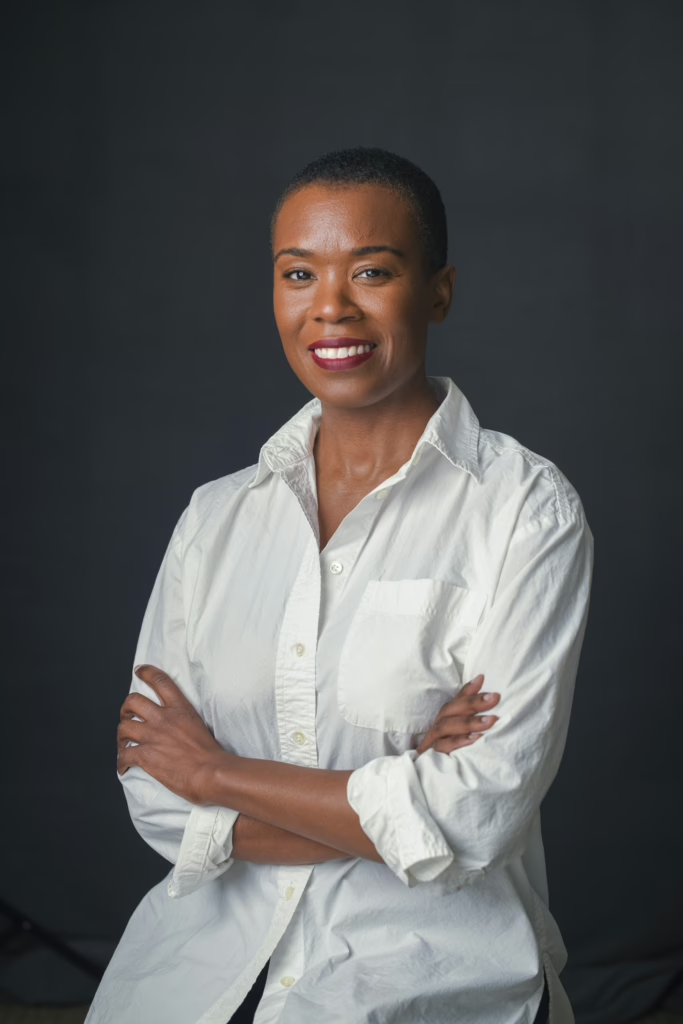
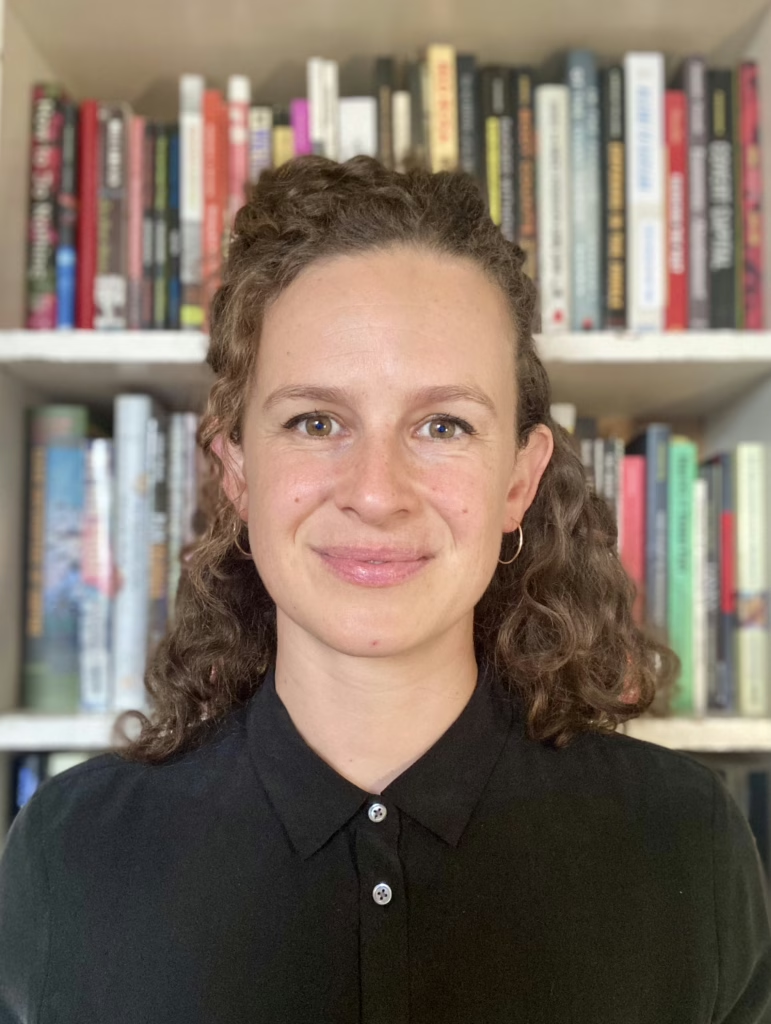
On this episode of Challenge. Change., Clark University Professor Asha Best and Stanford University Professor Emma Shaw Crane discuss detention and migration in the United States and why the government chooses remote locations for detention centers.
“We can understand migrant detention alongside things like prisons and jails as fundamentally projects that are about breaking relationships and removing people from their families and communities as a form of punishment and as a form of torture,” says Crane. “The placement of migrant detention centers in remote places is a part of this project of breaking relationships.”
Best believes that creative thinking about how to repair relationships without imprisoning people is necessary.
“We have to become more imaginative in our solutions to problems,” says Best. “This is about having a greater political imagination for how we think about problems, whether or not you think that’s a problem of resource distribution or a problem of harm.”
Challenge. Change. is produced by Melissa Hanson for Clark University. Listen and subscribe on Spotify or Apple Podcasts. Find other episodes wherever you listen to podcasts.
Today’s pressing issues on Challenge. Change.
Do Cash Transfers Have an Intergenerational Impact? with Economics Professor Jon Denton-Schneider