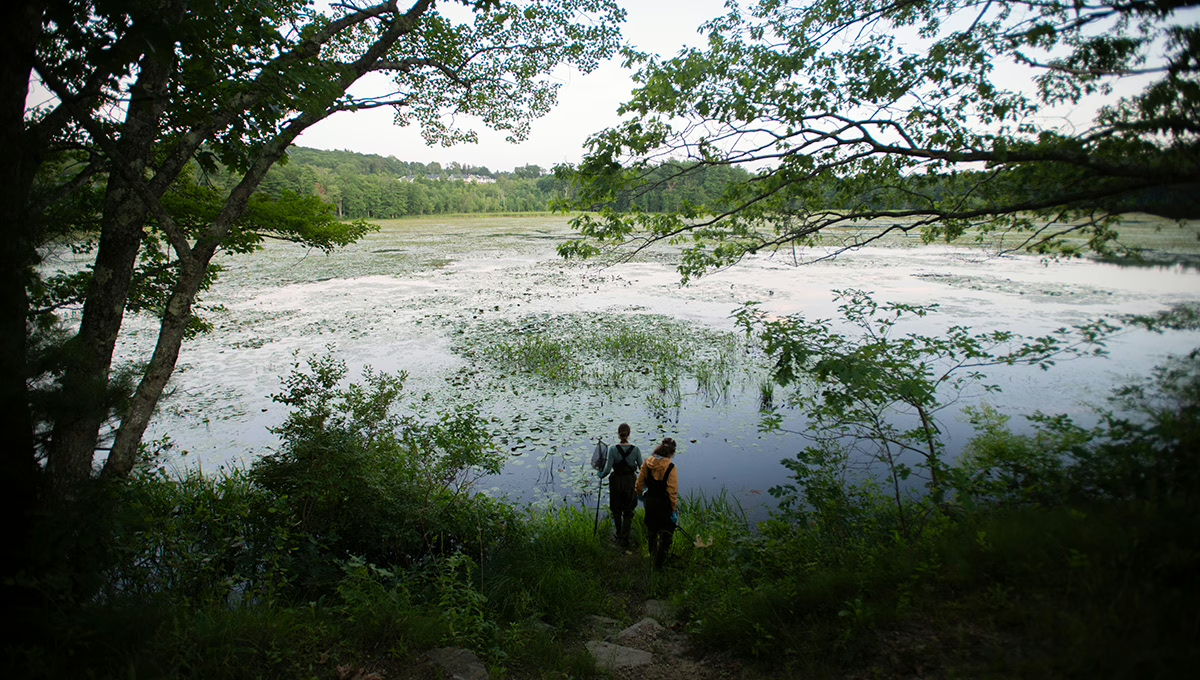


Supporting Student Projects Focused on Sustainability
The Albert, Norma and Howard Geller ’77 Endowed Research Awards support student-initiated research projects that advance our understanding of natural resource and environmental sustainability and develop practical improvements that can move society toward more sustainable outcomes.
Clark University undergraduate and graduate students are eligible, and are reviewed in separate competitions.
Given the intent of the Geller Awards, proposals are evaluated on the following criteria:
- Relevance to practical approaches of advancing sustainability
- Originality and innovation
- Clarity and feasibility of research plan
- Ways in which the project will contribute to linking knowledge to action
- Potential for the award to enable a project that may not be possible without it
- Evidence of meaningful interactions with a faculty mentor for the project and/or linkages to ongoing research (but not at the expense of originality and independence)
- Cost-effectiveness (i.e., whether the budget is reasonable)
- A scope of work commensurate with the academic standing of the student (i.e., we expect that applications from graduate students will reflect a greater degree of academic experience and professionalism, compared to applications from undergraduate students).
An interdepartmental faculty committee that shares Howard Geller’s interests in student research and activism for sustainability will select successful proposals. Subject to the number and quality of applications received, it is the intention of the committee to award one-half of both regular and small awards to undergraduate projects. We anticipate making approximately 3-4 regular awards in amounts ranging from $1,001 to $2,500, and several smaller grants, up to $1,000, each year. Requests for more than $2,500 will not be considered.
2026 Geller Award Recipients
Kwabena Antwi (PhD Geography), Diverse Landscapes, Diverse Risks: Spatio-Temporal Assessment of Climate-Induced Crop Loss and Agricultural Production Dynamics in the Northeastern U.S.
Project: Diverse Landscapes, Diverse Risks: Spatio-Temporal Assessment of Climate-Induced Crop Loss and Agricultural Production Dynamics in the Northeastern U.S.
Faculty Mentor: Abby Frazier
Shifts in seasonal weather patterns and the increasing frequency of extreme events such as droughts, heatwaves, and excessive rainfall threaten global food production. In the United States, crop production has always faced unpredictable weather, but a changing climate brings additional challenges. Research on historical changes in climate-induced economic vulnerabilities and agricultural production remains limited. This study employs geospatial analysis, coupled with climate and statistical trend analyses, to investigate the spatio-temporal dynamics of climate-induced crop loss and agricultural production in the Northeastern United States from 1990 to 2024. Specifically, the study explores: (i) how farm production has evolved in the Northeastern United States; (ii) how climate extreme events have posed risks to crop production in the region; and (iii) how greenhouse agriculture has shifted across space and time. For producers, crop consultants, agricultural service providers and policymakers, study results will offer opportunities to integrate historical weather and climate-induced agricultural loss into future climate adaptation planning at local, state, and federal levels.
Wen Ting Ooi (PhD Geography), Urban Island Waterfront Liminalities: Comparing Grey Coastal Climate Infrastructure Between Taiwan and Long Island, New York
Project: Urban Island Waterfront Liminalities: Comparing Grey Coastal Climate Infrastructure Between Taiwan and Long Island, New York
Faculty Mentor: Mark Davidson

This project seeks to understand the cultural dimensions of urban waterfront climate adaptation and grey coastal climate infrastructure (GCCI) integration. Urban waterfronts are liminal spaces. Liminality – broadly understood as an experience of suspension or a threshold – captures the state of urban socio-cultural GCCI-waterfront integration in a time of changing climate. Waterfront infrastructure liminality manifests in: (1) their location at the intersection between land and sea, and thus shifting, multiple knowledge of that transitionary coastal space, (2) their negotiation of a global eco-city aesthetic with local socio-cultural imperatives in integrating GCCI, and (3) institutional attempts to reconcile past, present, and future imaginations of climate adaptation. By proposing a multi-sited study in Taiwan and Long Island, New York, the project allows for a comparison of varied urban spatial, temporal, and cultural liminalities that are centered around the development and imaginations of GCCI. The expected output for this study is an interactive map and comparison matrix capturing the cultural dimensions of waterfront liminality.
Spandan Panday (PhD Geography), Multilevel Climate Governance in Action: Evaluating State-Led Flood Adaptation Projects in Diverse Urban Contexts Across Massachusetts
Project: Multilevel Climate Governance in Action: Evaluating State-Led Flood Adaptation Projects in Diverse Urban Contexts Across Massachusetts
Faculty Mentor: Rinku Roy Chowdhury

Cities are at the forefront of addressing climate impacts through a range of adaptation and resilience measures, yet they remain constrained by limited financial and institutional capacity. State initiatives such as Massachusetts’ Municipal Vulnerability Preparedness (MVP) grant program have emerged to address these challenges. This research explores how the MVP program advances local adaptation through financial and institutional support for urban flood solutions, including traditional “grey” infrastructure (dams, levees, culverts), “green” infrastructure or nature-based solutions (e.g., rain gardens, bioswales, living shoreline), and hybrid solutions that integrate both. While the program prioritizes green infrastructure solutions in its grant criteria, such solutions are not always clearly linked to improved or equitable flood resilience. In addition, the MVP program relies on a network of private vendors (engineering firms and non-profit organizations) that enhance cities’ capacity by assisting with grant writing, project design, and implementation. This study examines: (1) how and why municipalities adopt particular flood adaptation solutions leading to varying socio-economic and environmental impacts, and (2) how the involvement of private vendors influences long-term adaptation capacity and shapes urban adaptation outcomes.
Lauren Parry (PhD Biology), Assessing Thermotolerance of the Opportunistic Human Pathogen, Basidiobolus, from Massachusetts Waterways
Project: Assessing Thermotolerance of the Opportunistic Human Pathogen, Basidiobolus, from Massachusetts Waterways
Faculty Mentor: Javier Tabima
Zoonotic diseases, illnesses transmitted to humans from animal sources, are among the most impactful classes of human diseases. One understudied human pathogenic fungal genus is Basidiobolus. Over time, human infections have been reported farther from equatorial regions with higher mortality rates. While most fungi cannot cause human infection as they cannot survive mammalian body temperatures, urbanization and global temperature rise are eroding this pathogen barrier by selecting for more thermotolerant fungi. These fungi may be transferred from animals in natural ecosystems to humans as urbanization expands and natural habitats decline. This project investigates current trends in thermotolerance of Basidiobolus isolates from urban and rural waterways in central Massachusetts. This comparison will identify whether isolates from urbanized habitats exhibit greater thermotolerance than those from cooler locations. Findings will clarify whether Basidiobolus populations are developing traits associated with pathogenic fungi, help anticipate the potential risk of fungal disease emergence in humans, and inform public policy for recreational waterways.
Carter Peterson (BA/MS Biology), A Golden Opportunity: Could Potential Hybridization Between Pleurotus Citrinopileatus and Native Pleurotus Species Fuel the Spread of the Invasive Golden Oyster Mushroom?
Project: A Golden Opportunity: Could Potential Hybridization Between Pleurotus Citrinopileatus and Native Pleurotus Species Fuel the Spread of the Invasive Golden Oyster Mushroom?
Faculty Mentor: David Hibbett

Pleurotus citrinopileatus Singer, or the golden oyster mushroom, is an invasive wood-decaying fungus introduced to North America from East Asia. Previous studies have shown that the fungus is rapidly expanding its range in the Midwest, and data collected from community science databases indicate that the fungus has recently been expanding into New England. The rapid range expansion of the species has been attributed to its ability to outcompete native Pleurotus species and alter the fungal communities present in wood. However, it could also be due to the ability to create novel genetic variants through interspecies hybridization with native oyster mushroom species. The goal of this study is to determine the ability of invasive golden oyster mushroom to hybridize with native Pleurotus species from the United States. This research will also determine the fitness advantage of these hybrids over the parent species. An understanding of the hybridization abilities of the golden oyster mushroom could inform new policies to prevent further outbreaks of invasive fungi.
Mikayla Schappert (PhD Geography), Biodiversity through Space, Time, and Sound: Using Bioacoustics Monitoring to Investigate Processes of Landscape Change Effect on Biodiversity in the Atlantic Forest of Brazil
Project: Biodiversity through Space, Time, and Sound: Using Bioacoustics Monitoring to Investigate Processes of Landscape Change Effect on Biodiversity in the Atlantic Forest of Brazil
Faculty Mentor: Florencia Sangermano

The Atlantic Forest of Brazil is a global biodiversity hotspot and conservation priority, with only a small fraction of its original extent remaining due to a long history of anthropogenic landscape changes, such as habitat loss and fragmentation. These processes alter ecosystem function and shape biodiversity outcomes. Understanding the effects of landscape change on biodiversity requires the consideration of not only current landscape pattern, but also historical landscape changes. While many studies investigate historical patterns and individual landscape processes, examining them in isolation can miss important interactions with ecological implications. Additionally, ecological studies typically rely on long-term field surveys to capture these effects, which can be costly in terms of funding, time, and manual labor. Short-term studies, however, often miss underlying mechanisms, especially when landscape history is ignored. Bioacoustic monitoring, an emerging technology, addresses these limitations by offering a low-cost, time-efficient, and scalable way to passively track multiple species. This research aims to understand how landscape patterns and typological processes of change affect biodiversity in the Atlantic Forest of Brazil. By integrating historical landscape trajectories, typological processes of change, and bioacoustic monitoring, this study provides a novel approach to assessing biodiversity responses to landscape transformation.
Hermione Zhou (PhD Geography), A Genealogy of Disaster Response and Recovery Governance Under FEMA
Project: A Genealogy of Disaster Response and Recovery Governance Under FEMA
Faculty Mentor: James McCarthy
Anthropogenic climate change is intensifying extreme weather events worldwide, leading to more frequent and devastating disasters such as floods, droughts and wildfires. Such urgent and imminent climate-induced disasters put the question of disaster response and recovery at the center of building just, livable, and sustainable societies in the age of the climate crisis. This research focuses on the Federal Emergency Management Agency (FEMA), the backbone of disaster response and recovery in the United States. Such a critical role has subjected FEMA to extensive scrutiny and critique by the public, media, and academic scholarship. For example, FEMA’s reliance on cost-benefit analysis for disaster response has often been criticized for exacerbating social vulnerability. This study takes a step back from these problem-oriented critiques by arguing that the current conjuncture of intersecting climate crisis and FEMA’s institutional crisis calls for a systematic, critical, and historical—taken together, genealogical—understanding of FEMA. Through extensive in-person archival research of materials from the years leading up to its establishment in 1979 through the present, this research seeks to open up new possibilities of solution-oriented reforms of FEMA and disaster governance among scholars, policymakers and practitioners.
Zhiwen Zhu (PhD Geography), Mapping Ground-Based Solar Photovoltaic Power Stations and Evaluating Their Environmental Impacts in the New England Area, United States
Project: Mapping Ground-Based Solar Photovoltaic Power Stations and Evaluating Their Environmental Impacts in the New England Area, United States
Faculty Mentors: John Rogan and Florencia Sangermano
New England’s rapid expansion of solar energy, a critical tool for climate change mitigation, has created a pressing land-use conflict by converting vital forests and croplands into solar farms. This necessary development, however, poses significant, largely unquantified risks to regional ecosystem services and biodiversity. Specifically, prior work has shown that 49% of solar array fields in Massachusetts were built upon formerly forested regions, leading to potential fragmentation of large forest patches. This research will utilize state-of-the-art deep learning models to map photovoltaic power stations with high accuracy, which will then form the basis for two further analyses: (1) an historical analysis of land use change to quantify the full scale of forest and agricultural land loss to solar development, and (2) an innovative, field-based assessment of biodiversity impacts using the novel method of soundscape ecology. By deploying acoustic recorders at solar farms and nearby control sites, this study will provide a data-driven measure of how solar infrastructure affects local wildlife. The resulting dataset will empower policymakers and planners to better balance renewable energy goals with the critical need for environmental protection, moving society toward sustainable outcomes that protect both green energy production and ecological health.
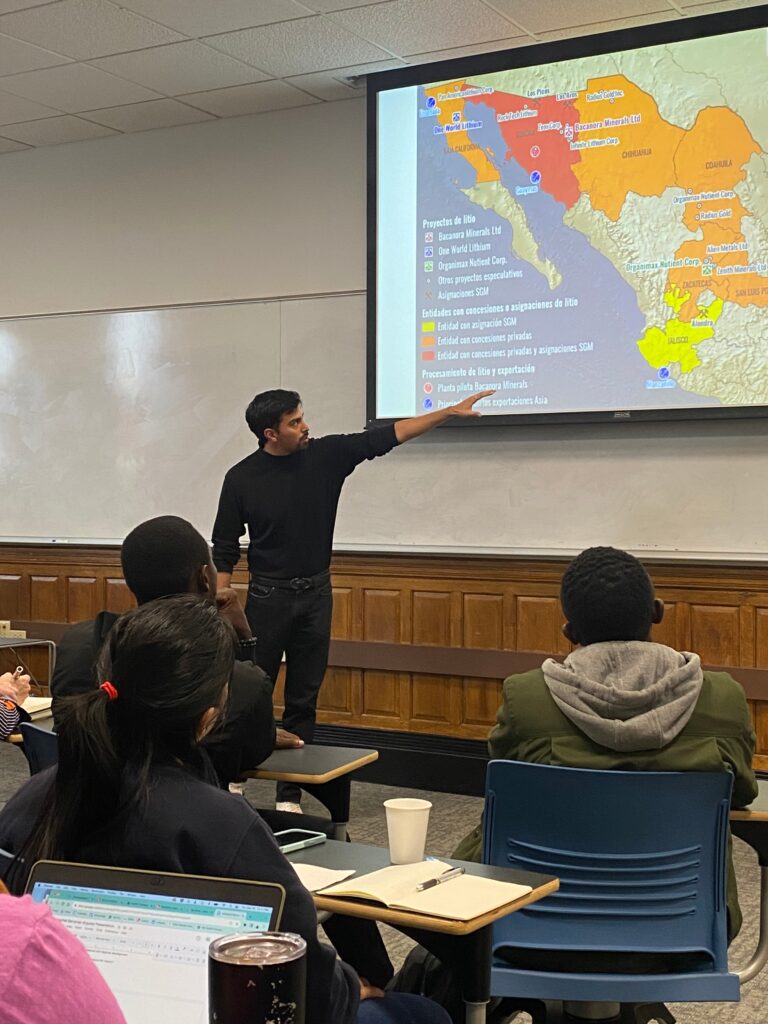
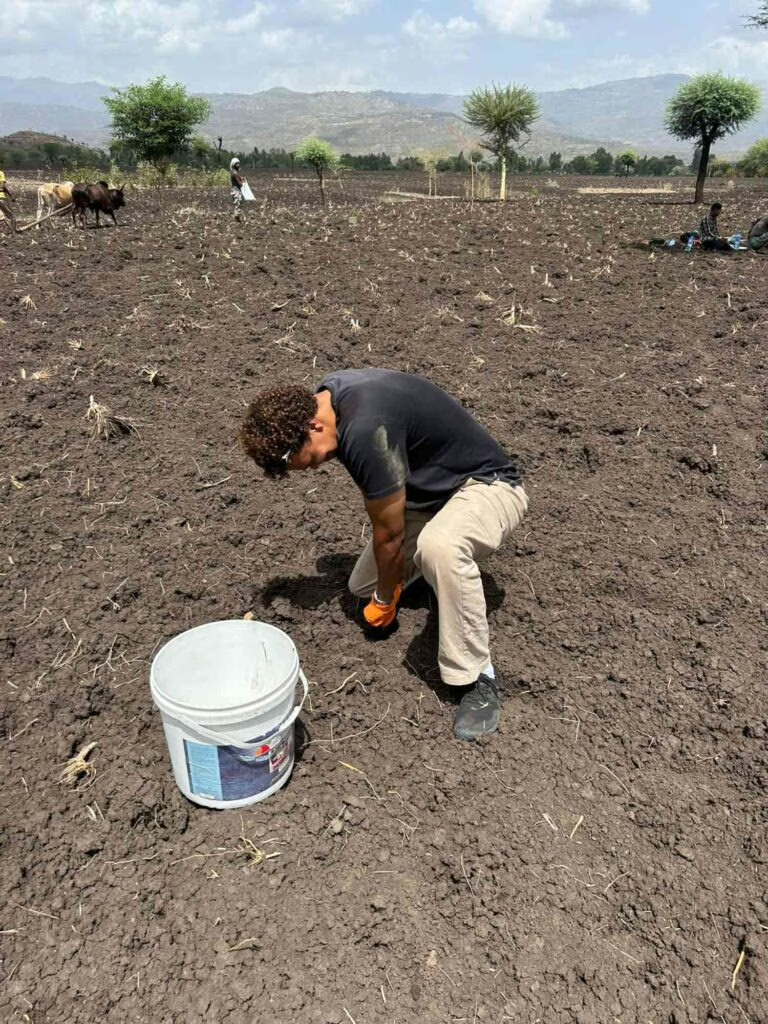
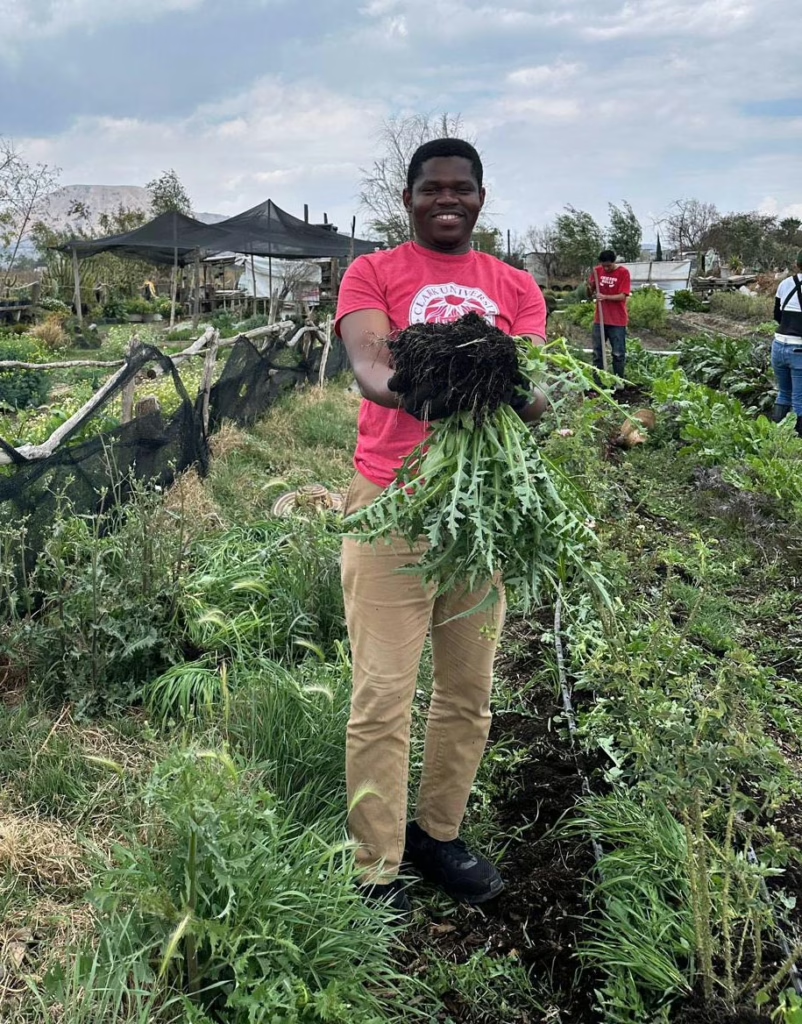
Student Research Projects
2025 Geller Award Recipients
Beatrice Altopp (BA/MA Biology), Determining the Ecosystem Services of Dung Beetles Across an Urbanization Gradient in Worcester, MA
Project: Determining the Ecosystem Services of Dung Beetles Across an Urbanization Gradient in Worcester, MA
Faculty Mentor: Erin McCullough
Dung beetles play an integral role in maintaining healthy ecosystems. They provide a variety of important ecosystem services including degrading dung, aerating and restoring nutrients to the soil, supporting plant growth, reducing pathogens that harm livestock, and increasing seed dispersal. These services contribute an estimated $5.9 billion per year for farmers in the United States, so understanding the conditions that promote healthy dung beetle communities is ecologically and economically important. While most research has focused on dung beetles’ contribution in agricultural settings, they are also essential for the functioning of forest ecosystems. Human disturbance in urban forests may impact dung beetle populations. The goal of this project is to characterize the diversity, abundance, and distribution of dung beetles along gradients of disturbance and urbanization in the city of Worcester, and quantify how these factors influence the ecosystem services that they provide. This research will provide insight into how to protect dung beetle communities and broaden public awareness of dung beetles in central Massachusetts.
Ana Lucía Araujo Raurau (PhD Geography), Are Indigenous Territories in Amazonia enough to support Indigenous Peoples well-being? An exploration on growing land scarcity among Indigenous communities of the Peruvian Amazon
Project: Are Indigenous Territories in Amazonia enough to support Indigenous Peoples well-being? An exploration on growing land scarcity among Indigenous communities of the Peruvian Amazon
Faculty Mentor: Lyndon Estes
While Indigenous Territories of Amazonia are increasingly recognized for their contributions to forest conservation, recent studies have raised questions about their capacity to support Indigenous Peoples’ livelihoods and well-being. Among these challenges, land scarcity—defined as a decline in available or accessible land suitable for agricultural conversion—has emerged as a critical issue affecting Indigenous communities. Using semi-structured interviews with key stakeholders, this study aims to explore how two distinct enclosure processes contribute to land scarcity: (1) the allocation of unsuitable land endowments to Indigenous communities, and (2) the State’s implementation of strict forest conservation arrangements. Moving beyond traditional Malthusian interpretations that attribute land scarcity primarily to demographic pressure, this research aims to provide a more comprehensive understanding of how territorial constraints play a significant part in reducing the availability and access to land within Indigenous communities. The Ucayali basin in Peru serves as a case study region.
Ricardo Barbosa, Jr. (PhD Geography), The Sustainability Politics of Brazil’s Selective Digital Agriculture Regulation
Project: The Sustainability Politics of Brazil’s Selective Digital Agriculture Regulation
Faculty Mentor: Max Ritts
Digital agriculture, also known as smart farming or e-agriculture, is the use of digital technologies (e.g., data mining, machine learning, artificial intelligence) to improve agricultural production by collecting and analyzing data to help farmers make better decisions about planting, irrigation, fertilization, and pest control. Brazil’s agribusiness sector ranks second globally in digital agriculture adoption, with proponents touting enhanced productivity and environmental sustainability. Yet, digital agriculture’s selective regulatory landscape in Brazil is shaped by agribusiness influence, raising questions about the true extent of sustainable practice and equitable inclusion of all farmers. This research will investigate state-driven selective regulation through a combination of document analysis and in-situ fieldwork to understand both visible regulatory practices and the subtler mechanisms of purposeful inaction. A central hypothesis is that Brazil’s selective regulatory framework facilitates agribusiness dominance, allowing preferential access to public resources while avoiding mandates on operational transparency, technological efficacy, or environmental protection.
Wiktoria Golemo (BA Biology), Identifying Evolved Microbial Adaptive Climate Change Responses in Native and Invasive Medicago Polymorpha
Project: Identifying Evolved Microbial Adaptive Climate Change Responses in Native and Invasive Medicago Polymorpha
Faculty Mentor: Chandra Jack

Climate change and associated sea-level rise is significantly altering coastal ecosystems and increasing the salinization of surrounding land. Many crops have a narrow tolerance for sodium chloride (salt) intake, thus climate-induced salinization has the potential to impact global food security. Some plants, particularly legumes, form symbiotic relationships with rhizobia (soil-dwelling, plant-growth-promoting bacteria) which enhance plant wellness and may help to mitigate the adverse effects of high salinity environments. This research will investigate whether Burr clover (Medicago polymorpha) plants inoculated with rhizobia are less impacted by salt. In addition, because Burr clover grows in both coastal and non-coastal environments, this research will compare test whether native plants that evolved in the coastal environment are less susceptible to salt-induces stress than invasive plants found in non-coastal environments. An increased understanding of the interconnected effects of geographic location, salinity concentrations in the microbiome, and rhizobial inoculation could assist farmers in adapting to environments exacerbated by climate change.
Chris Lamb (PhD Geography), Preliminary Fieldwork on Climate-driven Critical Mineral Development and Indigenous Livelihoods in Canada
In anticipation of growing global demand for lithium, cobalt, nickel, and rare earth minerals—all of which are essential for the development of renewable energy technologies—Canada released its critical mineral initiative in 2022. Since then, it has committed $3.8 billion toward expediting critical mineral development and securing access to global supply chains. However, mining and exploration for critical minerals is likely to have disproportionate impacts in Indigenous communities, as targeted mineral deposits lie mostly in northern regions, such as the Hudson Bay Lowlands, home to the James Bay Cree. While Canada’s critical mineral strategy includes a mandate for cooperation with Indigenous communities to ensure mutual benefits from mining development, insufficient attention has been paid to the social and environmental costs these communities face. This research aims to shed light on these developments and to situate this within broader political economic and geopolitical framings. The Geller award will support meetings with NGOs, academics, and other professionals working on critical mineral development and Indigenous advocacy in Québec and Ontario, laying an important foundation for future dissertation work.
Vanchy Li (PhD Geography), Multi-scale Analysis and Risk Assessment of Mosquito Oviposition in San Pedro de Jujuy, Argentina: Combining Satellite and Street View Imagery
Project: Multi-scale Analysis and Risk Assessment of Mosquito Oviposition in San Pedro de Jujuy, Argentina: Combining Satellite and Street View Imagery
Faculty Mentor: Florencia Sangermano

Dengue, a mosquito-borne disease, is recognized as a significant public health issue in Argentina. Researchers have found that climate change, urbanization, and globalization (trade and travel) are the main factors causing the rapid spread of dengue. While some dengue vaccines are available, they are not effective in preventing all cases of dengue and are often too costly in low-to-middle-income countries. Therefore, vector control, reducing the possible areas for mosquito to breed, remains the essential method for preventing dengue. This study will utilize remote sensing technology to create mosquito oviposition risk maps in San Pedro de Jujuy, a city in the northeast of Argentina. On-site fieldwork will provide critical validation data. The project aims to produce more precise maps of dengue vector oviposition locations at various time scales, enabling the implementation of more effective, targeted, and sustainable vector control measures in this region. This project will strengthen collaboration with the Universidad Nacional de Jujuy and can serve as a pivotal study for dengue epidemic research, with the potential to expand to other similar cities in Latin America.
Daley O’Keefe (PhD Biology), The Expansion of Myrmica Rubra: The Ongoing Invasion of the European Fire Ant
Project: The Expansion of Myrmica Rubra: The Ongoing Invasion of the European Fire Ant
Faculty Mentor: Kaitlyn Mathis

According to the International Union for Conservation of Nature, invasive species account for much of global biodiversity loss. However, not all invasive species are created equally. Myrmica rubra is an understudied invasive species in New England and parts of Canada that alters the insect community in dramatic ways, especially by decreasing the abundance and diversity of endemic ant species. Because most invasive species are prone to rapid and uncontrolled spread, often aided by the dynamic environments caused by climate change, it is important to monitor any expansions that may occur to prevent or limit the devastation they may cause. Currently our understanding of the M. rubra range is woefully outdated. The northern edges of the known range have yet to be investigated, and are likely moving northward due to climate change, hindering our understanding of the true extent of this invasive species. This study aims to: (1) determine the current outer range of Myrmica rubra, and (2) determine how this ant is changing local ant biodiversity. Better knowledge of this species range and ecosystem effects will help determine how important it is to control their spread.
Anna Zhu (PhD Geography), Understanding and Monitoring Phytoplankton Dynamics in the Bering and Chukchi Seas
Project: Understanding and Monitoring Phytoplankton Dynamics in the Bering and Chukchi Seas
Faculty Mentor: Karen Frey
Seasonal sea ice cover is extremely important for Arctic Ocean ecosystems, determining the underlying water column structure, including the amount of available light and nutrients that are critical for driving the ocean’s primary production. As primary producers, phytoplankton serve as the base of the food web. Phytoplankton are extremely important in the Bering and Chukchi Seas where there are relatively short food chains, acting as major food sources for regional fauna. Furthermore, with changing environmental conditions, harmful algal blooms are becoming an emerging threat to all levels of the food chain. Even small changes in phytoplankton community structure can have cascading effects for upper trophic levels, including humans. This research portion of this project entails the processing and analysis of a set of phytoplankton samples from the August 2024 R/V Sikuliaq cruise using an Imaging Flow Cytobot (IFCB) at Oregon State University. Furthermore, this project will allow the applicant to gain relevant professional experience in training junior colleagues.
2024 Geller Award Recipients
Arman Bajracharya (Ph.D. Geography), Land Use Land Cover Modification as Disaster Response in Sindhupalchok District: Understanding Adaptive Pathways for Double Exposure in Nepalese Communities

Project: Land Use Land Cover Modification as Disaster Response in Sindhupalchok District: Understanding Adaptive Pathways for Double Exposure in Nepalese Communities
Faculty Mentor: Rinku Roy Chowdhury
Mountainous regions worldwide face intense biophysical hazards like landslides and floods due to their geographical location. The escalating impacts of climate change leading to extreme temperatures and altered precipitation patterns have compounded stresses on mountain communities. Meanwhile, these communities have encountered new trade and development opportunities due to economic globalization. However, this socially and geographically uneven economic integration has simultaneously increased the vulnerability of community members due to dependence on external markets. Cumulatively, the overlapping exposures of climate change and economic globalization unevenly affects marginalized communities. Combining GIS and remote sensing analysis with interviews and focus group discussions, this study examines livelihood and land use modifications as adaptive pathways for communities in Nepal’s Hindukush Himalayas, where communities are doubly exposed to climate change and economic globalization.
Sergio Carvajal (Ph.D. Geography), Understanding REDD+ Beyond a Carbon-Centric Approach: Sustainable Agriculture and the Transformation of Indigenous, Peasant and Black Communities in Colombia
Project: Understanding REDD+ Beyond a Carbon-Centric Approach: Sustainable Agriculture and the Transformation of Indigenous, Peasant and Black Communities in Colombia
Faculty Mentor: Gustavo Oliveira
In recent years, the Reducing Emissions from Deforestation and forest Degradation (REDD+) initiative has received a lot of attention because of its potential to attract large-scale investment in the protection of forests and in the promotion of agriculture in a sustainable way. Although a growing set of scholarly literature has inquired about the social and environmental impacts of the carbon markets that REDD+ fosters, much less attention has been paid to the way in which these projects are reconfiguring agriculture through the promise of sustainable agriculture, agroforestry, and silviculture. This project explores how the implementation of these projects are transforming the ways in which value is produced in the economy, and how those changes are impacting forest-based communities in Colombia. Through surveys and in-depth interviews, this research examines the transformation in labor relations and productive activities that peasant, Afro-Colombian, and indigenous communities are experiencing due to REDD+ projects, ultimately providing important input to policymakers, project developers, and environmental activists.
Sophia Hayes (B.A. Geography and Environmental Science), Flood Patterns and Extractivist Geographies on Indigenous Lands in Northern Wisconsin: An Integrated Approach

Project: Flood Patterns and Extractivist Geographies on Indigenous Lands in Northern Wisconsin: An Integrated Approach
Faculty Mentor: John Rogan
Indigenous lands are disproportionately impacted by the risks associated with fossil fuel infrastructure compared to non-native land. The crossing of Enbridge Inc.’s Line 5 liquid petroleum pipeline across the Bad River Reservation of the Bad River Band of the Lake Superior Tribe of Chippewa Indians in northern Wisconsin exemplifies the multifaceted risks pipeline infrastructure poses to Indigenous communities, with land itself being an integral part of these communities. The paramount concern of this study is the risks associated with a potential rupture of Line 5 within or near the Bad River Reservation. Understanding these potential risks requires a comprehensive analysis of the ecological, economic, and socio-cultural function of the Bad River Reservation as an extension of the political identity of the Bad River Band. This project seeks to investigate the threats to environmental and hydrologic stability that Line 5 imposes on the Bad River Band and how these threats are perceived by community members. Findings from this research will contribute to informed local decision-making and legislative resistance to Line 5.
Madeline Kroot (Ph.D. Geography), Contesting Energy Transitions: Understanding Community Opposition to High-Voltage Transmission Lines in Northern New England

Project: Contesting Energy Transitions: Understanding Community Opposition to High-Voltage Transmission Lines in Northern New England
Faculty Mentor: James McCarthy
While energy transition is often imagined in terms of new energy sources, transition also requires new transmission lines to bring new sources of electricity to existing sites of consumption. However, transmission lines have increasingly become the objects of contestation, delaying or halting plans for decarbonization. In contrast with increasing attention to pipelines and the growing centrality of high-voltage power lines to energy transitions, power lines and their contestation have been understudied. This project explores local opposition to two proposed transmission lines in northern New England, the Northern Pass project in New Hampshire and the New England Clean Energy Connect (NECEC) in Maine, both of which intend to transmit Quebecois hydroelectricity to Massachusetts and neither of which have been built amidst intense local resistance. This project uses semi-structured interviews, document analysis, and participant observation to understand how power lines emerge as objects of contestation, examine divergent understandings of their prospective impacts, and trace the ways and scales at which stakeholders mobilize competing justice claims.
Al-Rauf Mahama (MA Environmental Science and Policy), Urban Greening, Waste Reduction and Community Well-Being: A Case Study in the Upper West Ghana for Sustainable Urban Development
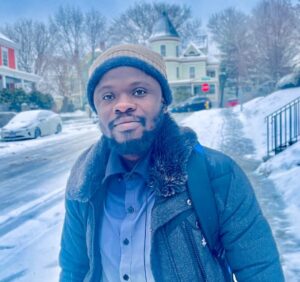
Project: Urban Greening, Waste Reduction and Community Well-Being: A Case Study in the Upper West Ghana for Sustainable Urban Development
Faculty Mentor: Eman Lasheen
Urbanization often leads to waste disposal challenges, with dump sites scattered across urban areas. These sites contribute to increases in local air temperature, releases of particulate matter, and emissions of greenhouse gases, all of which can impact human health. Urban greening—the process of including natural elements like vegetation via parks, gardens, and other green spaces—can address these challenges. This project uses the Upper West region of Ghana as a case study to explore the complicated relationship between urban green spaces, community well-being, and environmental sustainability. Specifically, the research will map waste disposal sites, measure local air temperature and quality at these sites, and interview residents about waste management and urban greening. Results will be provided to local stakeholders for use in future urban planning initiatives.
Walter Poulsen (Ph.D. Geography), Expert Knowledge and Discourses for Solar Photovoltaic Policy and Development: Ethnographic Fieldwork at Two Industry Conferences

Project: Expert Knowledge and Discourses for Solar Photovoltaic Policy and Development: Ethnographic Fieldwork at Two Industry Conferences
Faculty Mentor: Gustavo Oliveira
Solar photovoltaic (PV) energy generation is emerging as a key technology for climate mitigation. Solar PV development is accelerating across the U.S. and is driving a significant restructuring of the political economy of energy. As this development has spread so have calls for a just transition. A just and equitable outcome is by no means ensured, as studies on green extractivism and land grabbing have demonstrated. To achieve just energy transitions, it is imperative that we understand the processes by which policies are produced. To better understand the current state and planned futures of solar energy development and policy, this project will conduct ethnographic research (semi-structured interviews and participant observation) with industry practitioners and policymakers at two industry conferences. This research will extend understandings of the actors and discourses involved at the development and planning level of the solar PV assemblage.
Prasanth Prakash Prabhu (Ph.D. Biology), Investigating the Genetic Underpinnings of Nitrogen Pollution Induced Trophic Transition in Wood-Decaying Mushroom Hohenbuehelia Mastrucata
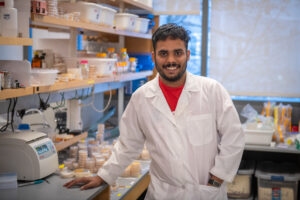
Project: Investigating the Genetic Underpinnings of Nitrogen Pollution Induced Trophic Transition in Wood-Decaying Mushroom Hohenbuehelia Mastrucata
Faculty Mentor: David Hibbett
Fungi are the primary wood decomposers in forest ecosystems. The rate of decomposition is often limited by the amount of nitrogen available in the environment, thus altering the carbon cycle. Human-derived nitrogen pollution causes changes in the global nitrogen cycle as well as the community structure in ecosystems. Nitrogen pollution also results in lowering the rate of decomposition as well as changing the functional biology of organisms including fungi. Wood-decaying fungi have developed several mechanisms to overcome nitrogen limitation. One such strategy is to use alternative sources of nitrogen including microscopic invertebrates such as nematodes. The goal of this research is to identify the genetic basis of the influence of different nitrogen sources on nematode-trapping fungi. These results will provide insight into alterations in the rate of decomposition of organic matter influenced by an external nitrogen source and ultimately inform carbon cycle models that incorporate fungus-mediated decay.
Jewon Ryu (Ph.D. Geography), Unraveling the Impact of New Technology on Society: Challenges in Adopting EVs in Jeju Island, South Korea

Project: Unraveling the Impact of New Technology on Society: Challenges in Adopting EVs in Jeju Island, South Korea
Faculty Mentor: Deborah Martin
Jeju Special Self-Governing Province (Jeju), an island lying in the south of the Korean Peninsula, is the only self-governing province in South Korea. In 2012, Jeju introduced the Carbon-Free Island (CFI) Jeju Plan, a comprehensive effort to transition the island to a carbon-free environment. One long-term goal of the CFI plan was to cease new registrations for internal combustion engine vehicles after 2030, with the intention of replacing 75% of these vehicles with EVs. Despite extensive government endeavors (e.g., subsidies) to encourage the adoption of EVs, the number of registered internal combustion engine (ICE) vehicles in Jeju increased. Using a combination of archival research, in-depth interviews, and GIS analysis, this project applies socio-technical transitions theory to examine technology transitions from multiple perspectives, focusing on how various actors implement public environmental policies, understand the societal effects of new technology, and contribute to global discussions on carbon neutrality.
2023 Geller Award Recipients
Oluwole Olakunle Ajayi (M.A. International Development), Gender Equality:The Pathway to Food Systems Security, Economic Sustainability, and Ecological Preservation

Project: Gender Equality: The Pathway to Food Systems Security, Economic Sustainability, and Ecological Preservation
Faculty Mentor: Jude Fernando
A gender approach to food security can enable shifts in gender power relations and assure that all people, regardless of gender, benefit from, and are empowered by development policies and practices to improve food security. Women are involved in a variety of agricultural operations including crop and livestock production, and fish farming. At the community level, women undertake a range of activities that support natural resource management and agricultural development, such as soil and water conservation, afforestation and crop domestication. In 2017, the United States had 1.2 million female producers, accounting for 36 percent of the country’s 3.4 million producers. These women-operated farms accounted for 38 percent of U.S. agriculture sales and 43 percent of U.S. farmland. To achieve food sustainability in the United States, the role of women is essential. Through a combination of in-person interviews and survey questionnaires, this research project will focus on women owned farms in the states of New York, Massachusetts and Maine to improve our understanding of how these farms contribute to sustainable food security, economic interdependence, and climate change mitigation.
Josaphat Barcenas Argueta (M.A. International Development), Green Economy: Its Role in Lithium Extraction and Climate Change

Project: Green Economy: Its Role in Lithium Extraction and Climate Change
Faculty Mentor: Denise Humphreys Bebbington
This dilemma of pursuing extractive industry for economic growth and limiting it for sustainability has sparked many conversations and debates about current development strategies and their effects on our environment. The UN Environment Programme and other world actors have introduced “the green economy” to tackle this issue, relying on solutions such as green technologies, renewable energy, and better resource and energy efficiency to foster economic growth while reducing poverty and environmental degradation. However, these technologies are not entirely “green” as they are reliant on and create new demand for precious metals such as lithium, which has led to increased extractive activity in Latin America, especially in the lithium triangle between Argentina, Chile, and Bolivia. Using semi-structured interviews and participant observations of stakeholders, this research project will analyze the debates around lithium mining in Chile and the emerging socio-environmental conflicts in the local communities surrounding mining activities.
Abby Beilman (B.A. Environmental Science/M.A. Environmental Science and Policy), Chromophoric Dissolved Organic Matter in the Blackstone River Watershed: Winter to Spring Transitions

Project: Chromophoric Dissolved Organic Matter in the Blackstone River Watershed: Winter to Spring Transitions
Faculty Mentors: Tim Downs and Karen Frey
Chromophoric dissolved organic matter (CDOM) is the optical/viewable fraction of dissolved organic matter and can be used as a proxy for organic matter quantity and quality. Depending upon environmental conditions, CDOM can degrade to atmospheric CO2, contributing to the production of a greenhouse gas that is an important component of ongoing climate change. This research project will investigate the Winter-Spring changes in CDOM in the Blackstone River Watershed (BRW), which when paired with prior work in the same watershed, will provide a complete picture of the watershed’s key seasonal transitions. Combining information on climate change potential and quality of organic matter, while also aggregating the quantitative aspects of existing pollution data, this field-based project could provide policy pathways for the watershed and allow for a better understanding of its future potential. Increasing the health of the BRW facilitates its roles as a recreational resource for local communities, as well as wildlife habitat for various species.
Andrea Cabrera Roa (Ph.D. Geography), Present Absences: In the Making of the Sovereign Territoriality through Indigenous Peoples in Isolation and in Initial Contact in the Peruvian Amazon

Project: Present Absences: In the Making of the Sovereign Territoriality through Indigenous Peoples in Isolation and in Initial Contact in the Peruvian Amazon
Faculty Mentors: Anthony Bebbington and Yuko Aoyama
The proposed project explores how the indigenous categories of ‘isolation’ and ‘initial contact’ affect the ways in which the biopolitical power of the State and its forms of government over sovereign territoriality have been traditionally assumed. The project takes into consideration specific legal frameworks targeting the State’s responsibility towards protecting the conditions of ‘isolation’ and ‘initial contact’ of certain Amazonian indigenous groups, while at the same time establishing the possibility of developing economic activities (e.g., natural resource extraction) under the figure of ‘national interest’ within and proximate to the Reserves designated for the protection of these groups. Using participant observation and semi-structured interviews with key informants, this research takes as a case study, the ‘Territorial Reserve Kugapakori, Nahua, Nanti and Others,’ and its surrounding communities, located in the Peruvian Amazon as an emblematic case of the ongoing debates among the Peruvian government, indigenous organizations and civil society associations regarding the status of these indigenous peoples’ collective rights to self-determination to remain in ‘isolation’ and/or to decide their own pace in initiating processes of ‘contact’ with the rest of society.
Pilar Delpino Marimon (Ph.D. Geography), Unbuilt Infrastructure Projects and The Use of Space in The Peruvian-Brazilian Border
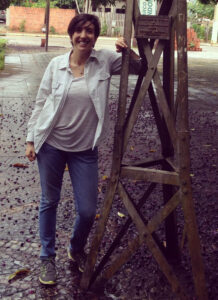
Project: Unbuilt Infrastructure Projects and The Use of Space in The Peruvian-Brazilian Border
Faculty Mentor: Anthony Bebbington
Infrastructure projects not only have impacts when they are built and operational, they also generate impacts in their unbuilt phase. This research project examines the effects unbuilt infrastructures have on how actors plan to use space in Western Amazonia, using the unbuilt Pucallpa, Peru – Cruzeiro do Sul, Brazil transboundary corridor as a case study. This research has two objectives: 1) to make explicit the relationship between unbuilt infrastructures and the erasure and rewriting of political claims to space, and 2) to make visible the effects of the unbuilt infrastructure on the landscape. Based on archival work that follows the social life of the unbuilt corridor in combination with semi-structured interviews with key informants and visualization methods, the research will answer the following question: How does the recurrent proposal of a transboundary corridor shape ways in which state and non-state actors plan space for: a) investment, b) protection of livelihoods, and c) regulation of natural resources?
Amanda Dye (B.A. Global Environmental Studies), Transforming Waste Systems: An Exploration into How Urban Fungi Farming Can Reduce Waste, Address Food Insecurity in Low-Income Communities, and Provide Practical Agricultural Education
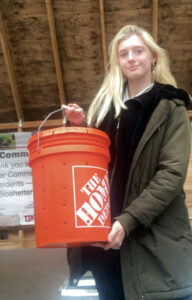
Project: Transforming Waste Systems: An Exploration into How Urban Fungi Farming Can Reduce Waste, Address Food Insecurity in Low-Income Communities, and Provide Practical Agricultural Education
Faculty Mentor: David Hibbett
Food deserts occur when factors such as income, access to a personal vehicle or public transportation, racial demographics, and area designation (rural, suburban and urban) intersect and create barriers for residents to access food close to where they reside. Food deserts can amplify the effects of food insecurity, including adverse health effects due to diets that lack nutrition or contain too many refined. The Worcester Advisory Food Council found that the prevalence of hunger in Worcester is six times greater than the Massachusetts average and that one in three children in low-income neighborhoods live in a household that is facing food insecurity. Growing mushrooms in community gardens is one potential way to increase access to produce used in a variety of Asian and African cuisines. Fungi are prolific if produced under the right conditions and surplus production could be sold on site by local resident gardeners to the local community, restaurants or grocery stores. The project will: (1) develop a method for converting cardboard waste from 850 affordable housing units into substrate for growing edible mushrooms, (2) revitalize a nearby community garden space for successful food production, and (3) provide educational and agricultural opportunities for local gardeners.
2022 Geller Award Recipients
William Cruice (PhD Geography), The Globalization of Offshore Wind Energy: Green Skills, Workers Competition, and Transnational Organization

Project: The Globalization of Offshore Wind Energy: Green Skills, Workers Competition, and Transnational Organization
Faculty Mentor: James McCarthy
Recent approval for the construction of the United States’ first large-scale offshore wind project offers strong indications that the US will become a major investment location for the increasingly global offshore wind industry. It remains to be seen, however, whether the anticipated growth of offshore wind in the US will translate into an employment boom of equal magnitude and what such growth might mean in terms of a ‘just transition’ for workers in the US energy industry. This research addresses these problems by examining the uneven development of the (offshore) wind energy industry across North America and Western Europe. More specifically, it focuses on the fragmentation of the offshore wind labor process between intellectual and manual labor and the geographical expression of this fragmentation. It does so in order to understand the skills needed to advance the renewable energy transition and the manner in which workers have acquired and continue to acquire these skills. The research also focuses on the efforts of workers to avoid competing with one another at the expense of working conditions and environmental outcomes. Funds from the Geller Award will be used to conduct in-depth interviews with representatives of firms, industry associations, educational institutions, research organizations, and trade unions, all key actors in the wind energy global production network.
Christina Martin (BA/MS Biology), Can Mushrooms Help Save the Bees?
Project: Can Mushrooms Help Save the Bees?
Faculty Mentor: David Hibbett
Bees are essential for creating sustainable and biologically diverse ecosystems. They ensure the survival and reproduction of the majority of Angiosperm plants, making them critical species that the majority of organisms in an ecosystem depend upon. Bees also contribute greatly to the sustainability of the human food system, since 35% of global food production is reliant on the pollination of crops, which is largely conducted by migratory honey bee hives. Beekeepers have been experiencing increasing declines in their bee populations as environmental conditions have reduced bees’ ability to cope with hive pathogens. Finding a solution to improve bees’ immunity is fundamental to restoring global ecosystems and food systems, so it has become increasingly important to find sustainable treatments for bee pathogens. Recent research has begun exploring the medicinal properties of fungi to help reduce viral levels in bees. My research will contribute to the ongoing efforts to develop effective treatments for bee pathogens. I will investigate the effects of oak extractives and the fungal extracts of Fomes fomentarius and Ganoderma applanatum grown on oak wood on the reduction of Deformed Wing Virus levels in honey bees. Funds from the Geller Award will be used for quantitative PCR (qPCR) reagents and other routine laboratory supplies.