

Feeding School Children via Climate Resilient Agriculture
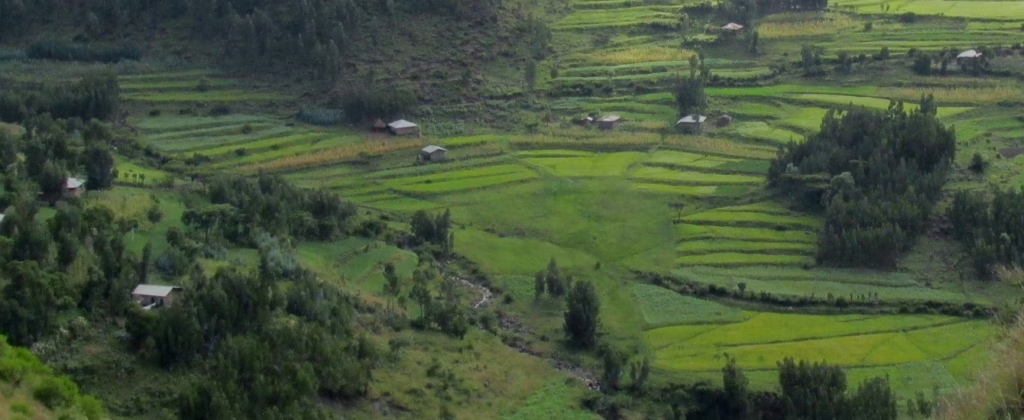

Kenya’s school feeding program provides hot, nutritious meals to students, boosting attendance, nutrition, and educational outcomes while also stimulating local economies by sourcing food from smallholder farmers, supporting climate resilience through drought-tolerant crops, and empowering women and youth. Regenerative mixed cropping practices focus on mimicking natural ecosystems to rebuild soil health, enhance biodiversity, and improve water cycles, using techniques like no-till farming, cover crops, agroforestry, and polyculture (planting multiple crops together), all to reduce synthetic inputs and create resilient, productive farms. Marsh Institute researcher Morgan Ruelle (Sustainability and Social Justice) and collaborators at the New York Botanical Garden received funding from the Rockefeller Foundation for the project Integrating Regenerative Mixed Cropping Practices for Enhanced Nutritional Security and Climate Resilience in Kenyan School Feeding Programs, which investigates the potential benefits of integrating regenerative mixed cropping practices, including their contributions to improved nutrition in school food programs and their ability to provide stable yields under an increasingly variable climate.