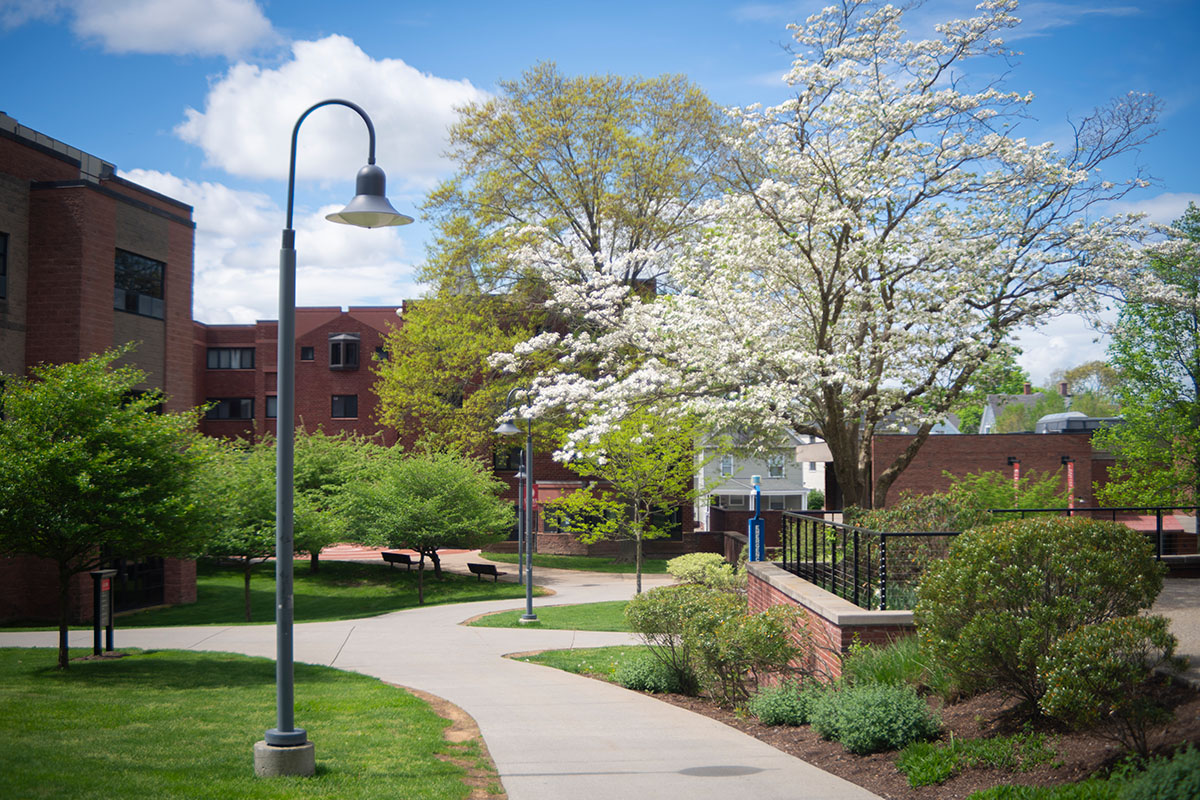


We are thrilled to have you join our vibrant community where the majority of students live on or very close to campus. At Clark, we understand that part of your growth and development includes gaining experience in a more independent and autonomous environment, such as shared housing. For this reason, Clark University juniors, seniors, and graduate students have the option of moving off-campus and living in the Main South neighborhood or greater Worcester community.
Clark University and the City of Worcester have collaborated to create a healthy and safe environment in the neighborhoods surrounding our campus. Moving off-campus, even if it’s just a few steps away from Clark property, means becoming a part of “the city.” We expect our students to consider themselves as much residents of Worcester as they are students at Clark University. As a member of the Worcester community, you have the additional responsibility of knowing and respecting the rights, responsibilities, ordinances, and laws that come with being an off-campus student.
Transitioning from University-owned housing to private living arrangements presents unique challenges. This section provides valuable information about being a good neighbor and responsible renter for those who are, or are thinking about, living off-campus. Clark University and the local Main South community are equal partners in ensuring a quality living experience for all. Clark students play an integral role in the Main South neighborhood and make a positive impact on the community. Off-campus students are expected to adhere to all local and state laws and live within the expectations outlined in the Code of Student Conduct and The Clark Commitment. Violations of any policy or law may result in disciplinary action through our conduct system.
We are excited to support you in this new chapter of your journey and look forward to seeing the positive contributions you will make to both Clark University and the Worcester community!
Worcester noise ordinance
The City of Worcester has strict regulations regarding noise to ensure a safe and respectful living environment. Excessive or unnecessary noise is considered a threat to public health, welfare, safety, and quality of life.
Here’s what you need to know:
- Noise Levels: No one should operate any electronic sound device (radio/MP3 player) that is plainly audible in a public place at a distance of 25 feet or more from the device or premises. If noise can be heard on the sidewalk outside your apartment, it violates the ordinance, and you may face complaints and action by the Worcester Police Department (W.P.D).
- Courtesy Hours: Loud noises that disturb the quiet between 9 p.m. and 7 a.m. are not tolerated and can result in a $50 fine and/or arrest. Noise from vehicles should not be audible at a distance of 50 feet.
Living off-campus means understanding and respecting neighborhood noise policies, which are stricter than those in residence halls. Noise complaints are common, so be mindful of the noise you generate.
Social Host Liability and Off-Campus Parties
If you host gatherings with alcohol at your off-campus residence, be aware of Massachusetts’ Social Host Liability Law. This law places significant responsibility on hosts for any incidents involving guests during or after the gathering.
- On-Campus vs. Off-Campus: On-campus, Clark University takes responsibility for many actions in residence halls. Off-campus, you assume responsibility for what happens in your apartment.
- Alcohol Laws: Providing alcohol to anyone under 21 is illegal and can lead to arrest. As a social host, you may be liable for injuries caused by guests who consume alcohol at your residence.
Dog Licenses and Registration
If your lease permits dog ownership, remember that all dogs must be registered and licensed in Worcester. Dog owners must keep their dogs leashed and clean up all waste.
Parking Information
Parking near private residences can be stressful. Many off-campus students continue to pay for on-campus parking decals. Parking on campus without a decal violates Clark’s policy and may result in fines or vehicle removal.
Street Sweeping and Winter Parking Bans: Pay attention to city notices about parking restrictions for street sweeping and winter parking bans. Check the Worcester Telegram and Gazette, follow @SnowParkingBan on Twitter, or sign up for text alerts from the City of Worcester.
Neighborhood Parking: Follow all posted parking guidelines and restrictions. The Worcester Parking Enforcement Department regularly patrols and will fine or tow illegally parked vehicles.
Commuter students
First- and second-year students are required to live on campus in Clark University-owned housing (unless they qualify as commuters). Juniors, seniors, and graduate students have the option to move off-campus and live in the Main South neighborhood and Worcester community.
View more details
For first and second year students commuting to campus, Clark offers several great spaces designed with commuters in mind.
Clark University Student Handbook
Commuter Resources
Looking for the perfect spot to recharge, study, or hang out between classes? Clark offers several great spaces designed with commuters in mind
- Academic Commons (1st floor, Goddard Library): Ideal for group projects or solo study sessions, plus comfy seating and quick bites from the Cougar Café.
- Asher Suite (3rd floor, Higgins University Center): A cozy lounge to warm up your food, relax, or take a breather between classes.
- The Grind (basement, Higgins University Center): A quiet lounge with games, open space, and plenty of room to unwind.
Students, staff and faculty
Easy Apartment Search for Students, Faculty & Staff
We make apartment hunting simple and secure by connecting you with local landlords and realtors.
View more details
All landlords comply with local, state, and federal laws, and we personally interview all realtors before they can advertise to you. Want to approve each listing before it goes live? We offer an add-on for that, too.
Unparalleled Roommate Matching
We’ve researched over 20 universities to create the ultimate roommate finder. Students complete a comprehensive matching survey, and our algorithm pairs them with highly compatible roommates.
We’ve researched over 20 universities to create the ultimate roommate finder. Students complete a comprehensive matching survey, and our algorithm pairs them with highly compatible roommates.
Current rental listings
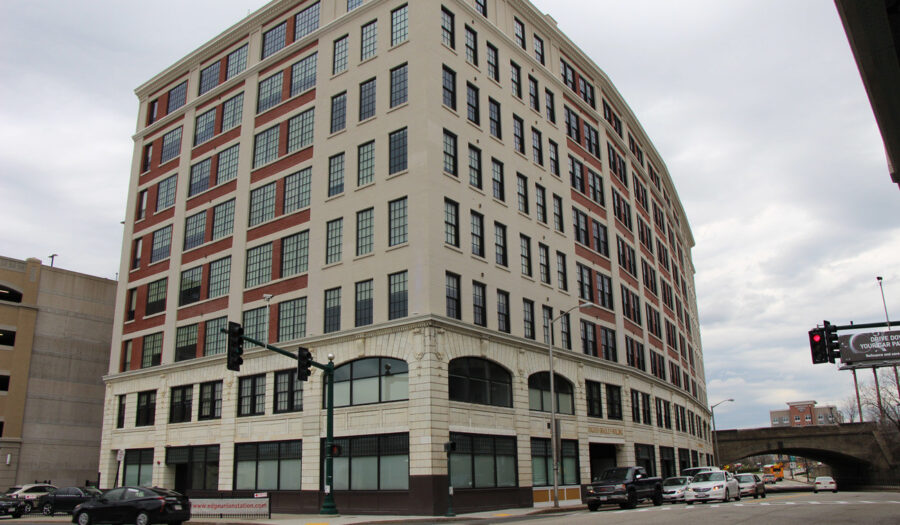
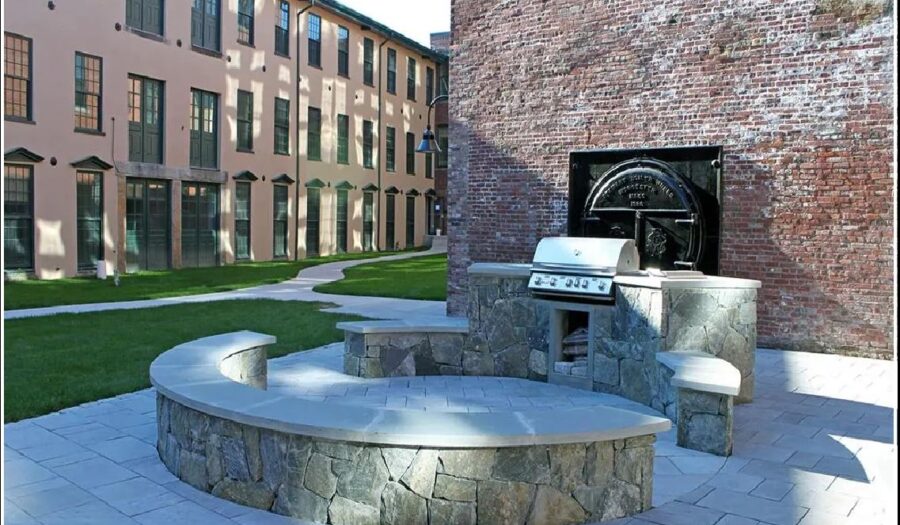

Off campus housing map
Living off campus at Clark University
Finding an apartment
Before you start your apartment search and sign a lease, consider these important factors. Leases are legally binding, requiring you to live in and/or pay for a specific room or apartment for a fixed period. Be prepared:
- Reflect and Investigate Options
Living on campus provides essential amenities for student success. Off-campus living comes with hidden costs such as Wi-Fi, furniture, 24-hour security, facilities repairs, emergency housing, phone, electricity, expanded cable TV, laundry facilities, hot water, and heat. While off-campus rent might seem cheaper, budget for all the extras. - Review Finances and Set a Budget
Ensure you account for all possible costs. - Communicate with Potential Roommates
Have open and honest discussions with potential off-campus roommates or apartment mates to ensure everyone is ready for the financial commitment. - Visit Multiple Apartments
Look at a few apartments to get a sense of what might be available. - Request the Certificate of Occupancy (C/O)
Ask the landlord to provide proof that the rental meets all local, state, and federal housing guidelines. - Read the Lease Carefully
Before signing, students should confirm the rental property is registered with the City of Worcester Rental Registry and meets local inspection requirements. Students may request documentation from the landlord verifying compliance. Read the lease thoroughly. Consult trusted adults or an attorney if you have any questions.
What is a lease?
A lease is a contract that outlines the agreement between a tenant and a landlord. It specifies the responsibilities and obligations of both parties and sets the rules for living in a particular house or apartment. Here’s what you need to know:
- Responsibilities and Obligations: The lease details what both the landlord and tenant must do and provide for each other.
- Rules and Restrictions: It also outlines what landlords and tenants cannot do.
- Legal Binding: Once signed, the lease is legally binding. In case of a legal dispute, courts will hold tenants to the terms they agreed to.
- Breaking a Lease: Generally, landlords are not in favor of breaking a lease and allowing tenants to leave before the agreed-upon date.
Sample Lease Agreement in Massachusetts.
Sharing an apartment
Living with a roommate can be either enriching or challenging, whether on-campus or off-campus. Unlike on-campus living, off-campus leases financially obligate you to pay a portion of the rent for an extended period, making it crucial to discuss the following with potential roommates:
- Study Environment
Will the apartment be a place for studying? Set rules for quiet hours, guests, messages, and cleaning. - Values and Lifestyle
Discuss views on alcohol, drug use, smoking, and overnight guests. What will be allowed? - Private and Common Spaces
Define private and common areas and establish any different rules for each. - Financial Obligations
How will rent and utility bills be paid? Set deadlines and accountability measures. - Household Chores
Divide chores like cleaning bathrooms, kitchens, and taking out the trash. Decide who buys cleaning products and establish a cleaning rotation. Discuss food sharing and personal item boundaries. Bathroom Cleaning Sample schedule
Tenant’s rights
In Massachusetts, tenants and landlords must adhere to laws and regulations that ensure a safe and respectful living environment. Here are your basic rights as a tenant:
- Right to Privacy
You can deny the landlord entry to your apartment unless they give notice and are inspecting the premises, making repairs, showing the apartment to prospective renters, or have a court order. - Protection Against Retaliation
You are protected from retaliation by the landlord if you make a formal complaint. - Right to a Habitable Environment
You are entitled to a living space with working water, heat, safe kitchens, a pest-free environment, safe structural elements, and reasonable snow removal. - Tenants Rights and Property Owners Responsibility – Massachusetts
- Legal Tactics: Tenants Rights in Massachusetts
Renters insurance
If you’re a college student renting an off-campus apartment or house, or even living in on-campus residence halls, consider purchasing renter’s insurance to protect your personal property from damage, fire, destruction, or theft. While your parents’ homeowner’s insurance might cover you in a college residence hall, it usually won’t apply once you sign a lease for off-campus housing.
Why You Need Renters Insurance:
- Landlord’s Insurance Limitations: Your landlord’s insurance won’t cover your personal property if it’s stolen or damaged due to fire, flood, theft, or other unexpected events. Without renter’s insurance, you’ll have to cover the replacement or repair costs of your belongings.
- Affordability: Renter’s insurance is relatively affordable, averaging between $15 and $30 per month, depending on the location and size of your rental unit and your personal possessions.
What to Do:
- Consult: Talk to your parents/guardians or a local insurance agent about renter’s insurance before moving into your new apartment.
Grad Guard College Renters Insurance offers unique student-focused coverage through an exclusive student endorsement. This means you’ll have access to features not typically found in standard homeowners insurance or other companies, such as:
- Low Deductible
- No Credit Scoring
- Worldwide Property Coverage
- Personal Liability Coverage
Grad Guard College Renters Insurance
Utility Providers
- Cable TV, Internet, Phone: Spectrum
- Electricity: National Grid
- Telephone: Verizon or call 888-583-8111
- Telephone: T-Mobile
- Natural Gas: Eversource.
Moving into a new apartment
Before signing your lease, note any existing damage and necessary repairs. If you move in and find new or unaddressed issues, document them, take photos, and notify the property owner immediately, preferably in writing.
Moving out of an apartment
As a tenant, you are legally obligated to notify the property owner of your intent to leave. This is usually done around the time the lease is about to expire. Pay attention to the lease for specific deadlines (some require three months’ notice). Proactively communicating with the property owner about your plans is beneficial.
Your notice to move out should include:
- Names of all persons on the lease
- Address of the current unit
- Anticipated move-out date
- Forwarding address for security deposit or other communications
Ensure the apartment is cleaned according to the lease conditions. Do not leave large furniture or items in the yard or on the sidewalk, as this can lead to fines and forfeiting your security deposit. Whenever possible, have the property owner present during the final inspection to transfer keys, return the security deposit (if everything is in order), and settle the lease termination.
Resources
- Forms: Off Campus Housing Assistance Summer/Fall 2026
- Facebook: Clark University Accepted Graduate Students
- Off Campus Completion Survey : Off Campus Housing Office Survey
If you have any questions, Email Us: Campus-Ambassadors@Clarku.edu