-
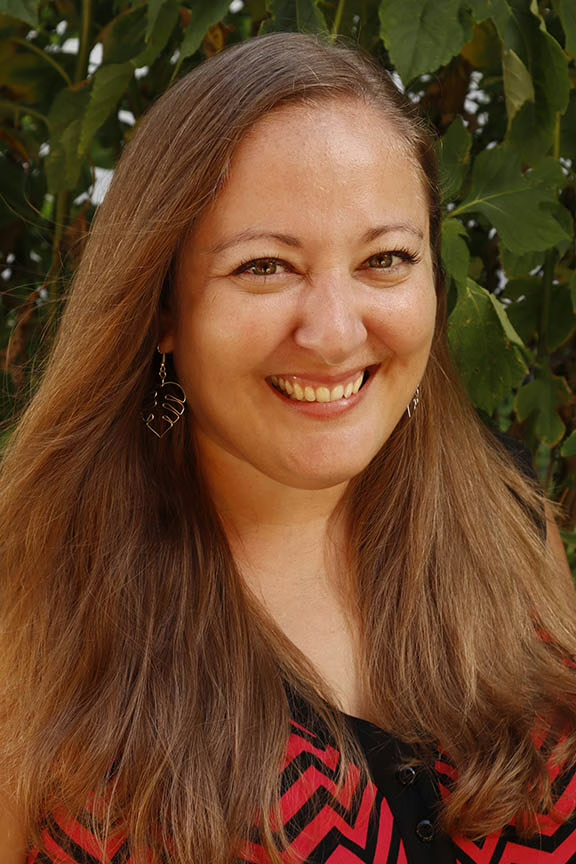
Abby Frazier
Dr. Abby Frazier is a climatologist who studies the spatiotemporal dynamics and impacts of climate change and climate variability. Her research uses geospatial analysis to integrate diverse datasets, including models and observations, to understand the multi-disciplinary impacts of climate on freshwater resources and ecosystems over regional and global scales, with a focus on Pacific Islands.…
-
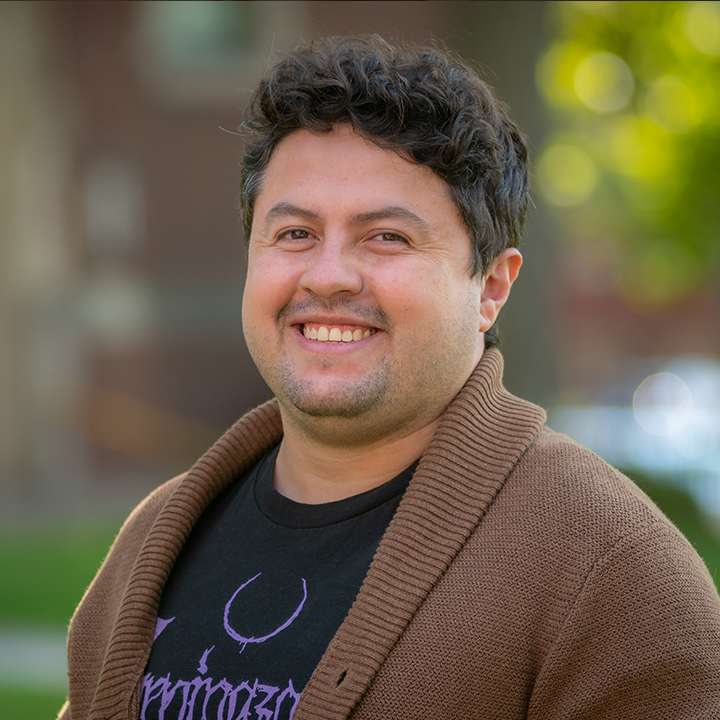
Javier Tabima Restrepo
Javier is an Assistant Professor of Genomics at the Department of Biology of Clark University. His lab is interested in identifying the patterns of genomic evolution of fungal species and populations, especially focused on the evolution, systematics, and genomics of secondary metabolism of the genus Basidiobolus. The Tabima lab uses a multidisciplinary approach of integrating tools…
-
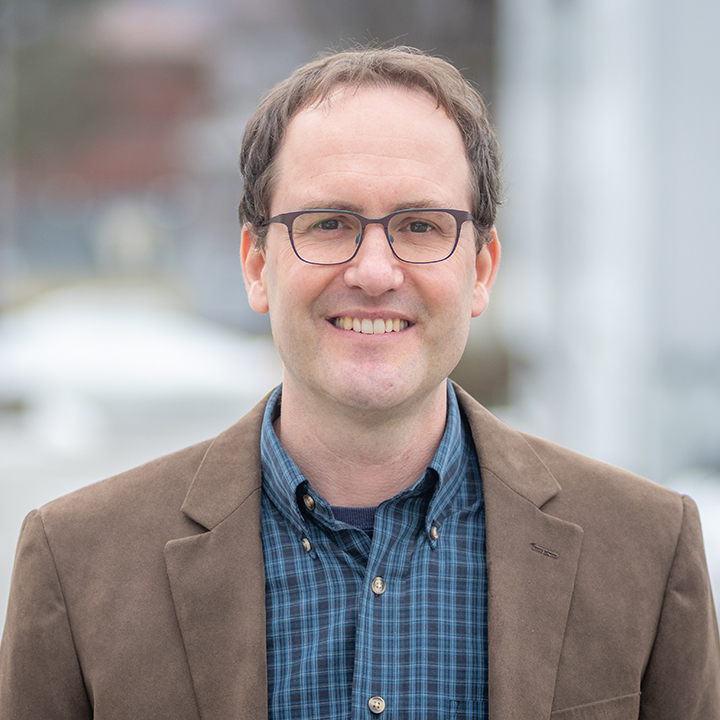
Morgan Ruelle
Morgan Ruelle is an Assistant Professor in the Environmental Science and Policy program in the Department of International Development, Community and Environment. He is interested in how biological and cultural diversity enable communities to anticipate and adapt to change. His work focuses on how the diversity within food systems provides options for communities to respond…
-
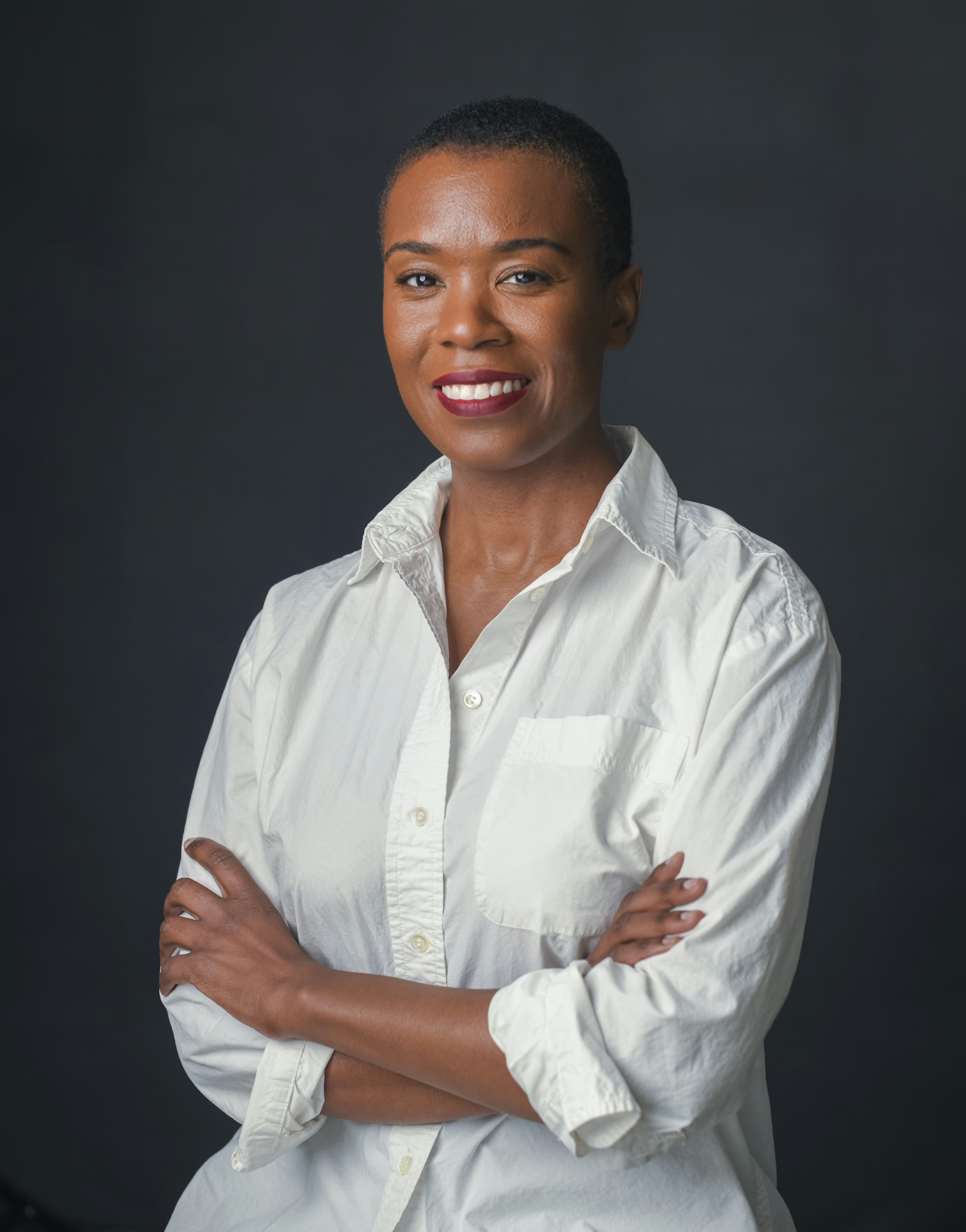
Asha Best
Dr. Asha Best received her Ph.D. (2017) in American Studies from Rutgers University-Newark. She is an urbanist whose research and teaching is interdisciplinary. Her work links mobilities studies, post-colonial and black studies, critical race theory and studies of urban informality. She is particularly interested in popular, improvised and often unofficial urban practices deployed by black…
-
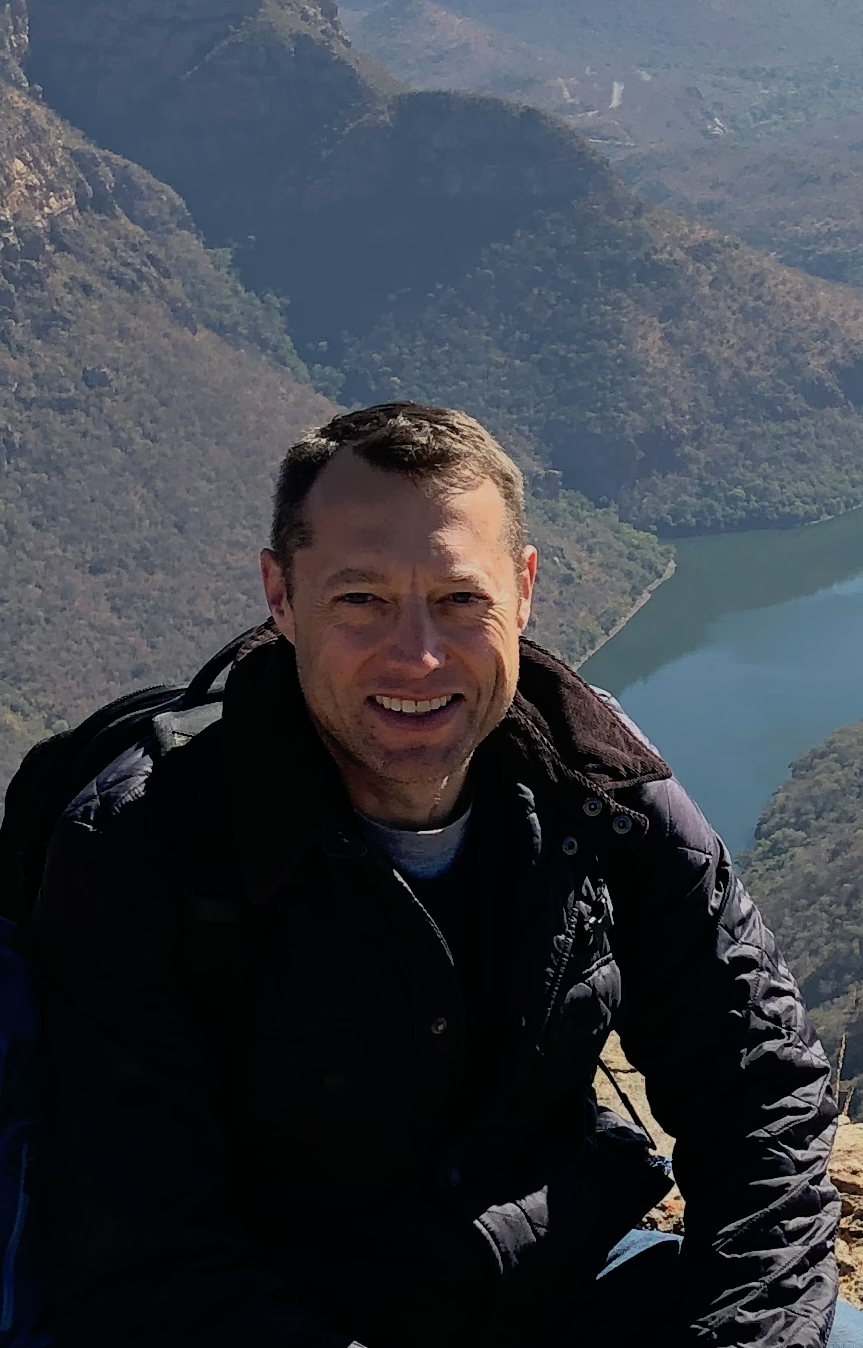
Lyndon Estes
I am an environmental scientist who investigates the drivers and impacts of agricultural change, with a particular focus on Africa. I conduct my research using new Earth Observation technologies and a range of modeling techniques, and work within inter-disciplinary projects that involve economists, agronomists, human geographers, decision scientists, hydrologists, climatologists, and computer scientists. I hold…
-
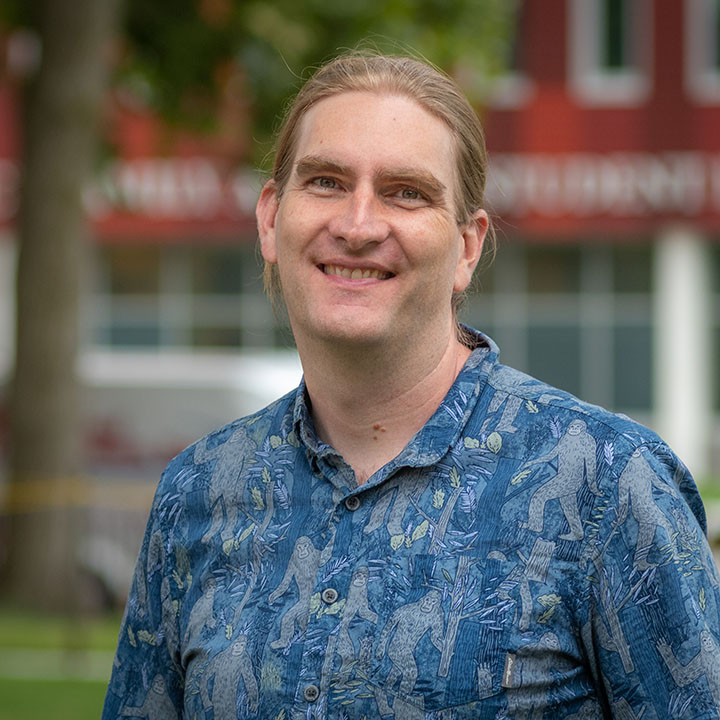
Nathan Ahlgren
Professor Ahlgren is a marine microbial ecologist. He is interested in understanding how environmental factors and interactions between microbes and viruses shape the evolution, diversity, and structure of microbial communities. Marine microbial communities are extremely diverse and control globally important cycles in the flow of nutrients and carbon on our planet. A fundamental component to…
-
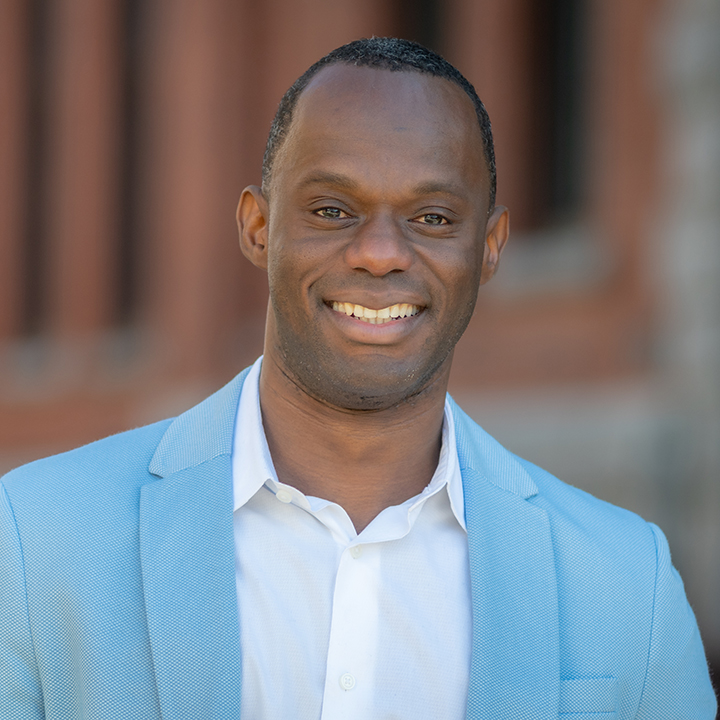
Edouard Wemy
Dr. Wemy is originally from Burkina Faso. He received his B.A. in Economics and Mathematics at Ohio Dominican University, and his Ph.D. in Economics in 2015 from Emory University. Dr. Wemy is an active member of the American Economics Association and a fellow of the Diversity Initiative for Tenure in Economics (DITE) – an NSF…
-
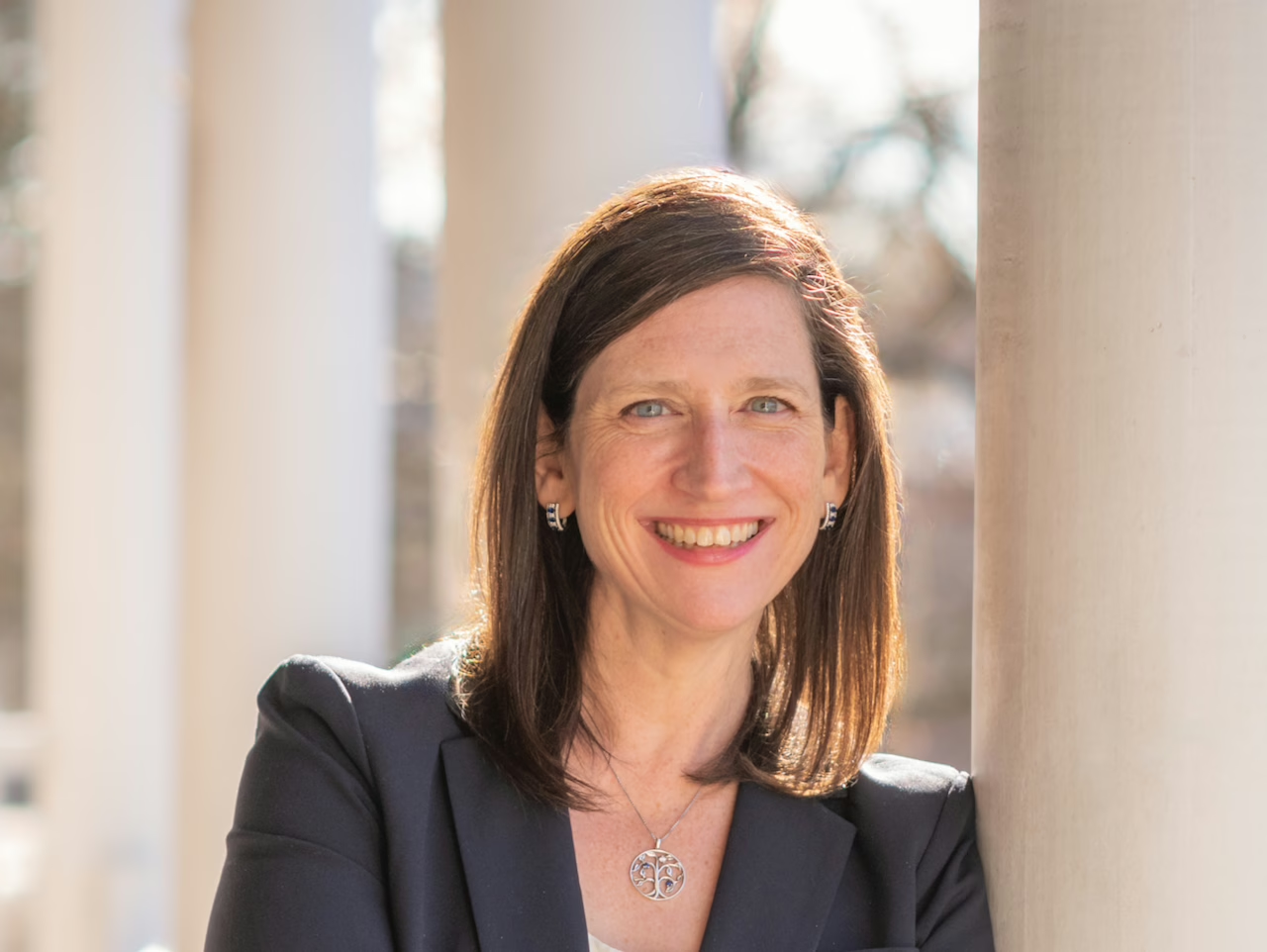
Margaret Post
Margaret Post, Ph.D., Associate Research Professor in the Department of Sustainability and Social Justice began her career as a community organizer in California’s Central Valley, and has been teaching, training, researching, and practicing organizing for over twenty-five years. As an engaged scholar, Margaret integrates organizing practices with participatory methods to facilitate shared learning and collective…
-
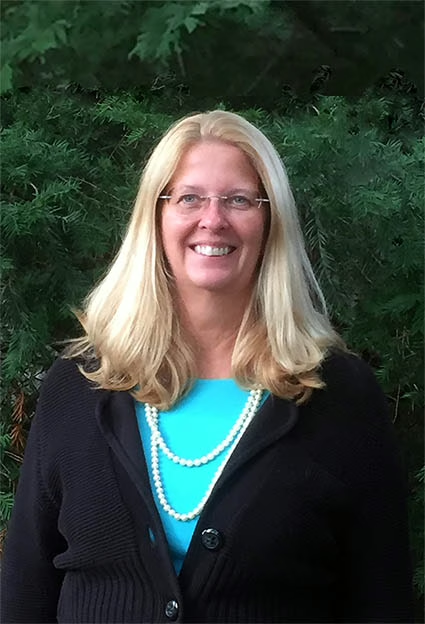
Dana Bauer
Dana Bauer is an interdisciplinary researcher with particular interests in environmental conservation and sustainability. She applies economic and ecological theory towards the assessment of ecosystem services, and the analysis of policies and programs that aim to protect them. Her current research focuses on farmers’ perceptions of and willingness to participate in wildlife habitat and water…
Clark University


Invest in the next generation of Clarkies.