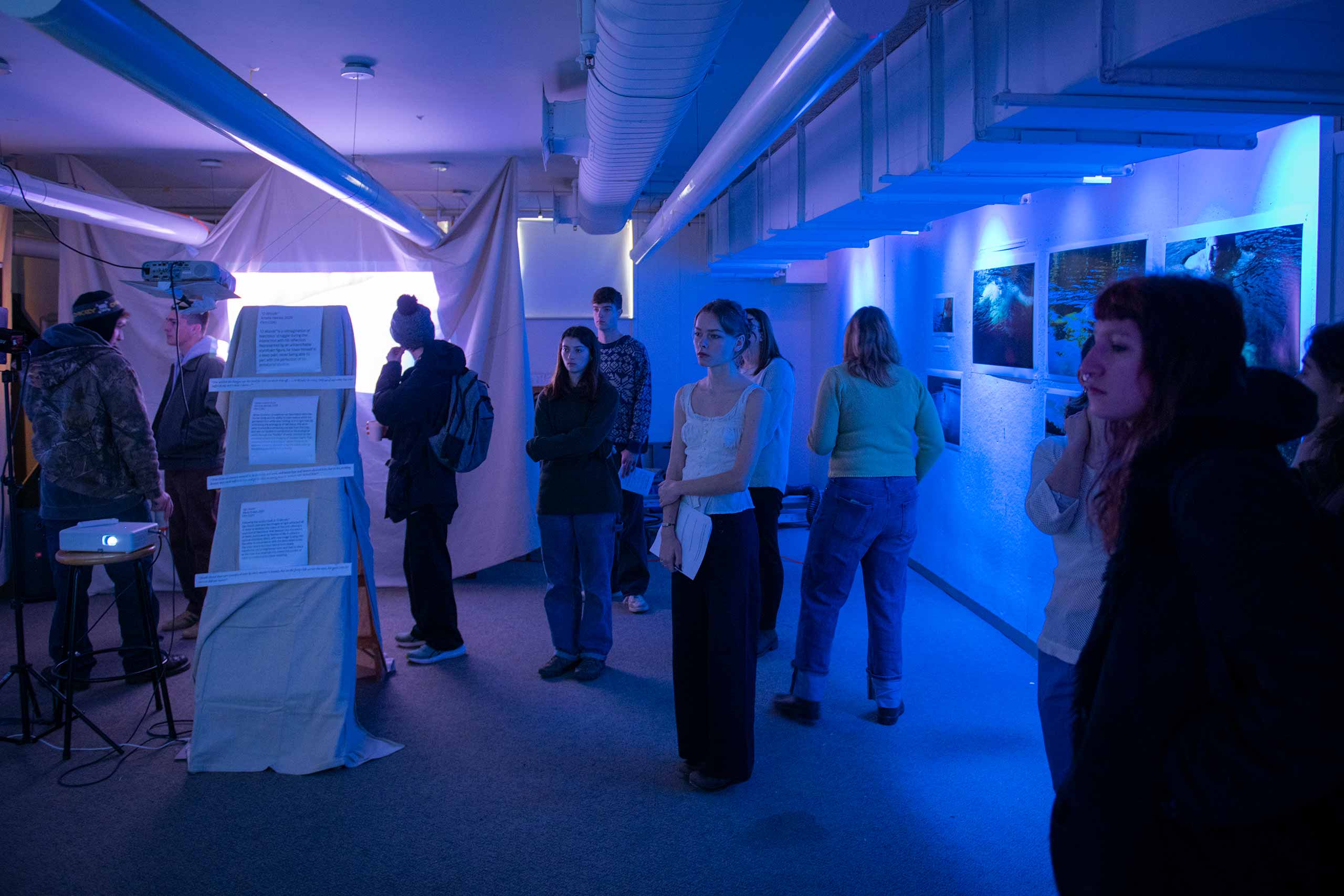
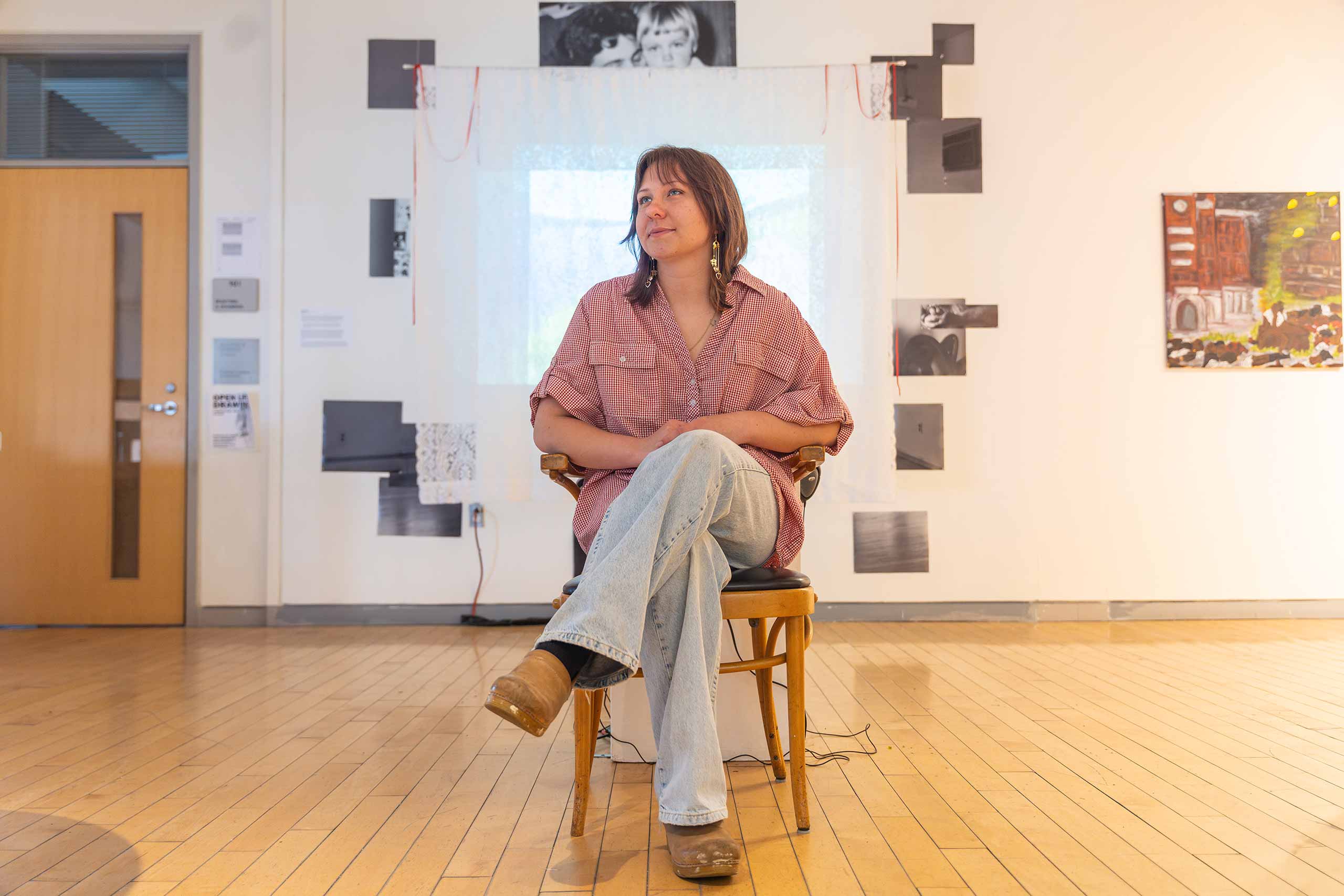
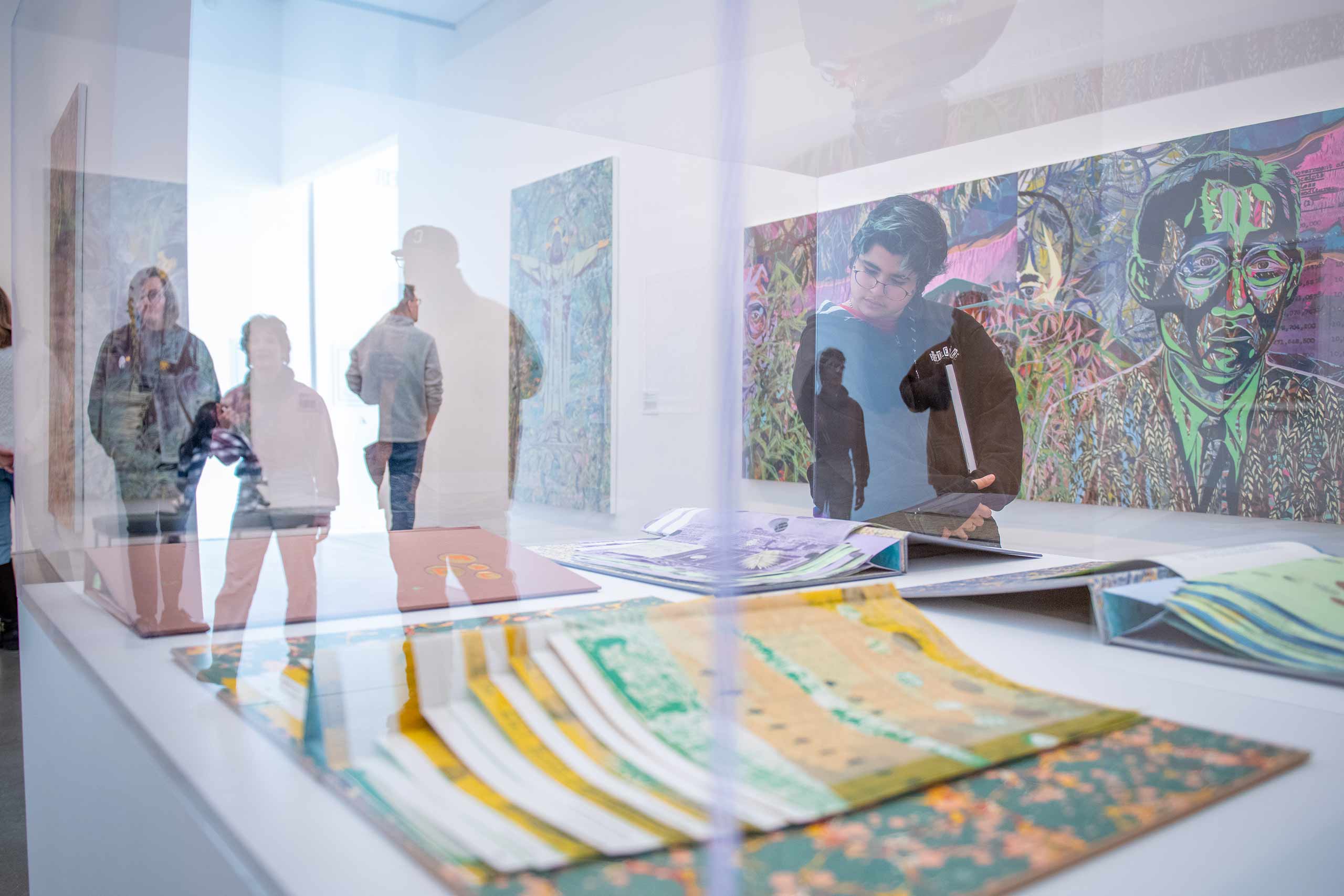
Every student in the Department of Visual and Performing Arts completes the capstone in the fall of their senior year. It is the one experience shared by all six programs — and one of the most distinctive features of an education in the visual and performing arts at Clark.
The capstone course is a sustained, structured preparation for life as a working artist, curator, or scholar. Through readings, discussions, writing assignments, guest speakers, and both solo and collaborative projects, the capstone helps you develop the skills and habits that sustain a creative practice beyond college: a professional portfolio, a clear and compelling artist statement, and a sense of where your work is going and why.
The capstone brings together students from across the Visual and Performing Arts — a genuine cross-disciplinary cohort at the moment when each of you is defining what your practice is and what you want it to do in the world.
Alternative Capstone Pathways
Students with specific professional or creative goals can apply to fulfill the capstone requirement through an alternative course. With faculty approval and a formal proposal submitted the spring of junior year, the following may be considered:
- Portfolio Development (ARTS 220), Studio Topics (ARTS 234), or Internship (ARTS 298) — each requiring an additional component beyond the standard course scope
- Game Studio (GAME 255) — available to Visual Arts majors with a strong focus in interactive media, at least two prior interactive media courses, and approval from faculty in both programs.
What the capstone looks like depends on your program and your goals. A visual arts student might develop a body of work and an artist statement. A screen studies student might complete a substantial research paper or a portfolio film. A music student might present a senior recital or an original composition. A theatre student might develop a full-length play or a design for a mainstage production. An art history student might complete an independent research project and public presentation. A media, culture, and the arts student might produce a public-facing media project that brings together history, theory, and practice.
In every case, the work is yours — and it is made in community with the seniors around you, across every program in the department.