

Shaping Tomorrow Together—Another World is Still Possible
Join us for important discussions of research, practice, and action with a special keynote presented by Laura Hammond, Deputy Vice-Chancellor, Research and Knowledge Exchange and Professor of Development Studies at SOAS University of London, and Fellow of the Academy of Social Sciences.
Transformation in practice over the years
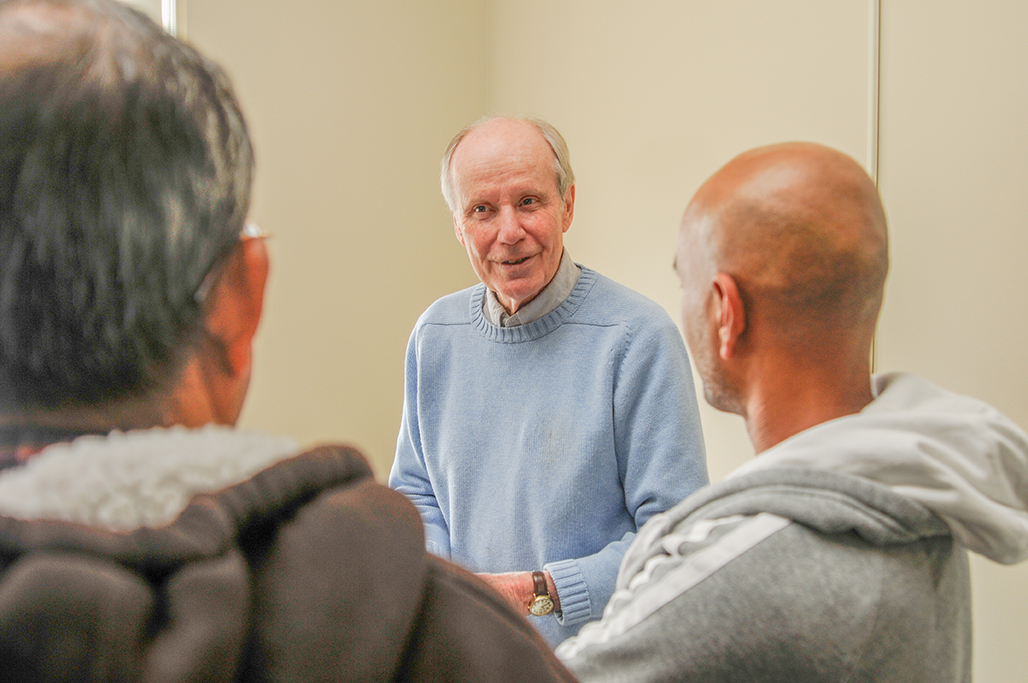
Program co-founders Dick Ford and Barbara Thomas-Slayter developed a pioneering methodology called Participatory Rural Appraisal, used to empower communities to shape their own destinies.
This approach defied the traditional practice of top-down development overseen by outside agencies and instead focused on educating and encouraging communities to cultivate leadership, organization, and progress from within.
After earning his master’s degree, Aougouri Romain Kiragoulou, M.A. ’22 returned to his home of Burkina Faso, West Africa, where he helps advance community development initiatives and assists people who were forced to leave their homes due to the disastrous effects of climate change.
His story
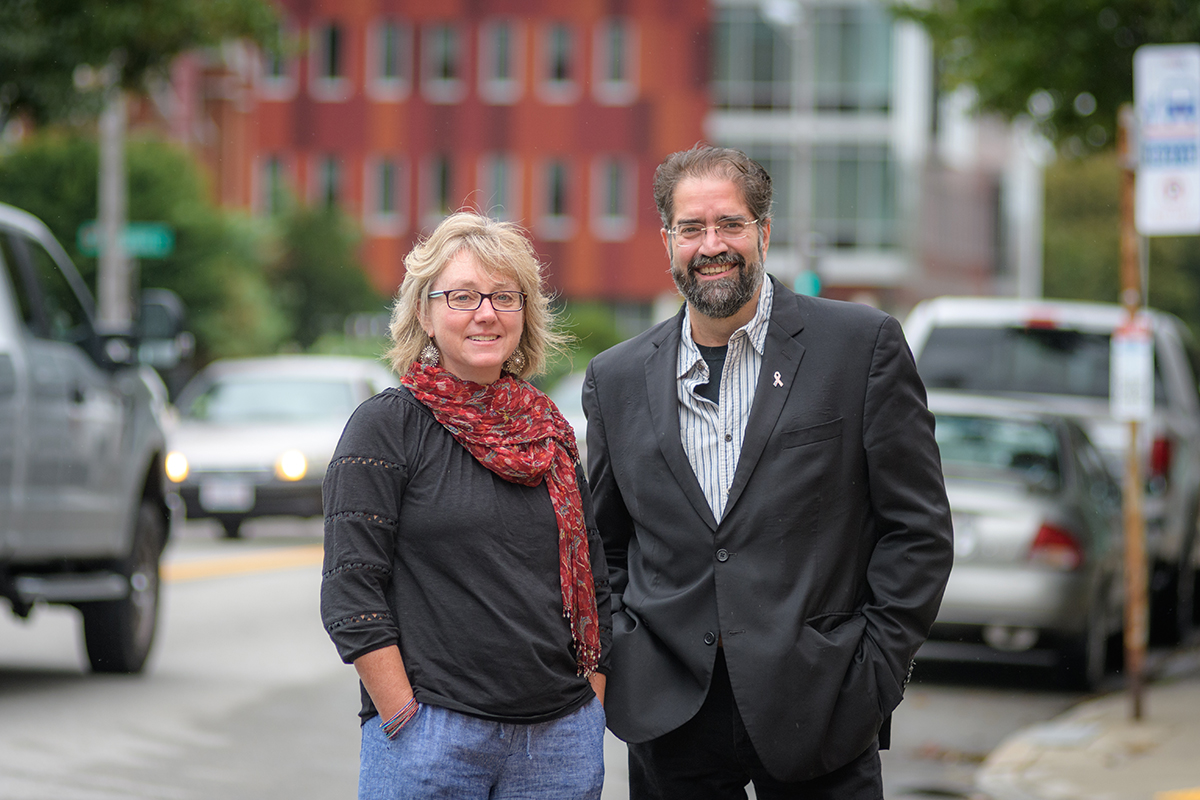
When coffee producers in Puerto Rico were hit hard by hurricanes in 2017, professors Cynthia Caron ’90 and Ramón Borges-Méndez used the reconstruction of the industry as a case study in resilience, with an eye toward giving women a larger role in the supply chain.
Funded by a $1.5 million grant from the National Science Foundation’s Partnerships for International Research and Education Program, eleven faculty and over a dozen graduate students are applied their expertise in geographic information science, climatology, sustainability, community development, engineering, environmental policy, and interactive media design to to help policymakers and the public collectively understand water scarcity in Central Mexico.
Read the story
The program will not give you a single definition of change, but it will give you the tools that allow you to define what change should look like—and I think that’s a very powerful position to be in.
Lawrence Were M.A. ’10
Join the celebration
Join Clark faculty, alumni and industry peers November 7 at the Shaping Tomorrow Together—Another World is Still Possible event.