
Ph.D. in Developmental Psychology
Why apply to Clark’s developmental psychology doctoral program?
Clark University’s developmental psychology doctoral program at the nationally-renowned Frances L. Hiatt School of Psychology is dedicated to studying human development in societal and cultural contexts.
The program has a long and distinguished history, including the work of developmentalists such as G. Stanley Hall, the first president of the University and founder of the American Psychological Association at Clark in 1892.
Continuing in a tradition of innovative theory and research pertaining to the study of human development, our faculty examine issues like bilingualism, racial experiences, and factors influencing learning and achievement — all with a focus on how the topics intersect with development and well-being. Designed to help students join an ongoing program of research, our program emphasizes scholarship at the forefront of interdisciplinary theory and practice linking human development to other disciplines.
The program’s intimate size, as well as its setting at a small urban research university, allow for close student-faculty relationships while providing opportunities for faculty, graduate students, and undergraduates to collaborate within the department and across the campus and Worcester communities. All full-time graduate students are guaranteed tuition remission and graduate assistantships are available. This arrangement fosters a collegial, supportive intellectual community.
Our community
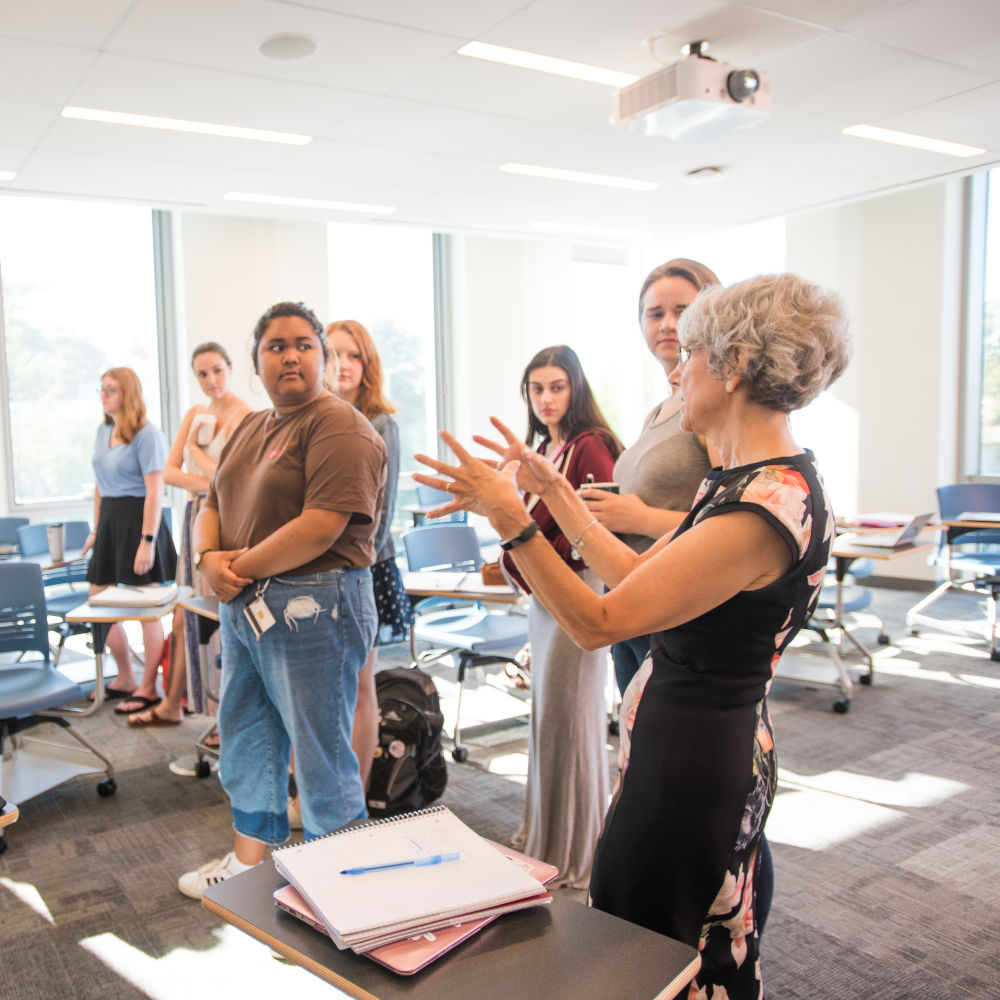
Many different methodological approaches are represented, and it’s common for graduate students across the three specializations represented in our department (social, developmental, and clinical) to share ideas in the classroom, research groups, and laboratories. Our department is collaborative by design and intentionally structures classes, practicum experiences, and research activities to support collaboration among peers, rather than competition. The clinical program is committed to the inclusion of marginalized populations and to enhancing diversity within the field of clinical psychology as a whole.
Areas of study and training
Unifying interests across Clark’s developmental program are a focus on the inclusion of underrepresented populations and studying the development of psychological processes in societal and cultural contexts. To achieve this, we provide a strong foundation in general psychology, theory, and research, as well as specialist training in developmental psychology.
Training exists through student participation in foundational psychology seminars on theory and methods, as well as topical graduate seminars in areas of developmental psychology (for example, cognitive, social-emotional, and cultural). Developmental students typically register for the developmental forum (a seminar-style meeting of all members of the developmental program and others) while in residence. In addition, consistent with our developmental framework, students complete an individual portfolio instead of the traditional qualifying examinations. Under the guidance of a three-member faculty portfolio committee, students gain professional skills that prepare them for a range of research, teaching, and mentoring opportunities, skills that will be necessary and position the students competitively for their future careers.