

Undergraduate research
-
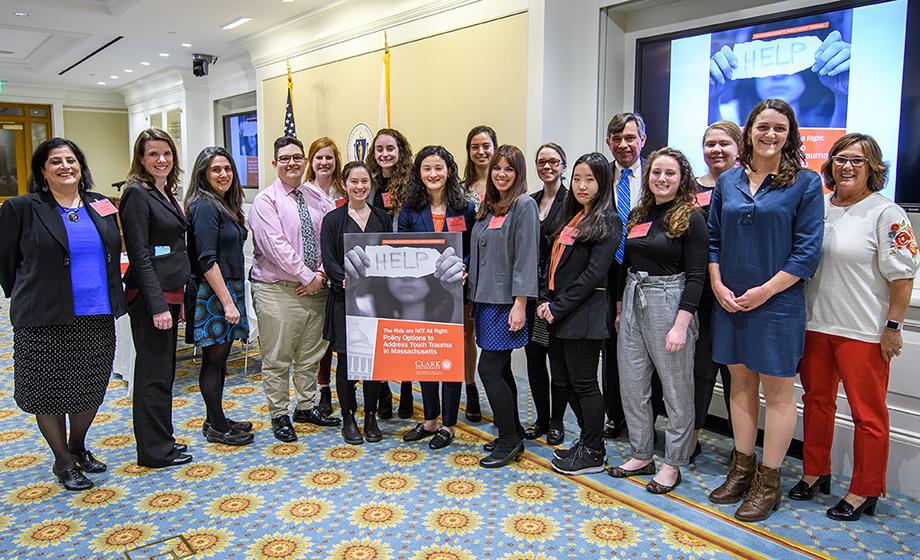
Family Impact Seminar brings Clark research to legislators
Faculty speak at State House on issues, policies related to youth violence, illegal sex trafficking, and college sexual assaults
-
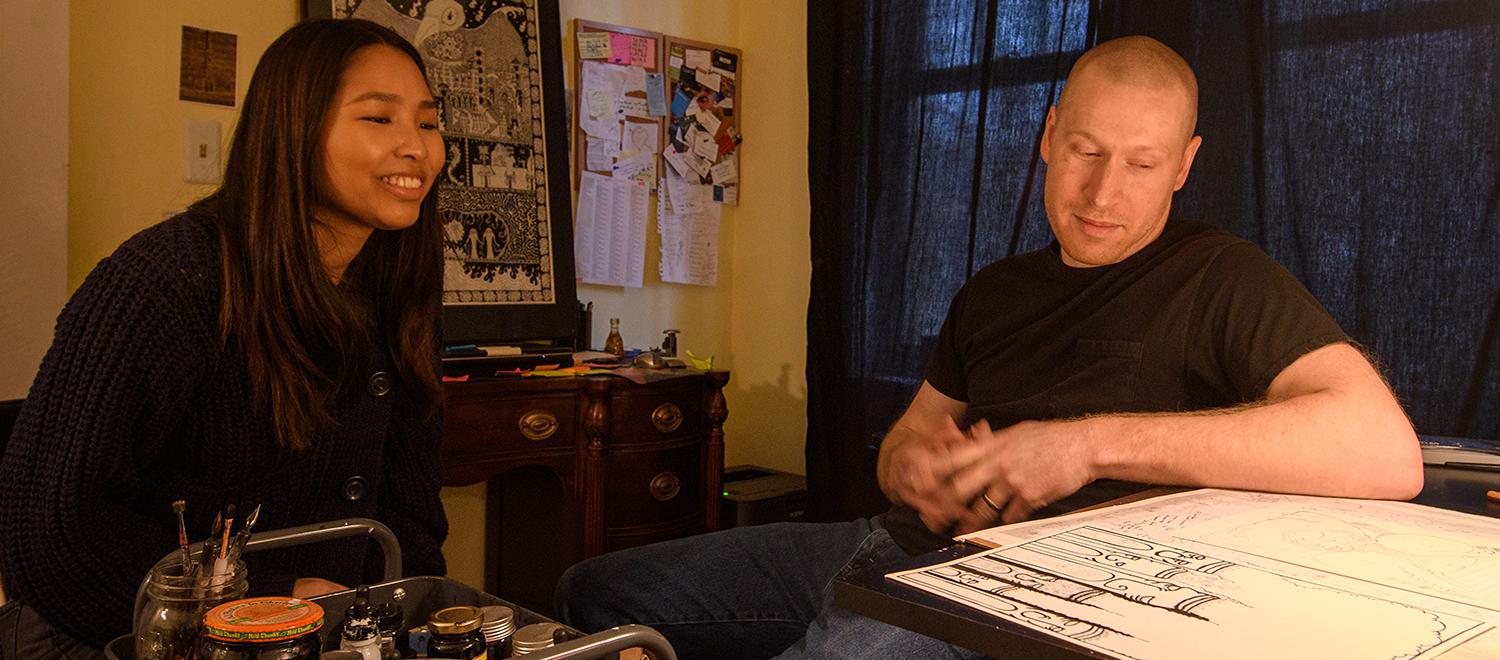
Working with ArtsWorcester, Clark students share research with community
Art History Professor Kristina Wilson's Problems of Practice class critically examines, promotes spring exhibitions at local galleries
-
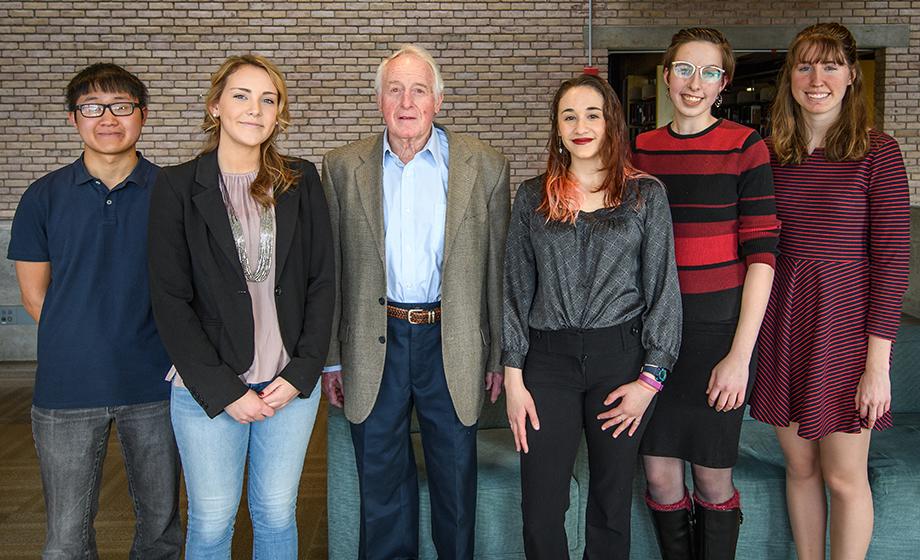
Undergraduates receive Steinbrecher Fellowships to pursue creative research projects
Nine Clark University undergraduates have been awarded Steinbrecher Fellowships to pursue creative research projects in the sciences and humanities. The projects will begin this summer and continue through the 2018-19 academic year. The Steinbrecher Fellowship Program encourages and supports Clark undergraduates’ pursuit of original ideas, creative research, and community service projects. This year’s Steinbrecher Fellows’ projects are:…
-
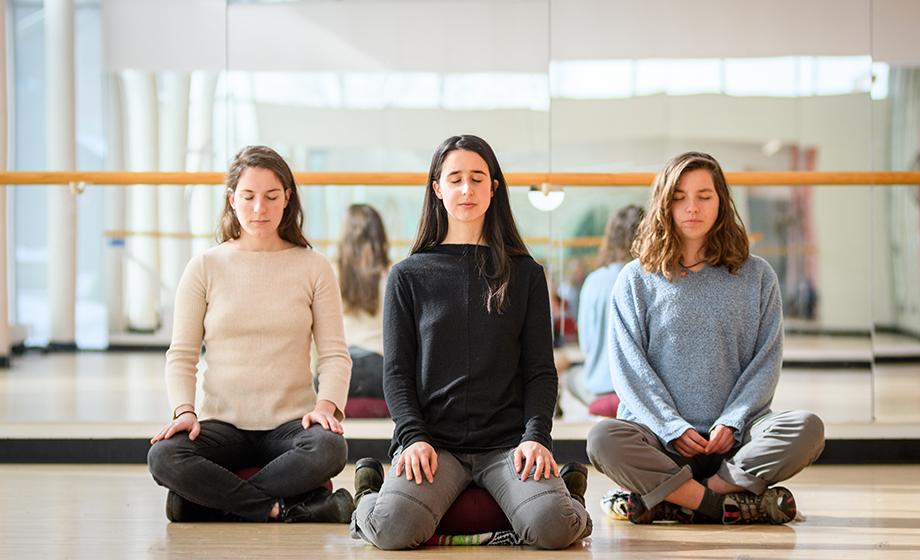
Clark campus embraces mindfulness and meditation
Mindfulness practices like meditation, reflective writing, and other de-stressors are becoming more and more a part of campus life at Clark University. “I see a real thirst in students for moments and spaces in which to be more present and aware,” says Jessica Bane Robert, assistant director of the Writing Center and a LEEP Center adviser, who teaches a half-semester…
-

Toni Armstrong ’19 turns historical research into an art
Toni Armstrong ’19 didn’t come to Clark University to take it easy. In her three years here, the art history/ancient civilization double major has indulged her curiosity and demonstrated her talents and passions in ways that span multiple disciplines. This kind of workload would be daunting for anyone, but Armstrong has learned to manage. “I need to pursue…
-
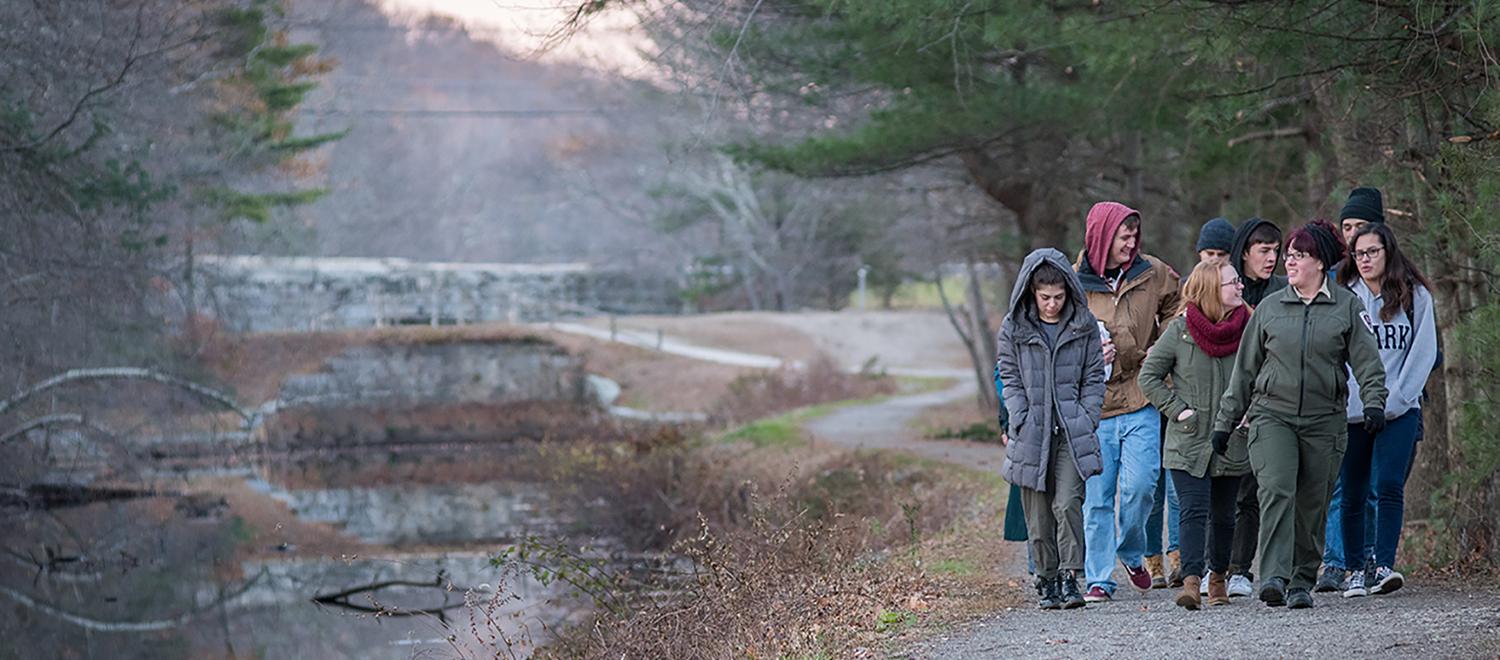
First-year students explore significance of area’s waterways
Geography professor's global research informs class' inquiry into local story of how Blackstone River shaped Worcester's development
-

$450,000 NIH grant funds Clark protein research
Professor Spratt and his research team of students aim to better understand biochemical roots of cancer, Ebola and other medical issues
-
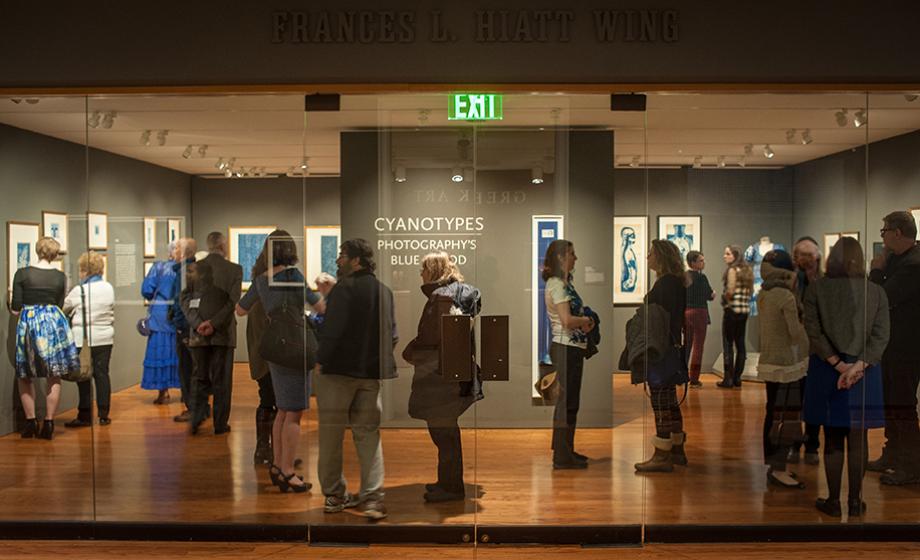
MOMA lecture treats alumni to a look at Clark’s historic art exhibition
Professor Kristina Wilson speaks about historic cyanotypes exhibition displayed at the Worcester Art Museum.
-
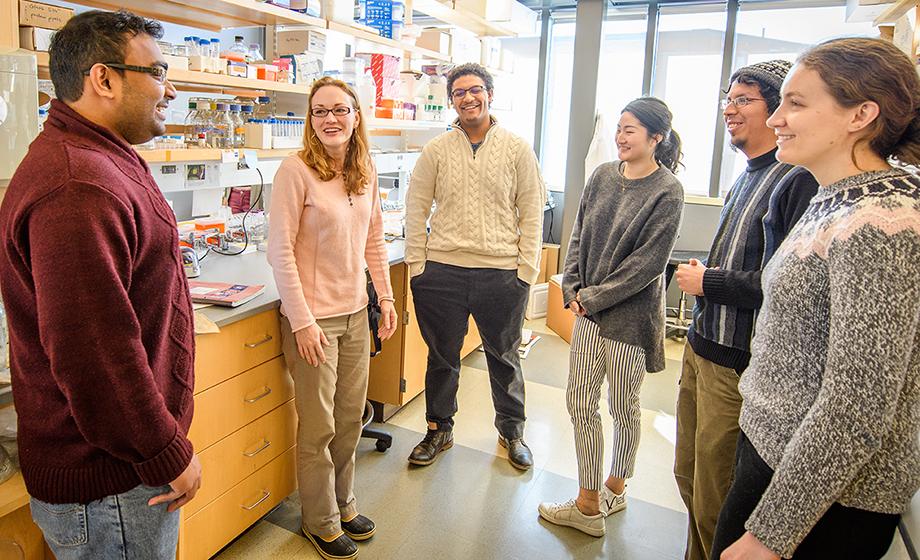
$508,000 NSF award supports Professor Meyer’s research in evolutionary biology
Néva Meyer, assistant professor of biology at Clark University, remembers how she became interested in studying animal life at its beginning stages. She was an undergraduate student in molecular biology at Purdue University, with her eye on a career in cancer biology. Then she saw her first chicken embryo. “I fell in love with it. I love the…
-
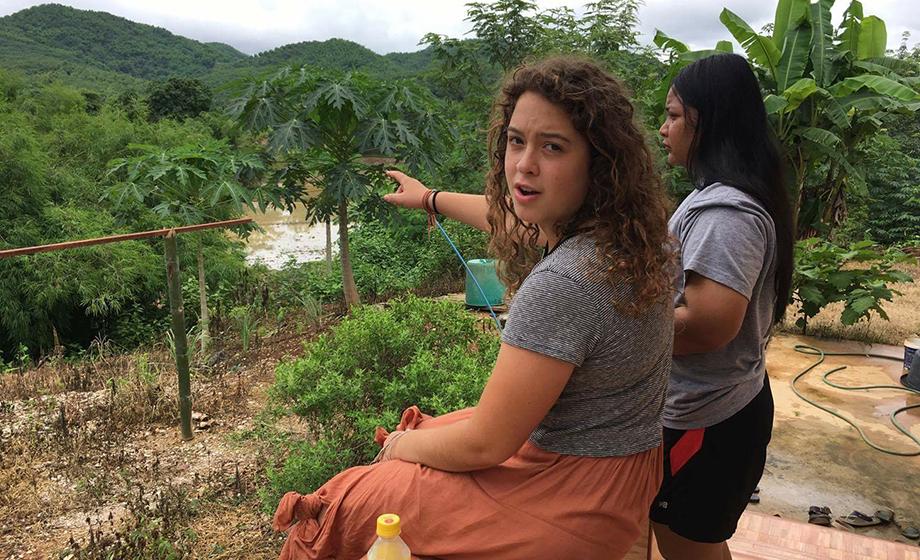
Student researches role of women who weave strategies for survival in Thailand
Steinbrecher Fellow Molly Gurney '18 explores story of villagers' protest against mining company