

Stories
-
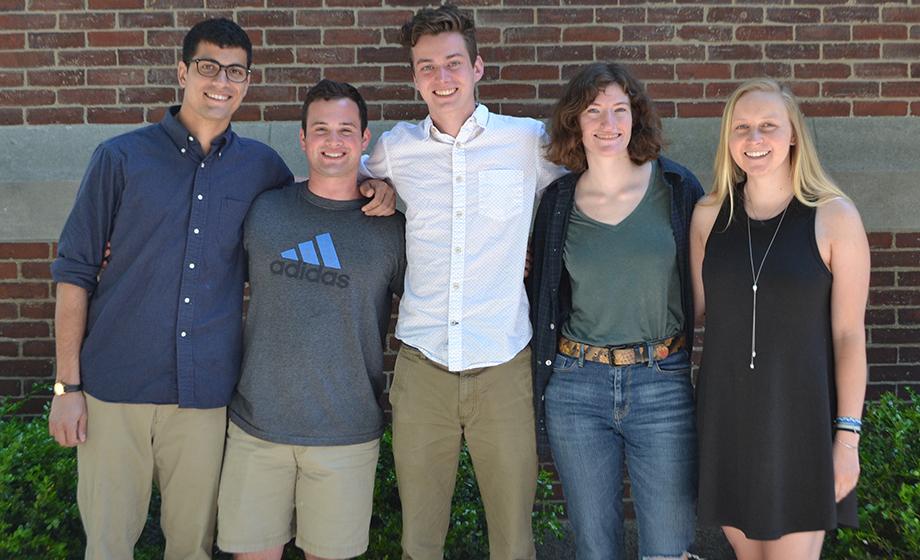
New crop of ‘HERO’ researchers to help protect Worcester’s trees
Five Clark University undergraduates recently joined a fight against a common enemy of tree lovers in Worcester and beyond: the Asian long-horned beetle. Imported to the United States via infested wood pallets from China and Korea in the 1980s, the invasive pest was discovered to have killed trees in New York City in 1996 and…
-
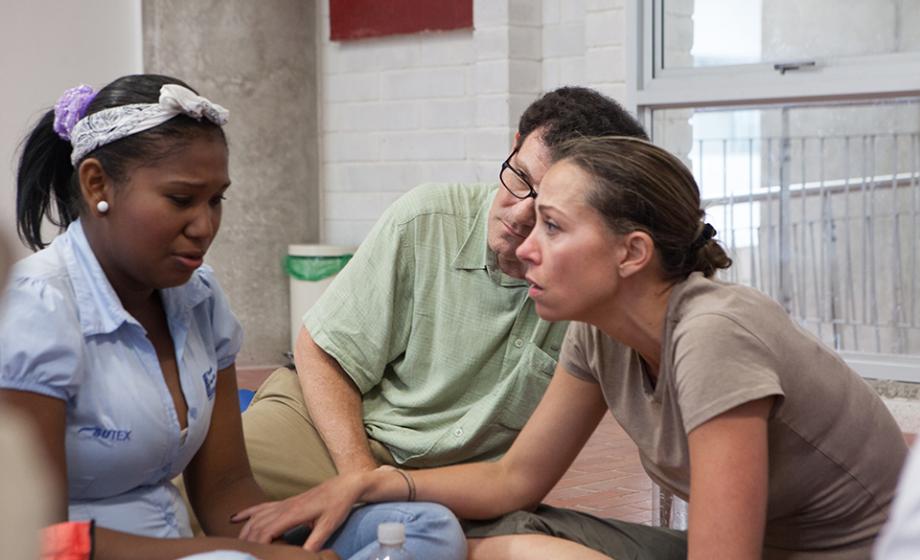
‘Here, I learned to value myself’
An excerpt from 'A Path Appears' by Pulitzer Prize-winning New York Times columnist Nicholas D. Kristof and Sheryl WuDunn
-
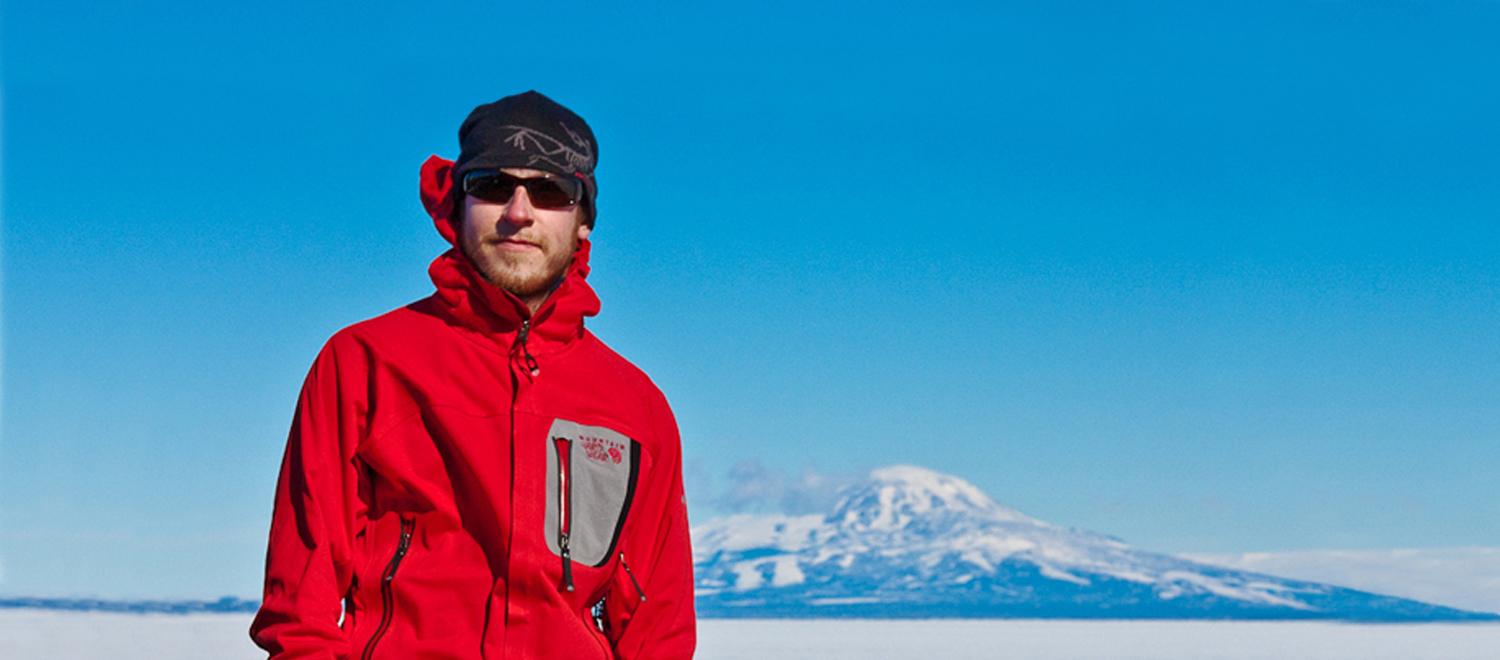
Antarctica or bust: Clark’s southernmost research
For almost a century, Clark scientists have traveled to the frozen continent to understand its impact
-
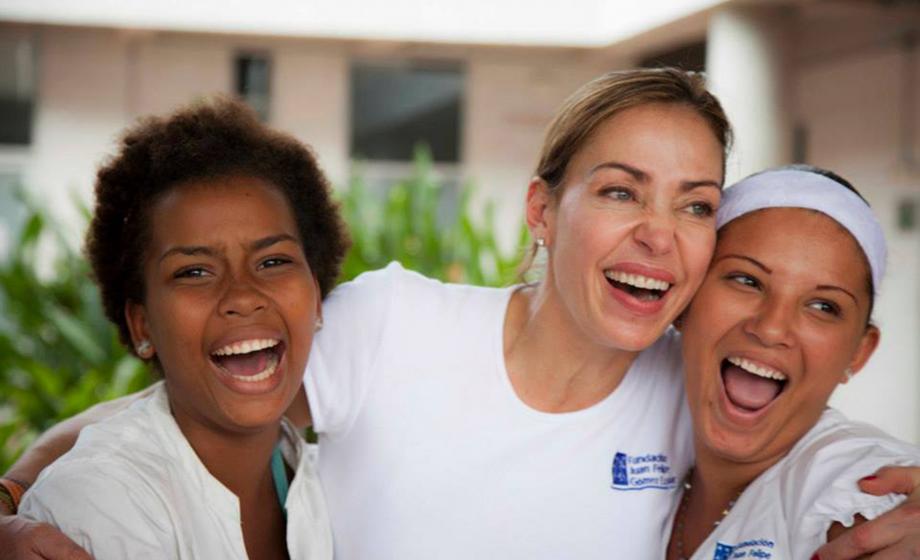
The Mother of Cartagena
Personal tragedy compelled Catalina Escobar ’93 to undertake her life’s mission: Saving the girls of Colombia
-
7 Continents, 1 Summer
In this series, we explore how Clarkies are making their mark on the world this summer
-
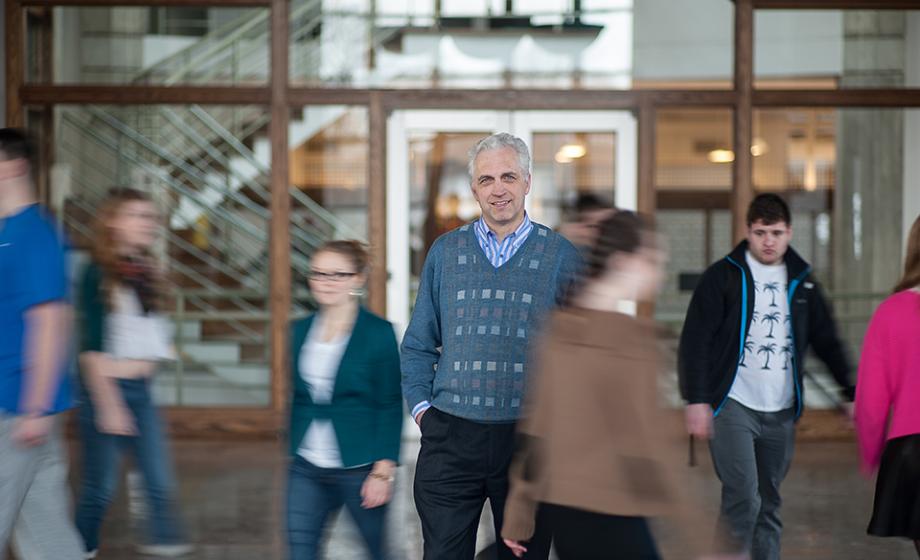
Fewer college grads emerging from parents’ homes, study says
You’ve graduated from college, you’re ready to take on the world and, according to new research, you may be doing so from your old bedroom at your parents’ house. A Pew Research Center analysis of 2014 U.S. Census Bureau data released last week found people ages 18 to 34 were more likely to be living in a parent’s…
-
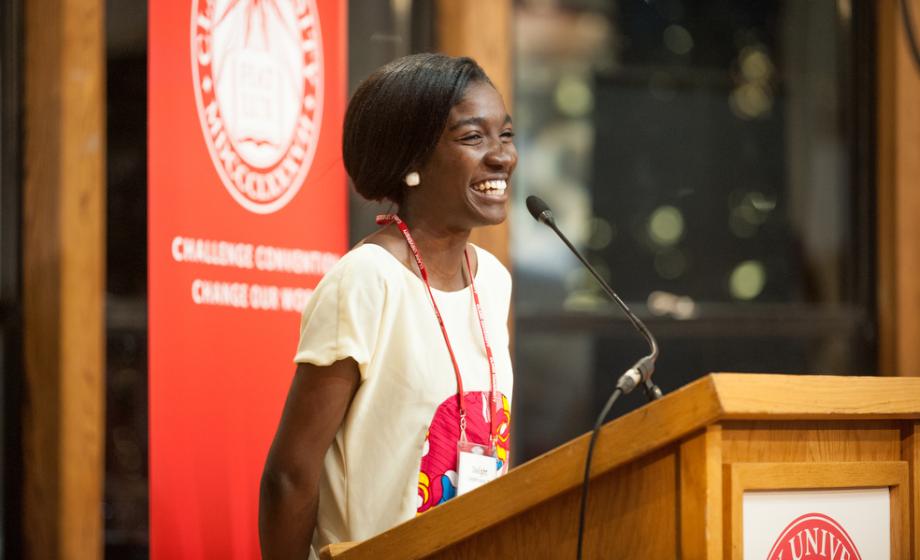
Clark is more than a motto, Gavor tells reunion audience
When she was considering Clark, Delight Gavor ’16 was skeptical that the University could live up to its motto, “Challenge Convention. Change Our World.” But her father wasn’t. “He said, ‘This is the place you should go,’” Gavor told the audience in her featured address at the May 20 Friday Night Dinner, a cornerstone of Reunion…
-
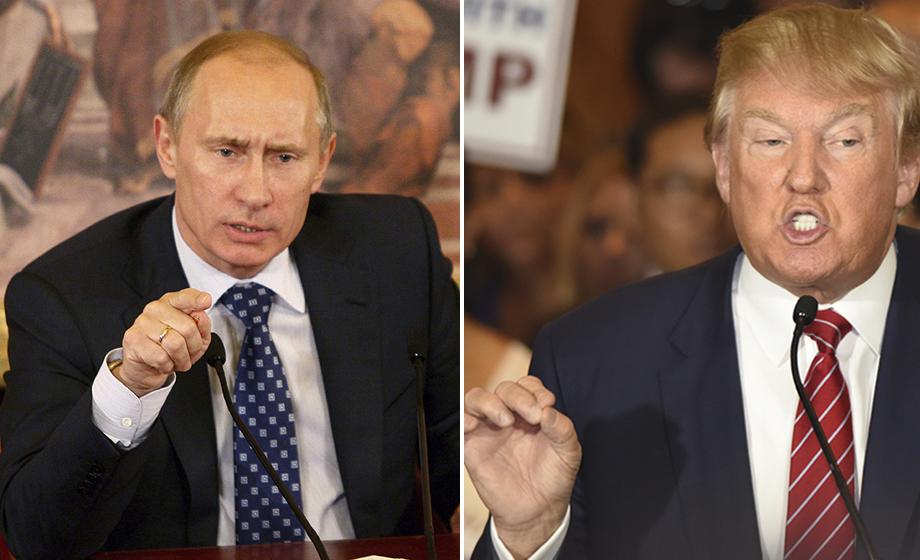
Trump’s bravado reminds professor of Putin’s tough talk
At least Donald Trump isn’t going shirtless … yet. But as The Boston Herald recently noted, “his mantra to ‘Make America Great Again’ steals a page from Russian President Vladimir Putin’s political playbook.” The newspaper turned to a Putin expert, Valerie Sperling, chair and professor of political science at Clark University, to comment on the bravado of the two politicians.…
-
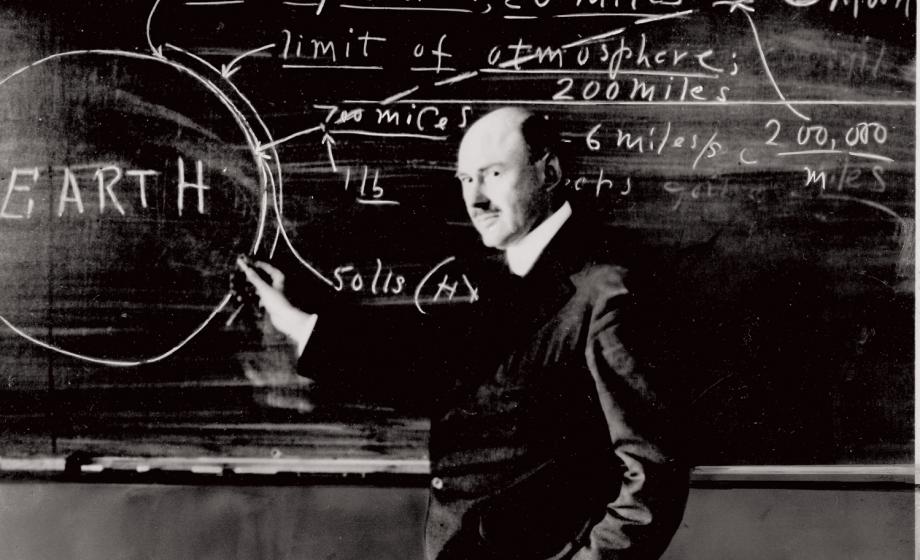
At NASA, Clark University library archivist shares insights on Goddard
Mott Linn, head of collection management at Clark University’s Robert H. Goddard Library, recently delivered a keynote talk on the “Father of Modern Rocketry” to an audience deeply attuned to the results of the late physicist’s groundbreaking research: NASA historians and archival employees. Linn spoke at the annual NASA History Program Review at the Goddard Space Flight Center (GSFC)…
-

Clark psychology researchers receive prestigious NCAA grant
Post-doc student Katie Lowe and Prof. Jeffrey Arnett help lead project promoting positive ‘sport parenting’ in college athletics