
Key partnership joins technology with mental health advocacy
“My son has schizophrenia.”
Gary Labovich ’81 has repeated those words many times over the past decade. To medical professionals and social services providers; to police officers and counselors. Even to himself, if only as a reminder that life has chosen an unexpected and challenging path for him and his family.
“David,” now 34, was the all-American kid. Captain of the football team, an accomplished musician, and brilliant in the classroom. He earned early acceptance to Williams College as a biology major, with a career in medicine on the horizon and a spot on the lacrosse team waiting.
But something was off.

At the end of high school and persisting through college, David’s behavior could be erratic. He tended to self-isolate, and even good friends struggled to connect with him. David did well academically at Williams, then after graduation moved to Southern California with some buddies to start a band.
In a new setting surrounded by unfamiliar people, his behaviors worsened into full-on psychosis. Friendships dissolved, and periods of homelessness followed. There were run-ins with the police and episodes marked by anger, sometimes violence — all that early promise darkened by moods and impulses beyond his understanding or control.
“Schizophrenia tends to impact young people who are quite accomplished and talented,” Gary Labovich says. His son, he notes, experienced anosognosia, a physical and neurological inability to recognize one’s own mental illness that is a common condition for those living with schizophrenia and one that can greatly hamper efforts to assist them.
Labovich recalls his and his wife’s years-long efforts to secure David the help he needed — navigating medical and government bureaucracies, the challenges posed by geographic distance (they’re based in the Washington, D.C., area), and the frustrating lack of resources available to people in the grip of debilitating mental illness and to the families and friends yearning to care for them. Finally, they managed to find a stable living situation for David; counseling and medication have allowed him the capacity to work a part-time job and function in the world, albeit restlessly.
The sum of this experience prompted Labovich to join the board of the Schizophrenia & Psychosis Action Alliance (S&PAA), a national organization dedicated to increasing awareness of, and promoting recovery from, serious mental illness through research, education and advocacy, and public policy. Labovich, a retired executive from the management consulting firm Booz Allen, brought to the board an acumen for business development and organization, as well as something that would prove unexpectedly fruitful: a love for Clark University, where Labovich is not only an alum but a former member and chair of the Board of Trustees.
Fueled by a gift from the Labovich family, and with Gary’s advocacy, S&PAA has entered into a rare partnership with Clark’s Becker School of Design & Technology to develop games that can help reduce loneliness, strengthen social connection, build empathy, and teach practical skills that support recovery.
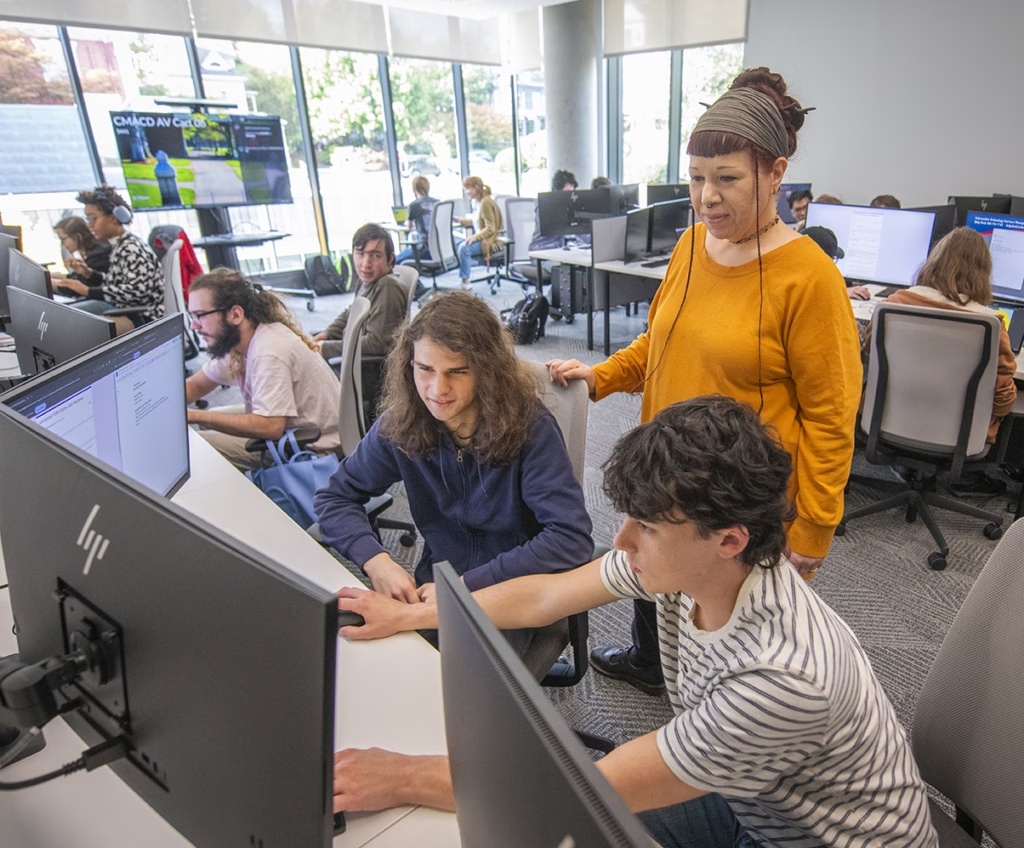
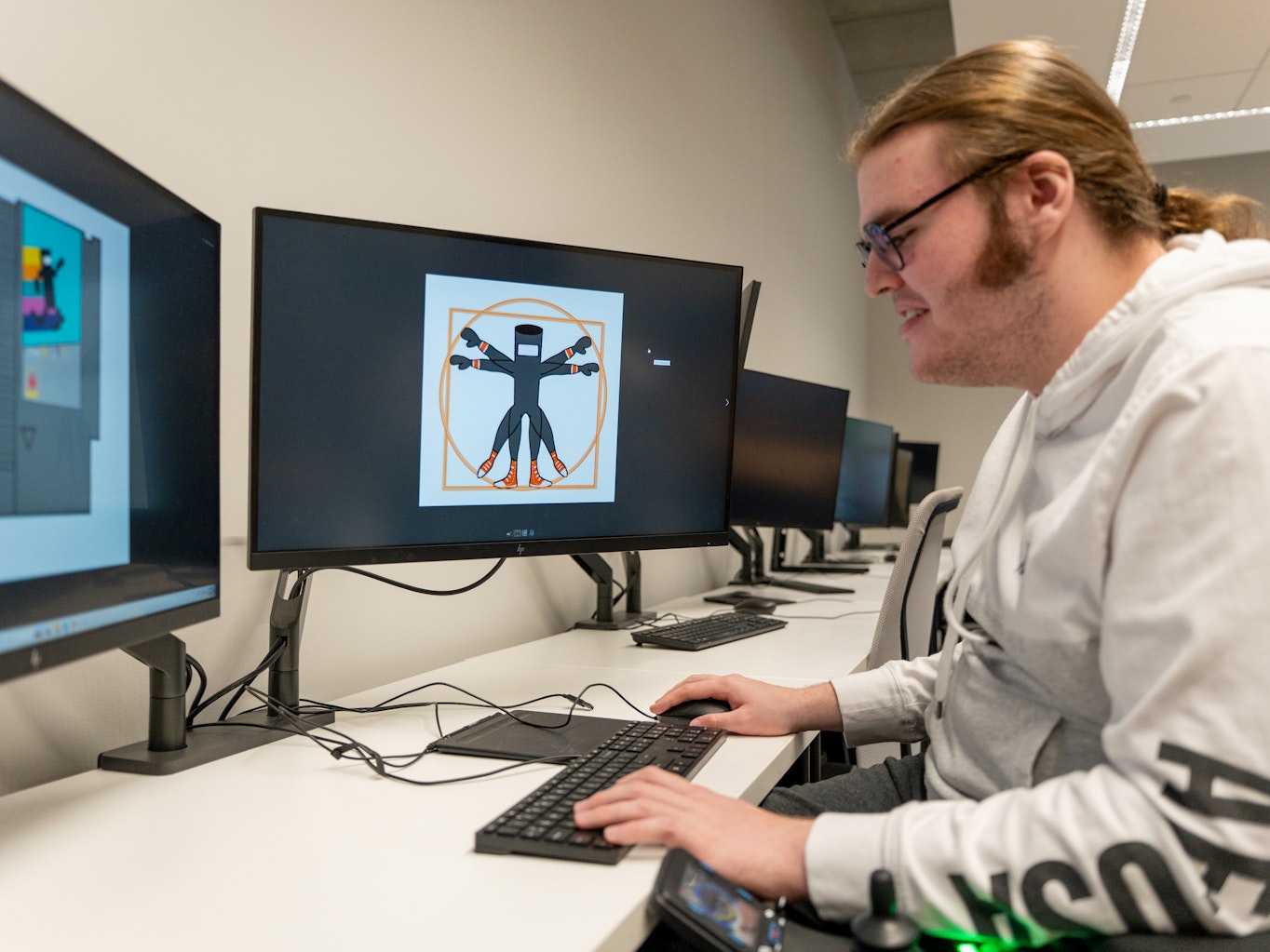
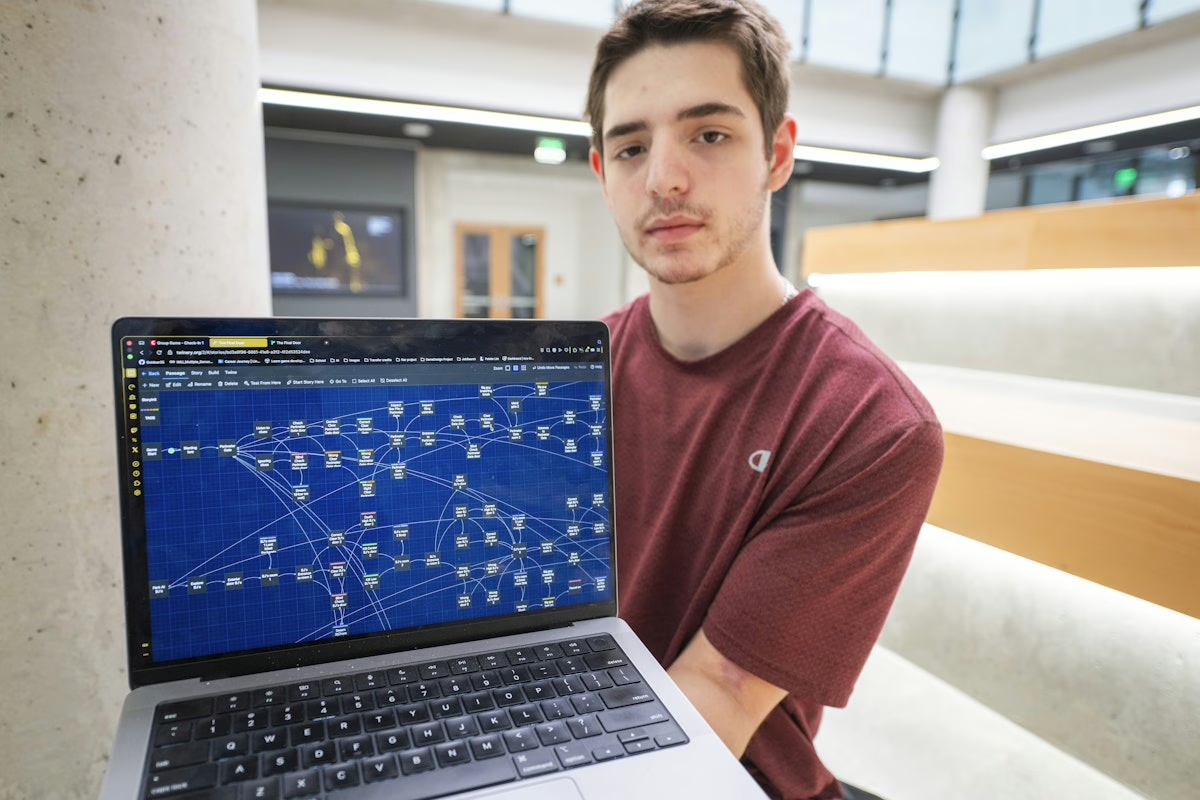
This past spring, about 80 students worked in teams to develop prototype gaming concepts aimed at reducing isolation and improving social connection for people living with schizophrenia and psychosis. Students worked directly with S&PAA professionals and people with lived experience to refine their ideas and test concepts.
The group’s signature initiative will be the Games Matter! Jamathon, to be held Sept. 26–27 at Clark’s Center for Media Arts, Computing, and Design. Over the course of two days, students, game designers, developers, caregivers, clinicians, researchers, mentors, and people living with mental illness will collaborate to create game concepts and digital tools that address real-world challenges faced by those who navigate life with psychosis and schizophrenia spectrum disorders. Participants will collaborate to create video, computer, board, and card games.
Gordon Lavigne, CEO of the Schizophrenia & Psychosis Action Alliance, notes that his organization “tries to connect the dots between treatment, survival, and recovery.” Symptoms of severe mental illness commonly occur during adolescence and young adulthood but can go unrecognized during these periods of significant emotional and social growth and disruption, he says. “We know that if we don’t lean in and pursue challenging transformational initiatives, no one will.”
Lavigne was inspired to pursue the partnership with Becker after reading a Clark news story about the school’s Games for Good Conference, held last November. The conference brought together game designers, researchers, students, and faculty to talk about the development of “serious games,” which are designed to promote social impact and support education, training, or health outcomes. “I was so excited by this work,” Lavigne says. “It just seemed to connect aspirationally with what we were trying to do—not only through games but across the college landscape.”
Last spring, Krissa Rouse, S&PAA’s director of programs and community engagement, spoke to Becker students in a Serious Games class about the organization’s mission and the formation of the partnership. A licensed clinical professional counselor, Rouse unpacked for students the realities of living with psychosis and schizophrenia spectrum conditions, explaining that affected individuals typically are “highly intelligent, highly creative, highly capable, funny, and compassionate.”
“The best part of my clinical work is helping brilliant young people understand that their life is not over, and that they can still rely on their brain with the right level of treatment, support, education, self-care, and stress management,” Rouse says. “Their brain is still magnificent. They can still dream and achieve.”
Games can be one way to establish pathways for social connection and become tools for empathy, Rouse says. The partnership also will involve an annual symposium and classes that will bring in experts to explore issues surrounding serious mental illness. The goal is to develop and promote strategies and tools that adolescents and young adults can harness early on “so that we may be able to prevent someone from crossing the threshold into experiencing psychosis. Colleges and universities are the place where this kind of education should be happening.”
At the Becker School, the Serious Games course involves three case studies in which students ideate and develop games with organizational partners, says Professor Terrasa Ulm, chair of the Becker School. Those prototypes may be further refined through Game Studio courses that provide a unique, hands-on development environment, culminating in a production-ready game.
“Partners are very back-and-forth with us in a really great, cooperative way,” Ulm says. “It’s nice because we’re actively collaborating on each piece of it. The community’s involvement is so important because they need to be the ones informing this process.
“The Game Studio’s specific purpose is to produce games. So our goal is to get it in there and make something.”
This fall, representatives from the S&PAA are part of an FYI course developed and taught by Ulm and Becker Dean Paul Cotnoir to introduce an additional 24 first-year Clark students to the principles and practices of working with content experts to create serious games with socially relevant purpose. The learning that emerges from the Jamathon and academic initiatives will be shared with students.
“This partnership with S&PAA reinforces the Becker School’s commitment to being at the forefront of thinking about not only how games are made, but why we make them and the impact they can have,” Cotnoir says. “By bringing game designers together with mental health professionals and people with lived experience, we are exploring how the game-development process itself can become a vehicle for positive social impact. This work around social isolation, human connection, and mental health is a powerful example of the kind of thought leadership we want BSDT and Clark to bring to the future of games.”
Gary Labovich sees tremendous opportunities as Clark-driven technology merges with mental health advocacy to offer coping strategies, treatment options, and hope.
“I would love to see Clark leading a consortium of schools that are developing gaming tools and other technologies to support people with schizophrenia and psychosis; and our students will be on the front line,” Labovich says. “This is what college is and should be.”