‘No one’s going to tell you exactly what to do next. But you will always have the ability to choose’
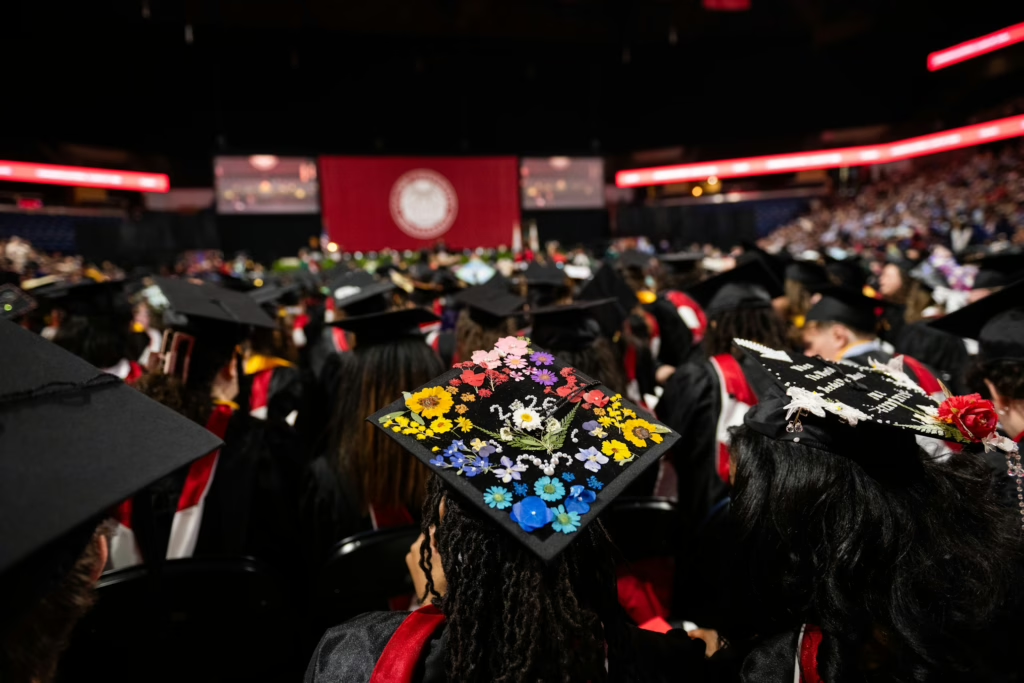
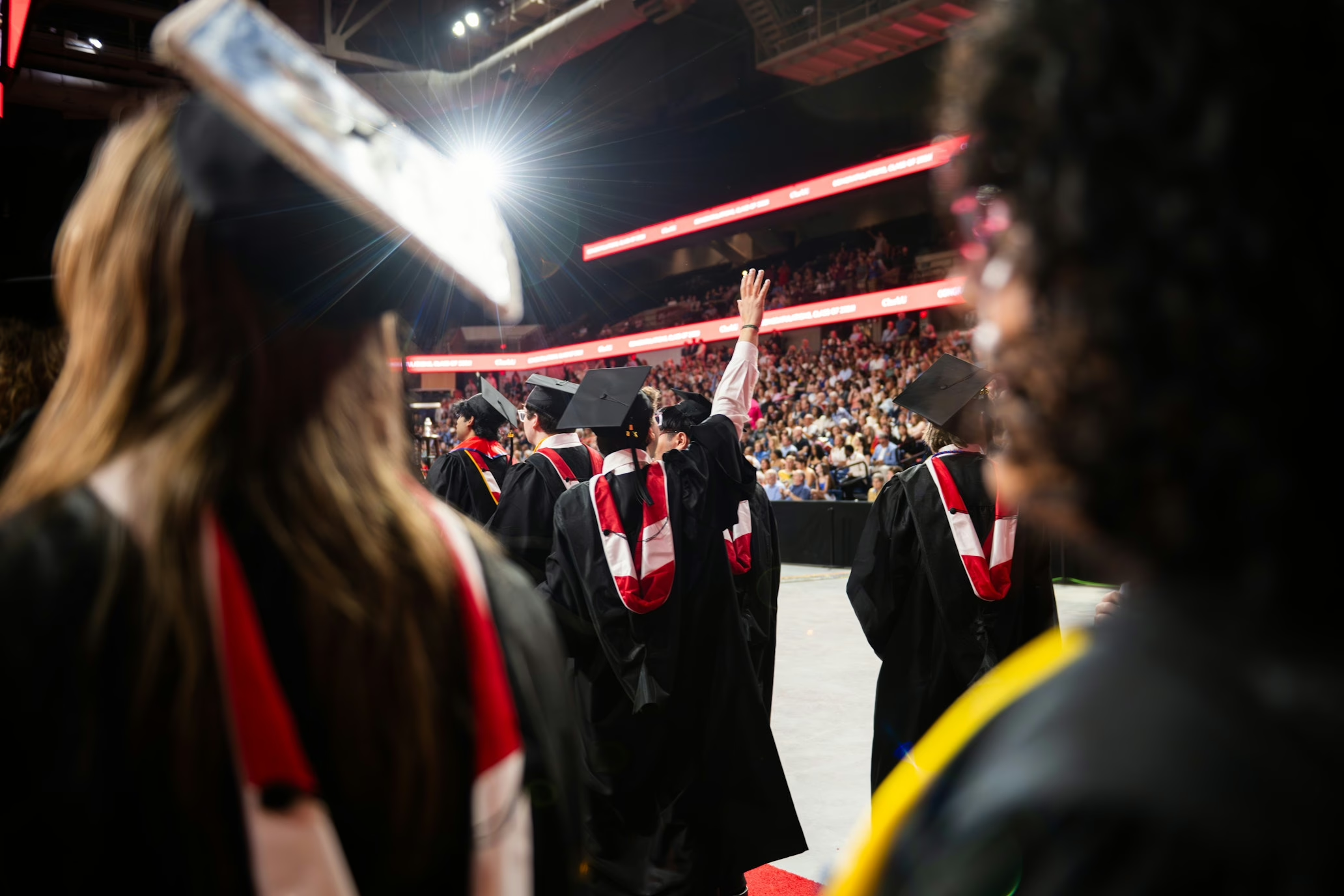
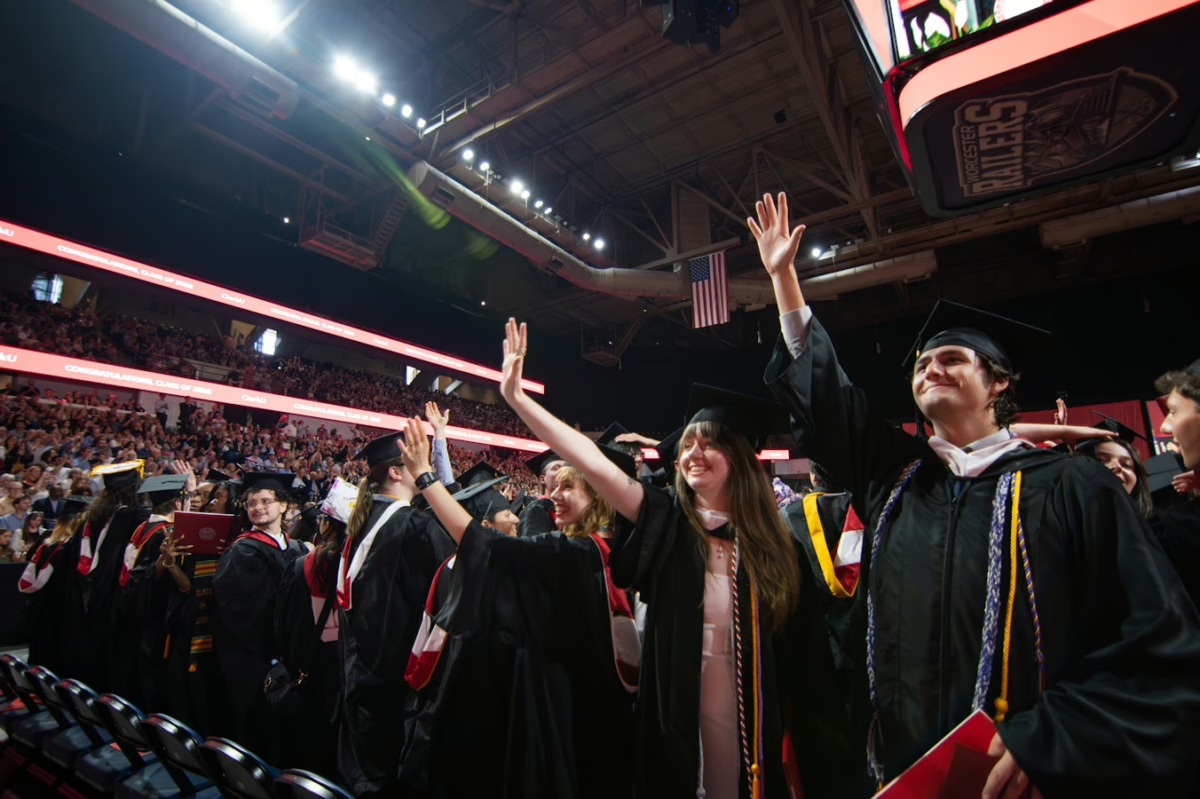
Clark University conferred 612 undergraduate degrees to the Class of 2026.
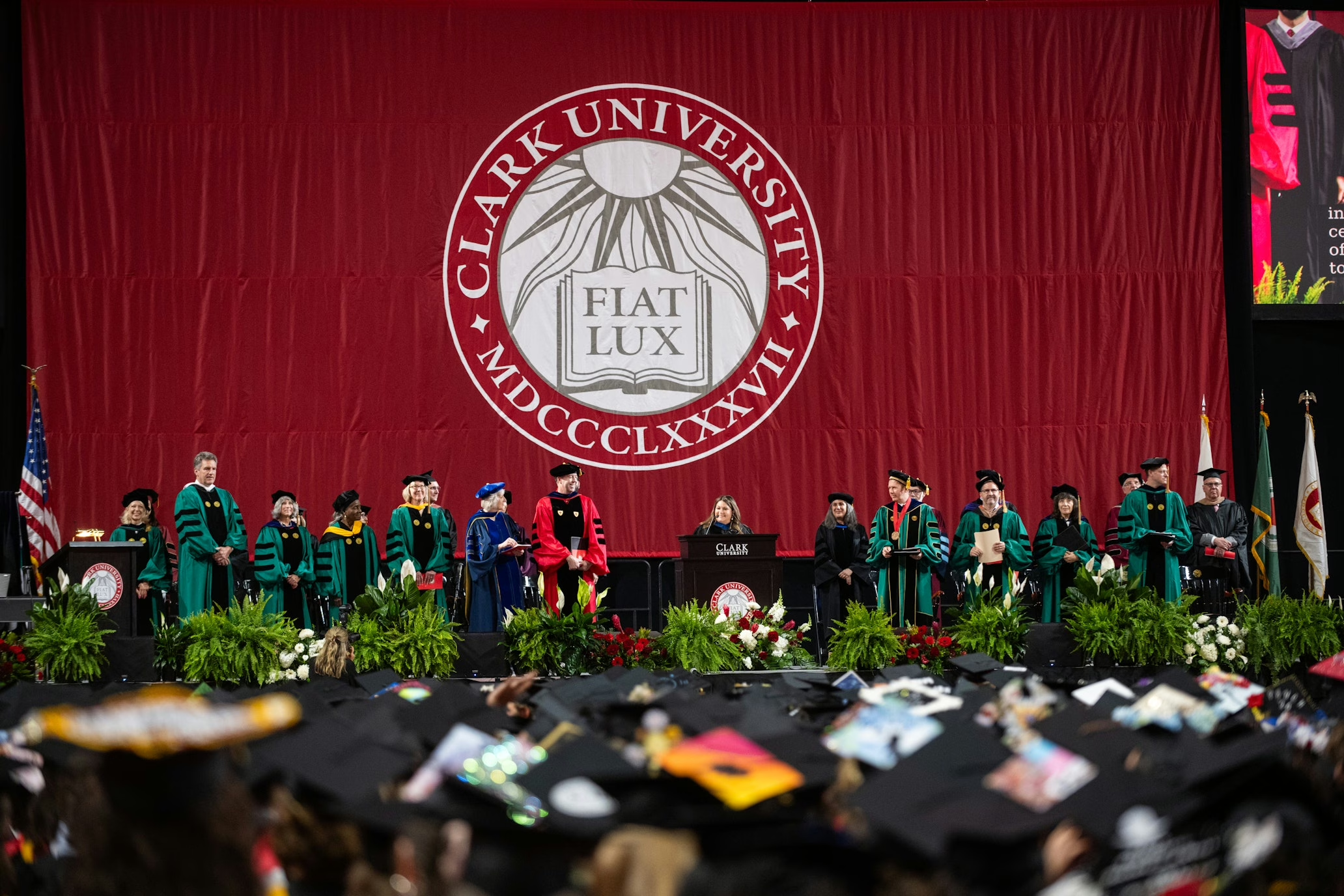
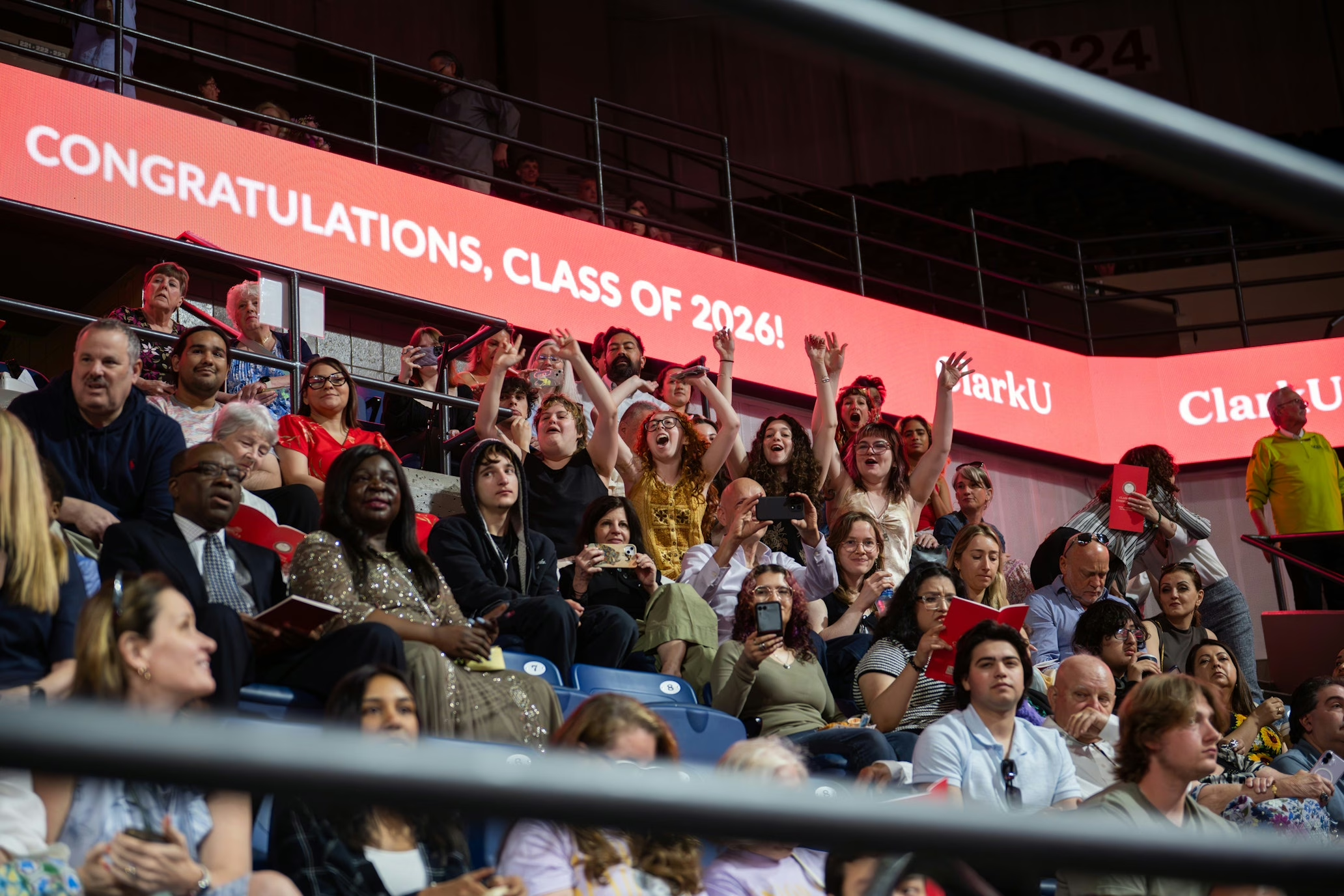
President David B. Fithian ’87 encouraged graduates gathered at the DCU Center in downtown Worcester with family and loved ones to reflect upon their growth and applaud their achievements.
“When you began at Clark, I urged you to be as engaged as possible during your time here. I urged you to take an active role in shaping your education. I urged you to think of yourself not just as a student but also a teacher yourself — sharing your own life experiences, perspectives, and ideas with others, and learning just as much from them in return,” he said.
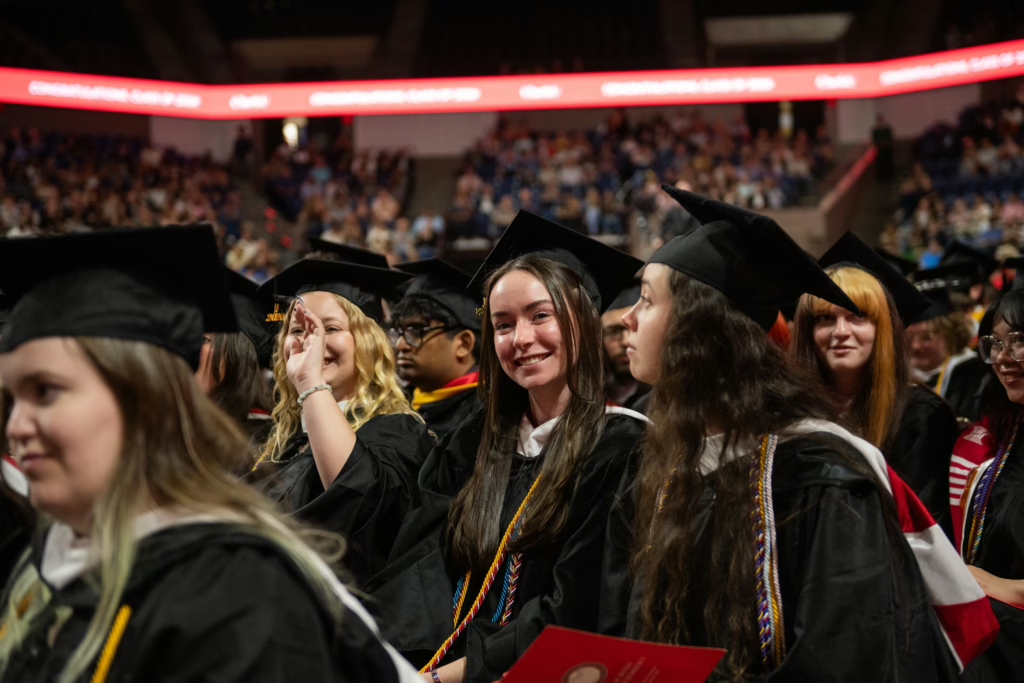
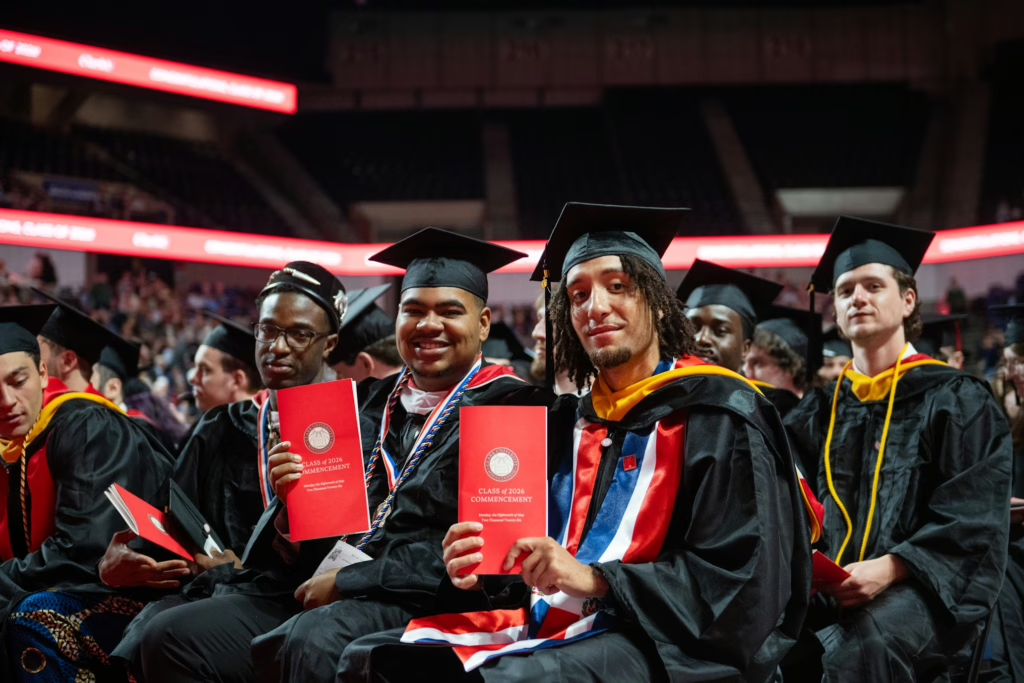
“I’m going to give you some of the same encouragement today. The world needs you to be engaged. The world needs you to take an active role in citizenship. The world needs you to exhibit the value of higher education, to exercise principles of free expression, to believe in the progress of ideas, and to defend democracy and individual rights — even, and especially, when doing so requires listening across deep differences.”
In a separate ceremony later in the day, the University conferred 636 advanced graduate degrees.
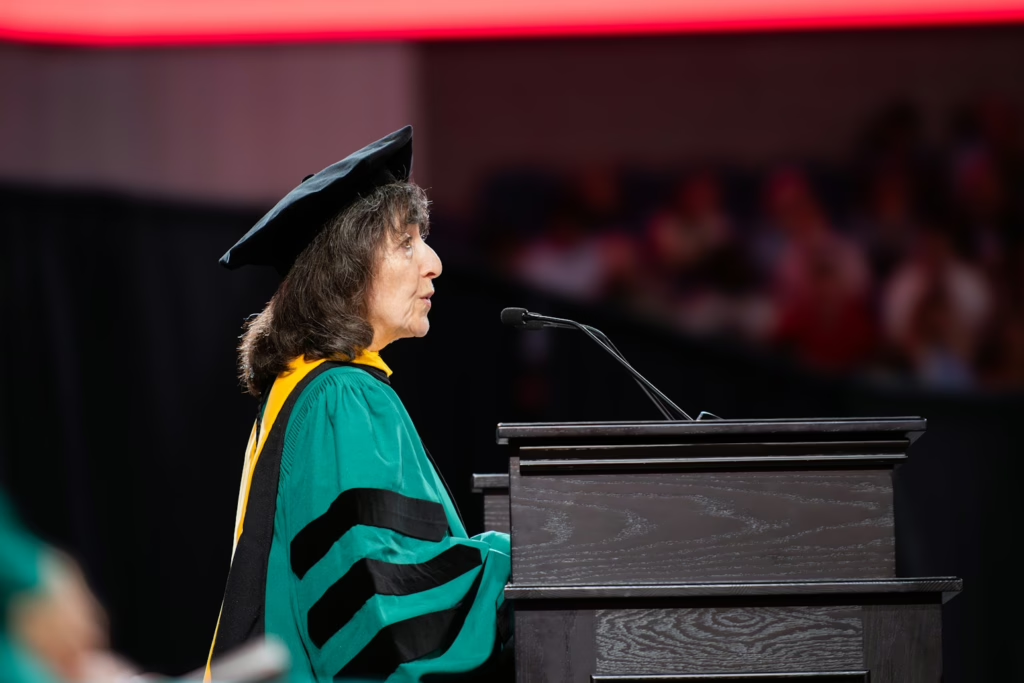
Wendy L. Freedman, one of the world’s most accomplished astrophysicists and the John and Marion Sullivan University Professor of Astronomy and Astrophysics at the University of Chicago, delivered the commencement address, encouraging graduates to remember the importance of perseverance.
“In my own life, I found that one of the most important lessons I learned was how to move forward in the face of uncertainty. Most people see only the final stage of achievement — the published paper, the profitable company, the accomplished career, the ‘overnight’ success,” she said.
“What they rarely see are the setbacks. The rejected manuscripts, the experiments that failed, the applications that were declined, moments of self-doubt. We need to recognize that these experiences are not evidence of failure. Rather, they are evidence that you are attempting something difficult!”
Early in her career, Freedman told the graduates, her research arrived at a conclusion different than the accepted view of those in her field. She carried on despite opposition. Freedman noted that Clark physicist Robert H. Goddard, who 100 years ago launched the world’s first liquid fuel rocket, an advancement that helped pave the way for man to reach the moon, faced similar skepticism. After experiencing multiple failures and widespread derision, Goddard in 1926 launched his rocket, which traveled 2.5 minutes, rose 41 feet into the air, and landed in a cabbage patch.
“From a cabbage field to lunar and even farther missions,” said Freedman, “it is an important reminder of the power of persistence.”
Roy DiNicola ’90, chair of the Board of Trustees, told graduates that Clark’s blend of research and liberal arts education has prepared them to use rapidly evolving technology, particularly artificial intelligence.
“In my work in finance, in my work with Clark, even around the dinner table, the same questions surface: what will AI change? What will it mean for how we live and work? Many of you may be asking similar questions as you look ahead. And at times, the answers can feel uncertain — even intimidating,” he said. “There is a temptation to focus on what AI might do better than humans can. But more useful questions include: What can you do that AI cannot? And how can you harness its power to maximize your impact?”
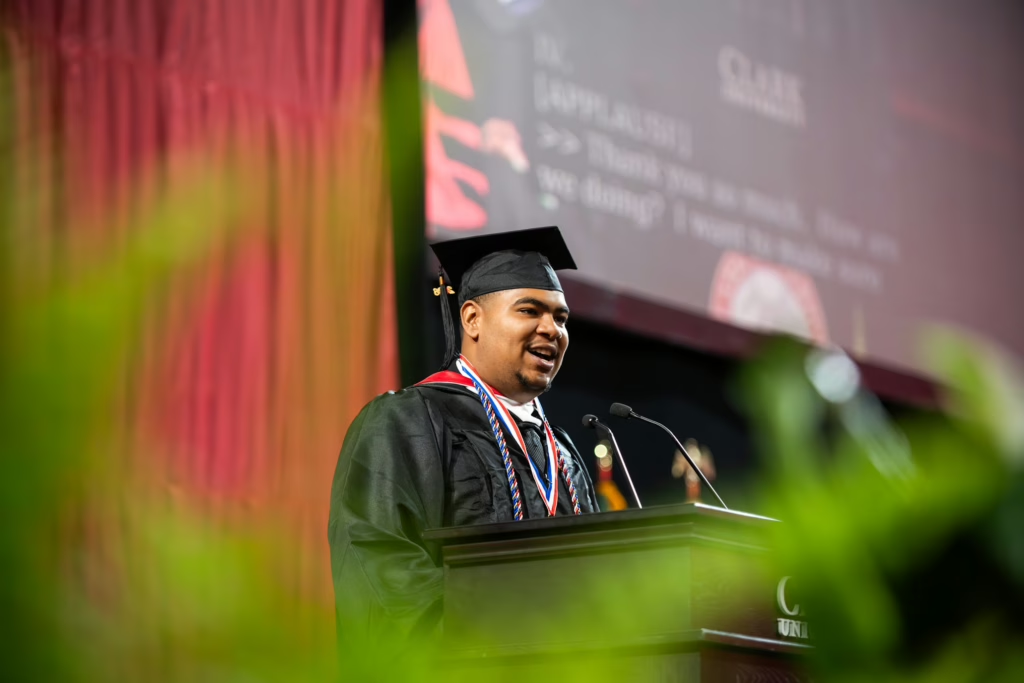
Student speaker William Stafford ’26, a political science major and aspiring lawyer, spoke to his peers about how choices shape a person.
“We don’t always get to choose our circumstances, but we always get to choose how we respond to them, and who we become because of them,” said Stafford, who, during his time on campus, served as a resident assistant and on Student Council, and was a program assistant in the Student Leadership, Identity, and Community Engagement office, where he co-founded and co-facilitated the Men of Color Alliance group.
“Class of 2026, we are not the same people we were when we first arrived here. We’ve grown. We’ve struggled. We’ve succeeded. And through it all, we’ve been shaped by the choices we’ve made,” said Stafford. “And now, we’re about to step into a world that won’t always give us clear directions. There won’t always be a syllabus. No one’s going to tell you exactly what to do next. But you will always have the ability to choose.”
Fithian closed the ceremony by congratulating Clark’s newest alumni.
“Each of you arrived at Clark by a different path, but today, you leave here united in one enduring way. You are now graduates of Clark University, and it is my great honor to welcome you into the brilliant company of Clark alumni,” he said. “Fiat Lux! Let the light of Clark long illuminate your path.”