Clarkies explore art and architecture of the Mediterranean during Leir Program’s 2025 study abroad class
A group of Clark students spent a month soaking in sights of the Mediterranean, as the Leir Program study abroad class visited Spain and Turkey to study the region’s geography and topography, urban environments, and cultural heritage.
From May 19 to June 16, students traveled alongside Naomi Pitamber, visual and performing arts professor and art historian, and Sarah Lopolito, associate dean and director of the Office of Global Engagement. With visits to Madrid, Istanbul, the Strait of Gibraltar, and more, the course, titled Medieval Mediterranean Cities, Urban Environments, and Cultural Heritage, immersed students in the art, archaeological, and architectural history of the area, which is where Pitamber conducts most of her research and fieldwork.
Walking tours, readings, and presentations helped the Clark students learn about the area’s heritage and history through a contemporary lens. Following are reflections from the students’ blogs, which can be read in their entirety on the Leir Program website.
Jemma Salisbury from the Museo del Prado, the Royal Theater, and the Royal Palace of Madrid
“All of these landmarks represent something unique about European cities, Madrid in particular, which is the incorporation of history into modern life; all of these historic streets and buildings are maintained for the public, hosting modern clothing stores and grocers in centuries-old architectural masterpieces. It was truly a magical thing to experience.
“After experiencing Madrid today, I have so many more questions about the city. How do Madrid’s citizens experience the interaction between Hapsburg and Bourbon architecture? How does the layout of the city — historical buildings interspersed with evidence of modern-day life — contribute to Madrid’s continuing urban identity, projected and perceived? Lastly, how does having access to these historic buildings and neighborhoods change a resident’s relation or connection to their geographical and societal past?”
Grace Bramer from Spain
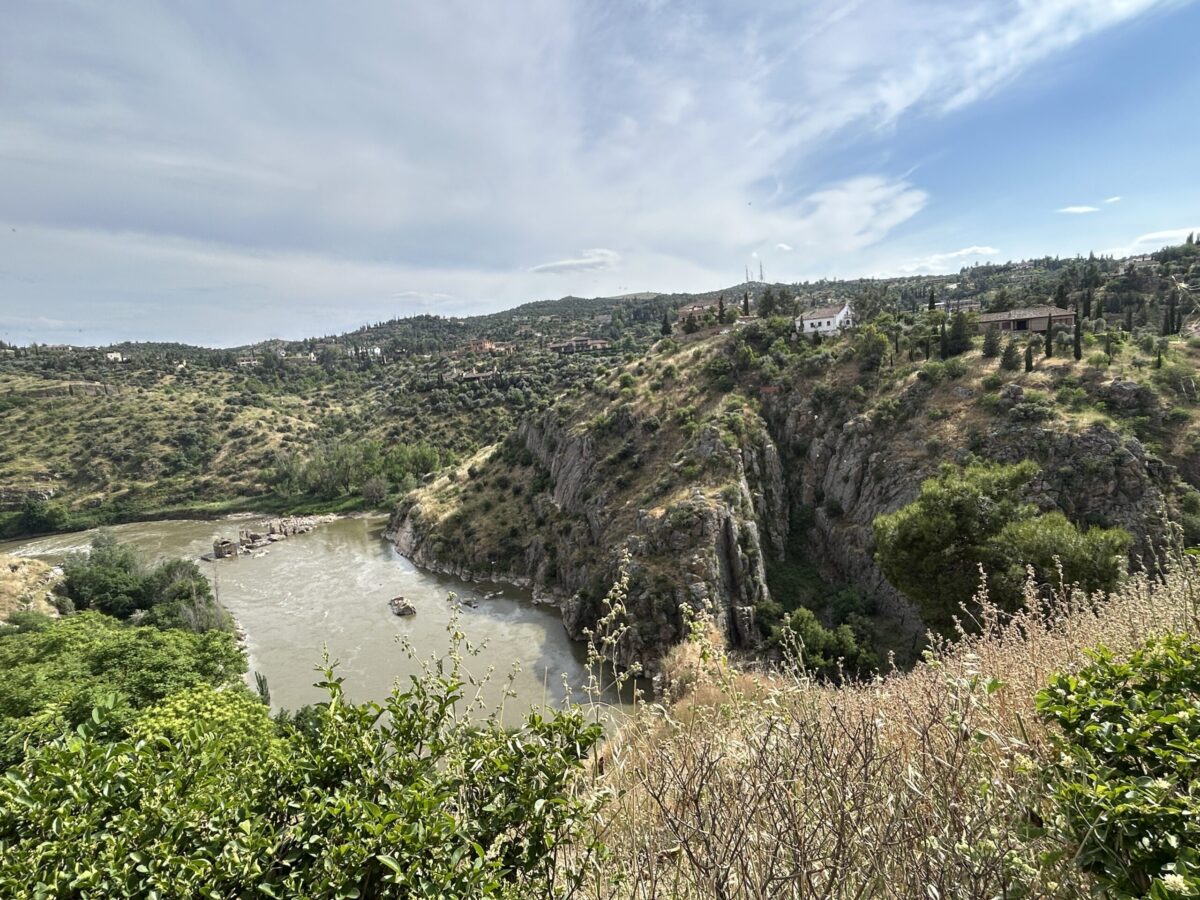
“One of my favorite things to do is look out of a window. The Spanish countryside was quite green, and I thought it was interesting how quickly out of Madrid the landscape became rural. There were some crops that I didn’t recognize but after consulting my beloved Google.com, I learned they were olive trees. There were fields and fields of them, and I was glad to know what they were.”
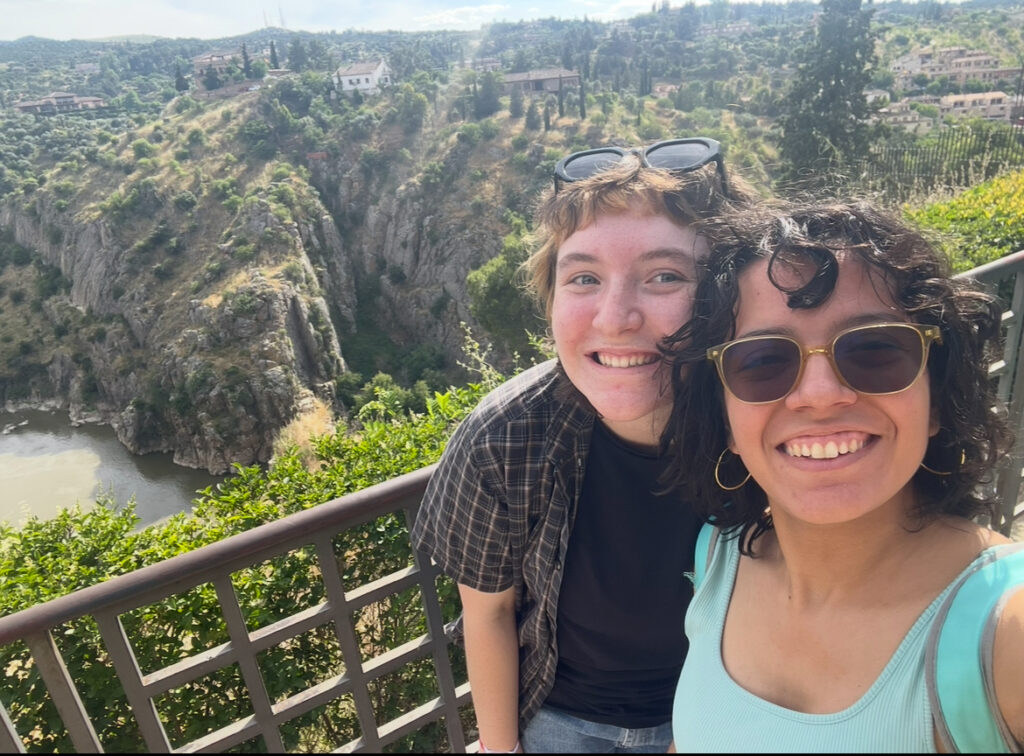
Kacie Lennon on traveling south from Madrid to Sevilla, with a visit to the Royal Alcázar of Sevilla
“The Alcázar is a remarkable example of Mudéjar architecture, a style that blends Islamic art with Gothic and Christian traditions. The intricate tilework and horseshoe arches all reflected centuries of multicultural craftsmanship. Wandering the palace’s sprawling gardens — filled with citrus trees, fountains, and even a few strutting peacocks—felt like stepping into another era. The gardens were constructed alongside the palace but were expanded and enhanced after the Castilian conquest in 1492, demonstrating how the palace evolved with each ruling dynasty.”
Gabby de Leon from a flamenco show
“Before it started, one of the performers explained that it would be fully improvised. There was a guitarist, singer, and two dancers who performed in different combinations and were all extremely moving and talented. I had tears in my eyes! I noticed a lot of similarities to Mexico’s Ballet Folklórico and other Latin American dances that were no doubt influenced by Spanish flamenco.”
Sophie Mowbray from Cadiz
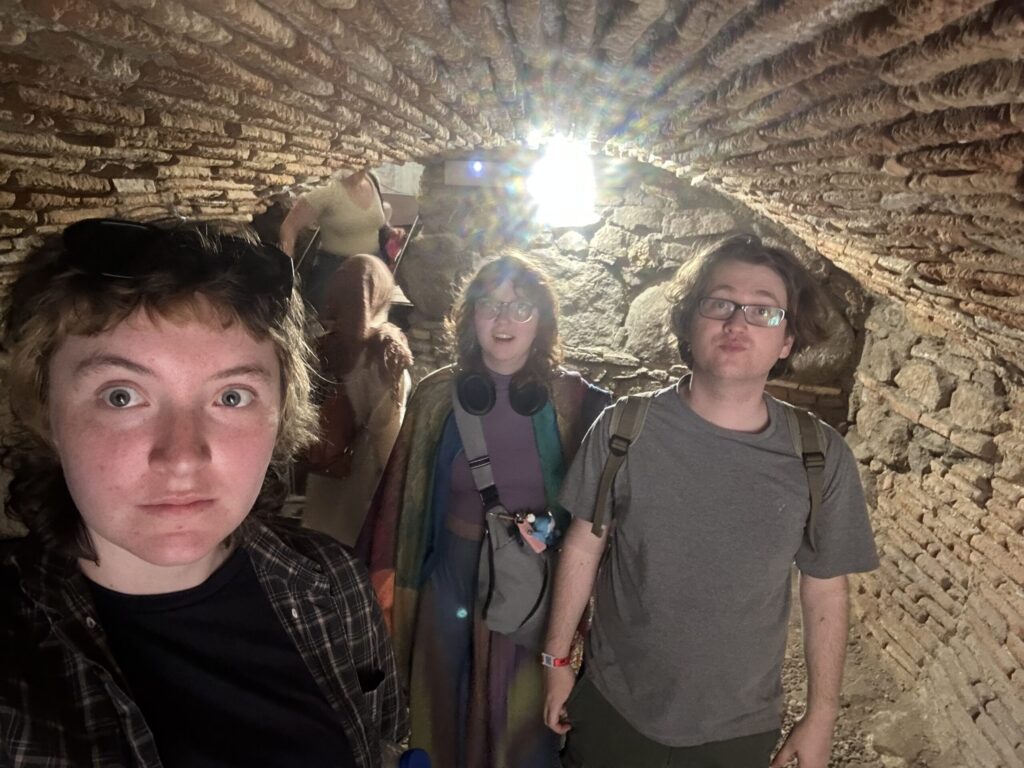
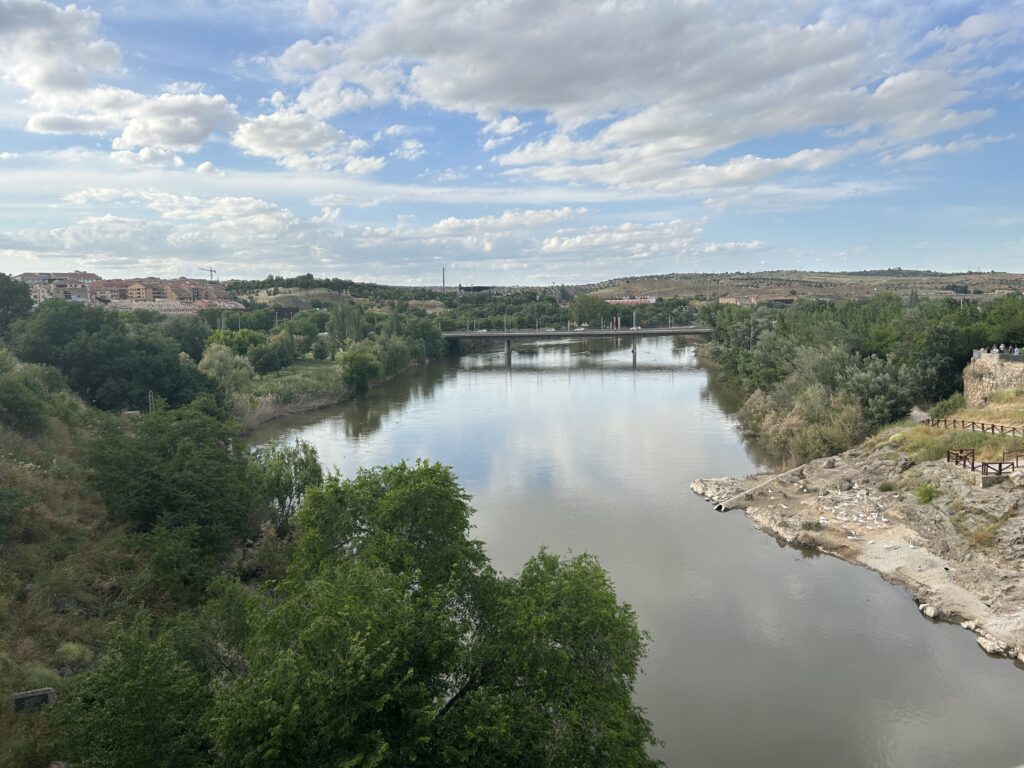
“Cadiz has a history of being a large financial center, but only because the House of Trade moved there [since] travel into Sevilla was limited due to sand rising in the river. That very morning, we had taken a trip from Sevilla to Cadiz via train! Having seen both cities that were once financial centers allowed us to reflect on how they both thrived in different ways. It also allowed us to reflect more on how geography of a city affects its history, and how this history affects the architecture.”
Carson Dobos from the Grand Bazaar in Turkey
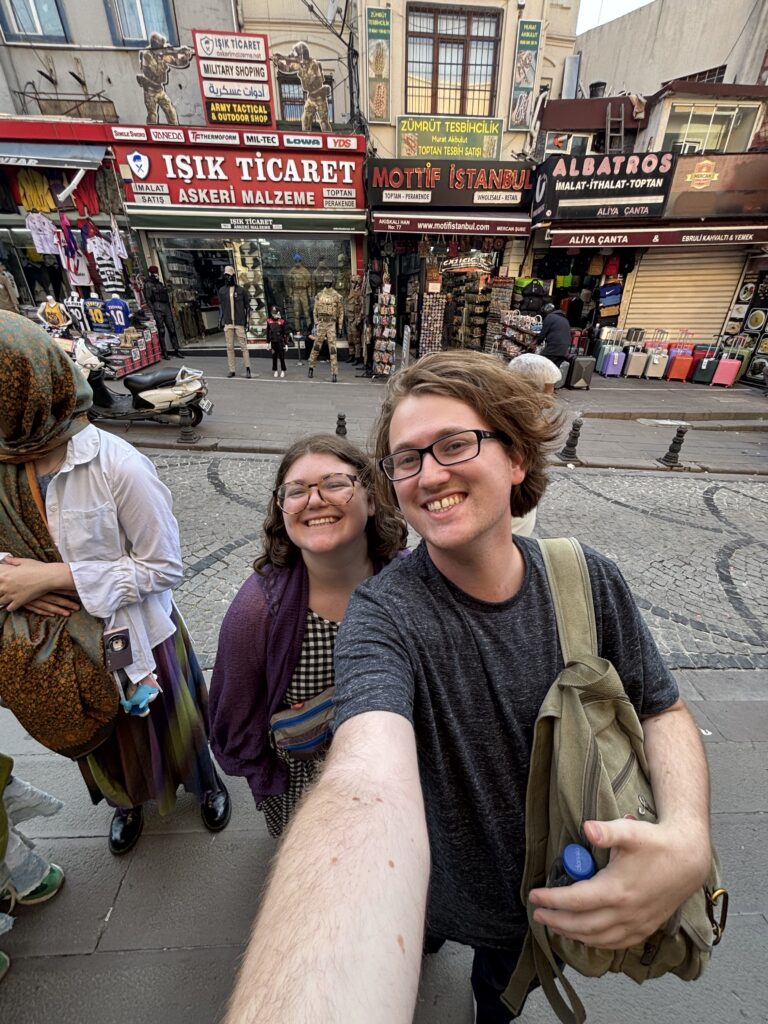
“The bazaar was exciting and overwhelming — I’ve never seen so many people in one place. Many shop owners would smoke outside of their shops and shout sales pitches at the passersby. None of the prices are posted, so it is essential to haggle in order to get the best price you can. Nobody bought anything inside the bazaar, but we found a nice scarf shop just outside the bazaar, and several people bought headscarves. We then made our way to the Egyptian Bazaar, Mısır Çarşısı. This bazaar is the second most famous one after the Grand Bazaar and is known for selling spices, sweets, and dried fruit. Nobody bought anything here either, but it was a wonderful experience to see and was less crowded and chaotic than the Grand Bazaar.”
Ana Ruggieri from the Aqueduct of Valens
“I was so intrigued to learn more about the first Roman-era aqueduct I had ever seen. Built in the 4th century during the reign of Emperor Valens, this historic water system rose to 96 feet high and was about 1 kilometer long originally. Under the Byzantine rule, the aqueduct transported around 16 million gallons per day to the city from springs outside the city. It spanned from the hills of Fatih and the Third Hill and was extended under the Ottoman sultans, including Suleiman the Magnificent. Currently, about 921 meters remain of the Aqueduct, and it can be seen as a bridge-like structure, with arches that now separate lanes of traffic.”
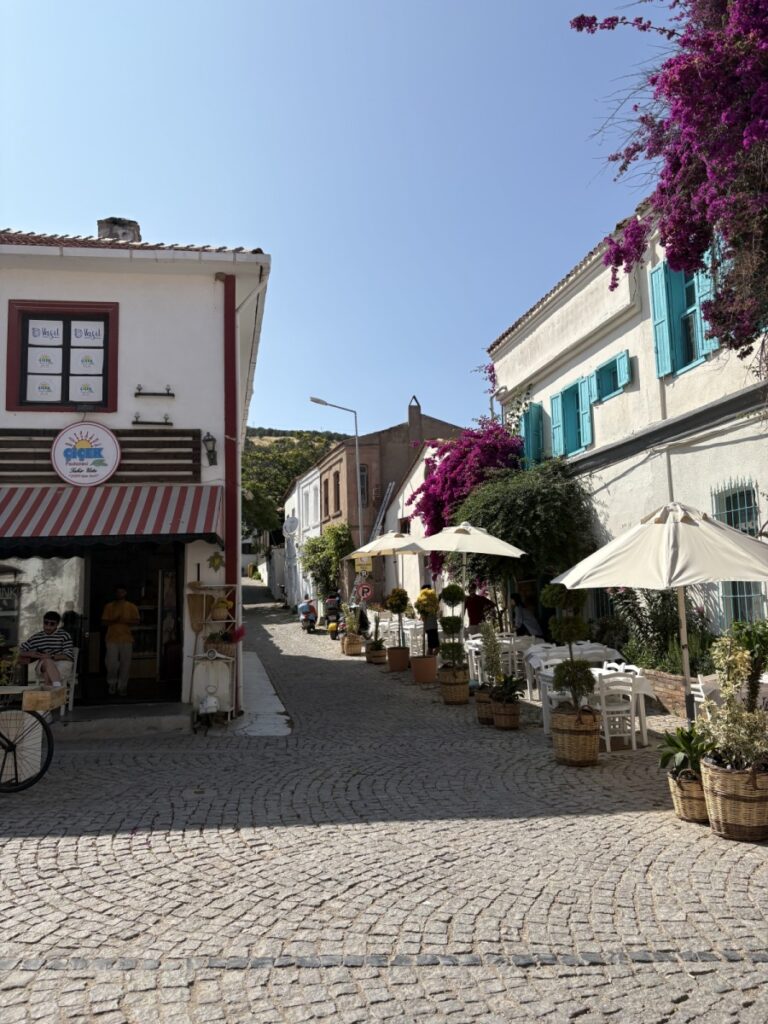
Sydney Lyons on the journey to Bozcaada, a small island in the Aegean Sea
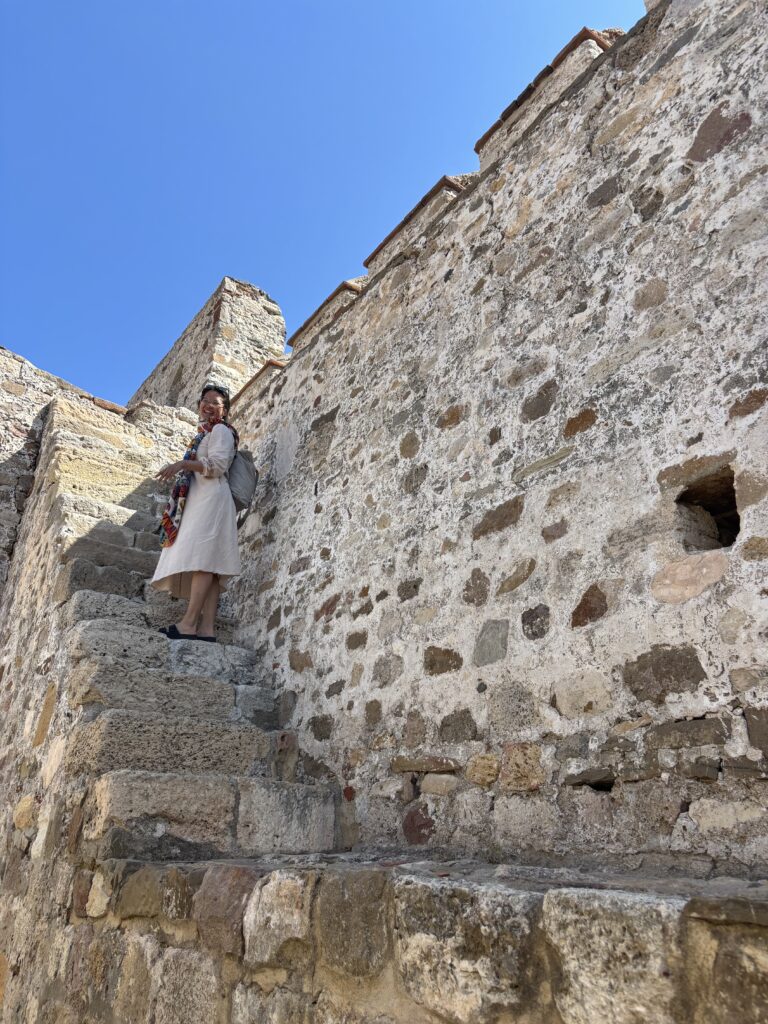
“Paulina and I were feeling adventurous, so we decided to hike up the large hill … From the top, we were able to look down on the entire town and have an unobstructed view of the mainland. It is clear why this island was used as a base for the Greek naval fleet during the Trojan War. Most people know the story of the Trojan Horse, but you may not know that the fleet was hidden on this very island until the Greek soldiers inside the horse were able to initiate the siege of the city. Based on Turkey’s tumultuous relationship with claiming some aspects of European history as its own, I am curious about the extent to which these facts have been readily presented to the public. Regardless of the answer, it is truly a dream to be staying here, and I cannot wait to see what the coming days bring.”
Paulina Allen from the end of their visit to Turkey
“Tonight was our last night all together because tomorrow we start our journey to our separate hotels and airports. To celebrate, we all gathered in Professor Pitamber’s room to enjoy some pizza and to watch the movie, Troy! We had lots of fun pointing out the inaccuracies of the film after seeing the real site of Troy earlier in the week.
We gave Professor Pitamber a little thank-you gift for all she has done for us on this trip. It is a little mug with an Ionic column capital on it. Perfect for an architectural historian!”