
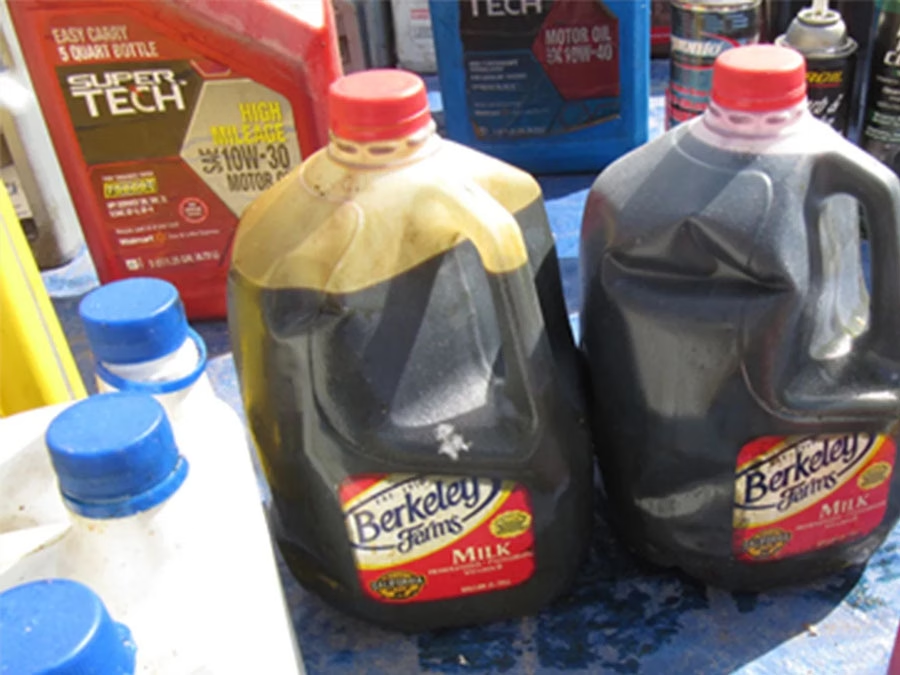
Chemical waste is considered hazardous waste if it is either listed as such, or if it exhibits one or more of the following hazardous characteristics: ignitable, corrosive, reactive or toxic.
Ignitable waste
Any waste with a flash point is less than 140°F.
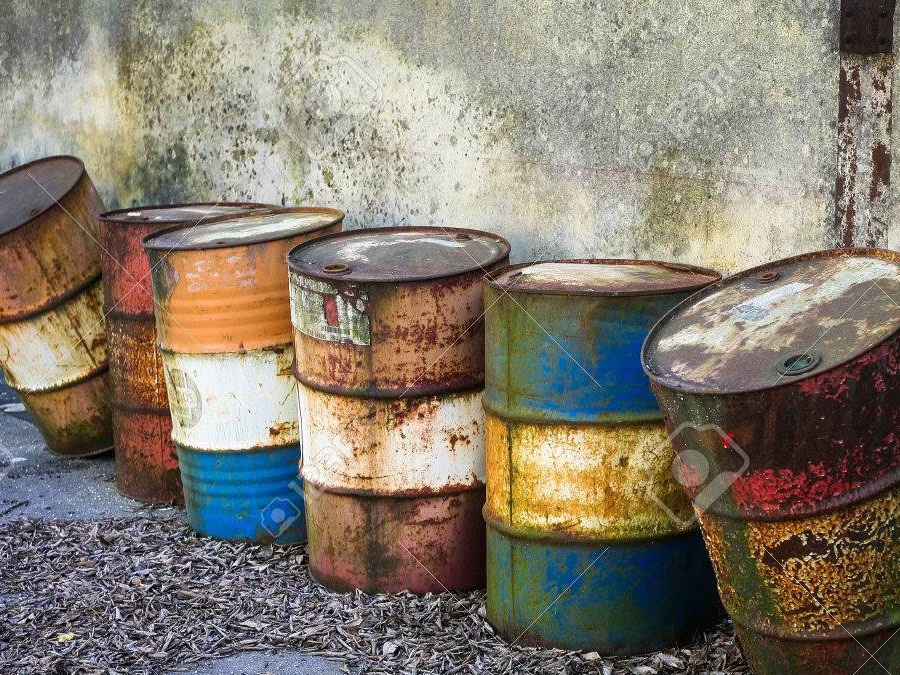
Corrosive waste
Any waste with a pH lower than 2.0 or greater than 12.5.
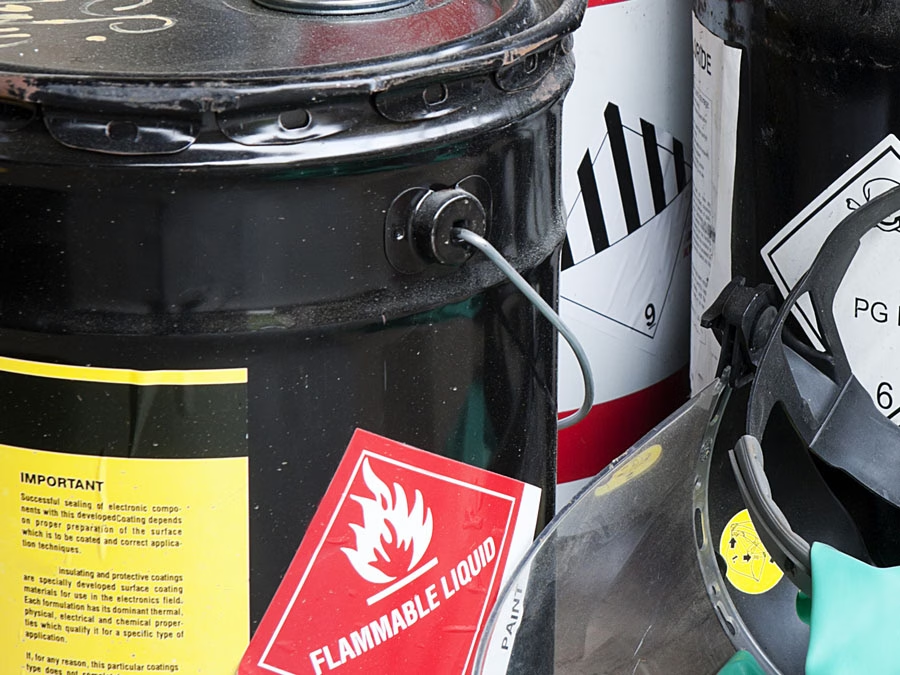
Reactive waste
Waste that is unstable, shock-sensitive, or generates cyanide or sulfide gases.
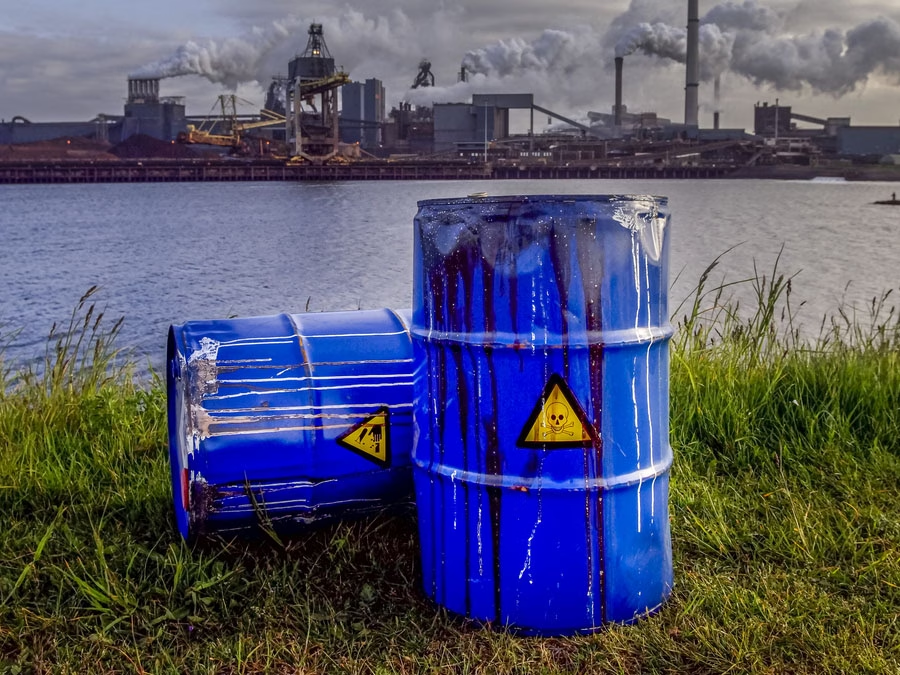
Toxic waste
Waste that equals or exceeds a designated concentration of certain toxic compounds.
Each laboratory is responsible for staying informed of, and complying with hazardous waste regulations, and for following the University procedures regarding waste collection, segregation, and labeling. The chemical safety officer will provide all materials necessary for the proper management of waste, from personal protective equipment (PPE) to labels and waste containers. All items are available at the chemical stockroom (Room S-310) upon request. If you need postings or forms, please download them from this site.
Request chemical waste removal
To find out more information about waste management, please contact ehs@clarku.edu.
Hazardous waste pickup
There are there major categories of waste:
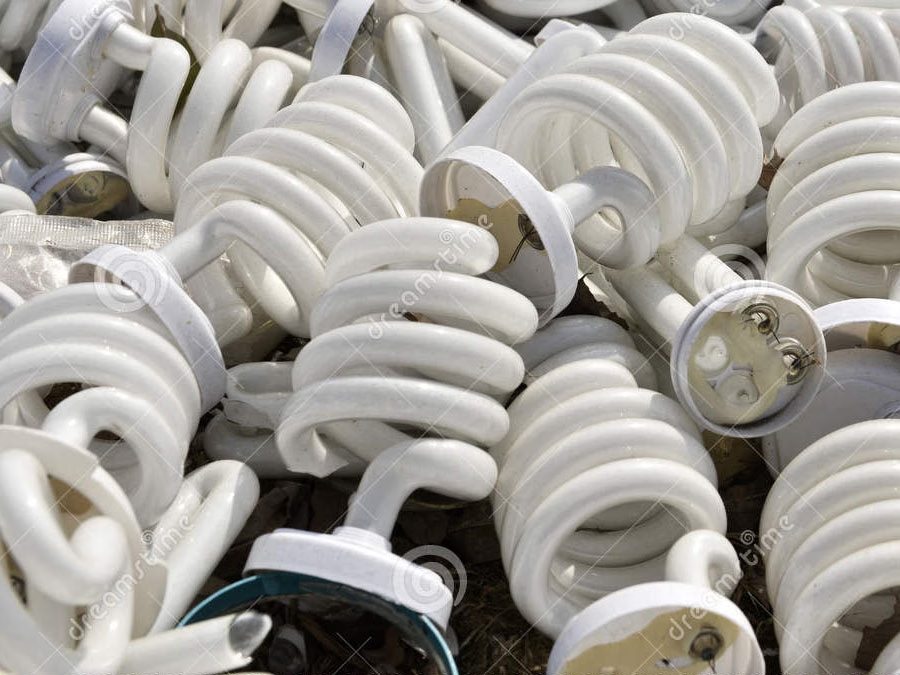
Universal waste
Clark University complies with all federal and state regulations regarding the storage, transport, and management of universal waste. Designated accumulation areas area located throughout the campus. A list of locations is available from the recycling center. The Central Storage Location is 501 Park Ave. All Universal Waste is processed by state and federally approved vendors. Waste batteries, pesticides, fluorescent lamps, and some mercury-containing devices are regulated by the government as universal waste. If you need to dispose of any such items, electronic-related equipment, or need a clean-up kit, please contact the Physical Plant (ext. 7566).
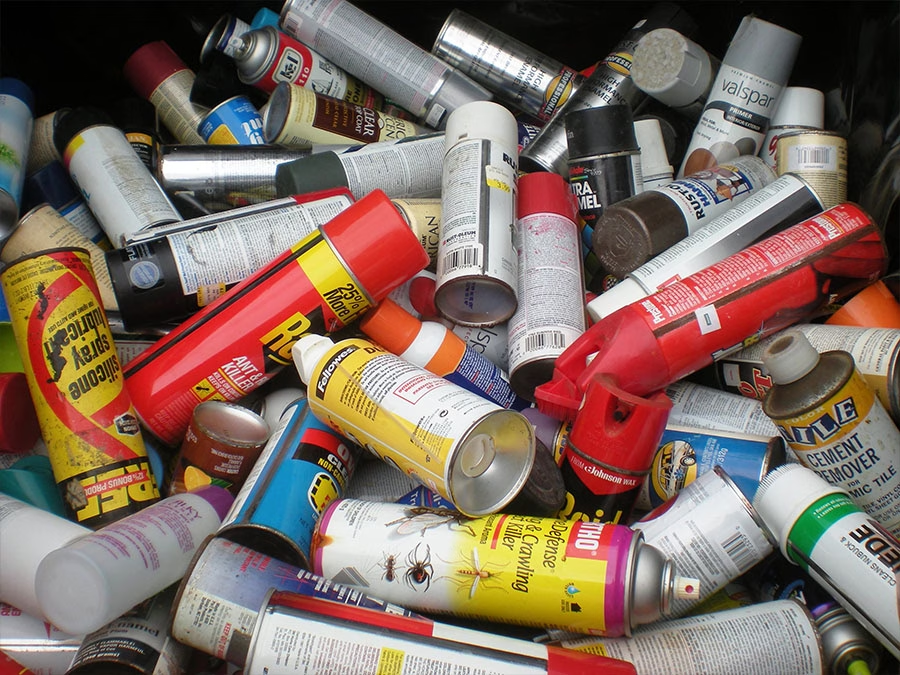
Chemical waste
Any chemical that can no longer be used or identified is considered a chemical waste. Any chemical waste that exhibits a hazardous characteristic and that is listed by the United States Environmental Protection Agency or the Massachusetts Department of Environmental Protection as a hazardous waste, is considered a hazardous waste. Such waste is regulated and requires special management.
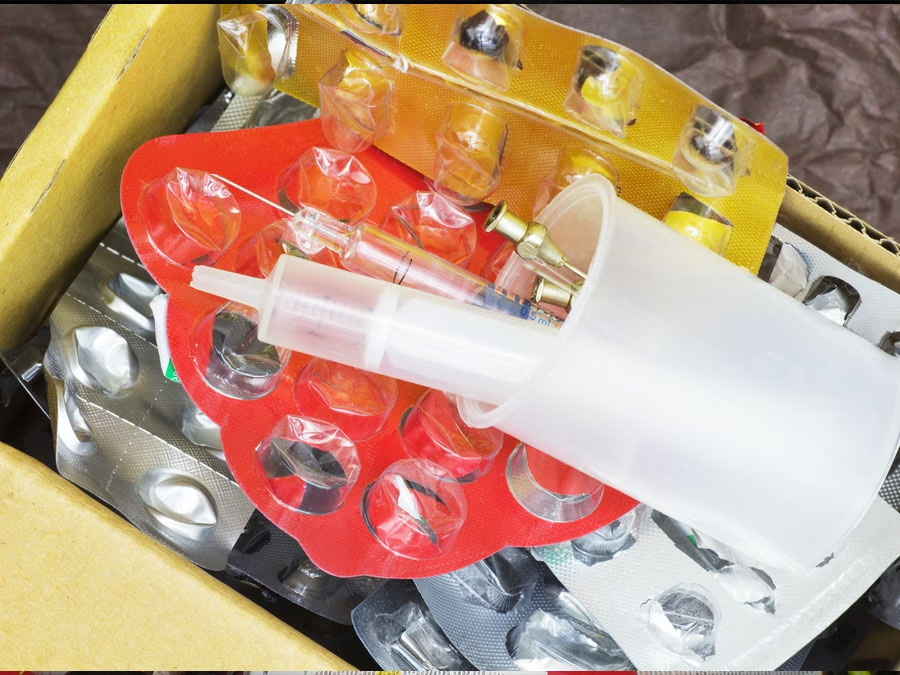
Biological waste
Any waste derived from a living thing or that comes into contact with living things is considered biological waste.