
Psychology, B.A.

Why study psychology at Clark?
- Gain hands-on experience and direct perspective on the field by completing internships at local organizations such as the Rape Crisis Center of Central Massachusetts, Massachusetts Department of Children and Families, and Worcester Recovery Center and Hospital.
- Join the department where the American Psychological Association was started in 1892 by Clark’s first president, psychologist G. Stanley Hall.
- Participate in a rigorous program that’s unusual in requiring you to gain familiarity with experimental, statistical, and qualitative methods.
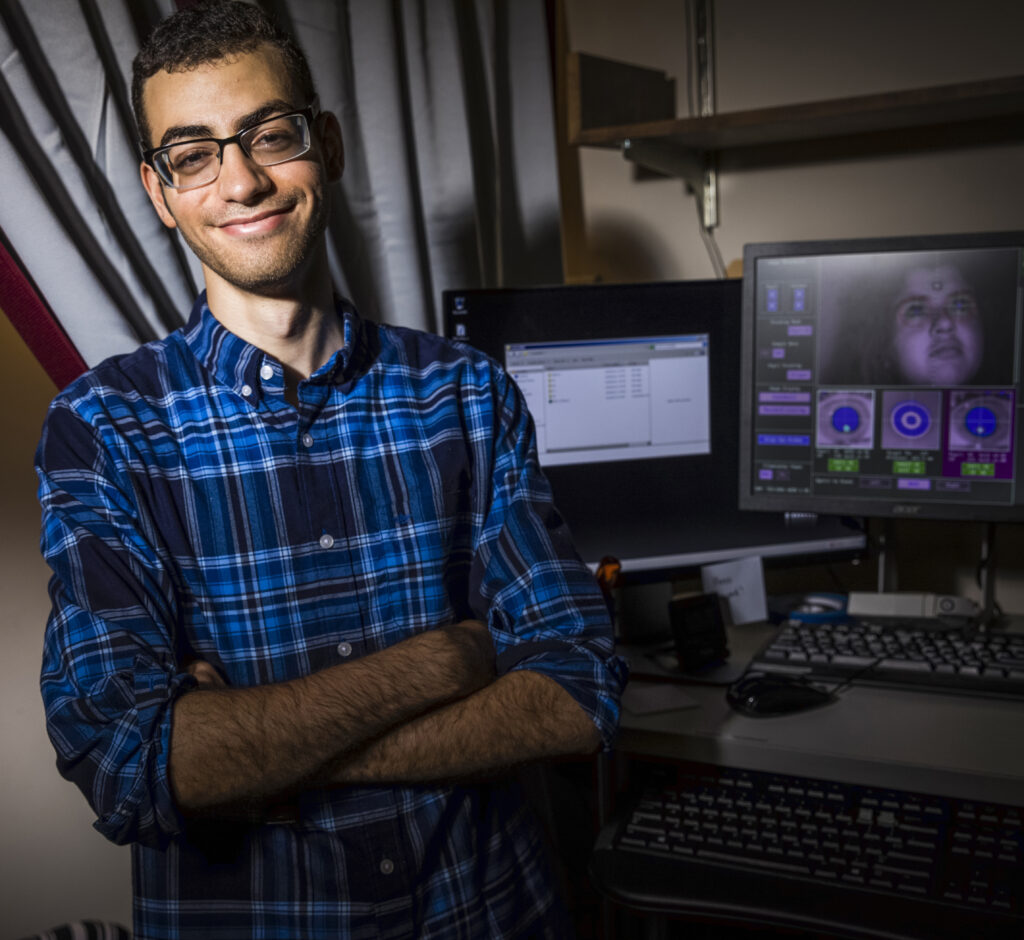
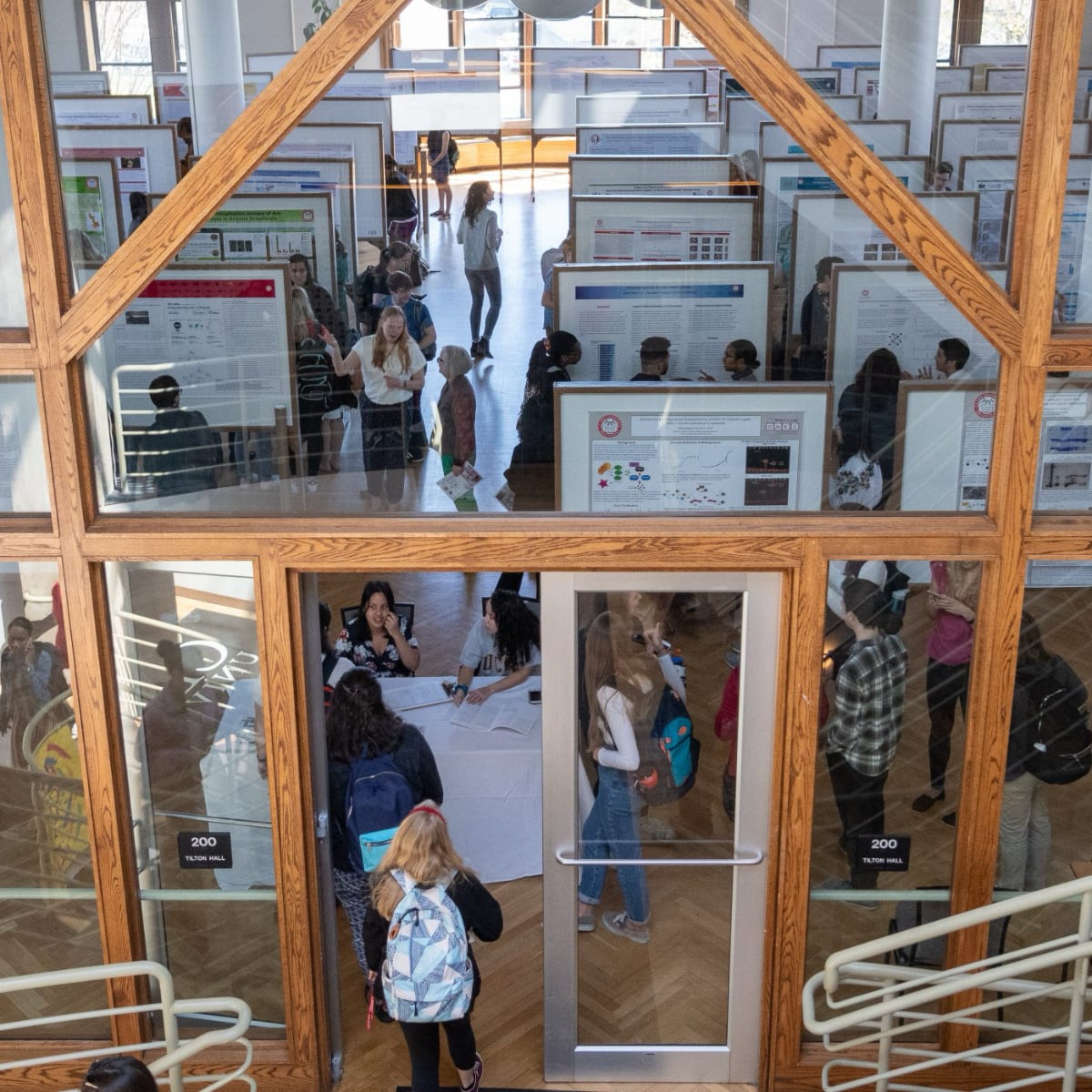
- Collaborate with professors and doctoral students on one or more groundbreaking research projects, the results of which may end up being presented at national and international scientific conferences.
Psychology Major Learning Outcomes
- Knowledge Base in Psychology, with special focus on clinical, developmental, and social psychology
- Students majoring in Psychology should have breadth as well as depth of knowledge in psychology demonstrated through the ability to describe key concepts, principles, and overarching themes and developing a working knowledge of psychology’s content domains.
- Scientific Inquiry and Critical Thinking
- Students completing introductory and foundational courses should understand basic skills and concepts in interpreting behavior, understanding and reading about research, and applying research design principles (both quantitative and qualitative) to drawing conclusions about psychological phenomena both in academic and societal context.
- Diverse Identities, Intersectionality, and Social Context
- The skills in this domain involve the understanding of diverse identities, how different identities intersect, and how identities are linked to systems of advantage and disadvantage. Students should also understand how people’s experiences are influenced by their social context, including family, community, and culture.
- Communication
- Our students demonstrate this through showing competence in written and oral communication skills embodied by the field. At the baccalaureate level, students produce a research study or other psychological project, explain scientific results, and present information to professionals, as well as to lay audiences. At the interpersonal level, they should also be able to interact effectively in professional settings, including classrooms and research groups.
- Professional Development
- Students will demonstrate professional development through reflection on and application of psychological content, principles, and skills to future goals, exhibiting independent learning, refining project-management skills, enhancing teamwork capacity, in ways related to plans for next steps beyond college.
Related undergraduate programs
Student organizations
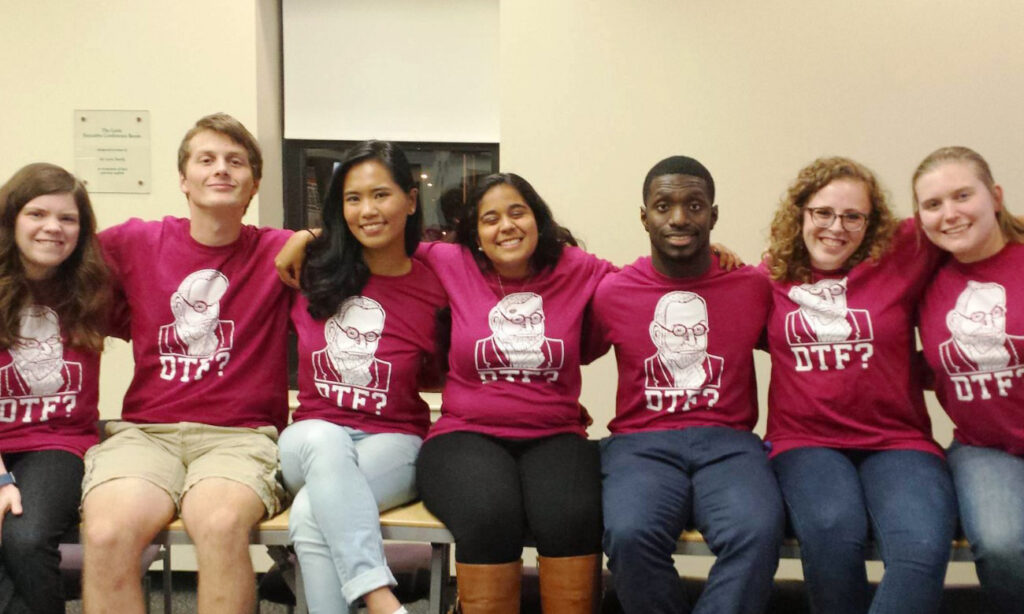
Interested in becoming involved in organizations for psychology majors? Check out the Undergraduate Psychology Committee and Psi Chi, the International Honors Society in Psychology.

Study abroad
Explore Clark’s Study Abroad programs, which offers opportunities to gain world and workplace experience to complement your on-campus work. The University approves semester, year-long, and summer opportunities to earn credit through academic coursework, internships, community-based learning, or research.
Frequently Asked Questions
What can I do with a major in psychology?
At Clark you’ll get more than a great education; you’ll also be prepared for a long, productive career and life of consequence. And once you’ve completed your degree, you can join other Clark alumni who have gone on to work for great organizations and attend some of the best graduate schools in the world.
What skills will I learn as a psychology major?
- Knowledge of the natural world and human cultures and societies
- Intellectual and practical skills
- Capacities for effective practice
What labs and facilities are available?
The ClarkU Psychology Department’s facilities include more than 35,000 square feet of laboratory space for all faculty and student research, including offices for graduate students.
Can I earn academic achievement awards in psychology?
Simon and Eve Colin Undergraduate Creativity Award
The Simon and Eve Colin Undergraduate Creativity Award was established by the Colin family, Barbara, Fred and Rebecca ’89 Colin, in honor of Simon and Eve Colin and in recognition of the many values associated with active undergraduate participation in research. The award is intended to encourage inspired, innovative, and extraordinary students in their pursuit of research in Psychology.
Dr. Lee Gurel ’48 / John E. Bell Endowed Student/Faculty Achievement Award
The Dr. Lee Gurel ’48 / John E. Bell Endowed Student/Faculty Achievement Award was established by Dr. Lee Gurel, class of 1948, in honor of John Elderkin Bell, a former faculty member in the Psychology Department. The award, based on academic merit and chosen by the department, goes to the most outstanding senior psychology major who has attended Clark for at least three years. A second award goes to the Psychology faculty member named by the student recipient as having been most influential in their Clark education.
Herman A. Witkin Memorial Fund
The Herman A. Witkin Memorial Fund was established in memory of the late Herman A. Witkin, by his wife, Dr. Evelyn M. Witkin. Herman Witkin was a distinguished psychologist, internationally known for his programmatic work on cognitive style. The fund is used to support an occasional Herman A. Witkin Memorial Lecture, or a Witkin Fellow, or other memorial activity at the Heinz Werner Institute, Clark University.
Outstanding Undergraduates in Psychology Award
The Outstanding Undergraduates in Psychology Award is given to graduating senior psychology majors who have excelled in academics and research.
Is there a psychology honors program?
During your junior year, you might be accepted into the psychology honors program. Joining the program means you’ll work closely with a professor to create a thesis on a topic of your choice. Examples of recent honors theses topics are:
- Seeking Self-Certainty in an Uncertain Time: Attachment Style and Self-Esteem in Emerging Adulthood
- Distress Tolerance as a Mediator of Borderline Personality Symptoms and Anxious Attachment, and Obsessive Relational Intrusion (ORI): An Exploratory Study
- Autism, Aggression, and Courtesy Stigma: Public Perception of Parents with Children on the Spectrum
- Alcohol Use, Social Norms, and Sense of Belongingness Among College Students and Recent Graduates
- The College Selection Process of Student Athletes