‘There’s always money to plant trees, but there isn’t money to maintain them’
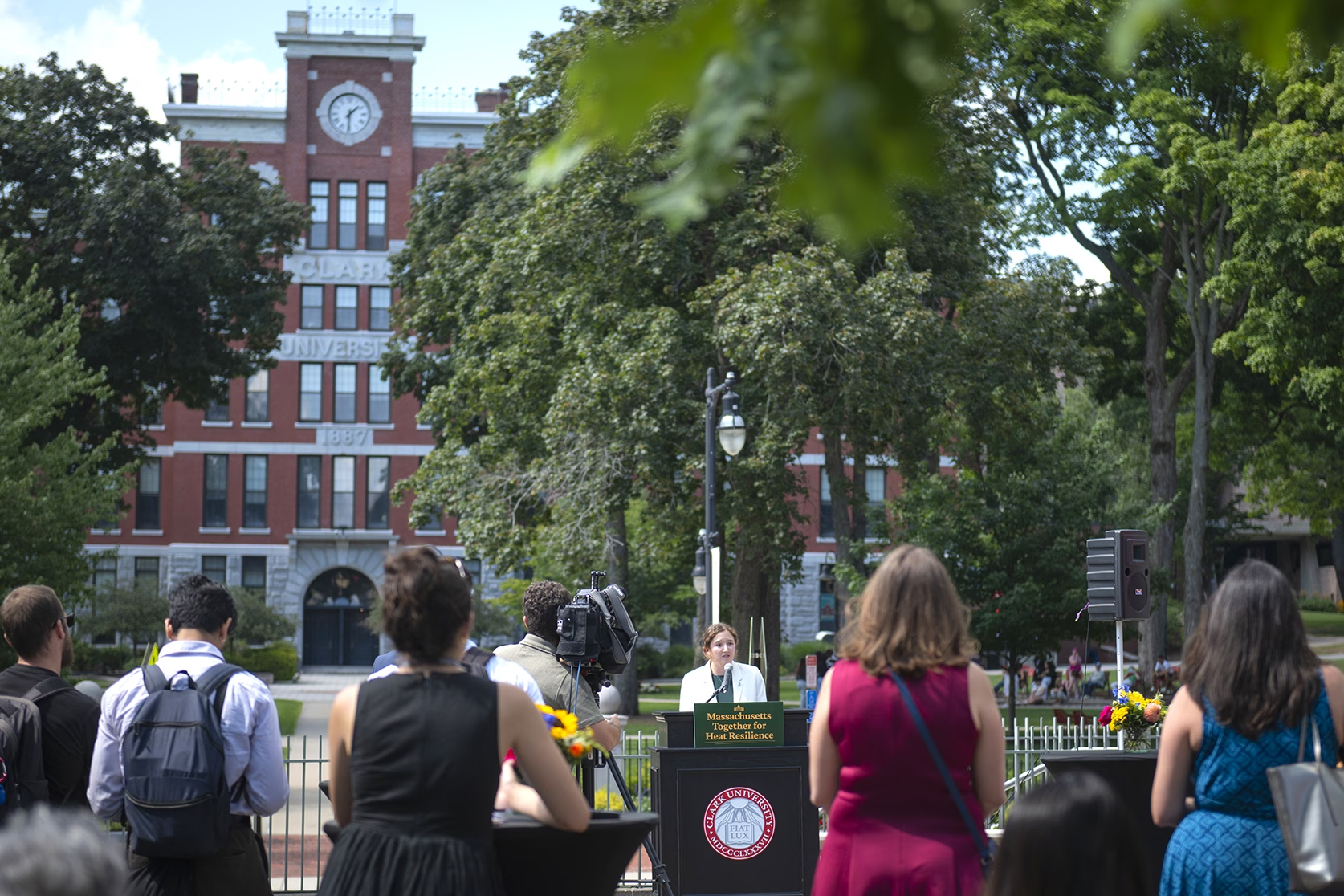
During a press conference held Thursday afternoon at Clark, Gov. Maura Healey announced the appointment of Katie Schlick as the first statewide Heat Resilience Officer.
Schlick will lead coordination across state government and work with communities to protect public health and reduce the impacts of extreme heat as the climate crisis leads to rising temperatures. The consequences of extreme heat have been prevalent this year: July was the hottest month ever recorded in the U.S., an estimated 20,000 people died in the European heat wave in June, and extreme heat and droughts have caused global crop losses.
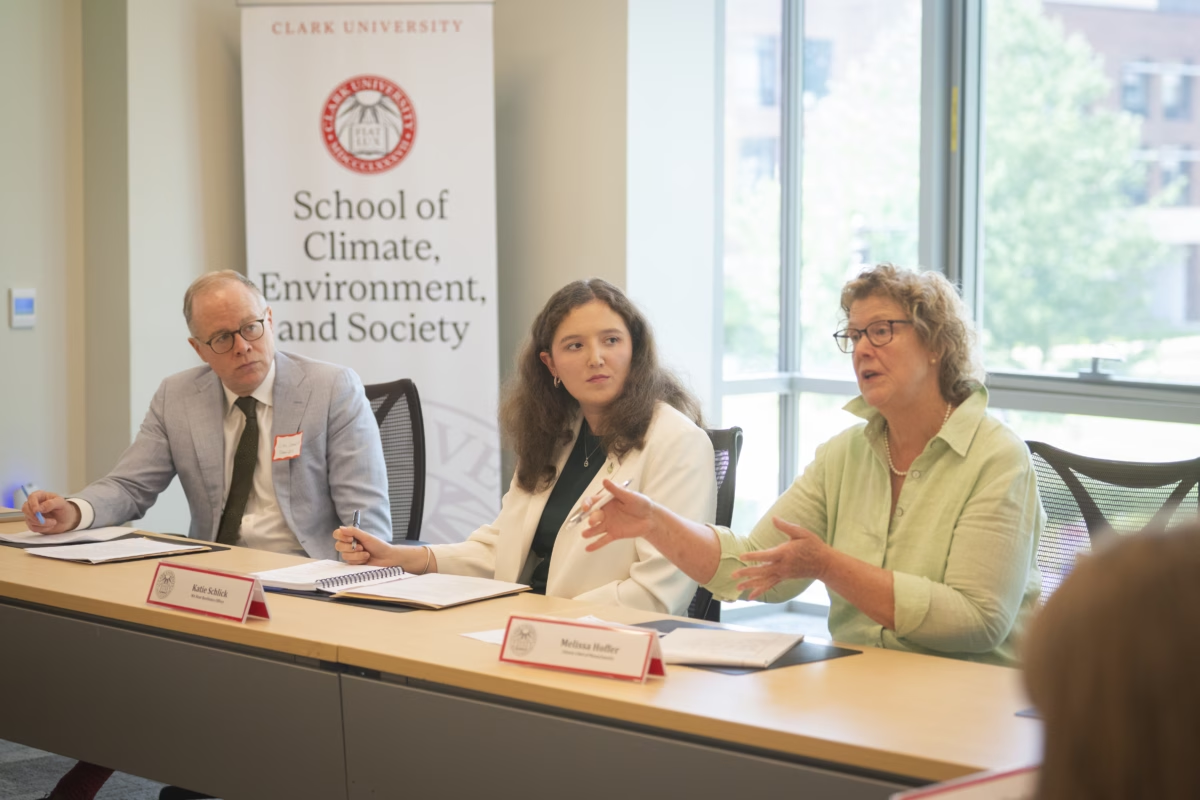
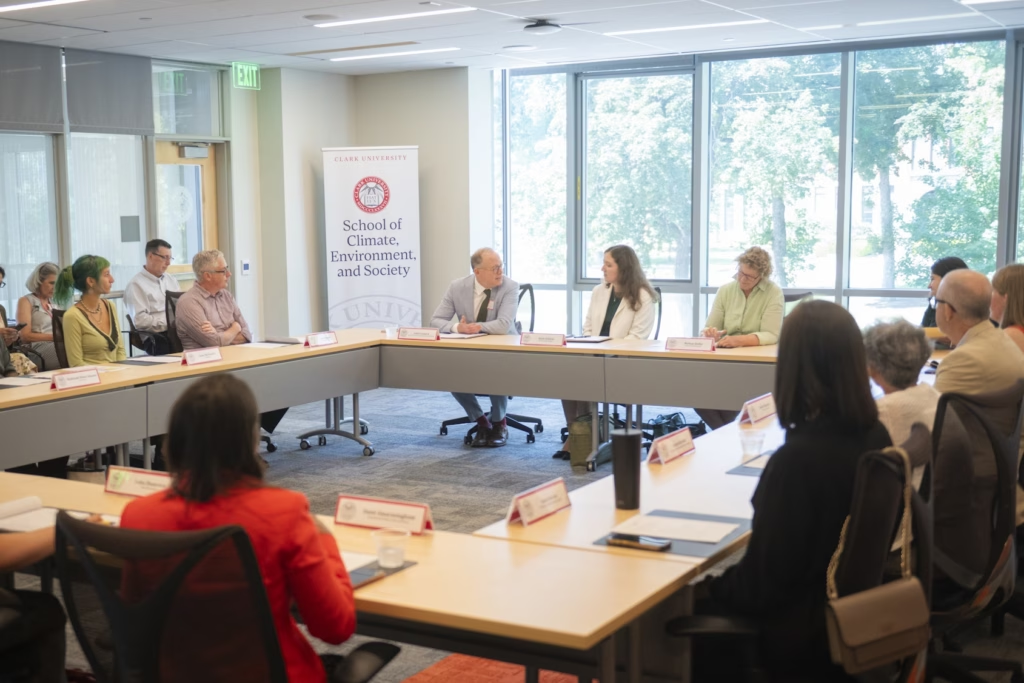
Before Thursday’s press conference, state officials including Schlick and Massachusetts Climate Chief Melissa Hoffer, Lou Leonard, the D.J.A. Spencer Dean of the School of Climate, Environment, and Society, Geography Professor John Rogan, and local stakeholders sat down for a roundtable discussion inside Clark’s Shaich Family Alumni & Student Engagement Center, analyzing the landscape of rising heat in Massachusetts and sharing opportunities to improve conditions. Below are selected highlights of the conversation.
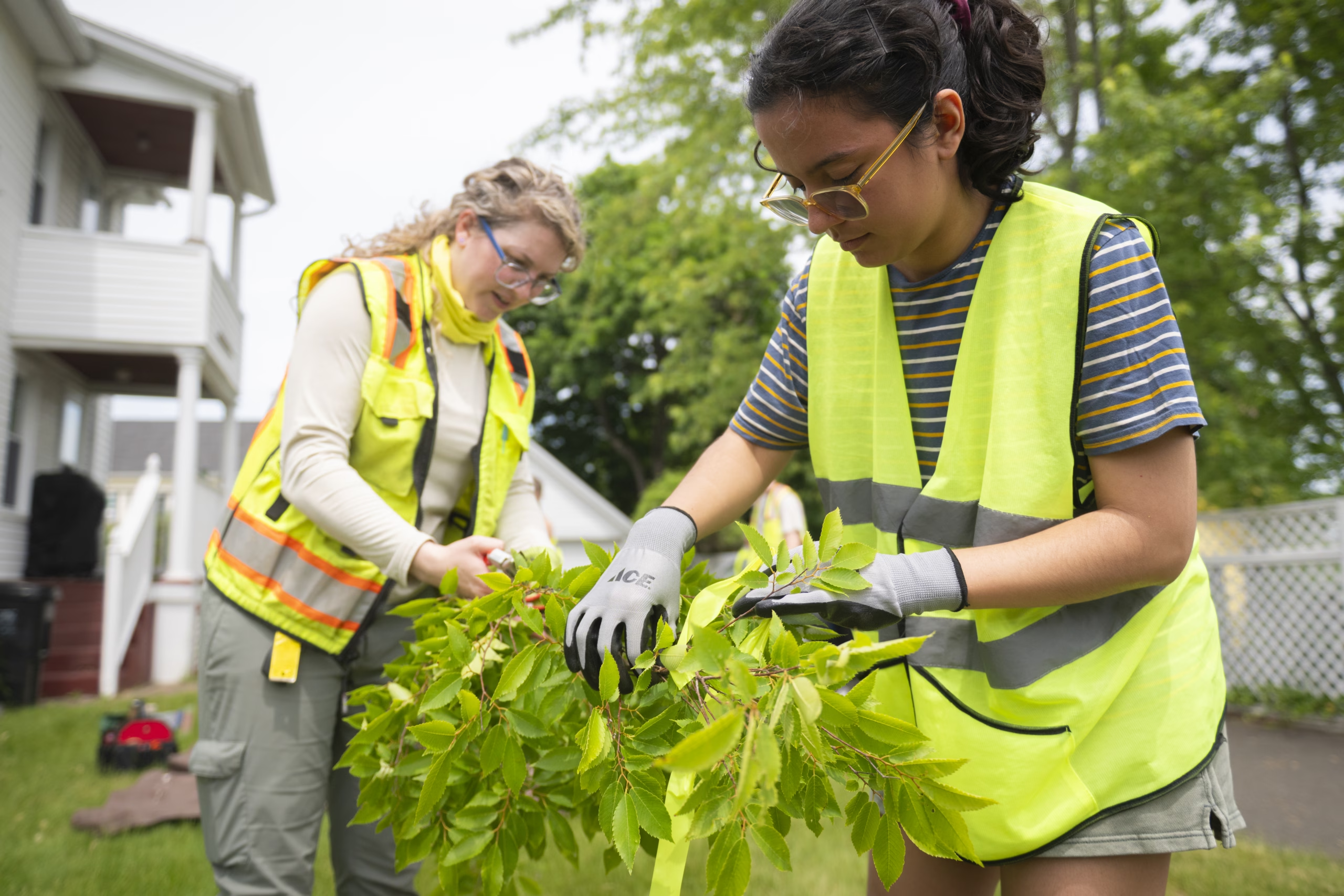
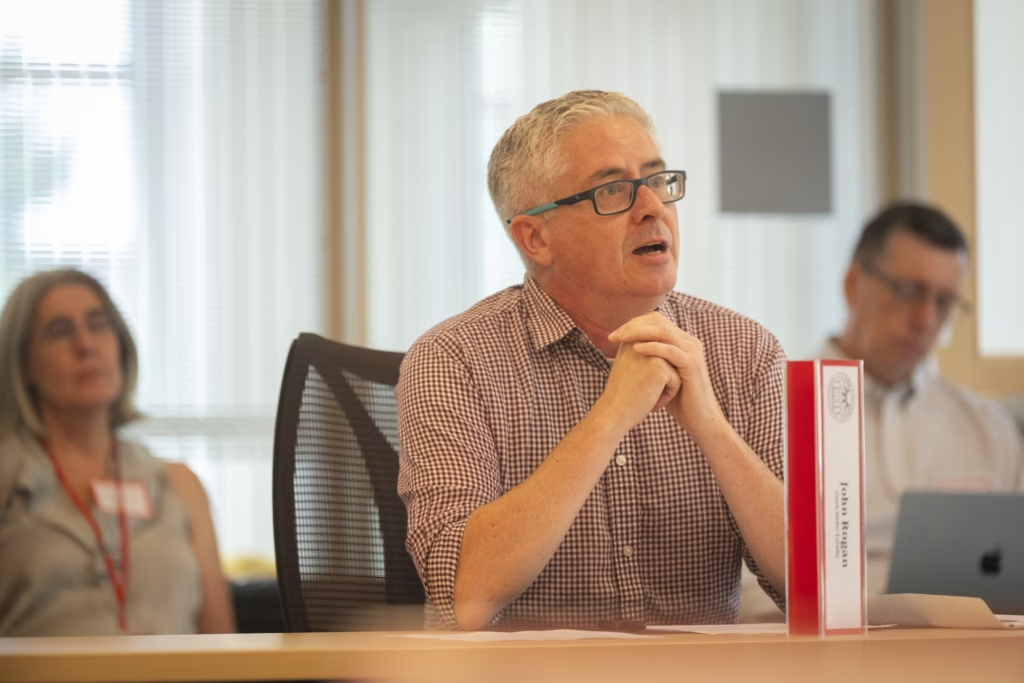
“ We found in Worcester — which is a gateway city and the majority of it is an environmental justice site — that the longhorn beetle infestation and the removal of thousands of trees resulted in a 20-30% greater peak in temperatures in the summer.”
John Rogan, Geography professor
“ Seniors, I think, are the most at risk because they’re not likely to be mobile and be able to go to a cooling center … We know that there’s a lot of folks who are in their homes, who are really struggling to pay all their bills, and so they’re going to have health impacts from the heat. In doing this work for over 20 years now, we didn’t [used to] have this in the summer. In the winter, we always had warming centers, and we’re really starting to highlight for the policymakers that folks die in the summer, too, because it gets too hot.”
Leah Bradley, Central Massachusetts Housing alliance
“ This is coming at a time when more people are becoming homeless … it’s two crises sort of merging as one.”
Kate Forrest, Massachusetts public health association
“ I represent incredibly hardworking individuals that over the past two years have tried to see whether the national heat alert emergency thresholds are applicable to Massachusetts … in medical school and in nursing school, often you’re not taught about climate change. You’re not taught about coding for heat-related illness.”
dr. marissa hauptman, department of public health and boston children’s hospital
“ Mature trees can help to reduce the temperature inside buildings … There’s always money to plant trees, but there isn’t money to maintain them. And it takes 20 years for a tree to grow from a sapling into a mature tree that’s actually going to have an impact on reducing temperatures for the entire city … That’s an essential piece of the whole mix.”
evelyn herwitz, green worcester advisory committee
“ Everybody in this room is the same temperature, and all our bodies are working to stay at that temperature, and we rely on the air around us to offload that heat. But nowhere on earth was too hot for any human body until the last few years … [W]hat we’re seeing is the limits of the human body are much lower than were believed. And when you cross those thresholds, very bad things happen to the body, and they are numerous.”
spencer glendon, probable futures