Ashton LaPenn ’29 specializes in trapeze, juggling, and stilts
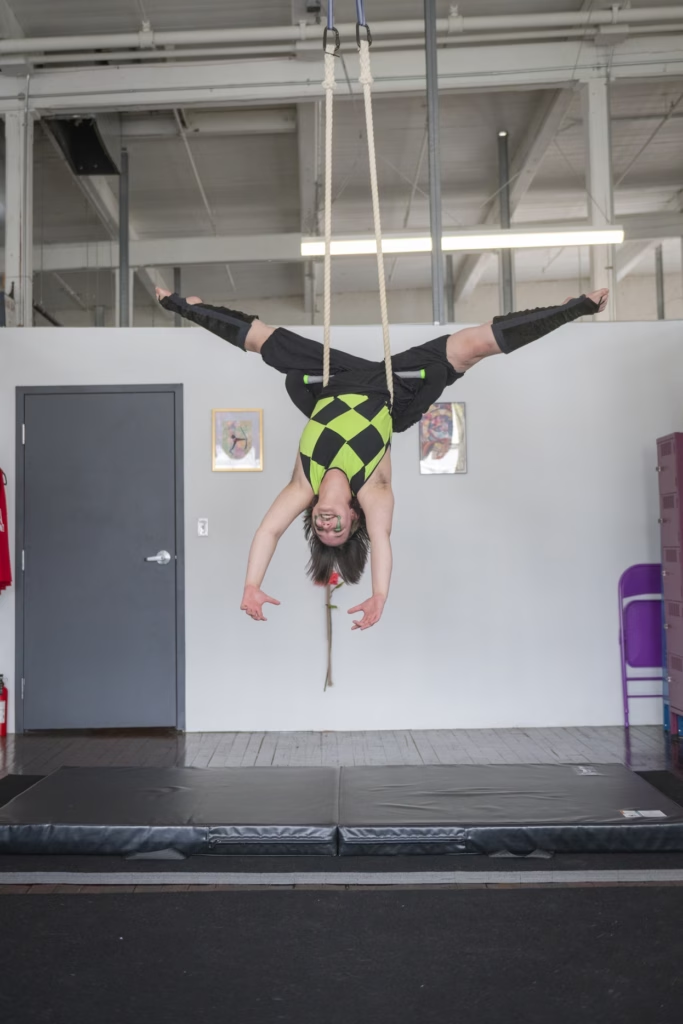
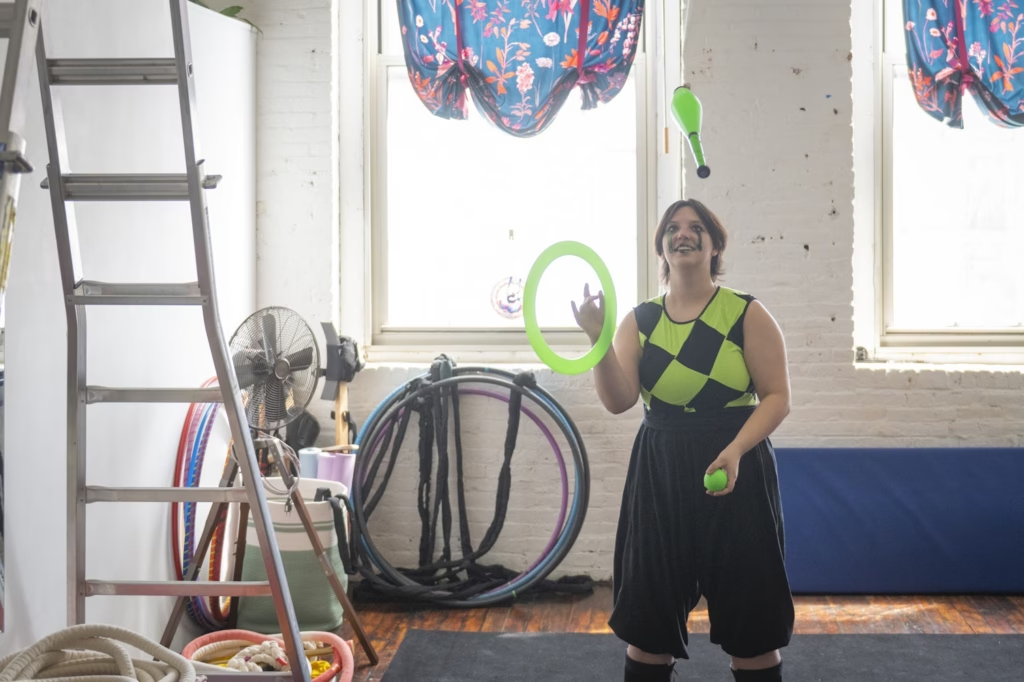
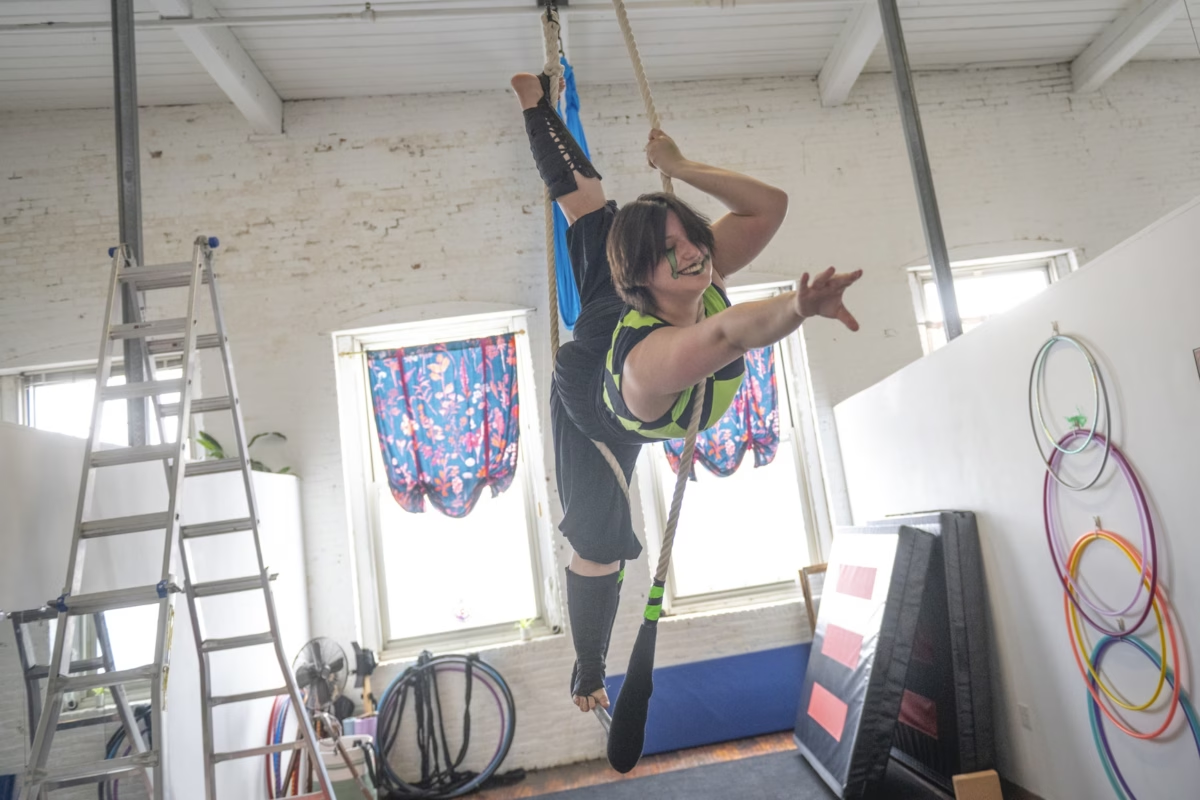
From juggling to spinning on a trapeze, Ashton LaPenn ’29 makes gravity look like an afterthought.
LaPenn, a psychology major with a concentration in the environmental humanities, has been practicing circus arts for about 12 years. He has performed with a circus troupe in Easthampton, Massachusetts, for about 6 years, and is currently practicing circus out of a studio in Lowell, Massachusetts.
“It’s interesting and fun, and I like that it sets me apart,” LaPenn says of circus arts. “I’ve worked really hard on circus, so getting the opportunity to show other people [my skills] and feel how impressed they are is nice.”
In the video above, recorded during his first year at Clark, LaPenn shows off his skills. In the Q&A below, LaPenn shares more about his passion.
What was your introduction to circus performance?
I did gymnastics as a kid, but only a little bit. I did a camp once or twice, and I found circus because of camp classes that my mom put me into. It was something to do over the summer.
What are your performance specialties?
I’ve done a lot of work on a bunch of different apparatuses. My main one is definitely dance trapeze, which is a trapeze rigged on a single point. I’ve also done static trapeze. My three specialties are trapeze, juggling, and stilts, but I’ve also tried most everything else.
How has adjusting to college life impacted your practice?
I didn’t take any circus classes for my first semester. I was really worried about making time to meet people and staying on top of my classes. In the six months that I wasn’t doing circus, I realized how much I hated not doing it. I’d like to [continue to] keep it up, and I’d like to find opportunities to perform.
Is there a link between psychology and circus?
I am really interested in developmental psychology, and I’ve done a lot of work in circus teaching younger students, ages 2 to 18. The biggest link is that you learn a lot when you’re working with kids, especially in a setting like circus. You see a lot of interesting things about how kids react to new situations, which is something that I would be interested in studying.
How will you incorporate the environmental humanities into your psychology major?
I think that if I were to combine them into one research topic, idea, or theoretical capstone, it would be studying climate anxiety in adolescents. I think that’s really interesting.