Caden Thomas ’27 gets down in the mud for marine research
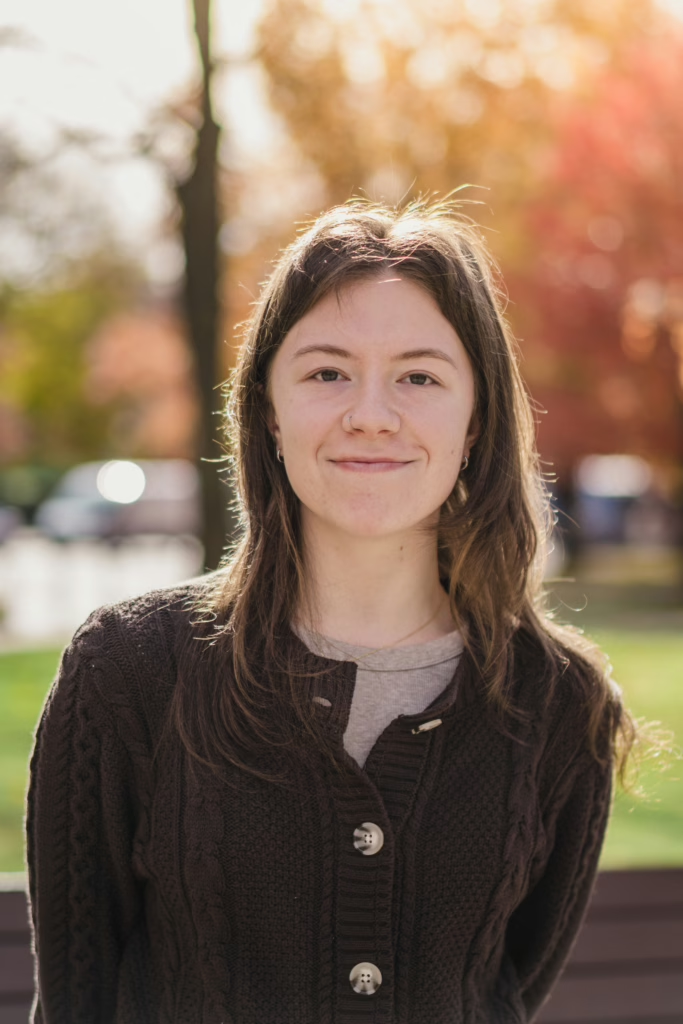
For many Clark students, summer internships open doors to unexpected opportunities. For Caden Thomas ’27, that door was an internship in the mudflats of Gloucester, Massachusetts.
Thomas, an environmental science and policy major with a minor in geography in the School of Climate, Environment, and Society, interned this past summer at the Gloucester-based Seaside Sustainability, a small nonprofit focused on ocean conservation and community engagement.
“It seemed like a really cool opportunity, close to home, and different from what I usually study,” says Thomas, who found the internship on Handshake. “Most of my fieldwork has been in forests or on land, so I thought, why not try something new?”
A marine biology class with Biology Professor Deborah Robertson also inspired Thomas to pursue the internship. “It was a very detailed class, and it helped me understand some of the marine systems I ended up working on this summer,” she says. “The whole biology major served as great prep.”
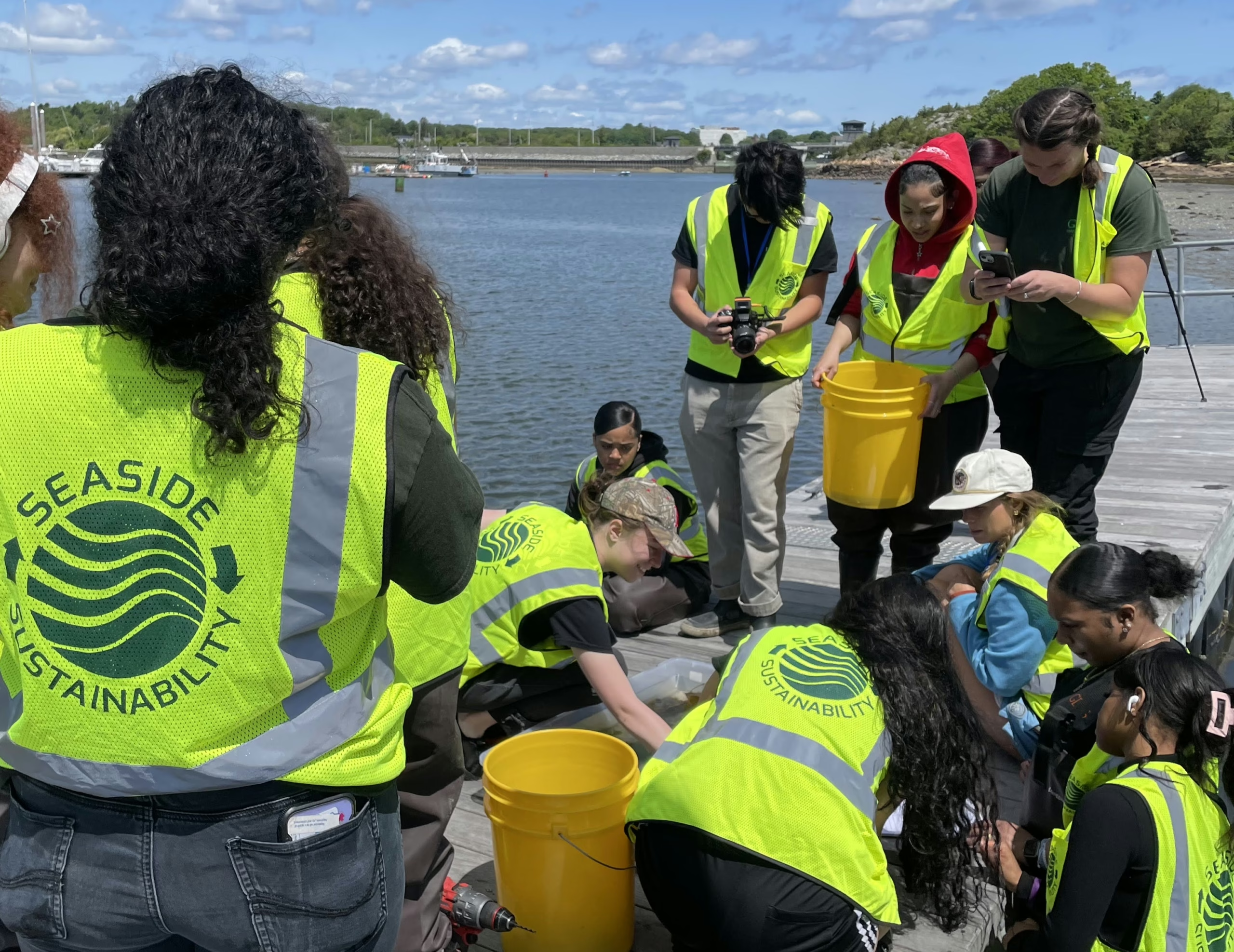
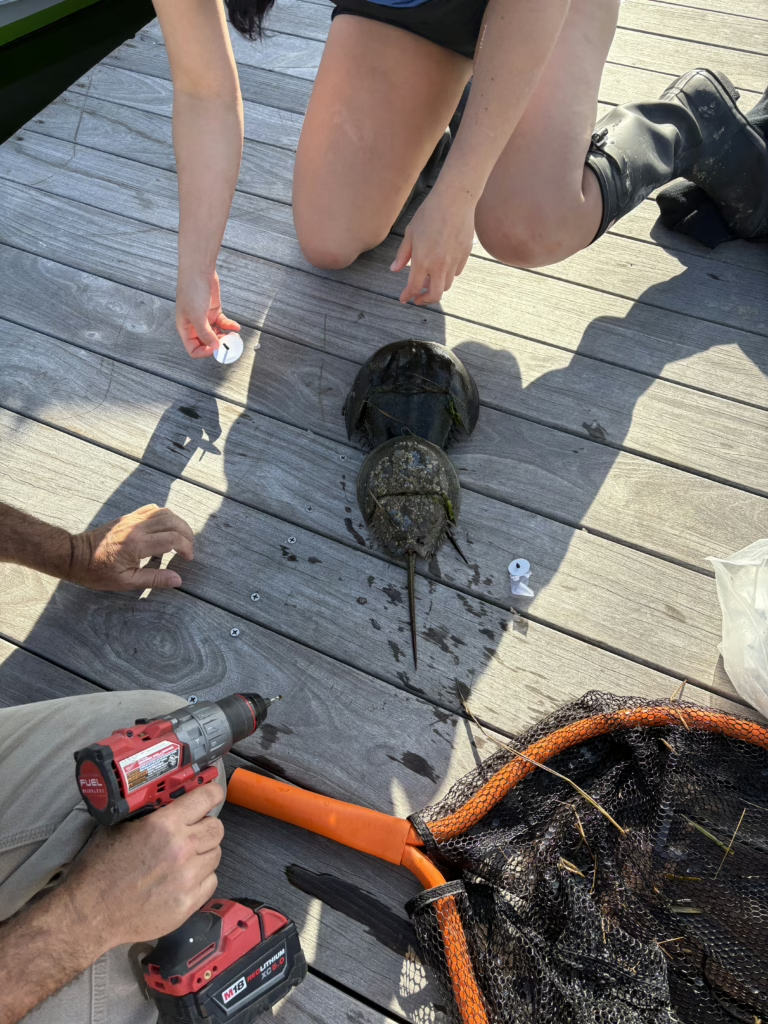
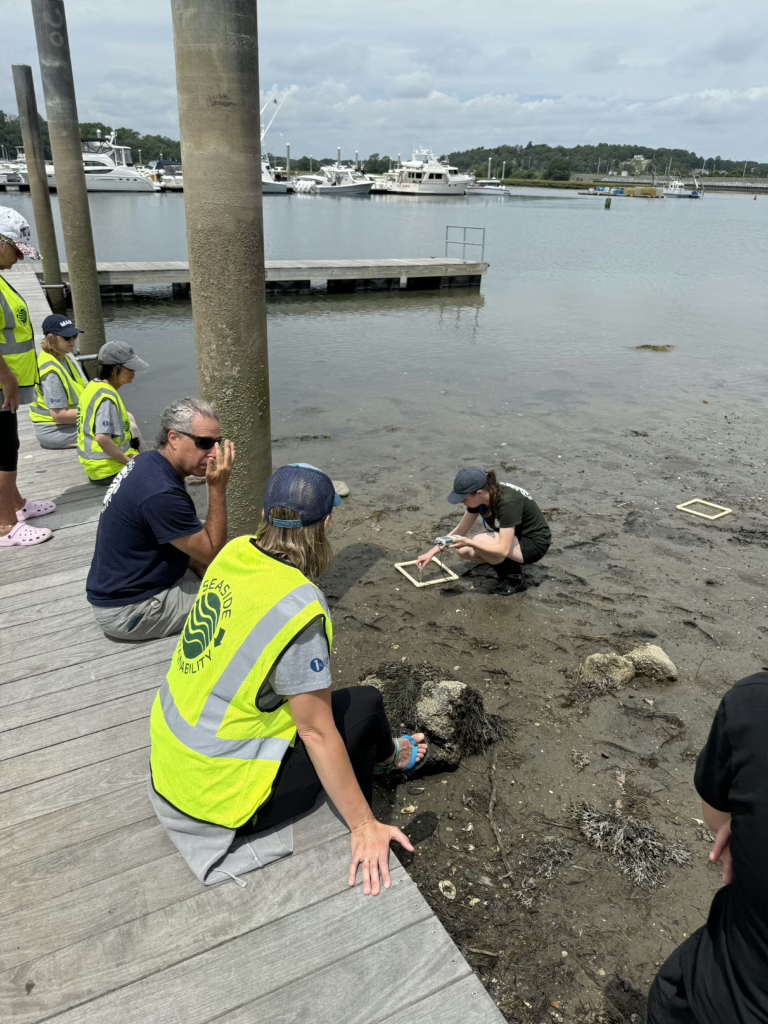
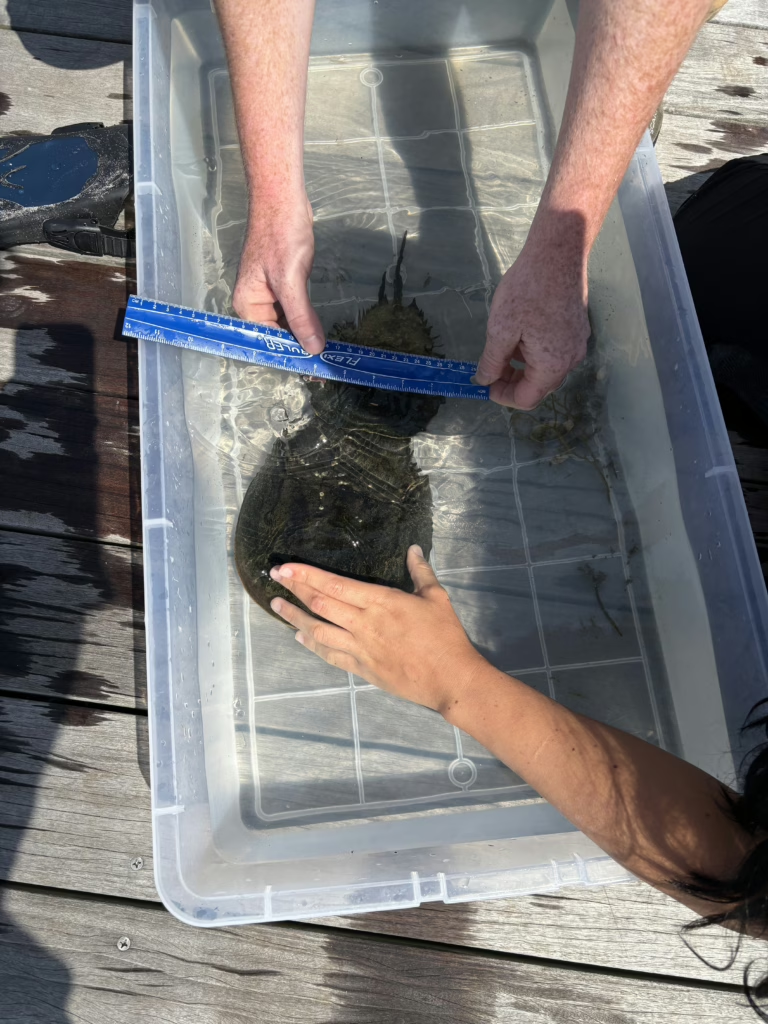
At Seaside Sustainability, Thomas joined a small team of interns conducting research for the U.S. Fish and Wildlife Service and Acrobiosystems, a biotech company exploring alternatives to the coagulant found in horseshoe crab blood, a vital component in biomedical testing. Thomas and fellow interns spent the summer tracking crab health and movement patterns during the breeding season, tagging crabs, and submitting data to federal researchers.
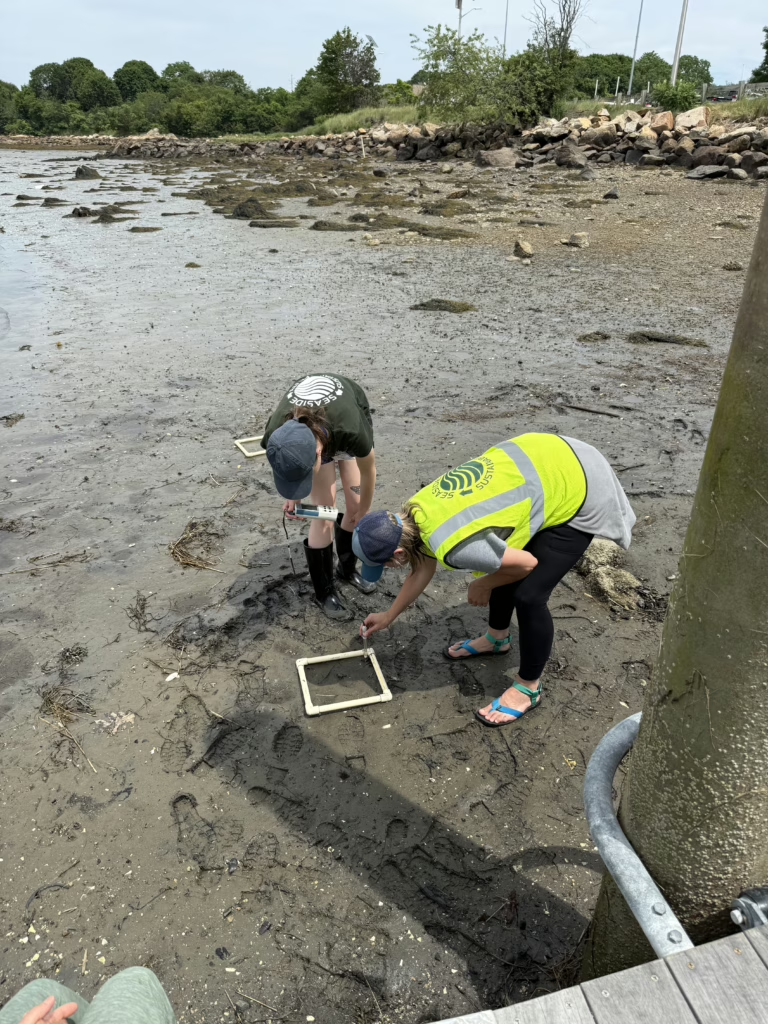
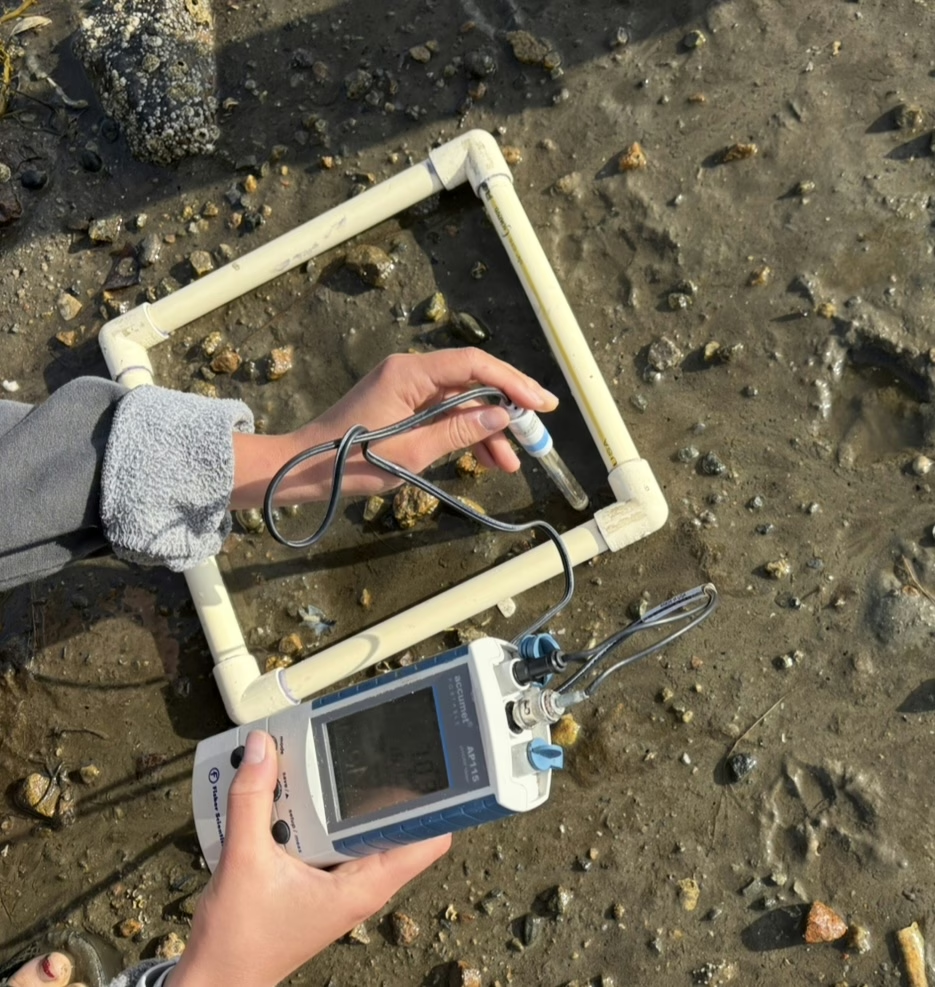
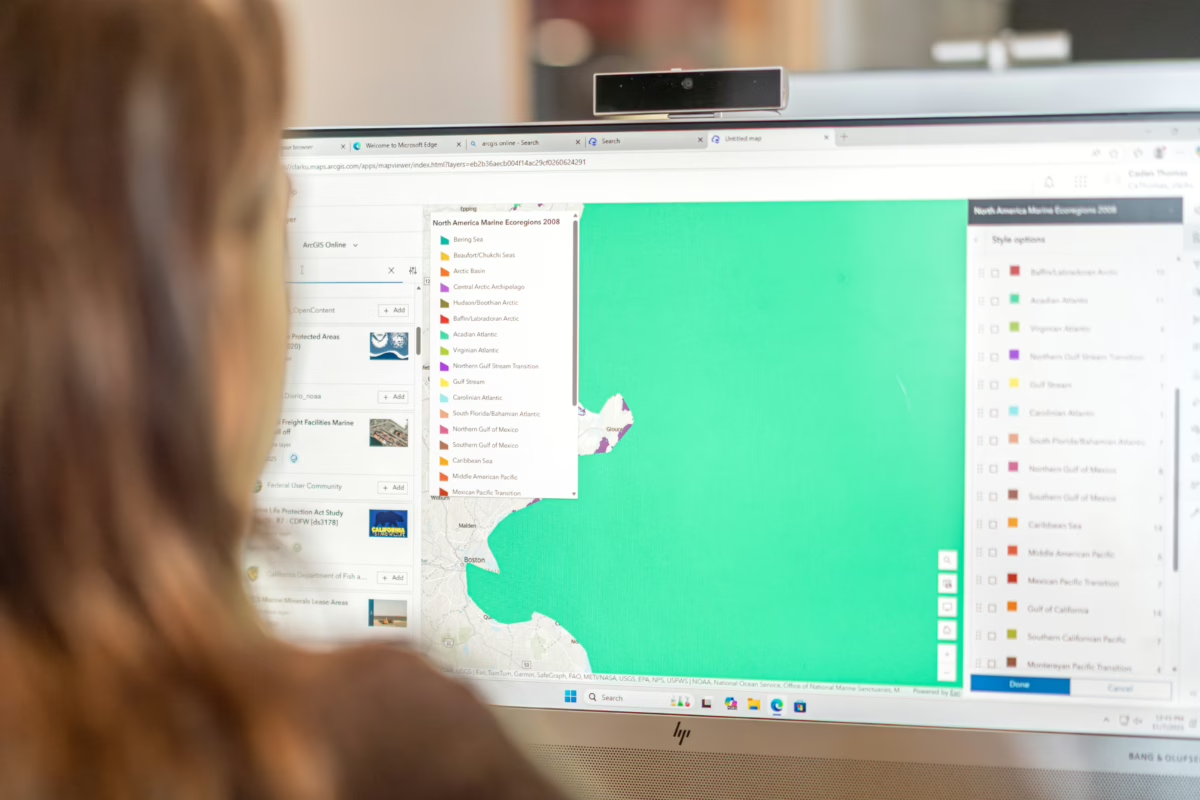
The team also measured mudflat acidification, testing the temperature and pH of coastal sediment to understand how these ecosystems, which double as major carbon sinks, respond to climate change. “Lower pH means more carbon dioxide is being absorbed,” Thomas explains. “We wanted to see how that might affect the local marine life that depends on those habitats.”
Thomas also helped design programming for local children and visiting company groups, translating complex environmental research into accessible, hands-on learning experiences. “We had to figure out how to explain what we were doing in ways kids could understand and participate in,” she says. “Even with adults from fields outside of biology, we’d start with team bonding games to warm people up to the science.”
Through that outreach, Thomas saw firsthand how Seaside Sustainability’s work impacted Gloucester’s fishing community. “We talked to a lot of fishers about how pollution affects their livelihood,” she says. “People were always interested in our trash-collection bin that skimmed the water surface. They’d say, ‘I see the bin every time I go out on the dock, and it’s amazing how much it collects.’”
Thomas says the experience strengthened her interest in marine policy, which she believes is sometimes overlooked in conversations about climate. “It made me realize how important ocean ecosystems are,” she says. “Now I’m actually looking into marine policy research.”
Summer research at Seaside Sustainability was a positive first internship experience for Thomas. “It gave me a good view of what field work will look like,” she says, “and it strengthened my project-planning and interpersonal skills because of its team-oriented approach.”
Looking ahead, Thomas hopes to carry the lessons learned at Seaside Sustainability into future research, possibly revisiting topics like mudflat acidification or horseshoe crab conservation.
“It really showed me the power of small organizations to make a difference in their communities,” she says.