From Massachusetts to Australia, Beatrice Altopp ’25, M.S. ’26, wants to protect local species
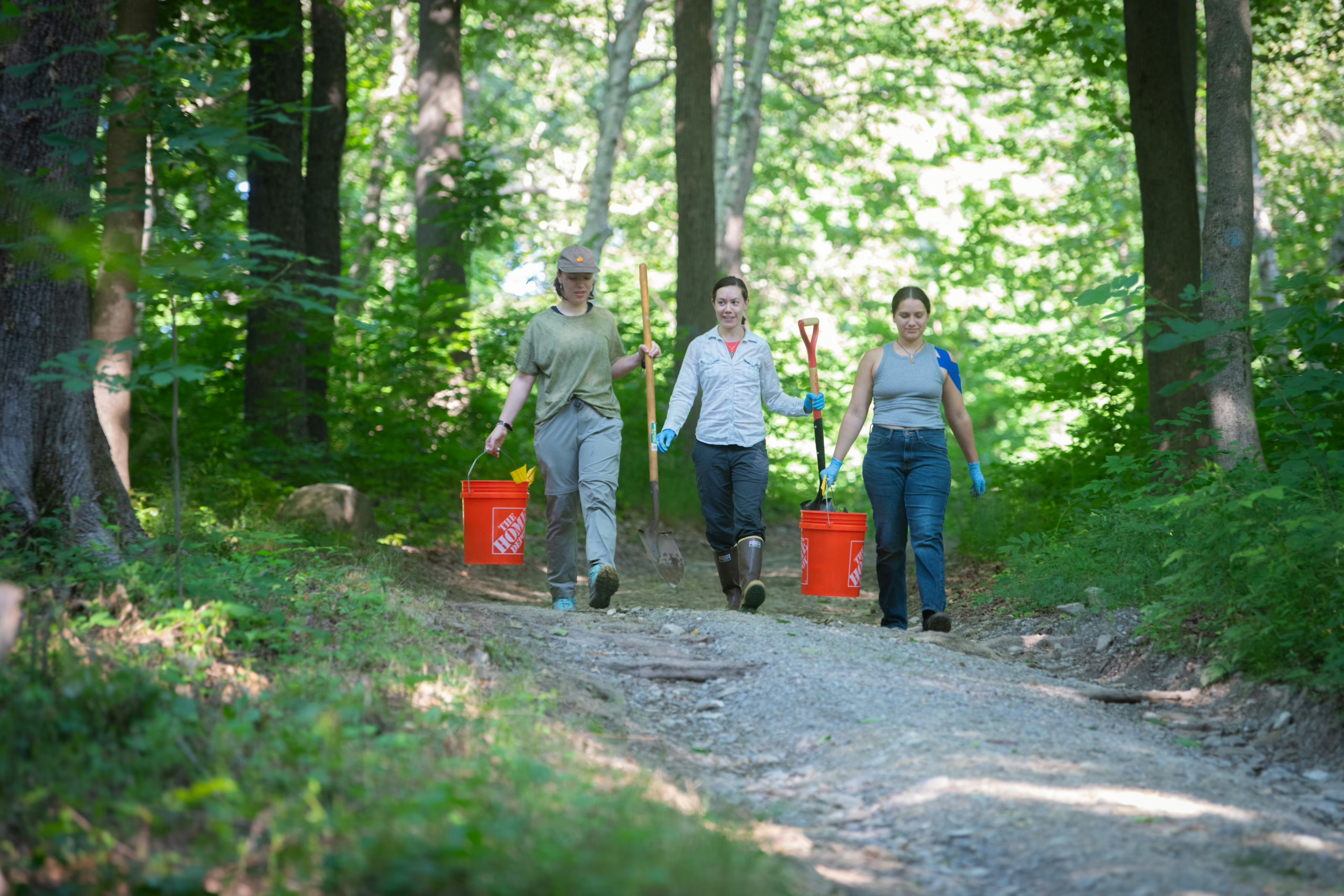
Beatrice Altopp ’25, M.S. ’26, feels at home working with the earth. Throughout her time as a Clarkie, she’s searched the forest floor for dung beetles, surveyed marine ecosystems on the coast, and contributed to an ecological restoration project right here on campus.
Altopp began her college career thinking she was most interested in animal sciences — at 16, her first job was working as a hospital assistant at an animal clinic — but Clark ignited a passion for the environment.
“It’s been easy to fall in love with this work.”
“Clark really fostered that because a lot of the classes here are focused on conservation and plant ecology,” says Altopp, who majored in biology and global environmental studies as an undergraduate. “I just love getting my hands in the dirt. Working around Worcester has been really cool, and it’s taught me that people are doing this sort of work everywhere, including in the city.”
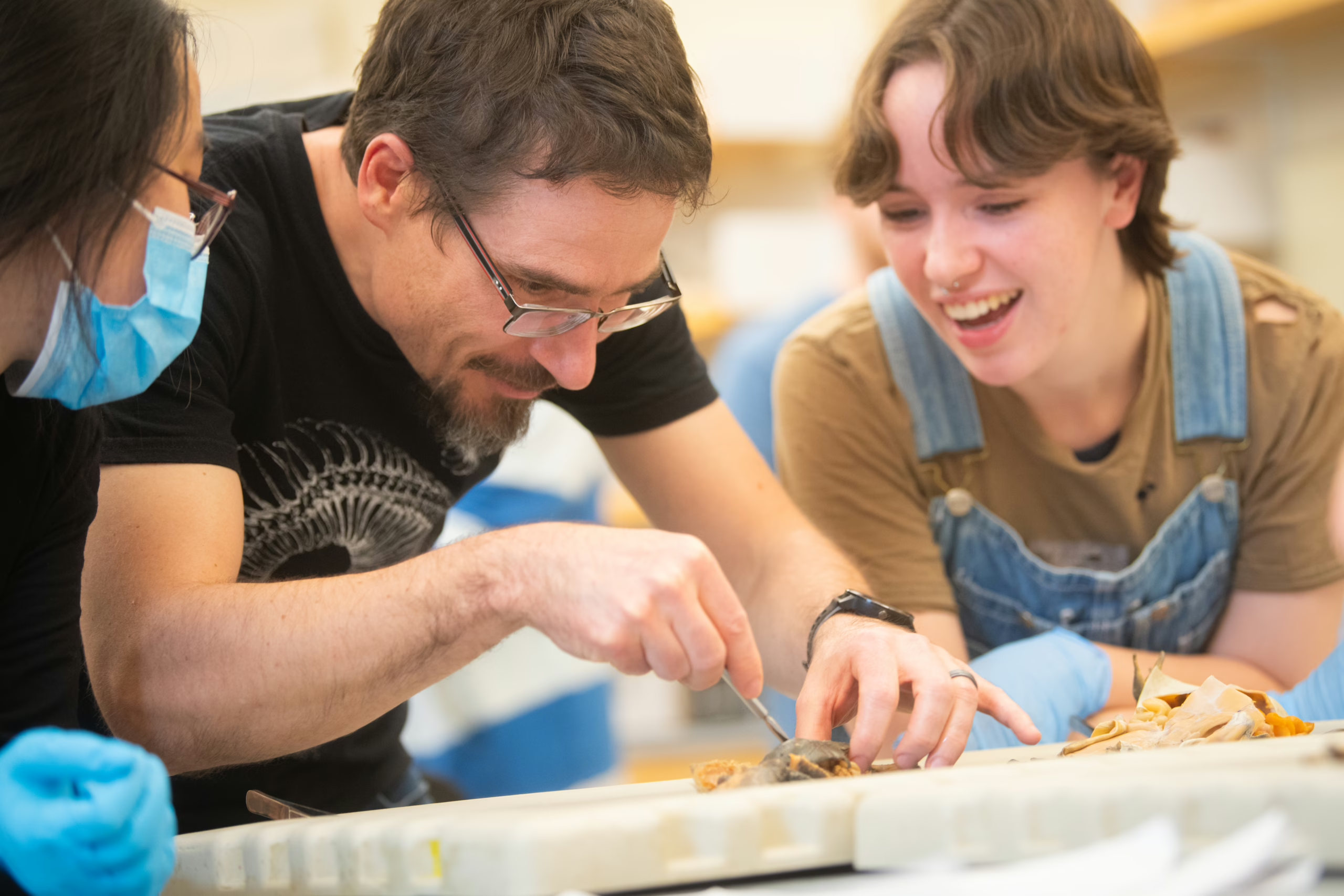
Altopp has spent copious hours studying dung beetles in the lab of Biology Professor Erin McCullough.
“I took a class with her sophomore year and loved the way she taught,” says Altopp. “I’ve always been fascinated by bugs, and it’s been easy to fall in love with this work, especially because [Professor McCullough] is so passionate about it.”
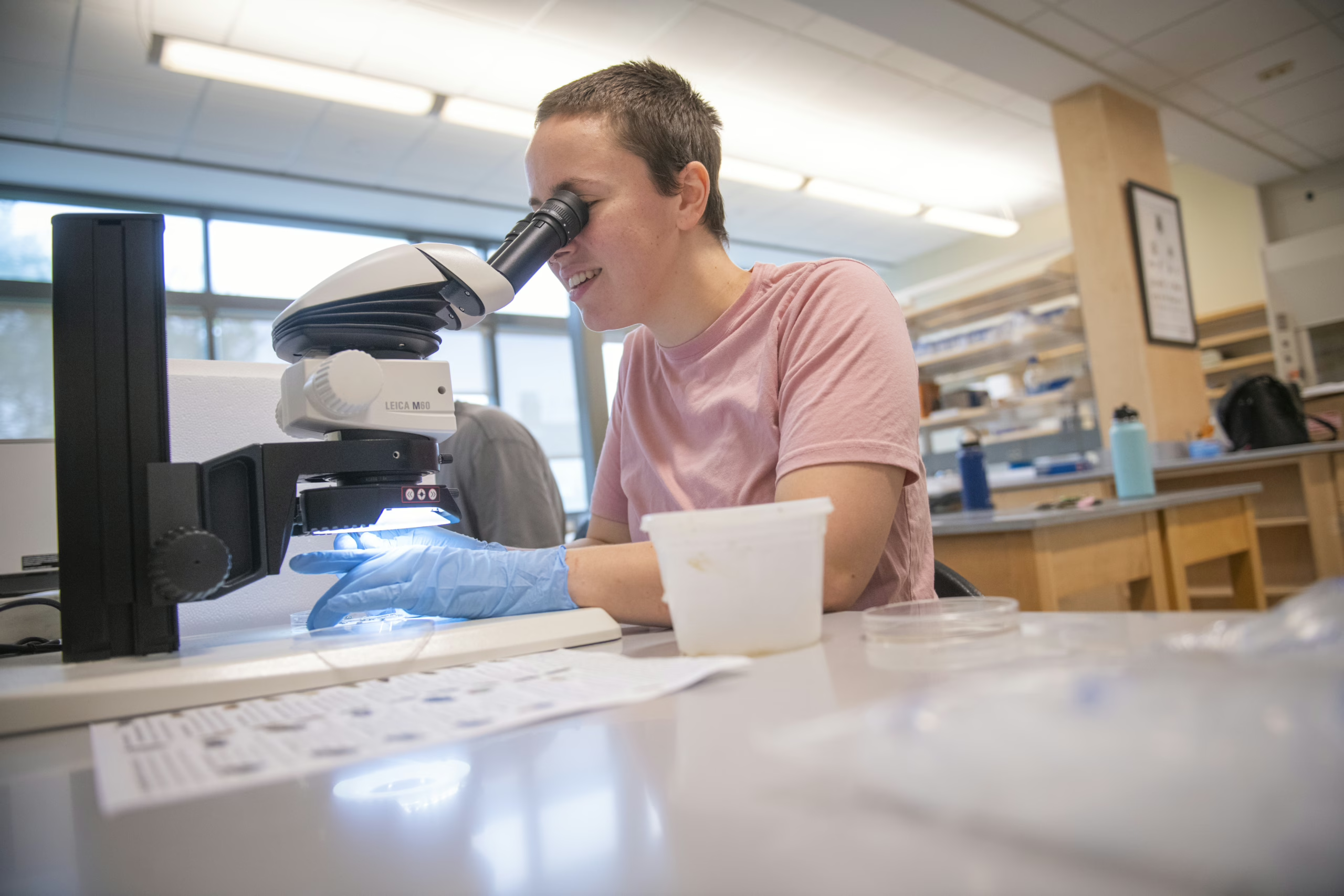
Altopp spent this past summer doing research supported by a Geller Award for her 4+1 Accelerated Master’s Degree in biology, characterizing the diversity, abundance, and distribution of dung beetles in Worcester, while examining the effect urbanization has on the population. She collected 10 species over the summer, providing better insight into which dung beetles are in Central Massachusetts. Altopp plans to create a zine or pamphlet to share her findings with the community.
“They’re ecosystem engineers,” says Altopp. “They break down dung, they’re important for agriculture, soil aeration, and root development. They do all these things that we forget about. Without them, the earth would look a lot different than it does right now.”
Lab projects have helped Altopp and her peers find trends within the local dung beetle population.
“We see more horned beetles in urban environments than rural environments, which backs up previous studies,” she says. “Horned species have a higher competitive ability, so you expect to see them in a more disturbed environment because they’re more likely to be able to compete with other species or with other individuals of their same species.”
When NPR highlighted McCullough’s research in fall 2024, the segment captured Altopp working with tools in the lab.
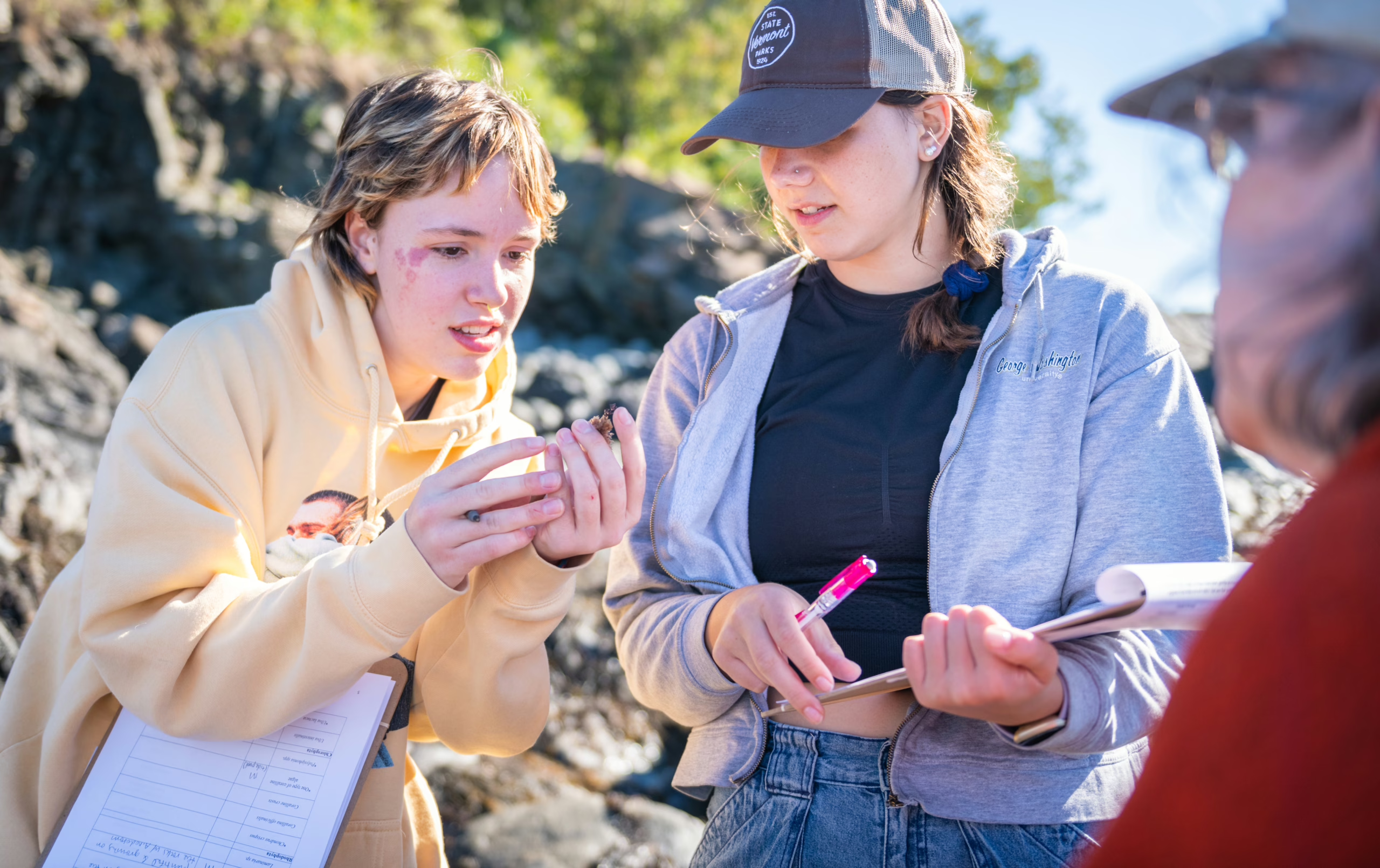
During a Marine Biology class with Biology Professor Deborah Robertson, Altopp and her fellow students pored over a rocky coastline in Nahant, Massachusetts, examining which species were present in that ecosystem.
“My favorite part of these classes is seeing restored or protected sites and learning how it’s decided what to keep in the area, what to burn, treat with pesticides, and what resources are important in that environment,” says Altopp.
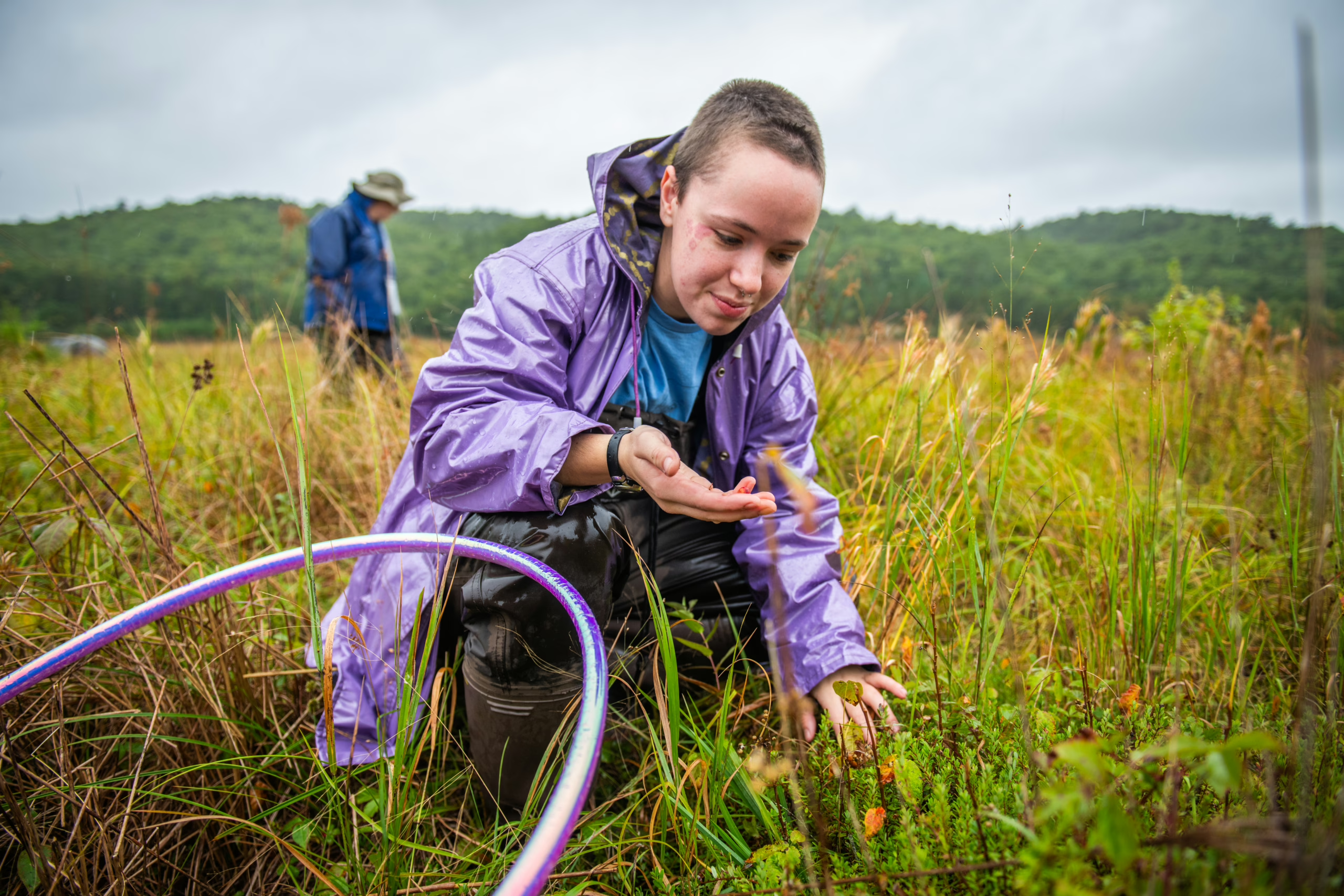
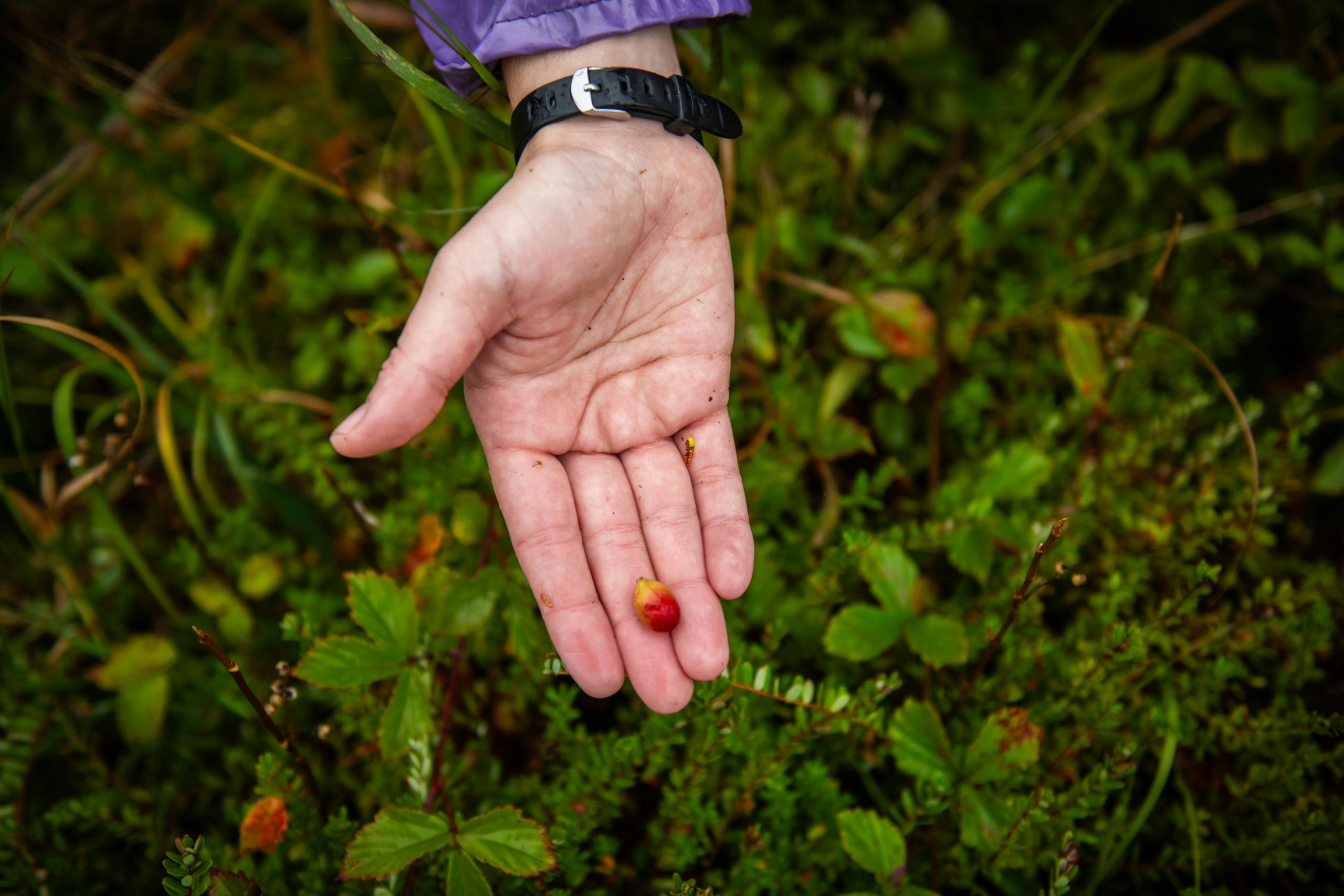
Altopp engaged in this hands-on work on campus, too. One of her favorite courses, Ecological Restoration with Biology Professor Elizabeth Bone, tasked students with improving their immediate surroundings. The class updated a flower bed abutting the Kneller Athletic Center, filling the space with seasonal flowers. The spot had been a patch of dirt with runoff that created icy sidewalks in the winter and flooded the area in the spring.
“That was a cool project because we were looking for areas around Clark that could be beautified while being environmentally conscious and good for the community,” says Altopp. “I feel like people don’t know a lot of the smaller processes that go into restoration.”
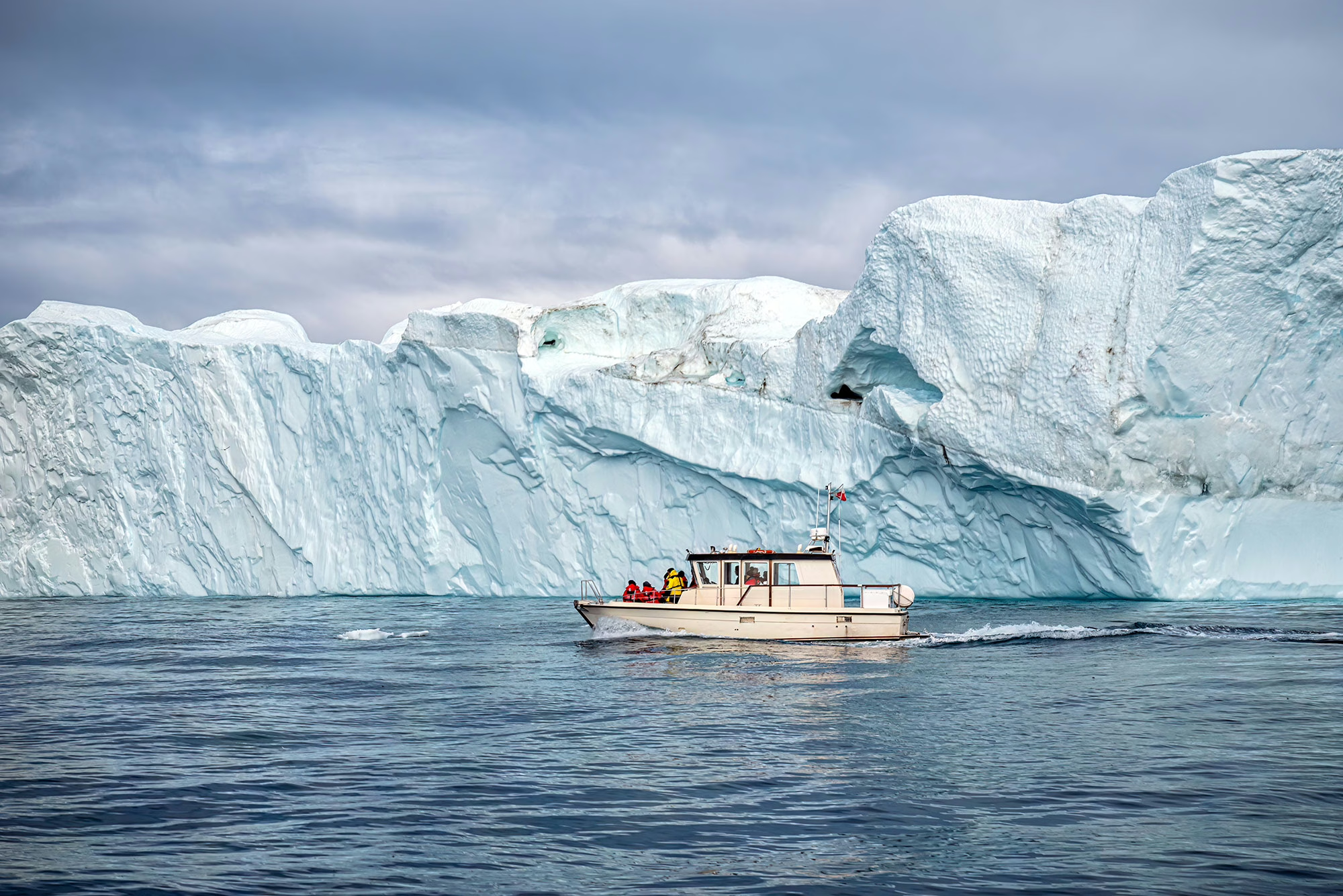
As a junior, Altopp studied abroad in Australia at the University of Tasmania, where she took many geography classes and spent ample time exploring her surroundings.
“I was working with species I’d never seen before,” she says. “I went on a boat trip to the southernmost point before the Antarctic shelf and saw albatross and dolphins. It’s something I never thought I would be able to do.”
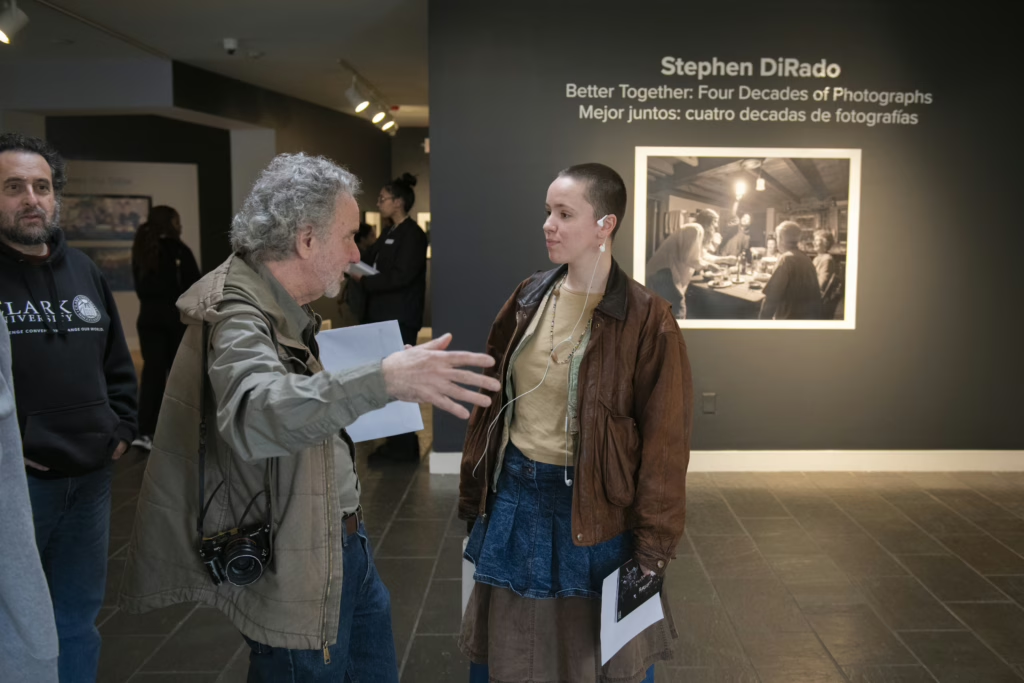
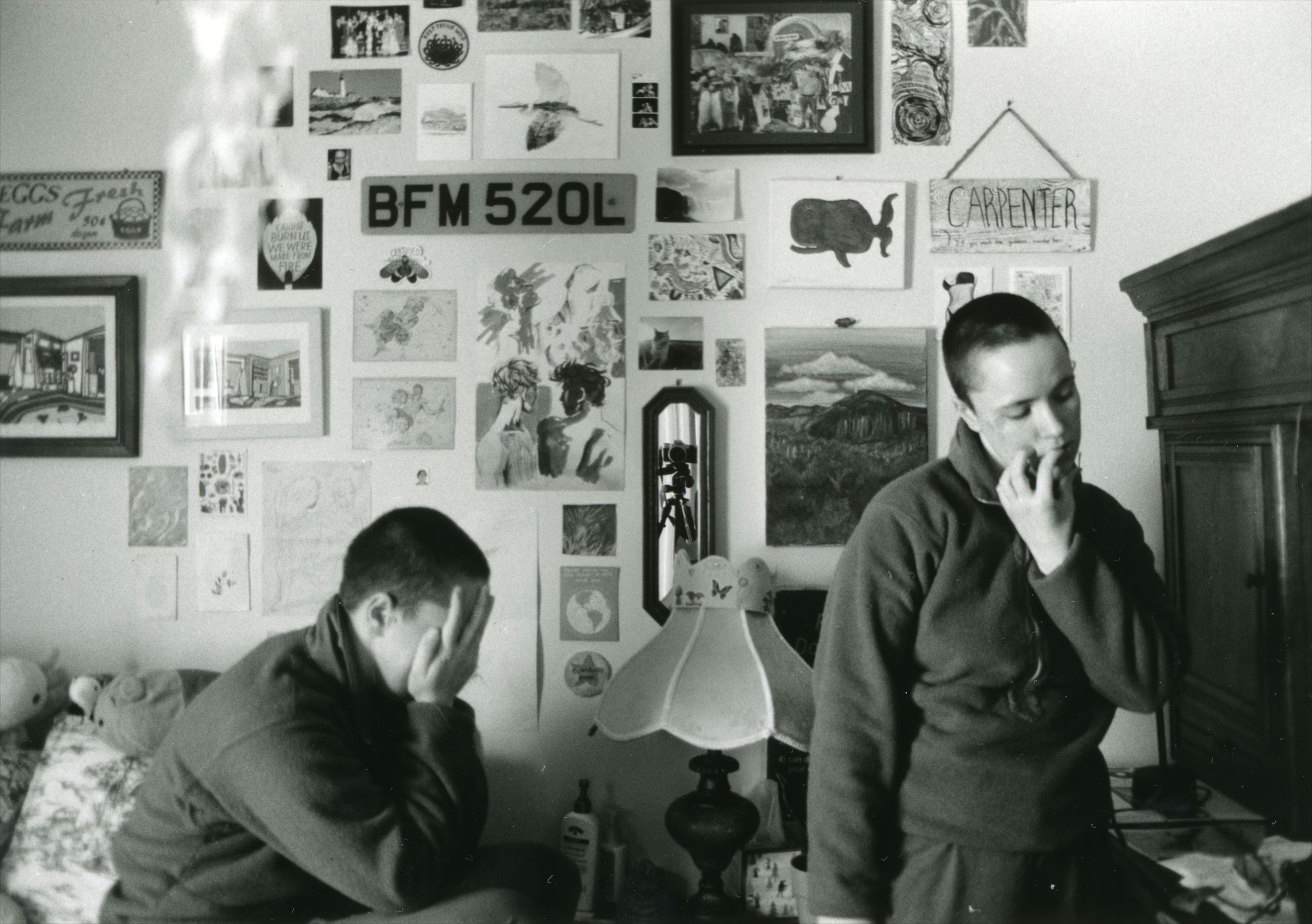
Altopp also found joy in classes outside her majors, particularly in Introduction to Photography with Visual and Performing Arts Professor Stephen DiRado.
“I’ve been taking photos forever and love film photography, but I’ve always sent it out to get it developed, so I knew that class would be interesting,” says Altopp. Her interests in photography and biology will intertwine soon, as Altopp is assisting DiRado in hanging an exhibit at the Traina Center showcasing photos of McCullough’s dung beetles taken by University Photographer Steven King.
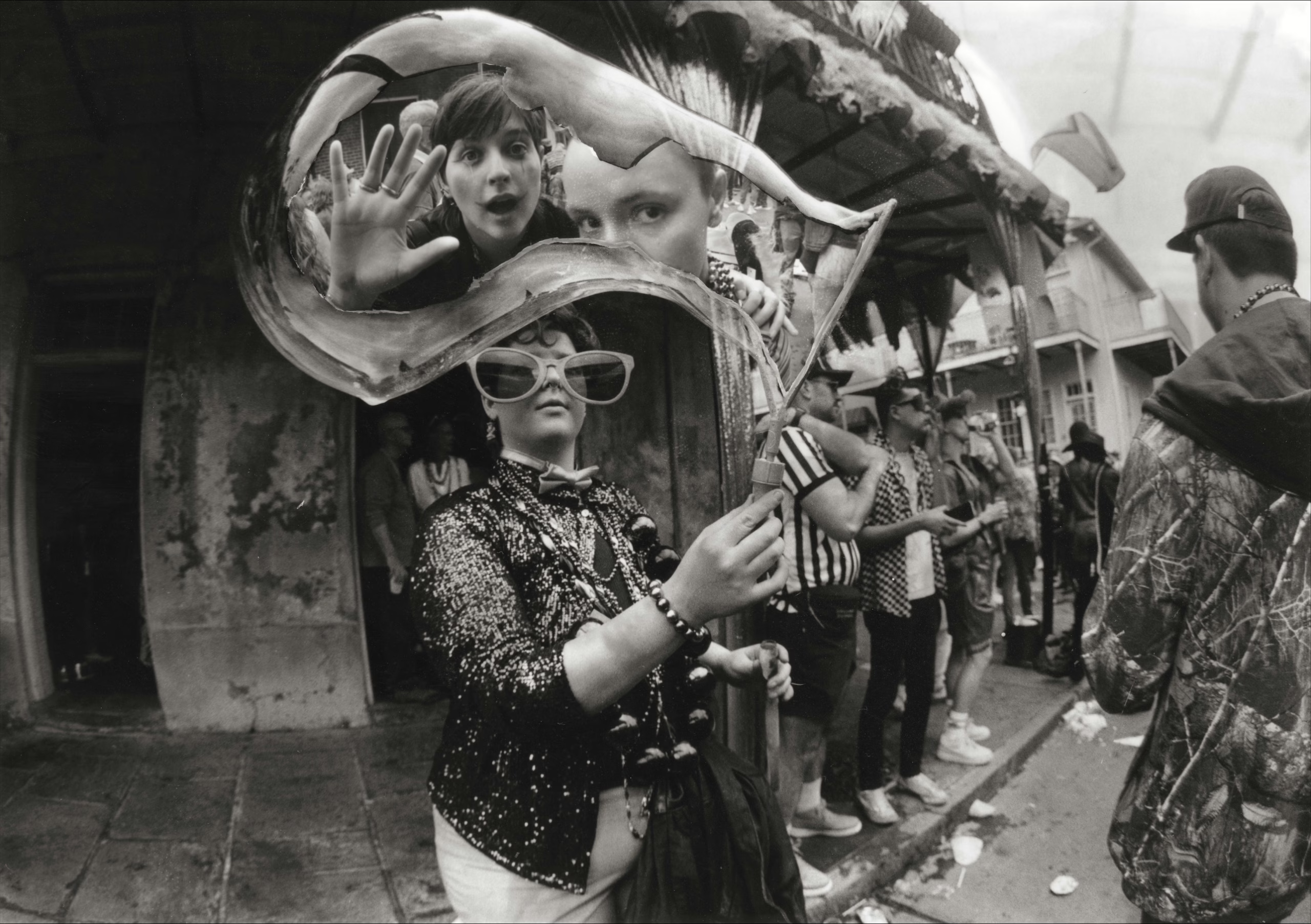
Working with professors like DiRado, McCullough, and Bone, whose passion inspires their students, has been a throughline during her time at Clark, she adds.
“My best professor experiences, my best class experiences, have been with people who are like, ‘this is my thing,’ and make it accessible for students like me,” she says.
After graduation, Altopp is considering a career in ecosystem restoration but is also curious about exploring the field of medicine, perhaps as an EMT. Eventually, she may return to school to pursue a doctoral degree.
Until then, Altopp is sure to be found outside.
“Anything where I can get my hands in the soil,” she says, “I’m down for whatever.”