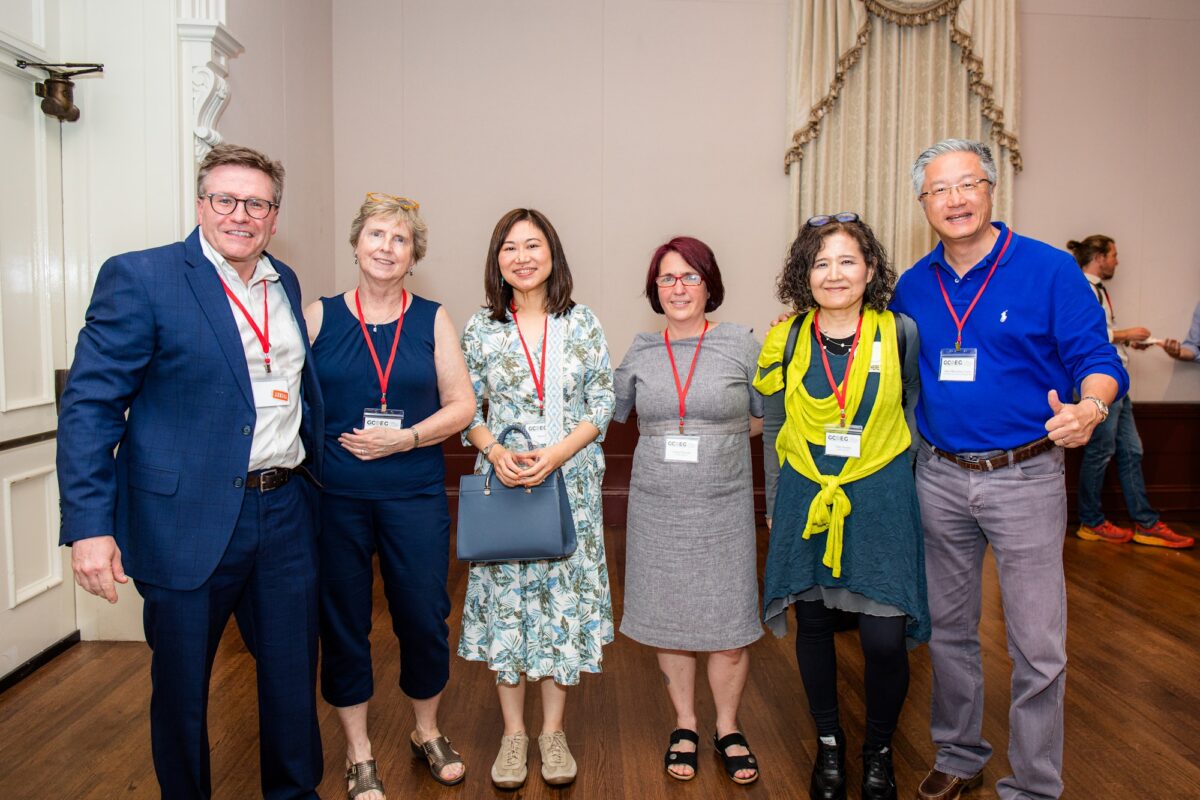
Above, from left, members of the Economic Geography team celebrate the journal’s 100th anniversary at the 7th Global Conference on Economic Geography in June: former editor-in-chief and current book review editor Jim Murphy, managing editor Hilary Laraba, editor Karen Lai, editor-in-chief Siobhan McGrath, former editor-in-chief and current editorial board member Yuko Aoyama, and former editor and current editorial board member Henry Wai-Chung Yeung. (Photo by Nathan Fiske)
Renowned Clark-based publication is among the world’s most cited
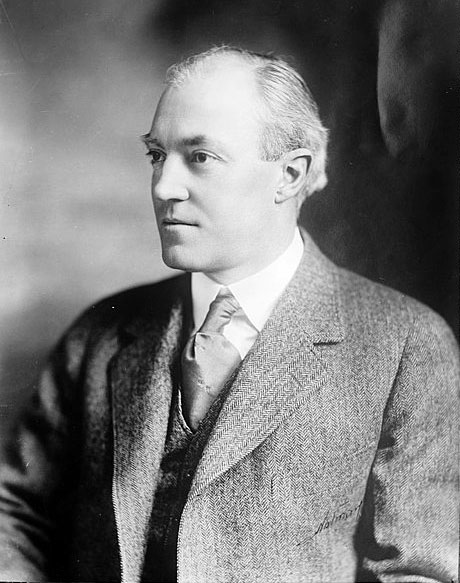
As Clark became the first U.S. institution to host the Global Conference on Economic Geography, drawing more than 400 scholars to campus this summer, it also marked another significant milestone in the field and for the University: the 100th anniversary of Economic Geography, a Clark-owned, internationally recognized scholarly journal.
Founded by President Wallace Atwood in 1925 and still based at Clark, the journal is considered the top publication in the field of economic geography, according to Jim Murphy, who, until recently, served as editor-in-chief for 11 years. The journal’s impact factor score — which indicates how often its articles are cited over a two-year window — was ranked as high as 14.9 (in 2022) during Murphy’s tenure, making it one of the most influential journals in two distinct fields — geography and economics. The journal currently ranks fourth out of 173 journals in the field of geography, and 11th out of 617 journals in the field of economics.
“What I’ve been most proud about is not necessarily the impact score but that scholars have gotten the message that we expect more from their papers because, in our field of economic geography, it’s the journal you want to publish in,” says Murphy, professor and director of Clark’s Graduate School of Geography.
In the journal’s charter, Atwood specified that its editor-in-chief would come from the Graduate School of Geography, which he founded in 1921.
Abiding by this mandate as the journal celebrates its centennial, Murphy has turned over the reins to the 11th editor-in-chief, Siobhán McGrath, an associate professor of geography who studies labor and global production networks.
‘We trust that the days of wars will soon have passed’
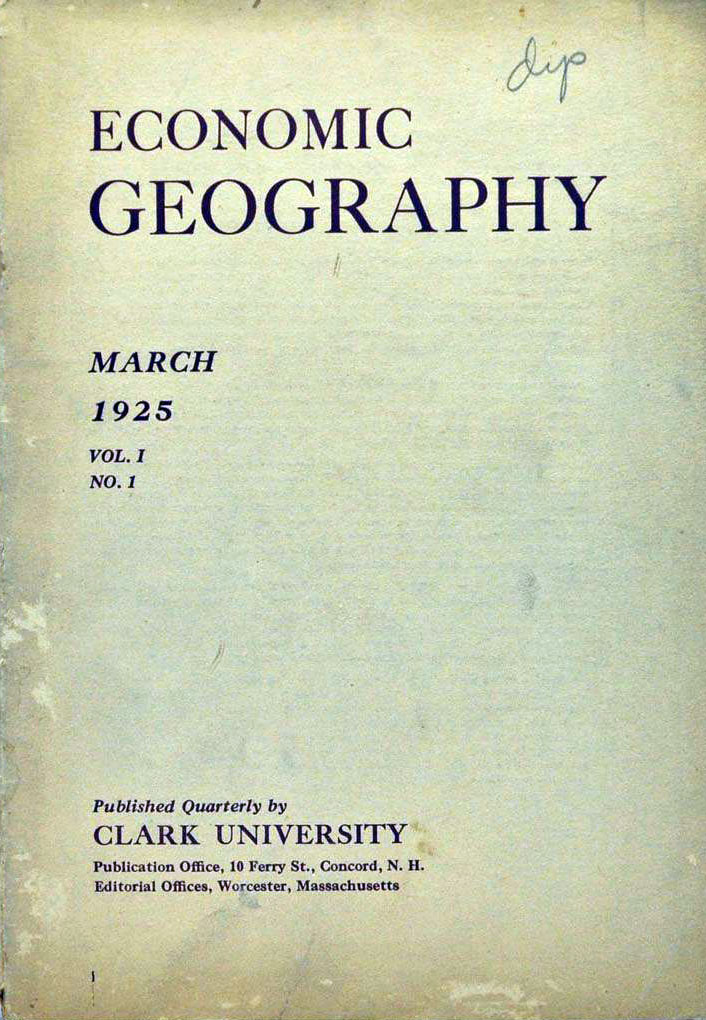
At the 7th Global Conference on Economic Geography, Murphy provided a retrospective on Economic Geography’s first century, part of three panel sessions on the journal’s past, present, and future.
In the early 20th century, the field of economic geography focused primarily on “the description and interpretation of lands in terms of their usefulness to industry,” as one scholar put it.
To launch the journal, Atwood gained the support of Charles Thurber, head of Ginn Publishing and the first alumnus to serve on Clark’s board of trustees, and hired managing editor Walter Elmer Ekblaw, who would eventually obtain a Ph.D. in geography from Clark. “He did all the work,” Murphy says.
Atwood, a champion of geographical literacy and education, was the author of geography textbooks that were widely circulated to schoolchildren throughout the U.S. He saw economic geography scholarship and teaching as a way to build cooperation among nations in the post-World War I era.
“The days of dueling have passed, and we trust that the days of wars will soon have passed,” Atwood wrote, then scratched out, in a draft of his journal manifesto, “for both of these old-fashioned methods formerly used in solving differences between individuals or between nations are now known to accomplish relatively little toward the solution of the real and larger problems which humanity is facing.”
In his manifesto published in the journal’s first issue in March 1925, he stated: “As we move forward to a more intensive and effective utilization of the world’s resources, we must have a broader and more accurate knowledge of their extent and distribution.”
Atwood’s statement underscored “what most of 20th-century economic geography was about,” according to Murphy.
The bulk of the first volume’s articles focused on agriculture; the rest addressed trade, transportation, power, urban areas, minerals, forestry, and fisheries. Thirteen of the 36 articles explored issues in the United States vs. the rest of the world.
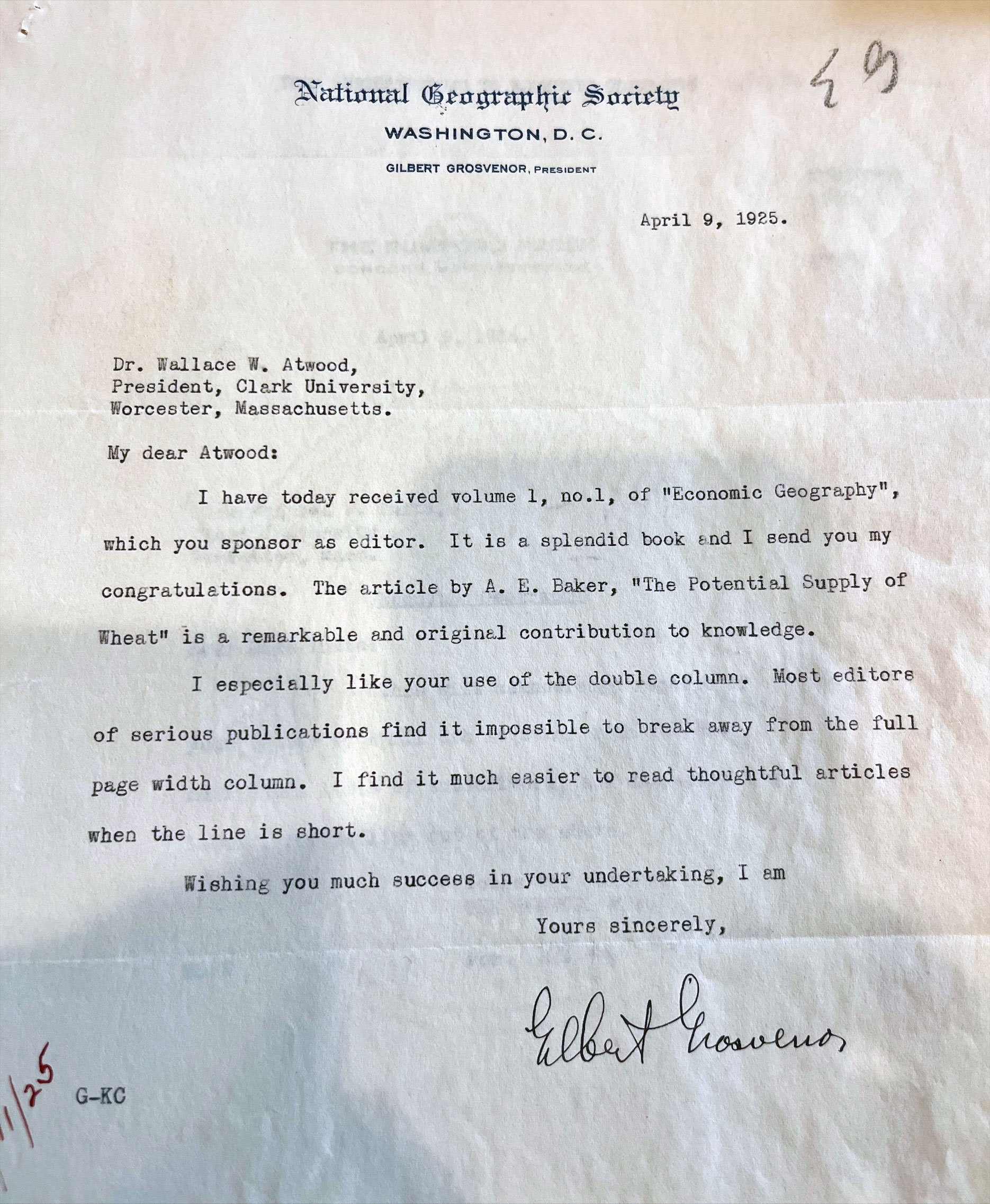
In a congratulatory letter to Atwood, National Geographic Society President Gilbert Grosvenor deemed an article on “The Potential Supply of Wheat” to be “a remarkable and original contribution to knowledge.”
The journal also drew letters of praise from captains of American industry, including Robert S. Brookings, the St. Louis businessman who launched the research institute still bearing his name.
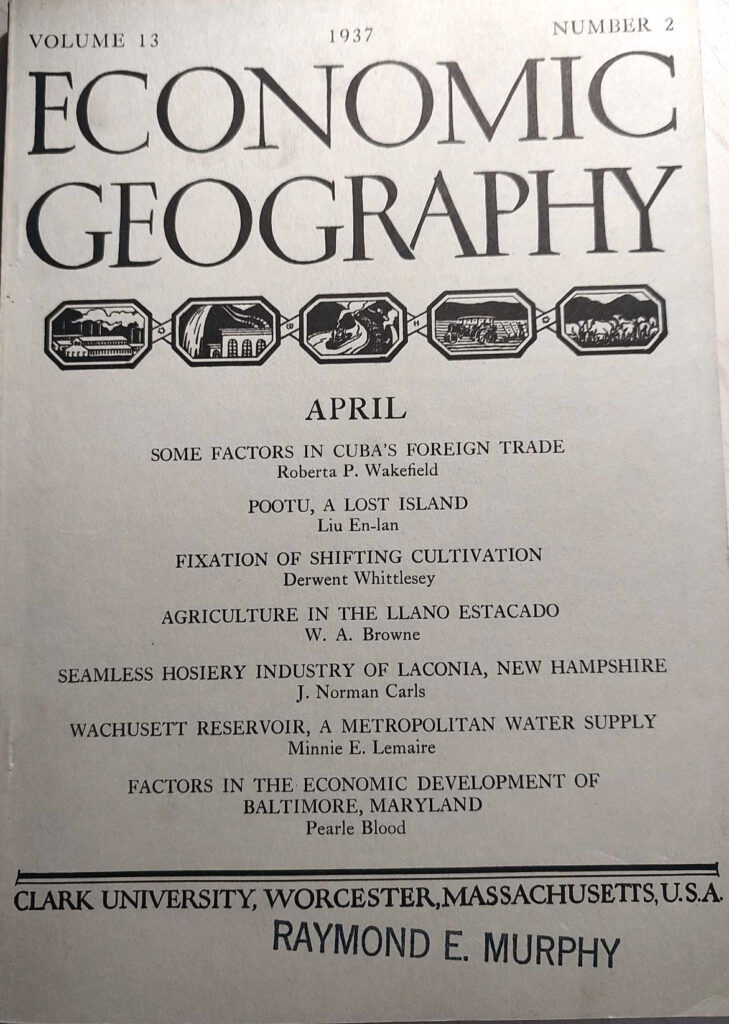
From the 1920s to 1940s, articles continued to focus on agriculture and industry, including “Land Values in the Blue Grass and Nashville Basins” (1930), “City Retail Structure” (1937), “The Spanish Moss Industry of Louisiana” (1943), and “Locational Factors Affecting Industrial Plants” (1948).
And in what was unusual for a woman at the time, U.S. Department of Commerce cartographer Helen M. Strong wrote articles and more than 60 book reviews for the journal, and served on the Journal’s editorial board, then known as the Board of Councilors, according to Murphy.
Swinging from qualitative to quantitative approaches
Despite global geopolitical tensions from 1949 to 1969 — from the escalating Cold War to U.S. conflicts in Korea and Vietnam, and from Arab-Israeli wars to African nations’ struggles for independence — the editorship of Raymond Murphy (no relation to Jim) remained somewhat calm, in part because he made most of the decisions. In a retrospective 10 years after leaving his post, Raymond Murphy wrote, “Most journals use referees or an advisory board to make editorial decisions, but I did not do this. It was too time-consuming.”
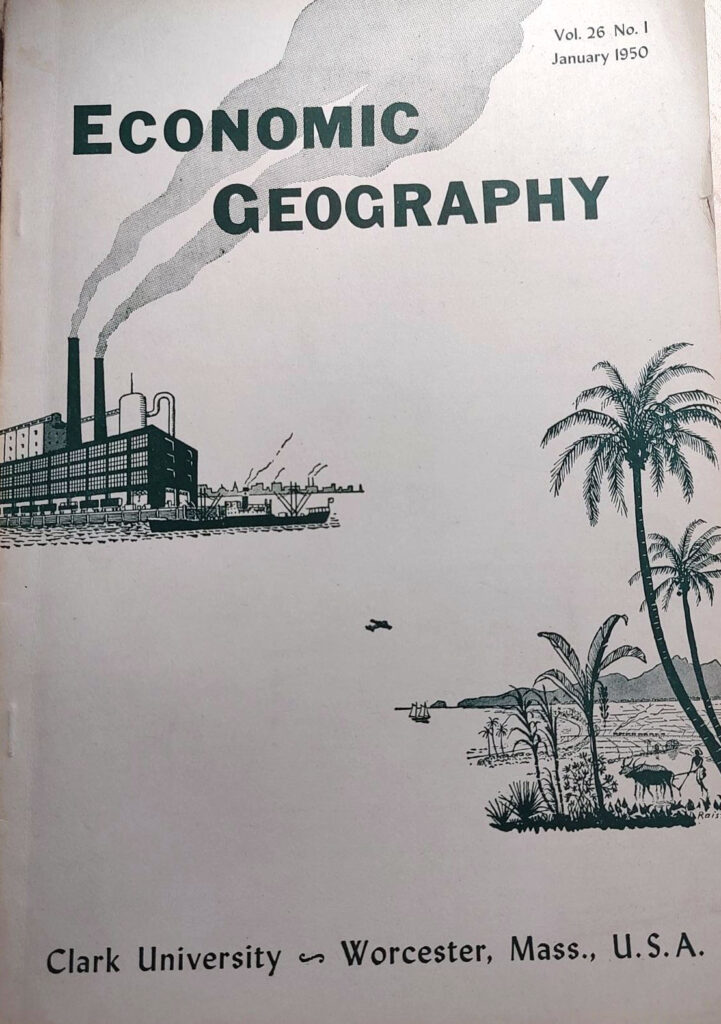
Yet, in the late 1960s, the field of economic geography faced “an identity crisis,” according to Jim Murphy. The journal included more guest editorials focused on urban and area studies, public policy, and issues like poverty, while other scholars argued for adopting a quantitative approach that relied on statistical models to analyze economic activities and their distributions — used widely in the field of economics.
From 1970 to 1991, editor-in-chief Gerald “Jerry” Karaska “believed that the future of economic geography lay more in the use of modern statistical techniques,” Murphy says. “Almost overnight, starting in 1970, the journal published one mathematical paper after another.”
Karaska also introduced special issues, which, by the 1970s, included a range of articles, from those applying the qualitative analysis of Marxist and feminist political geography, to one piece using quantitative research to examine regional modeling of trade fees.
In 1992, the journal’s book review editor, Richard Peet, and Susan Hanson became co-editors, selecting articles that applied new lenses — radical geography and feminist analysis — through which to examine issues of gender, environment, and industrial change.
“They turned almost every issue into a special issue,” according to University of California Professor Eric Sheppard, who serves on the journal’s editorial board, in recounting the Hanson-Peet era running through 1999.
‘An accurate representation of where the field is currently and where it’s going’
Beginning in 1997, when his first Economic Geography article, “Business Networks and Transnational Corporations: A Study of Hong Kong Firms in the ASEAN Region” was published, Henry Wai-Chung Yeung began encouraging his colleagues in the field to pay attention to Asia and the rest of the world. In 2001, he became a member of the editorial team, working with then-editor-in-chief David Angel, who later would become provost, then president, of Clark.
“If you look at the most recent issue, in terms of the papers to be published, you can see a great diversity compared to the ones even up to the early 1990s, when I started,” says Yeung, a professor at the Chinese University of Hong Kong, who recently retired as an editor but still serves on the editorial board. “It has been an extreme privilege to be involved in this journal for a quarter century of my life.”
“With the new editorial team, it’s an opportunity for us to ensure that the journal continues reflecting, and contributing significantly to, the evolution of the field of economic geography.”
— editor-in-chief siobhán mcgrath
Some of the latest articles accepted for publication, for instance, include “Financialization of Housing Production: Unveiling the Fake Equity in Urban China” (Ang Liu, Rutgers University), “Long-Run Innovation Patterns in US Cities: Shifting Landscapes and Technological Change” (Joan Crespo and Jesús Peiró-Palomino, both of the University of Valencia, Spain); and “The Place-based Work of Global Circulation: Maritime Workers, Collaboration, and Labor Agency at the Seaport” (Andrew Warren and Chris Gibson, both of the University of Wollongong, Australia).
Clark Geography Professor Yuko Aoyama — who organized the 7th Global Conference on Economic Geography — dealt with significant changes in the publishing industry, notably digitalization, during her tenure as editor-in-chief from 2006 to 2014.
“We decided we needed to partner with a commercial publisher. And that was a hugely controversial decision for the department and for the University,” she recalled at a roundtable discussion, “Economic Geography at 100 #1: Retrospective on the First Century,” held during the conference in June. “But I felt that this was really important for the future sustainability of the journal.”
The online and print journal is now published by Taylor and Francis Online, and for now, it continues to publish a print version.
Aoyama credited Angel — editor-in-chief from 1999 to 2006 — with instituting a team of editors from outside Clark to assist him with shaping the journal’s direction, selecting articles, assigning them to scholars for review, and working with authors. A team of three editors from across the world continues to assist the Clark-appointed editor-in-chief today.
“I think that was a really good idea. It created diversity and other points of view,” Aoyama said, “which is not really revolutionary now, but it was then.”
Starting this summer, the journal’s international editorial team welcomed three new members: Carolina Castaldi of Utrecht University in the Netherlands, Chris Gibson of the University of Sydney in Australia, and Karen Lai of Durham University in England.
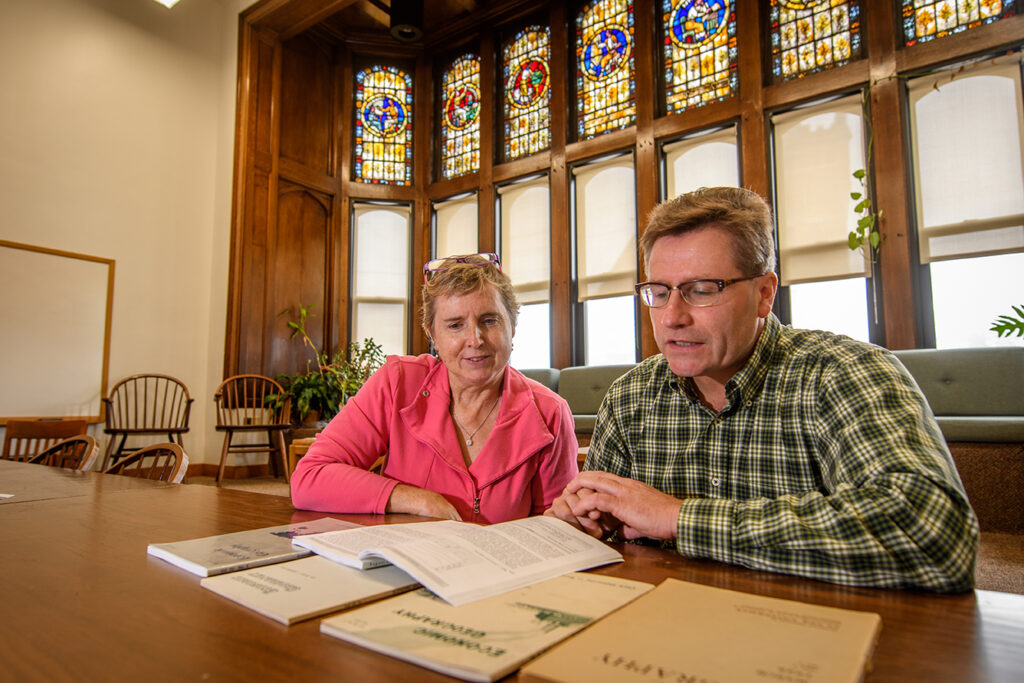
Murphy is now the book review editor, and Aoyama continues to serve on the journal’s 31-member editorial board. Another source of excellence and continuity is Hilary Laraba, who has served as managing editor of the journal since 2010, now working with her third editor-in-chief.
“We have had a fantastic team, ultimately held together by Hilary Laraba,” Murphy says. “I don’t think I would go a week without 75 email exchanges and conversations with Hilary. She’s been a fantastic friend, collaborator, and professional, and she will be continuing with the new editorial team.”
McGrath and the three new editors are now developing the journal’s vision statement.
“The journal has been, and needs to be, an accurate representation of where the field is currently and where it’s going,” she says. “With the new editorial team, it’s an opportunity for us to ensure that the journal continues reflecting, and contributing significantly to, the evolution of the field of economic geography.”