


Author Unmasked
Fantasy writer George Jreije ’17, MBA ’18, draws on many inspirations, but his book about a young man’s bout with alopecia will be his most personal yet
Photographs by steve king
Tarik is a daydreamer, his pre-teen fantasies transporting him as far as his imagination will allow.
But when he begins to lose his hair inexplicably, the vivid scenes dancing through Tarik’s mind are monstrously transformed. Nefarious forces seem to pursue him as his tresses thin. He fights the demons ferociously, before resigning himself to a difficult fact: The harder he resists, the harder it will be to adapt to the inevitable.
Tarik may be a fictional character, but his story is grounded in the true-life experience of his creator, George Jreije ’17, MBA ’18, who, while a student at Clark, endured his own tug-of-war battle with the hair-loss condition known as alopecia. When Tarik makes his debut in Tarik’s Bazaar Adventure, the tentative title for Jreije’s forthcoming graphic novel to be published by HarperCollins, readers will experience the many emotions that swept through him as he underwent a personal metamorphosis.
“The mask was gone.”
Once he began to lose his hair, Jreije felt embarrassed and concerned about being judged by his peers. Hair is more than just a physical trait for Lebanese Americans like himself, he says—it’s an integral part of the Arab identity. Without hair, he felt exposed; his identity compromised.
Jreije also recognized that he was facing a biological imperative over which he had no control. So, he surrendered to it.
“There was a melting away,” he recalls of that time. “The mask was gone.”
Getting to this stage required deep reflection, radical self-acceptance, and a fierce support system for Jreije to discover that his “loss” could actually be his gain. The discovery proved to be revolutionary.
“It was like being able to breathe out of a second nostril for the first time when you’ve only breathed out of one your entire life.”
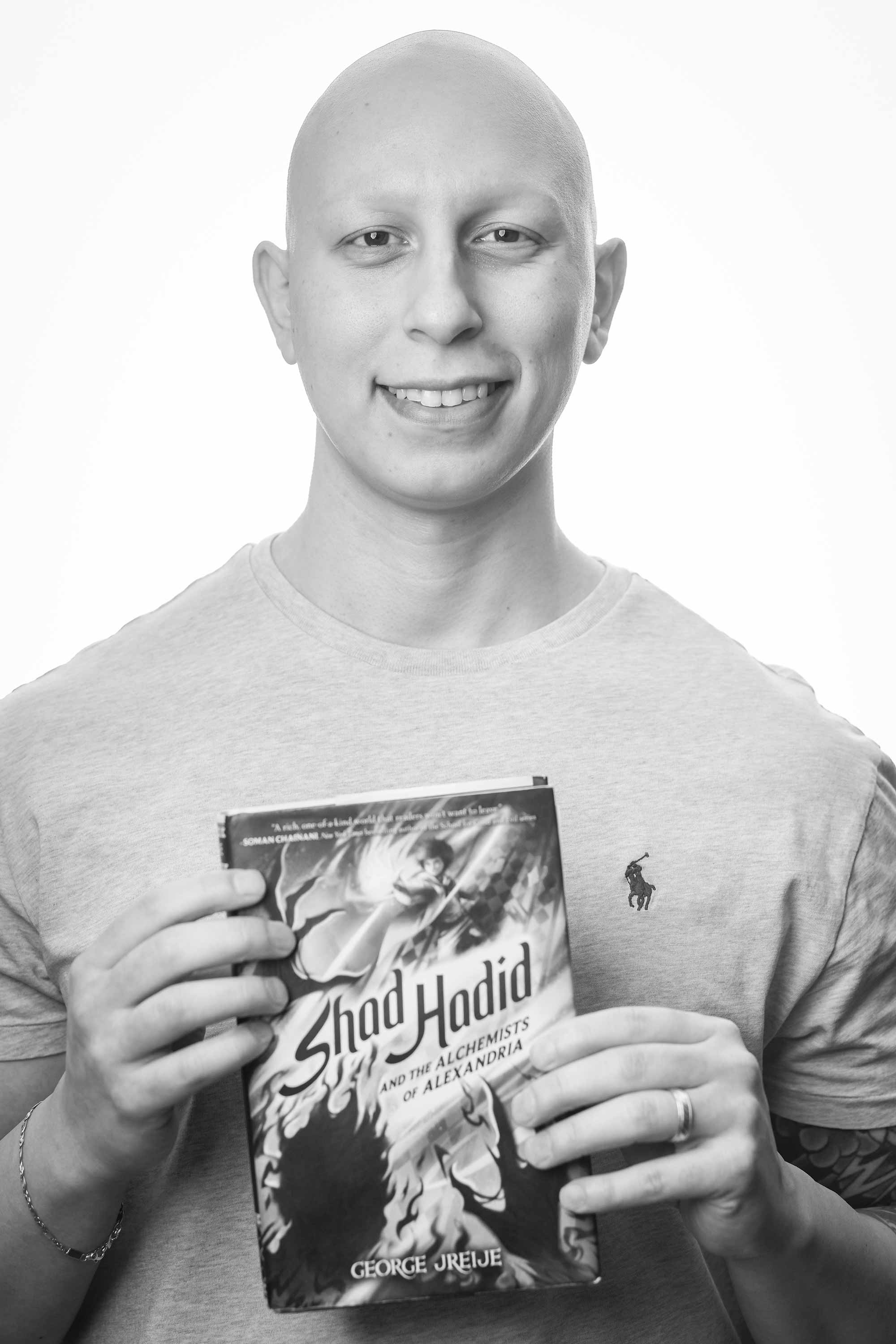
Jreije grew up in the Harry Potter generation, but, unlike many of his peers, he wasn’t entranced by the story of the boy wizard—or any other novels, for that matter. He wasn’t a regular reader through elementary and middle school.
By the time he was a junior at Clark, Jreije had read enough books and penned enough essays that he felt inspired to take a stab at writing fiction.
“I wasn’t good,” he recalls with a chuckle.
“With anything new you try, the more you do it, the more you realize you have room to grow,” he says. “That might turn some people off, but it excited me. When I realized I had room to grow, I went at it harder.”
The political science and management double major stayed at Clark for a fifth year to earn his MBA, then forged a business career that took advantage of his skills in B2B marketing, digital strategy, and content marketing. Working full-time did not keep him away from his keyboard, where he created the character of Shad Hadid, a 12-year-old burgeoning alchemist who embarks on an adventure at a fabled magical school.
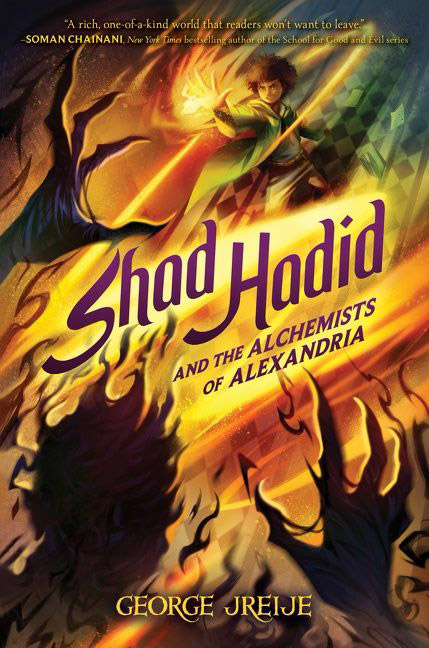
Jreije wrote until he felt confident enough to pitch a literary agent, who began reaching out to publishers. HarperCollins outbid the rest of the “Big Five” publishing house at auction for Shad Hadid and the Alchemists of Alexandria (2022) and Shad Hadid and the Forbidden Alchemies (2023), the first two in his fantasy series. A short comic series inspired by the Shad Hadid books is forthcoming as well.
Jreije is expanding his HarperCollins repertoire with Tarik’s Bazaar Adventure and a second graphic novel to follow, Lilo and the League of Librarians, which chronicles librarians fighting off spirits determined to consume books, an intentional metaphor for the wave of book-banning across the country.
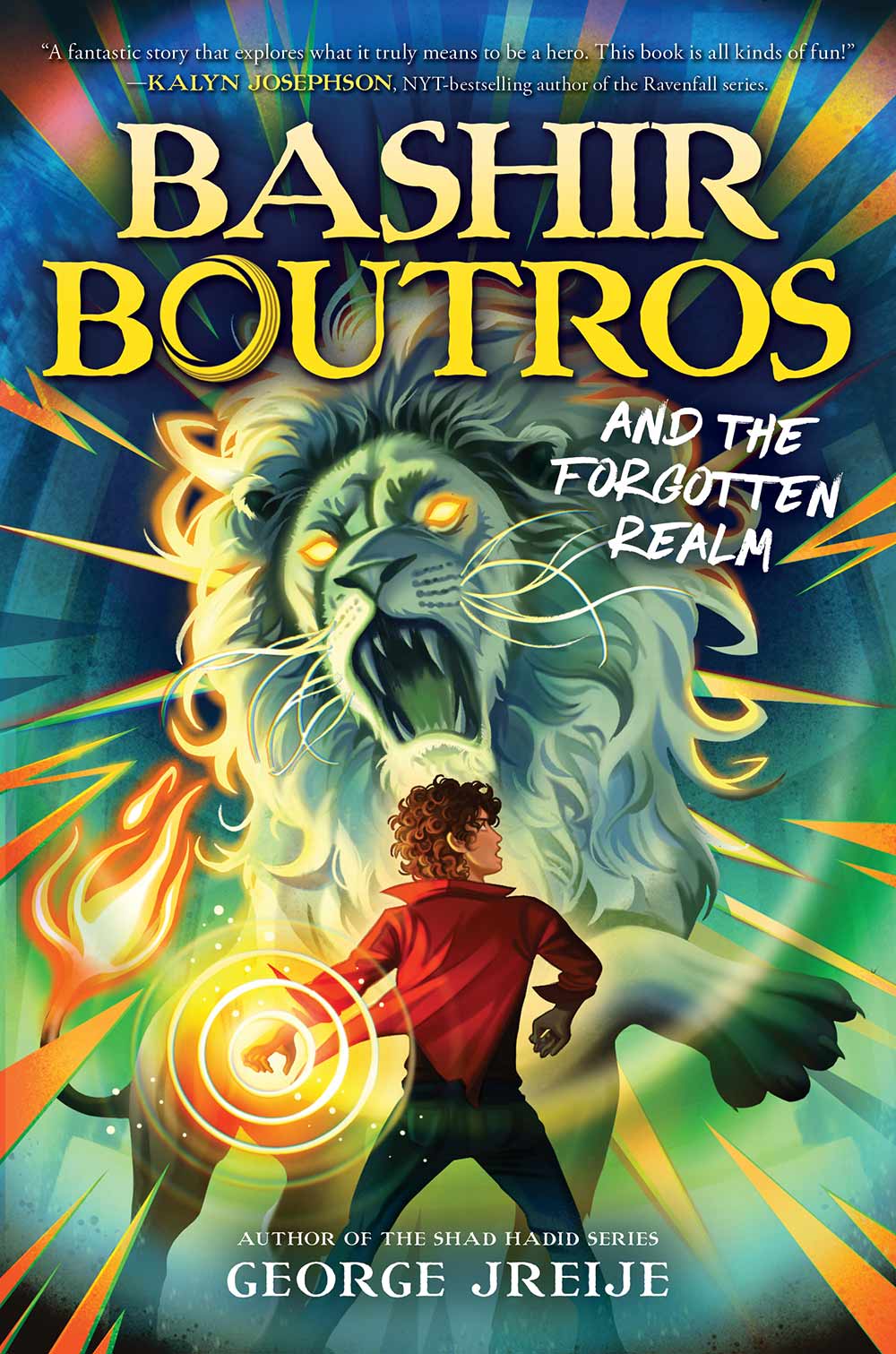
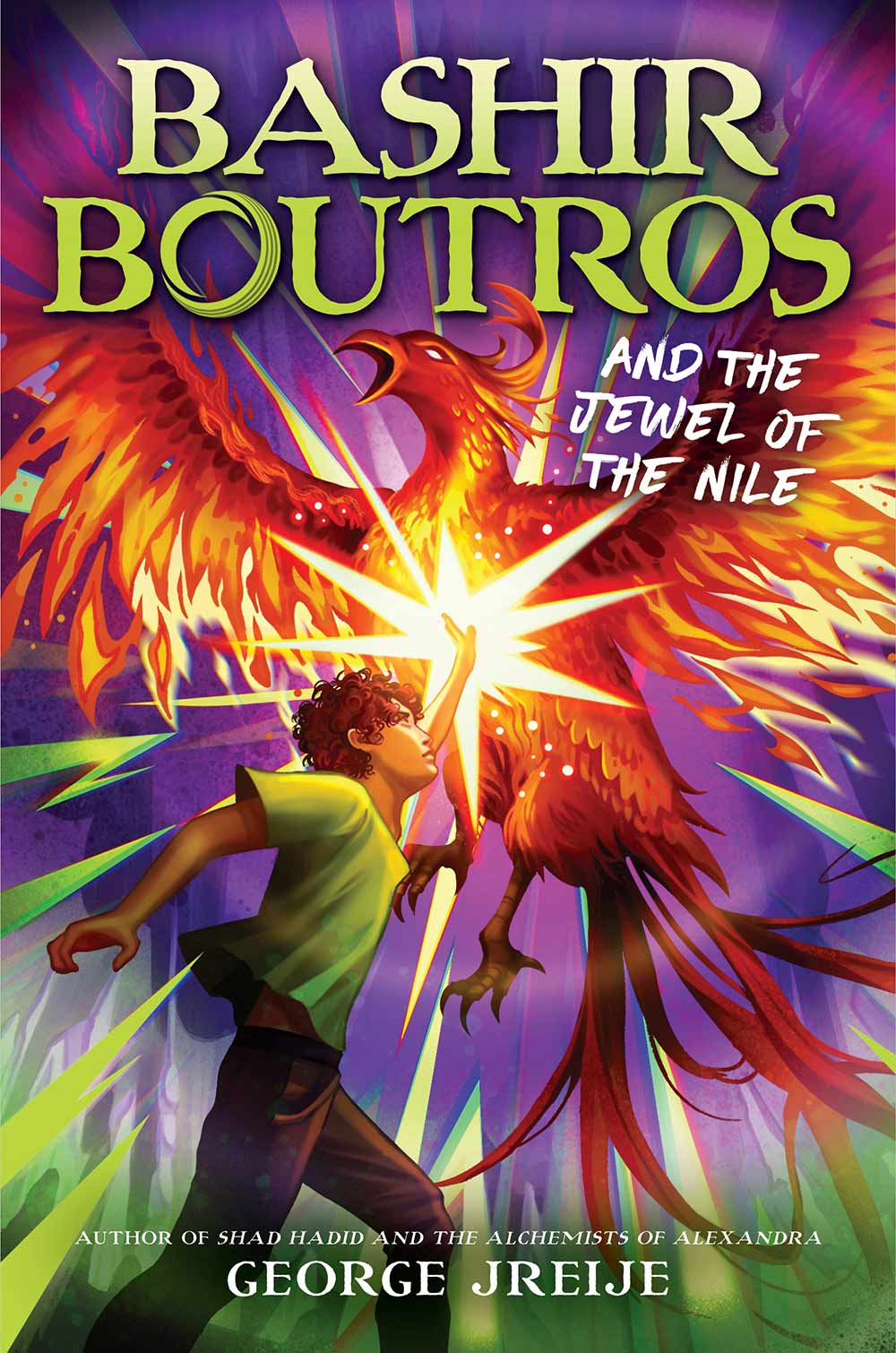
Releasing in May is Bashir Boutros and the Forgotten Realm, the second book in another series featuring a formidable pre-teen engulfed in a fantastical adventure. The first installment, Bashir Boutros and the Jewel of the Nile, published last year.
Jreije says his brain is too busy to sit still for dedicated writing sessions. Instead, he’ll write from bed, in a coffee shop, or during meals, jotting down small bits as inspiration strikes. He’ll scribble a few sentences during a TV commercial break, maybe a couple of paragraphs on his commute. He insists these “in-between moments” bring out his best writing.
“Writing a little bit each day creates a story,” he says. “It’s not this giant act of will; it’s actually the sum of a lot of small decisions.” These are the kinds of lessons Jreije dispenses as a creative writing teacher for the Gotham Writers Workshop as well as a frequent speaker at conferences and schools.
Through Instagram posts, Jreije deflects criticism that middle-schoolers—and even adults—won’t be interested in his books when other popular series like Harry Potter and Percy Jackson are available on the same shelves. His books have reversed the tropes of the fantasy genre. Instead of characters arriving at intrinsically magical places such as Percy Jackson’s Camp Half-Blood or Harry Potter’s Hogwarts School of Witchcraft and Wizardry, Shad Hadid arrives at Alexandria Academy to find that alchemy has been banished from the premises, gatekept by villainous forces. Shad must find a way to restore the lost art.
“The magical school isn’t quite so magical until Shad makes it so,” Jreije says. “Everyone tells Shad that alchemy doesn’t exist and that he looks silly for trying to preach about it and ultimately bring it back. But in being his authentic self, he ignores those voices against all odds.”
Jreije was about 12 years old when he was diagnosed with alopecia, a condition in which the immune system attacks hair follicles, causing hair loss on the scalp, face, or body. Alopecia areata is one of the more common types of hair loss, according to the American Academy of Dermatology Association, and usually presents in patchy splotches. More rarely, a person can lose hair on their scalp and throughout their body. Initially, Jreije’s loss was restricted to his limbs, which made him breathe a little easier.
When high school came around, however, Jreije discovered he had developed the most severe strain of alopecia. During his first year at Clark, the condition accelerated. By his sophomore year, Jreije had lost all his hair.
“There’s no greater gift in life than having a strong sense of purpose and knowing that what you’re doing is helping to foster empathy.”
“It was a wonderful thing to be at Clark because everyone was so welcoming and so kind,” he says. “I had a support system at school, and a lot of those folks are my friends to this day. I don’t know that I would have had the same support system at another college.”
Few people publicly share their alopecia journey—Massachusetts Congresswoman Ayanna Pressley and actress Jada Pinkett Smith are among the few prominent figures regularly raising awareness, sporting their baldness with pride. Jreije wanted to enter the public conversation through his writing, but he recognized the story he would tell needed a twist.
“That’s how I birthed the idea of adding a fantastical element to Tarik’s story,” he says, “because, to be frank, I might not have been interested as a reader without it.”
Jreije was surprised to discover how much he enjoyed infusing pieces of himself into his writing, which is why we first meet Shad Hadid in front of a bakery window, salivating at the sight of the pastries on the other side of the glass. Jreije bequeathed his own sweet tooth to Shad. On his quest to defeat evil forces, Shad encounters rose water, a key ingredient in baklava, what Jreije calls the “Holy Grail” of Lebanese sweets.
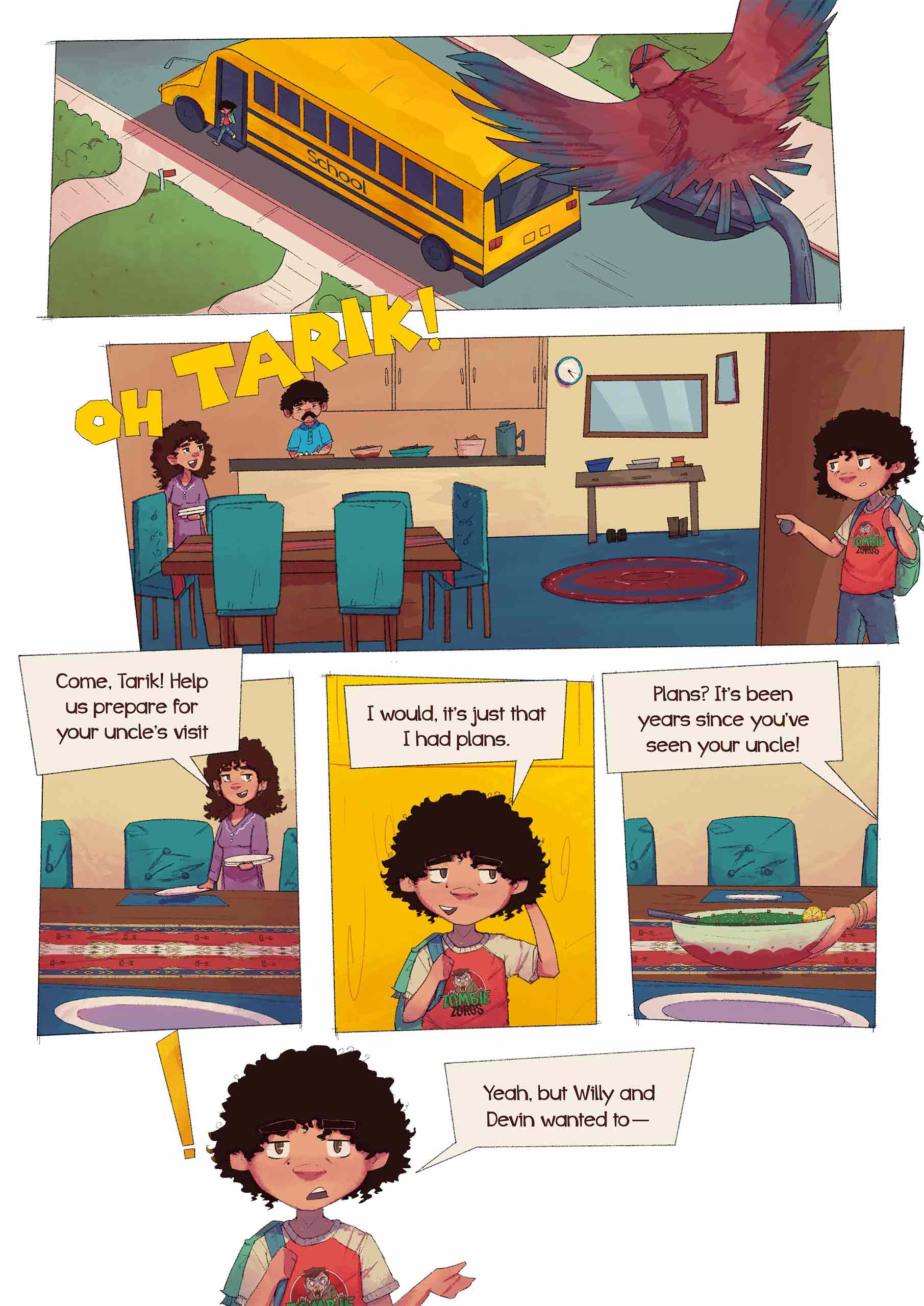
TARIK’S BAZAAR
ADVENTURE WITH
ARTWORK BY UMAIR
NAJEEB KHAN.
As Jreije transitioned to a vegan diet, his characters opted for plant-based staples of Middle Eastern cuisine. He has grown so fond of vegan kibbeh that the dish appears in the Shad series. “I reference vegan foods in my books now to push my agenda,” Jreije says with a cheeky grin.
Shad Hadid’s story is ultimately a celebration of Arab culture. The series earned praise from Arab readers who craved more literary representation while also resonating with those eager to learn about a culture new to them. The positive reception inspired him to introduce his audience to alopecia through the character of Tarik, who he saw as an instrument of acceptance and awareness.
Coming of age in post-9/11 America, Jreije spent years repressing his Lebanese roots. In the grade school lunchroom, peers shot quizzical glances at the lunches his mother packed. Strangers sometimes lobbed the word “Arab” in his direction as though it were an insult.
Writing has become the catharsis for working through the negativity. His characters live their lives fully, even brazenly, in the face of unwarranted scrutiny. Shad Hadid can’t resurrect alchemy without wanting to be an alchemist himself, a journey he completes despite judgment and ridicule. Tarik will be encouraged to explore treatment for his alopecia rather than wear his condition proudly (something Jreije also was urged to do). Their stories are meant to inspire readers to cast aside the fear of being different and move forward, empowered to live authentically and unapologetically.
“There’s no greater gift in life than having a strong sense of purpose and knowing that what you’re doing is helping to foster empathy,” says Jreije. “Books do this more effectively than almost anything else because you have no choice but to get inside the heads of these characters whose lives you’re experiencing.
“And the more that we can learn to embrace and appreciate the little parts of ourselves, the little experiences, the more we will learn to appreciate everything.”