



Selections from Our Scholars
Clark University faculty have published works on subjects ranging from intimacy and relationships to the dialogues of Plato and the films of Bollywood.
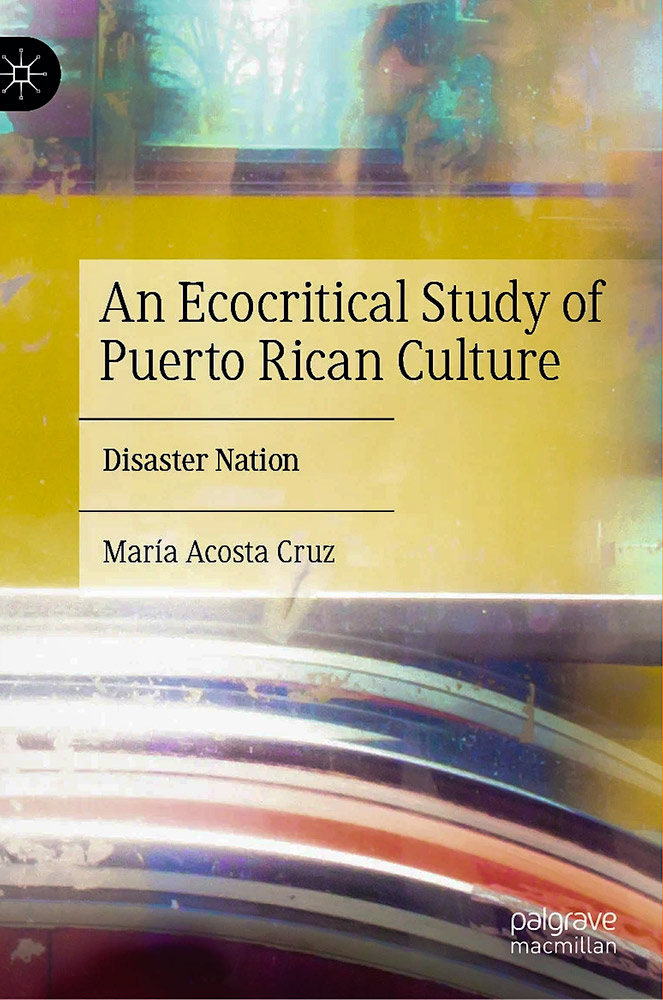
Disaster Nation: An Ecocritical Study of Puerto Rican Culture
María Acosta Cruz
Contrasting Puerto Rico’s eco-political history with its narrative and symbolic routes of disaster, trauma, and resilience, Acosta Cruz notes points of convergence and divergence. This book documents the continuities and discontinuities of how disasters are represented and underrepresented from earlier eras to the present.
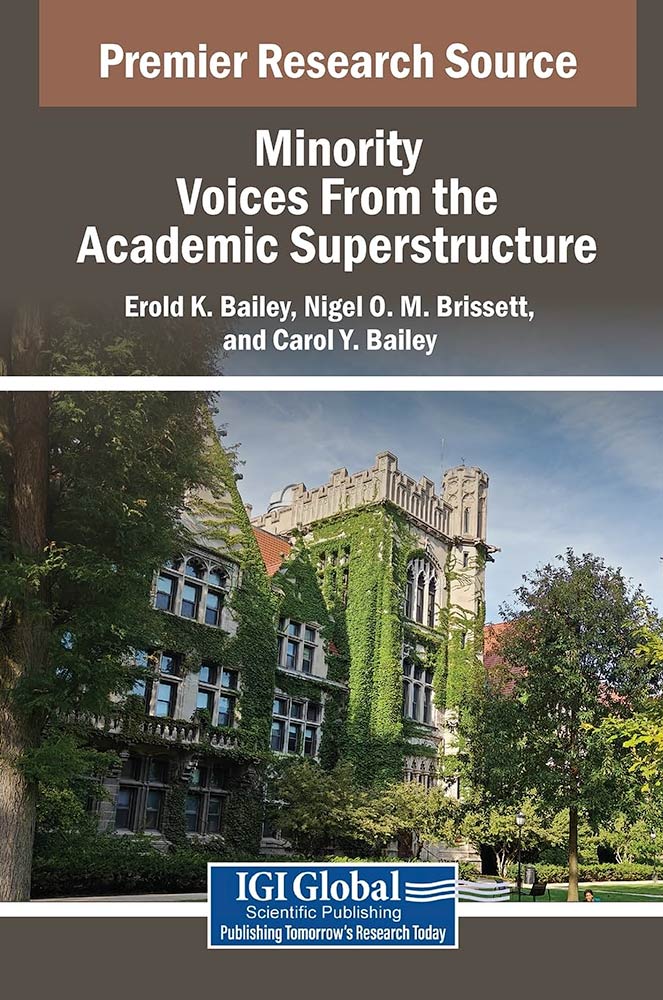
Minority Voices from the Academic Superstructure
Co-authored by Nigel Brissette
The experiences of racial minorities in the United States education system remain a pivotal point of academic discourse. Brissett and his co-authors explore the current state of minority experiences in academia while offering effective coping strategies through the lens of CRT principles and postcolonial theory.
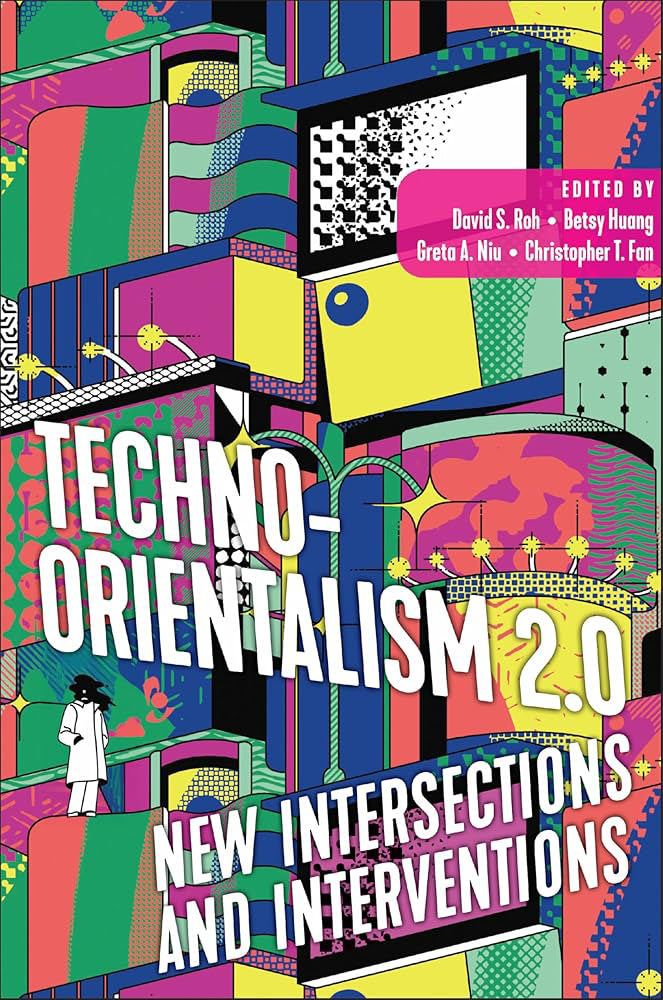
Techno-Orientalism 2.0: New Intersections and Interventions
Co-edited by
Betsy Huang
Building on the groundbreaking Techno-Orientalism: Imagining Asia in Speculative Fiction, History, and Media, published by Rutgers University Press in 2015, Techno-Orientalism 2.0 addresses the impact of a volatile post-pandemic present on speculative futures by and about Asians.
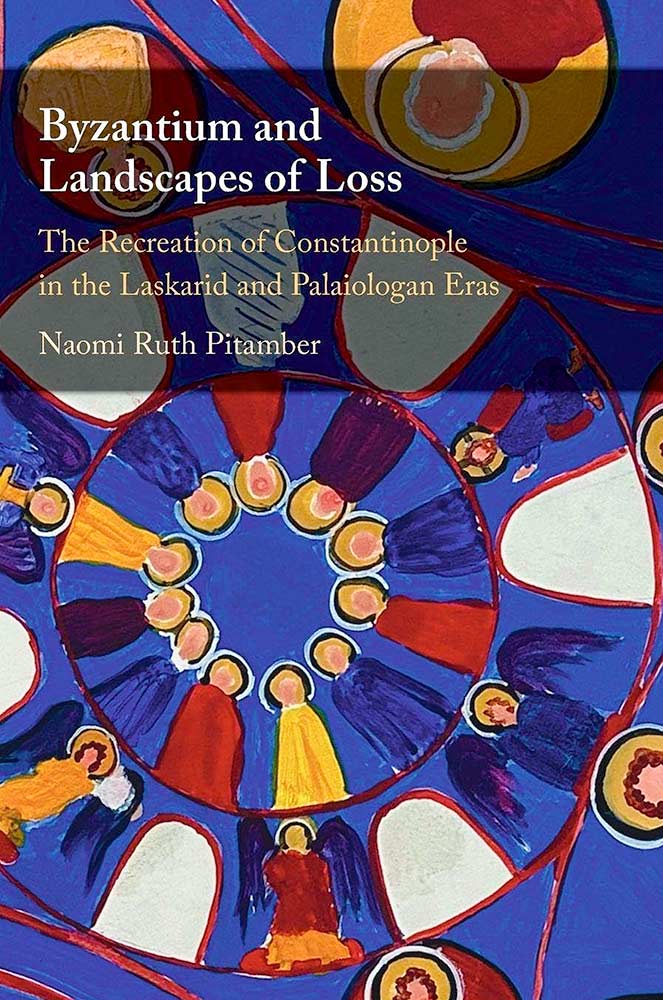
Byzantium
and Landscapes of Loss
Naomi Ruth Pitamber
Pitamber presents the art, architecture, and material culture of a little-known Byzantine dynasty, the Laskarids of Nicaea (1204–1261), uncovering their multiple contributions to the so-called Palaiologan Renaissance, which occurred in Constantinople after the city was regained in 1261.
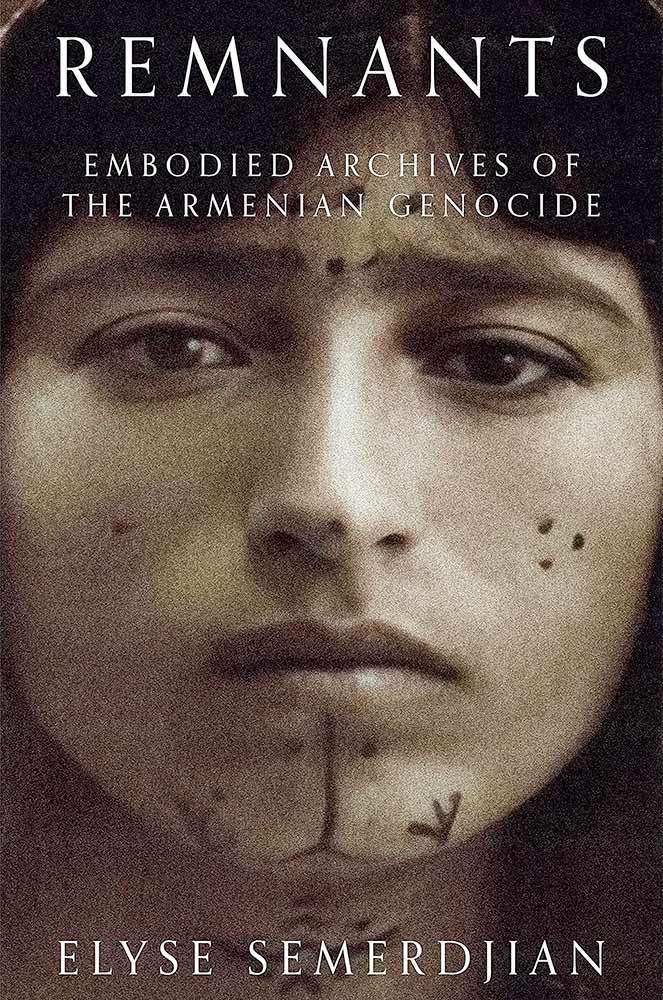
Remnants: Embodied Archives of the Armenian Genocide
Elyse Semerdjian
Semerdjian explores the Armenian Genocide through the traces left in the memories and on the bodies of its women survivors. Awards for Remnants include the 2024 Best Book Prize from the Association for Middle East Women’s Studies and the 2025 Raphael Lemkin Book Award from the Institute for the Study of Genocide.
Small States in a Shifting International Order
Co-edited by
Kristen Williams
Williams and her co-editors use case studies (like the Baltic states, Costa Rica, and Sweden) to show how small states are active agents, not just subjects, in global affairs. They offer a new framework for understanding international relations in a turbulent world and reveal how states pursue security and influence.