
Re-imagine our connection to the living world
The world needs leaders and visionaries who can integrate information from multiple fields to address complex environmental challenges and work towards a sustainable, equitable future.
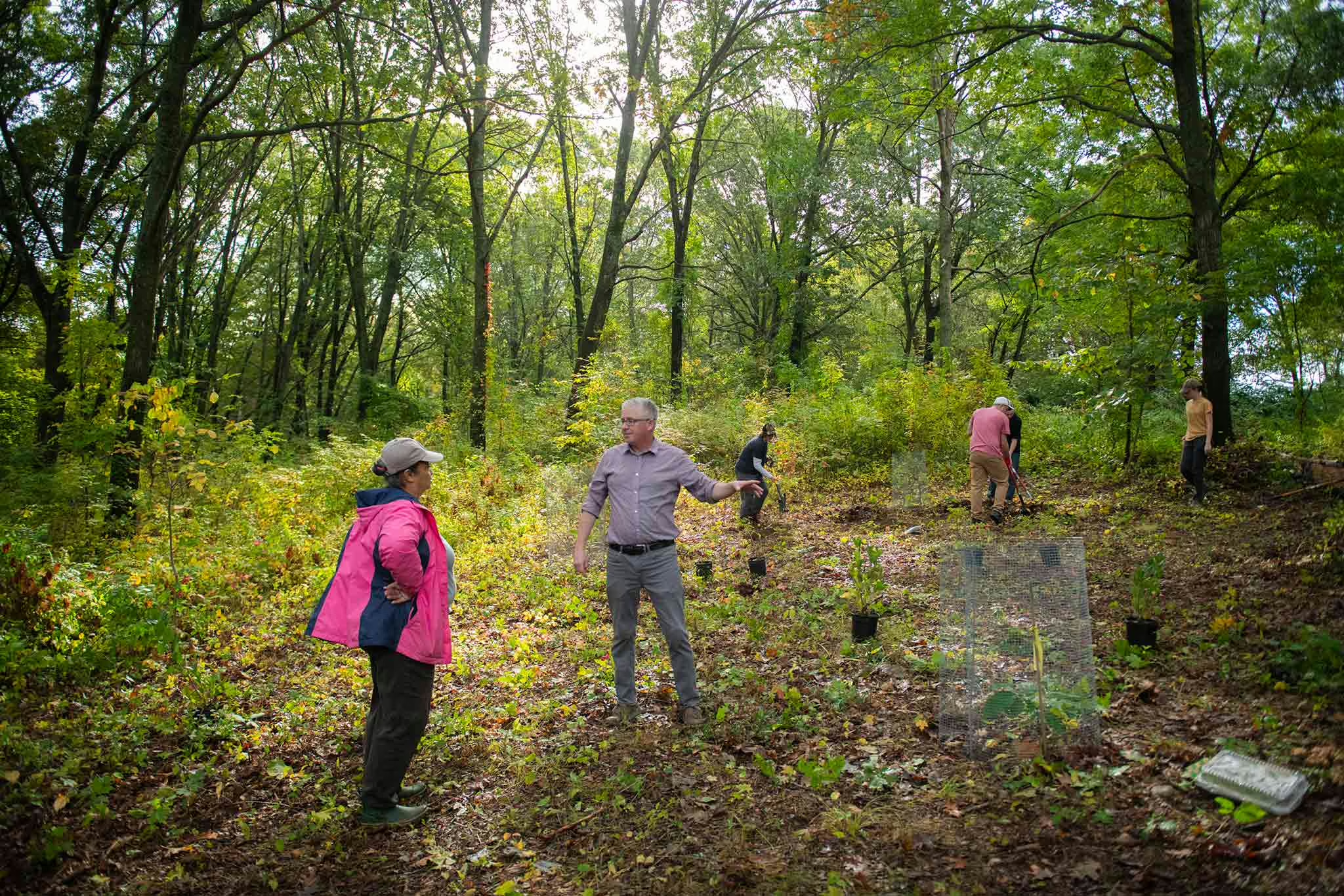
“As humans, we want to feel that what we do matters—and here at Clark it really does.”
LOU LEONARD, D.J.A. SPENCER DEAN OF
THE SCHOOL OF CLIMATE, ENVIRONMENT, AND SOCIETY
Academic Programs
The School of Climate, Environment, and Society
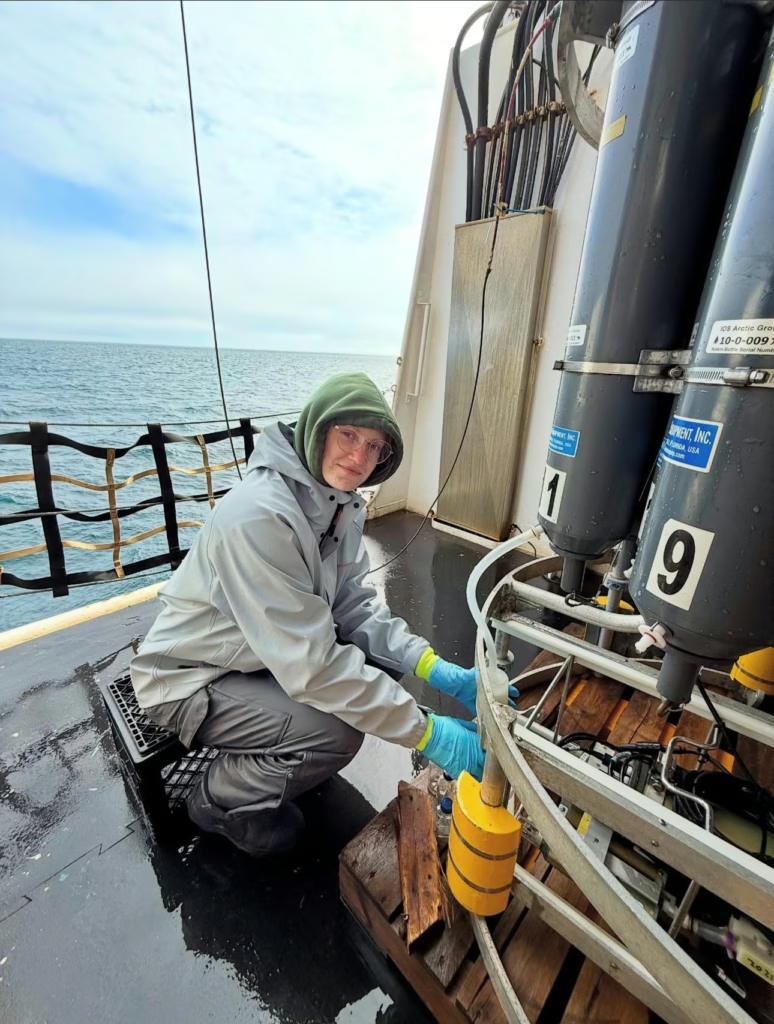
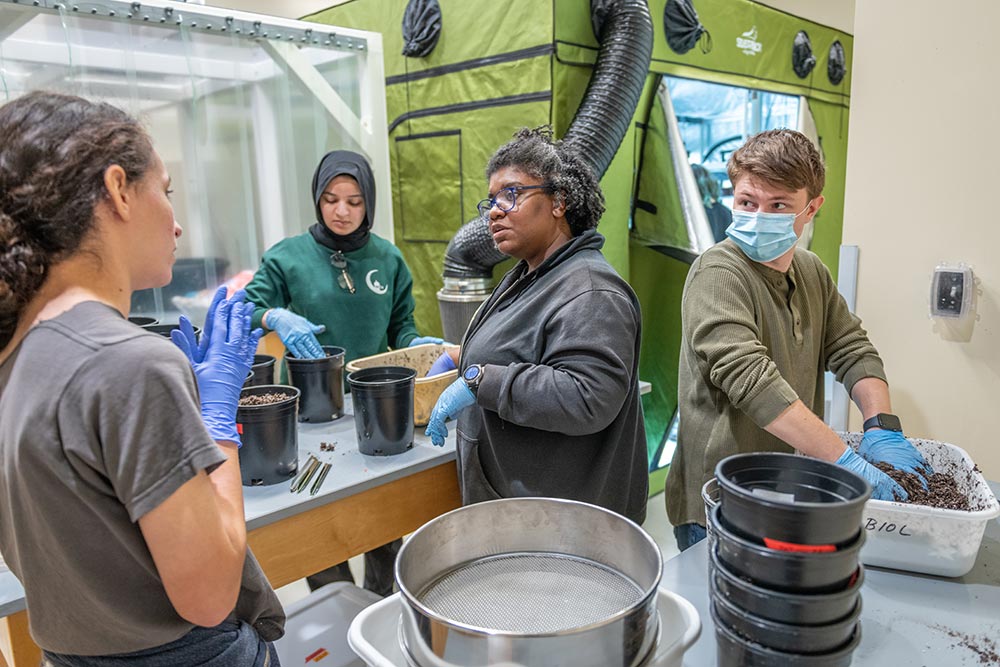
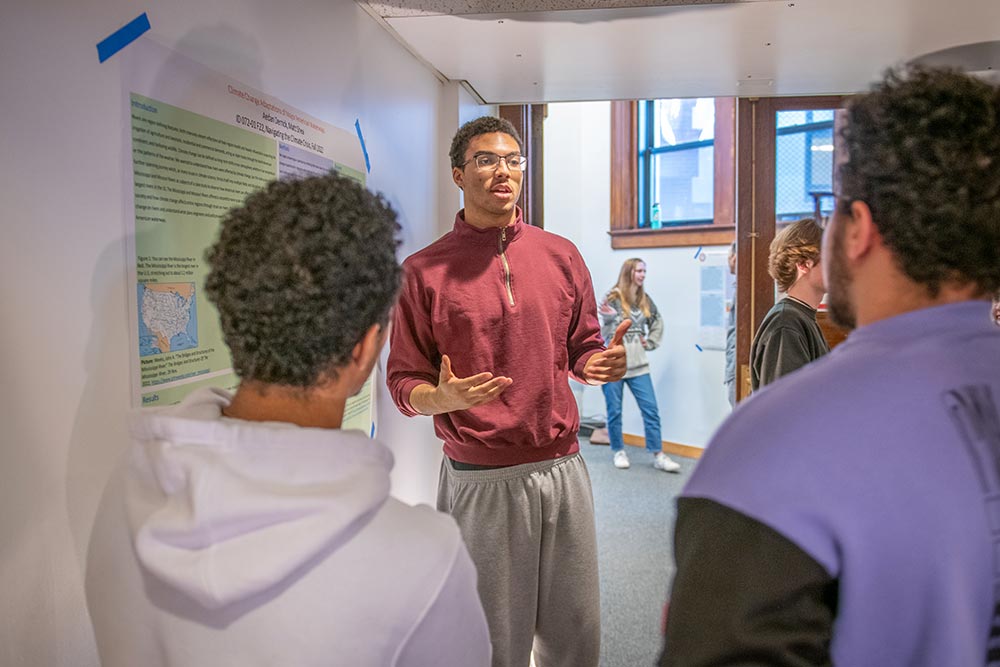
Building on a long legacy of climate-related work in the natural sciences, social sciences, and humanities, Clark’s School of Climate, Environment, and Society — opening in fall of 2025 — offers students new opportunities to explore human‑focused, community‑centered solutions to the climate crisis.
New academic programs include a climate, environment, and society major and graduate degree in climate and society.
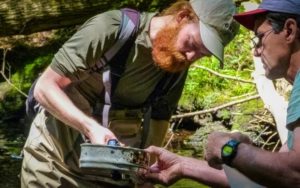
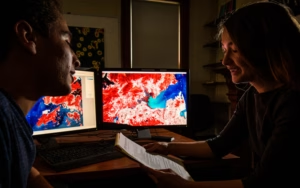
Hands on
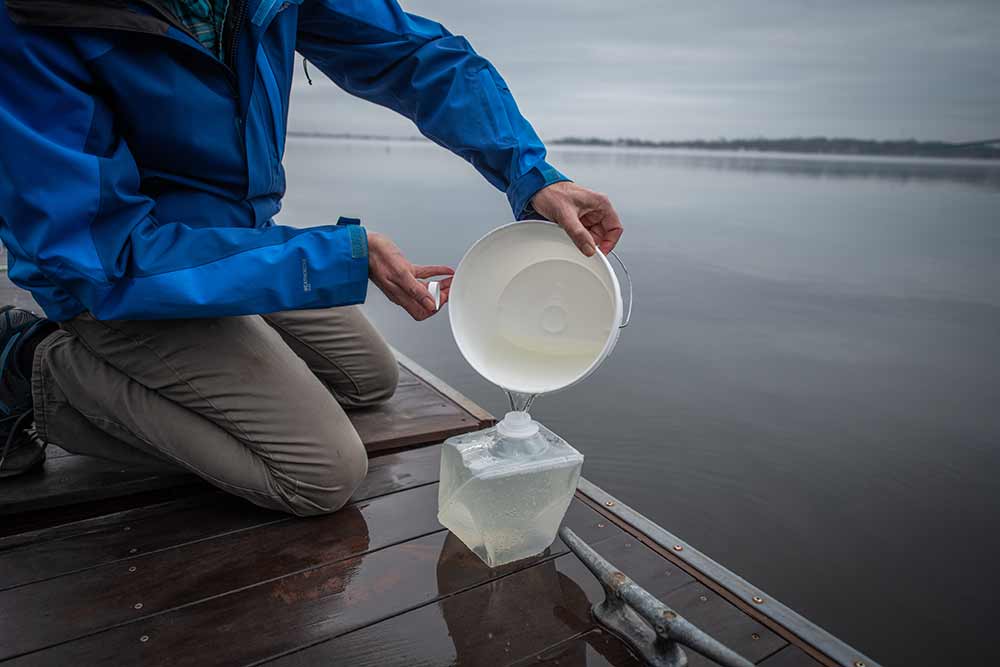
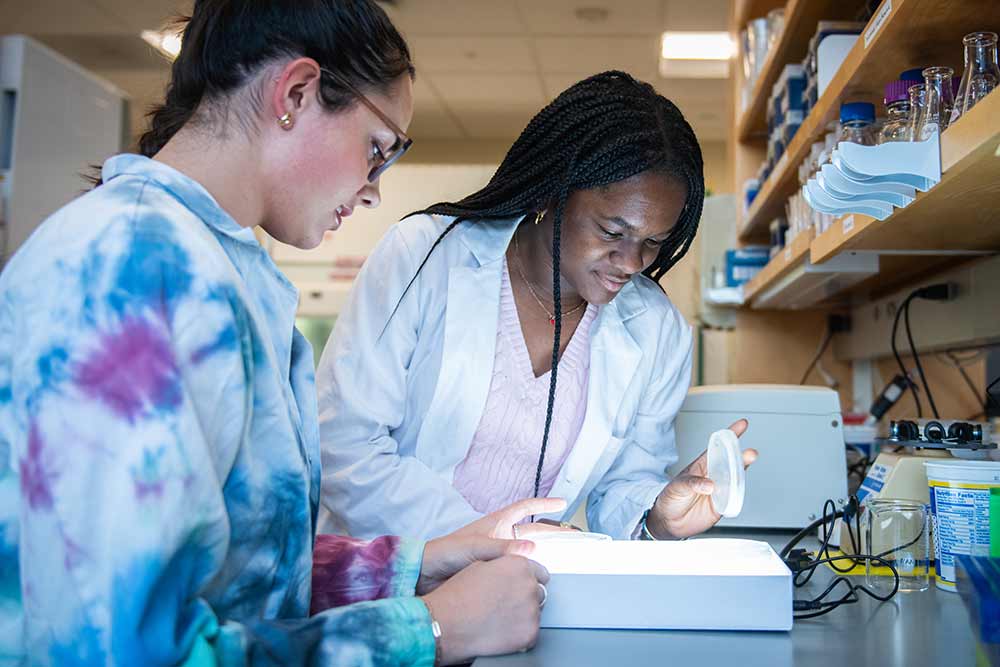
Connected to community
Amanda Dye ’24 talks about the community bioshelter where she works.
A greenhouse operates as an indoor ecosystem for mushroom growing. Outside, Main South families cultivate and harvest their own fresh produce in raised vegetable beds and small fruit orchard.
Excerpt from The Fruits of Our Labor, directed by Thu Le ’25
“I would want to create a nonprofit where there wouldn’t be any barriers for people to access the space, learn something new, and enjoy being together as a community.”
—Amanda Dye ’24
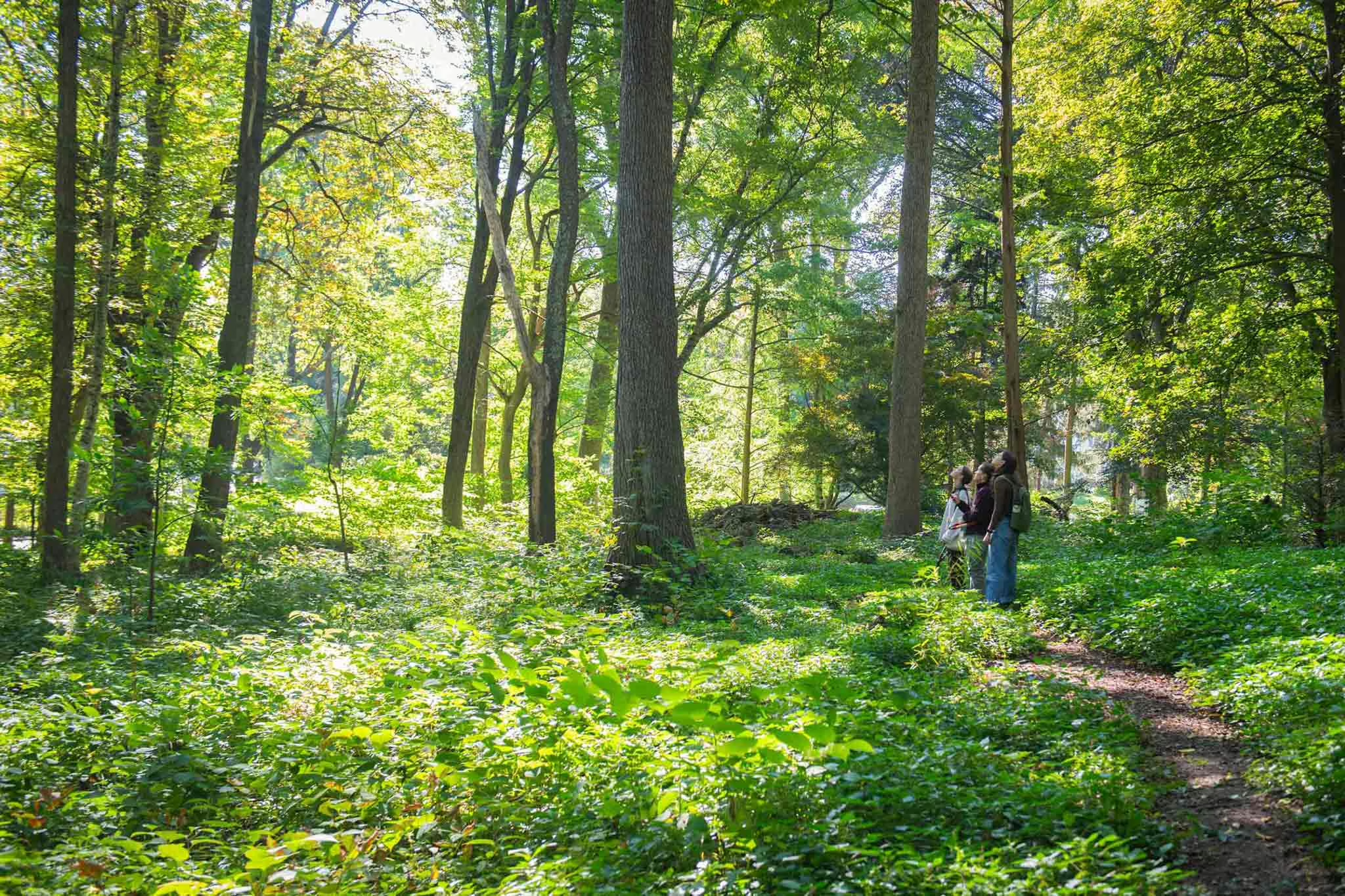
Hadwen Arboretum
15
Minutes from campus
26
Acres
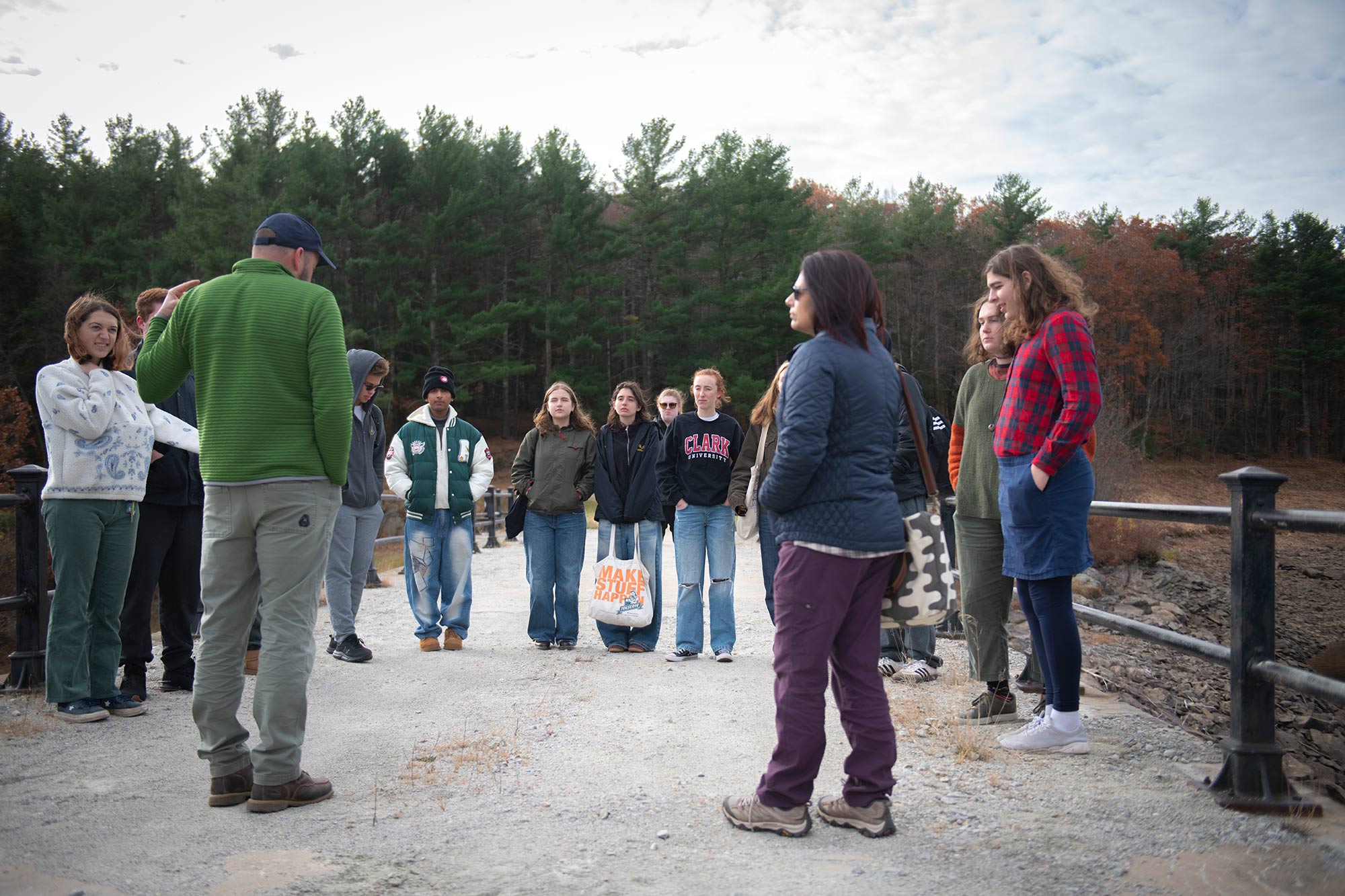
Geography Professor, John Rogan leads an urban forestry class in the Hadwen Arboretum
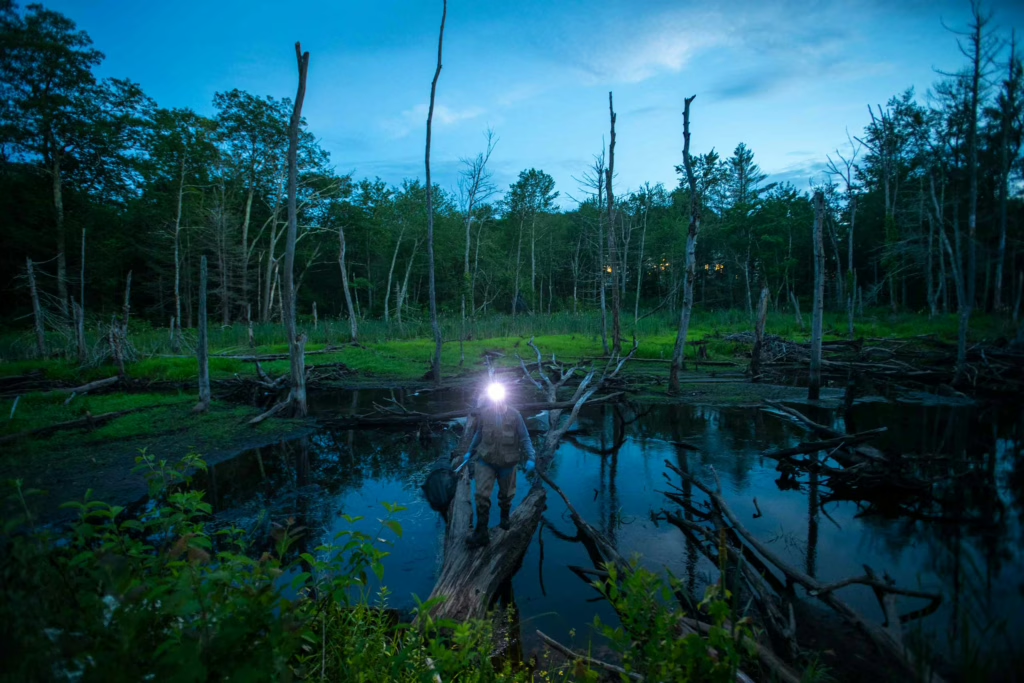
At Clark, biology major Quincy Milton III ’20 balanced his studies with lacrosse practices and fly fishing in local waterways.
Environmental leadership in action
Now Quincy works as a scientist for EA Engineering, Science, and Technology, a public benefit corporation that provides environmental, compliance, natural resources, and infrastructure engineering and management solutions to public and private sector clients.
4 + 1
An advanced degree within reach
The 4+1 Accelerated Master’s provides an opportunity to earn a pathway to a master’s degree — with one year of additional study and available tuition scholarships.
Be a force for change.
Come study at a small research university with a strong liberal arts core.
- Undergraduate
- Graduate
Still curious? Request more information.