

COP30
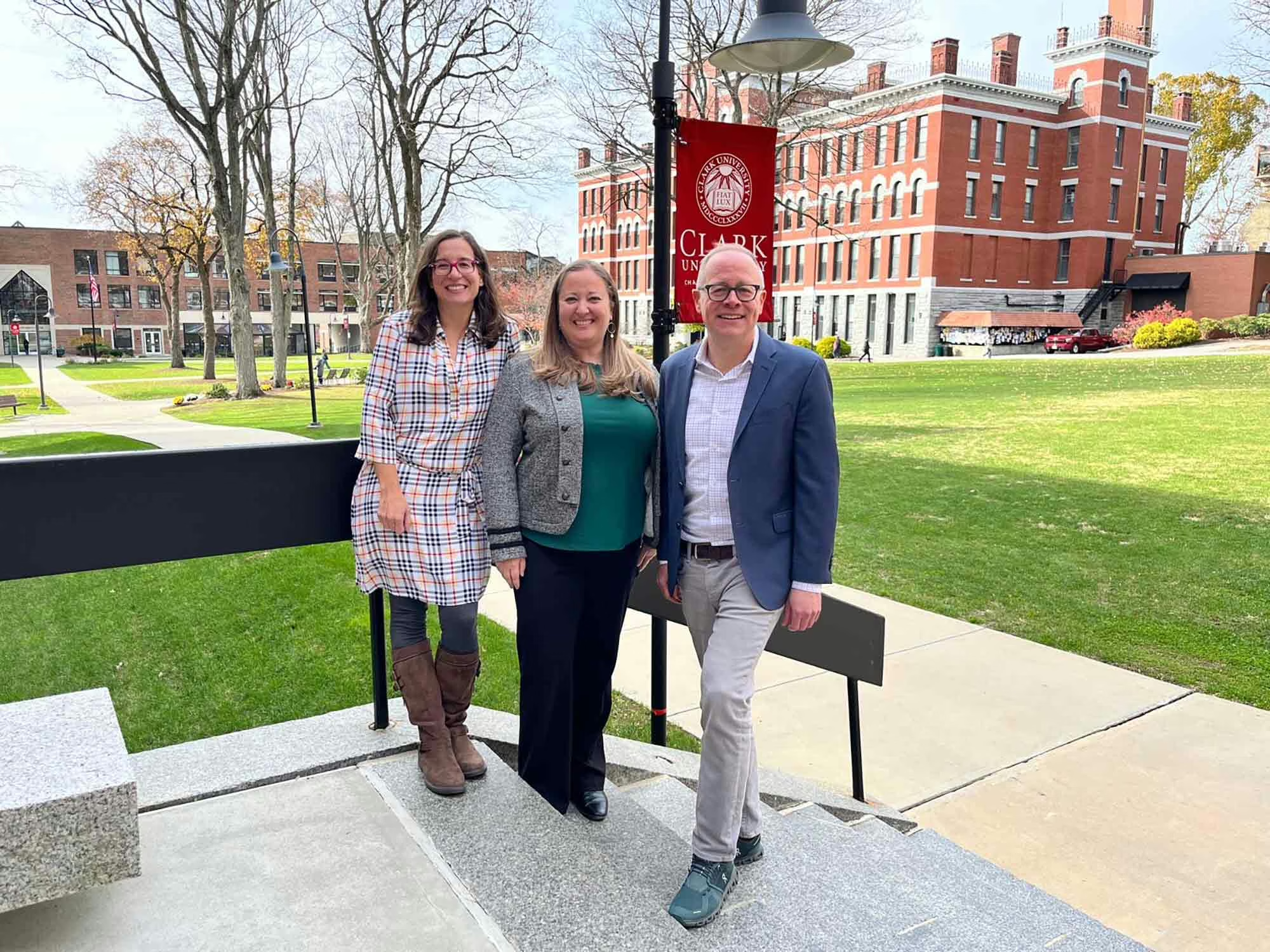
D.J.A. Spencer Dean Lou Leonard and professors Florencia Sangermano and Abby Frazier are representing Clark University at the 2025 United Nations Climate Change Conference in Belém, Brazil.
Focus on nature and biodiversity
Major themes for COP30 include protecting forests, oceans, and biodiversity — key research areas at Clark’s School of Climate, Environment, and Society.
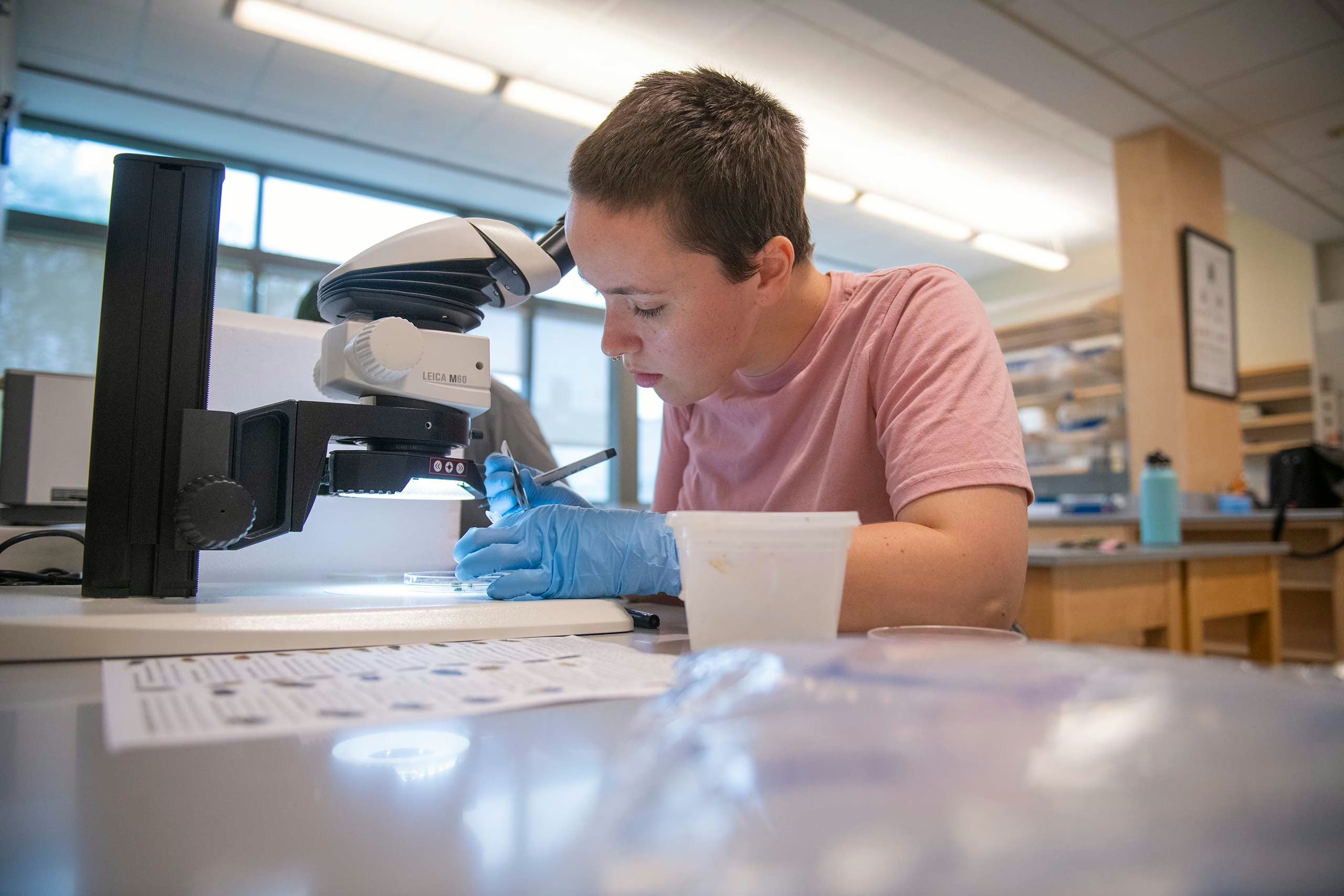
Beatrice Altopp ’25, M.S. ’26, examines dung beetles in the lab. Altopp spent this past summer doing research supported by a Geller Award for her 4+1 Accelerated Master’s Degree in biology, characterizing the diversity, abundance, and distribution of dung beetles in Worcester, while examining the effect urbanization has on the population.
After a five-year process that involved 300 interdisciplinary teams from around the world, Florencia Sangermano and her team received an award and recognition for their partnerships with local Indigenous communities from the XPRIZE competition.
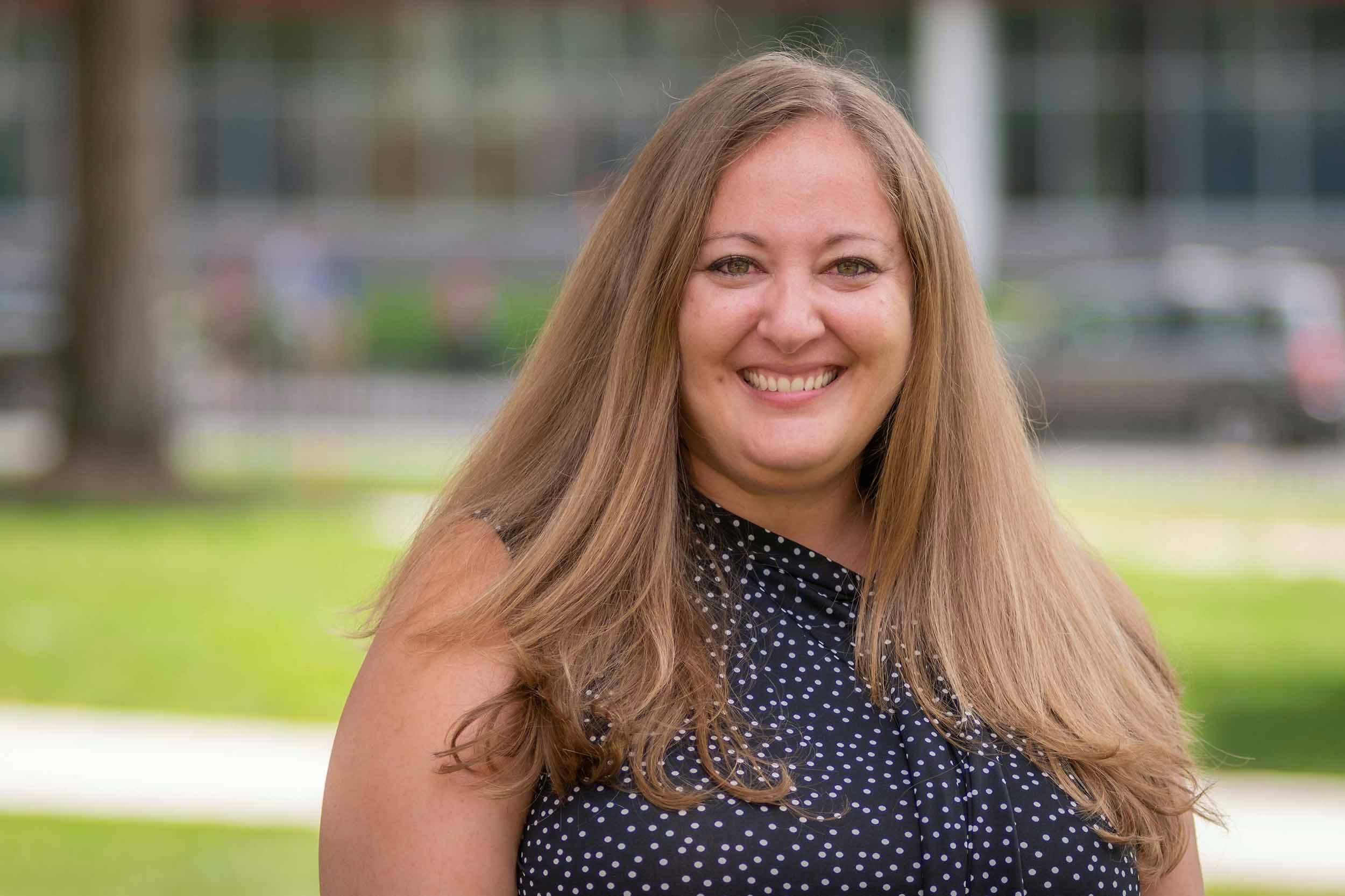
Abby Frazier is a climatologist who studies the spatiotemporal dynamics and impacts of climate change and climate variability. Her research uses geospatial analysis to integrate diverse datasets to understand the multi-disciplinary impacts of climate on ecosystems over regional and global scales, with a focus on Pacific Islands.
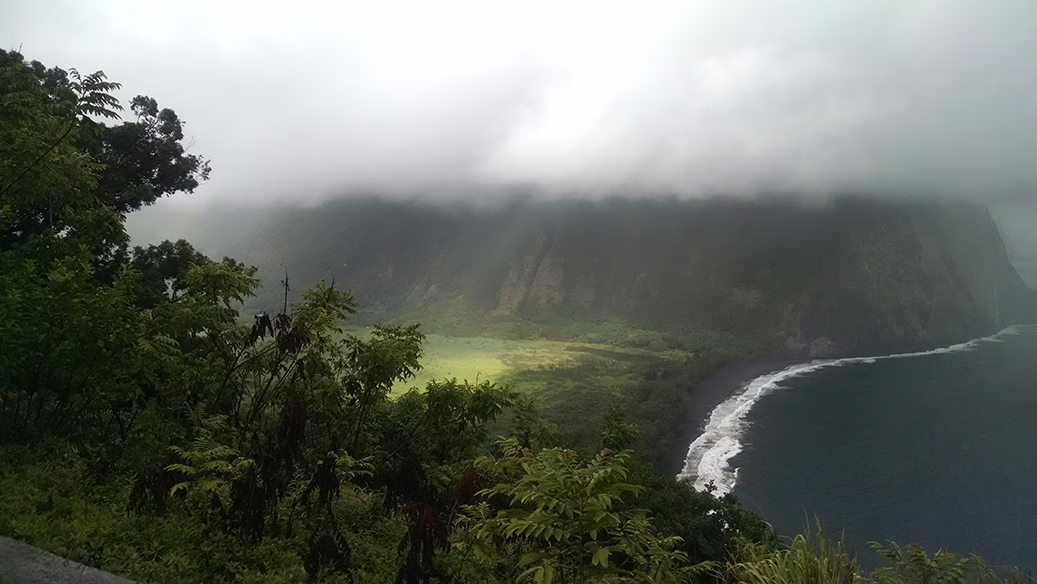
In 2023, Frazier led the Hawai‘i and Pacific Islands chapter of the Fifth National Climate Assessment — a congressionally mandated report produced every four years to synthesize the state of climate change and its effects. She headed a team of about 15 authors compiling what’s known about climate change, its impacts, and adaptation efforts across the Pacific Islands region — including Hawai‘i, Guam, American Samoa, the Northern Mariana Islands, the Marshall Islands, Palau, and the Federated States of Micronesia.
Youth leadership spotlight
At COP30, the United Nations is spotlighting youth leadership through its Youth Climate Champion initiative — showing how young people are driving real change in global climate action. It’s a theme that resonates on our own campus, where students collaborate with faculty and local partners on hands-on projects in environmental restoration, invasive species research, urban heat mapping, and plant-microbe interactions in food crops.
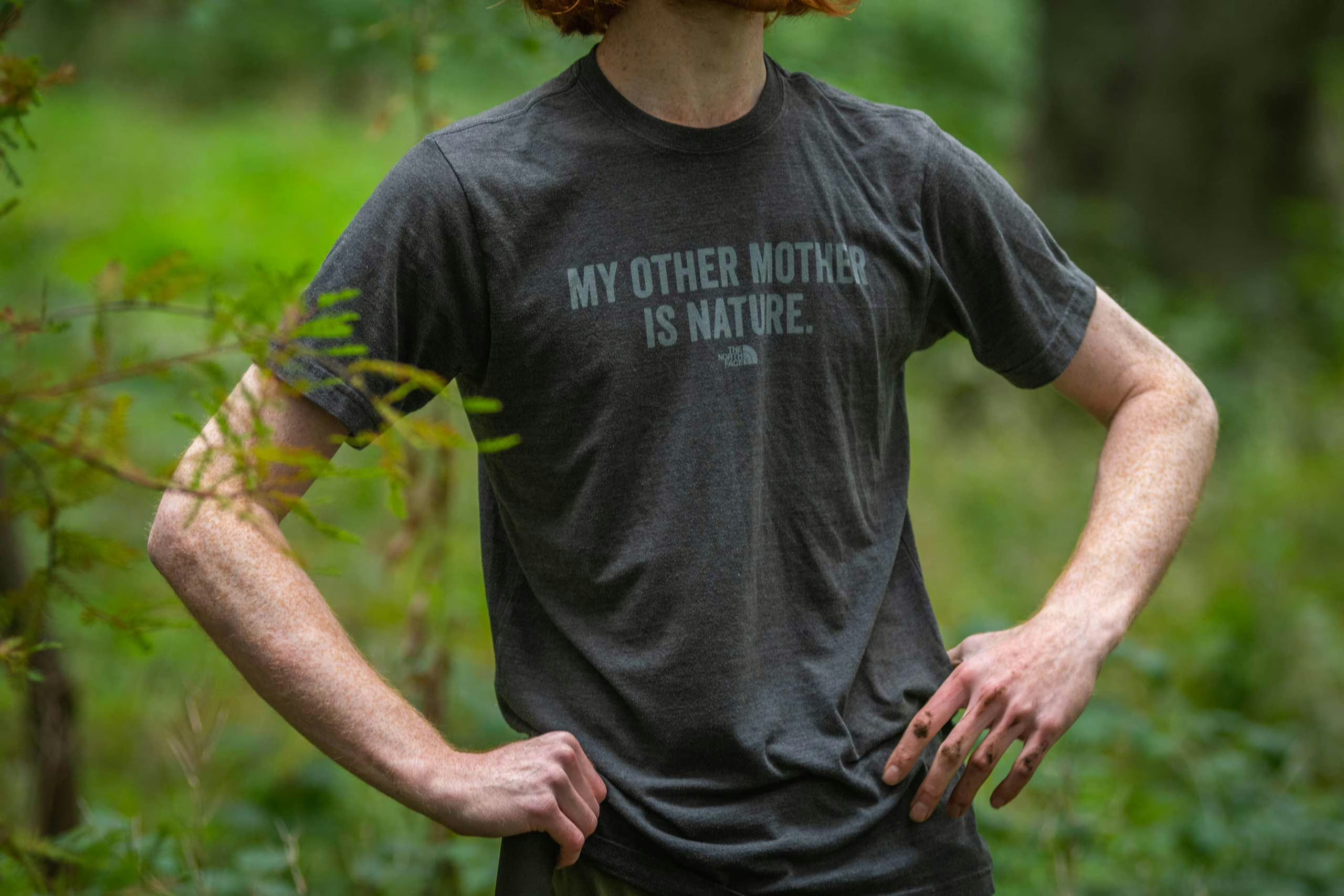
“My generation is turning the climate conversation on its head a little bit by recognizing that some people, like those in small developing island states, need priority treatment because they’re being disproportionately impacted.”
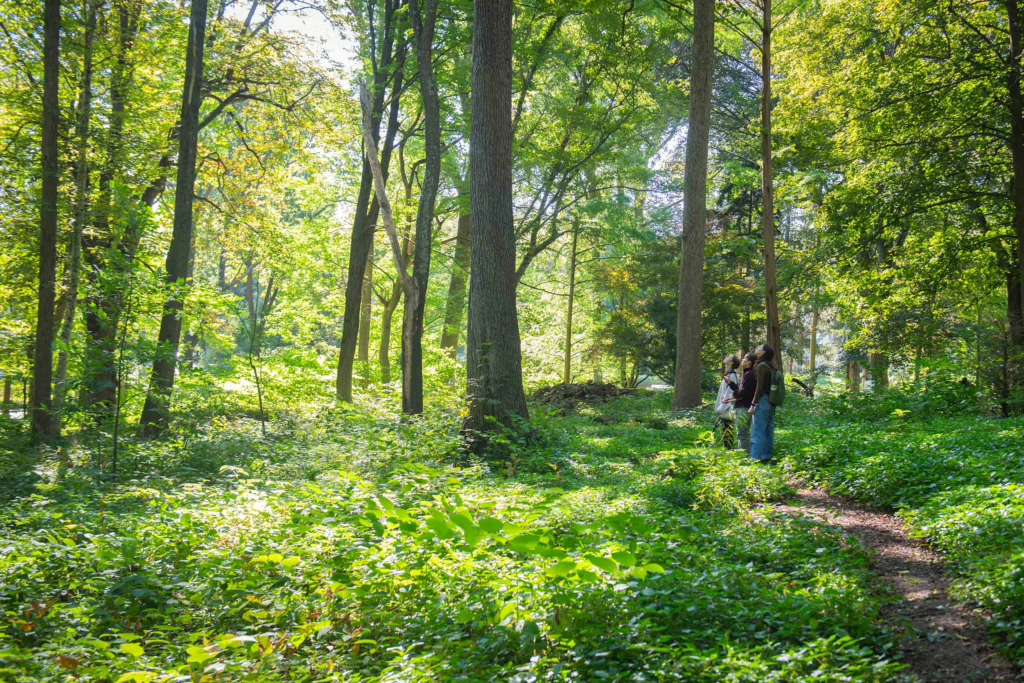
Students observe the tree canopy during a field class at the Hadwen Arboretum, Clark University.
“In a world of political volatility, universities remain among the institutions trusted to convene science, policy, and communities around shared evidence, despite headwinds, and they also play an important role in the shift to implementation.”
Lou Leonard
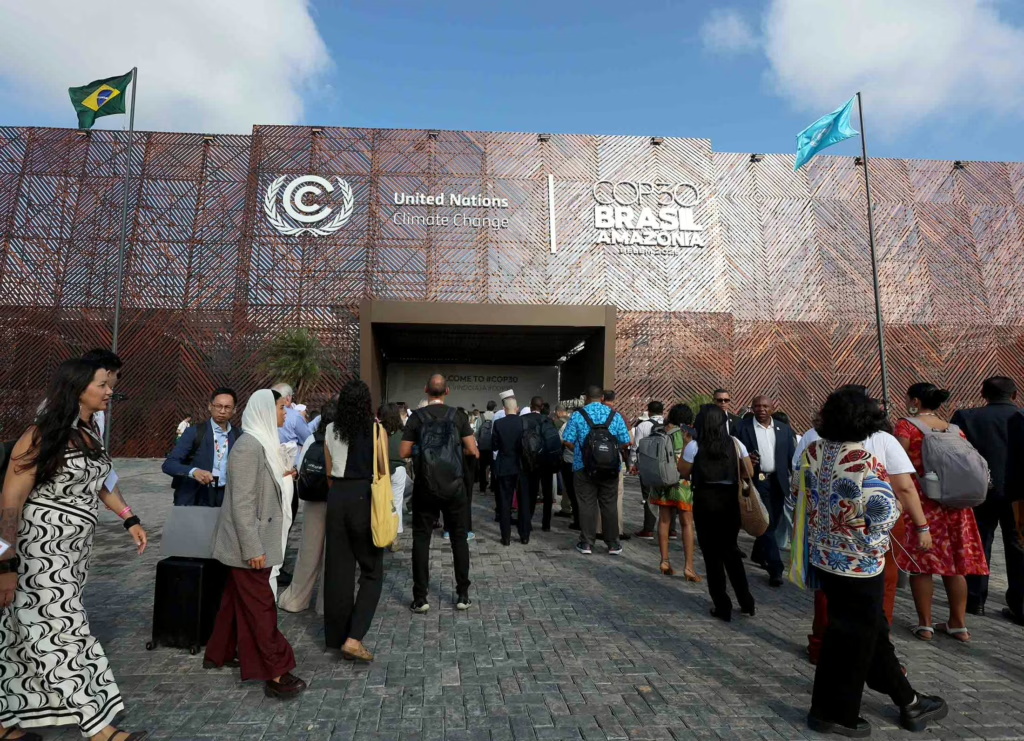
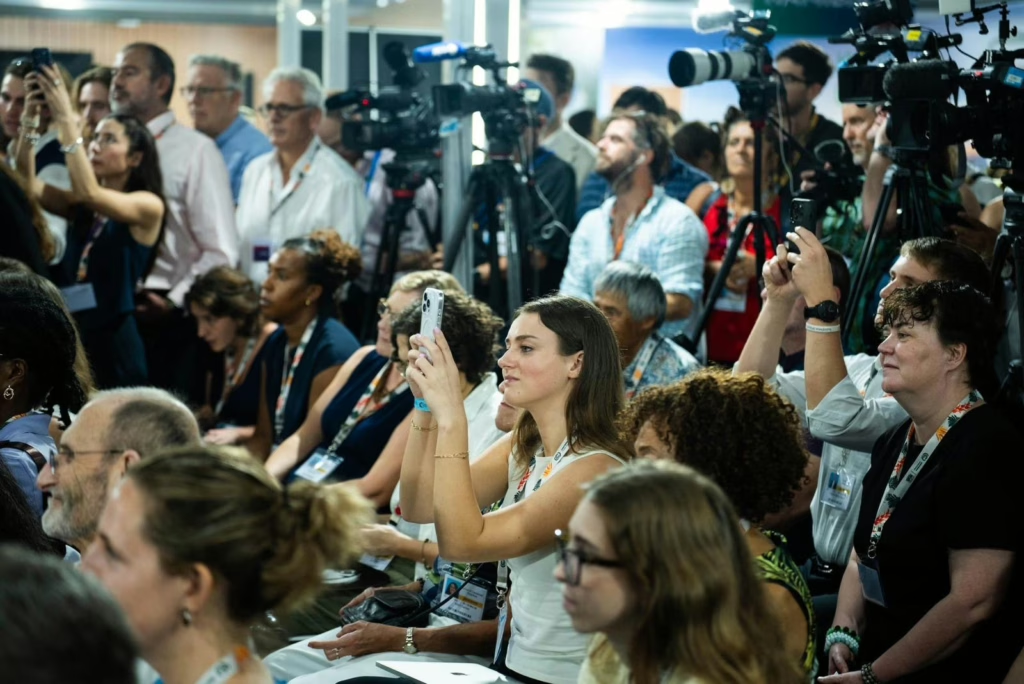
Participants arrive at the 30th Conference of the Parties (COP30). Photo by Aline Massuca/COP30 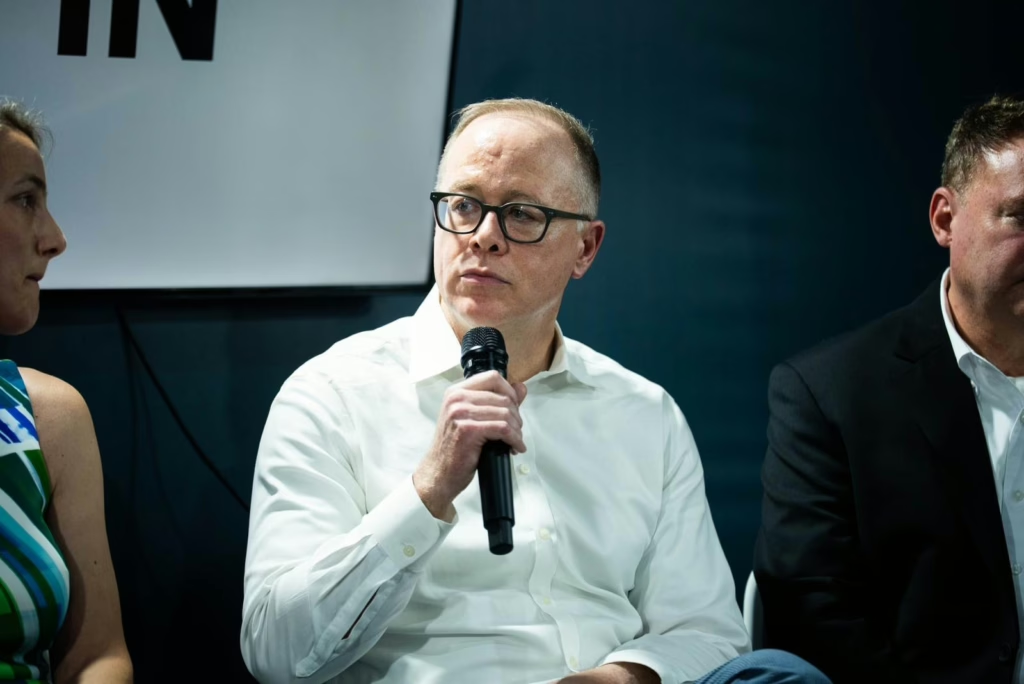
D.J.A. Spencer Dean Lou Leonard participates in a panel discussion at COP30. 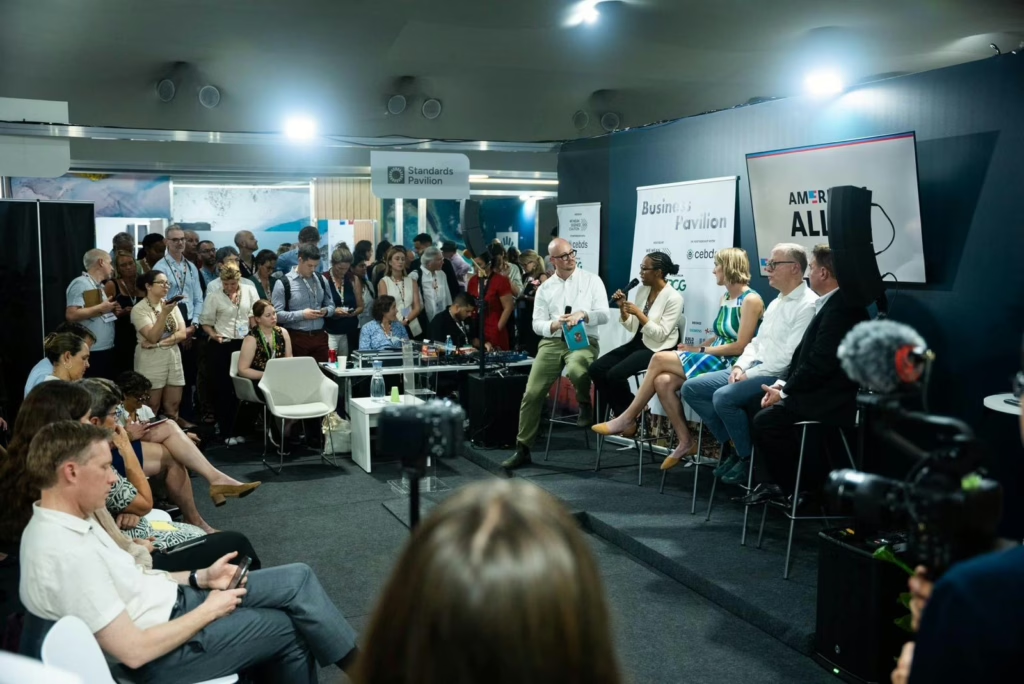
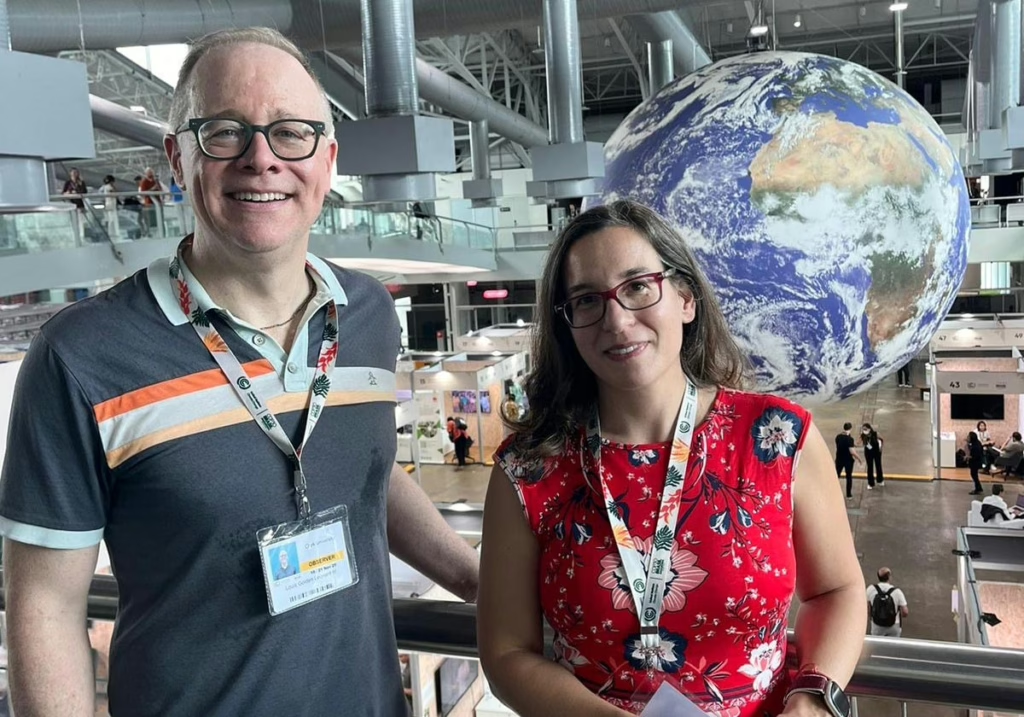
Lou Leonard and Florencia Sangermano at COP30