
You will put action and energy behind the skills and experiences you gain throughout your education to support your professional goals for life after Clark.
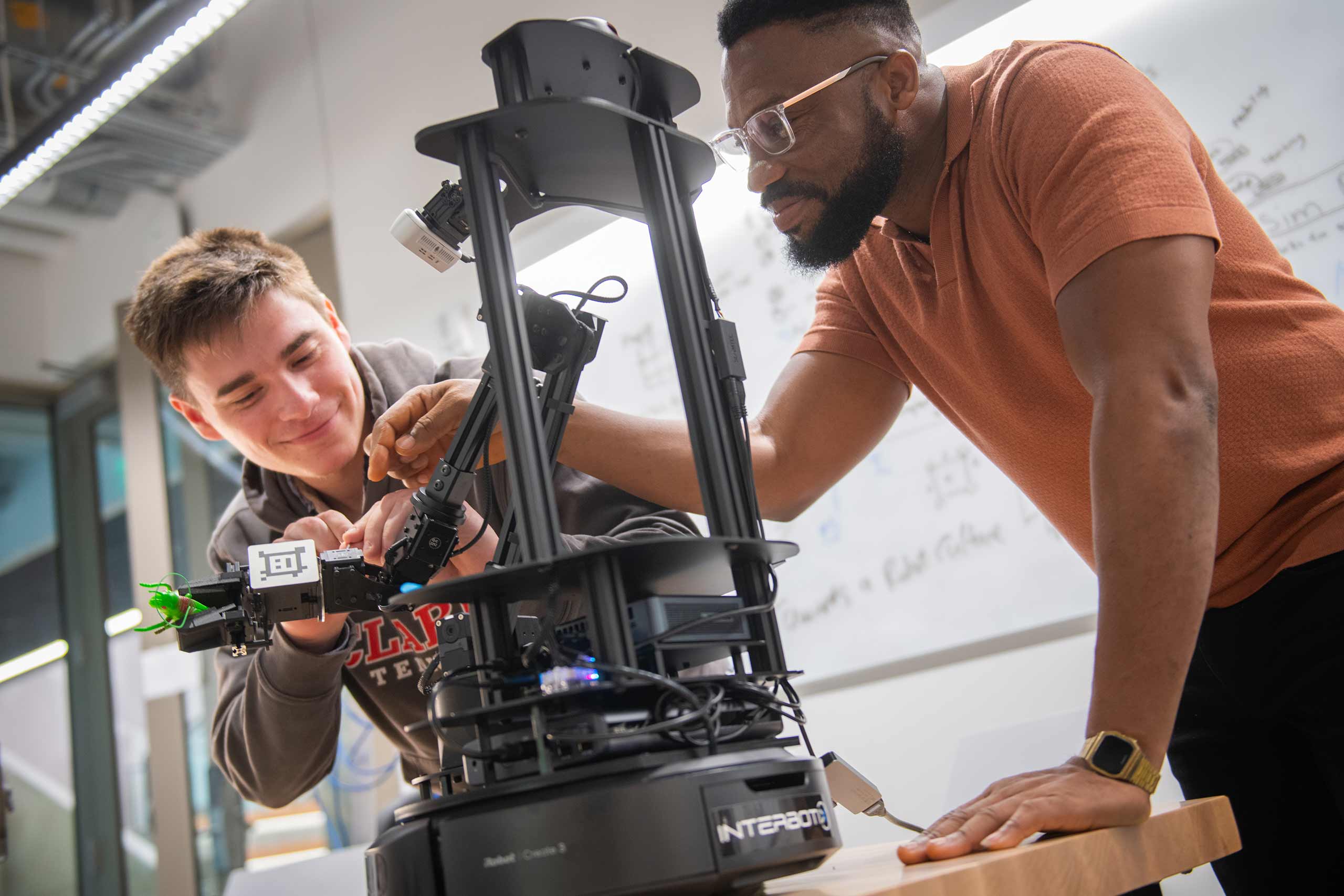
As a Clarkie, career-readiness starts on day one. You’ll have extensive experiential learning opportunities — here and abroad — with access to funded research, internships, and student leadership opportunities. You’ll analyze, synthesize, and tackle complex, real-world challenges. And you’ll gain a broader view of the world … to take with you on your journey after Clark.
Clark faculty integrate career readiness competencies into courses and they support you directly through advising conversations. You’ll also have access to a library of experiential major maps that help you gain experience while you study — whatever your major.
How it works
A broad, dedicated Clark team oversees career readiness, bolstered by a shared network of alumni and corporate partners. You’ll meet successful alumni, network with students from different majors, and learn about the skills that are most in demand. During your second year, share and reflect on your ambitions during Sophomore Summit to identify your path forward.
You’ll graduate with the skills to be a professional who employs courtesy, understanding, and respectful engagement to achieve your goals.
The Clark Experience in action
Career Communities
Career Communities are industry-focused groups designed to support your professional exploration and narrow down your career interests within specific fields. You’ll attend networking events and hear advice from Clark alumni on how to position yourself in the job market or prepare for an interview. You’ll connect to opportunities, professionals, and information that will support your career development.
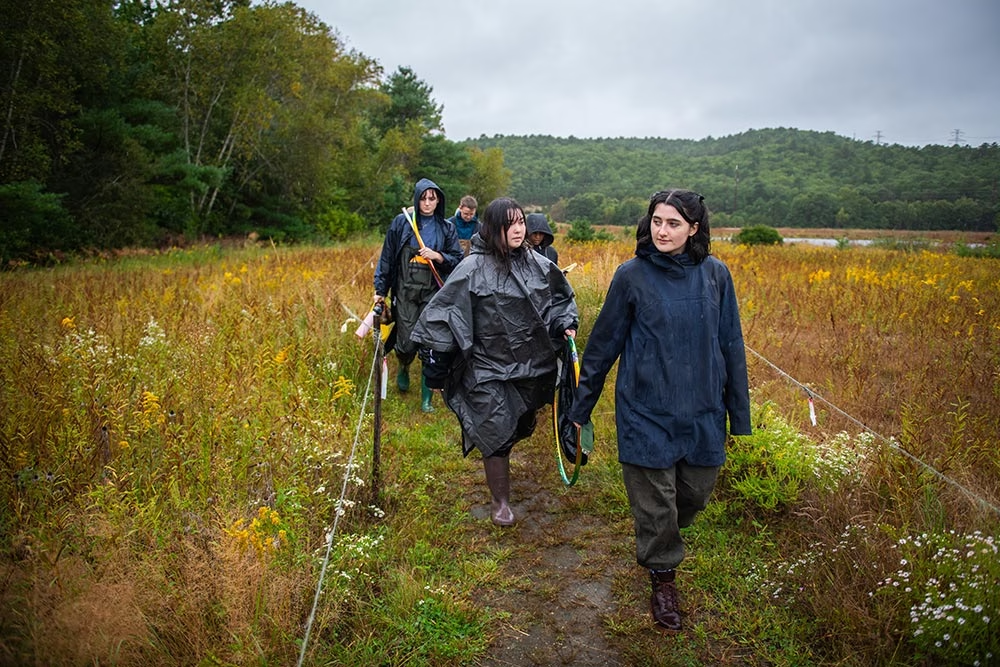
To observe successful restoration efforts, students visited two former cranberry bogs just north of Cape Cod — the 128-acre Foothills Preserve and 60-acre Eel River Headwaters Restoration Project.
Sophomore Summit
The Sophomore Summit is a dedicated conference for second year students to help them deepen their career and academic action planning. You’ll learn about how self-reflection will help you explore majors, how to craft a strong resume, how to customize your Clark experience to prepare for a fulfilling career.
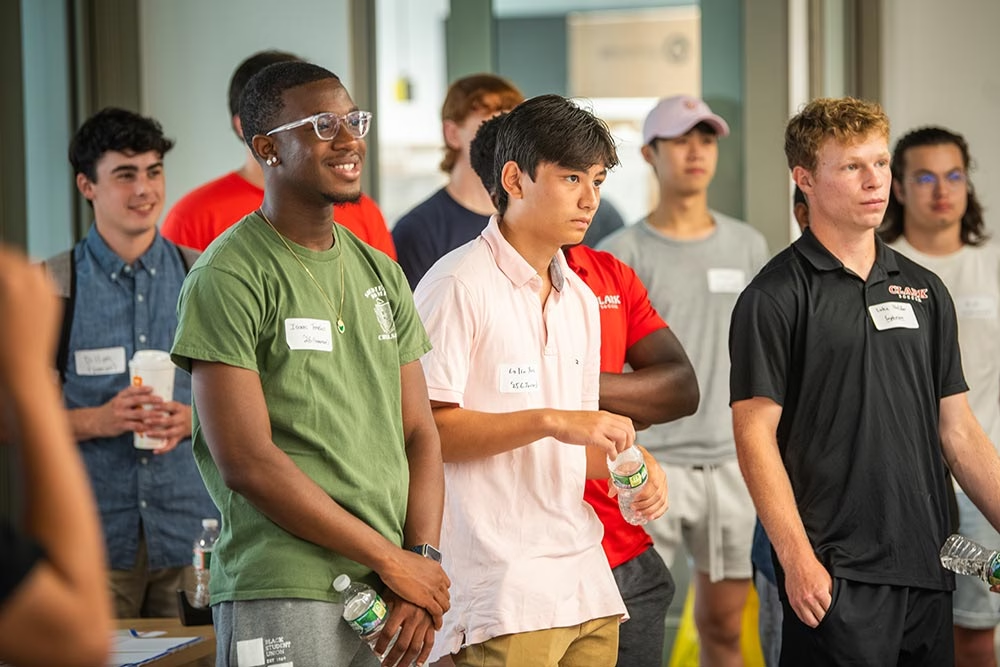
Computer science majors attend a career development professional networking event geared towards students preparing for careers in tech.
Hands-on experience
You’ll have the chance to work with faculty, alumni, and experts from around the world to investigate complex challenges with real-world applications.
In Biology Professor Elizabeth Bone’s Ecological Restoration class, students observe how former farmlands and overlooked urban spaces could be turned into thriving, climate change-resistant ecosystems that support a diversity of wildlife.
“The summit gave me a clearer sense of who I am, what I want, and how to pursue it.”
Justin Schwartz ’27
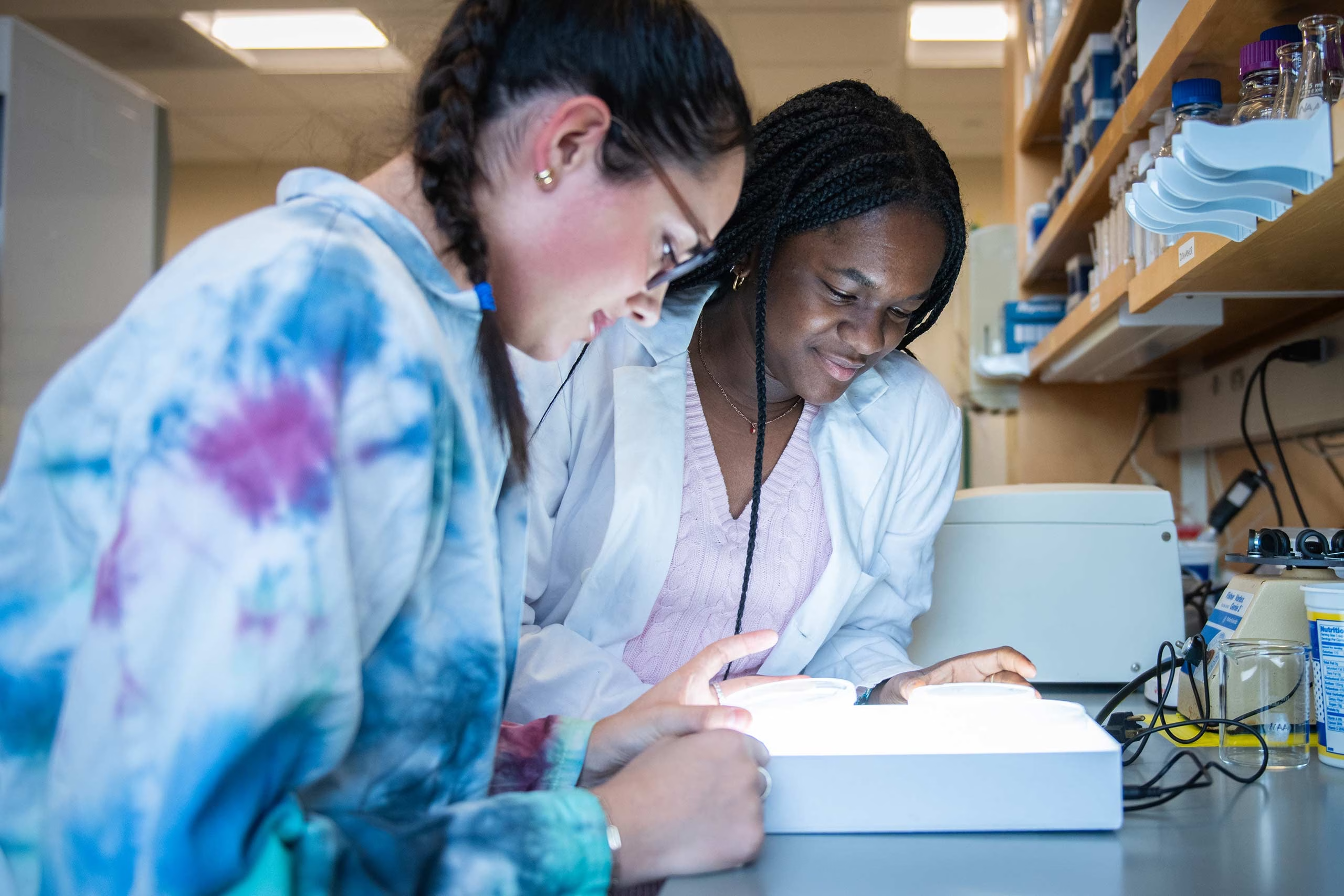
Dukilda Hasanllari ’23 and Angell Jean-Laurent ’24 and their fellow students have helped isolate more than 100 Synechococcus strains from water samples taken from Narragansett Bay. Students enrolled in The Genome Project, an undergraduate biology Problems of Practice course sequence genetic material from these single-celled microbes that carry out about 25 percent of the photosynthesis in the ocean.