


Ph.D. in Social Psychology

Why apply to Clark’s social psychology doctoral program?
Rooted in Clark University’s distinguished history in psychology, the department’s social psychology doctoral program at the nationally-renowned Frances L. Hiatt School of Psychology is dedicated to understanding the psychological processes that underlie today’s most pressing local, national, and global social and political issues.
Our program emphasizes contextualized, interdisciplinary learning and diversity in its research and pedagogy while encouraging novel theoretical work and methodological breadth. Our intimate size allows for close student-faculty relationships and collaboration while providing opportunities to work with and mentor fellow graduate students and undergraduates. Our approach prepares students for academic, research, and policy careers in social psychology.
All full-time graduate students are guaranteed tuition remission and stipends for four years through graduate assistantships. Along with Clark’s pedigree as a small urban research university where G. Stanley Hall, its first president, founded the American Psychological Association in 1892, our close-knit program fosters a collegial, supportive intellectual community.
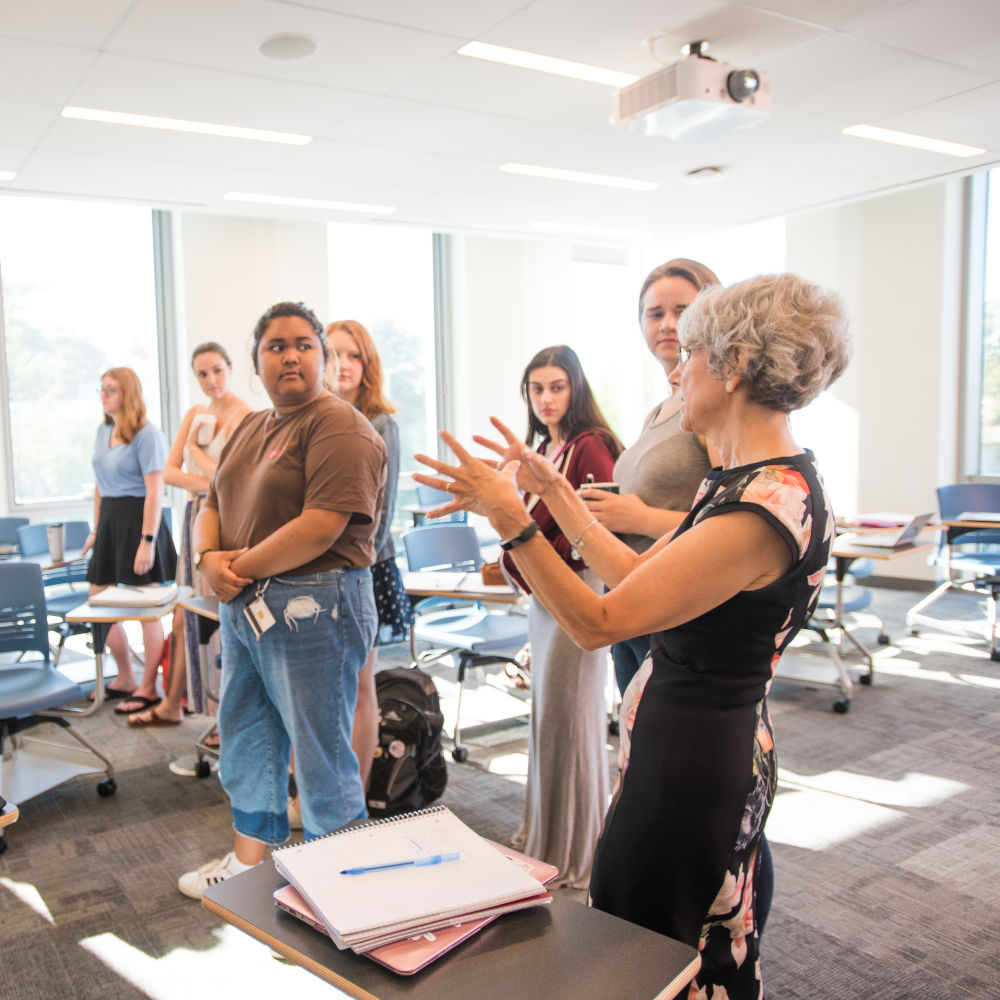
Our community
Many different methodological approaches are represented, and it’s common for graduate students across the three specializations represented in our department (social, developmental, and clinical) to share ideas in the classroom, research groups, and laboratories. Our department is collaborative by design and intentionally structures classes, practicum experiences, and research activities to support collaboration among peers, rather than competition. The clinical program is committed to the inclusion of marginalized populations and to enhancing diversity within the field of clinical psychology as a whole.
Areas of study and training
Clark’s social psychology doctoral program examines the interaction of individual differences and social structures in producing and reflecting social and political attitudes, behavior, and health.
Graduate students in our program take several rigorous research methods and statistics courses, and have the option of receiving training in advanced statistical methods and/or advanced qualitative methods. Additionally, we offer several graduate and capstone seminars in topics related to the social psychology of social issues (e.g, Prejudice; Stigma; Intersectionality; Collective Violence and its Aftermath), and students can take courses in other graduate programs at Clark as well. A core component of our training is the Social Forum in which all graduate students and faculty participate each semester.