
Collection information
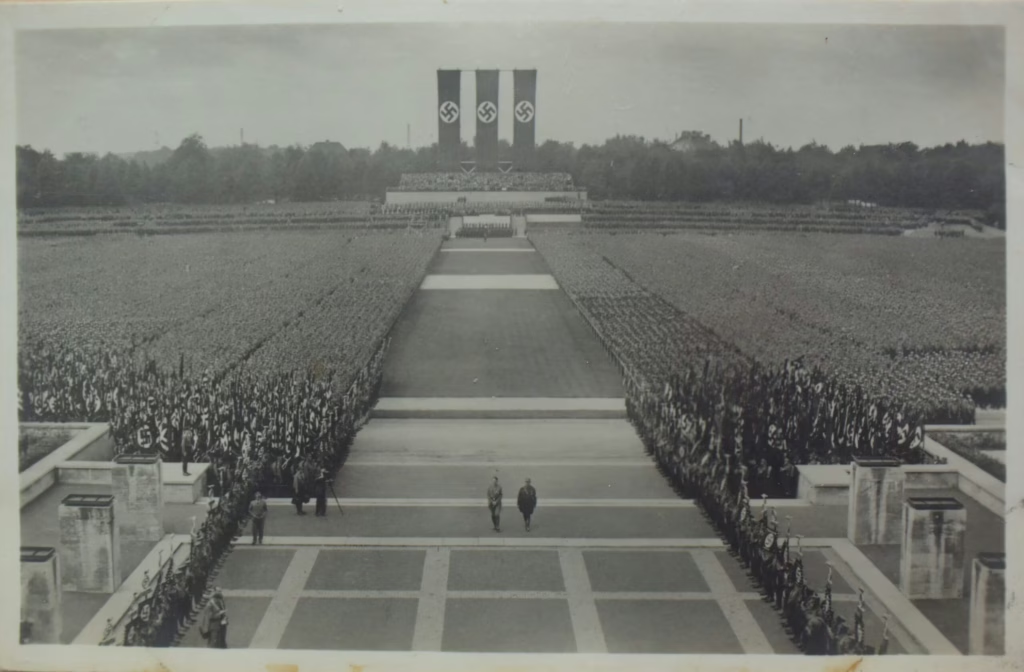
This collection is comprised of 1,471 postcards that are connected to the Nazi Party in Germany. The Nazi Party emerged from the extremist German nationalist, racist and populist Freikorps paramilitary culture, which fought against the communist uprisings in post–World War I Germany. The party was created to draw workers away from communism and into völkisch nationalism. Initially, Nazi political strategy focused on anti–big business, anti-bourgeois, and anti-capitalist rhetoric. This was later downplayed to gain the support of business leaders, and in the 1930s the party’s main focus shifted to anti-Semitic and anti-Marxist themes. Following the Nazi seizure of power in 1933, Hitler established a Reich Ministry of Public Enlightenment and Propaganda headed by Joseph Goebbels. The Ministry’s aim was to ensure that the Nazi message was successfully communicated through art, music, theater, films, books, radio, educational materials, and the press. Postcards were an extension of the propaganda department to boost morale, glorify their military and political heroes, and commemorate special events and anniversaries. Postcards were easier to disseminate than posters and political cartoons and the Nazi government saw in postcards a way to use visual imagery that could express opinions and rally citizens around common causes inexpensively and effectively.
Postcards were printed and sold throughout Germany and German-occupied territories. The postcards offered an affordable way to stay in contact with family and friends in an era before wide access to mass communication, and this common form of communication became interwoven with images of Hitler and party symbols. The postcards show the massive popularity that Hitler enjoyed in Germany during this era. Nazi propaganda often used Hitler’s image, building a myth of his supposed invincibility and charisma. The leader became associated with the nation’s prosperity and was portrayed as central to its future success. Hitler’s images cast him as a hero, a father figure, and a protector of Germany—and they appeared almost everywhere in Germany during the years of Nazi rule. By late 1943 the printing of postcards stopped due to extreme material shortages from the war. (Source: USHMM)
Special thanks go out to the “Exhibit Team” who spent hours researching, translating and uploading the postcards. This exhibit would not be possible without Lamisa Muksitu ’22, Tara O’Donnell ’23, Nicole Toedtli, Emily Clarke ’24, Meridian Stiller ’26, and Frankie Roberts ’27.
About the donor
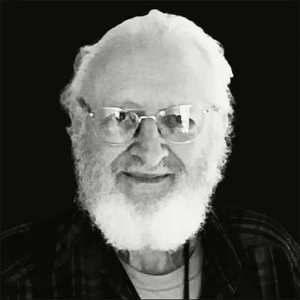
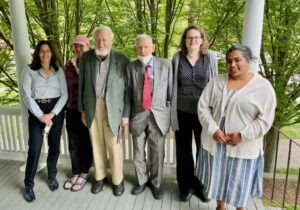
Barry Hoffman (1936-2022) was an inveterate collector of books and ephemera with a special interest in the history of the Holocaust and the Third Reich. A fortunate introduction by Dr. Jeffrey Kraines inspired Barry to donate some of his most beloved collections to the Strassler Center. Working closely with librarian and archivist Robyn Conroy, Barry donated hundreds of the books he had meticulously collected. His final act of generosity was to contribute his archive of Nazi propaganda postcards. He and his wife Lane traveled to campus during summer 2022 to deliver several beautifully organized binders of well preserved postcards and reference materials.
Preferred Citation
Barry Hoffman Nazi Postcard Collection – Courtesy of The Strassler Center for Holocaust and Genocide Studies at Clark University, Worcester, Massachusetts.
Finding Aid
Click here to view and download the collection finding aid.
Search for a postcard by a keyword
-
NSFK Model Airplane Exhibition
-
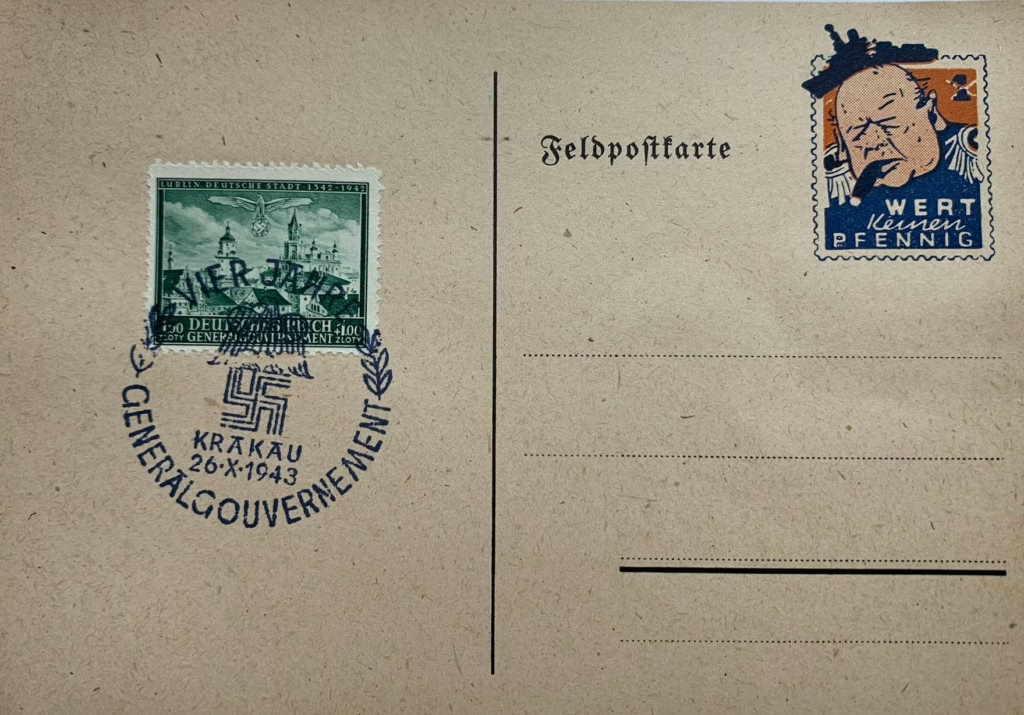
Winston Churchill Stamp (Occupied Poland)
-
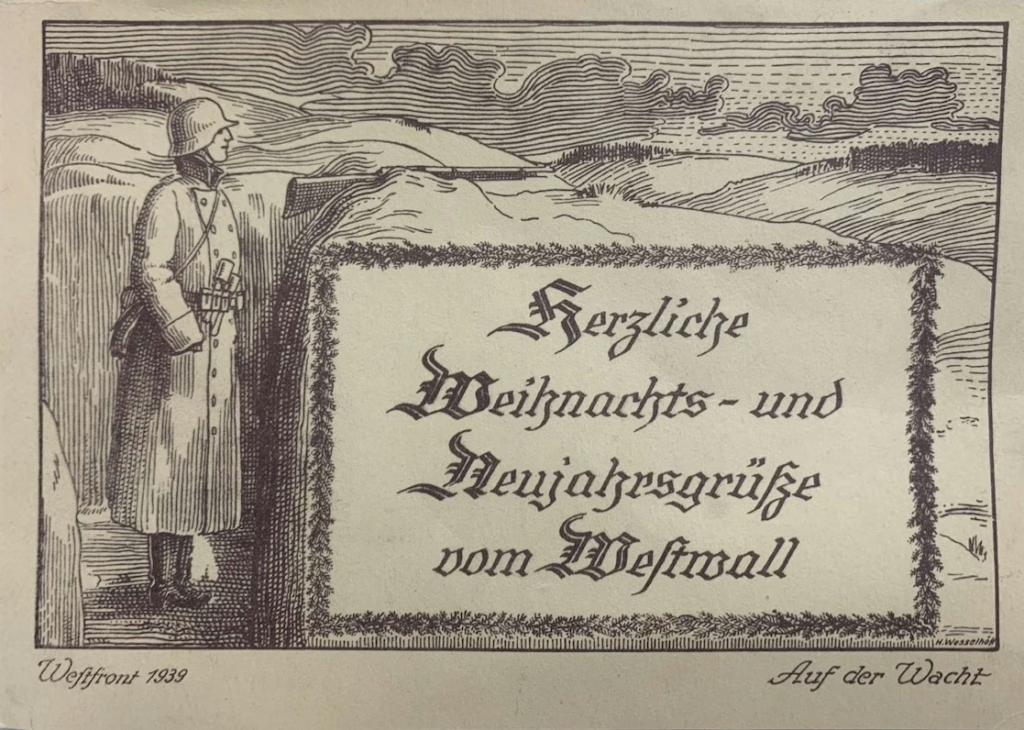
Herzliche Weihnachts (Merry Christmas)
-
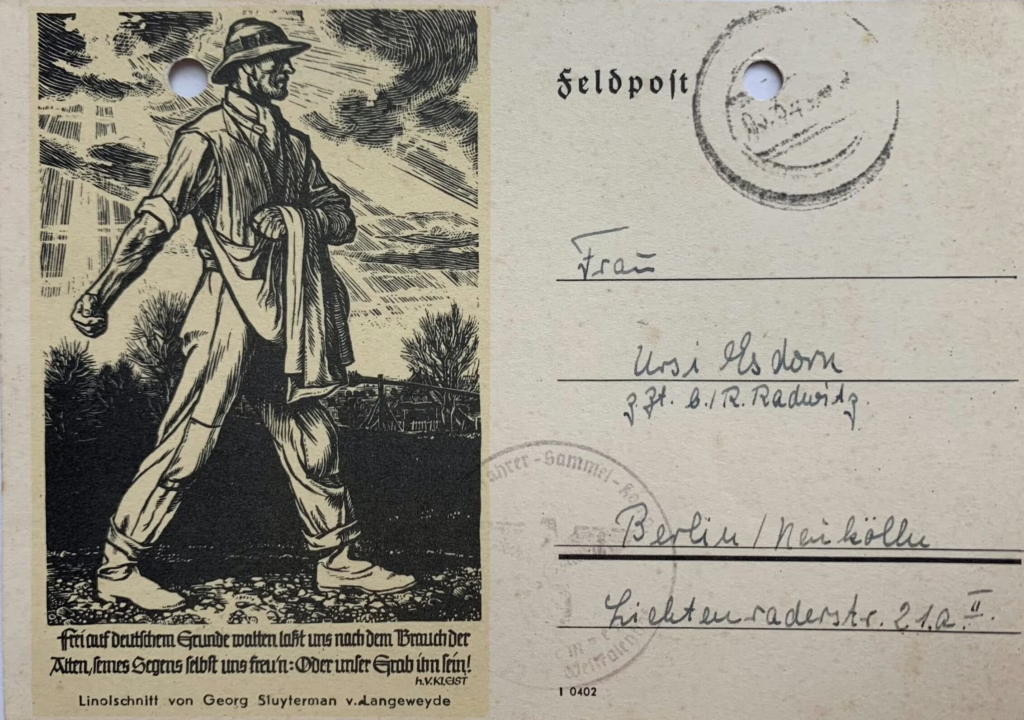
Marching Soldier (Feldpost)
-
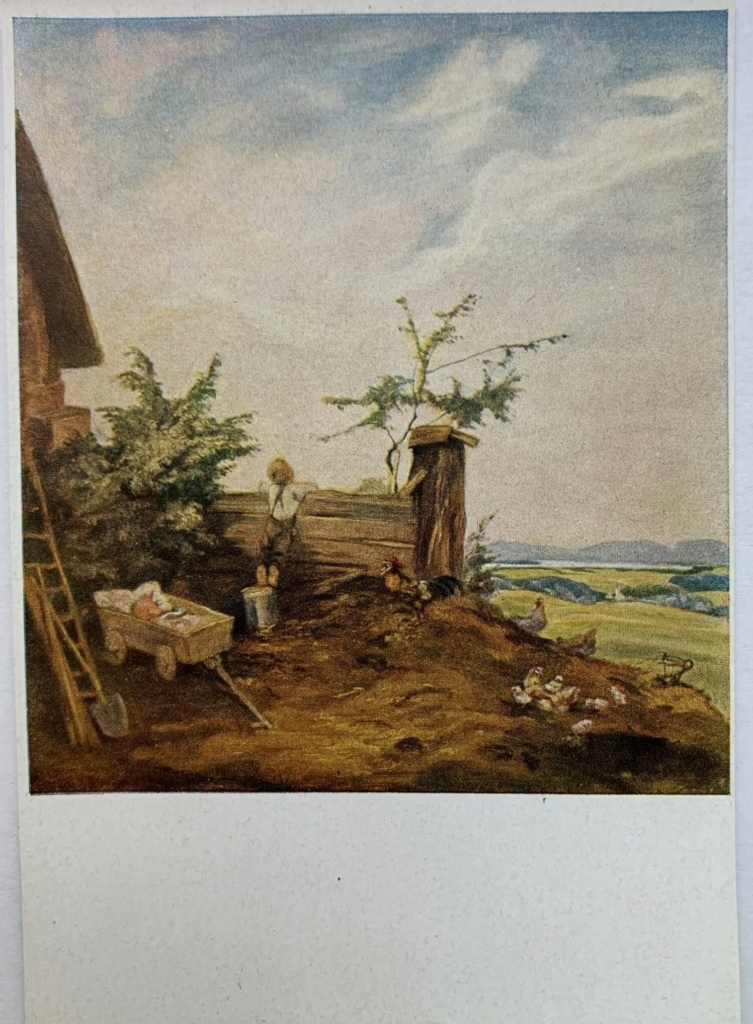
“Lookout” by Gustav Traub
-
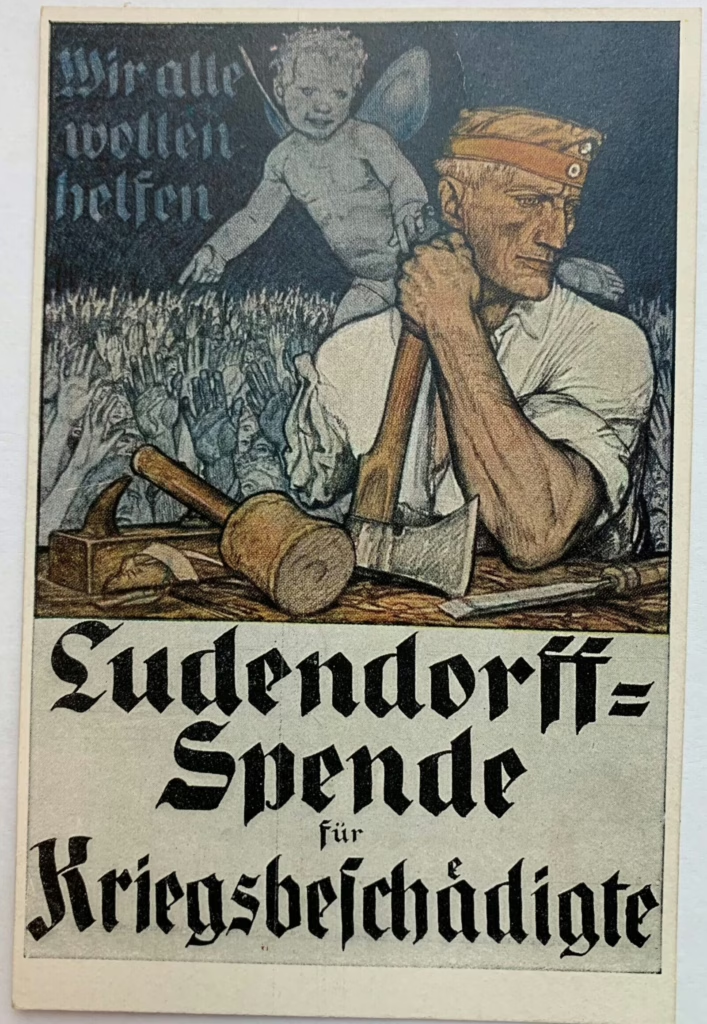
Nazi Veteran Disability Fundraiser
-
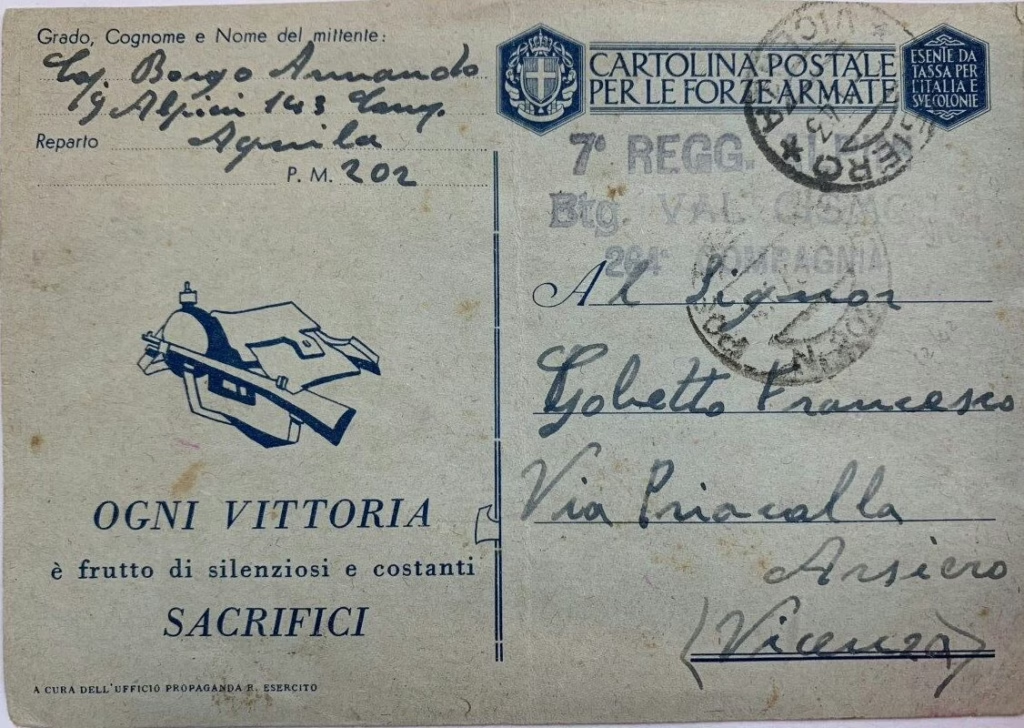
Italian (Feldpost)
-
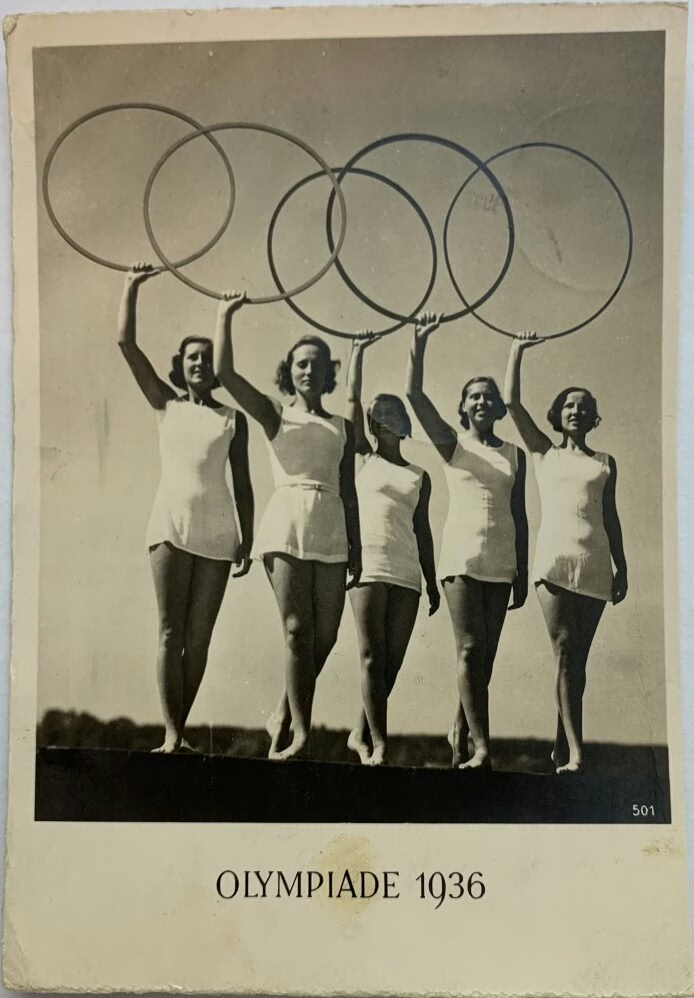
1936 Berlin Olympics
-
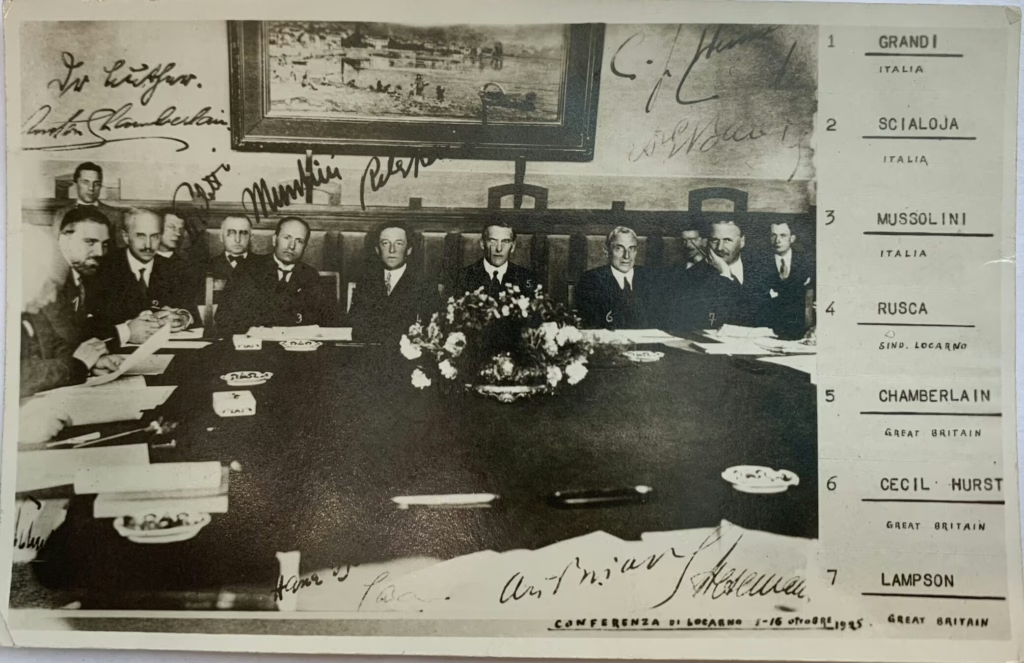
Locarno Treaties (1925)
-
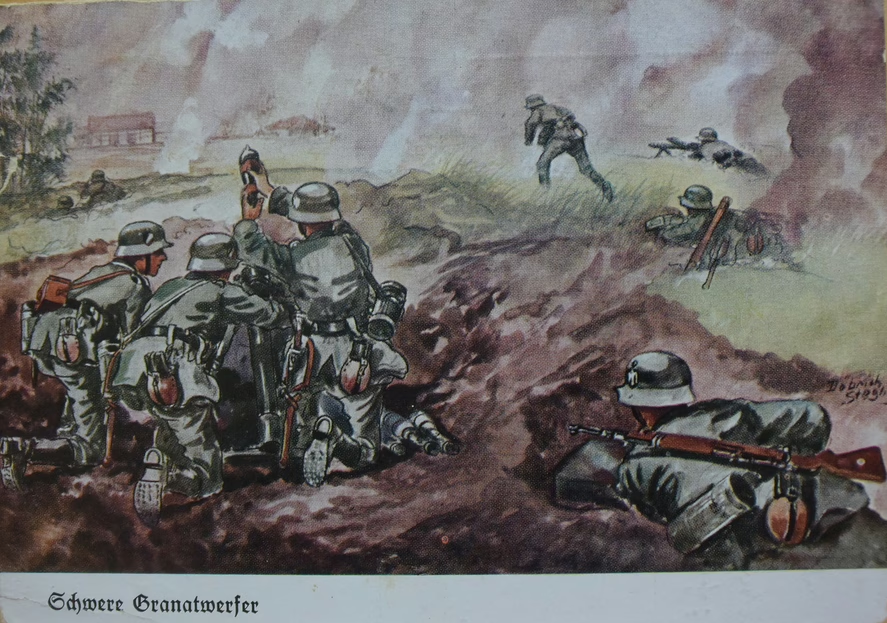
Schwere Granatwerfer (Heavy Grenade Launchers)
-
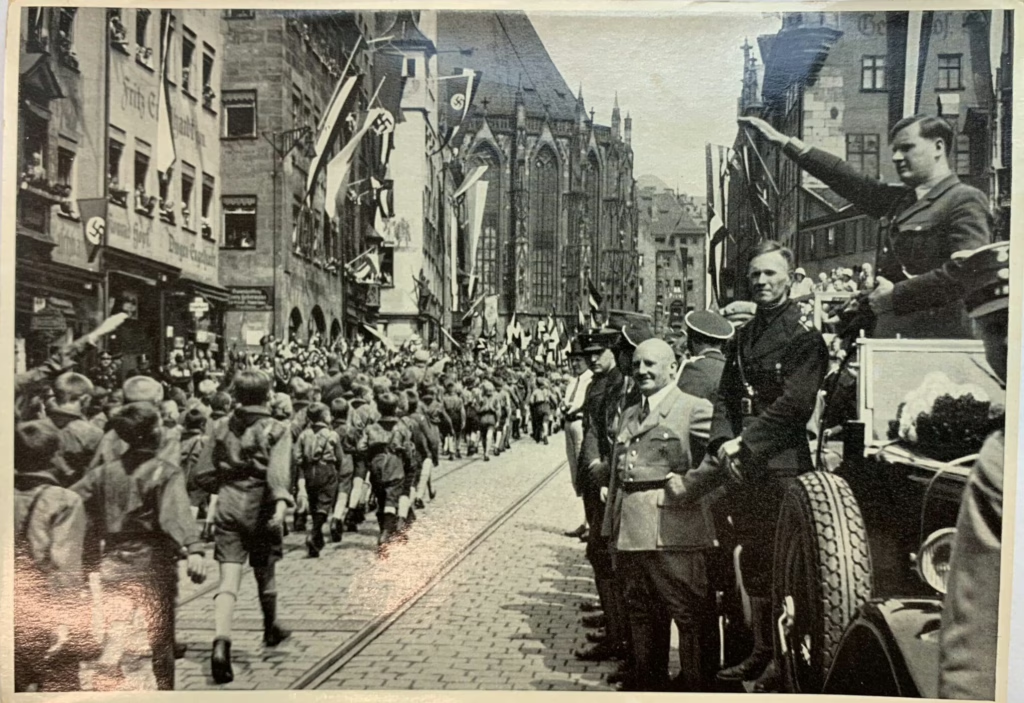
Hitler Youth (Tobacco Card)
-
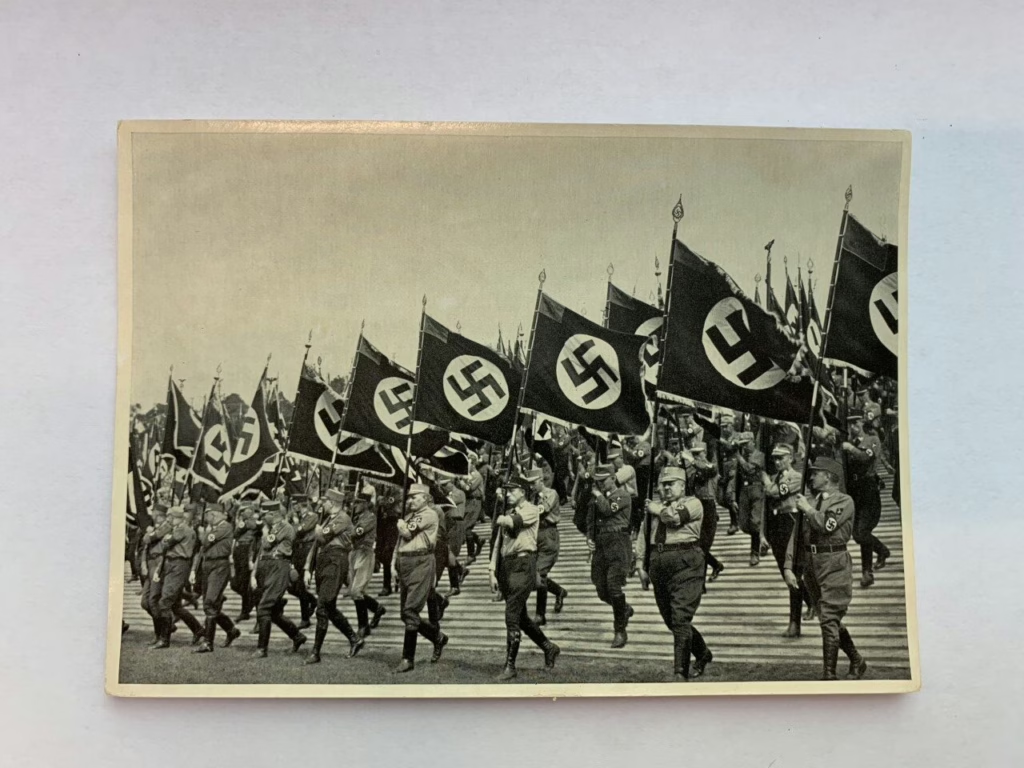
Nazi Rally (Tobacco Card)
-
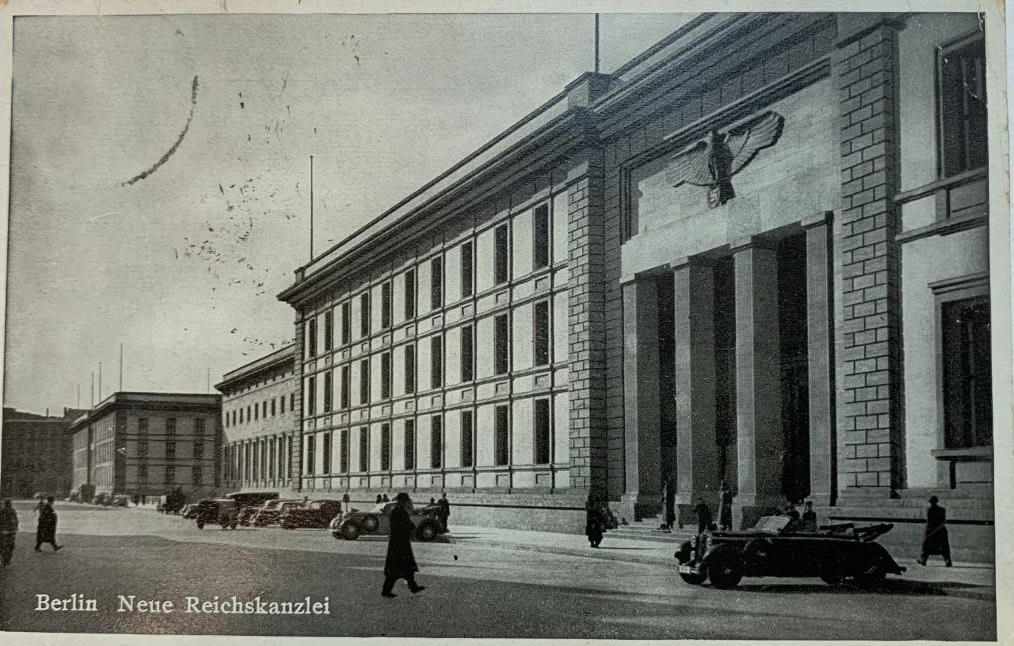
Neue Reichskanzlei (New Chancellery Building)
-
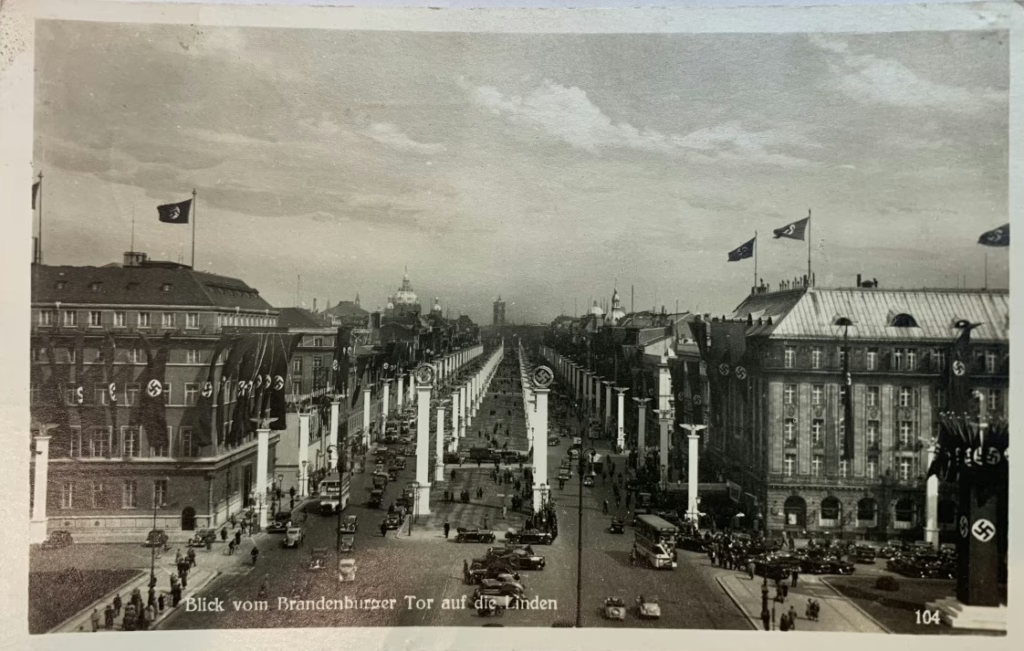
Brandenburg Gate (Berlin)
-
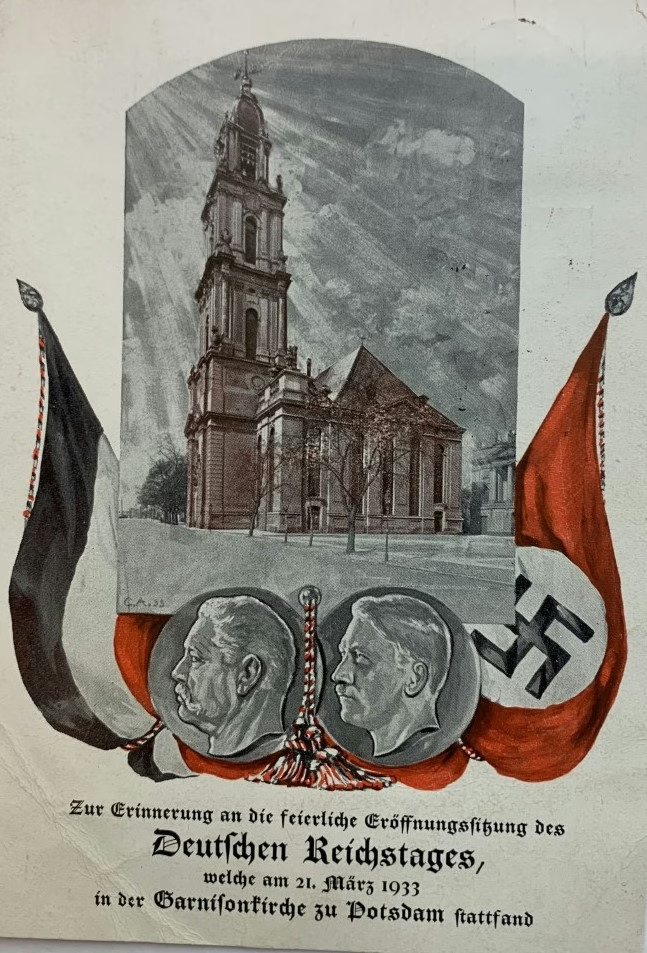
Potsdam Day (1933)
-
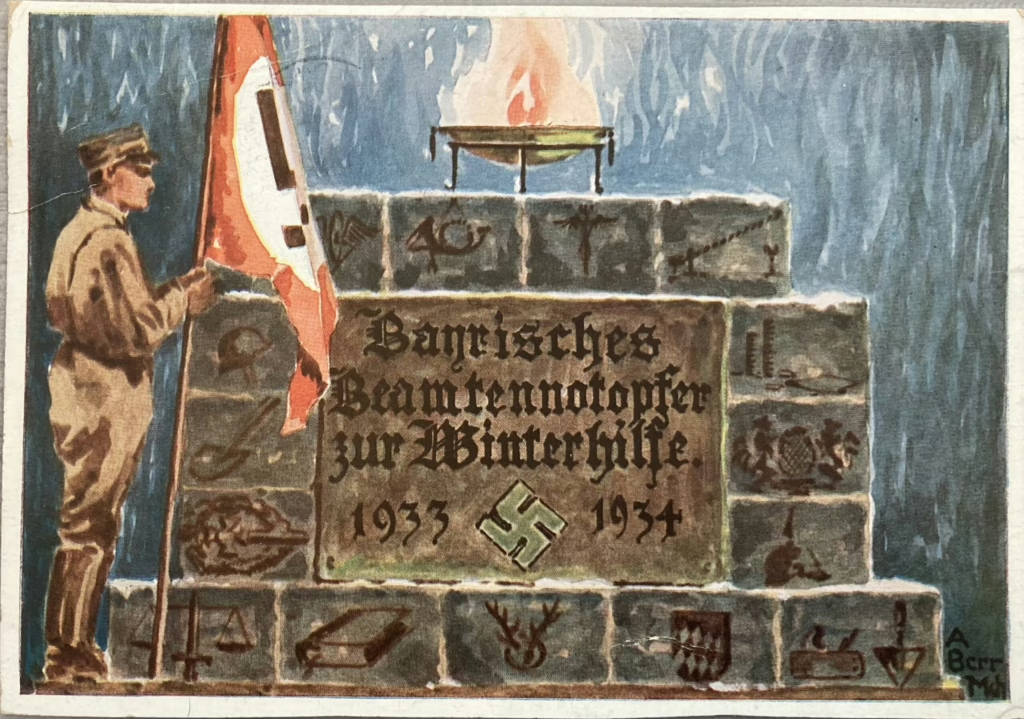
Winter Relief for the German People (1933-34)
-

Frankfurt Old Town Hall
-
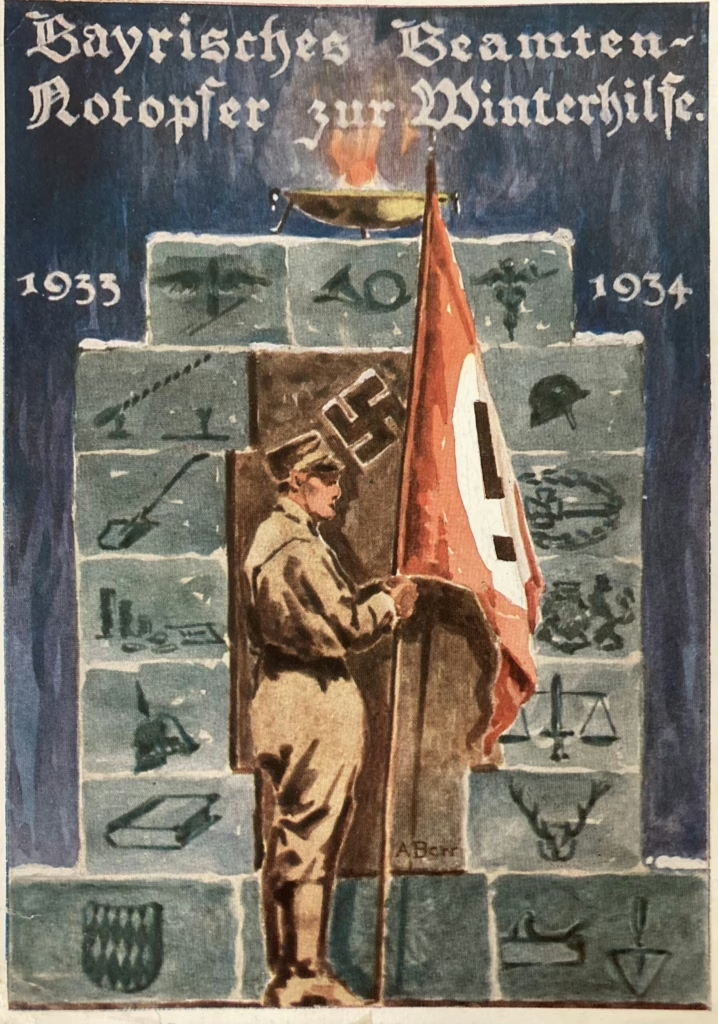
Winter Relief
-
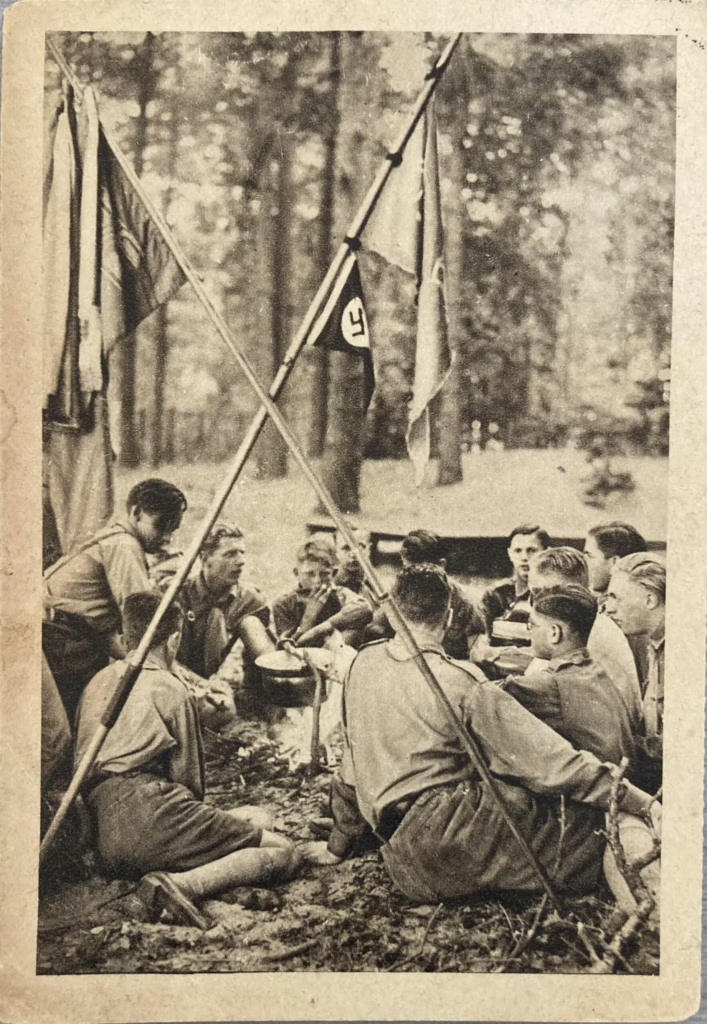
Hitler Youth Winter Relief
-
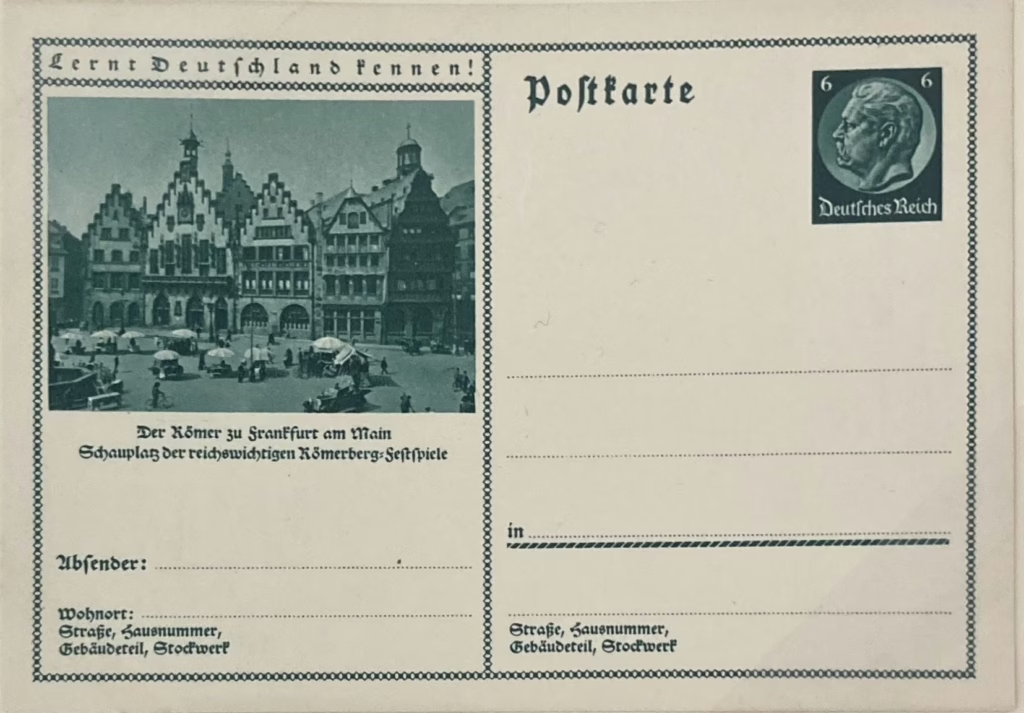
Get to Know Germany: Frankfurt am Main
-
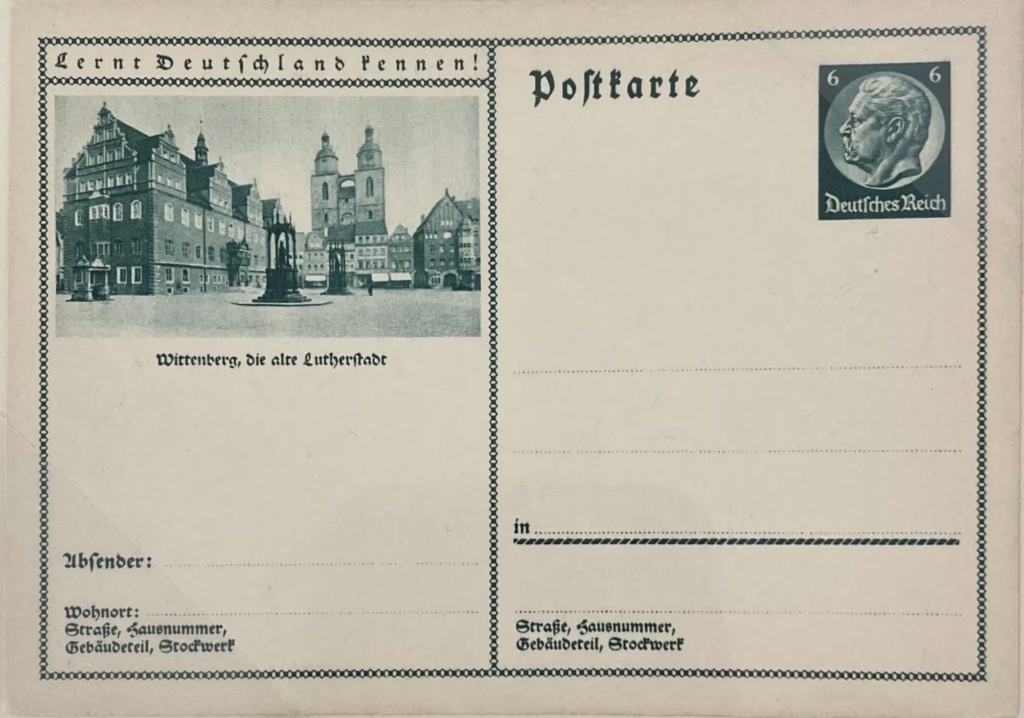
Get to Know Germany: Wittenberg
-
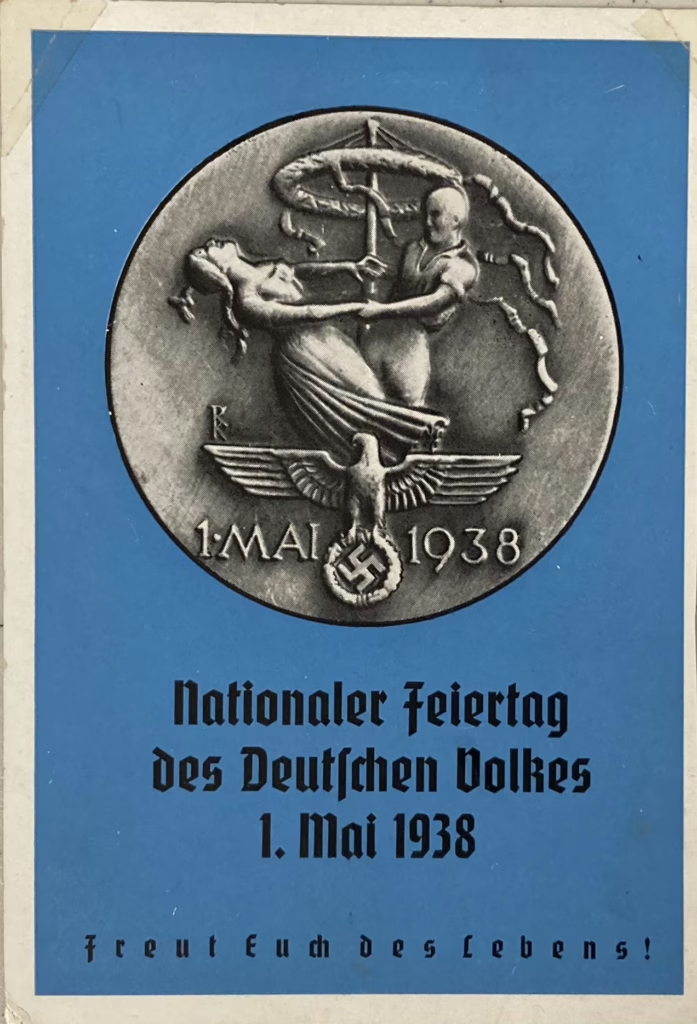
May Day (1938)
-
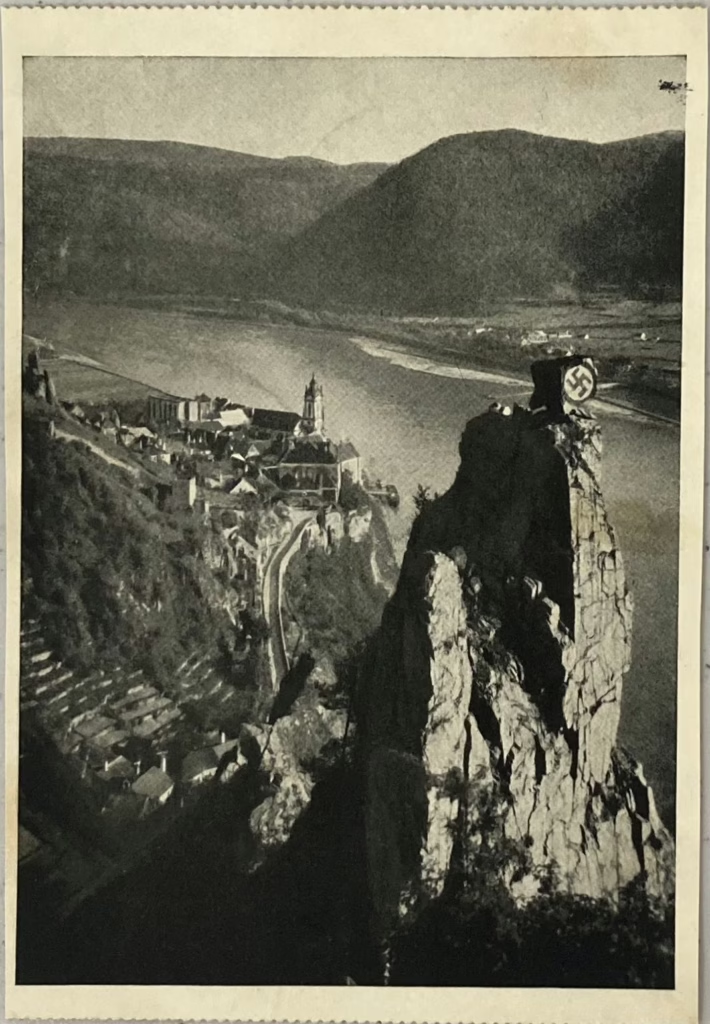
Dürnstein (Austria)
-
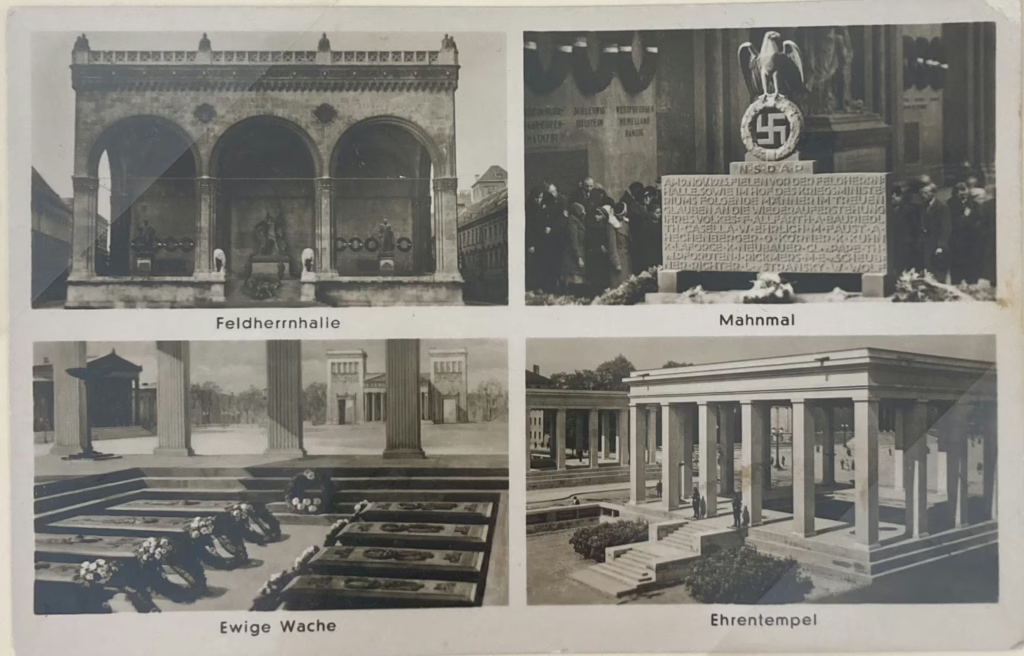
The Feldhernhalle (München)
-
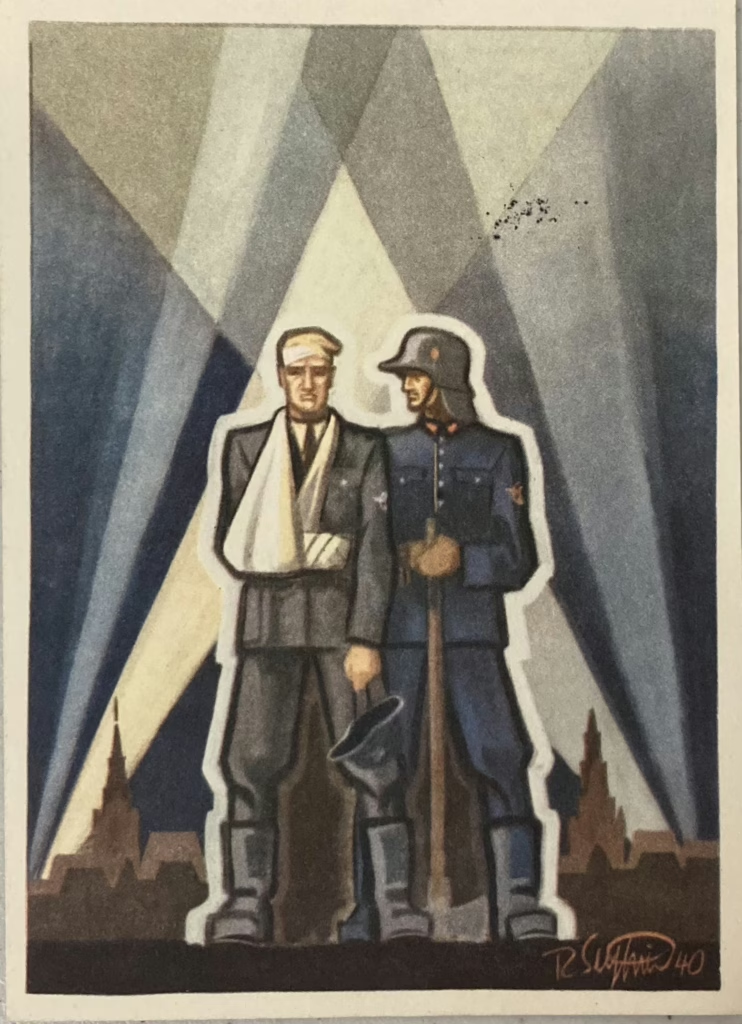
Day of the German Police (1941)
-
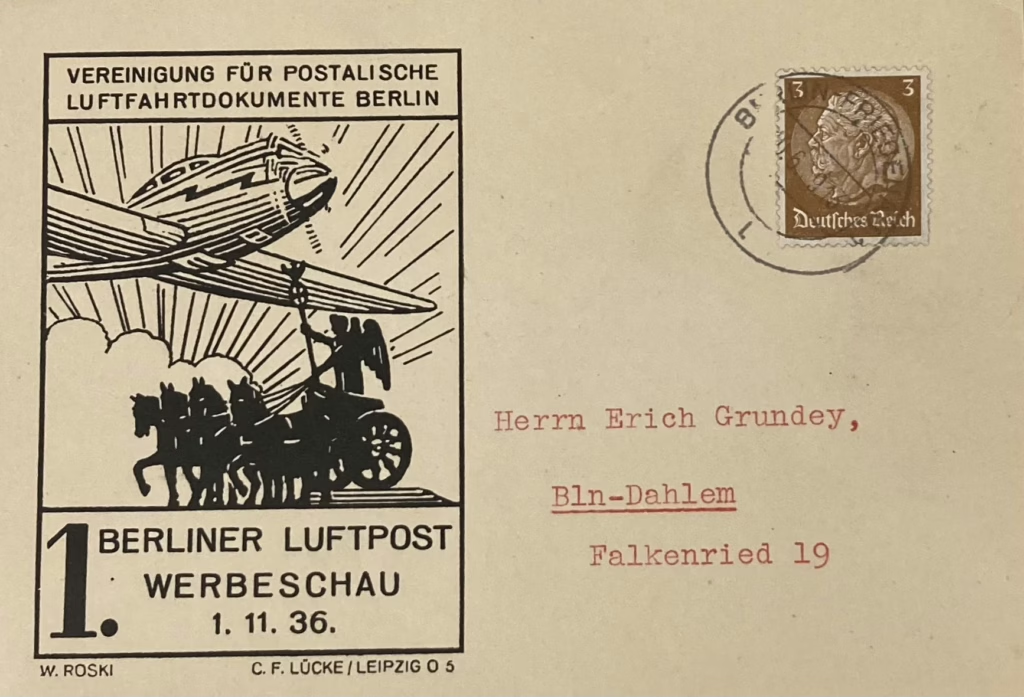
Association for Postal Aviation Documents Berlin
-
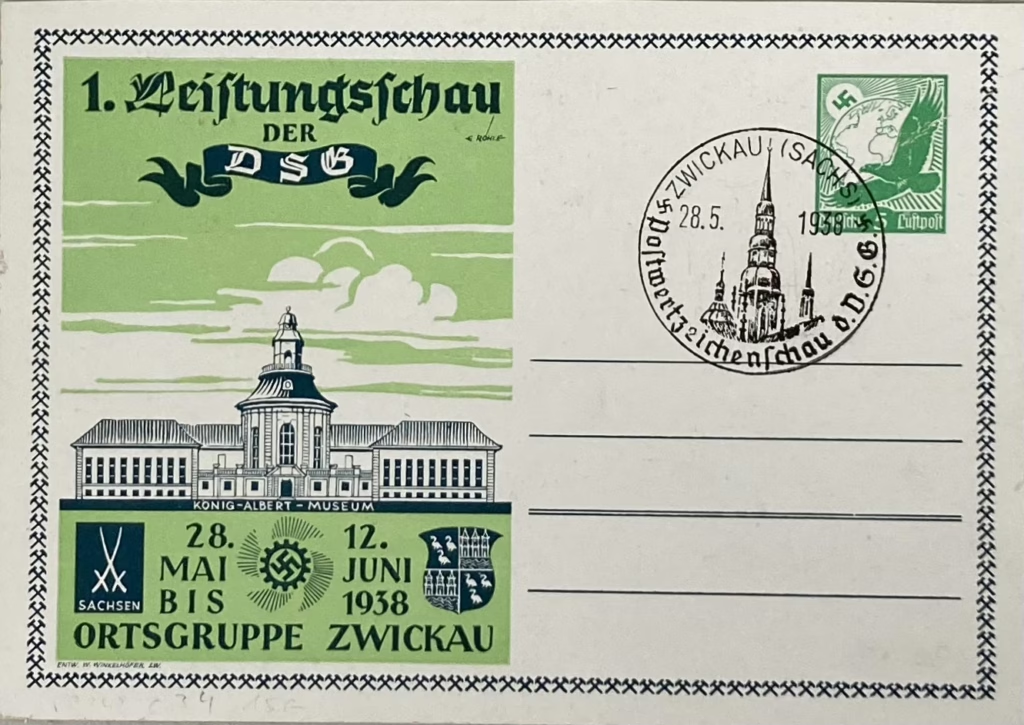
First Postal Show of local German Collectors’ Group
-
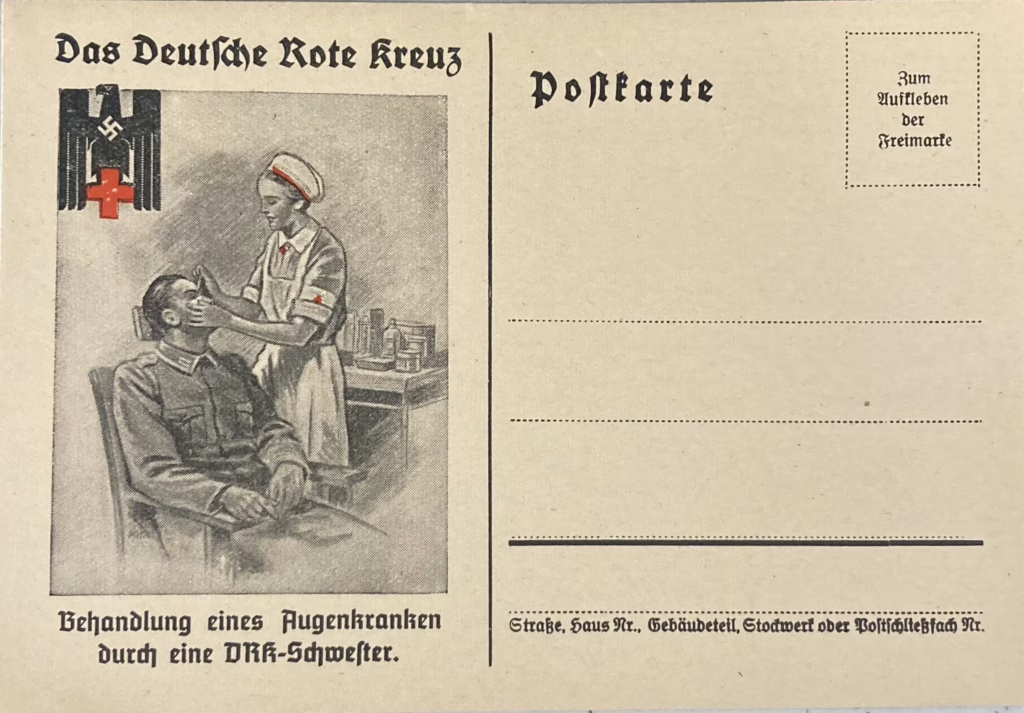
German Red Cross
-
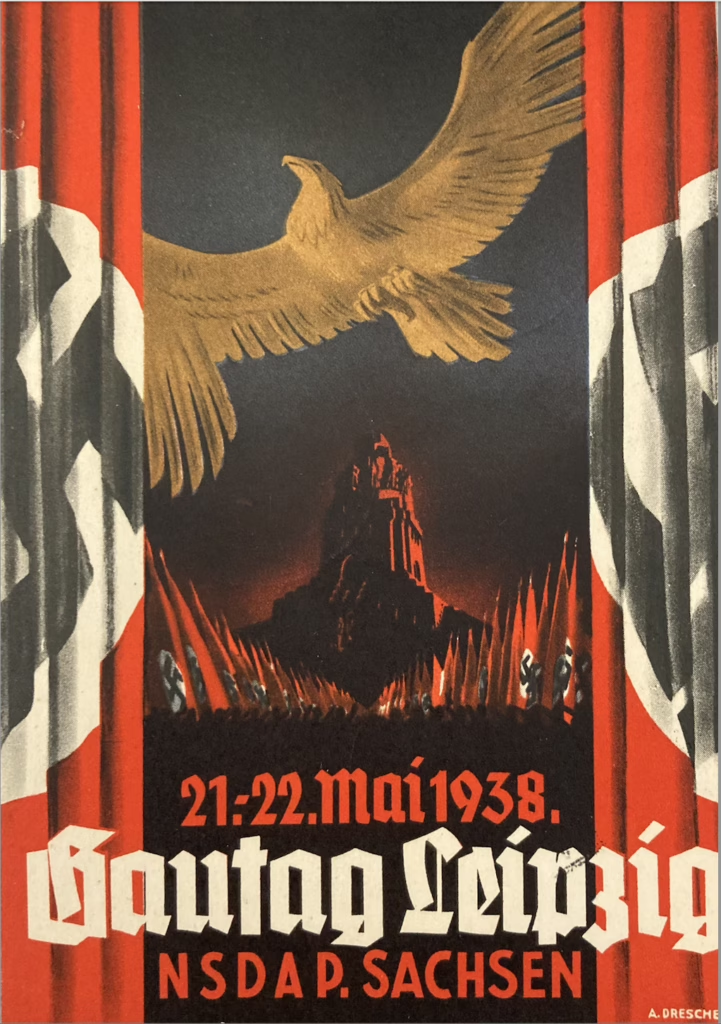
Gautag Saxony
-
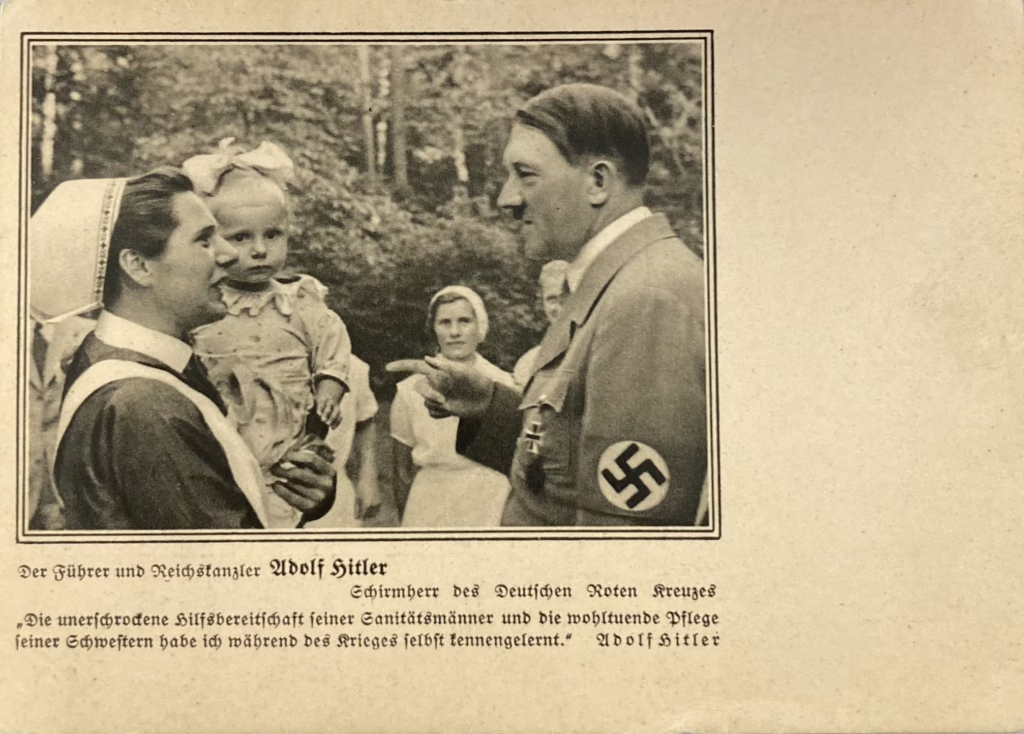
Hitler and the Red Cross
-
Day of the Community (Nuremberg)
-
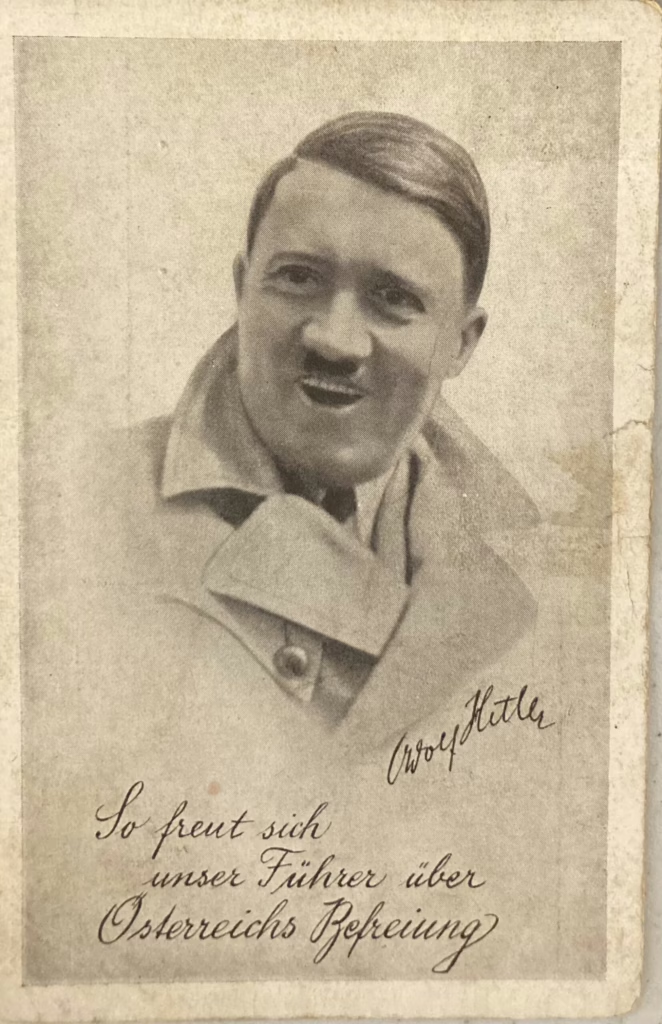
Anschluss ( Annexation of Austria – 1938)
-
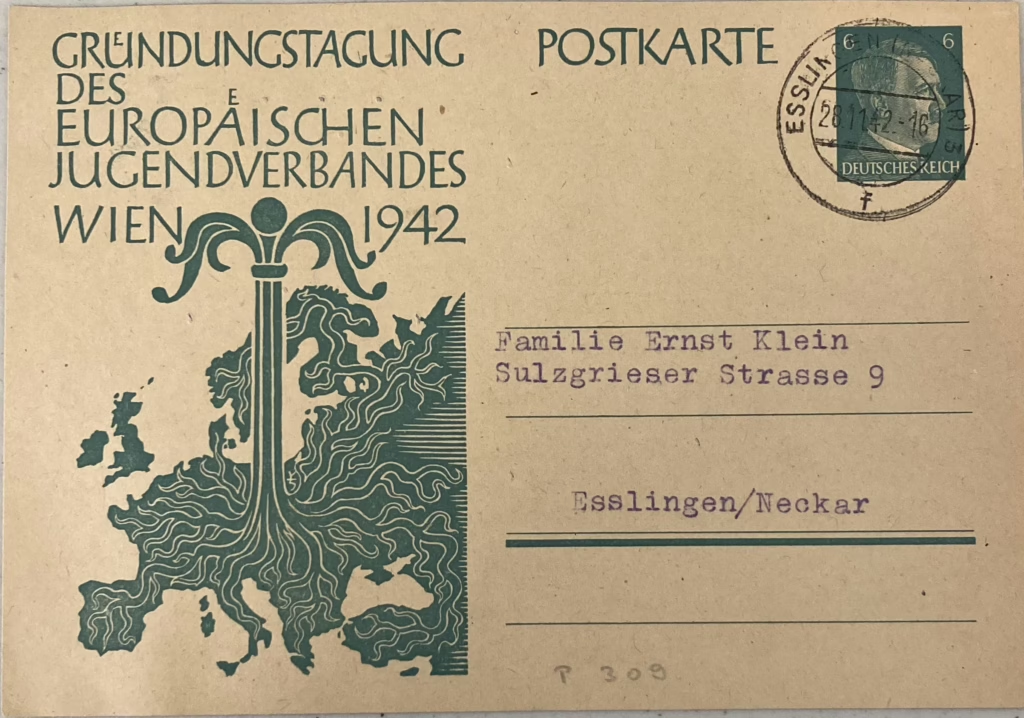
European Youth Association (Vienna)
-
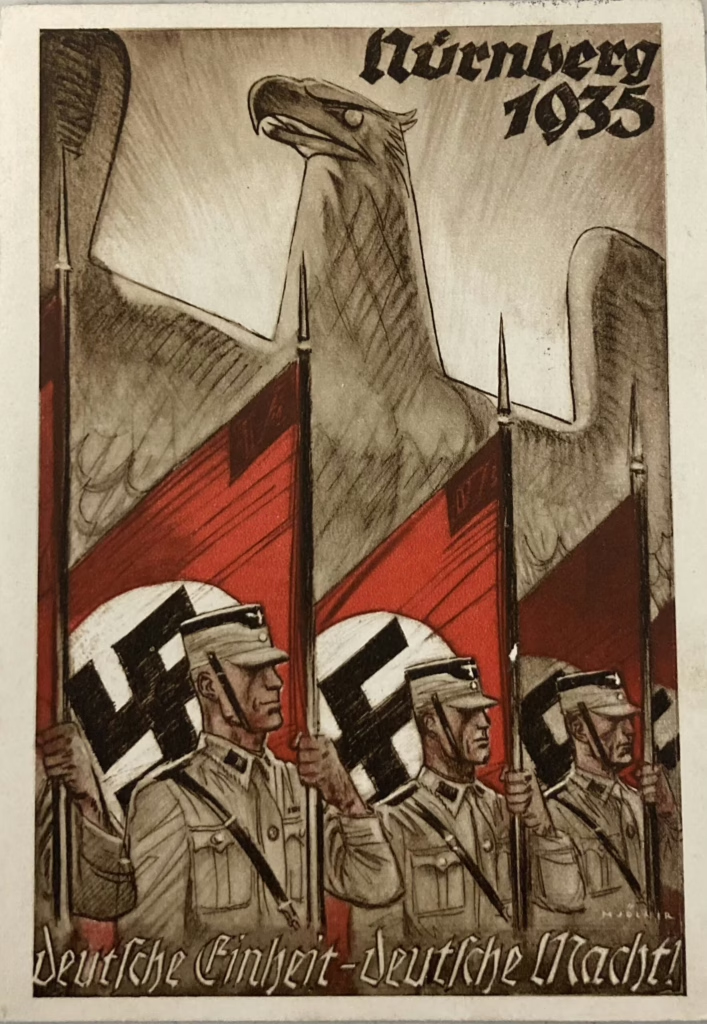
Nuremberg (1935)
-
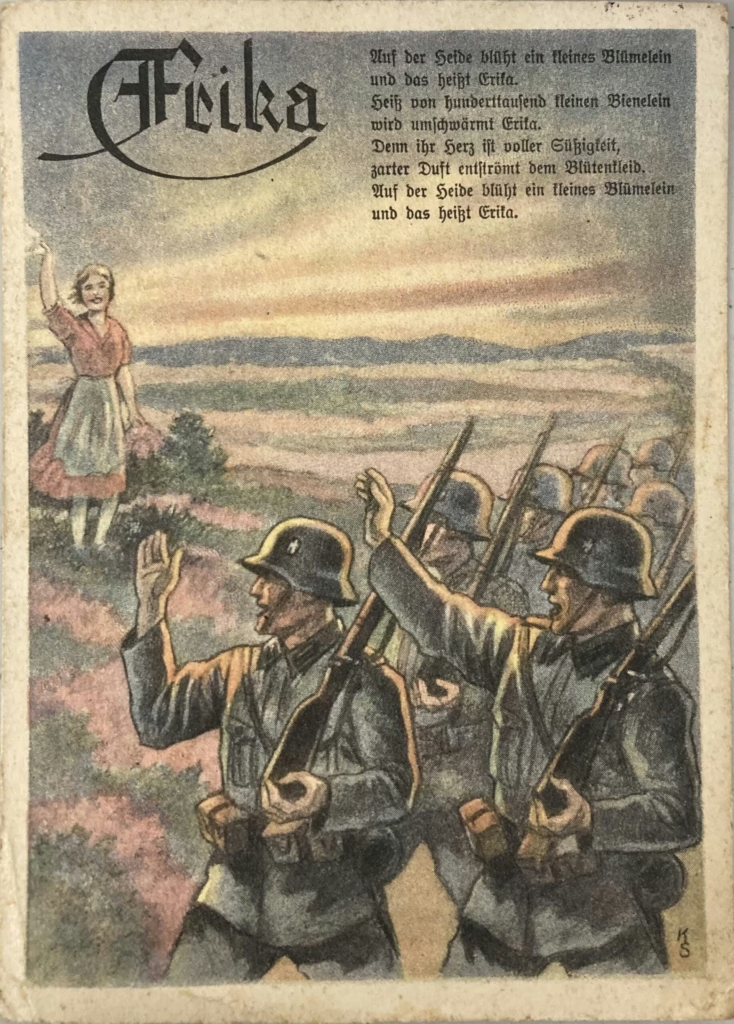
“Erika” Marching Song
-
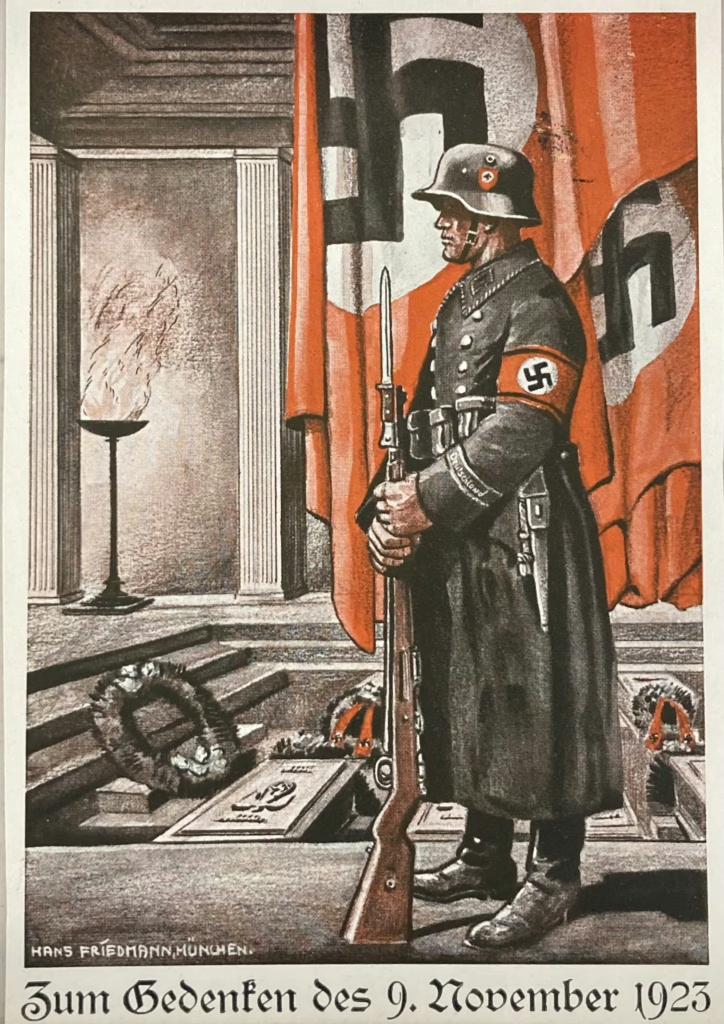
Commemoration of Beer Hall Putsch (November 9, 1923)
-
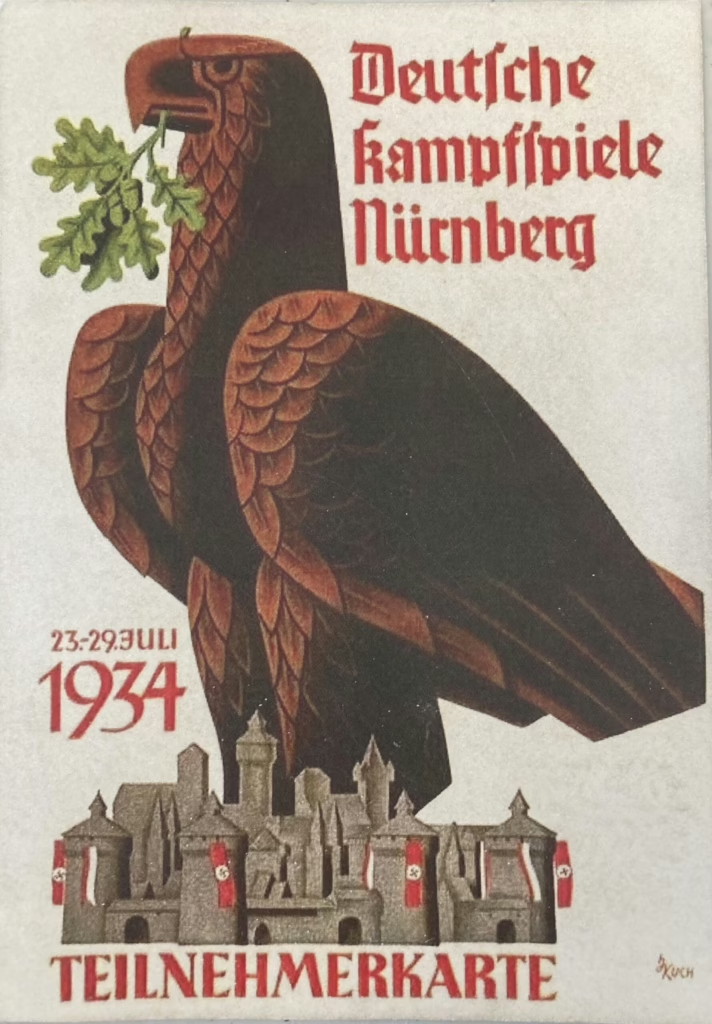
German Fighting Games (Nuremberg 1934)
-
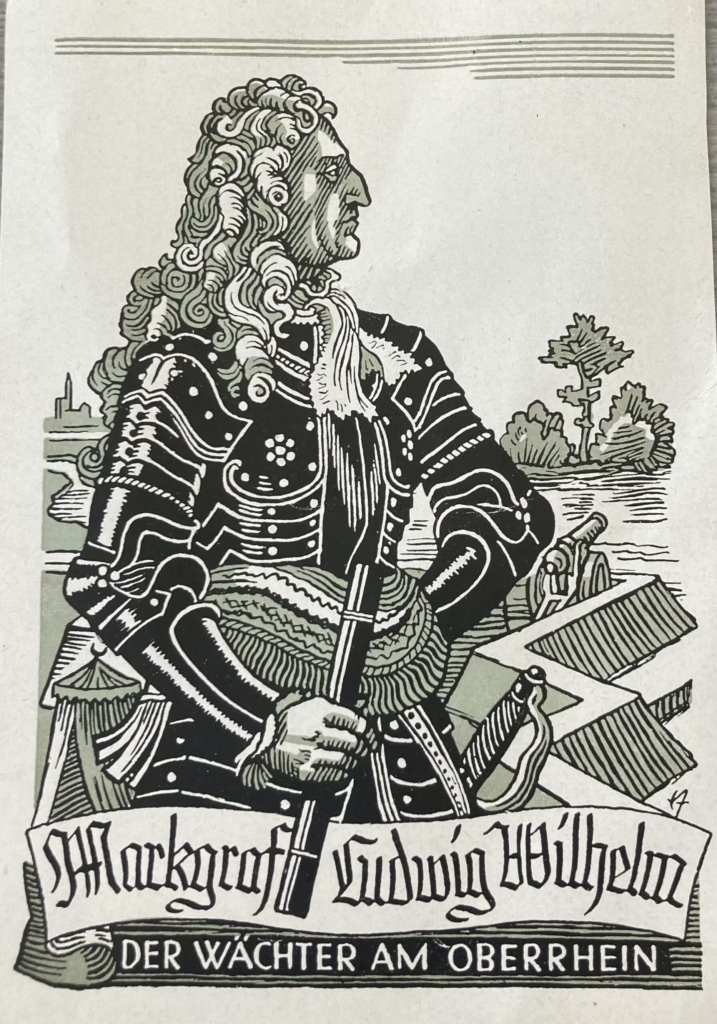
Graf Ludwig Wilhelm
-
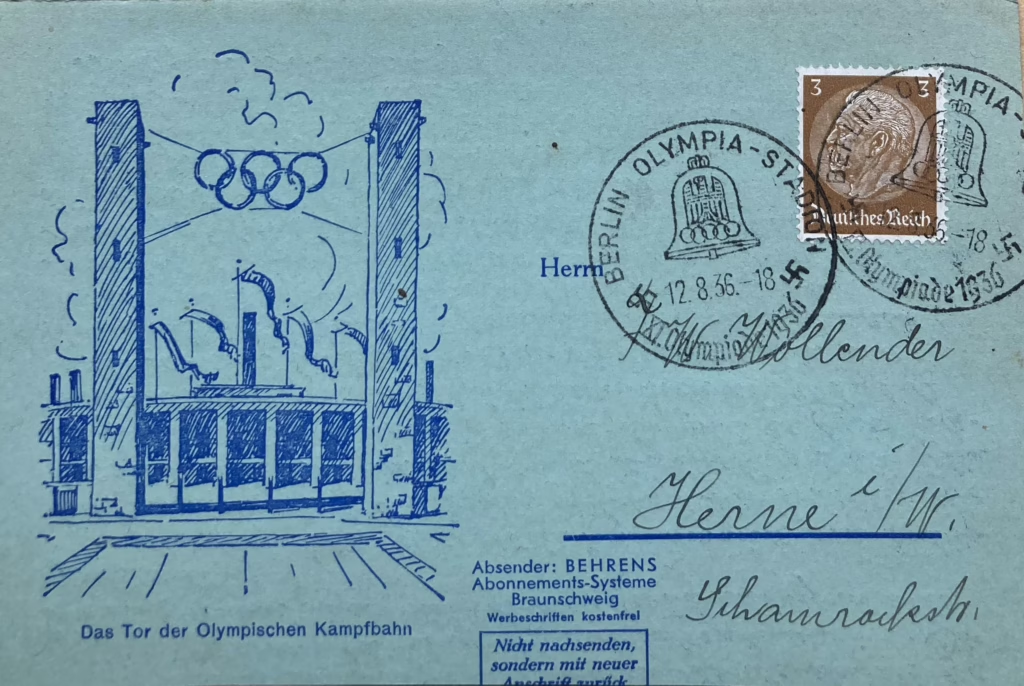
The Entrance Gate of Olympic Stadium
-
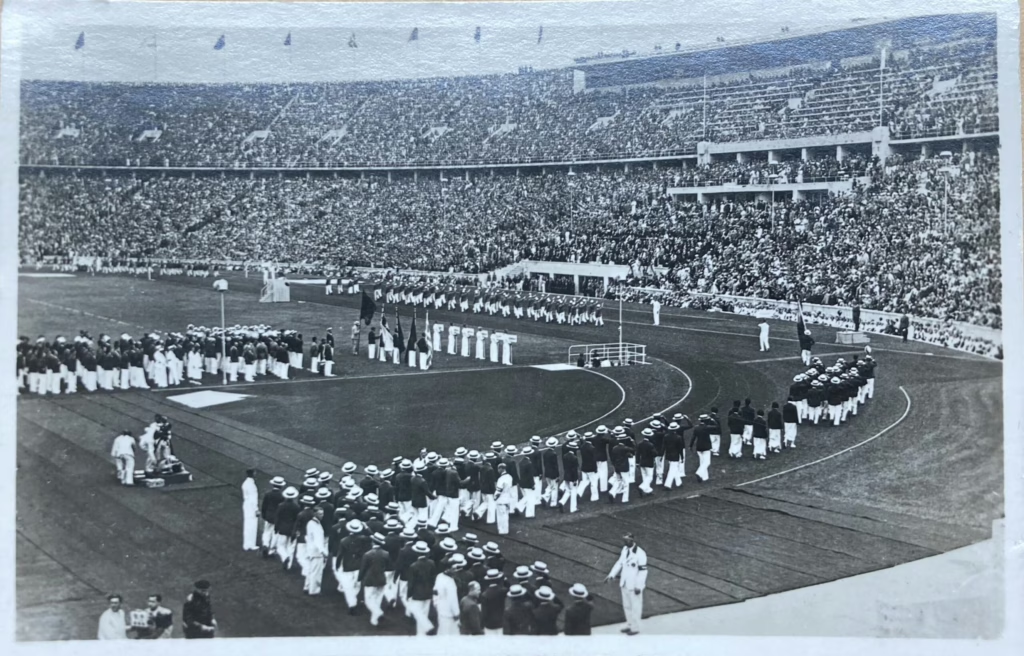
View of the Hitler’s Private Box at the Berlin Olympic Opening Ceremonies
-
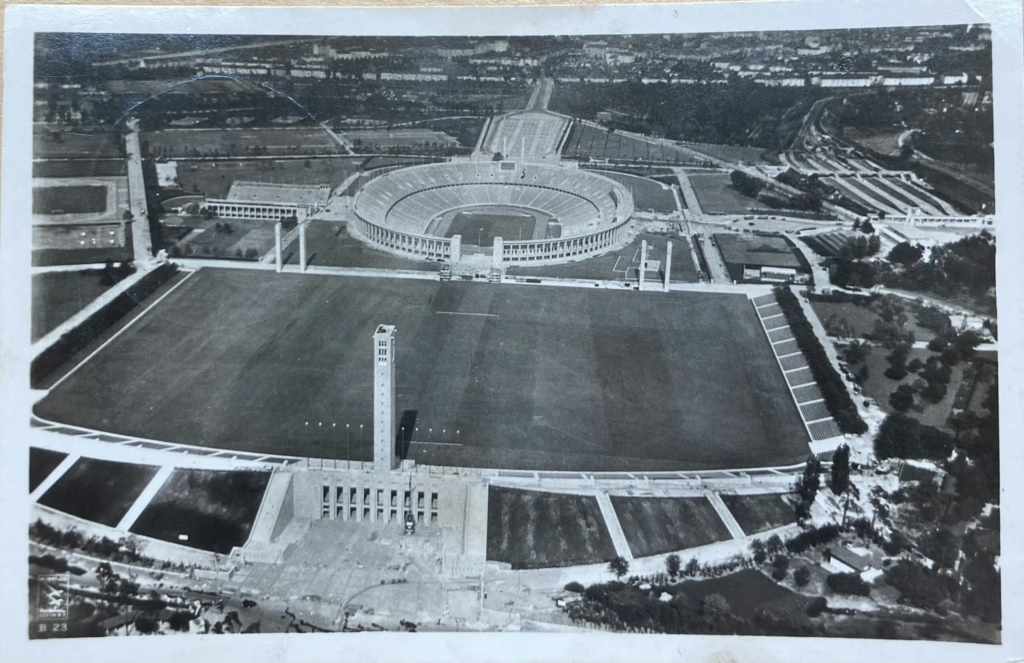
Reich Sports Field
-
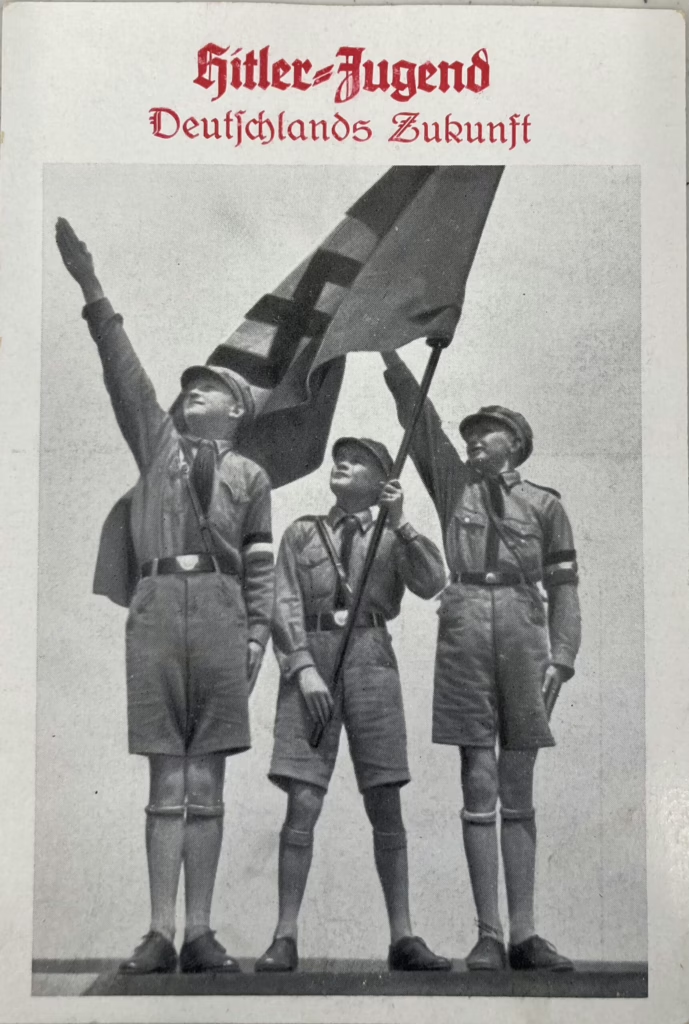
Hitler Youth
-
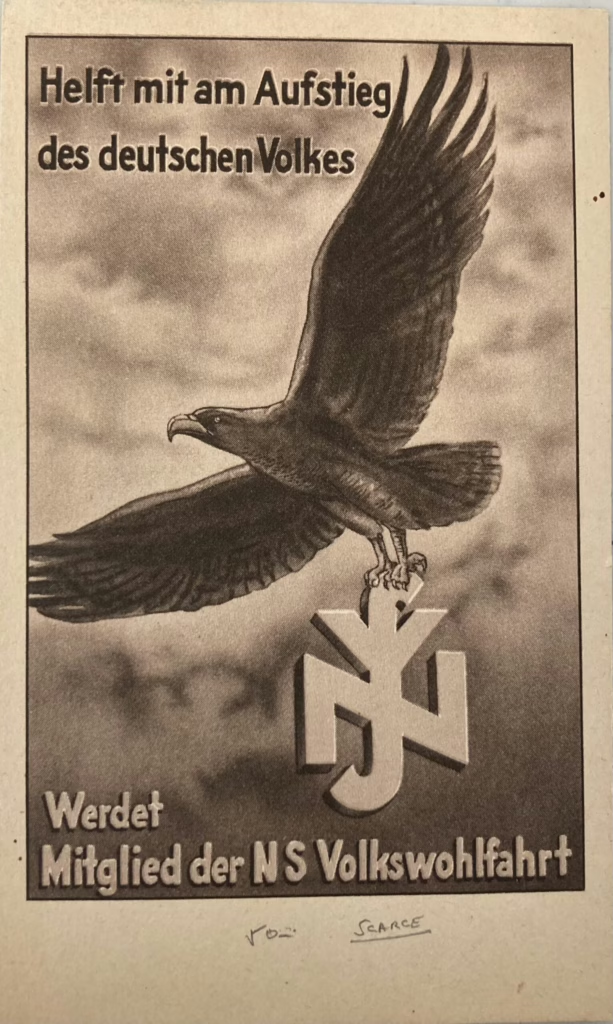
Nationalist Socialist People’s Welfare
-
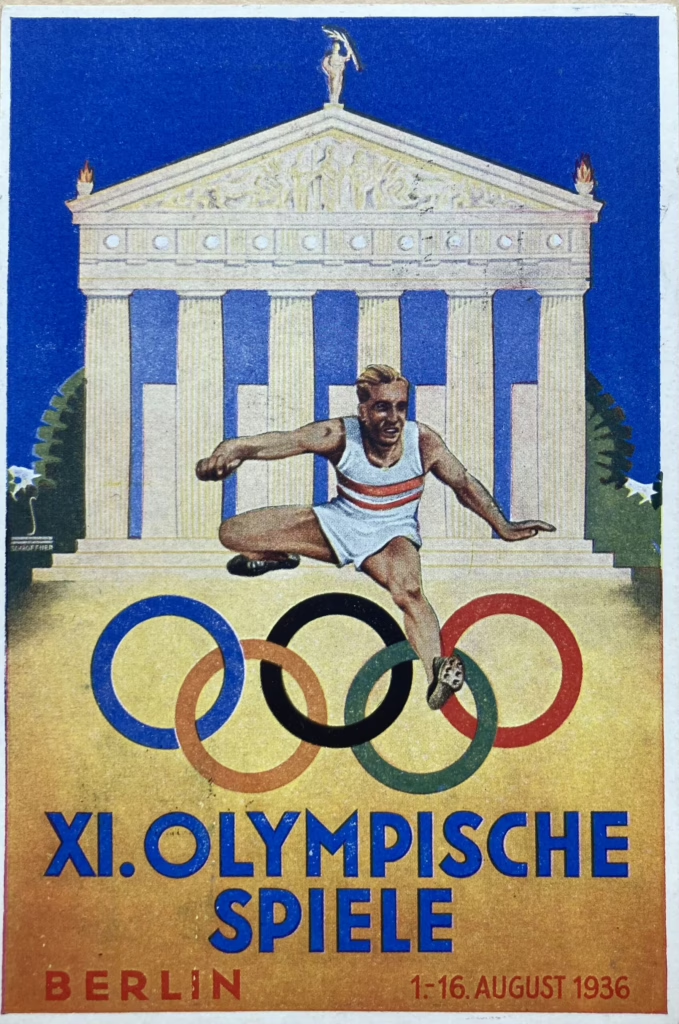
1936 Berlin Olympic Games
-
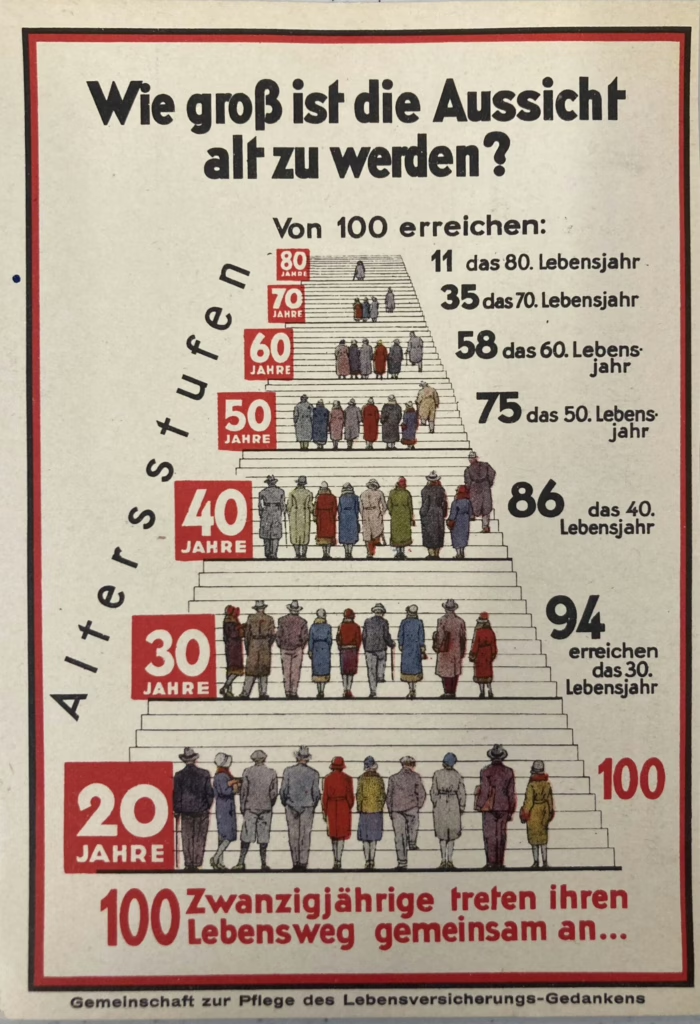
Aging
-
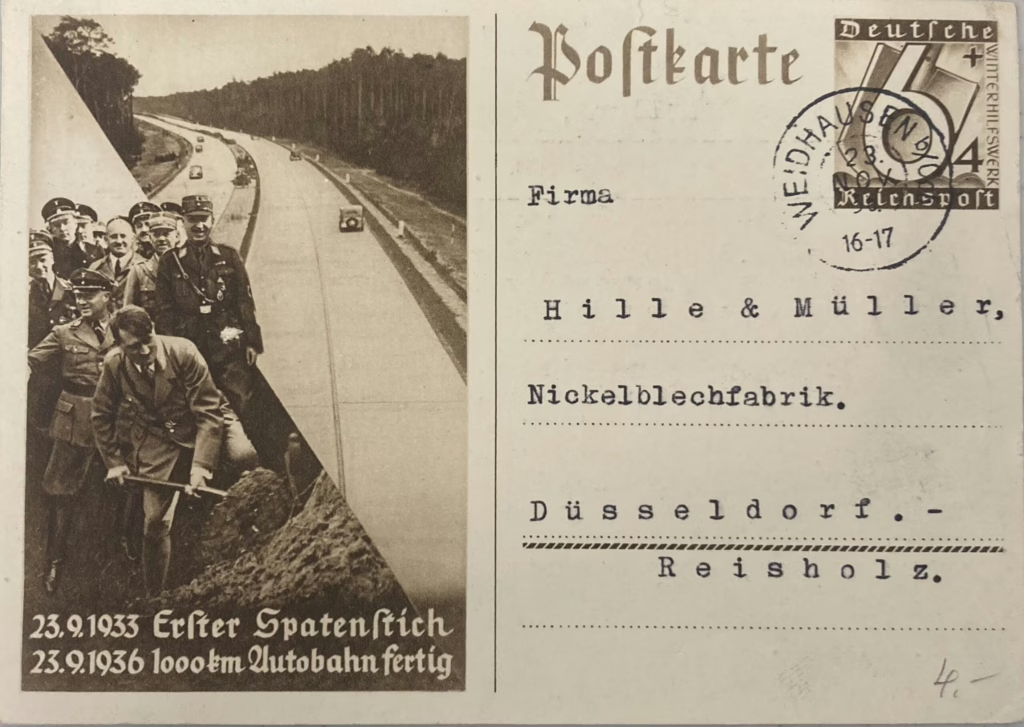
Autobahn
-
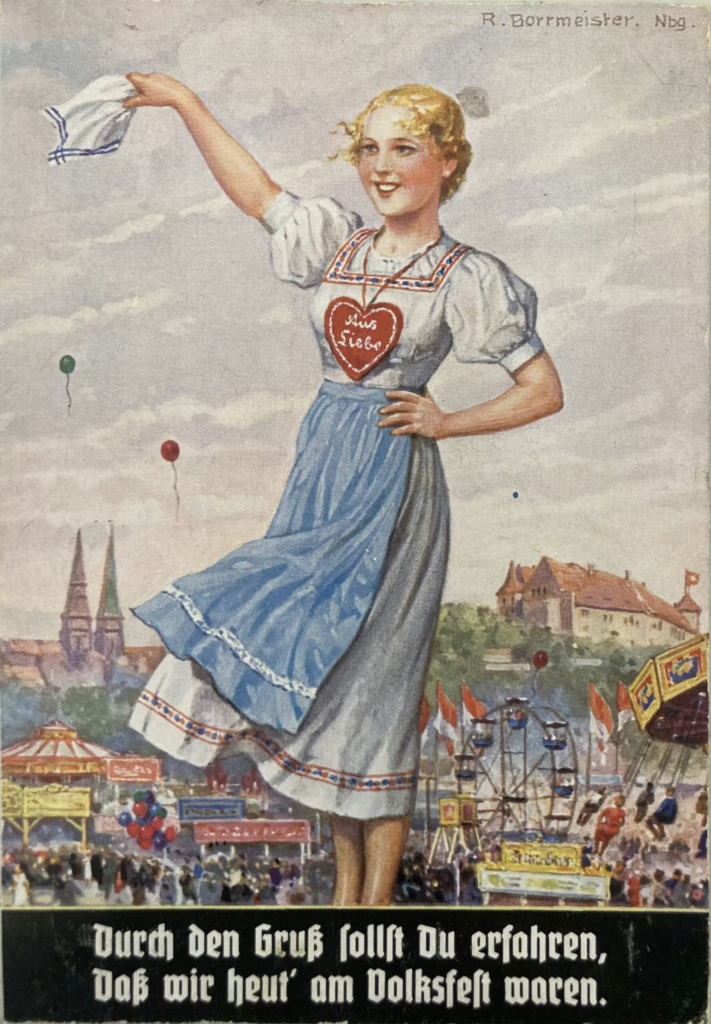
Volksfest
-
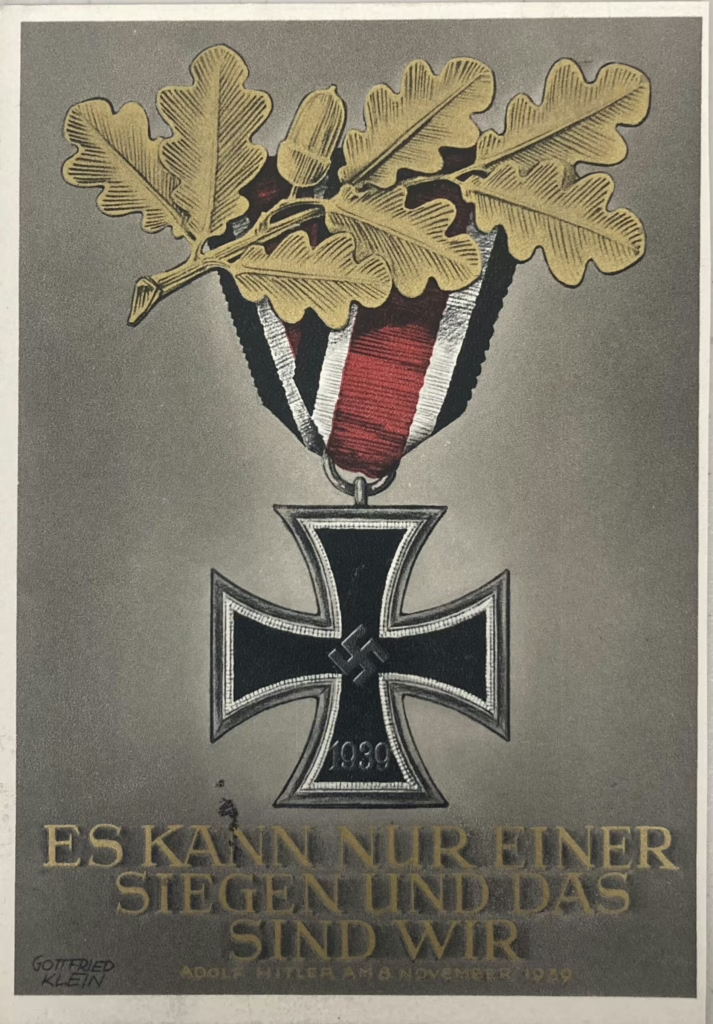
Bravery Medal
-
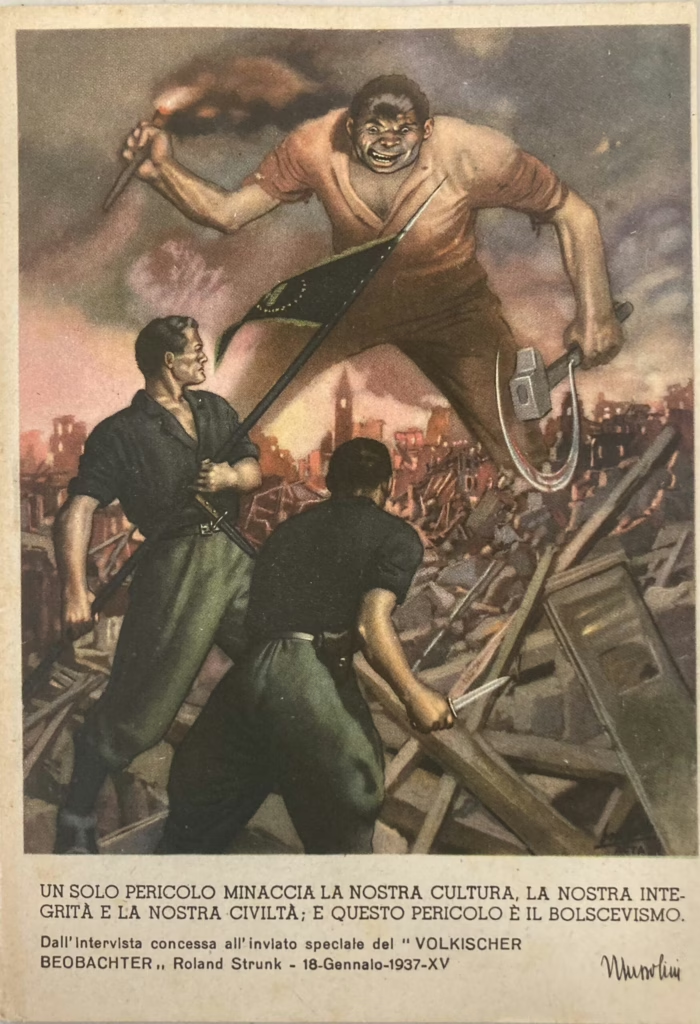
Italian Bolshevism
-
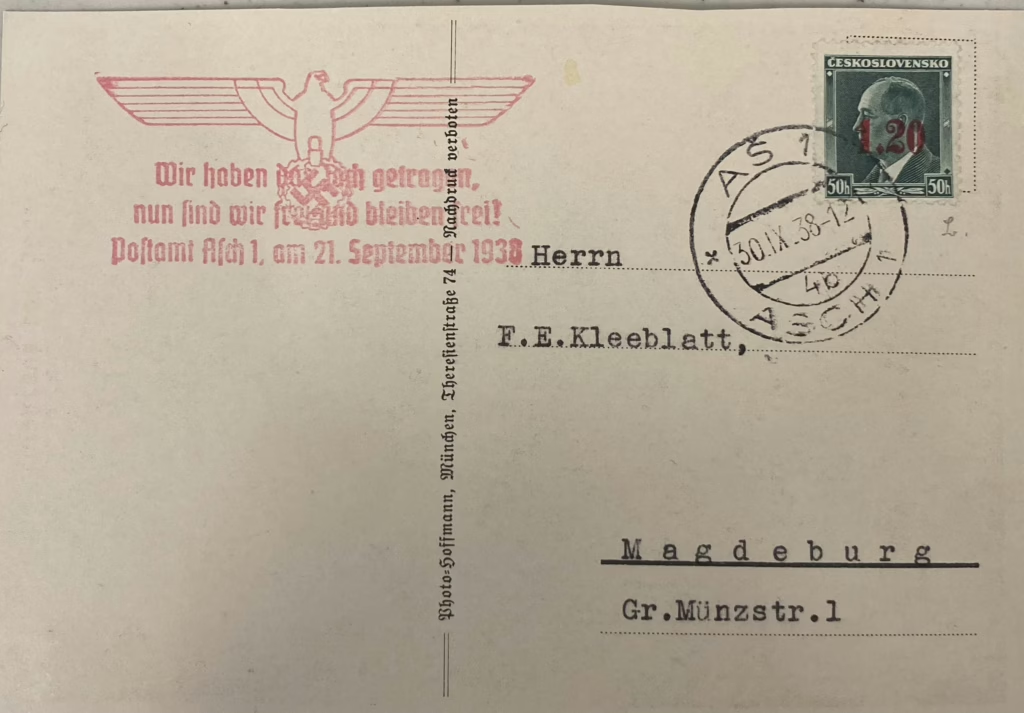
Hitler with youth (2)
-
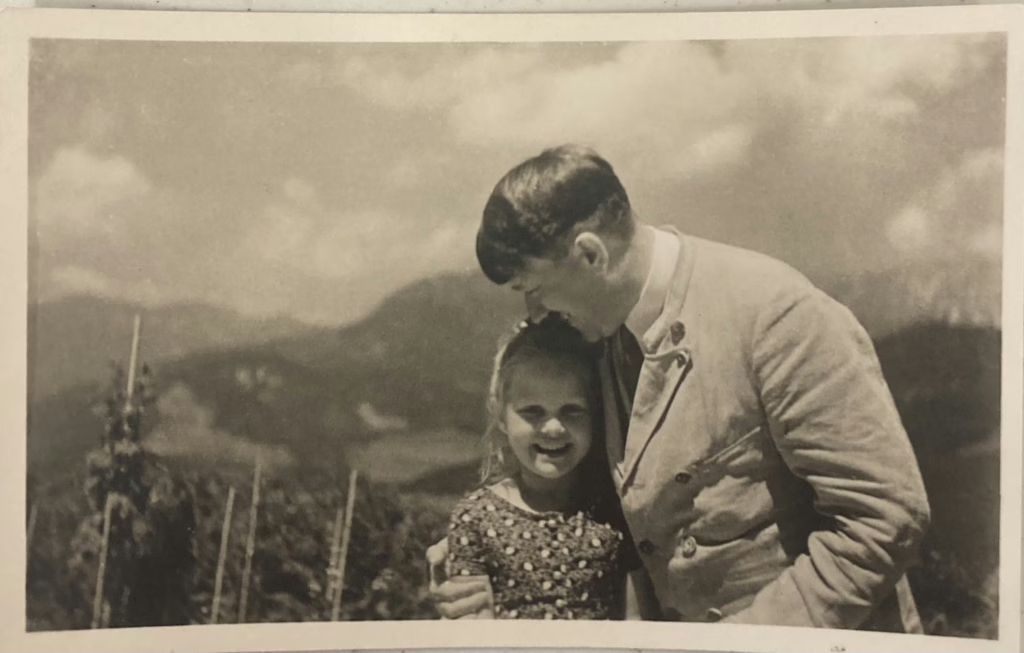
Hitler with youth
-
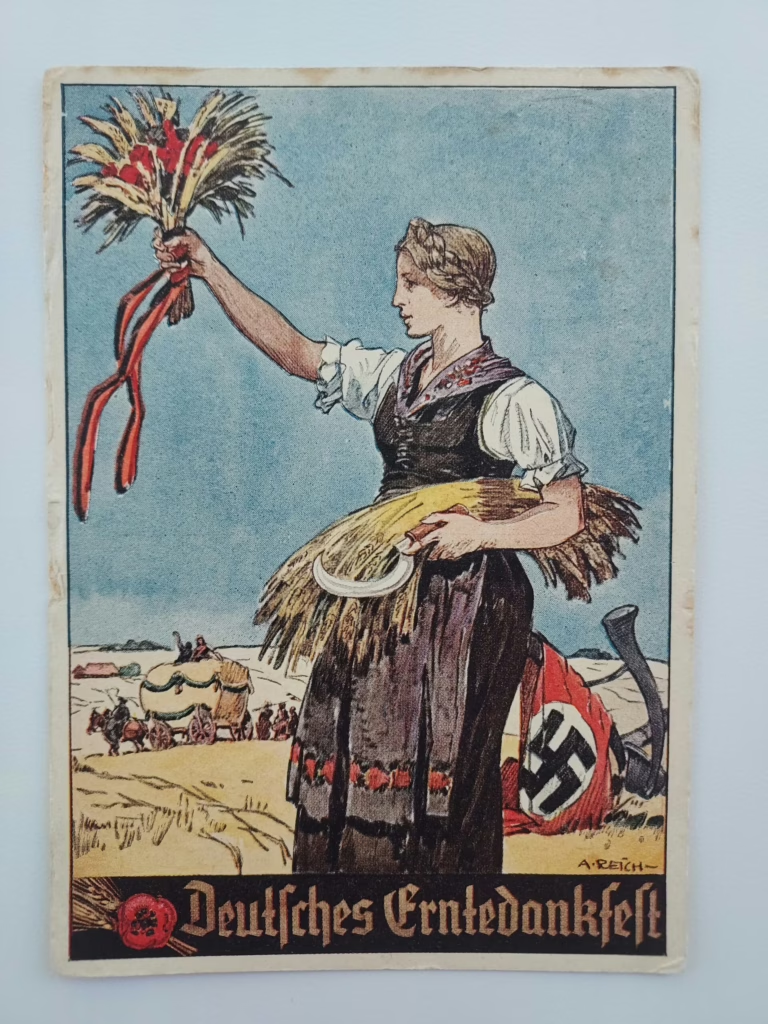
Deutsches Erntedankfest
-
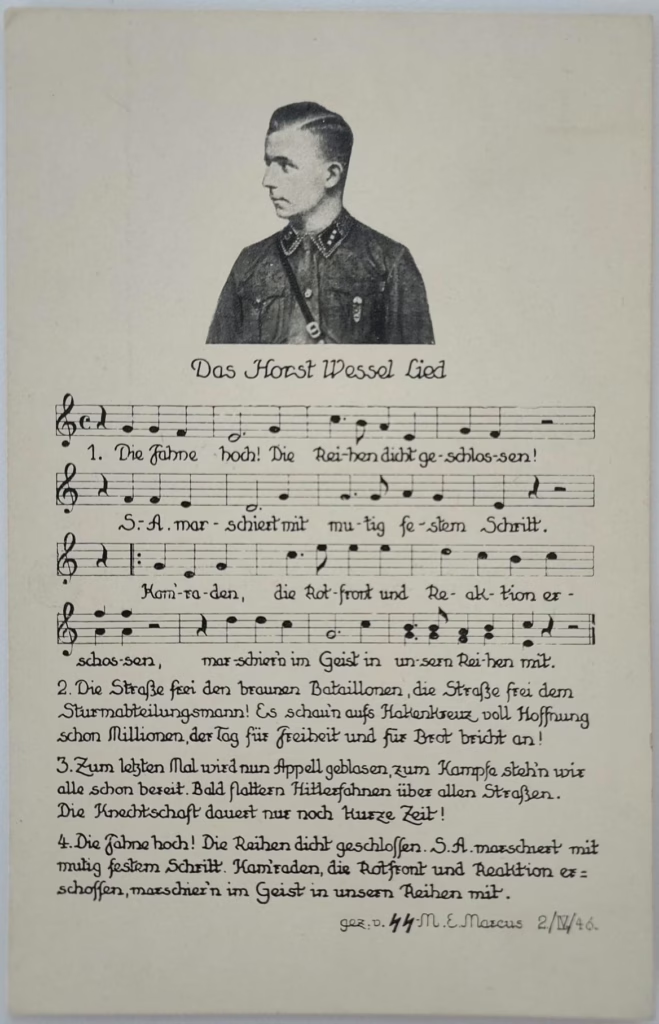
Horst Wessel Song
-
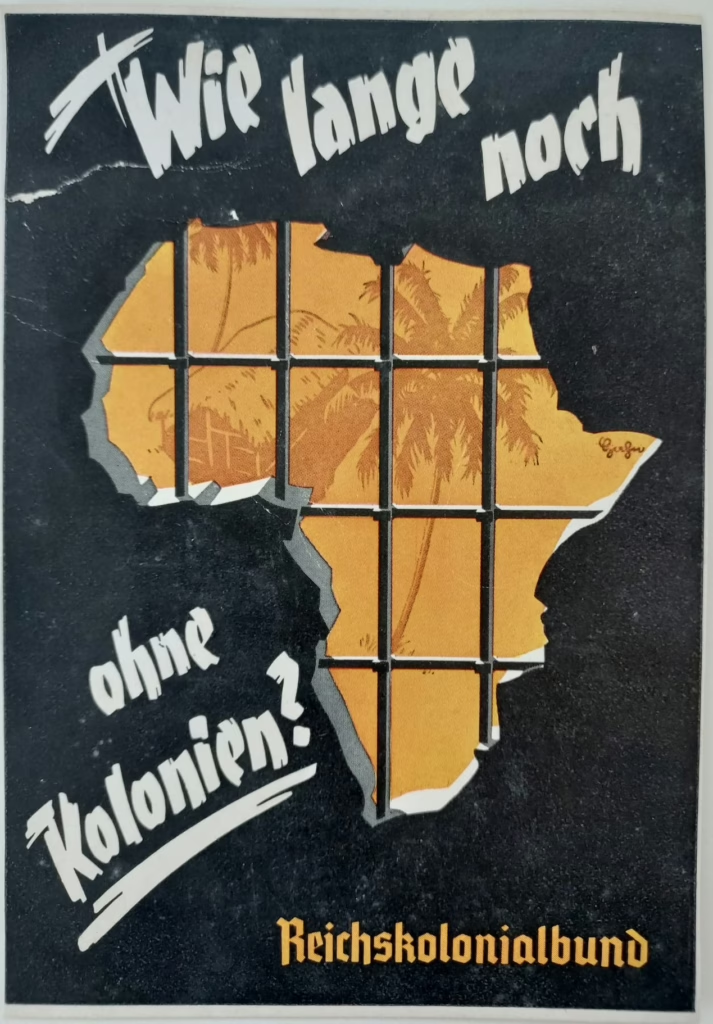
Reichskolonialbund
-
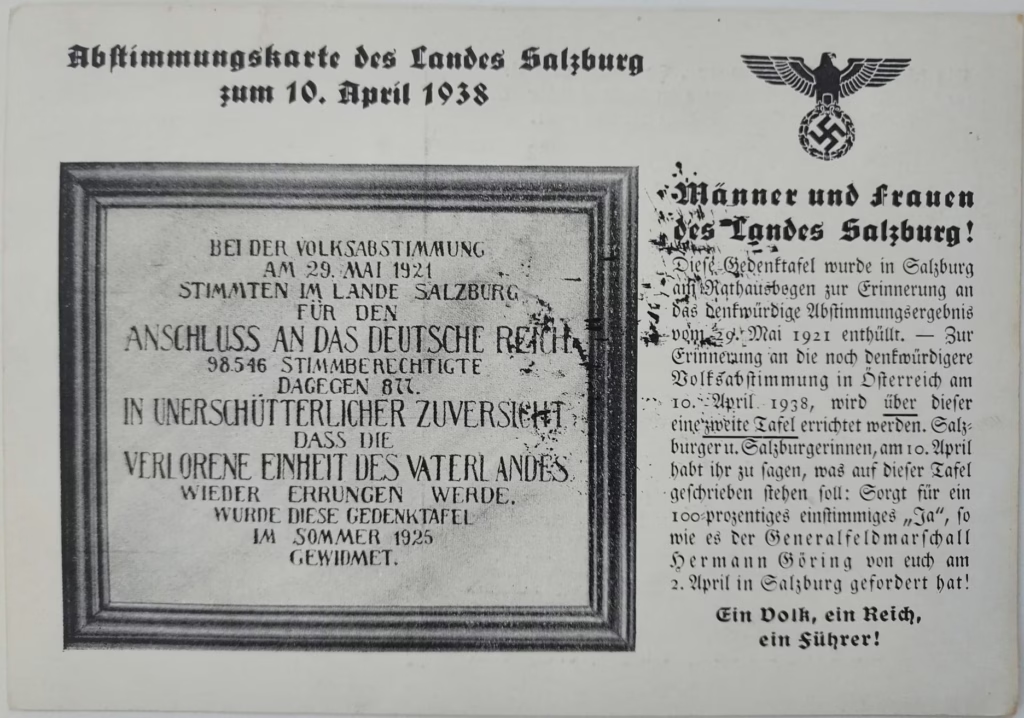
Salzburg Stier
-
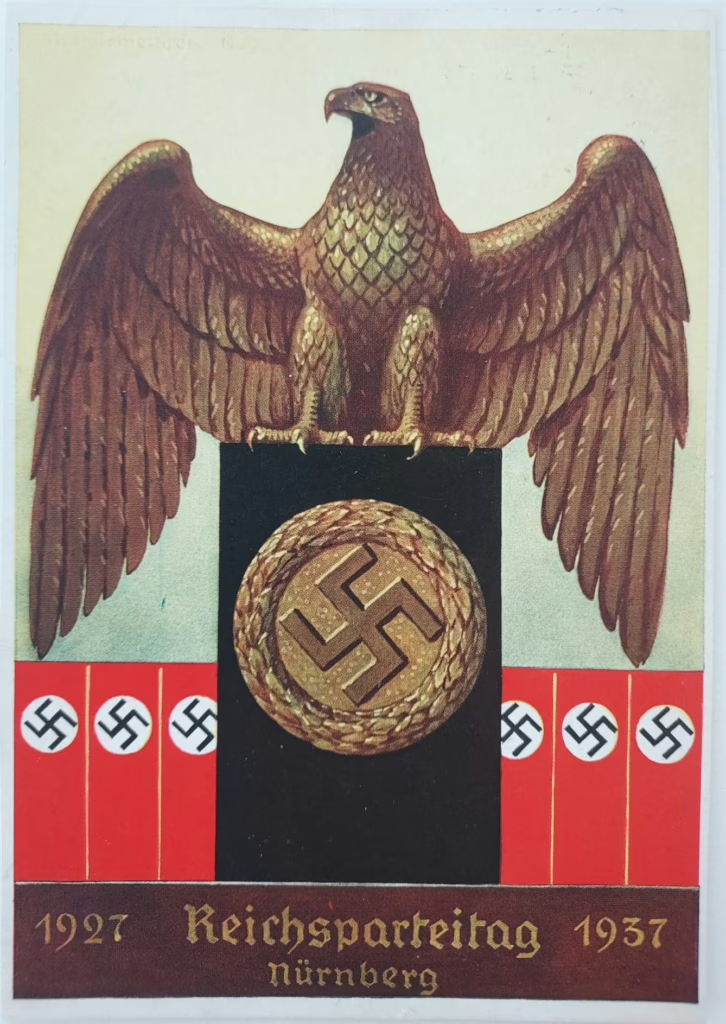
Reichsparteitag
-
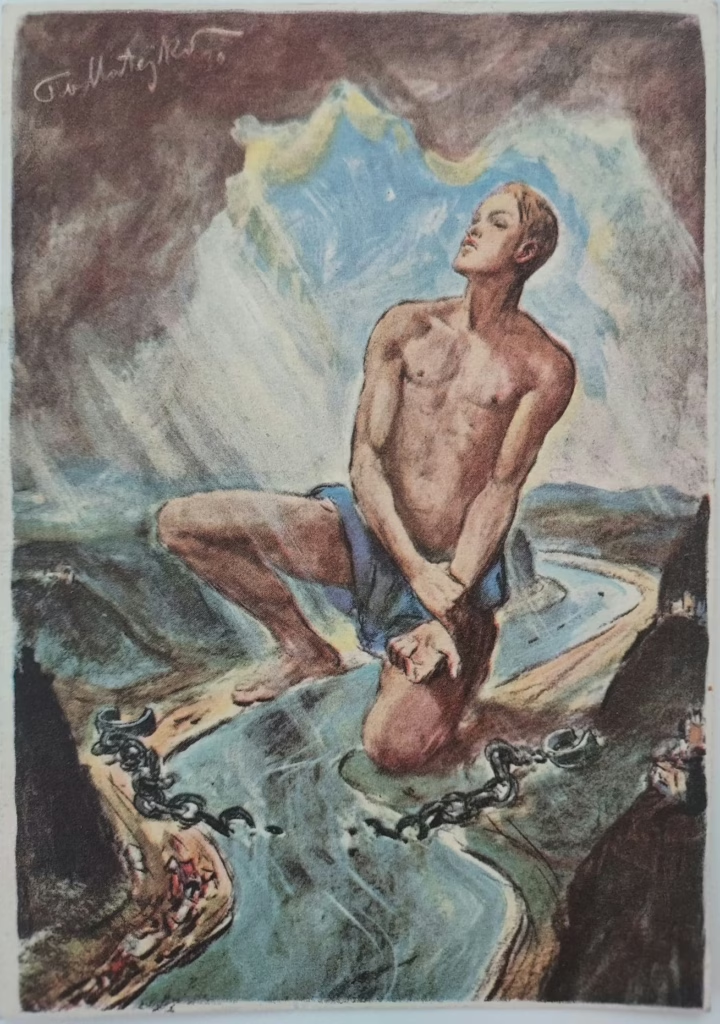
Befreiungsfeier
-
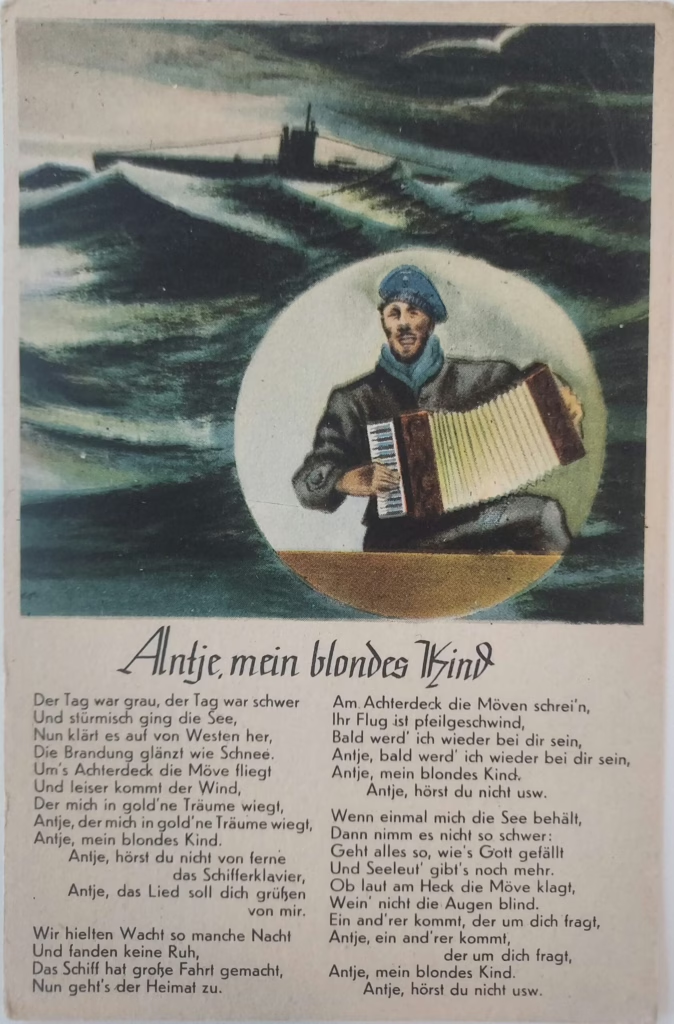
Antje Mein Blondes Kind
-
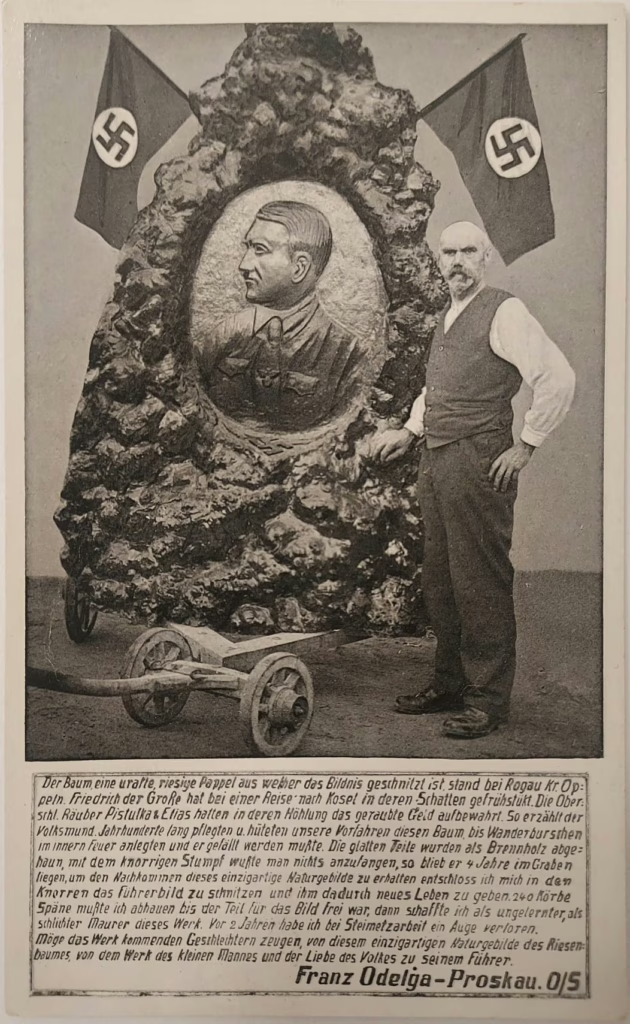
Treecarving of Hitler
-
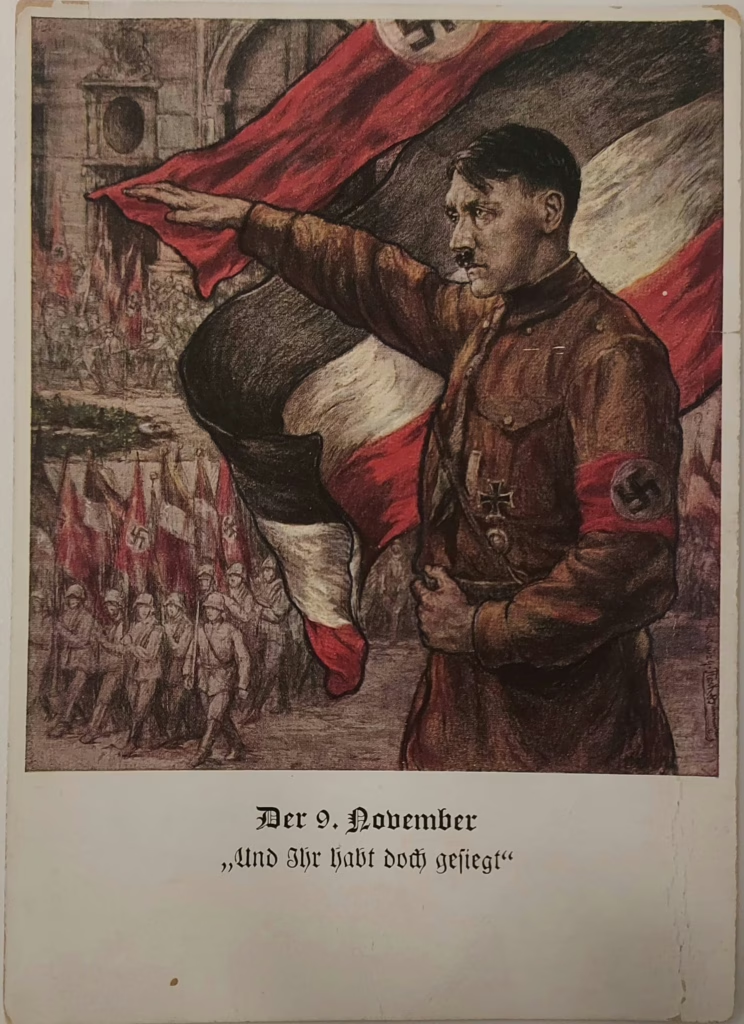
Und Ihr habt doch gesiegt
-
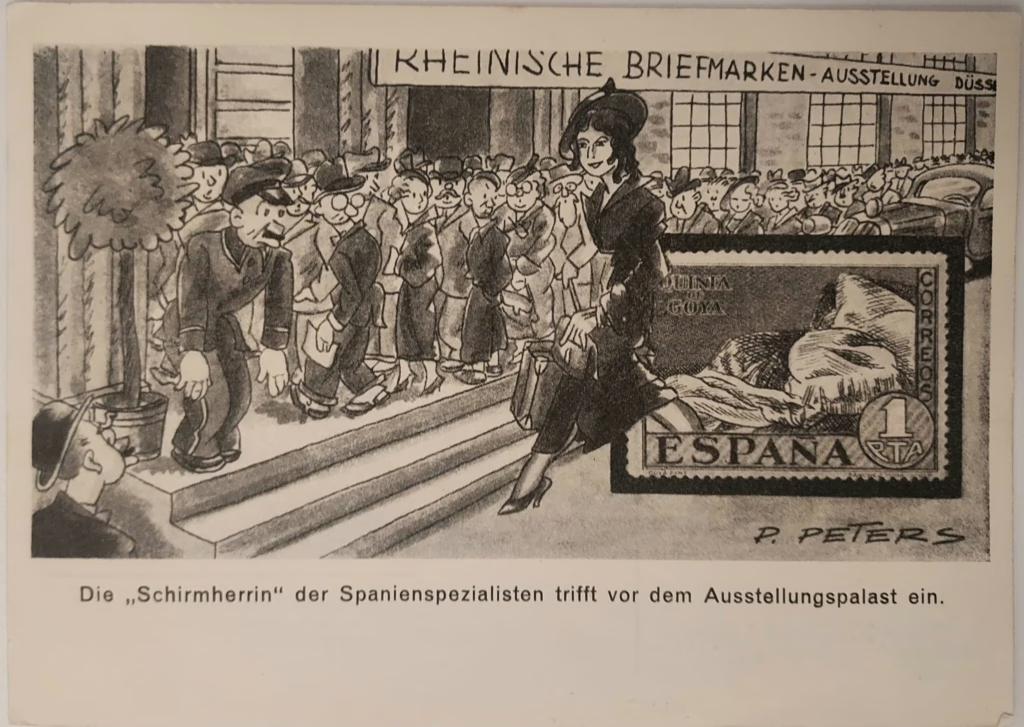
Stamp Exhibition
-
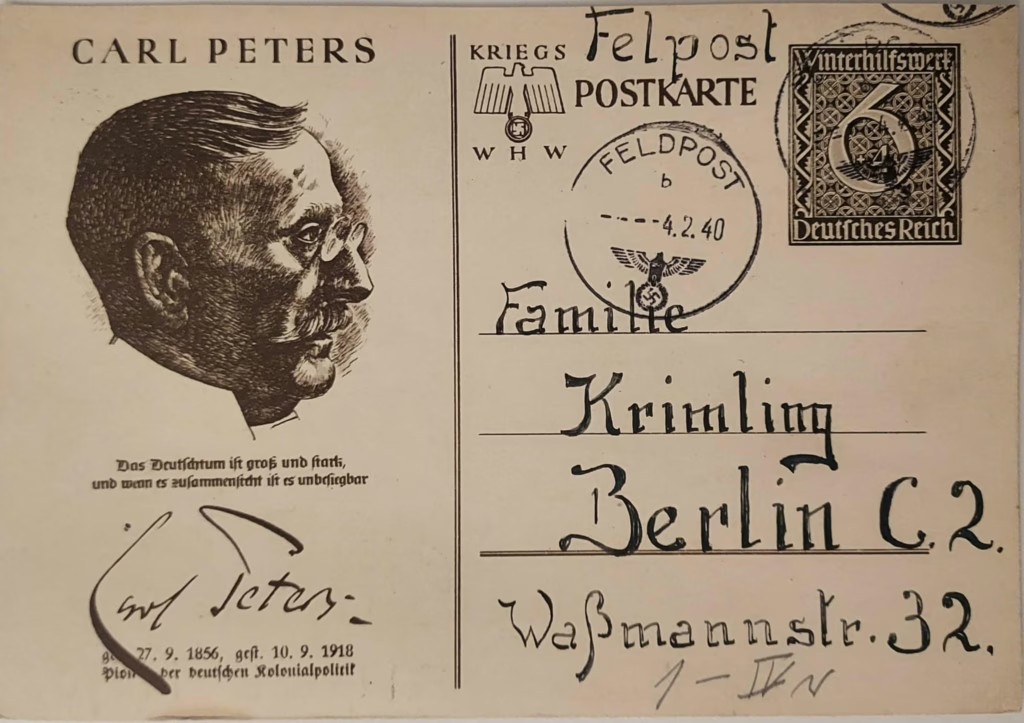
Carl Peters
-
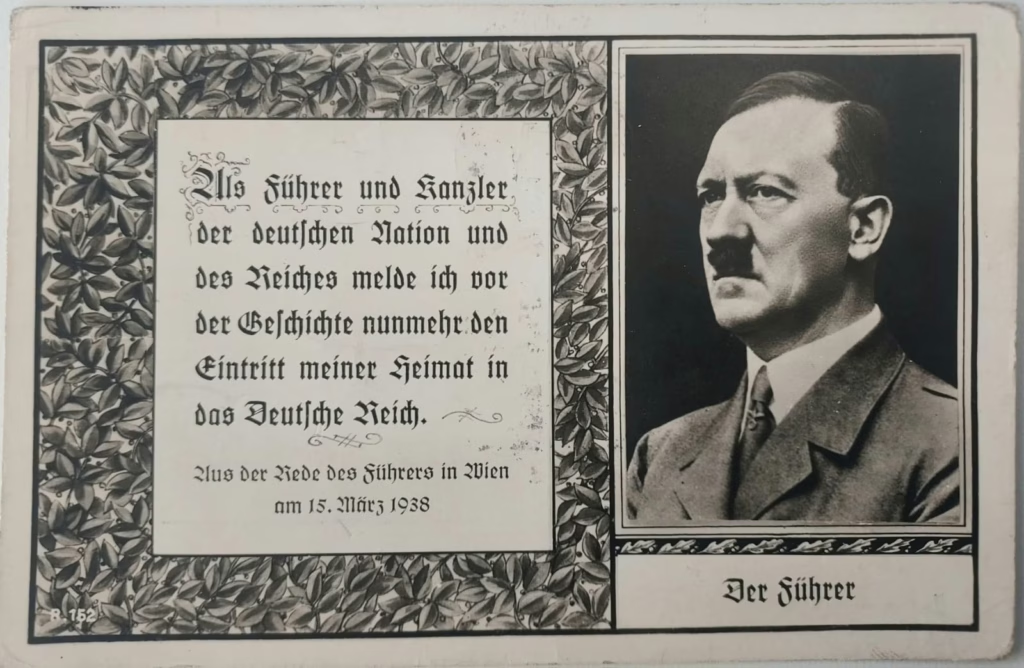
Anschluss Speech
-
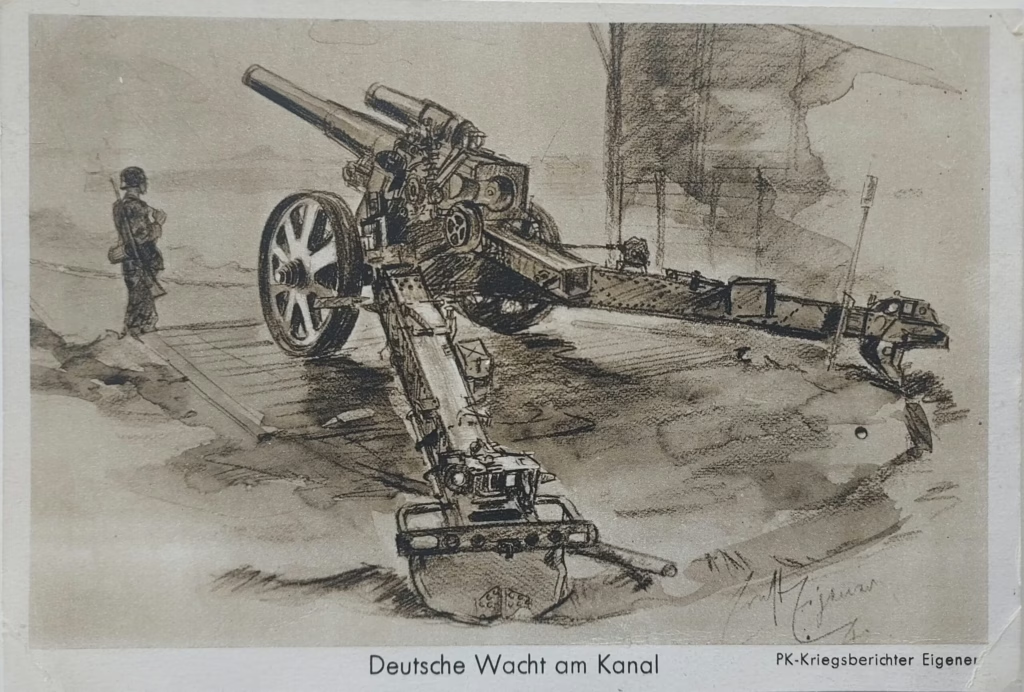
Soldier Walter Sparing
-
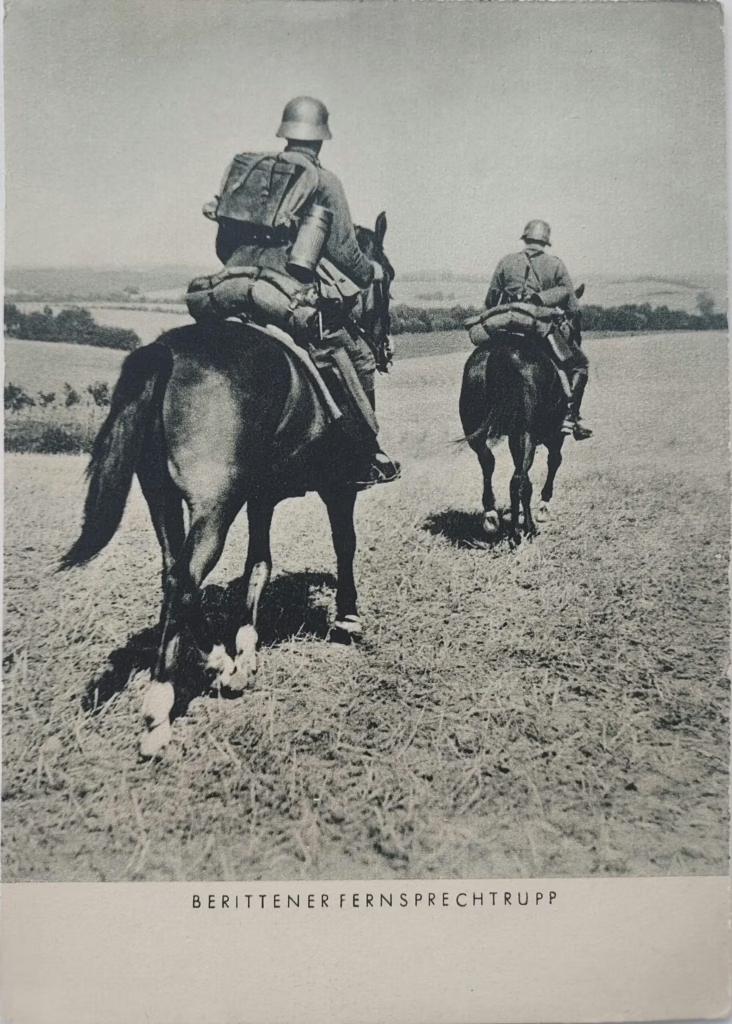
Mounted Telephone Crew
-
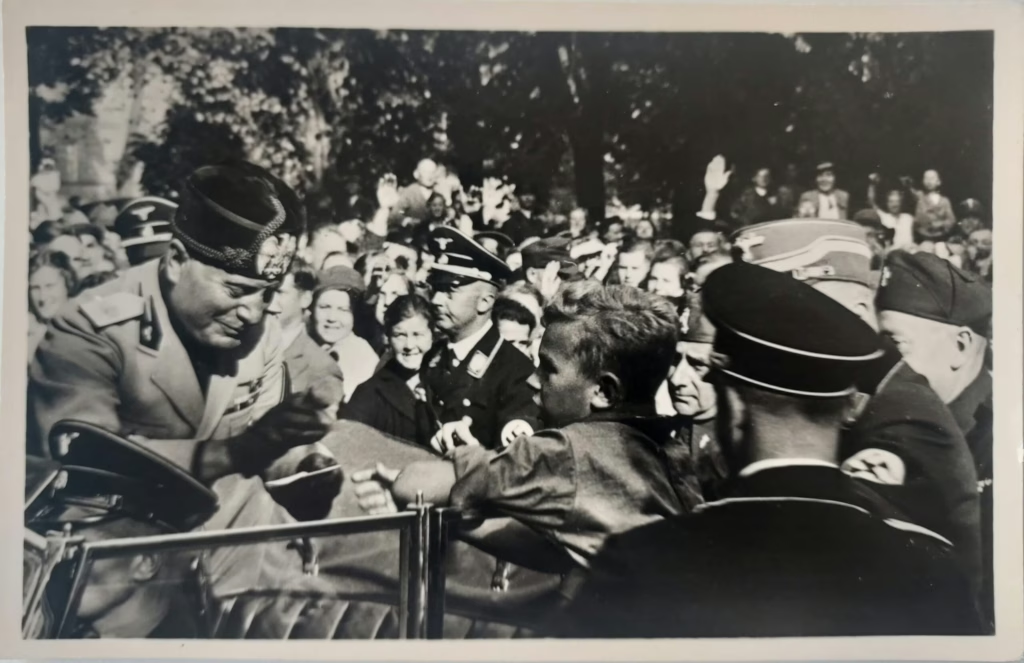
Mussolini Signing Autograph
-
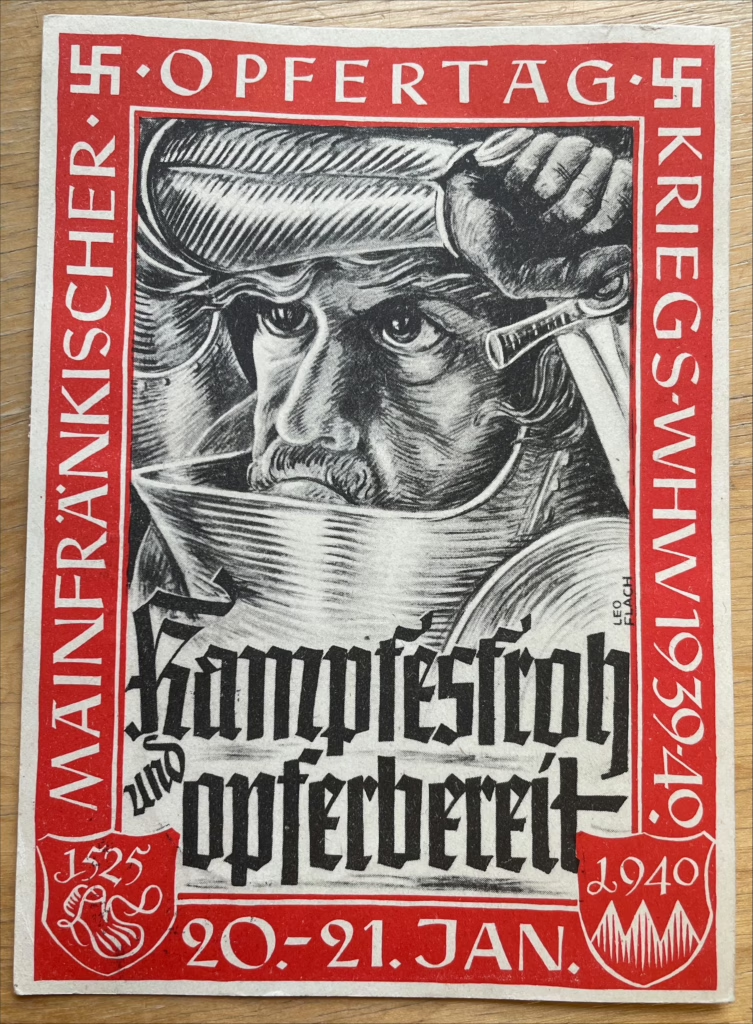
Mainfränkischer Opfertag Kriegs
-
Winterhilfswerk des Deutchen Dolkes
-
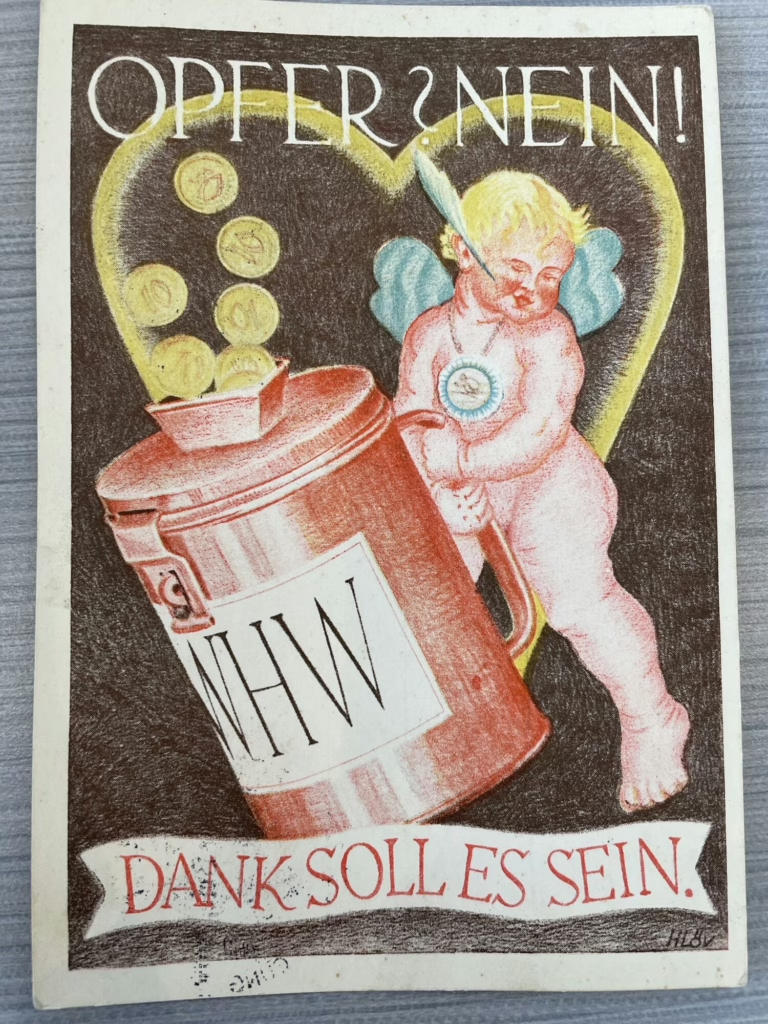
Opfer? Nein!
-
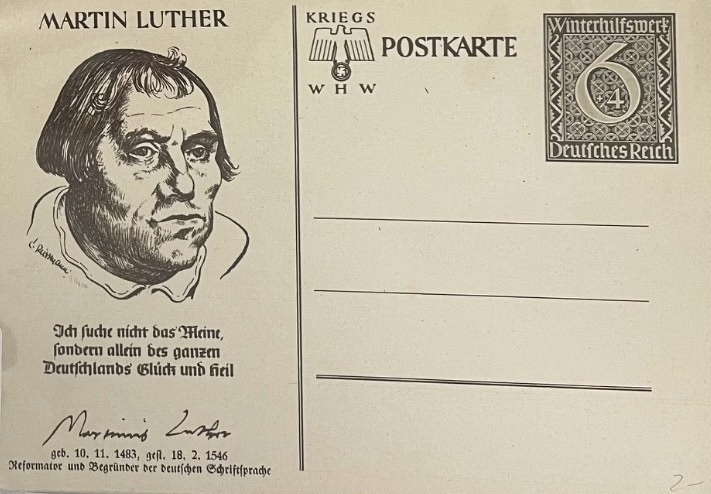
Martin Luther
-
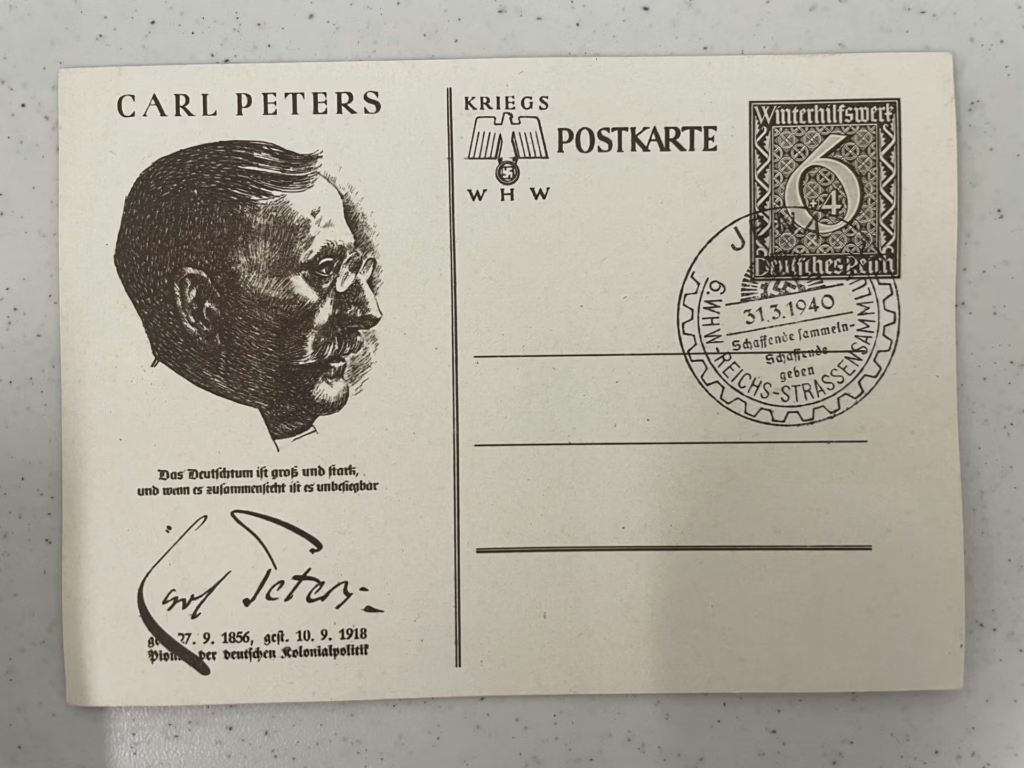
Carl Peters
-
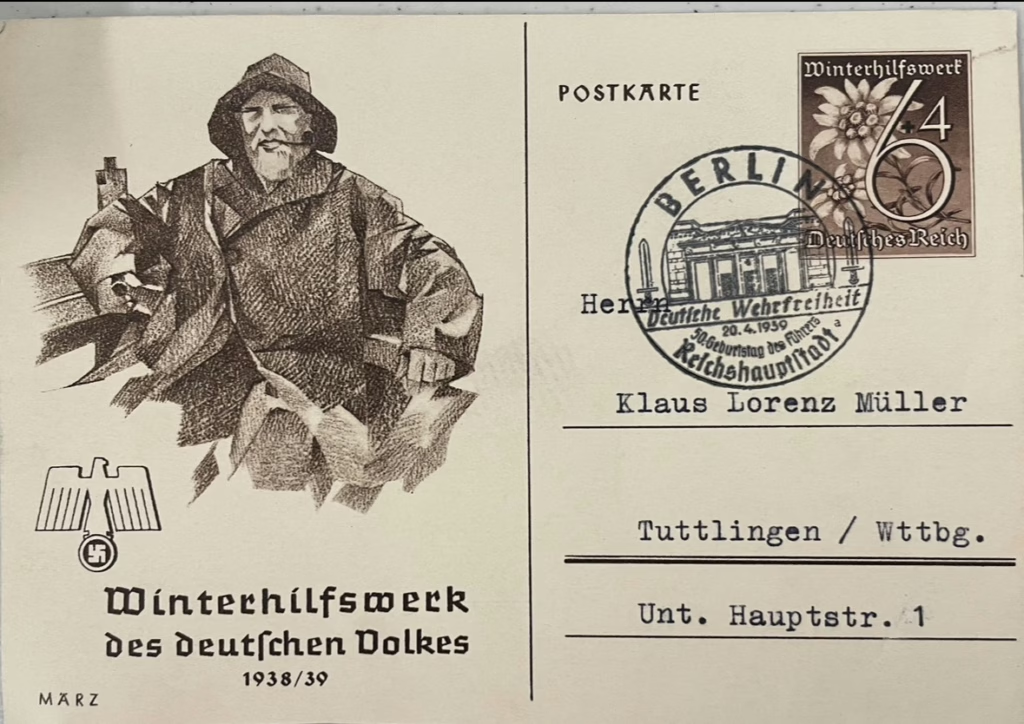
Klaus Lorenz Müller
-
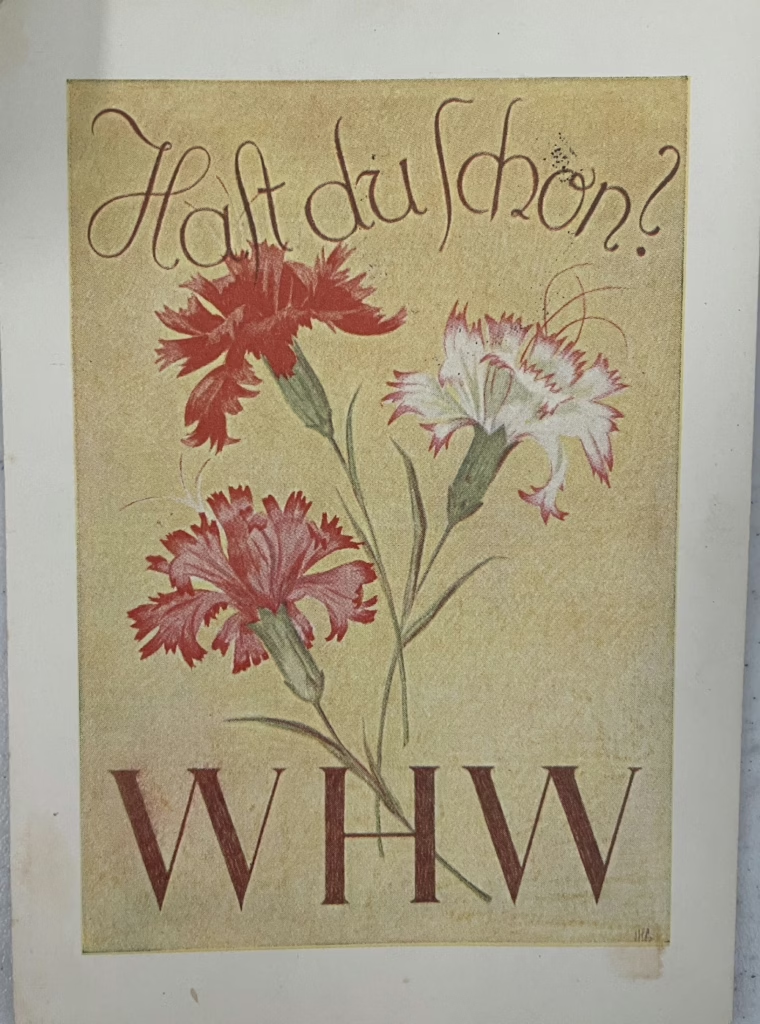
Hast du schon?
-
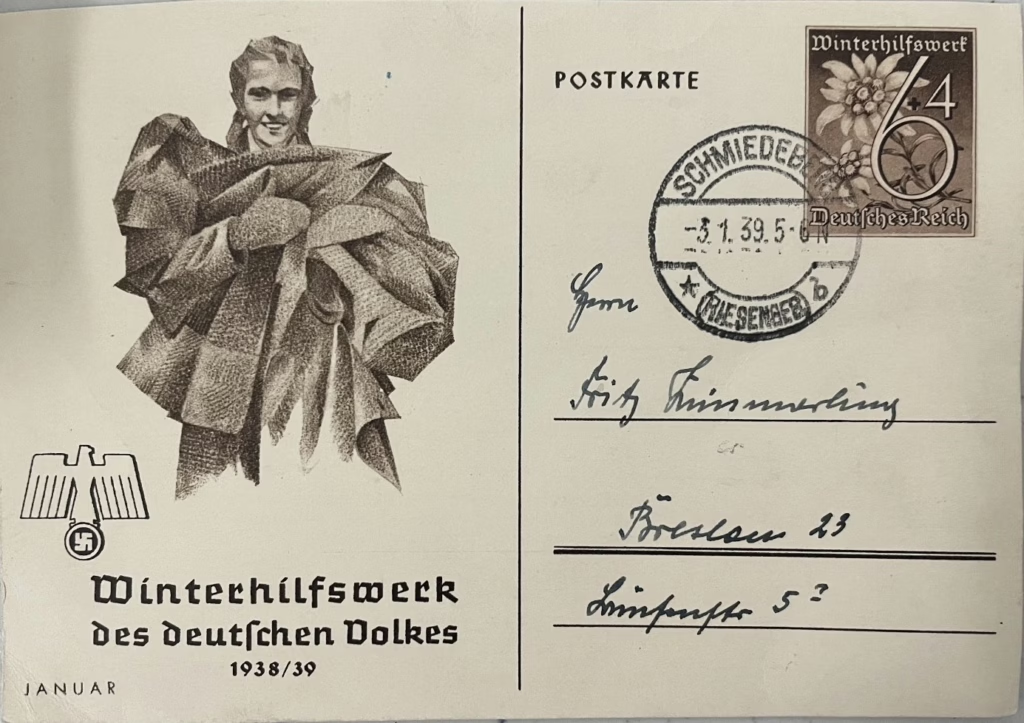
Fritz Kimmerling
-
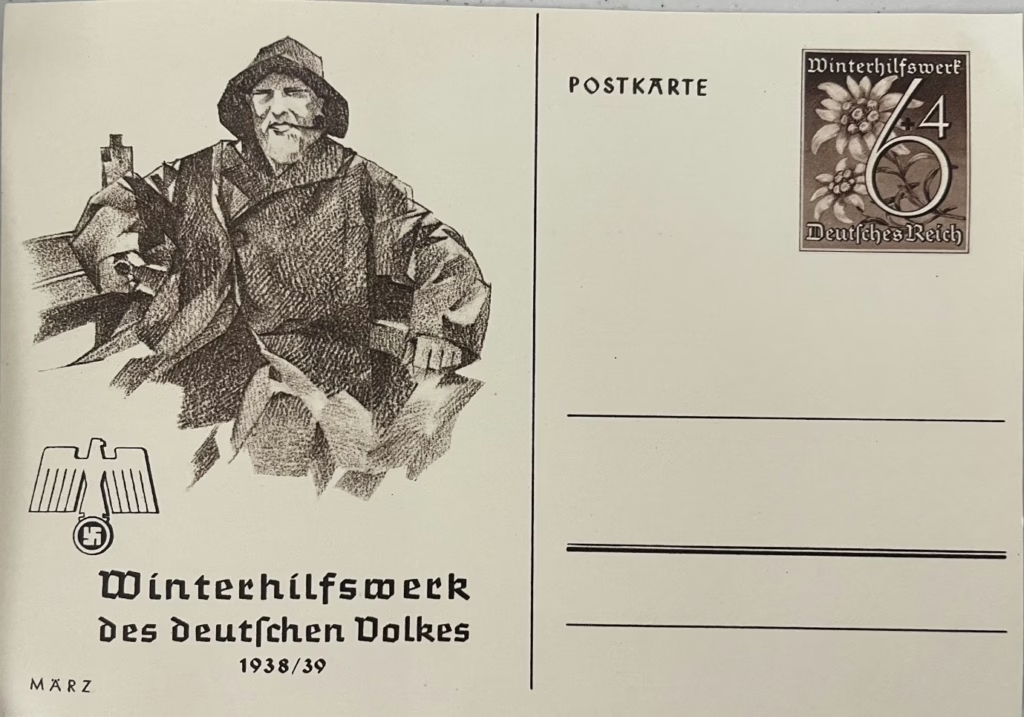
2022.02.8.17
-
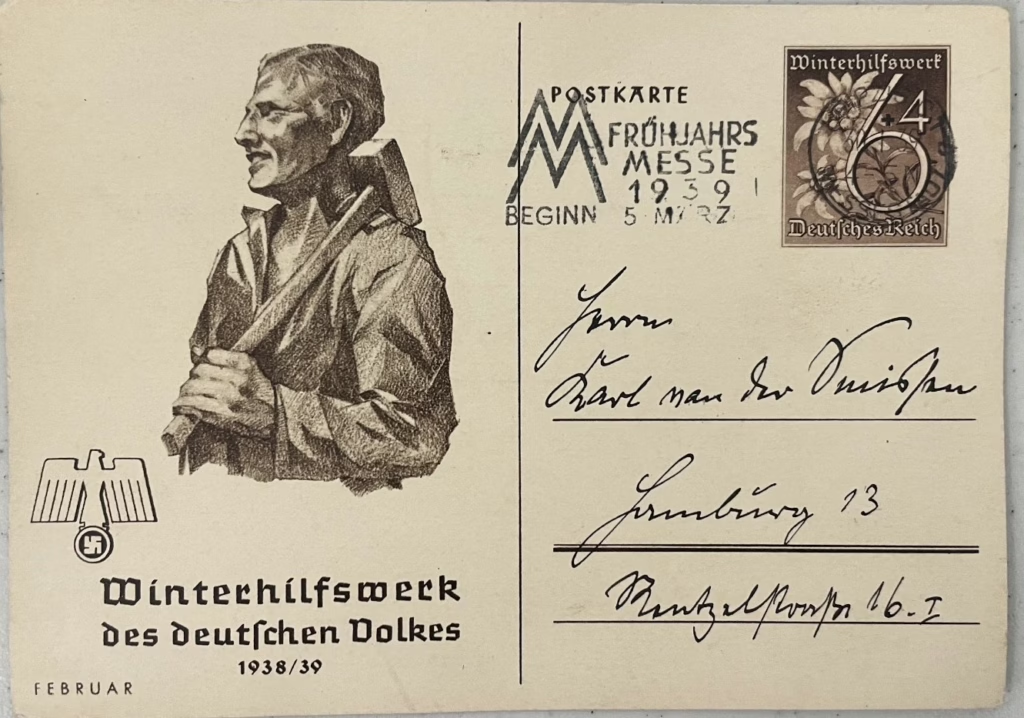
Dear Karl!
-
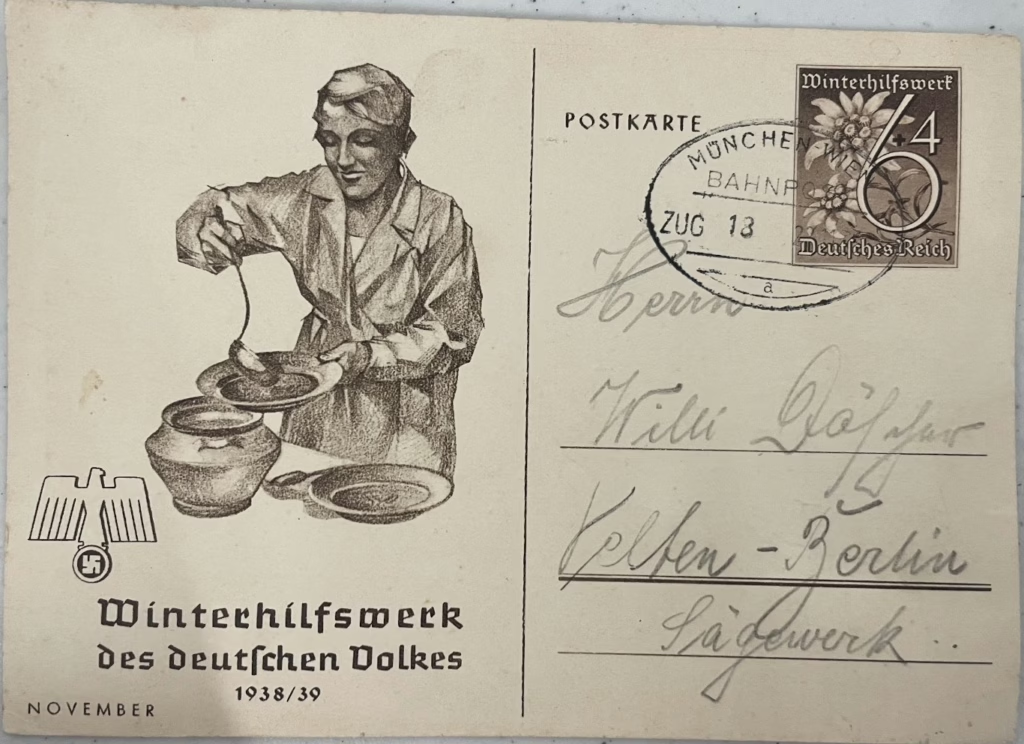
Käthe
-
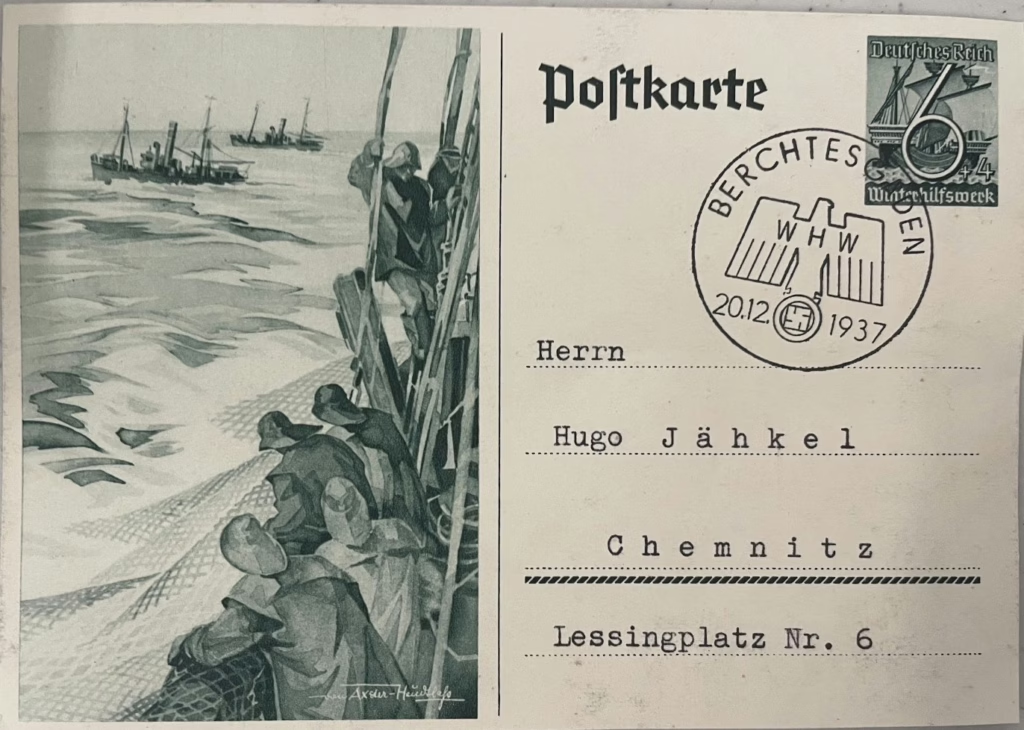
Herrn Hugo Jähkel,
-
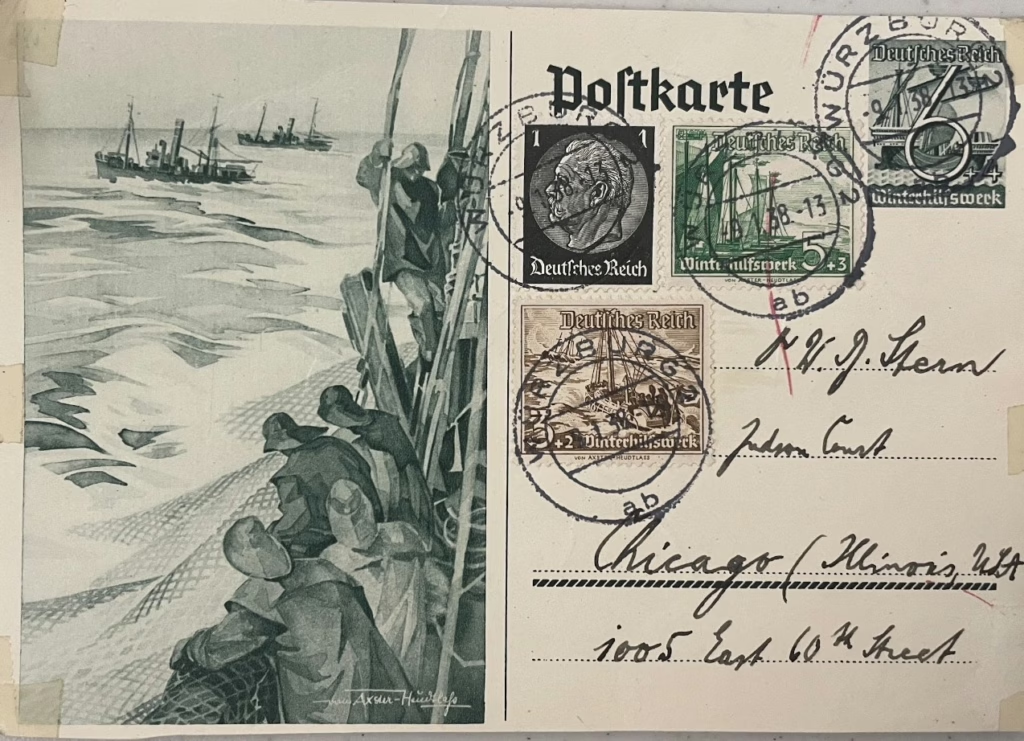
Germany to Chicago, Illinois
-
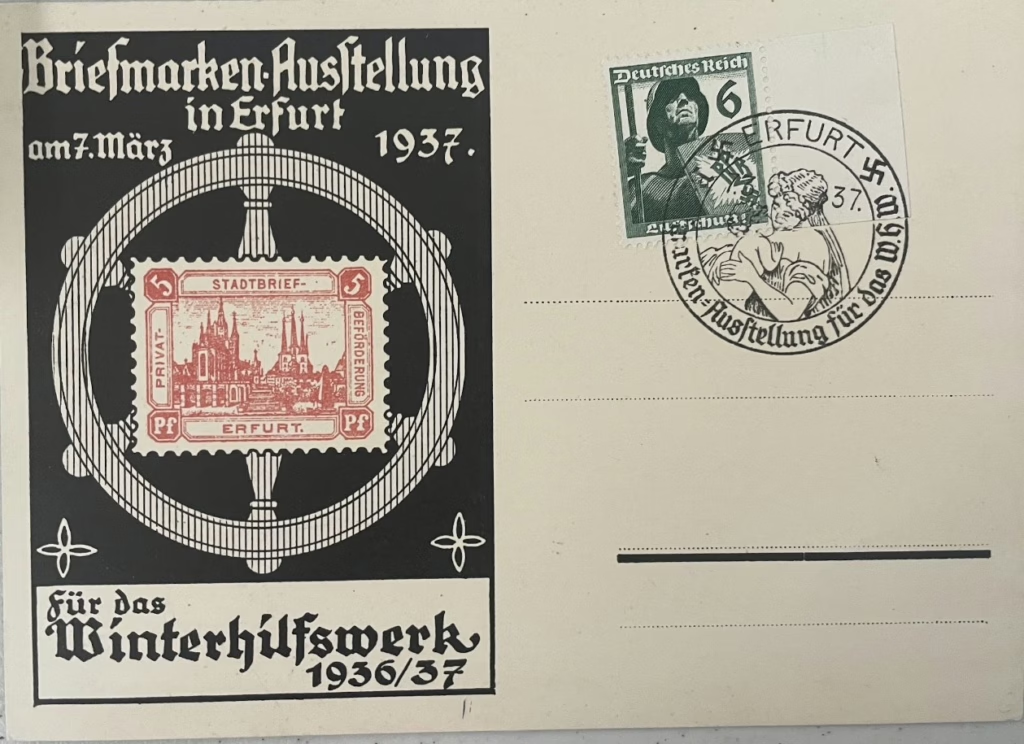
Stamp Exhbition in Erfurt, 1937 on March 7
-
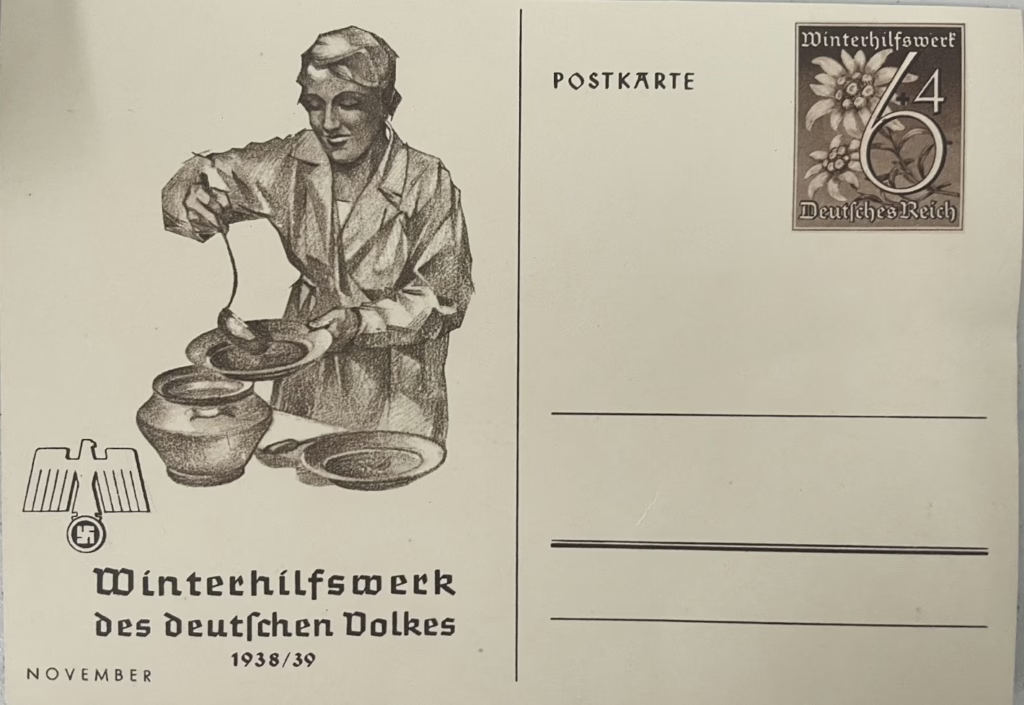
Winter Relief Fund of the German Volke 1938/39, November.
-
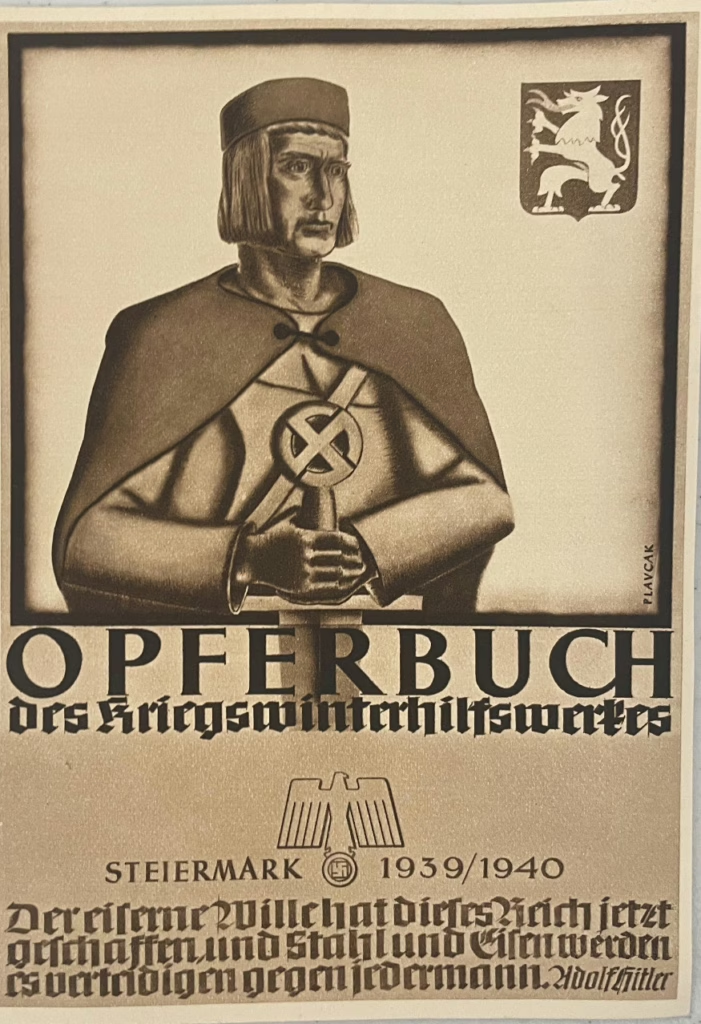
Sacrifice Book of the War Auxiliary
-
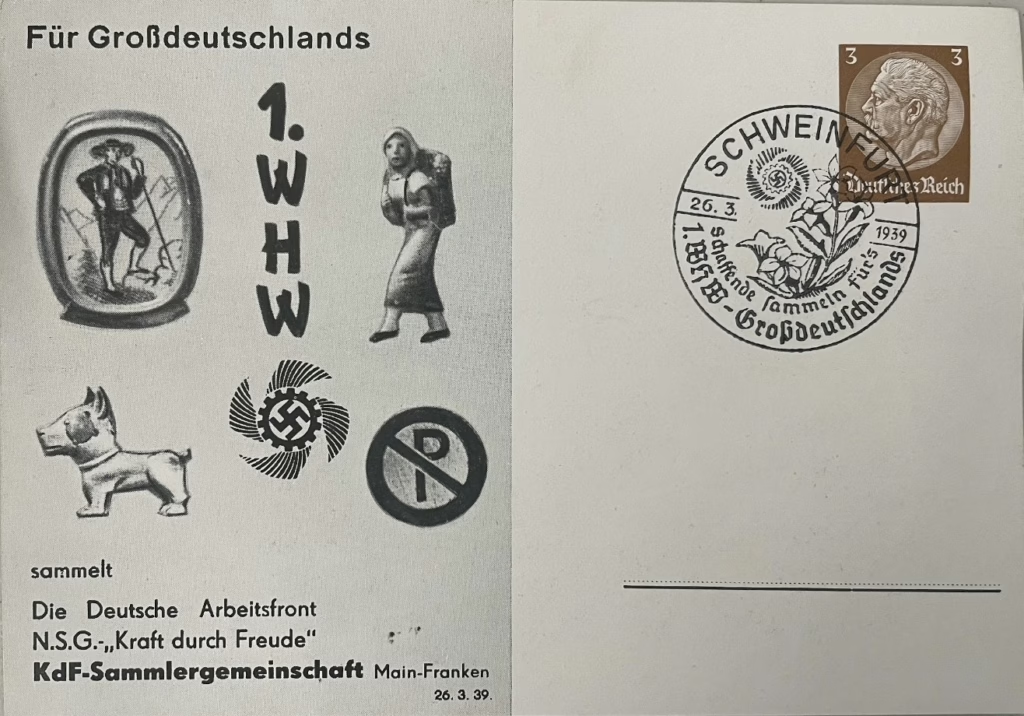
1939 Schaffende sammeln für’s
-
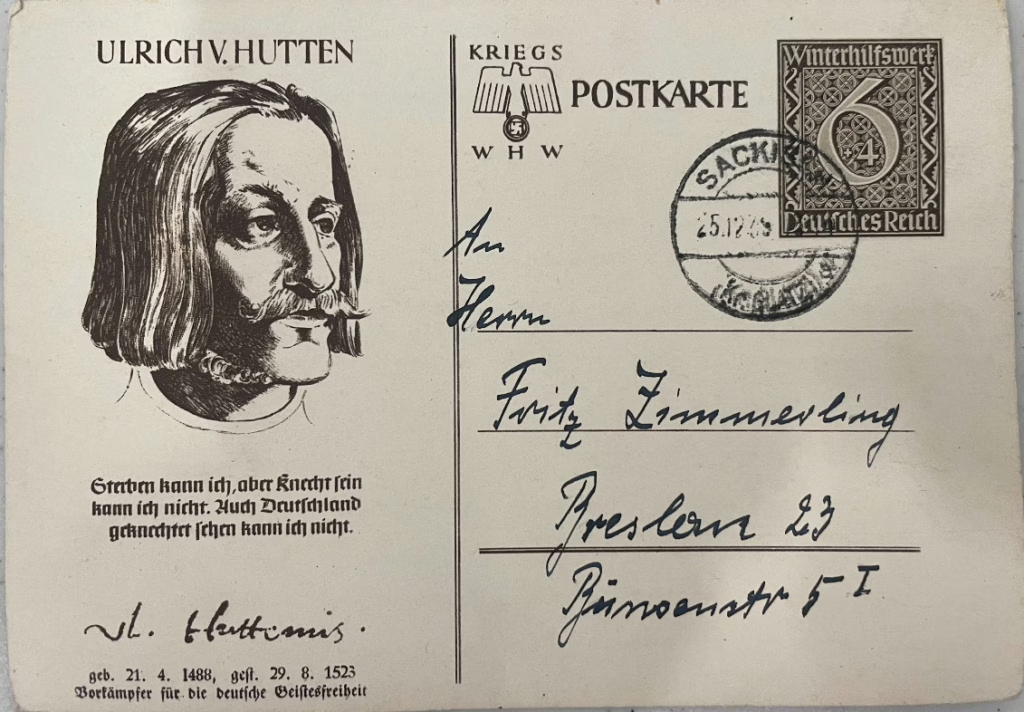
Ulrich von Hutten
-
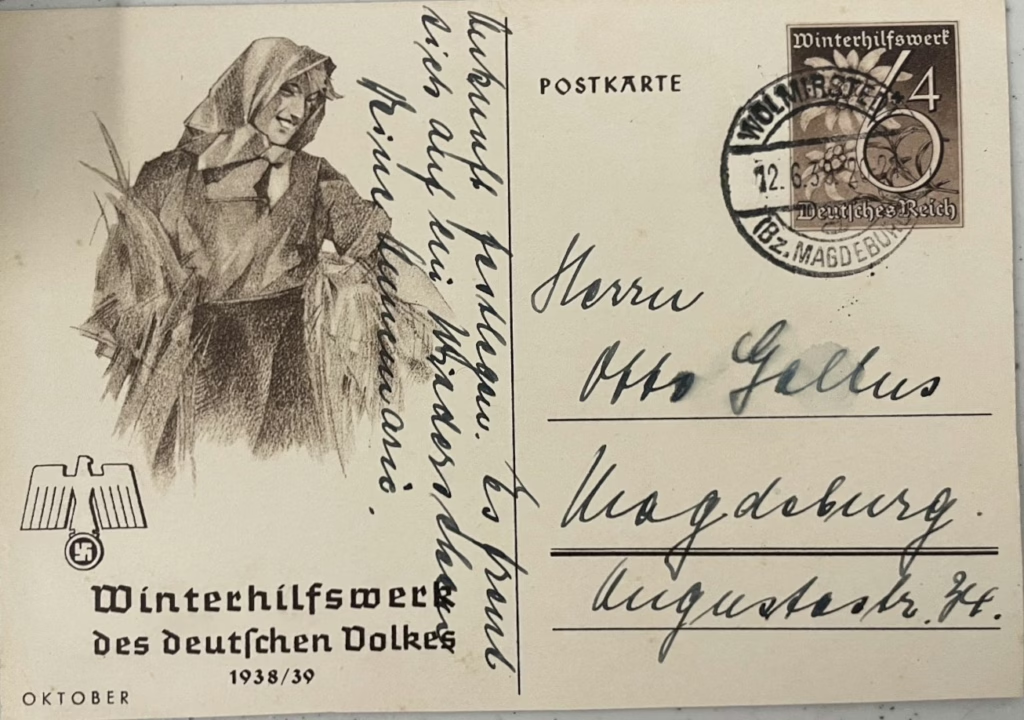
Herr Otto Gallus
-
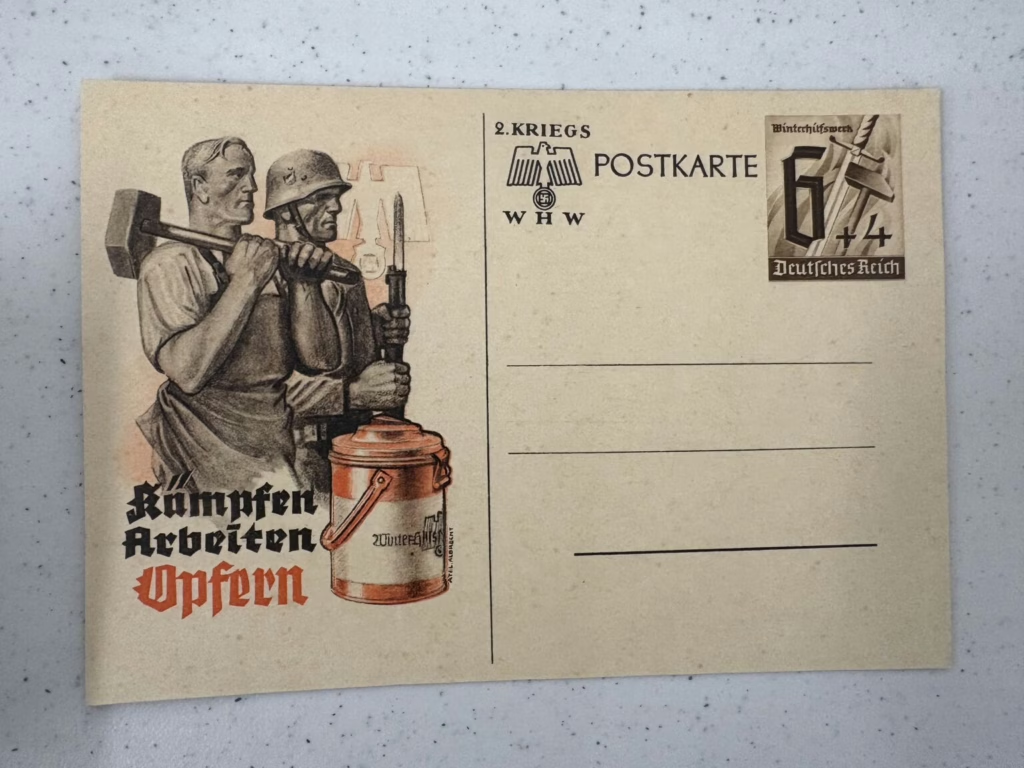
2022.02.8.55
-
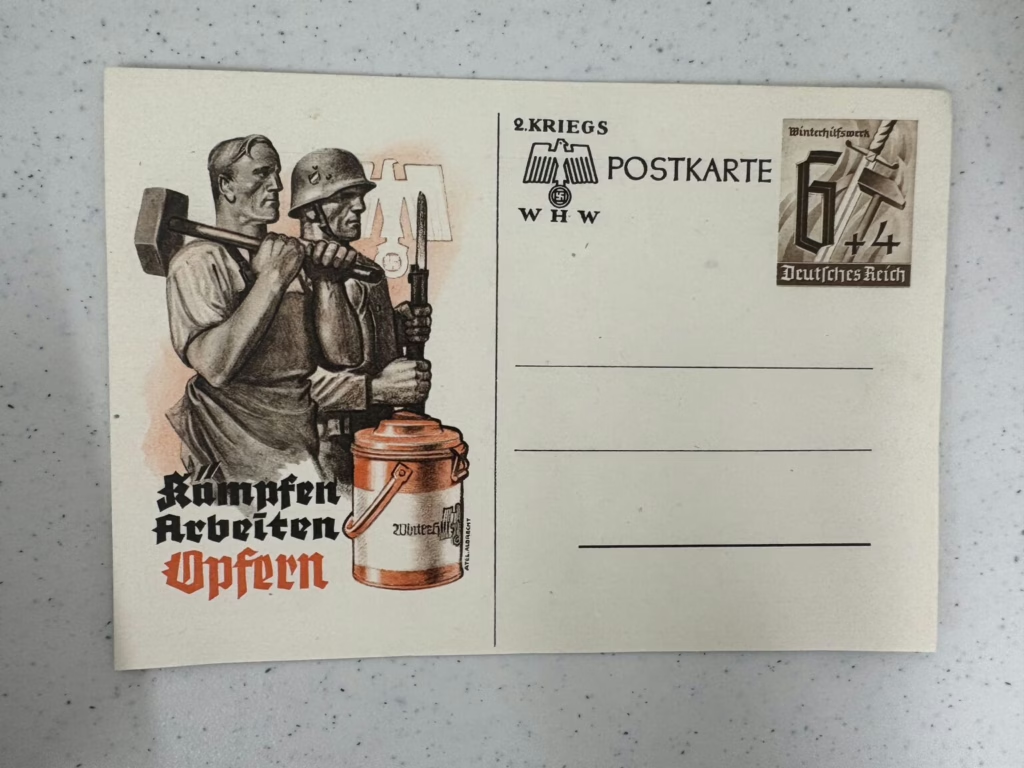
2022.02.8.56
-
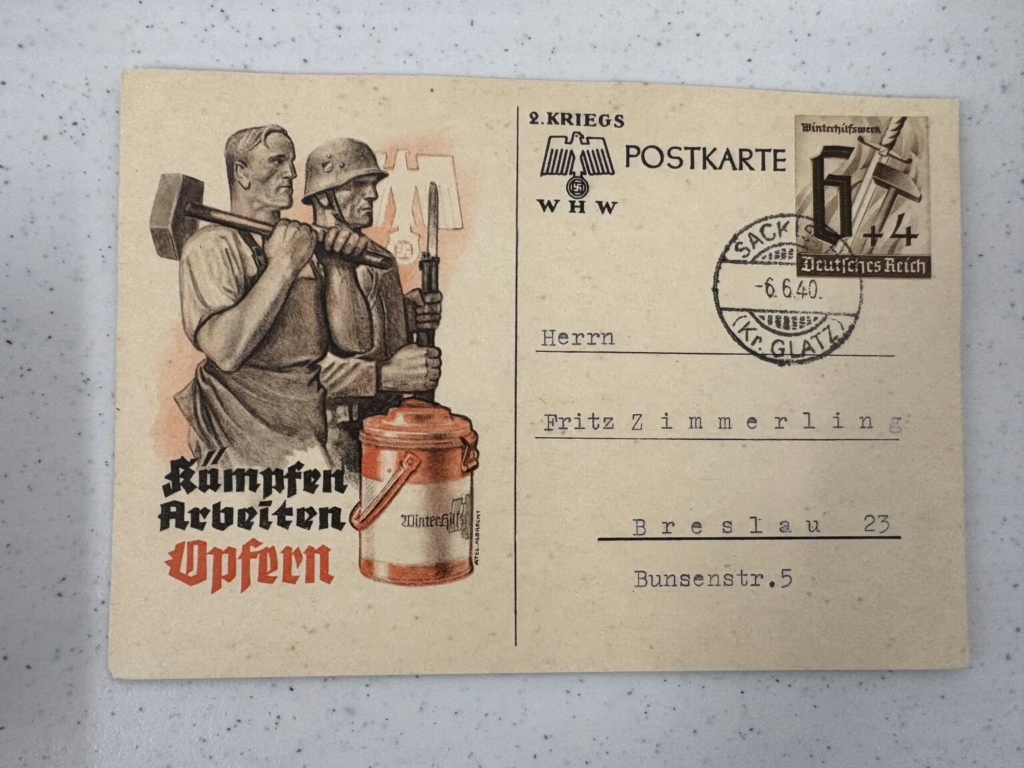
Breslau 23
-
Kr. GLATZ
-
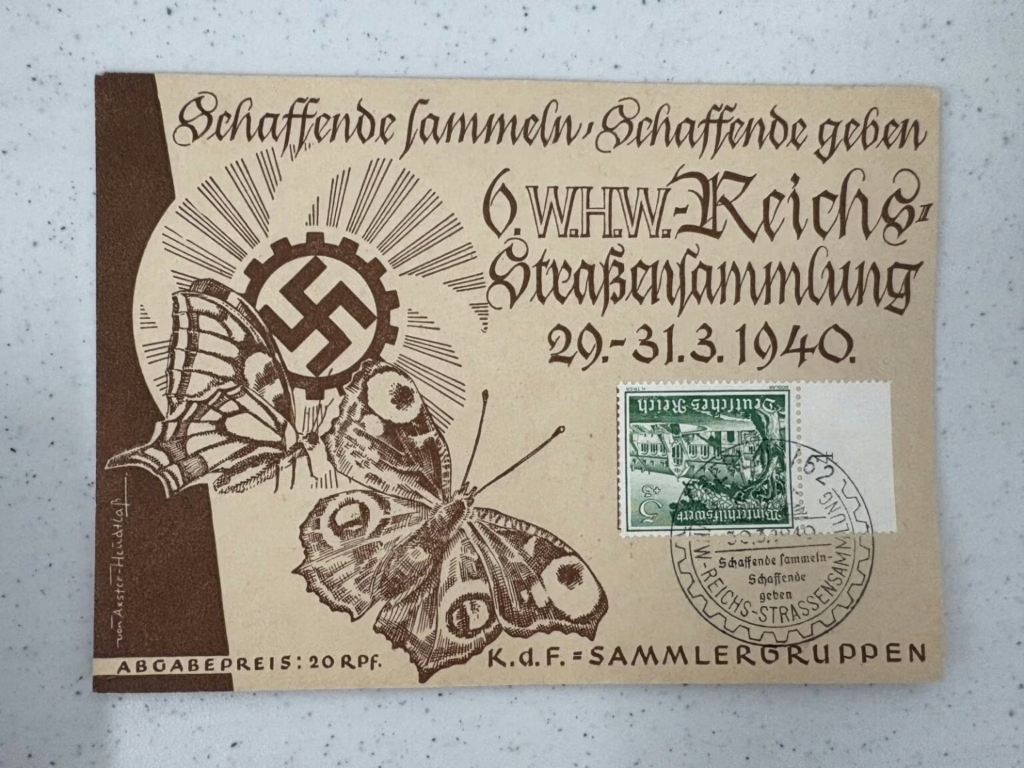
2022.02.8.51
-
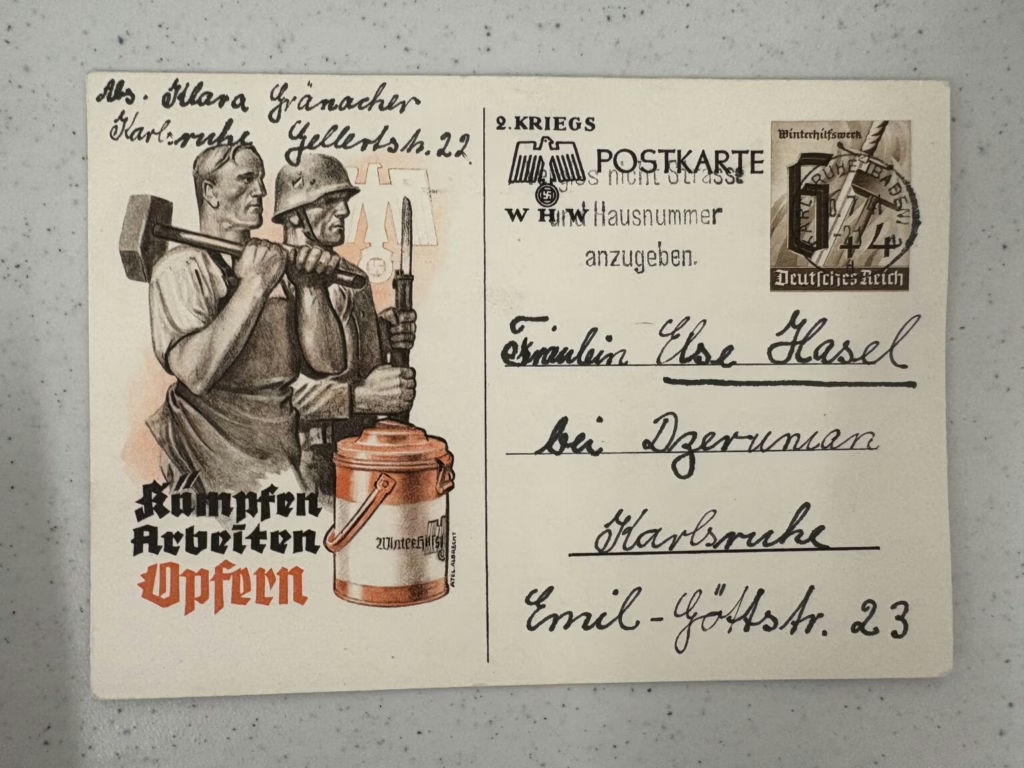
Liebes Fraulein Else!
-
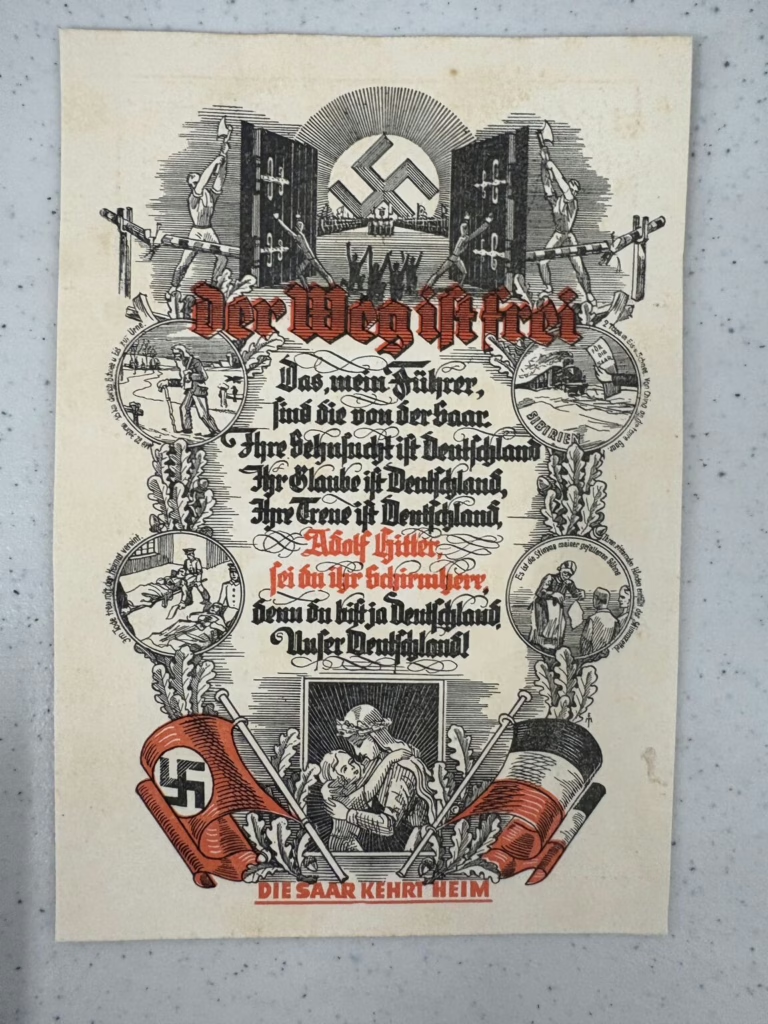
“Der Weg ist frei – Die Saar kehrt Heim”
-
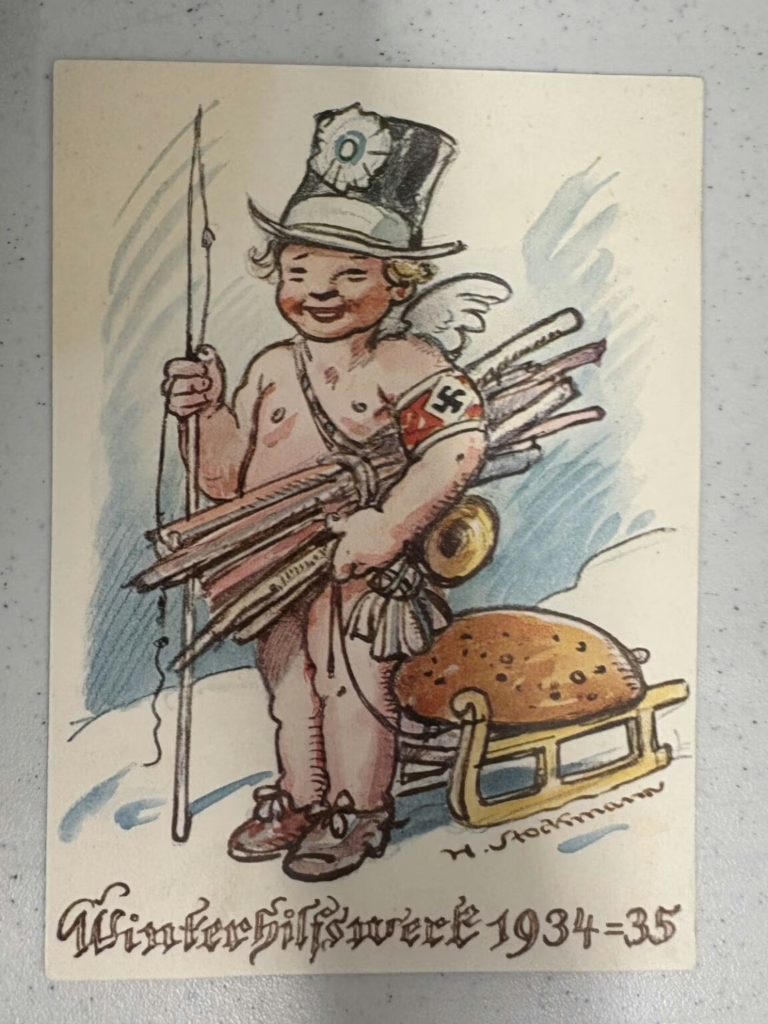
“Winterhilfswerk 1934-35”
-
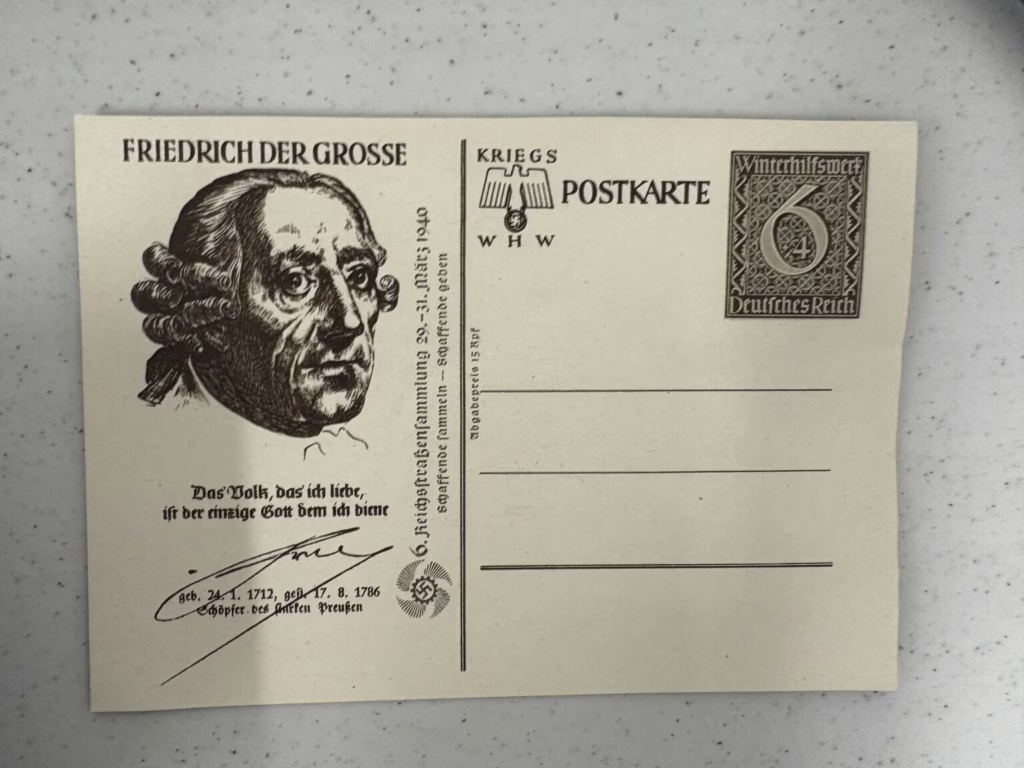
Freidrich Der Grosse
-
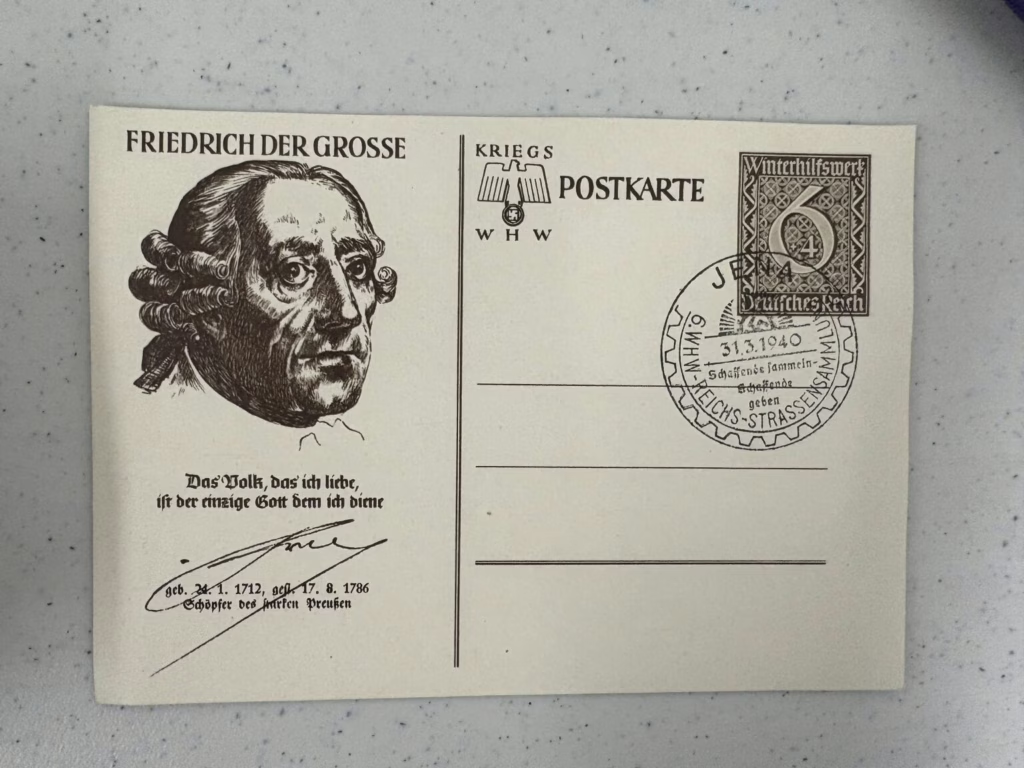
2022.02.8.50
-
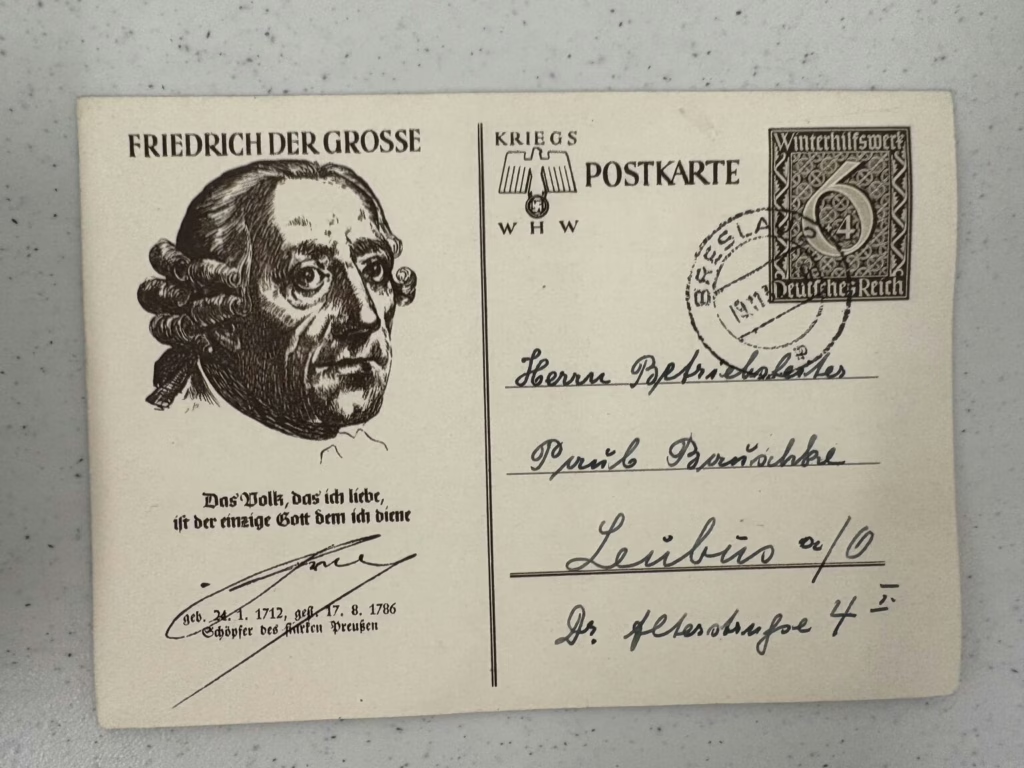
Liebe Eltern!
-
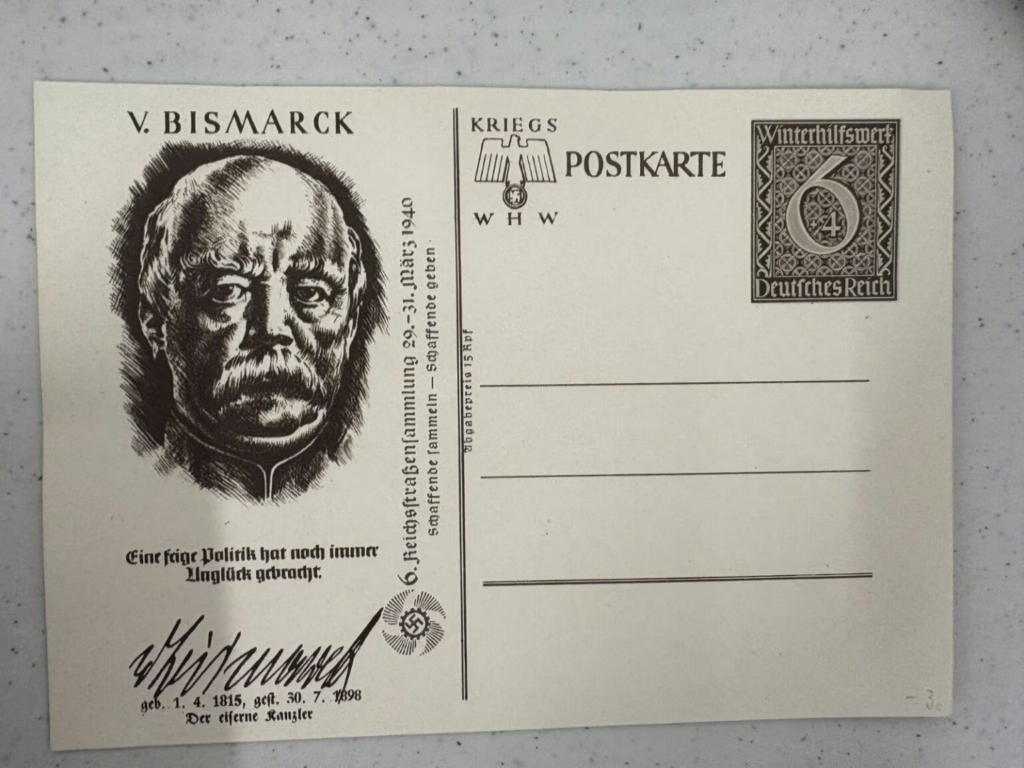
Otto von Bismarck
-
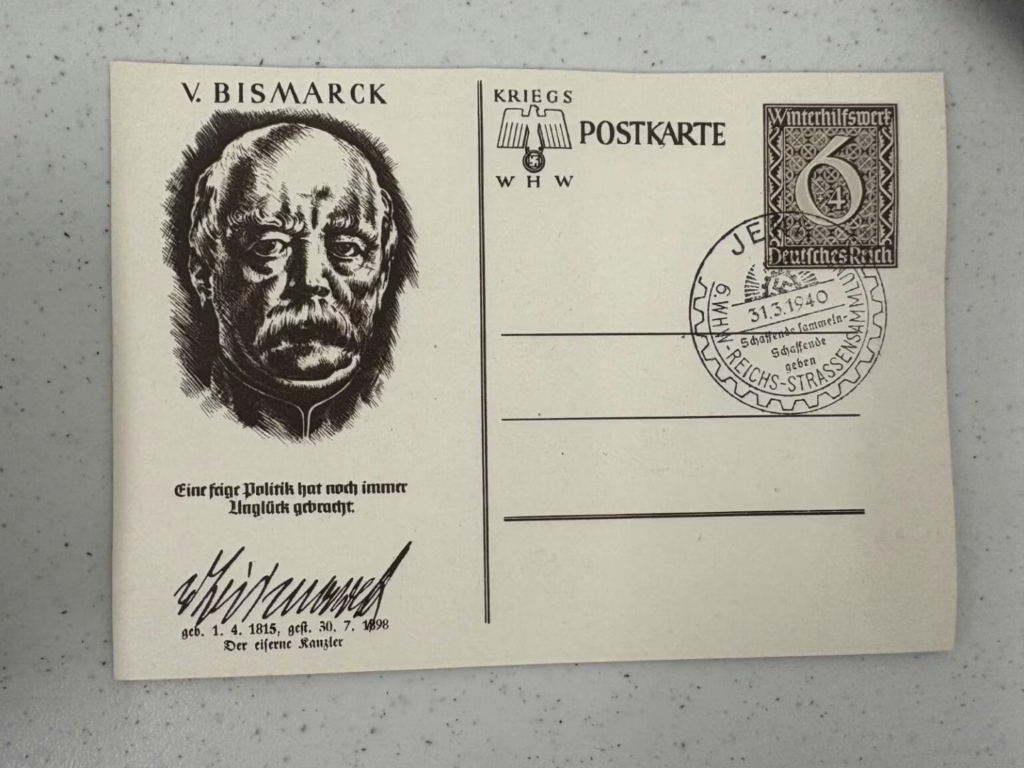
2022.02.8.47
-
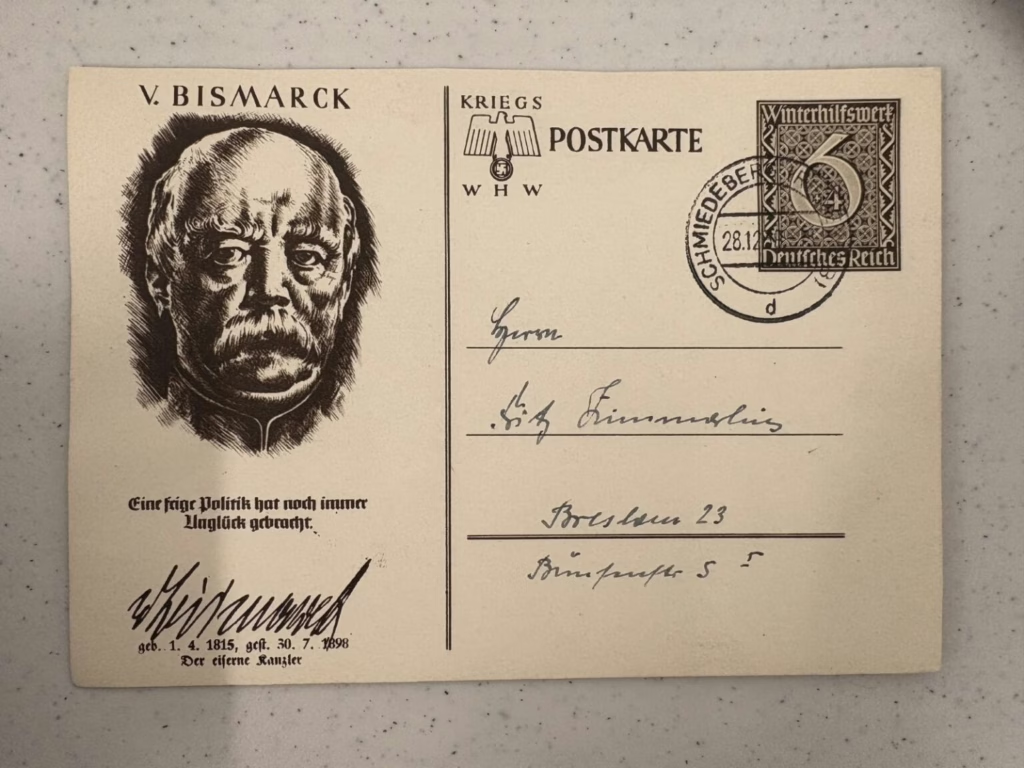
Lieber Herr Kimmerling!
-
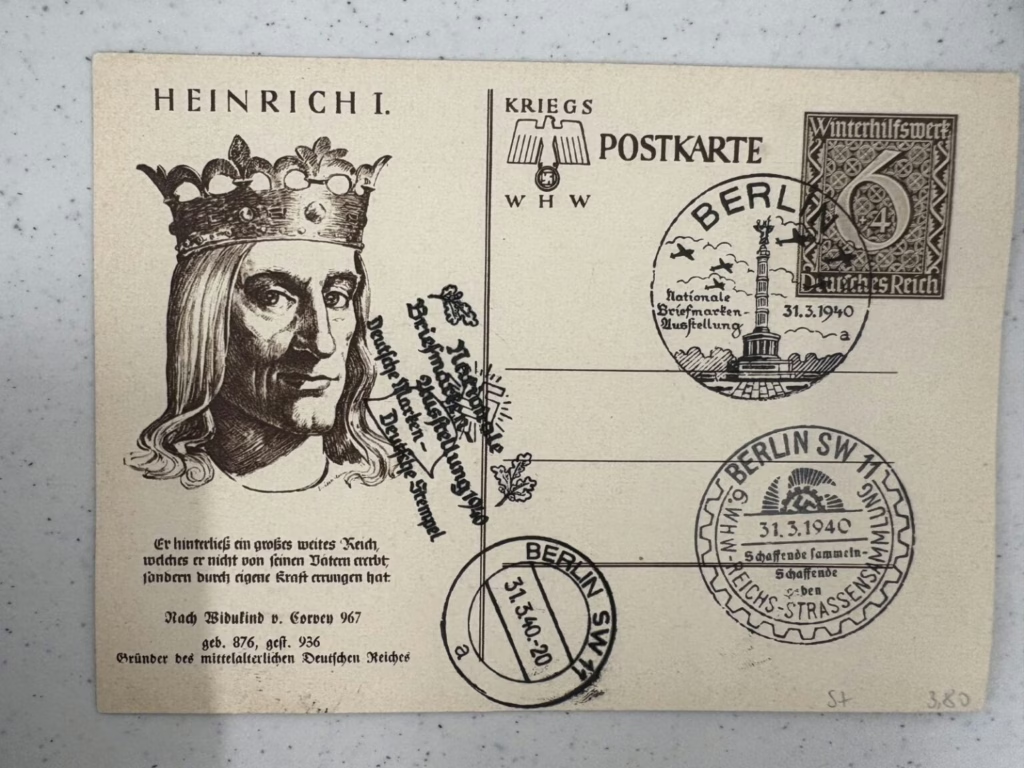
2022.02.8.44