
• Gallery Talk – Applied Motion Studies: Artists and Scientists Consider Movement

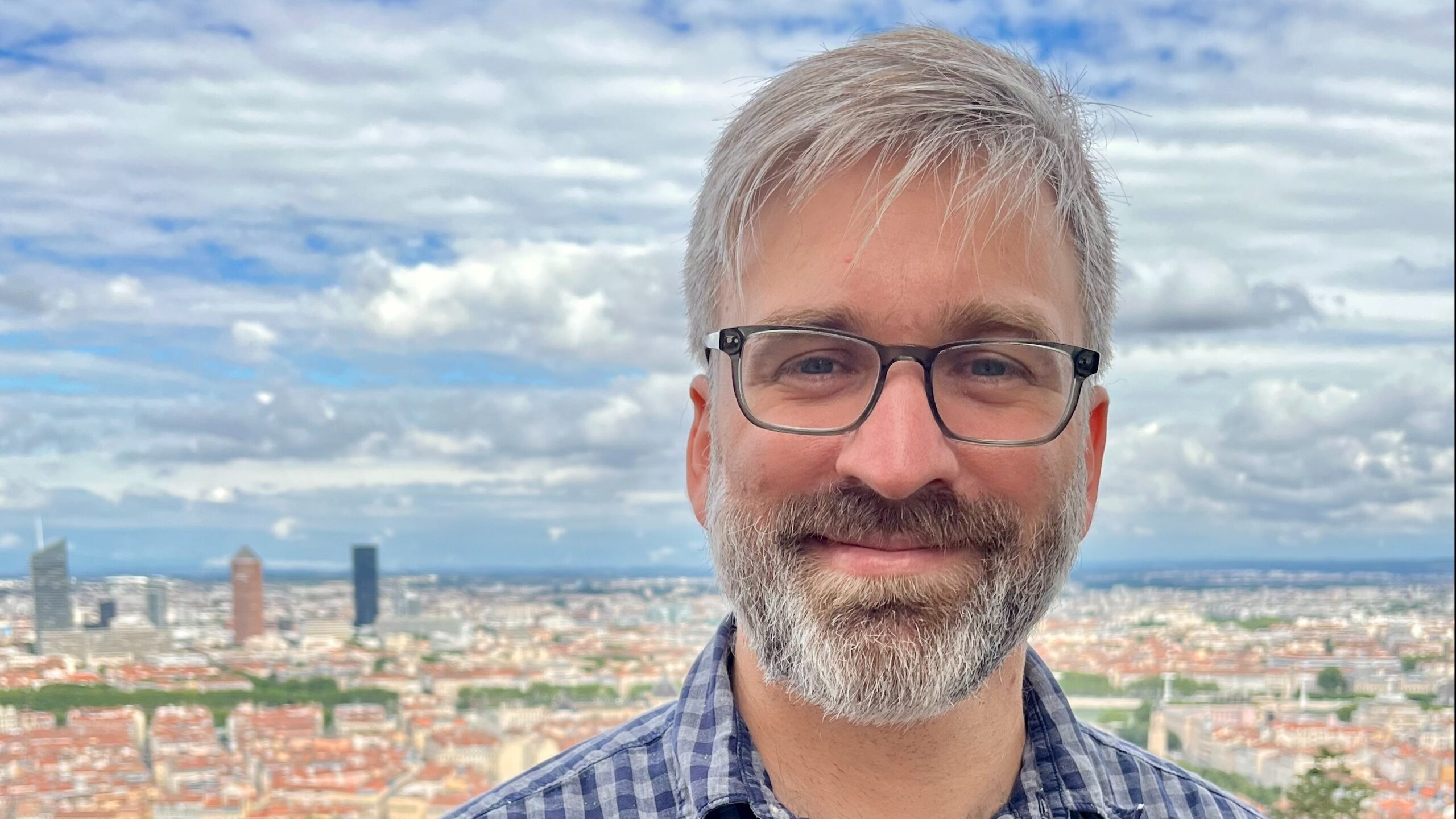
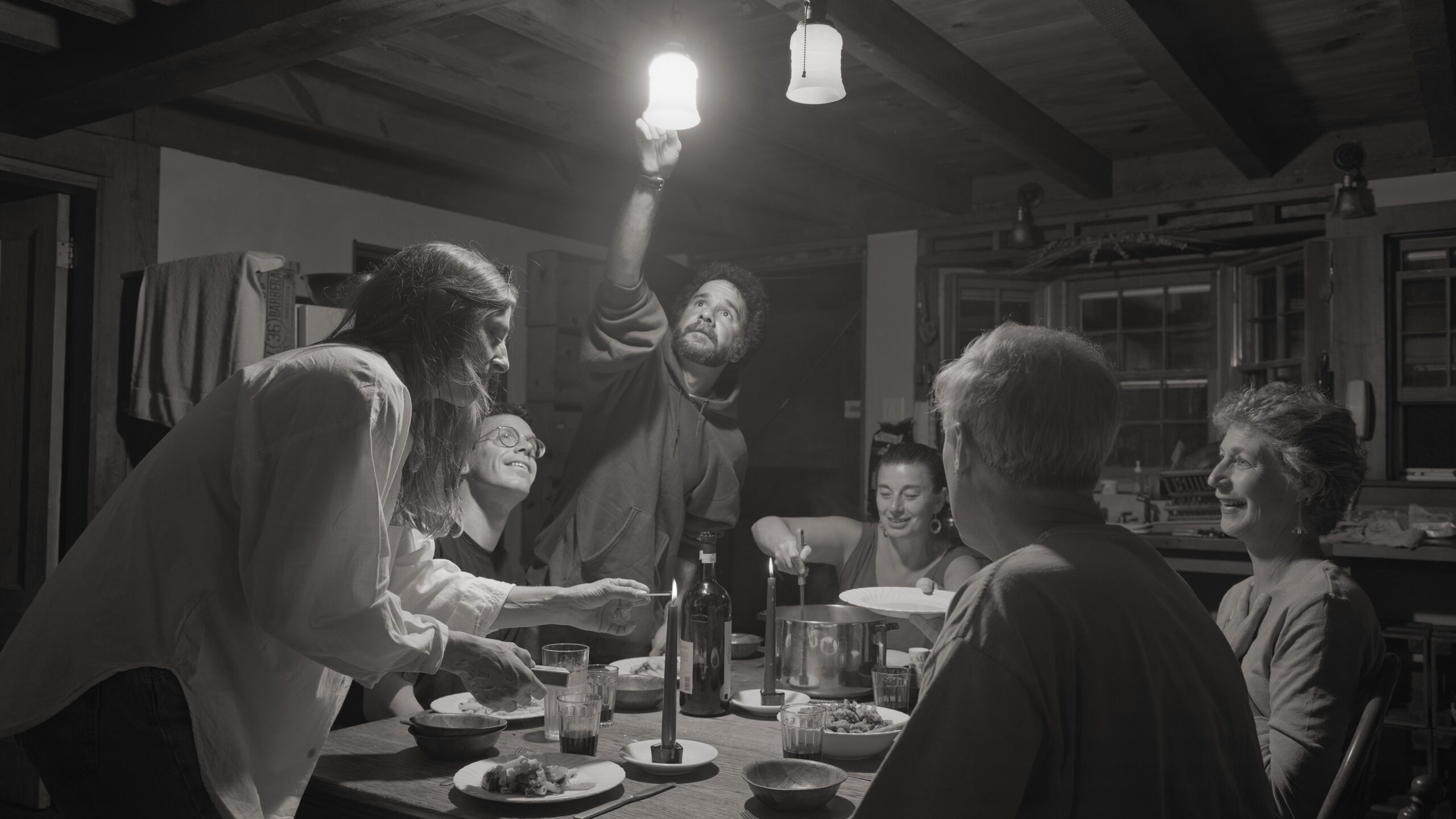
    Still from “Jump” (2016), courtesy of Stephen DiRado Join us for a gallery talk celebrating the opening of Applied Motion Studies: Artists and Scientists Consider Movement, a video exhibition curated by Matt Malsky, Director of the Higgins School of Humanities. Special guests will include exhibition contributors and Clark University faculty members  Philip Bergmann, Stephen DiRado, […]

  • Postponed Modernist Poetics and Queer Fruit

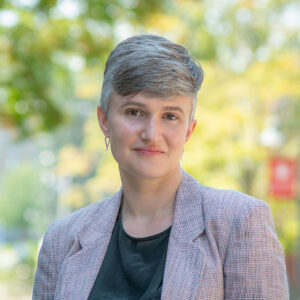
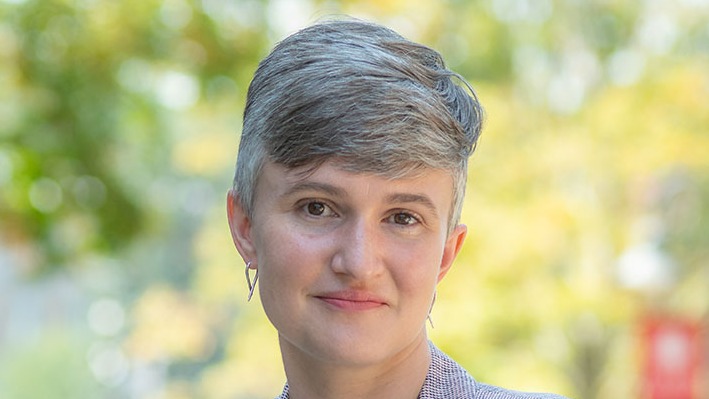
    A Clark Faculty Series Event Presented by Elizabeth Blake, PhD Assistant Professor of English Clark University Forbidden fruit has long been a convenient metaphor for illicit knowledge and sexuality, a trope easily traced to the garden of Eden. Modernist poets deployed this familiar figure in new ways, insisting on the fleshy materiality of fruit as […]

  • Clark Arts and Technology Information Session

    This fall, the Alice Coonley Higgins Institute for Arts and Humanities will begin work on an exciting new four-year project with substantial support from an external foundation and in close partnership with the Becker School of Design and Technology and the Department of Visual and Performing Arts. Our goal will be to incorporate new digital […]

  • Oh! Horror! A Night of Spooky Storytelling

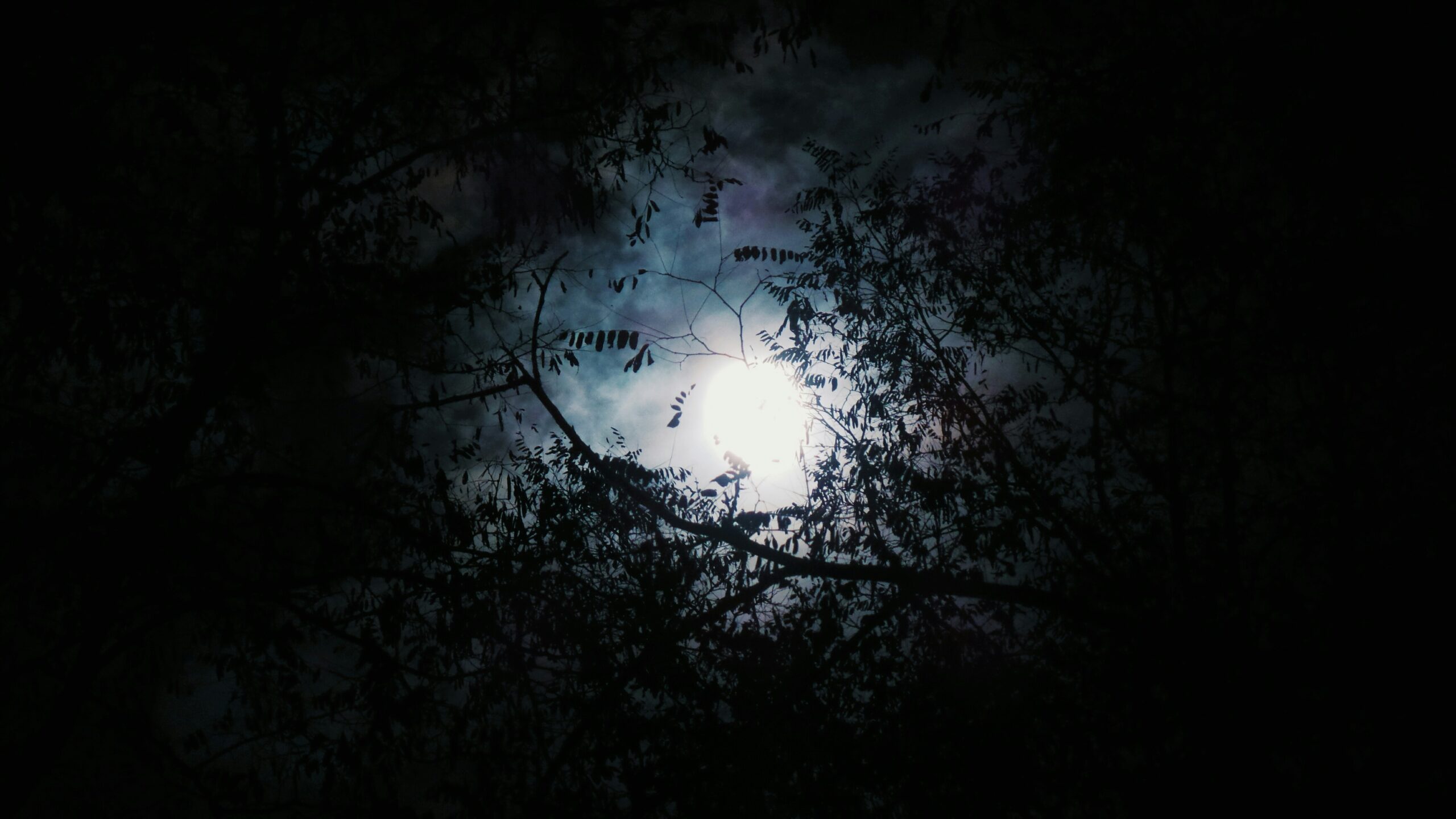
    An evening of spooky storytelling with readings by special faculty guests, Jennifer Plante and Gino DiIorio, and other creative Clarkies.

  • A/An: Book Launch and Poetry Reading

    Dana Commons, Higgins Lounge

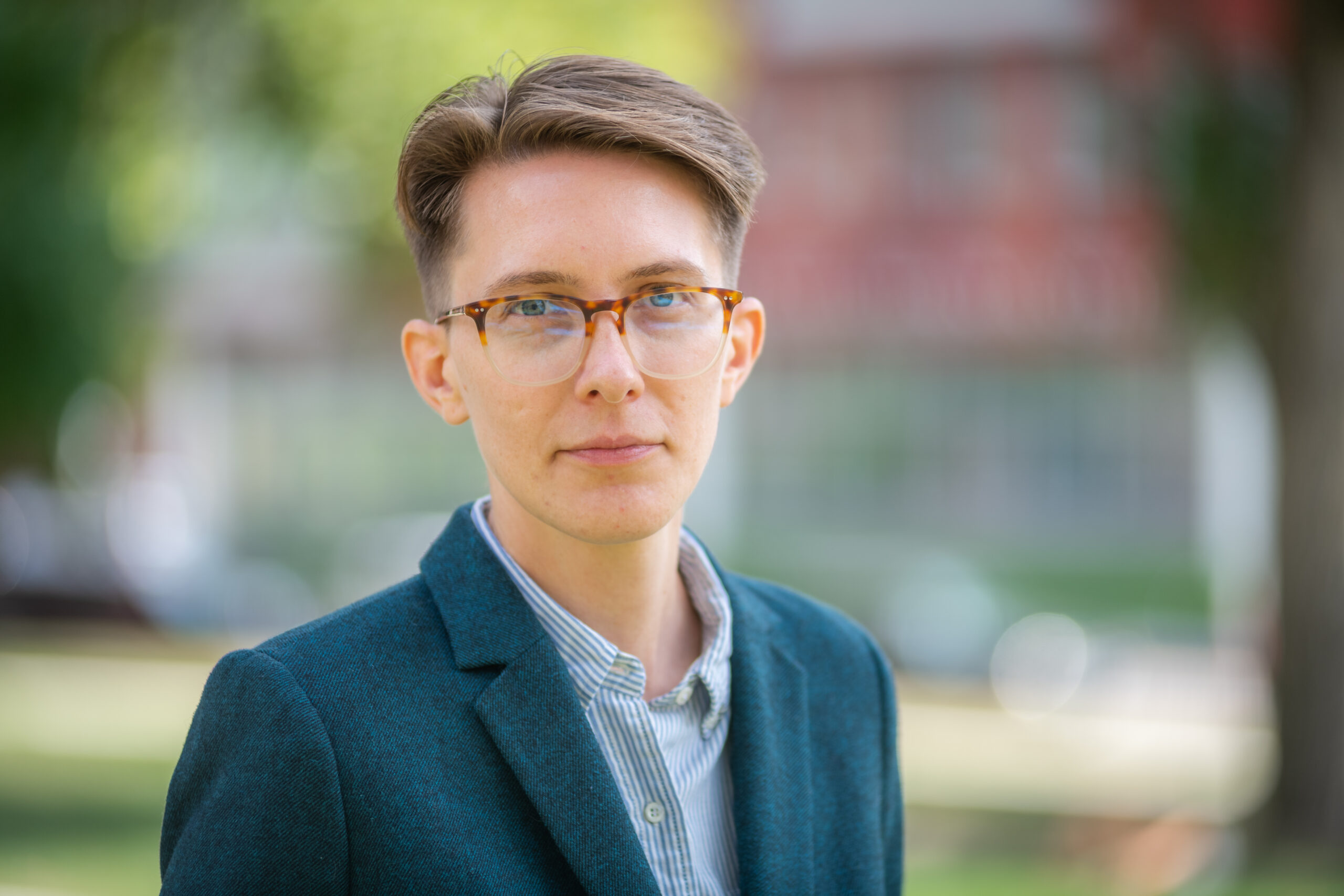
    In this book launch, Professor Mandy Gutmann-Gonzalez reads from their poetry chapbook. A/An, which uses 17th-century court records of the Salem Witch Trials to uncover the power and violence residing within the language of the legal system.

  • The Power of Mapmaking in 17th-Century New England

    Clark University, Higgins Lounge, Dana Commons – 2nd Floor 36 Maywood Street, Worcester, MA, United States

    Nathan Braccio, Assistant Professor of History at Clark University, explores how both Algonquian-speaking communities and English colonists made maps as tools in a struggle for cultural and physical control of the Northeast.