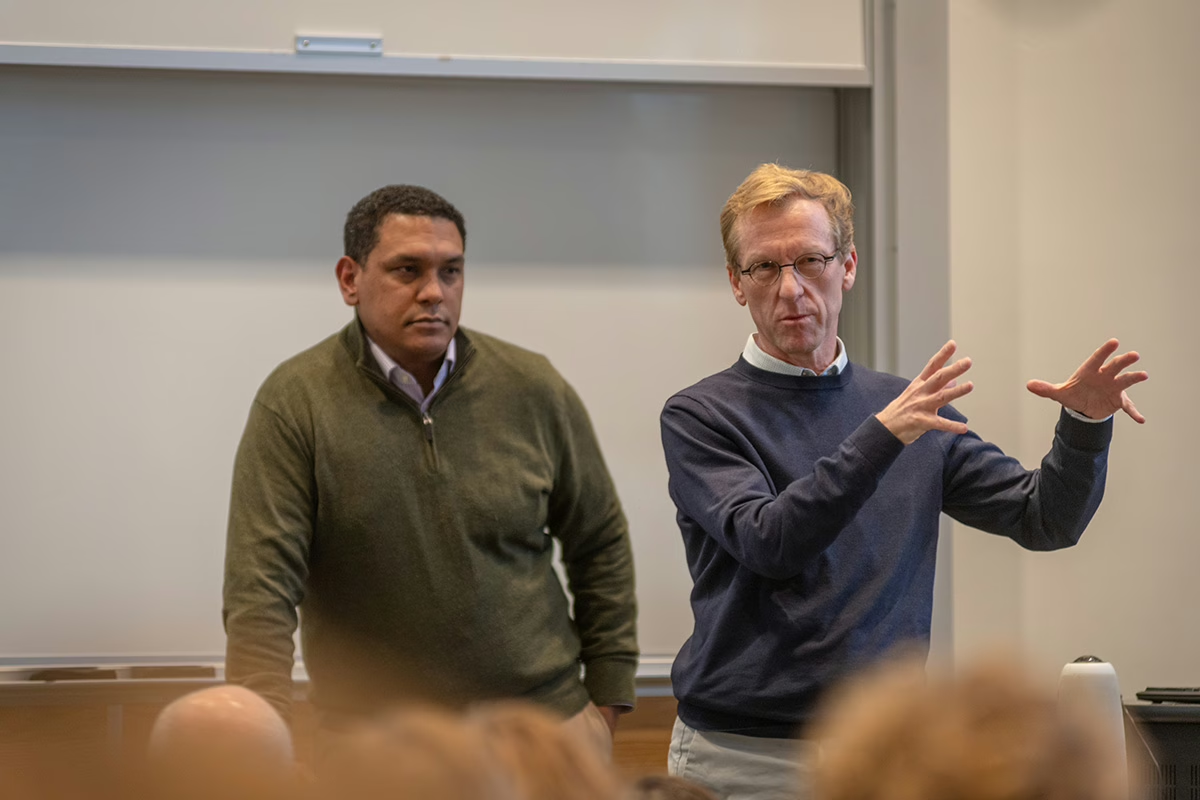


The Clark Center for the Study of Natural Resource Extraction and Society was launched in the summer of 2019. Clark faculty and student research on extractive industries, infrastructure investment, energy, and agroindustry has become increasingly vibrant over the last decade, and the Center will serve as a space for this research community to grow. Initially bridging the Graduate School of Geography, International Development Community and Environment Department, George Perkins Marsh Institute and the new Earth conversation, the Center will also work to engage other departments and teaching programs at Clark and elsewhere.
Just as importantly, the Center seeks to deepen Clark’s collaboration and engagement with civil society organizations, researchers and public interest bodies around the world. Some of our core collaborations in the last five years have been with Oxfam, Ford Foundation, the Climate and Land Use Alliance, Fundación PRISMA, Global Greengrants Fund advisors, the Effective States and Inclusive Development Research Centre, the Universidad del Pacífico-Peru, the Catholic University of Bolivia, and a range of research and civil society centers in the Andes, Central America and Indonesia.
The Center is committed to cross-disciplinary approaches to research on resource extraction, with a particular focus on theory and methodology coming from political ecology, development studies, landscape ecology, and geographic information science and remote sensing. We are geographers, historians, social scientists, and scholars of development who wish to broaden the definition of natural resource extraction and better understand its shape, dynamics and consequences under a variety of environmental and governance contexts. Our focus is both local and global, and our concern is to do scholarship that advances understanding of the place of resource extraction within society and the Earth system, and that contributes to a governance of natural resource extraction that enhances community and human rights, the preservation and restoration of landscapes, and the possibilities of living well.
Our faculty
Anthony Bebbington is the Milton P. and Alice C. Higgins Professor of Environment and Society at the Graduate School of Geography. He is also Professorial Research Fellow at the University of Manchester, Research Associate with Rimisp- Latin American Center for Rural Development, Chile, and Honorary Professorial Fellow at the University of Melbourne.
Learn more about Professor Bebbington
He is an elected member of the US National Academy of Sciences and the American Academy of Arts and Sciences, and serves as a Director of Oxfam America. He has been a Guggenheim Fellow, an Australia Laureate Fellow, and has held fellowships from the Center for Advanced Studies in the Behavioral Sciences, Stanford, the UK Economic and Social Research Council, and the Iberoamerican Institute and Freie Universität of Berlin, among others. He is an editor of the Proceedings of the National Academy of Sciences, and Associate Editor of the journal World Development. Prior to Clark he has held positions at the Universities of Manchester, Colorado-Boulder and Cambridge, and at the World Bank, International Institute for Environment and Development and the Overseas Development Institute. Tony’s work addresses the political ecology of rural change with a particular focus on extractive industries and socio-environmental conflicts, social movements, indigenous organizations, livelihoods. He has worked throughout South and Central America, though primarily in Peru, Ecuador and Bolivia, and more recently in El Salvador. See the following websites for more on this research: innovacionesinstitucionales.wordpress.com; www.sed.manchester.ac.uk/research/andes; www.sed.manchester.ac.uk/research/socialmovements; http://industriasextractivas.wordpress.com.
Denise Humphreys Bebbington is Research Associate Professor in the Department of International Development, Community and Environment at Clark University in Massachusetts, USA. Her research has addressed the political ecology of natural gas in Bolivia and the implications of the gas economy for both indigenous peoples and regional societies, as well as mining conflicts in Peru.
Learn more about Professor Bebbington
More recently, she co-led a global scoping study on Extractive Industries, Infrastructure Development, Forest Loss and Forest Community Rights for the Climate and Land Use Alliance. Prior to her academic research she served as Representative to Peru for the Inter-American Foundation (IAF), South American Regional Sub-Director for Catholic Relief Services (CRS), and Latin America Program Coordinator for the Global Greengrants Fund (GGF). Publications from her research have appeared in the Environmental Science and Policy, World Development, Iconos, Development and Change, European Review of Latin American and Caribbean Studies, Ecuador Debate, Umbrales, and the Journal of Latin American Geography and others.
John Rogan is a Professor of Geography at Clark University. He specializes in landscape ecology, fire ecology, optical remote sensing and GIScience.
Recent research projects have involved monitoring land cover change in California using remote sensing date, mapping wildfire burn severity in southern California and southeastern Arizona, and mapping forest types in Massachusetts using multi-season Landsat data.
Learn more about Professor Rogan
Dr. Rogan received his Ph.D. (Geography) degree from the joint doctoral program at San Diego State University and the University of California, Santa Barbara, where he was funded by a research grant from NASA’s Land Cover and Land Use Change Program. He received M.A. and B.A. degrees (Geography) from the University of Arizona.
Our researchers
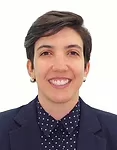
Maria del Pilar Delpino Marimon is a geographer and researcher focused on infrastructure, development, and the Amazon. She holds a PhD in Geography from Clark University, a Master’s degree in Regional Planning from Cornell University, and a BA in Geography from the Pontifical Catholic University of Peru. She has over 10 years of experience working and researching in the Peruvian and Brazilian Amazon. Her work combines spatial analysis and fieldwork to understand how roads, ports, and other megaprojects transform territories and communities. She is currently the coordinator of the “Chancay-Amazon Connection” research project, which studies the relationship between the port of Chancay and the Peruvian Amazon.
Learn more about Dr. Marimon
Delpino is interested in spatial inequality, informality and regionalization processes in cross-border areas between Peru, Brazil, Bolivia and Colombia.
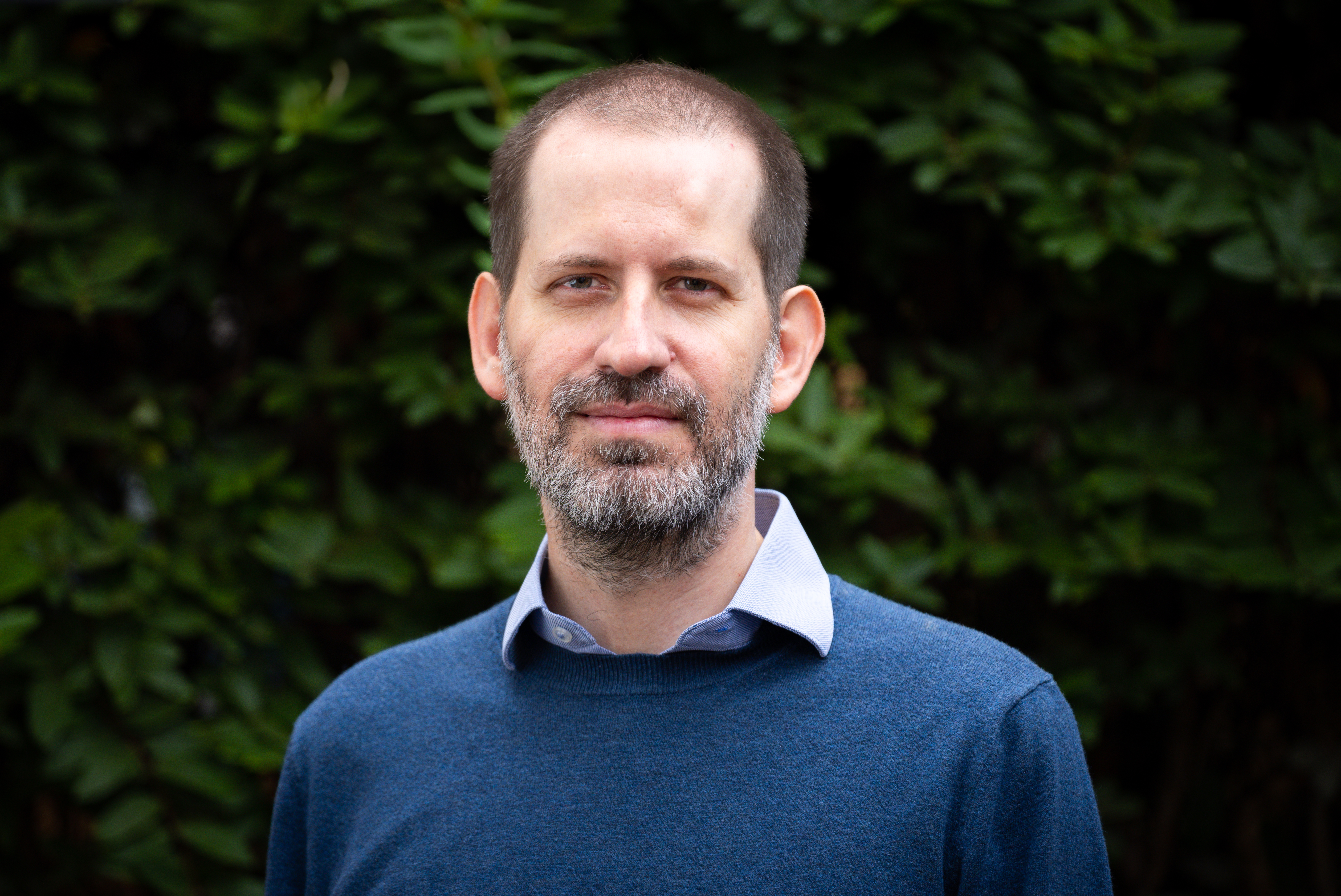
Juan Luis Dammert Bello holds a PhD in Geography from Clark University (Massachusetts) and a B.A. in Sociology from the Pontificia Universidad Católica del Perú (PUCP). He currently collaborates with the Resilient and Just Amazon Initiative at the Group for the Analysis of Development (GRADE), contributes to the SUMA+ Initiative, and serves as a Senior Research Affiliate at Extractives@Clark. From 2019 to 2025, he was Latin America Director at the Natural Resource Governance Institute (NRGI).
He has previously worked with organizations such as Oxfam and the Peruvian Society for Environmental Law (SPDA) and has taught at PUCP. Drawing on a political ecology perspective, his research and applied work focus on natural resource governance in Latin America, addressing issues such as the role of extractive industries in the energy transition, illegal mining in the Amazon, the impacts of infrastructure projects, land grabbing, deforestation, and biodiversity conservation.He served as Chairman of the Board of the Permanent Seminar on Agrarian Research (SEPIA) from 2021 to 2023.
Learn more about Dr. Dammert
.
Our students
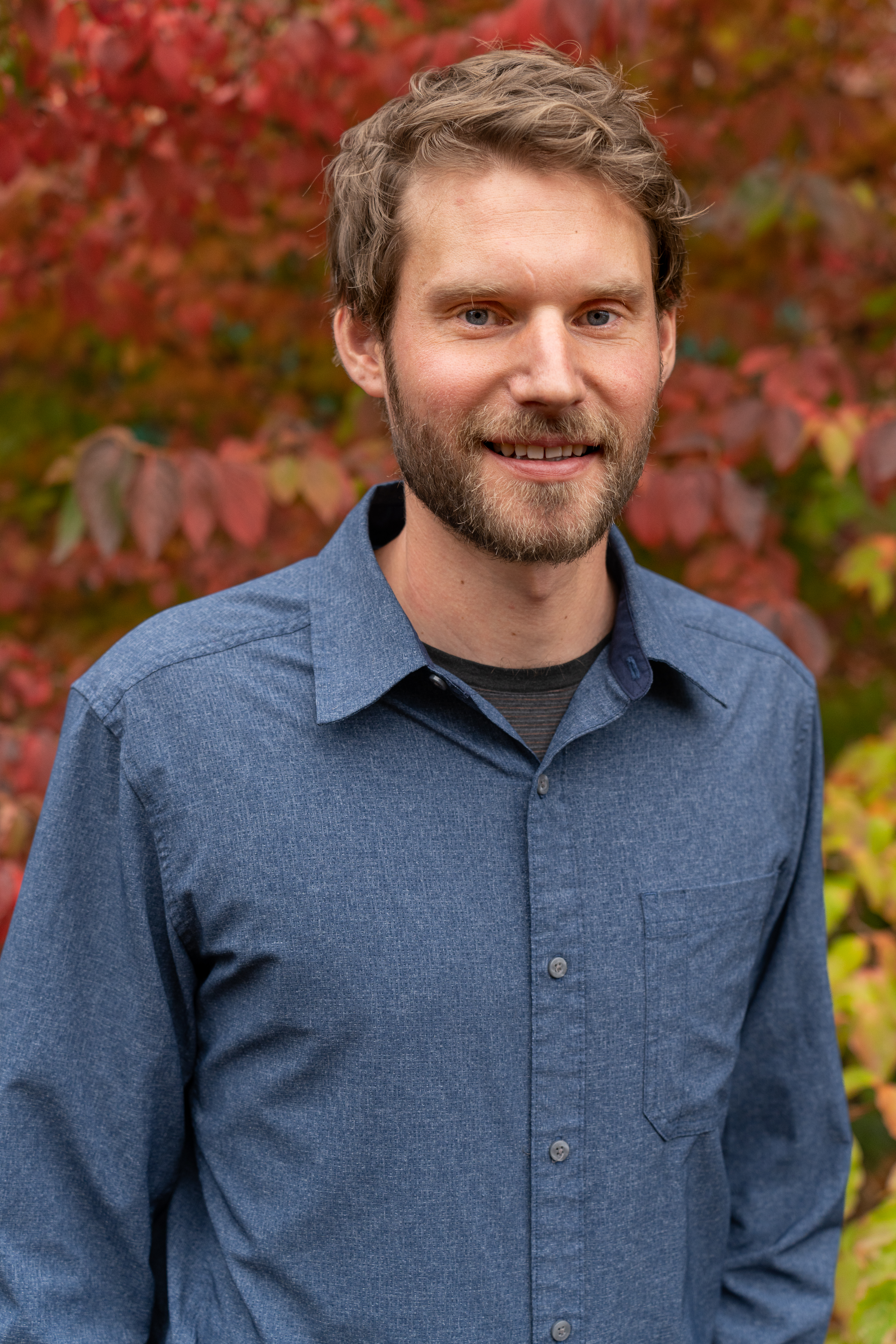
Chris Lamb is a PhD candidate in the Graduate School of Geography at Clark University. He holds a master’s in English and environmental humanities from the University of Idaho and a BA in philosophy and environmental studies from Marlboro College. His doctoral research is focused on the governance and socio-environmental impacts of mineral exploration in the Cree territory of Waswanipi, in James Bay, Quebec. He is particularly interested in how mineral exploration figures in the production of, and contestations over, territory, and the role of digital technology in these processes.
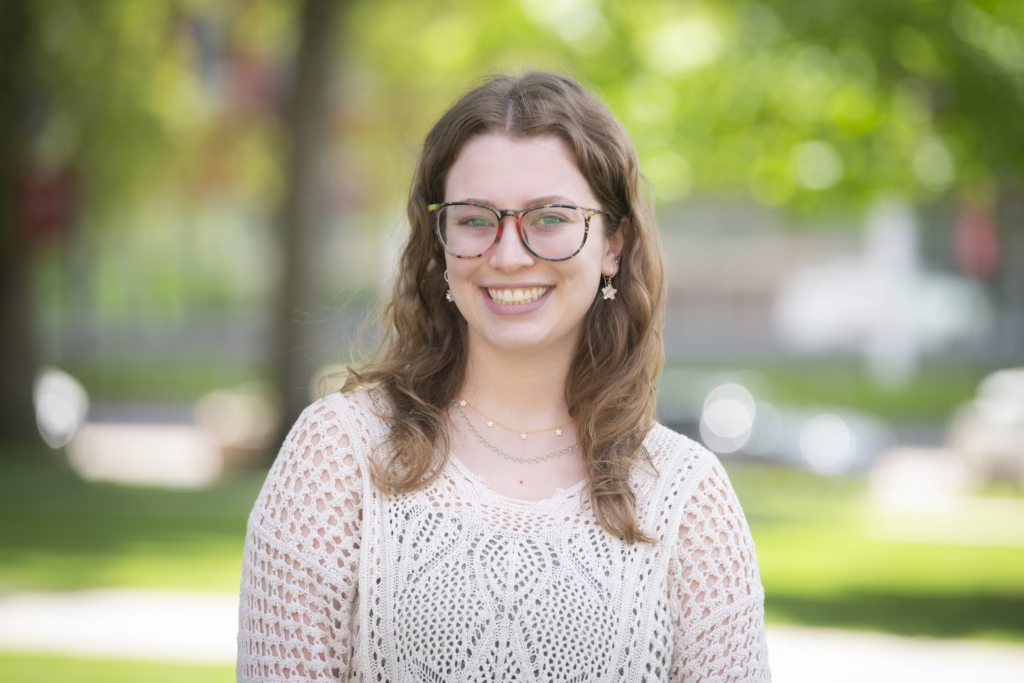
Julia Head is a Master’s student of GIS at Clark University, where she also received a B.S. in Environmental Science. Advised by Professor John Rogan, she is currently the geospatial analyst research assistant for the “Chancay-Amazon Connection” project, coordinated by Dr. Pilar Delpino Marimon, which studies the relationship between the Port of Chancay and the Peruvian Amazon. Her previous work has included biophysical and interview-based fieldwork with the Human-Environment Regional Observatory (HERO) at Clark University, examining the outcomes of an urban tree planting program. She is particularly interested in using remote sensing time-series analysis to study patterns of deforestation.