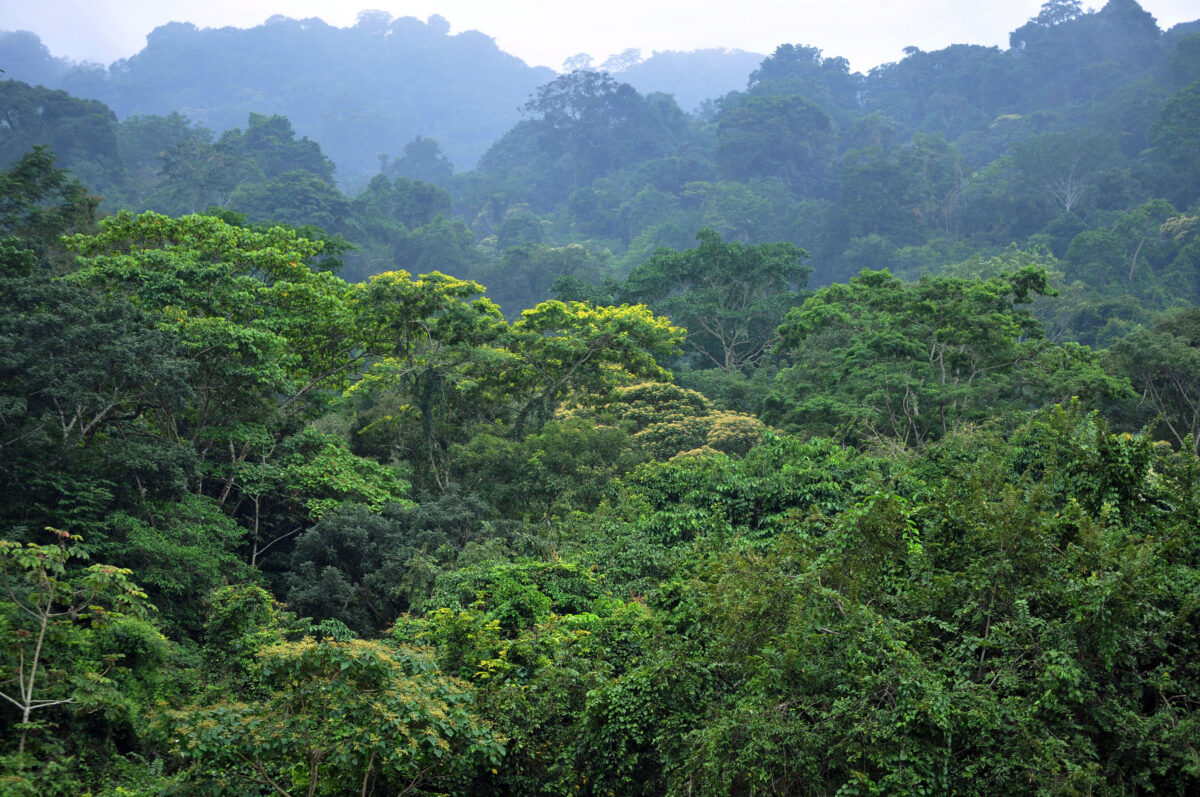
Nine percent of the 172 carbon projects examined in the study showed an “albedo benefit,” meaning that the percentage of sunlight that a forest reflected could make it cooler, helping mitigate climate effects. The 16 projects were concentrated in parts of Central America, South America, and Africa.
Clark researcher investigates the albedo impact on carbon credits
To curb the effects of climate change, private and public organizations across the world manage carbon projects to plant or restore forests, aiming to remove CO2 from the atmosphere. In turn, as part of the global voluntary carbon market, they sell carbon credits to companies aiming to offset their greenhouse gas emissions.
But the climate benefits of some carbon projects may be overestimated because they don’t account for changes in albedo — the percentage of sunlight that a forest reflects or absorbs, making it cooler or hotter — in their calculations, according to an Oct. 6 Nature Communications article co-authored by Geography Professor Christopher Williams of Clark’s School of Climate, Environment, and Society.
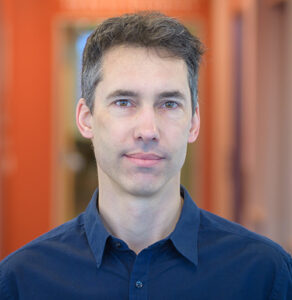
“Nearly half of all reforestation credits issued in these projects would not have been issued if albedo had been used as a threshold for project siting and deducted for remaining projects, canceling about $8 billion of credits at an average price of $20 per tonne [a metric ton],” Williams says.
If carbon-crediting protocols accounted for albedo, “it would allow the marketplace to better prioritize projects with greater climate benefit and more accurately quantify credits for addressing unabated emissions,” according to Williams and his co-authors.
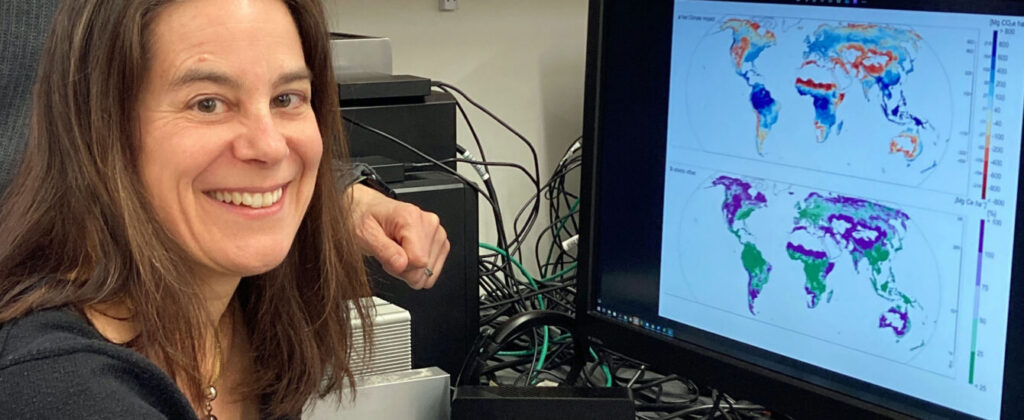
They point to data published last year in Nature Communications by Clark research scientist Natalia Hasler that could be used in “an iterative approach for incorporating albedo considerations.” The data were collected and analyzed by Hasler, lead author of the March 2024 article with Williams and partners from The Nature Conservancy and ETH-Zurich.
The Clark team developed a toolset now being used by practitioners and land managers to estimate how albedo change might affect reforestation or afforestation projects across the world. It was used to calculate the recent study’s findings, according to Williams.
“It is a pleasant surprise to see that by luck or good planning the majority of projects are places where albedo changes are not hugely concerning,” says Susan Cook-Patton, lead forest restoration scientist at The Nature Conservancy and a co-author of the Oct. 6 article. “But our study shows that enough projects occur in places where albedo changes need to be taken seriously. And we provide a tiered approach for improved climate accounting to ensure that we unlock nature’s greatest potential as a powerful ally in the fight against climate change.”
In the study, Williams, Cook-Patton, and their peers examined 172 afforestation, reforestation, and revegetation projects within the voluntary carbon market, “projected to provide nearly 800 million metric tons CO2e [carbon dioxide equivalent] of climate mitigation over the next century. None of the five registry standards and accompanying protocols used by these projects account for changes in albedo.”
They found that more than 10 percent of the projects “occur in places where albedo may entirely negate the climate mitigation benefit, and a quarter occur in places where albedo may halve the mitigation benefit. Yet, the majority are concentrated where albedo changes are expected to be minimal, and 9% of projects occur where albedo would augment the mitigation benefit.”
The researchers urged scientists to develop more “tools to enable accounting for other important biophysical changes, such as evapotranspiration, which is not yet quantifiable within the voluntary carbon market.” In addition, they suggested more “collaborative communication and education with market stakeholders who may not be familiar with biophysical factors.”