Students and professors collected oral histories, shaped a narrative
A group of Clark students and professors has spent nearly two years poring over documents and records to compile a history of the Worcester branch of the NAACP.
Fred Taylor, the branch’s president, reached out to Professor Melinda Marchand, visiting assistant professor of history, through a Clark Community Engagement networking event to propose the idea of having students write a history of the branch. Marchand and fellow professor Ousmane Power-Greene have been collaborating on several phases of the project with students and community members.
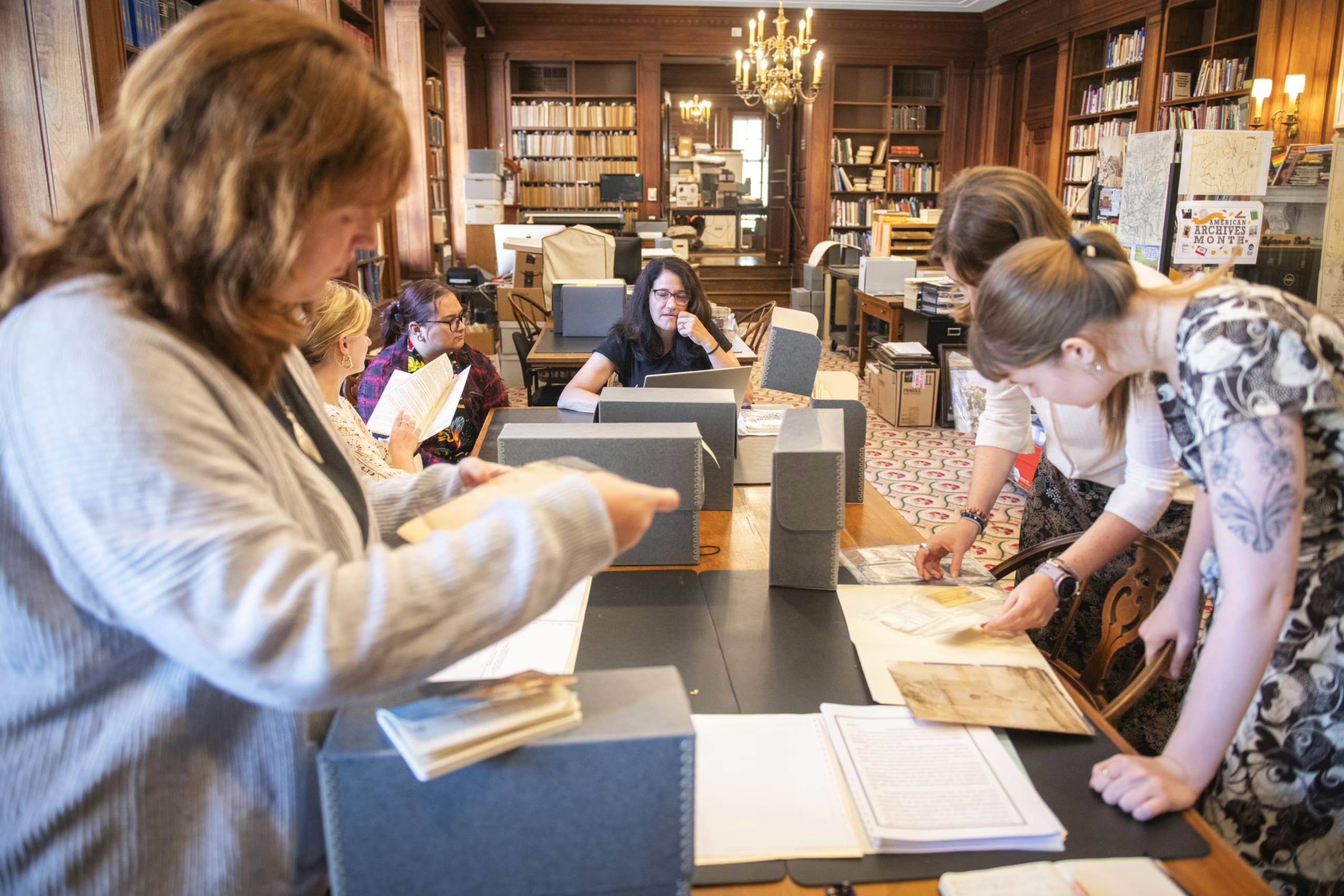
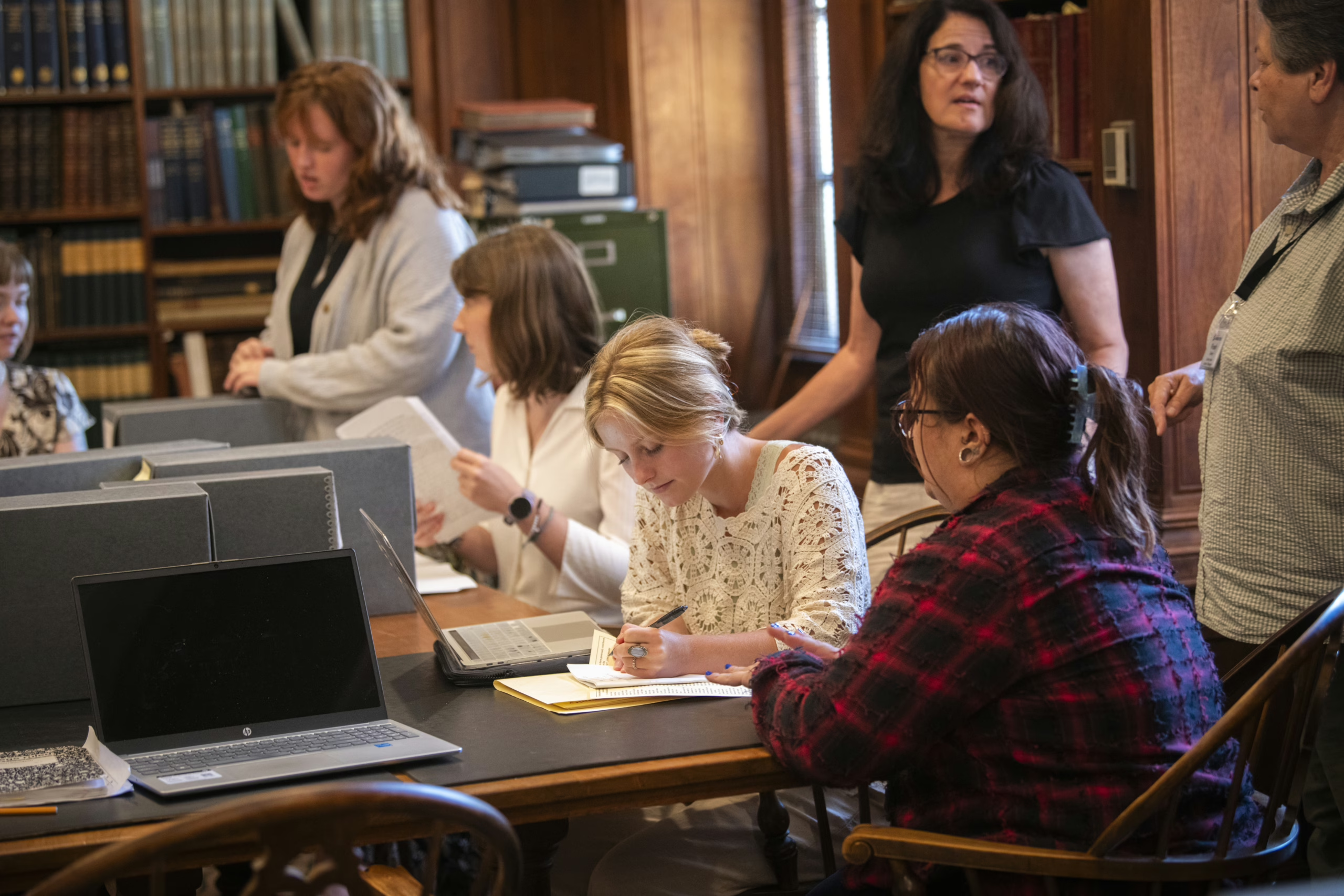
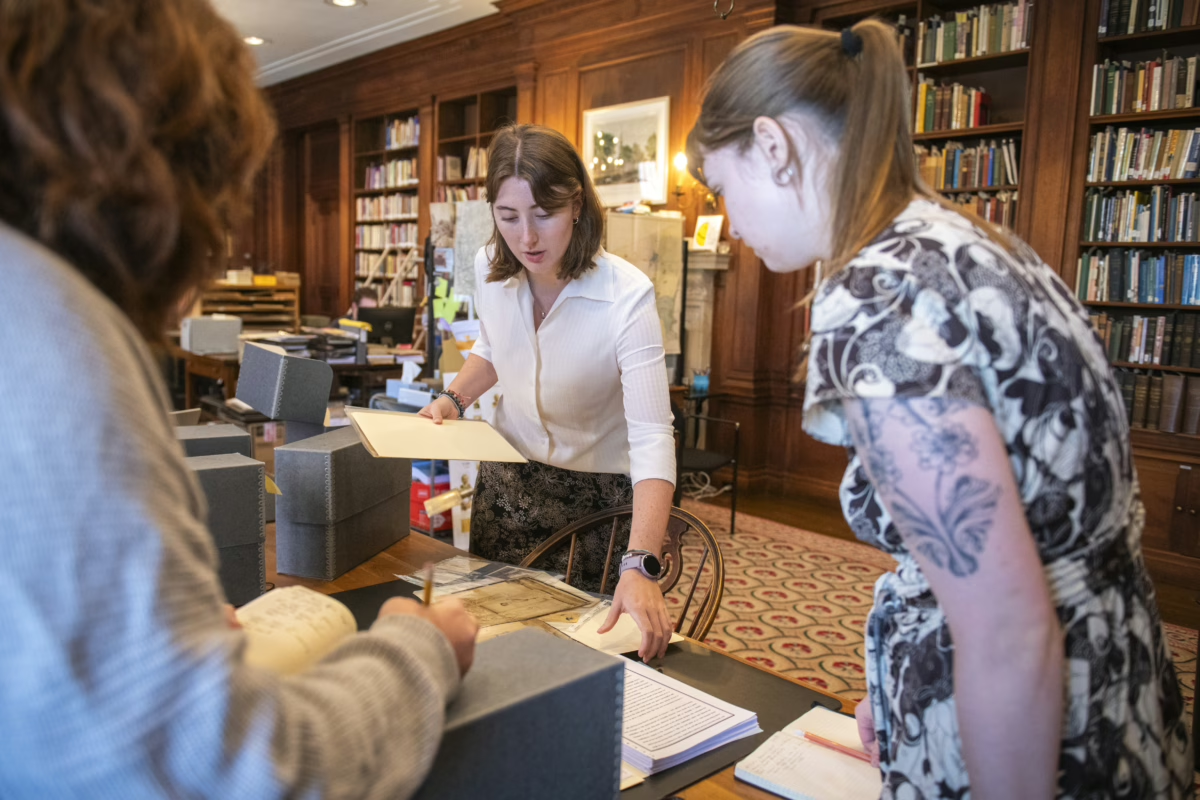
They started by collecting and organizing documents, records, and promotional works, creating an archive to determine how much of the branch’s history could be captured from existing material. Throughout spring 2024, Clarkies and NAACP volunteers collaborated during archiving workshops that were held every few weeks.
Over the summer of 2024, Katie Ben ’25, M.A. ’26, developed a tool that helped everyone see what gaps in the research still needed to be filled.
In spring 2025, Weslee Tyler ’27 and Borodine Chery ’26 conducted additional research at The College of the Holy Cross and started collecting oral histories from older NAACP members. This work illuminated the true breadth of people involved in the branch, and how much of the history had never been formally preserved. The combination of written records and personal stories built a fuller picture of the branch’s past.
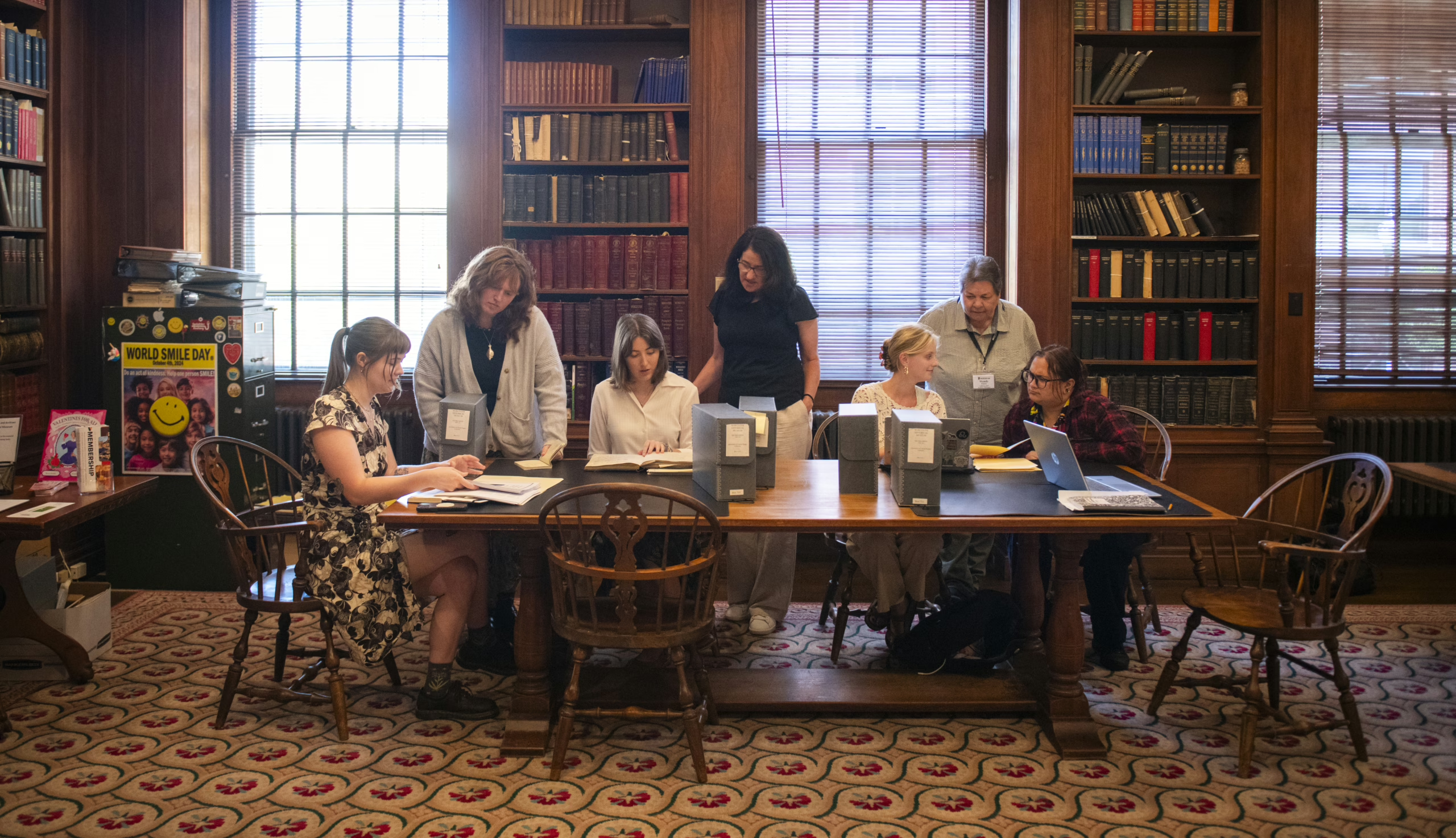
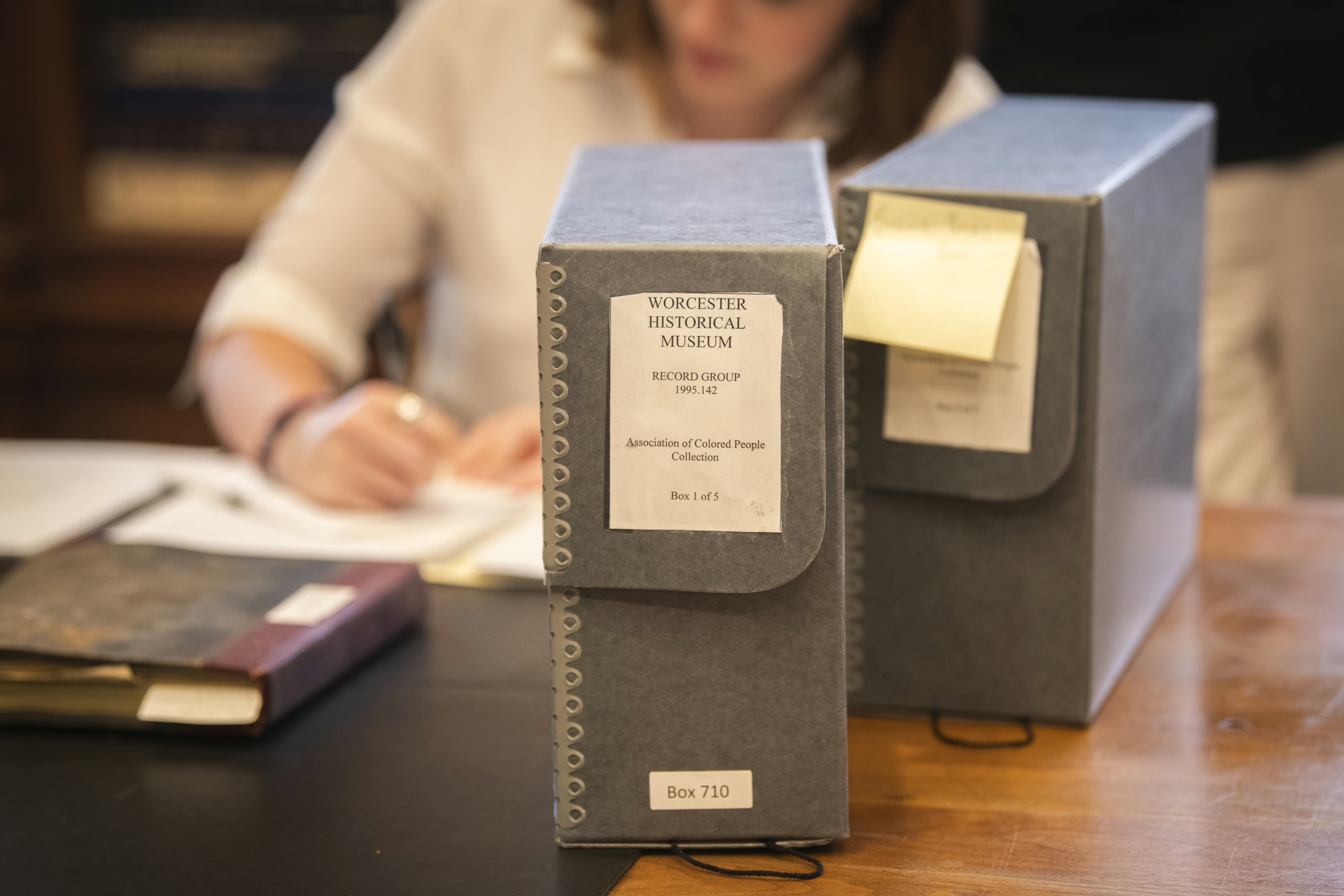
The archive is meant to be something future researchers can come back to — it’s not just a one-time project. Tyler and Chery say it felt meaningful to handle original materials that would become part of a permanent historical record.
During summer 2025, Ben, Gwyneth Owen ’26, and Natasha Devlin ’26 visited the Museum of Worcester for additional research and collected even more oral histories from NAACP members and people connected to the branch. They compiled a narrative history of the Worcester NAACP that’s about 40 pages long.
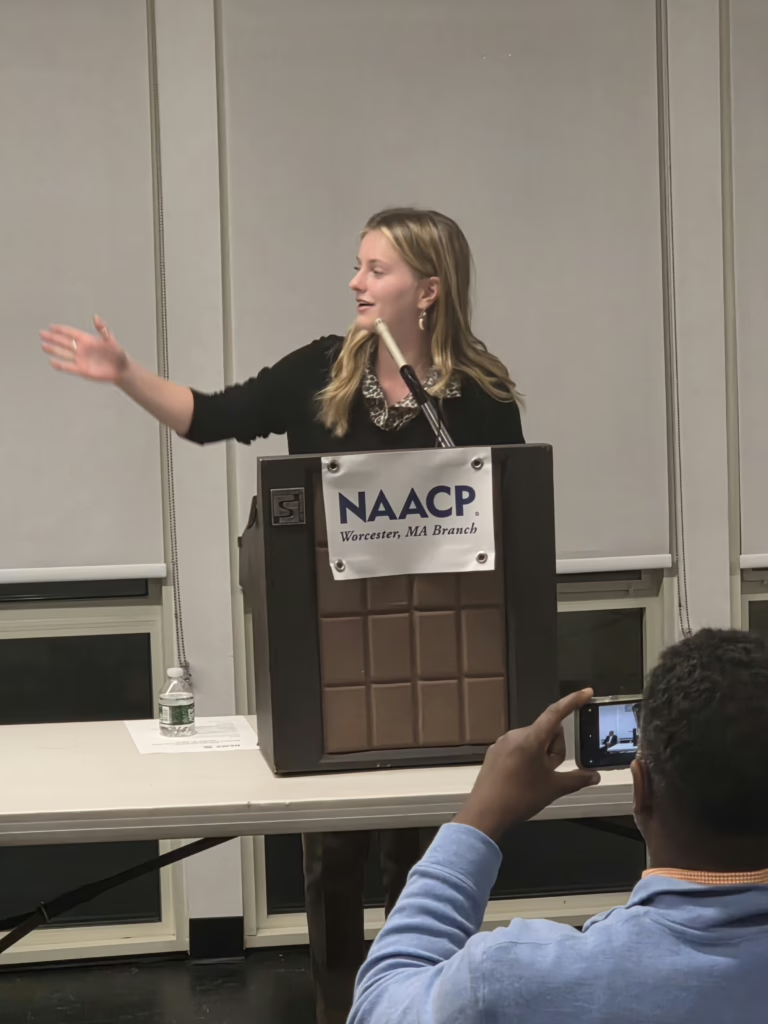
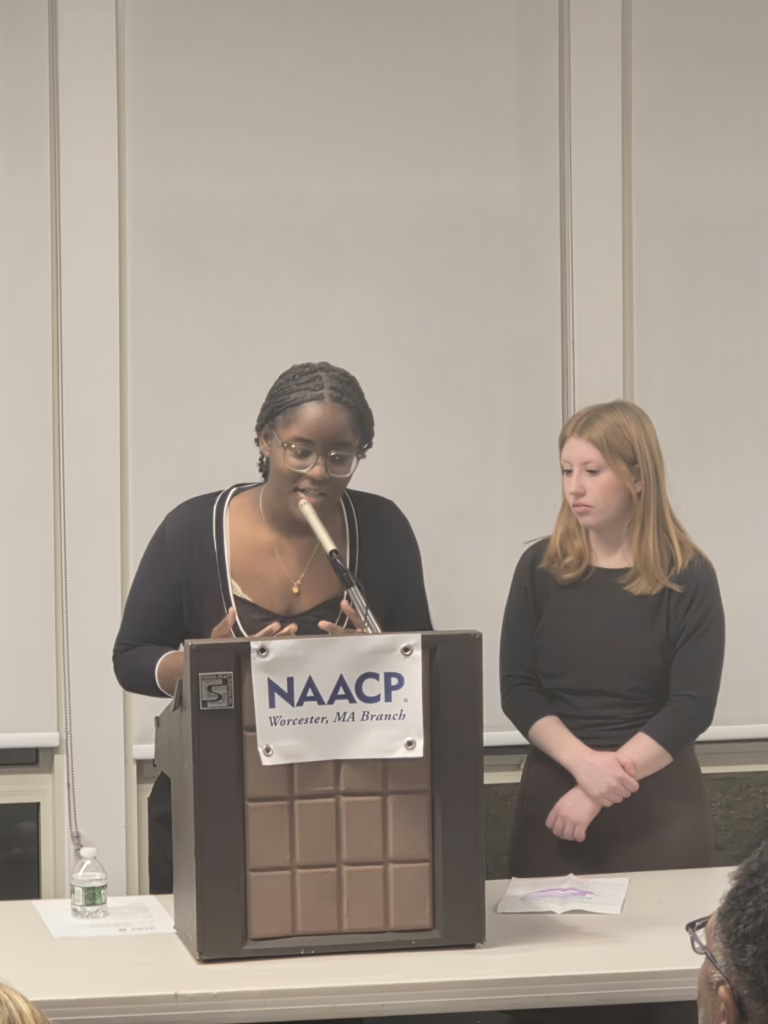
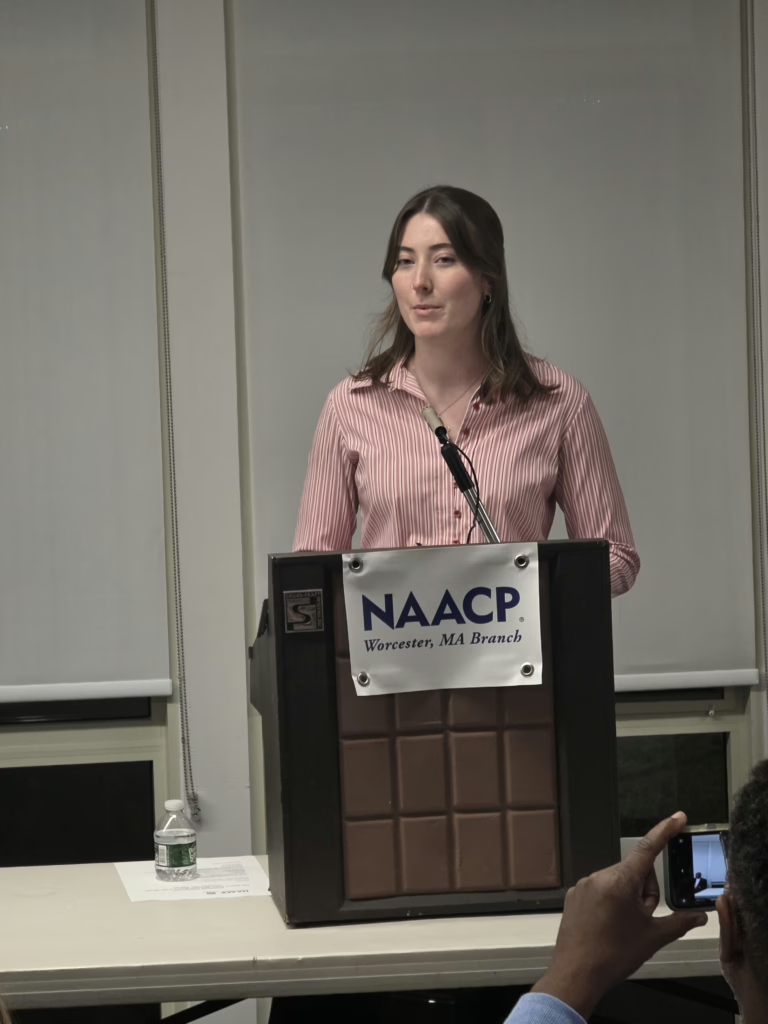
Throughout fall 2025, Ben and Devlin worked on digital story maps to accompany the written history. The project culminated in November when the group held a panel-style discussion and presentation of its research with the NAACP.