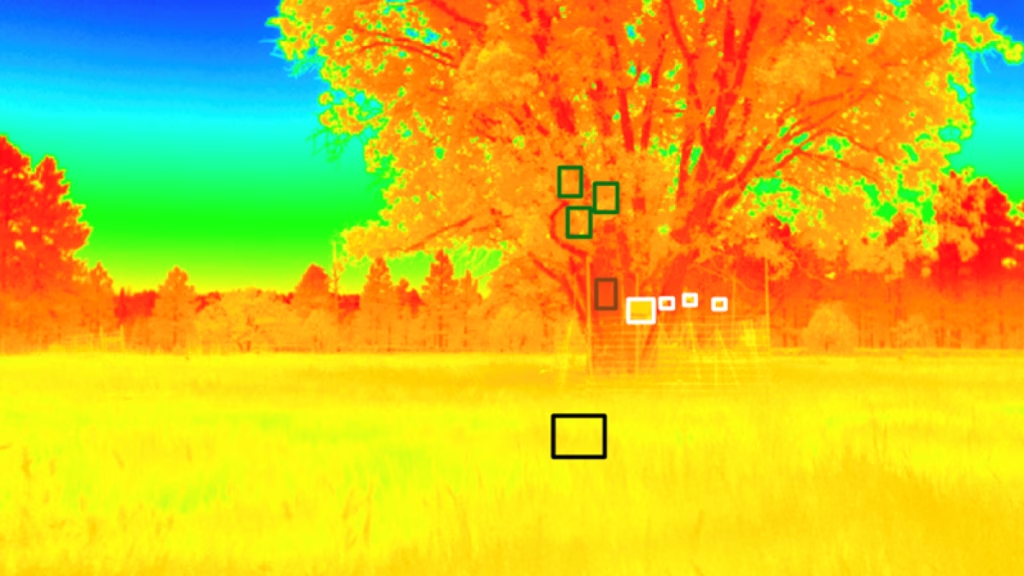
As climate change intensifies, we urgently need better ways to tell when ecosystems are under stress. In this presentation, Dr. Mostafa Javadian (College of the Holy Cross) will demonstrate how high-resolution thermal remote sensing bridges the gap between individual plant physiology and landscape-scale processes. He will present three key studies utilizing thermal imaging across platforms to reveal vegetation’s hidden water stress signals. First, he will discuss how drones reveal that tree density and height influence evaporative cooling. Second, he will show how ground-based thermography captures dryland functional types respond to rainfall manipulation. This research illustrates how shifts toward fewer, larger precipitation events favor deep-rooted plants over shallow-rooted plants by altering deeper soil moisture availability. Third, he will present the first-ever estimation of individual tree water use using thermal cameras, revealing how co-occurring species exhibit distinct drought vulnerabilities based on their ecophysiological traits. Together, these studies show what multiscale thermal imaging, from drones to the ground, can tell us about how ecosystems use water, how vegetation patterns change over space, and how resilient landscapes will be to climate extremes.
About the speaker: Dr. Mostafa Javadian is an Assistant Professor of Environmental Studies at the College of the Holy Cross in Worcester. He received his PhD in Hydrology with a minor in Remote Sensing from the University of Arizona. He has held postdoctoral appointments at Northern Arizona University and the University of Arizona.