
If you wonder how living things function and interact, and you marvel at life in all forms, then you have found your calling. Our undergraduate program allows you to dive deep into biology through coursework, research and honors-level work, internships, and even study abroad.
Undergraduate Programs
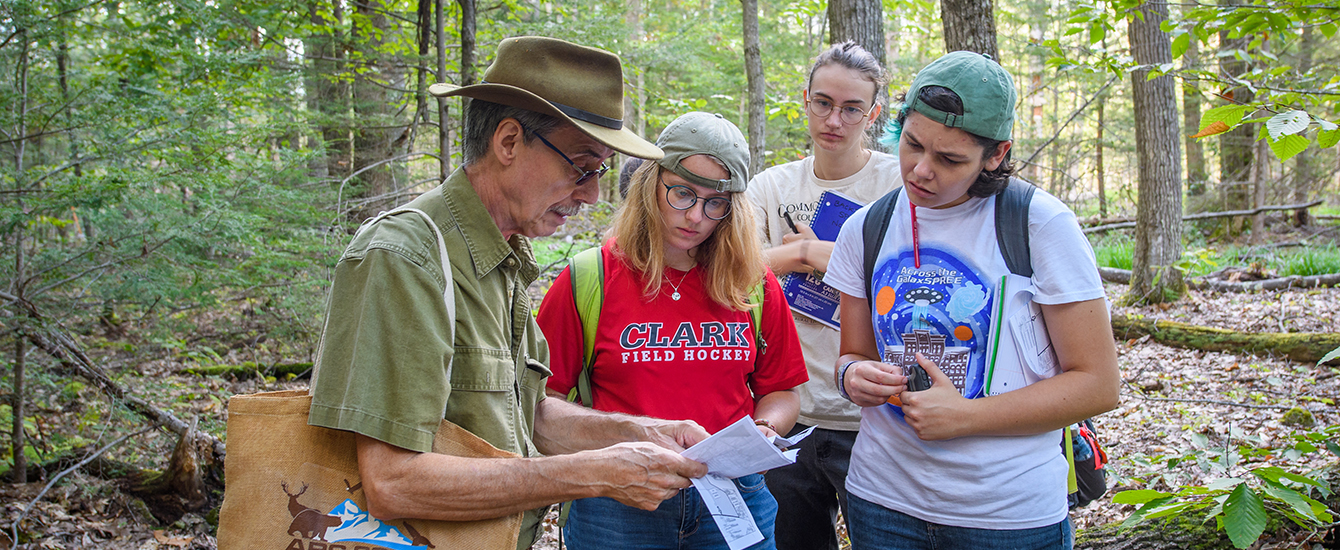
Launch Your Life of Discovery, and Discovery of Life
Majors and Minors
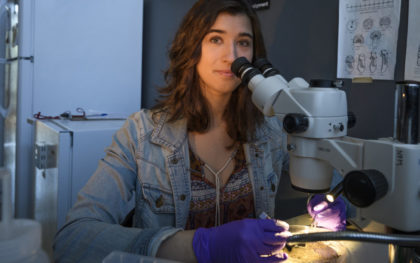
Biology
Dig deeper and delve into diverse subfields like ecology and evolution, molecular and cell biology, marine biology, conservation biology, botany, neuroscience, and animal behavior.
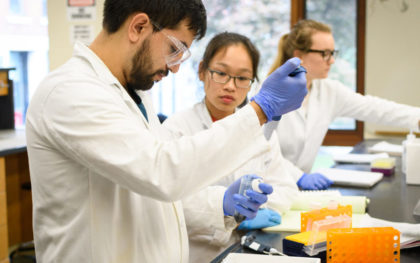
Biochemistry and Molecular Biology
Biochemistry and molecular biology exists at the intersection of biology and chemistry. Explore the cellular and molecular building blocks and interactions of living organisms.
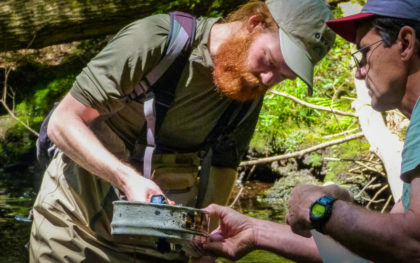
Environmental Science
The changing climate, polluted air and water, loss of biodiversity, a growing population, and food insecurity are just a few examples of our planet under pressure. Explore these and other pressing issues affecting our home — the Earth.
Accelerated Programs
B.A./M.S. in Biology
Consider applying during your junior year to our Accelerated B.A./M.S. Program, which allows you to pursue more in-depth study of biology and complete a research project in a topic of your choice.
B.A./M.S. in Biochemistry and Molecular Biology
Interested in an M.D., Ph.D., or landing a job right out of school? Gain more research skills and experience through our Accelerated B.A./M.S. Program.
Undergraduate Research
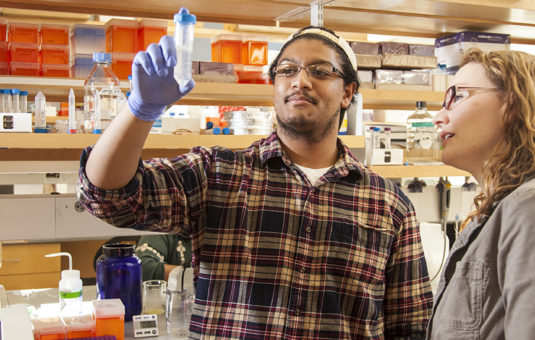
Collaborate with faculty on research in animal locomotion, cancer biology, cell division, epigenetics, virus-host interactions, gene expression, and more. You’ll have the opportunity to secure funding, publish and present at conferences, and pursue honors work.
Careers and Internships
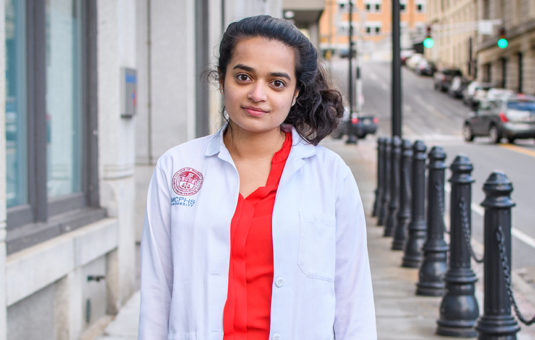
Pursue internships and research to prepare for graduate school or a career. Our alumni work in health care, teaching, biomedical research, biotechnology, environmental science, conservation biology, forestry, and more.
Study Abroad
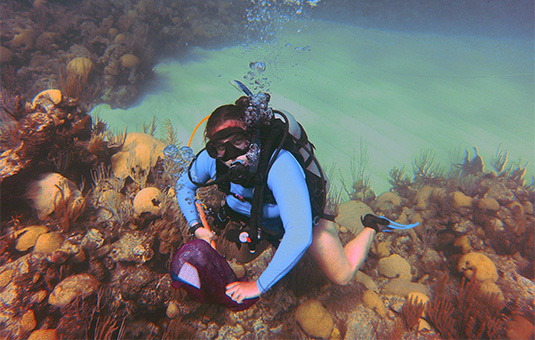
Interested in studying abroad? Working closely with an adviser to map out your four-year plan, you can combine a biology major with a study abroad experience. Study biodiversity in Panama, public health and medicine in Europe, or find another program that fits your plan — or take a Clark biology course to study ocean life in Bermuda.
Contact Information
Department of Biology
Office Location
-
The Lasry Center for Bioscience
15 Maywood Street
Worcester, MA 01610 - 1-508-793-7173
- 1-508-793-7174 Fax
Copyright © 2026 Clark University
Public Information
|
Privacy Policy
|
Website Accessibility
|
Nondiscrimination Policy