When Robert H. Goddard launched the first liquid-fueled rocket, he would alter the course of human inquiry by enabling us to see the Earth from space.
From that vantage point, our planet appears as one interconnected, interdependent living system — a realization astronauts would later describe as the overview effect. This new perspective has reshaped scientific research, linking disciplines, accelerating discovery, and deepening our sense of responsibility for the world we share.
At Clark, research continues to challenge the boundaries of knowledge and imagination. Discovery here is grounded in shared purpose — and directed toward the challenges of our time.
Mapping a changing planet
What becomes possible when we can see Earth more clearly?
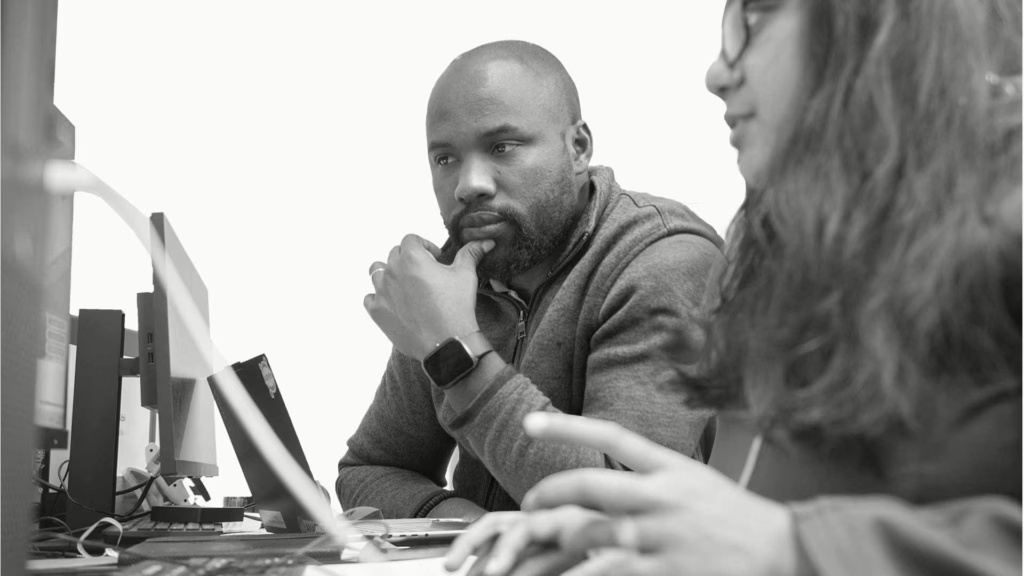
From shifting forests to expanding coastlines, Clark researchers are advancing the ways we gather, interpret, and visualize data enabling governments, scientists, and communities anticipate risk, protect biodiversity, and make wiser decisions about the environments we share.
Sustaining life
What is our shared responsibility to the living world?
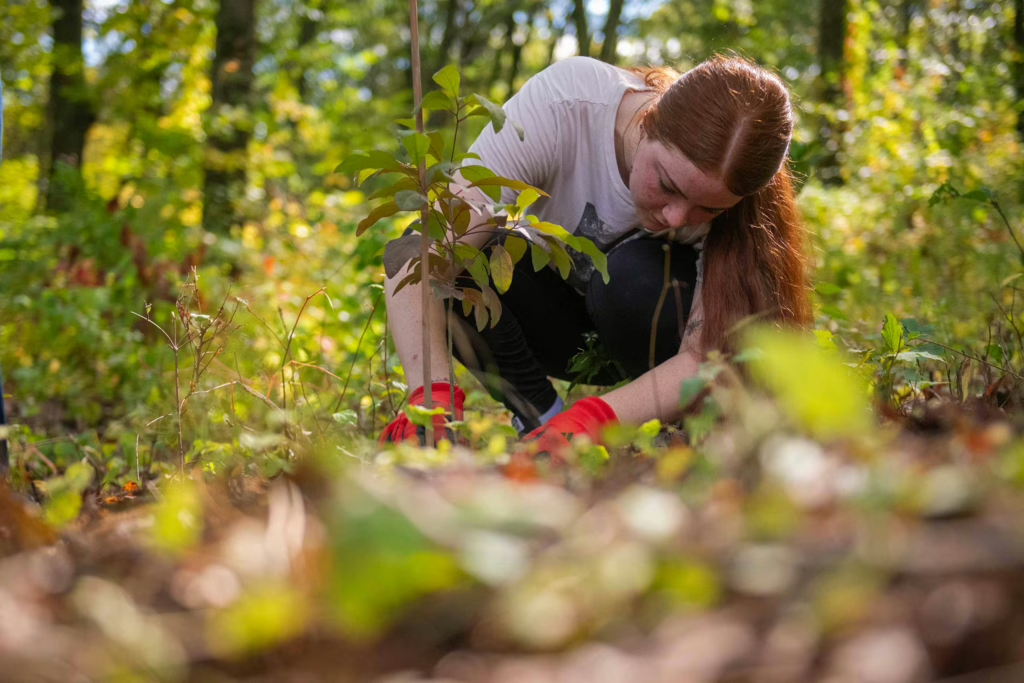
Clark scientists study the systems that sustain life — from microbes that affect the air we breathe to soils that nourish food supplies. Partnering with Indigenous communities and research collaborators worldwide, they pursue discoveries that safeguard ecological balance and human health.
Reimagining how we share the world
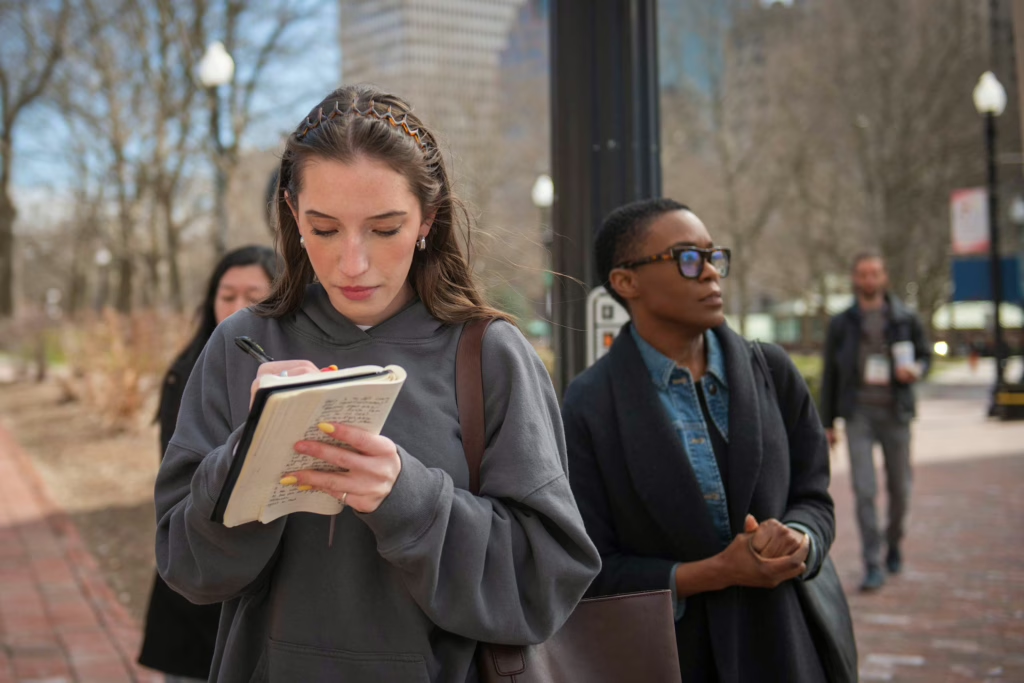
What becomes possible when we see Earth without borders?
Scholars in the environmental humanities and social sciences examine how history, culture, ethics, and systems of power shape our shared future — advancing new models of stewardship, justice, and collective responsibility.
Powering the future
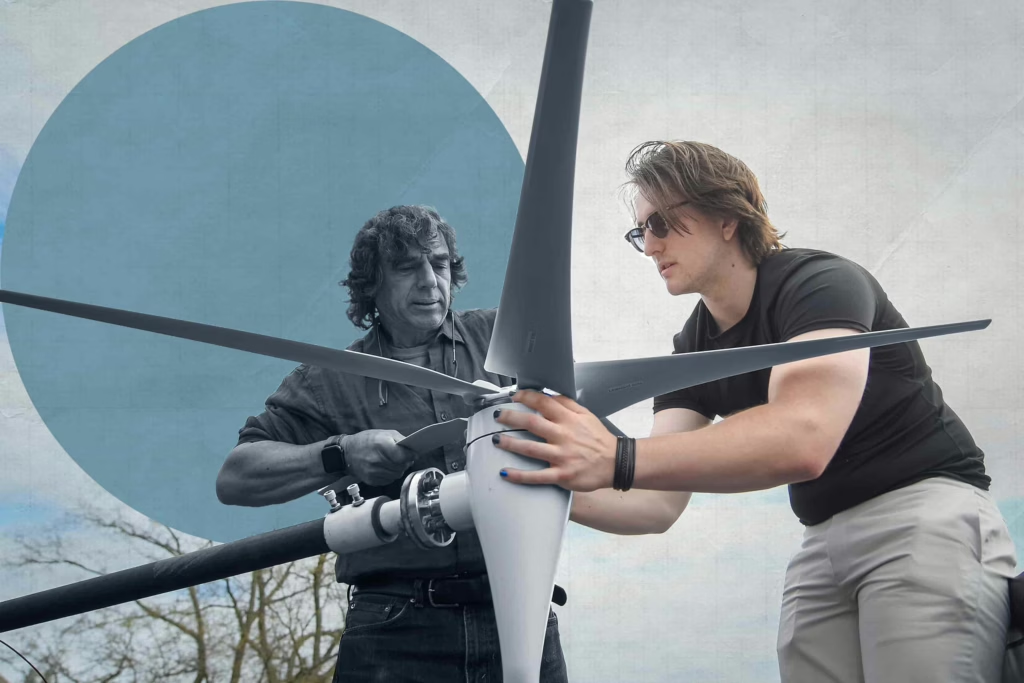
How will we sustain the energy needs of our communities?

A century after Robert H. Goddard — then professor and director of physics at Clark — launched the first liquid-fueled rocket, Clark physicists continue to explore how energy moves, materials transform, and living systems organize. From renewable power and advanced materials to microbial ecosystems and computational modeling, their work applies the study of physical laws to the challenges shaping our shared future.
Strengthening human connection
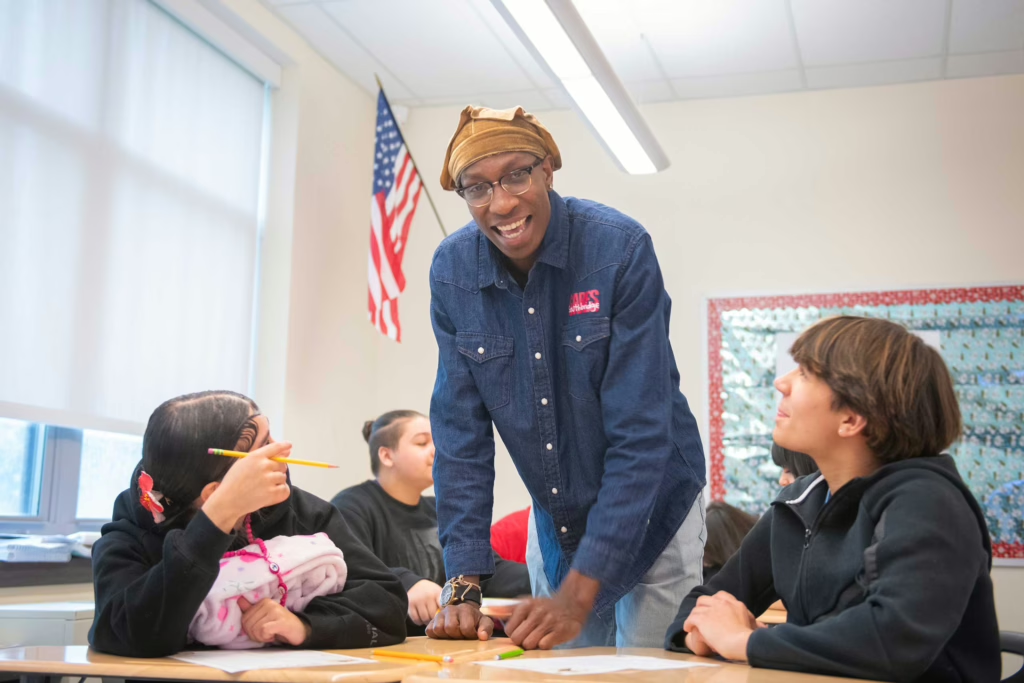
What helps people thrive together?
Resilient societies enable all members to learn, communicate, form relationships, and support one another’s growth. Clark researchers in psychology and education explore the foundations of well-being, helping to create environments where individuals and communities can flourish.
Designing resilient communities
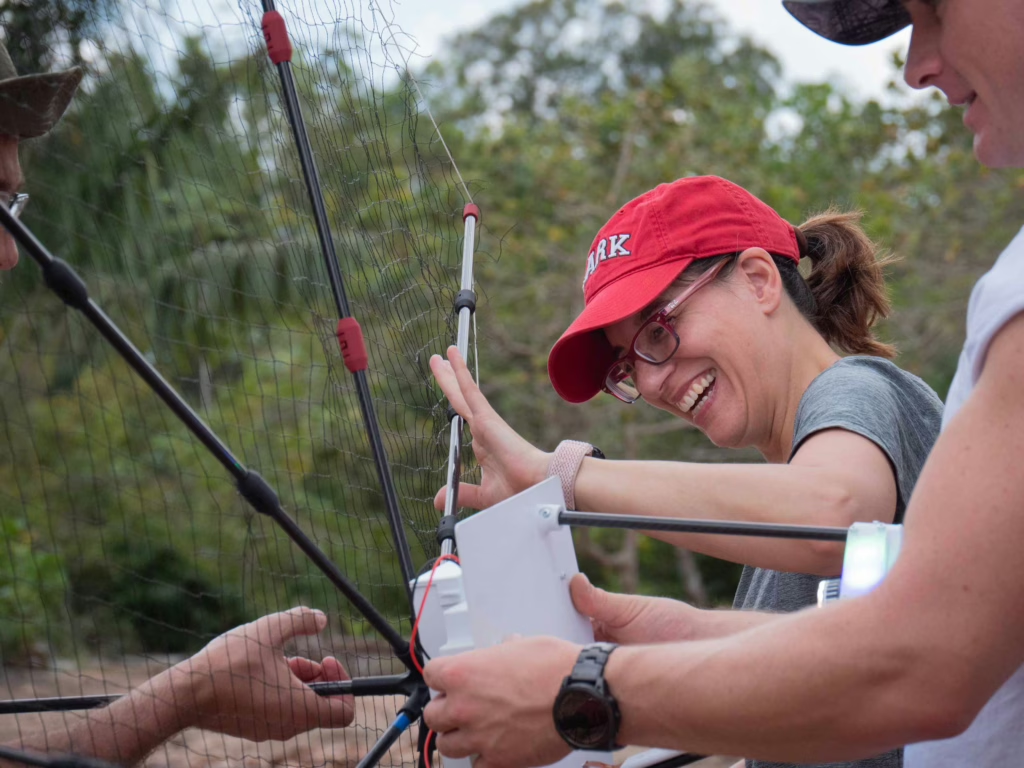
How can communities prepare for a future defined by change?
Around the world, communities are confronting uncertainty with ingenuity and resolve. Clark researchers work alongside public agencies, nonprofit organizations, and local leaders to develop strategies that strengthen infrastructure, guide environmental stewardship, and support long-term economic and social vitality.
The next moonshot
Clark students share their thoughts about the environment, the planet, and what they see as their moonshot — the great challenge of their generation.
“Many international and local human rights issues are exacerbated by climate change and climate disasters.
“By working toward a more sustainable future and improving the lives of those affected by climate disasters, we can create a more stable environment for future generations.”
Isabella Bishop ’26, M.A. ’27
“I believe anyone can learn, study, and be successful – if given opportunity to believe in themselves.
“My moonshot goal is to equalize educational attainment across national borders and wealth gaps.”
Jonathan Tamen ’26
