Libbey Slide Collection
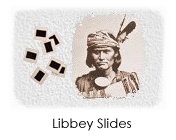
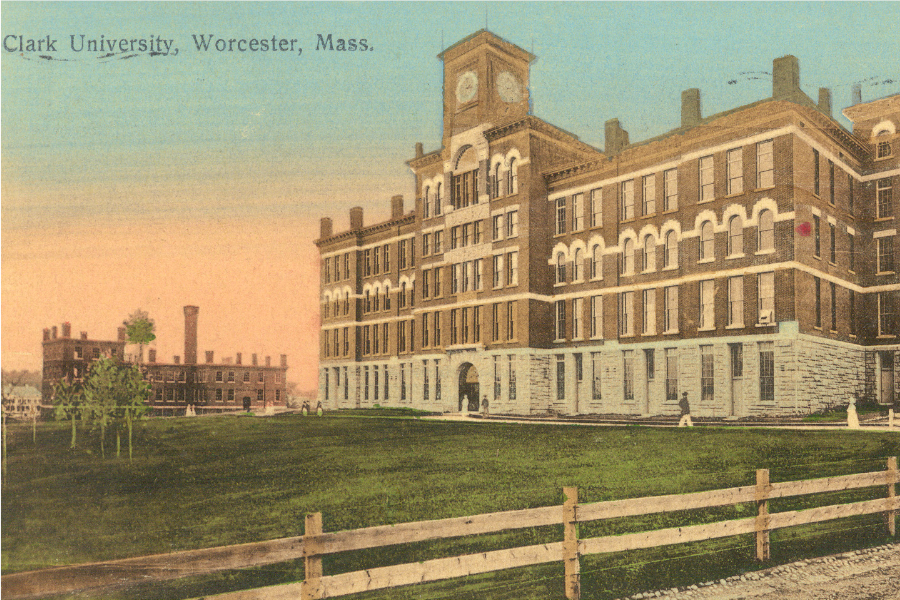
In 1928, Clark University was given the library of Dr. William Libbey, professor of physical geography and director of the Museum of Geology and Archeology at Princeton University. Included in the gift were 14,000 lantern slides dating between 1860 and 1910.
The collection consists of both commercial sets as well as personal original photographs. It includes 100 series of slides — each dealing with a specific topic, state, or country — representing a remarkable cross section of the geography and people of many parts of the globe in the late 19th and early 20th centuries.
About Lantern Slides
Lantern slides, the precursor to modern cardboard- or plastic-mounted slides, consist of two small glass plates. One plate is coated with an emulsion that captures an image when exposed to light, and a second glass plate is placed over the first to protect the emulsion. A cutout border, usually of black paper, is placed between the glass plates to act as a frame for the picture. The glass plates are sealed together with black tape. The projector used to illuminate the slides was called a “magic lantern” — hence the term “lantern slides.”
Although magic lanterns were used to project transparent drawings before 1839, it was not until 1850 that glass photographic slides were made in the United States. They became a common form of home entertainment, reaching their highest level of popularity by 1900. They continued to be widely used until 35mm film and cameras became readily available in the late 1920s to the mid-1930s.
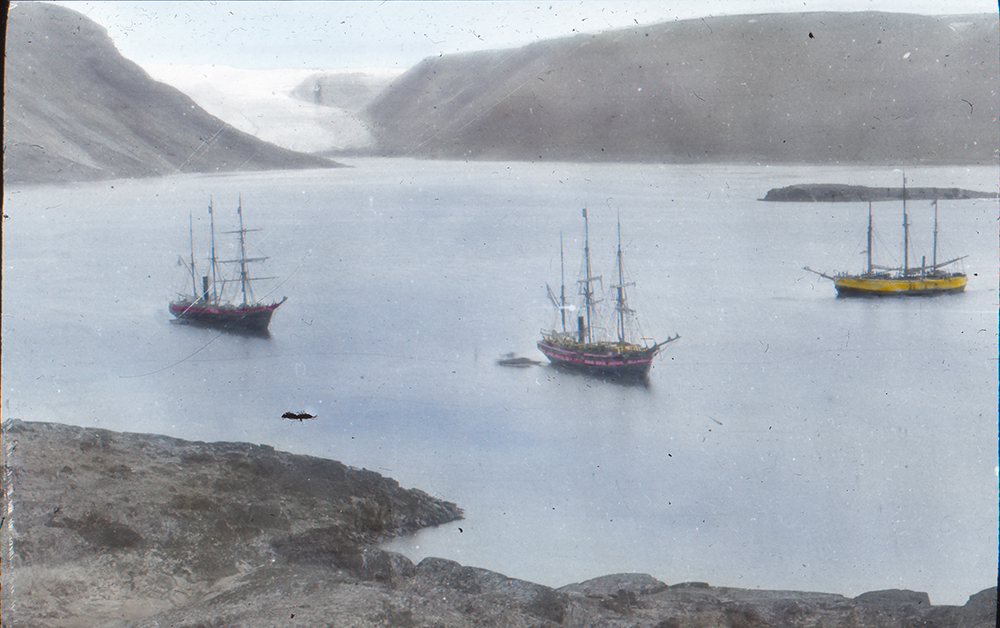
Generally, lantern slides were black and white, but they could be hand-tinted with transparent oils. They were often commercially produced and typically sold by opticians who purchased the rights to the photographs, reproduced them as lantern slides, and sold them either singly or in sets. Descriptive booklets were often included with the sets. Many of the pioneers of photography had their photographs reproduced in this fashion.
The Libbey Slide Collection
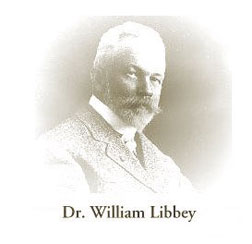
Libbey became interested in photography as an undergraduate at Princeton University and embarked on many expeditions during his lifetime. Many of those travels are documented in his collection. The series housed at Clark includes photographs from:
- An 1877 Princeton scientific expedition to Utah.
- An 1878 expedition to view a solar eclipse near Denver, Colorado.
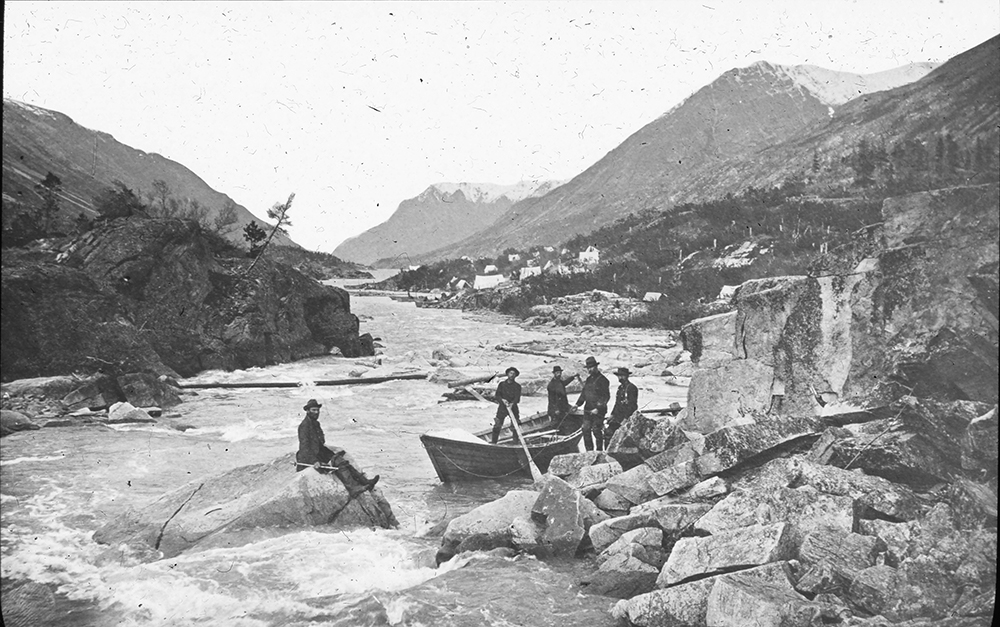
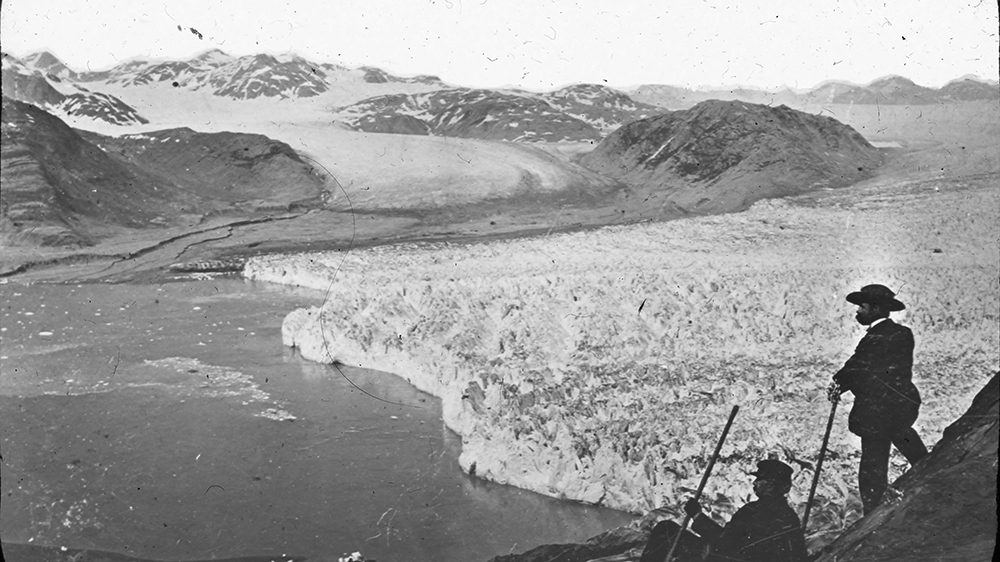
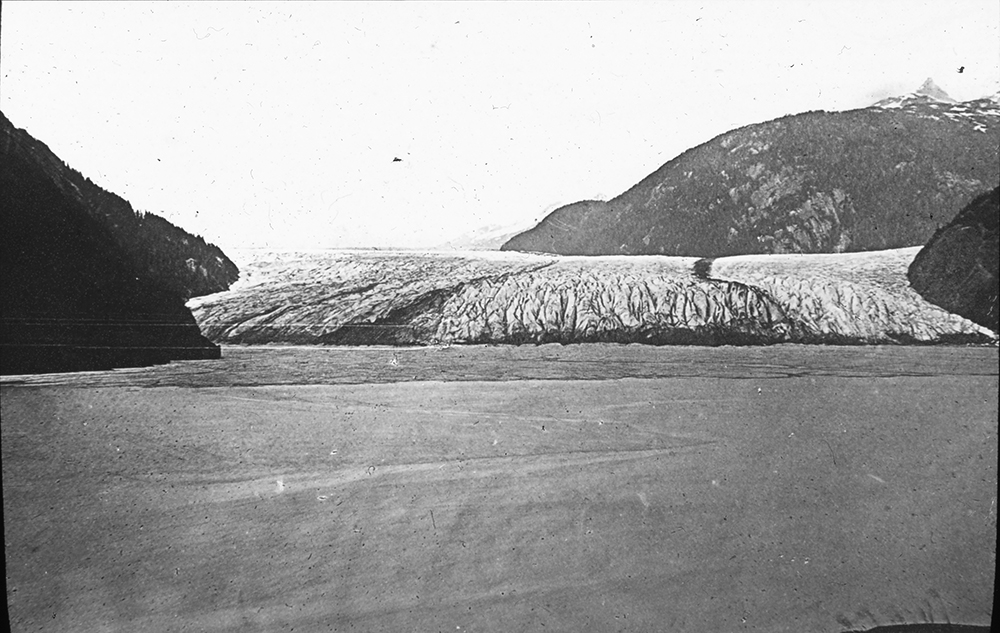
- An 1886 expedition organized by the New York Times to climb Mt. St. Elias in Alaska alongside Lt. Frederick Schwatka. This series includes photographs of the Yakutat Indians in Yakutat Bay.
- 1894 and 1899 Peary Expeditions to Greenland.
- A 1902 expedition to Jordan, about which Libbey co-authored his most famous publication, The Jordan Valley and Petra.
- A 1908 expedition to Yellowstone Park.
There are currently approximately 20,000 glass lantern slides housed in Clark University’s Map Library. In addition to the 14,000 from Libbey’s personal collection, 6,000 more were acquired from Clark’s Graduate School of Geography in 1985.