Clark University Research
950 Main Street • Worcester, MA 01610
Tel: 508-793-7711 • academicaffairs@clarku.edu

George Perkins Marsh Institute
Marsh Institute E-News 2007
In these pages you will find updates about faculty awards and grants, graduate student work, the Distinguished Lecture Series, recent publications and upcoming events.

Student Spotlights

Organizational Dynamics of the U.S. Logistics Industry 
Funded by: National Science Foundation (NSF)

The project aims at using Agent-Based Modeling to simulate the organizational dynamics of the logistics industry of North America. The project involves economic geography, economics, management science and computer programming.

Cao Kang, research assistant, is a PhD in Geography. His contribution ranges from conducting surveys to gathering information regarding logistics providers' and users' behavior, data analysis of the survey data, and the building of profiles for both providers and users. Currently the project is its third stage, which is the building of the model.

Strengthening Vulnerable Communities in the Worcester Built Environment (Neighborhood Strength Project)
Funded by:
National Institute of Environmental Health Science (NIEHS)

The project focuses on vulnerability and environmental justice in Worcester.

Erin Anderson

Erin Anderson (Community Development and Planning MA '07) coordinates the qualitative research for the Neighborhood Strength Project. She is responsible for directing a household survey effort that aims at creating a holistic index of environmental health as experienced by residents in the Main South and Piedmont neighborhoods. She also facilitates a participatory oral history project, working with a group of youth and adult residents. The group has identified the concern of vacant buildings as its central focus and is conducting oral history interviews with other residents who have experienced living near these buildings. They are creating a video that will be shown at a community forum to build energy and action around the issue.


Rebecca Dezan (Community Development and Planning BA '06/MA '07) focuses on the youth component of the project. She facilitates the A (action)-Team, a group of young people who work out of the Worcester Youth Center to discuss issues of environmental justice and develop projects that respond to the needs of the community. Currently, the group is working on a video project about teen jobs, planning for a global warming education fair, and developing a project concerning the way the media portray youth and minorities.

Deb Sinha is a Geography PhD student who works as a research assistant on the NIEHS project. Deb is involved in the data integration and GIS modeling research, incorporating quantitative and qualitative datasets including existing data from other research projects.

Donna Wysokenski

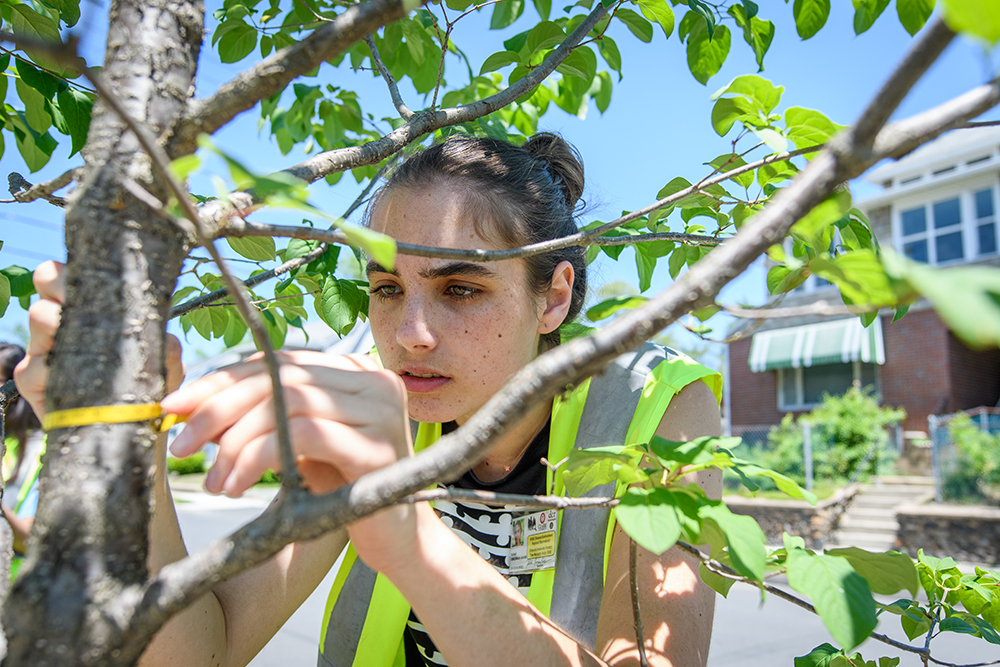
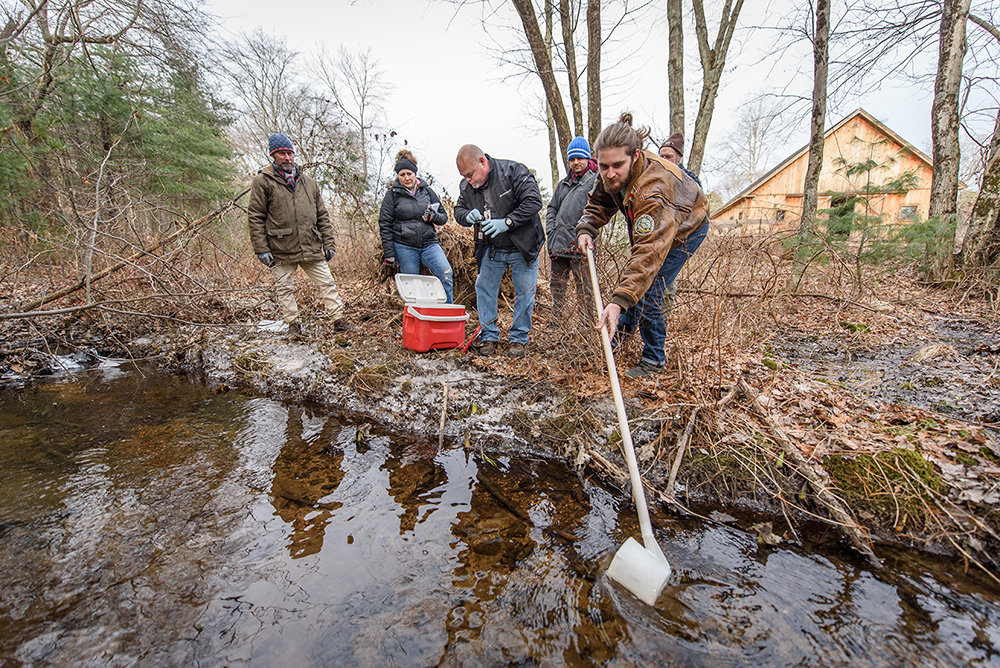
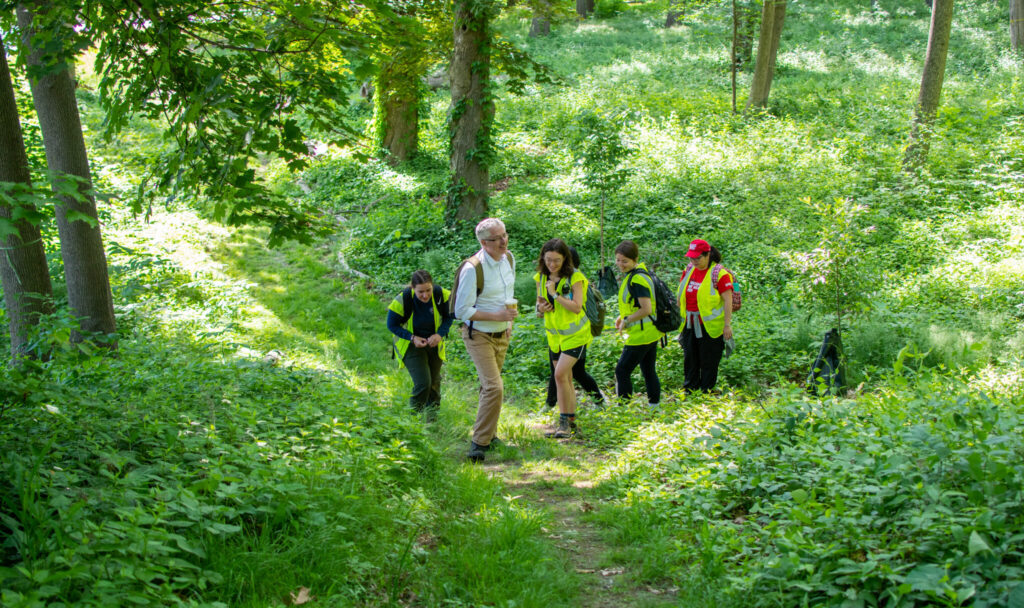
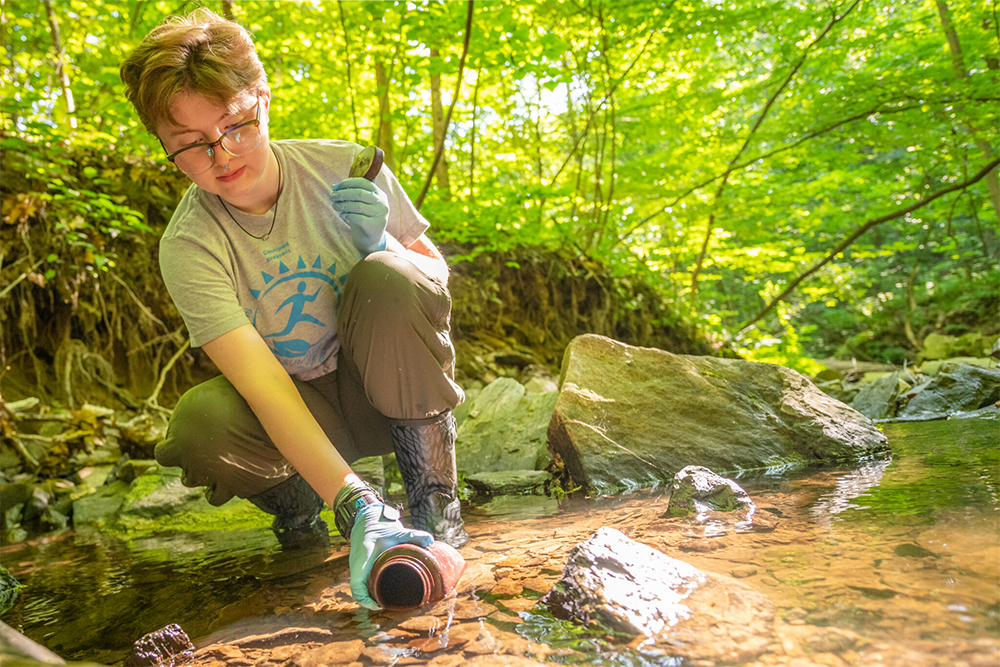
Donna Wysokenski (ES and P 07) works in two main areas of the Environmental Justice Project: environmental sampling and environmental health. With the local community group ToxicsWatch, neighborhood walks with residents have been coordinated to sample the outdoor air for particulate matter. The data are then downloaded in real time so residents can see what they have been exposed to. Other, longer walks in the Main South-Piedmont neighborhood have been conducted creating a baseline profile of local particulate exposure. Environmental sampling for indoor toxins including lead, particulates and radon are also being planned. How the environment and health are connected has been the focus of health listening sessions coordinated with the Family Health Center. So far, three listening sessions have been conducted, including one with youth and one with the Southeast Asian community. The sessions have defined health problems faced by each group, made connections between the environment and health, mapped areas that are "healthy" and "unhealthy" and discussed ways to work together to promote better health. Finally, a pilot project to learn more about asthma prevalence rates among children in the Main South-Piedmont neighborhood is proposed and in the initial stages of development.

Landscape Vulnerability-Resilience in the Southern Yucatán Peninsular Region
Funded by:
National Aeronautics and Space Administration

Ximena Rueda is a Geography PhD student whose work sits at the intersection of conservation and development. She is interested in exploring how conservation programs work for fragile ecosystems and the people who inhabit them. She is conducting her doctoral research in the Southern Yucatán Peninsula Region, a colonization frontier and conservation hotspot, assessing the impacts of conservation programs on both forests and people. Using satellite imagery, biophysical and socio-economic data, she links social and ecological interactions to assess policy effectiveness.

Mining FDI, Corporate Social Responsibility and Sustainable Development
Funded by:
National Science Foundation

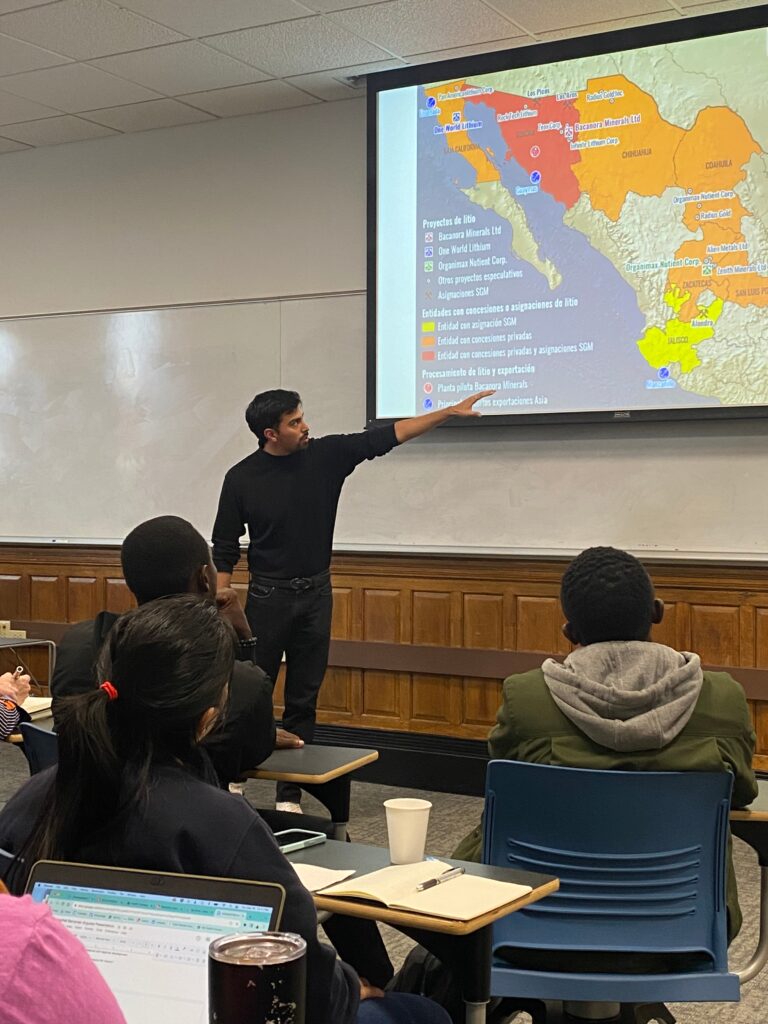
Matt Huber, PhD candidate in Geography, helps conduct research on the gold mining industry and contributes to articles submitted for publication.

HERO: Infrastructure development for the Human Dimensions of Global Environmental Change Through the Establishment of Human Environment Research Observatories
Funded by:
National Science Foundation

Chris City, PhD Geography, is working with Professor Colin Polsky and the HERO fellows on exploring the relationship between residential land use and water demand in eastern Massachusetts. Despite high levels of natural rainfall, more and more suburban communities in this area are finding that their water supplies are not always sufficient to meet their water demand, particularly during the peak summer season. The team is studying how suburban communities are managing both water demand and residential growth in order to understand whether land use patterns, such as sprawl, may be contributing to the growing water crisis in this region.

Questions being asked include: Do planners, water managers, and other public officials see a connection between the pressure for development and the pressures on their water supplies? Will the availability of water influence the rate, location and type of development that occurs in the future in eastern Massachusetts?

For more information, please contact Angela Nelson (508.751.4622) or AnNelson@clarku.edu at the Marsh Institute.

Top

Contact Information Search

You may also be interested in:
Directions
Campus Map


© 2008 Clark University·